Cheapest Council Tax In London 2026/27: All Boroughs Ranked
Compare 2026/27 Band D council tax across all London boroughs and the City, from cheapest Wandsworth to highest Kingston upon Thames.
Author:James RowleyOct 13, 202615.3K Shares228.6K Views
Quick Answer: Where Is Council Tax Cheapest In London?
Wandsworth has the cheapest standard 2026/27 Band D council tax in London at £1,020.35 a yearfor the main charging area. Kingston upon Thames is the most expensive at £2,608.12 a year, creating a difference of £1,587.77.
These figures compare the standard Band D total for each authority’s main charging area. Your actual bill may differ if the property is in another band, qualifies for a discount or exemption, or is subject to a local levy or special precept.
The 2026/27 council tax year runs from 1 April 2026 to 31 March 2027.
| Quick fact | 2026/27 figure |
| Cheapest main-area Band D | Wandsworth, £1,020.35/year |
| Highest main-area Band D | Kingston upon Thames, £2,608.12/year |
| Gap between highest and lowest | £1,587.77/year |
| Official London average area Band D | £2,068/year |
| GLA Band D precept: 32 boroughs | £510.51/year |
| City of London GLA Band D precept | £176.38/year |
GOV.UK reports an average area Band D council tax of £2,068 across Londonfor 2026/27. City Hall set the Band D GLA precept at £510.51for the 32 boroughs and £176.38 for the City of London.
Council tax is only one part of the wider cost of living in London, so compare it with rent, transport, utilities and salary before judging an area by tax alone.
How This London Council Tax Ranking Was Checked
This ranking covers the 32 London boroughs plus the City of London. Although the City is not a London borough, it is included to give readers the complete local-authority picture; its standard 2026/27 Band D charge is £1,329.56.
The ranking uses the standard 2026/27 Band D total for each authority’s main charging area. Band D is the usual benchmark for comparing council tax between local authorities; it does not mean that most London homes are in Band D.
GOV.UK’s £2,068 London figure is an average area Band D measure, so it is not a simple average of the 33 main-area totals below. The official measure accounts for local tax bases, discounts, exemptions, council tax support, premiums and precepts.
Some addresses pay additional local levies or special precepts. Wandsworth and Kingston publish a Wimbledon and Putney Commons levy for affected homes, Merton publishes a Wimbledon Common Area levy, and parts of Westminster have local precepts. This ranking is therefore a comparison tool, not a substitute for checking a specific property’s bill.
Across London, the official average area Band D charge rose by £87, or 4.4%, from 2025/26 to 2026/27. Each “Change from 2025/26” figure compares the council’s published standard Band D charge for the same main charging area in both years. GOV.UK’s Band D Council Tax live tablesprovide the official London-wide context.
If you are comparing boroughs before a move, pair this council tax ranking with average rent in London by boroughbecause rent usually has a much bigger effect on monthly costs.
Why Does Council Tax Vary Between London Boroughs?
Each authority sets a council tax requirement based on the amount it needs to raise and divides it by its council tax base, the number of Band D-equivalent homes used for tax-setting purposes. Different local budget requirements and tax bases therefore produce different Band D charges.
London bills also include the Greater London Authority precept, while some addresses have additional local levies or special precepts. Annual increases can also include adult social care funding, but higher property values do not automatically mean higher council tax because bands in England are based on property values from 1 April 1991.
Most Expensive London Council Tax Boroughs In 2026/27
| Borough | Band D rate |
| Kingston upon Thames | £2,608.12/year |
| Croydon | £2,599.91/year |
| Harrow | £2,511.07/year |
| Richmond upon Thames | £2,486.10/year |
| Havering | £2,424.66/year |
Cheapest London Council Tax Areas In 2026/27
| Borough or authority | Band D rate |
| Wandsworth | £1,020.35/year |
| Westminster | £1,047.85/year |
| City of London | £1,329.56/year |
| Hammersmith and Fulham | £1,519.51/year |
| Kensington and Chelsea | £1,643.44/year |
Low council tax can help, but the cheapest places to live in Londonalso depend on rent, house prices, commute costs and day-to-day fit.
London Council Tax By Borough: Full 2026/27 Ranking
The borough profiles below run from the highest standard Band D charge to the lowest. For a faster comparison of the cheapest options, use the five-area shortlist above.
Kingston Upon Thames
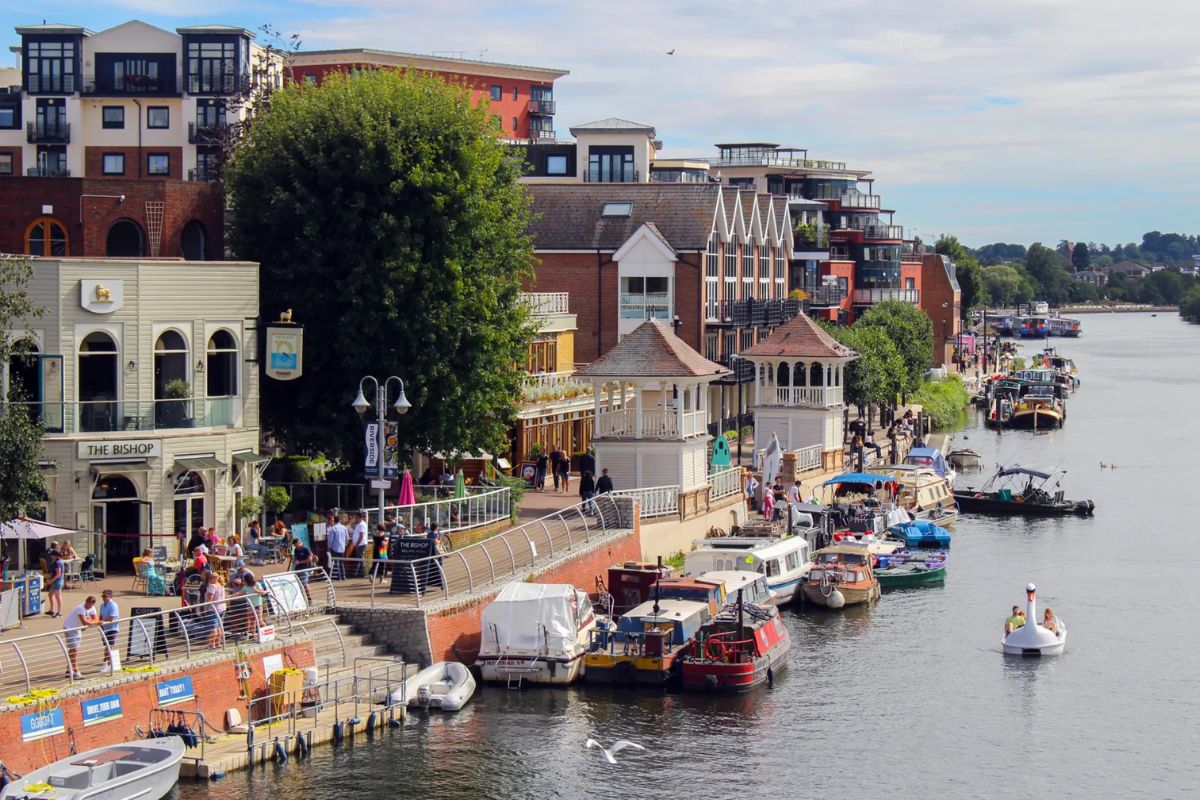
Kingston upon Thames is the most expensive London authority in this ranking for a standard Band D charge. Its 2026/27 standard Band D total is above every other London borough.
This figure does not include the extra Wimbledon and Putney Commons levy paid by some affected homes, so postcode-level bills can be slightly higher in those areas.
- Band D Rate:£2,608.12/year
- Why it ranks here:Kingston has one of London’s highest borough council tax elements, and its total also includes the standard 32-borough GLA Band D precept.
- Change from 2025/26:+£119.77 a year (+4.8%)
Croydon
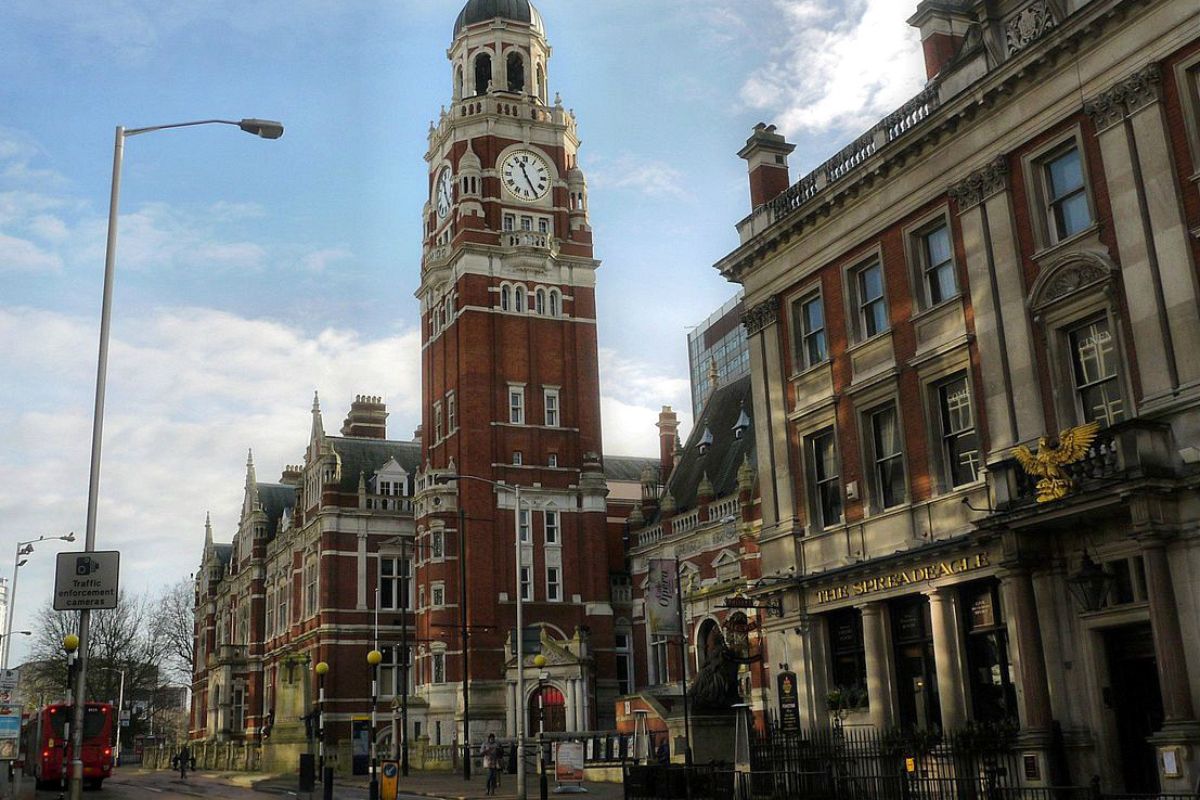
Croydon sits just behind Kingston and remains one of the costliest London boroughs for Band D council tax. For south London comparisons, it belongs near the top of the table.
Its Band D charge is well above the London average area Band D figure for 2026/27.
- Band D Rate:£2,599.91/year
- Why it ranks here:Croydon’s published 2026/27 total puts it in London’s highest-charge group after a near-maximum local rise and the higher GLA precept.
- Change from 2025/26:+£119.43 a year (+4.8%)
Harrow
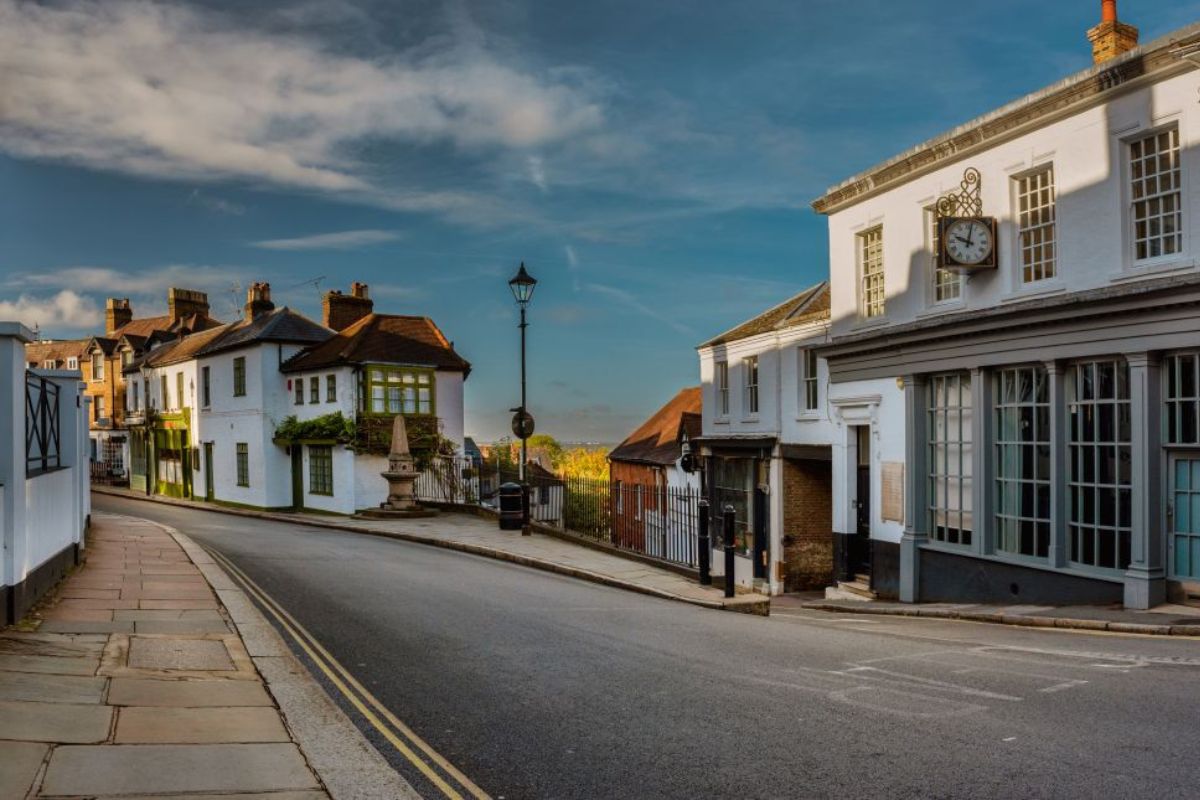
Harrow remains in the top tier of London Band D council tax bills. If you are comparing north-west London boroughs, this is one of the heavier yearly charges.
It is clearly above the middle of the London table for 2026/27.
- Band D Rate:£2,511.07/year
- Why it ranks here:Harrow’s borough element is high compared with most London authorities, and the total includes the standard GLA Band D precept.
- Change from 2025/26:+£115.21 a year (+4.8%)
Richmond Upon Thames
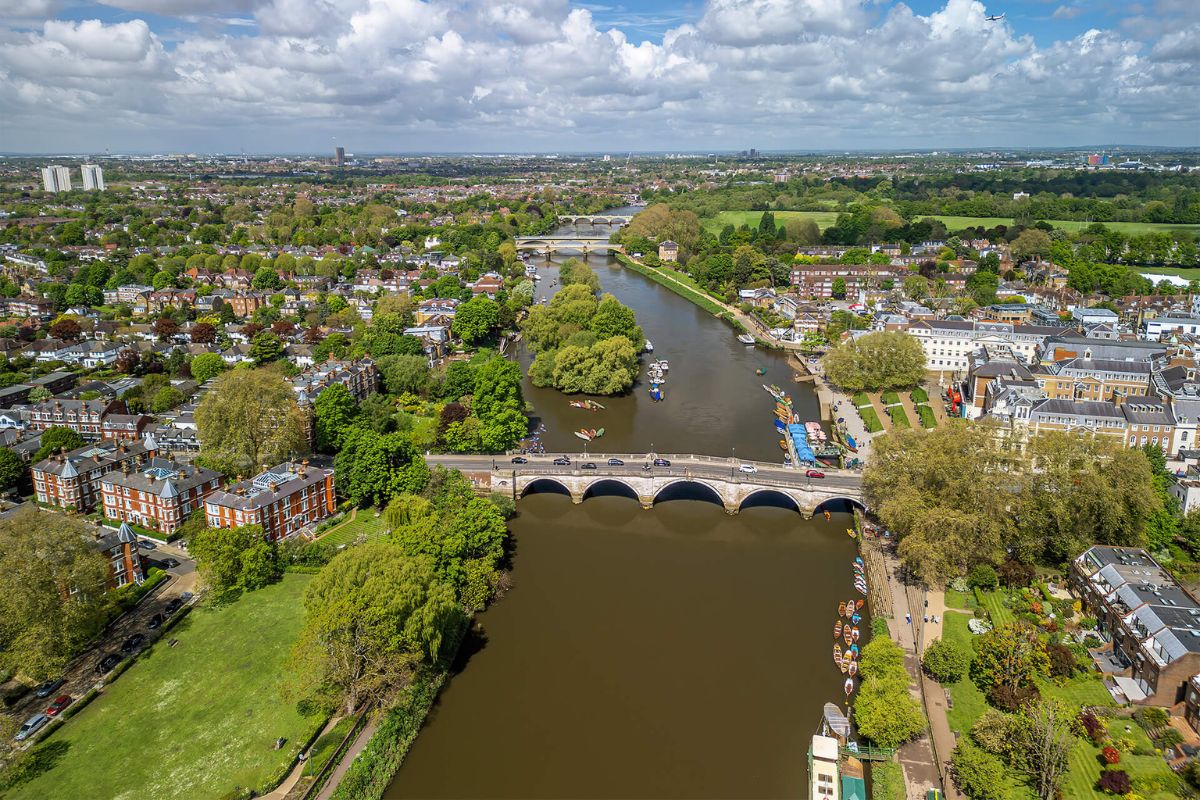
Richmond upon Thames has one of the highest Band D charges in London. It is a useful reminder that high property values do not automatically mean low council tax.
The borough stays near the top of the capital’s council tax ranking for 2026/27.
- Band D Rate:£2,486.10/year
- Why it ranks here:Richmond’s published 2026/27 Band D total rose to £2,486.10, keeping it among London’s highest-charge boroughs.
- Change from 2025/26:+£114.03 a year (+4.8%)
Havering
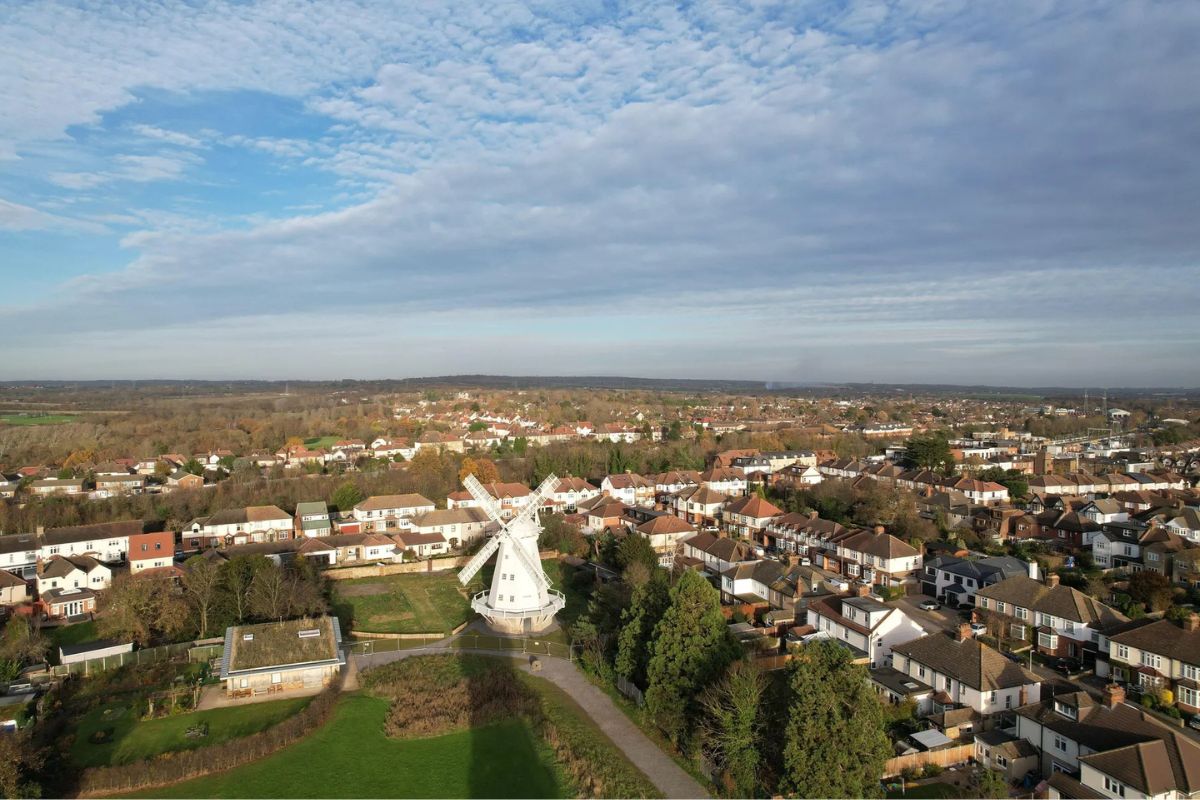
Havering is another outer-London borough with a high Band D bill. If you are comparing east London costs, this is one of the bigger yearly totals to plan around.
It remains firmly in the expensive half of the London ranking.
- Band D Rate:£2,424.66/year
- Why it ranks here:Havering’s published 2026/27 total keeps it in London’s upper group after the local rise and GLA precept are included.
- Change from 2025/26:+£111.11 a year (+4.8%)
Waltham Forest
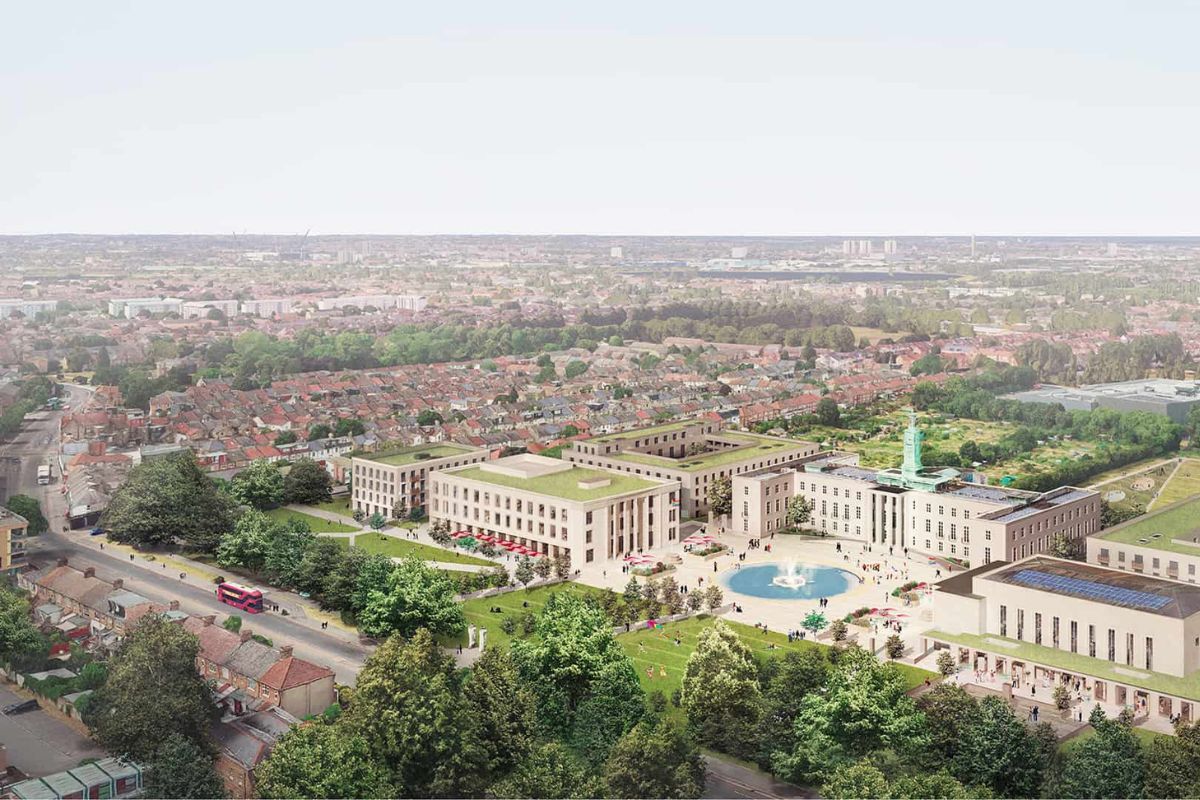
Waltham Forest sits higher in the table than many people may expect. For north-east London comparisons, its council tax is firmly on the expensive side.
It stays above much of inner London on a Band D basis.
- Band D Rate:£2,386.96/year
- Why it ranks here:Waltham Forest’s borough charge plus the standard GLA precept leaves it in the upper section of the London ranking.
- Change from 2025/26:+£109.31 a year (+4.8%)
Sutton
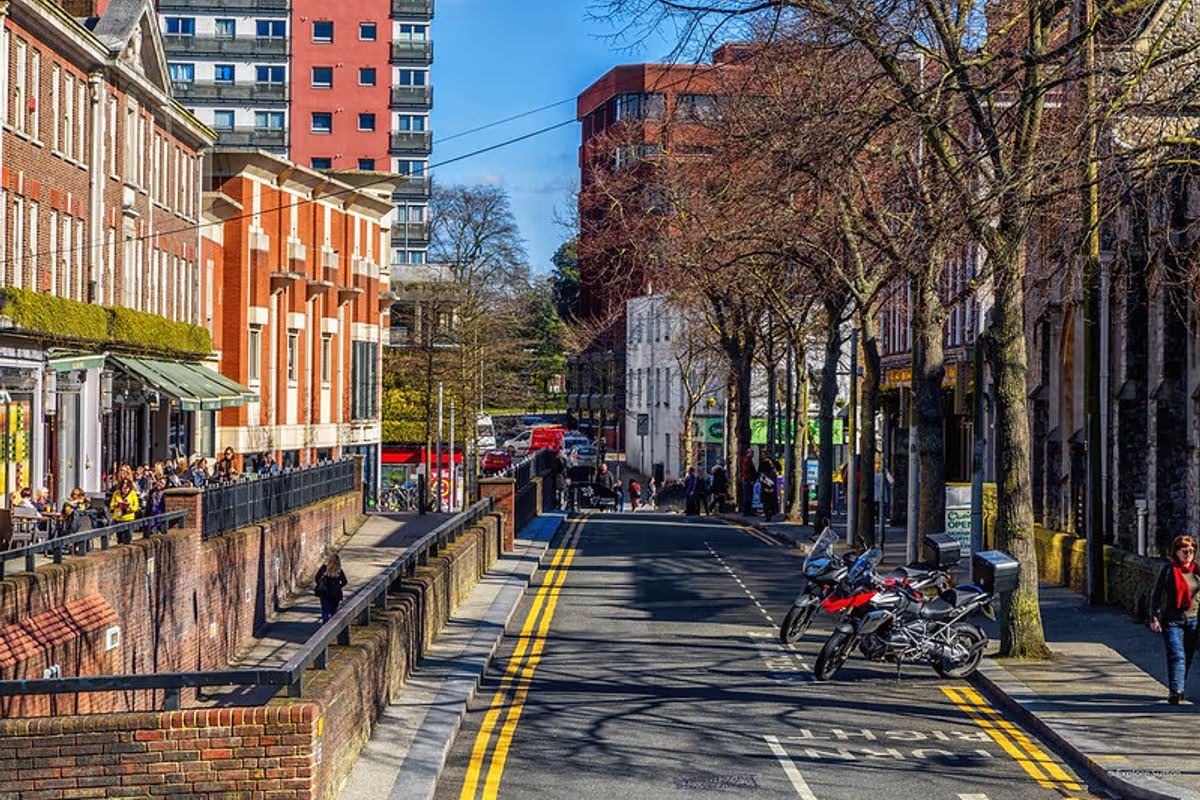
Sutton remains near the top end of London council tax charges. If you are comparing south London boroughs, this is not one of the lower-bill options.
Its yearly Band D total is clearly above the cheaper half of the capital.
- Band D Rate:£2,378.64/year
- Why it ranks here:Sutton’s 2026/27 Band D total reflects a high local charge compared with many London boroughs.
- Change from 2025/26:+£108.92 a year (+4.8%)
Bexley
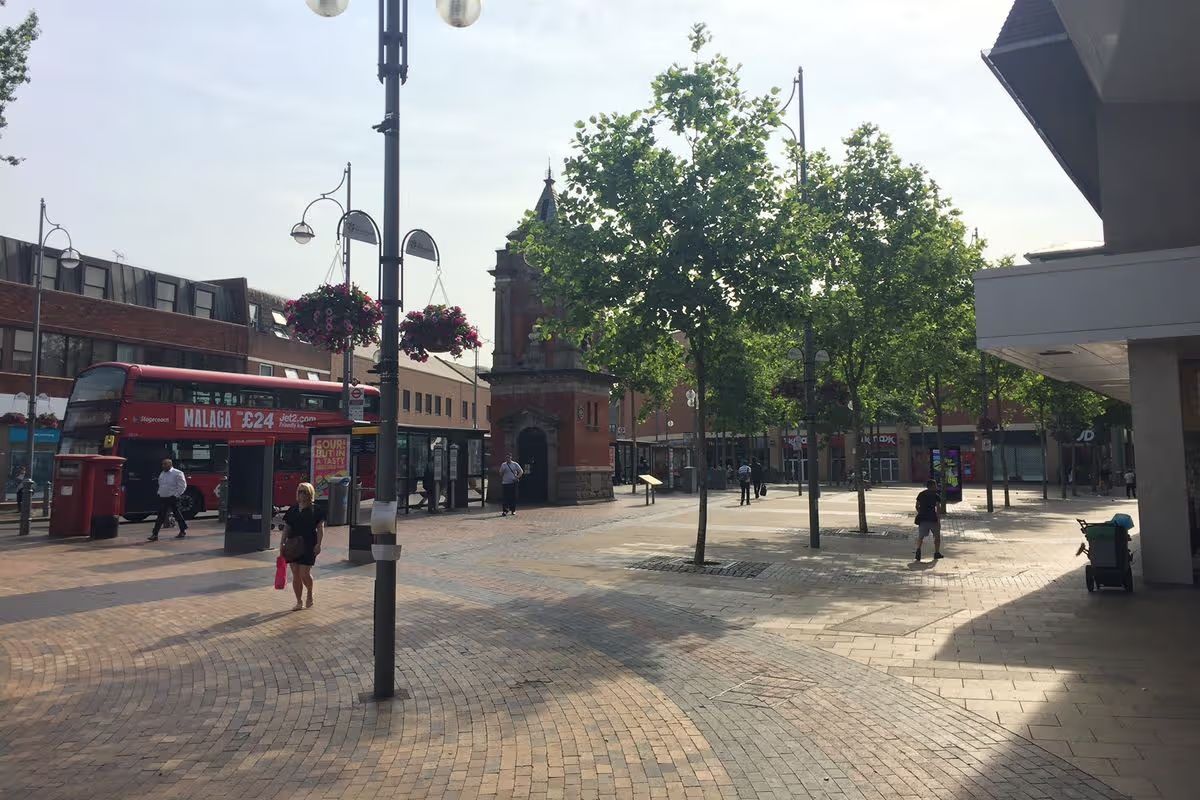
Bexley also lands in the expensive group for Band D. For outer south-east London comparisons, it is one of the heavier yearly bills.
It sits well above the capital’s low-tax cluster.
- Band D Rate:£2,366.36/year
- Why it ranks here:Bexley’s published 2026/27 total puts it comfortably in the upper half of the London council tax ranking.
- Change from 2025/26:+£108.33 a year (+4.8%)
Haringey
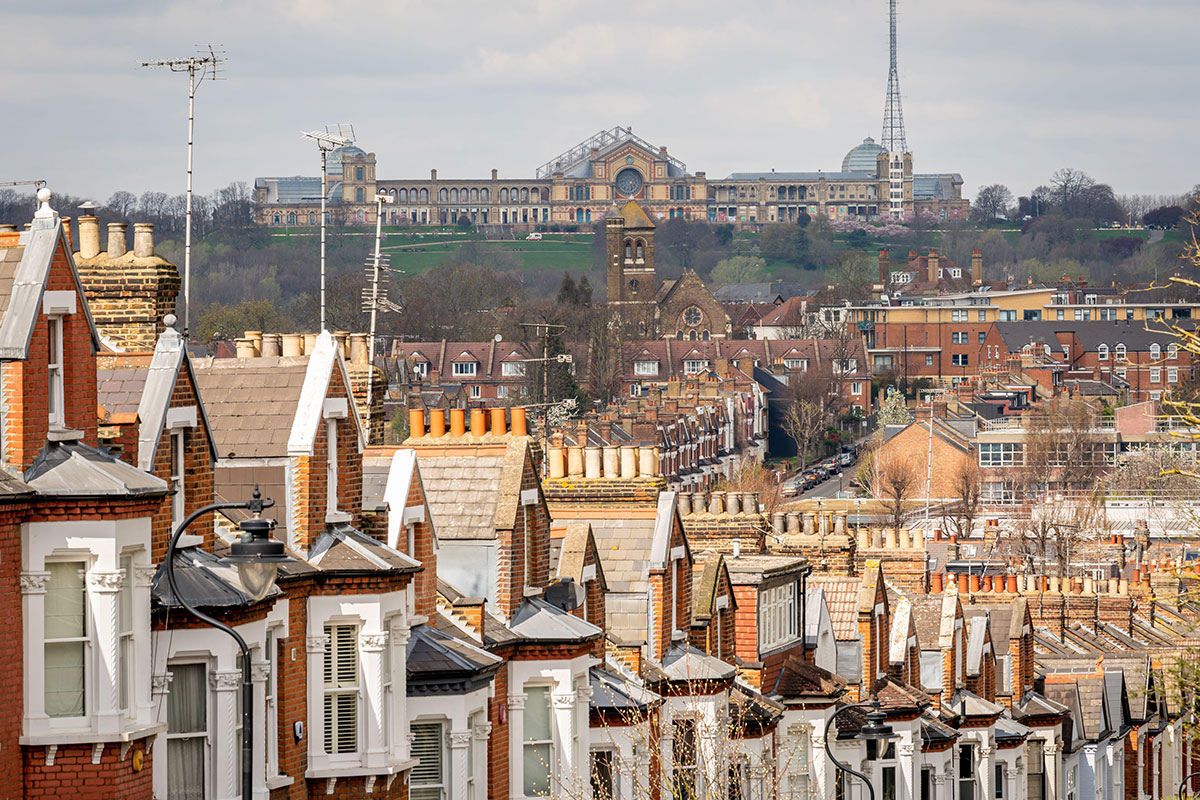
Haringey sits just below the very highest cluster, but it is still expensive in London terms. Council tax is a meaningful yearly cost here when comparing boroughs.
It remains above the London middle range for Band D.
- Band D Rate:£2,313.78/year
- Why it ranks here:Haringey’s Band D total combines a relatively high borough element with the standard GLA precept.
- Change from 2025/26: +£105.84 a year (+4.8%)
Redbridge
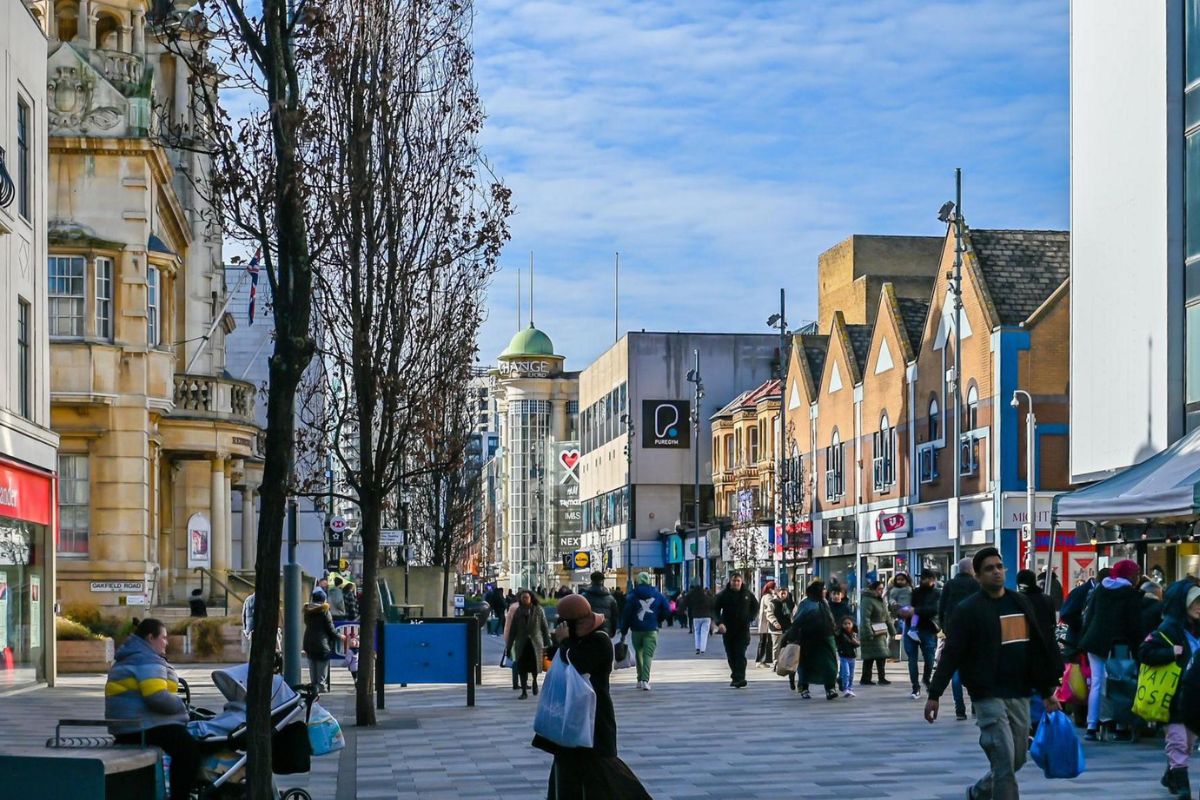
Redbridge remains in the upper London range for Band D bills. If you are comparing east London boroughs, it sits on the costlier side.
Its charge is above the middle of the capital’s table.
- Band D Rate:£2,294.58/year
- Why it ranks here:Redbridge’s 2026/27 total leaves it in London’s more expensive half after the local and GLA elements are added.
- Change from 2025/26:+£104.91 a year (+4.8%)
Enfield
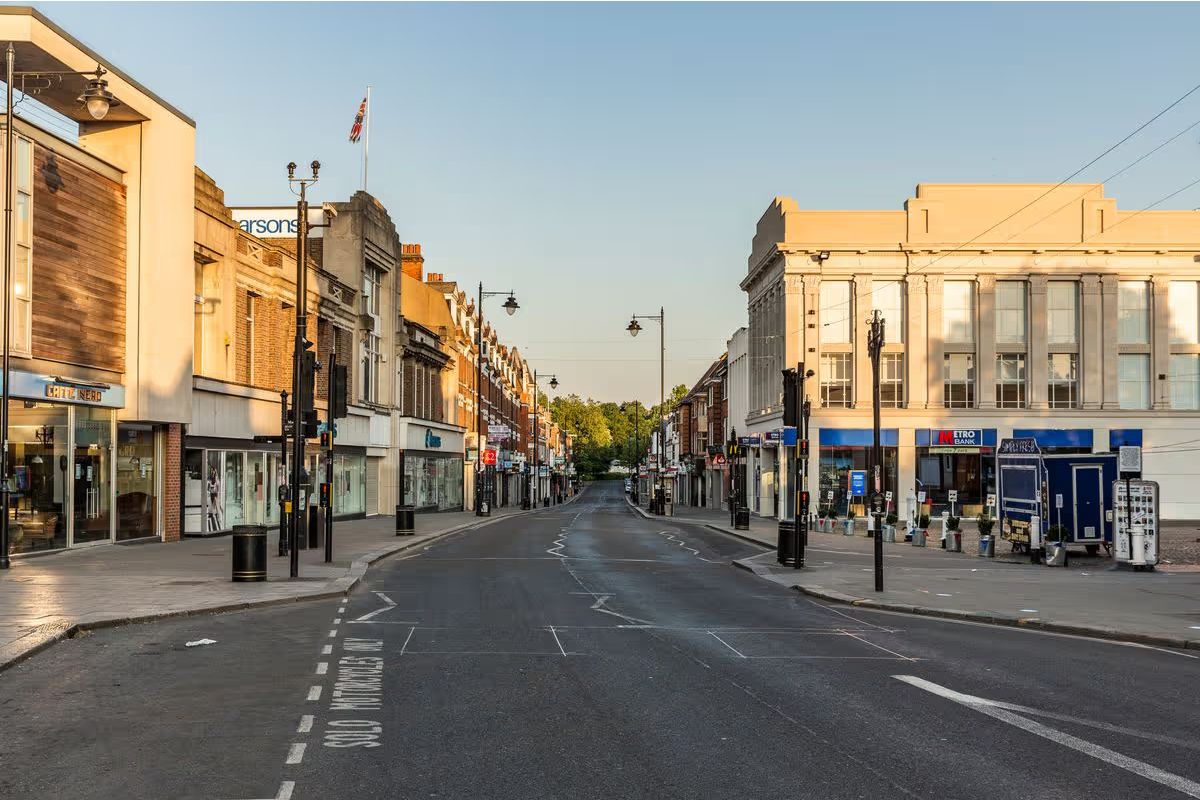
Enfield is another borough with a notably high Band D total. For north London annual bills, it sits well above the cheapest end.
It remains above many lower-cost inner-London boroughs.
- Band D Rate:£2,267.67/year
- Why it ranks here:Enfield’s published 2026/27 total reflects a higher borough charge than many London authorities.
- Change from 2025/26: +£103.65 a year (+4.8%)
Lewisham
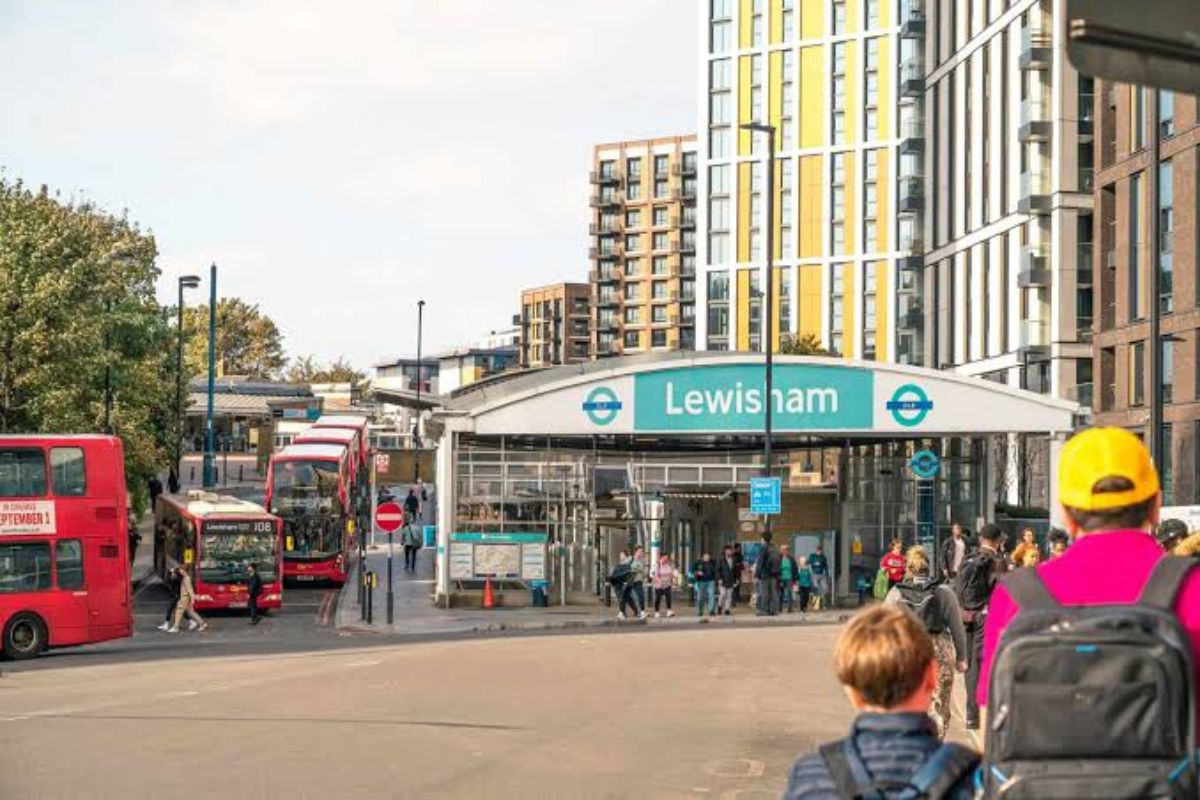
Lewisham sits in the upper-middle section of the ranking. For south-east London comparisons, it is closer to the expensive side than the cheap side.
Its Band D bill remains above many lower-cost London authorities.
- Band D Rate:£2,237.33/year
- Why it ranks here:Lewisham’s total places it above the middle of the London table after the local charge and GLA precept are included.
- Change from 2025/26:+£102.20 a year (+4.8%)
Brent
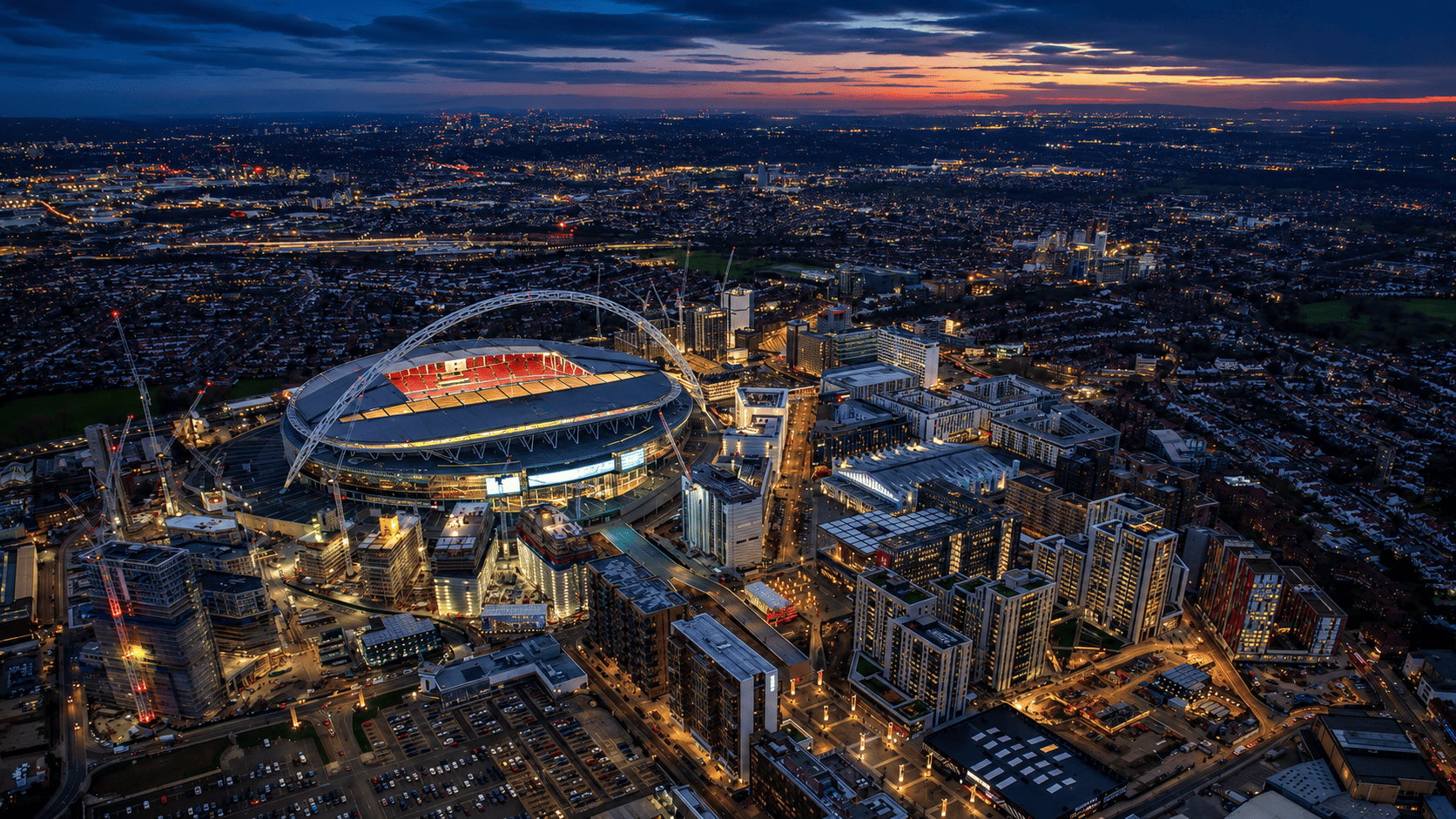
Brent’s Band D charge is also above the London middle range. If you are comparing west and north-west London, it is not one of the low-bill boroughs.
Its yearly total remains clearly above the cheapest authorities.
- Band D Rate:£2,235.27/year
- Why it ranks here:Brent’s 2026/27 Band D charge is £2,235.27, up from £2,133.15 in 2025/26.
- Change from 2025/26:+£102.12 a year (+4.8%)
Camden
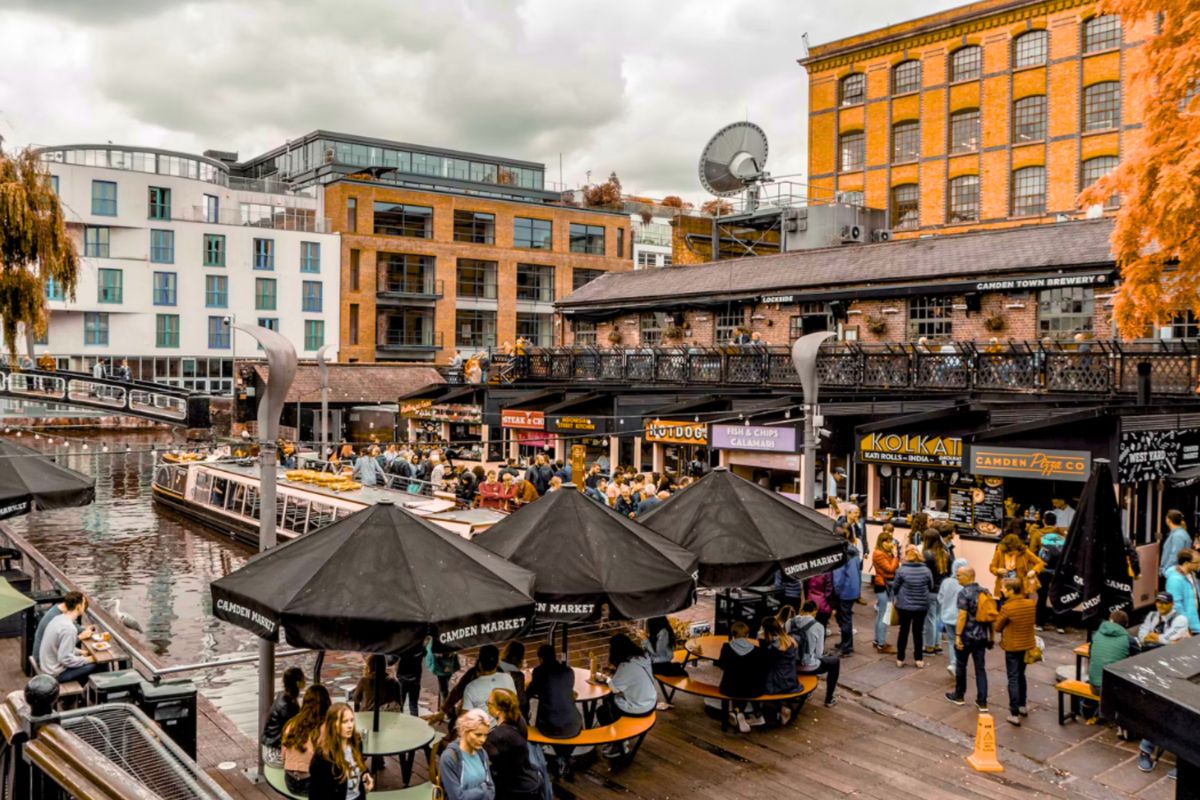
Camden is central, but it is still well above London’s lowest council tax boroughs. Central location does not automatically mean a low Band D bill.
It stays in the upper-middle part of the ranking.
- Band D Rate:£2,207.12/year
- Why it ranks here:Camden’s published 2026/27 total keeps it well above the low-tax borough group.
- Change from 2025/26:+£100.76 a year (+4.8%)
Barking And Dagenham
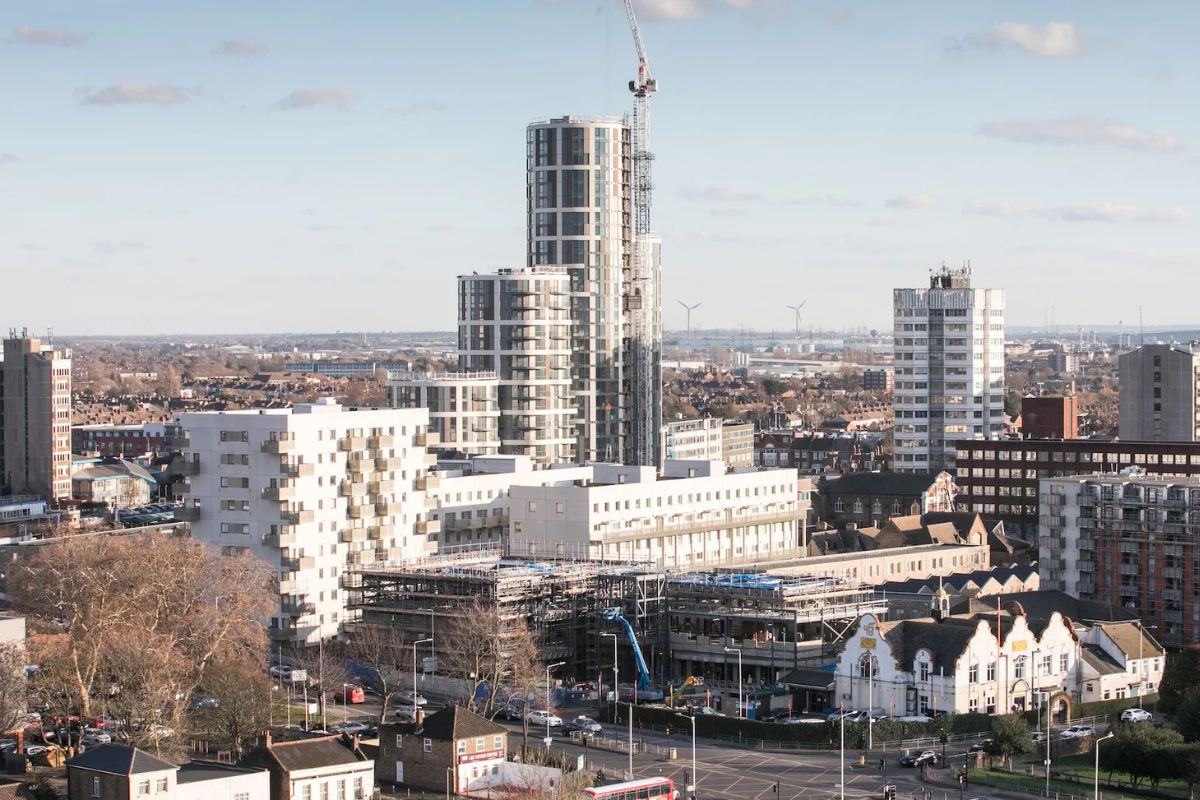
Barking and Dagenham sits slightly above London’s middle range for Band D. If you are looking at overall affordability, council tax still matters here.
Its Band D charge is above several inner-London authorities.
- Band D Rate:£2,198.50/year
- Why it ranks here:The borough’s 2026/27 total sits above much of inner London once the local charge and GLA precept are added.
- Change from 2025/26:+£100.36 a year (+4.8%)
Hounslow
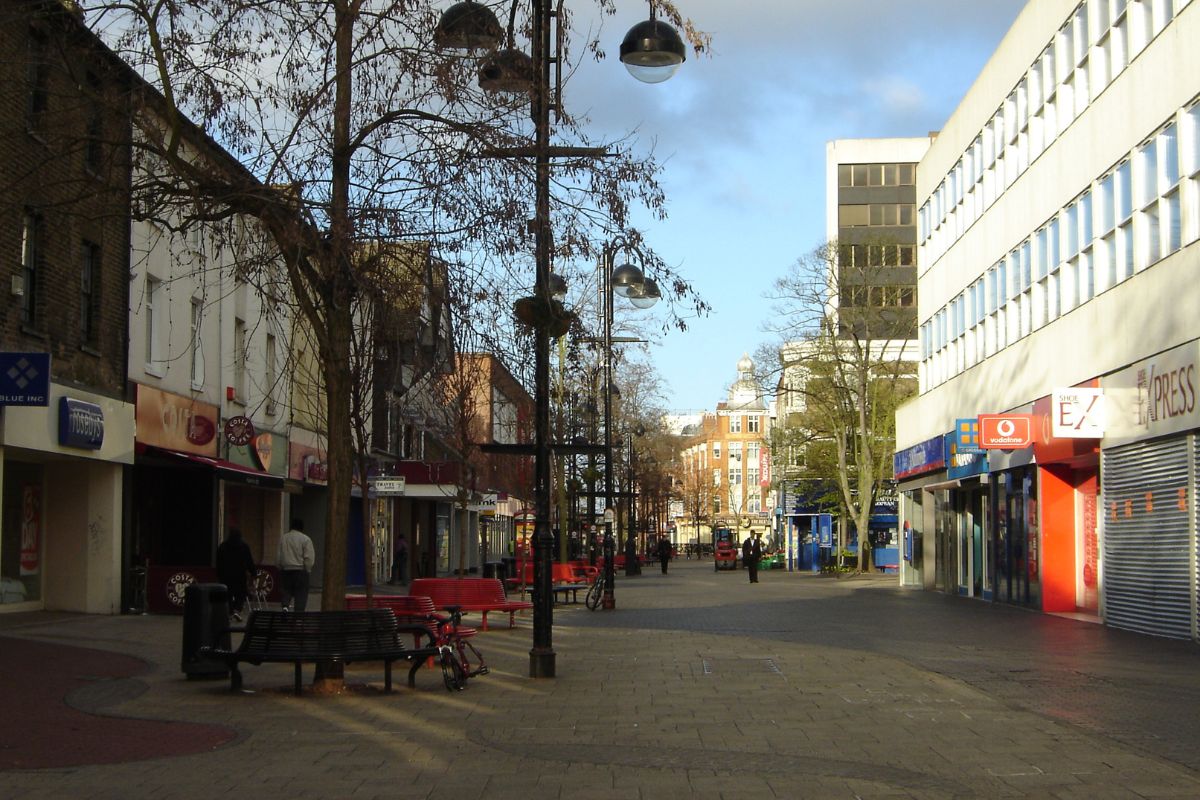
Hounslow lands just below Barking and Dagenham in this ranking. For west London comparisons, it is moderate-to-high rather than low.
Its Band D bill still sits comfortably above the bargain end of the table.
- Band D Rate:£2,185.56/year
- Why it ranks here:Hounslow’s published 2026/27 total reflects a mid-to-high local charge plus the standard GLA precept.
- Change from 2025/26:+£99.74 a year (+4.8%)
Merton

Merton is unusual because its increase is smaller than most of London. If you are looking for a borough where the cash rise was softer this year, Merton stands out.
Its total is still above £2,100, and some properties near Wimbledon Common pay an extra levy.
- Band D Rate:£2,140.52/year
- Why it ranks here:Merton’s standard Band D charge is £2,140.52, while affected Wimbledon Common Area properties pay a higher total.
- Change from 2025/26: +£52.09 a year (+2.5%)
Bromley
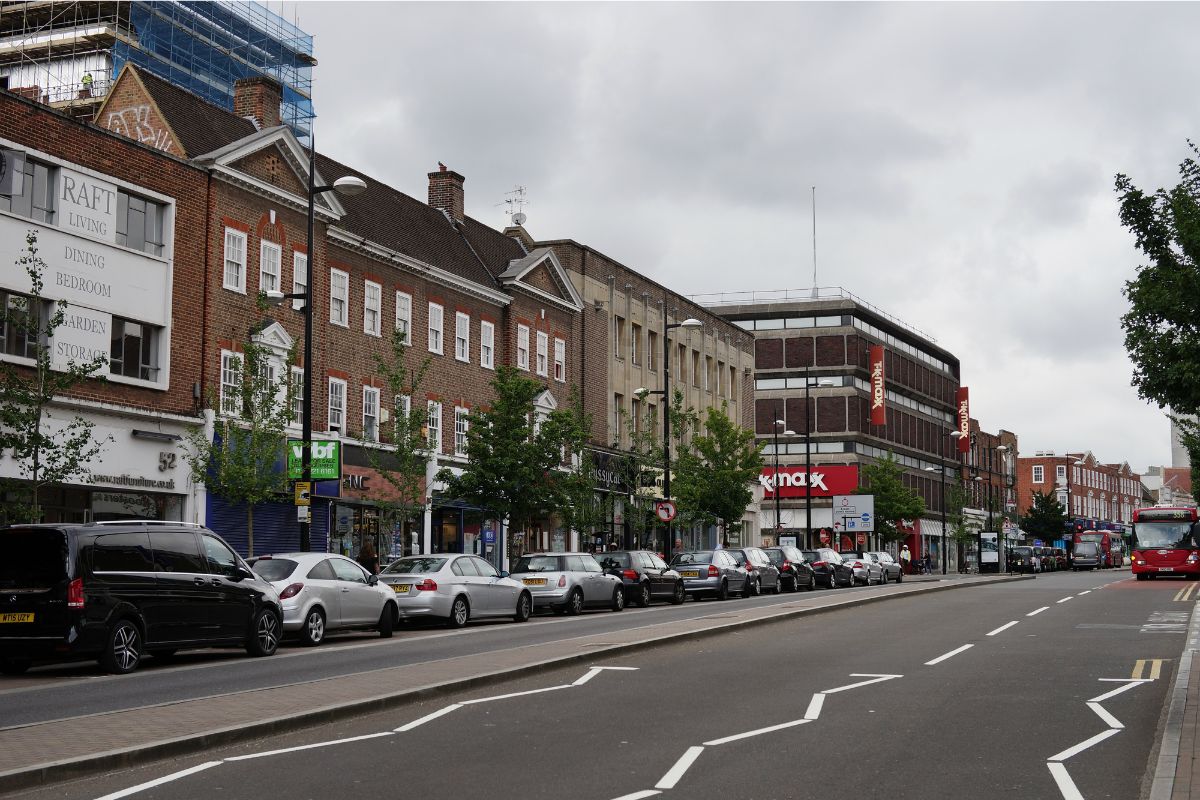
Bromley sits almost level with Merton but fractionally lower. If you are comparing outer south-east London, it is still above the cheap end of the market.
Its Band D charge remains slightly above London’s middle range.
- Band D Rate:£2,140.04/year
- Why it ranks here:Bromley’s published 2026/27 total keeps it near the middle-to-upper section of the London table.
- Change from 2025/26: +£97.58 a year (+4.8%)
Ealing
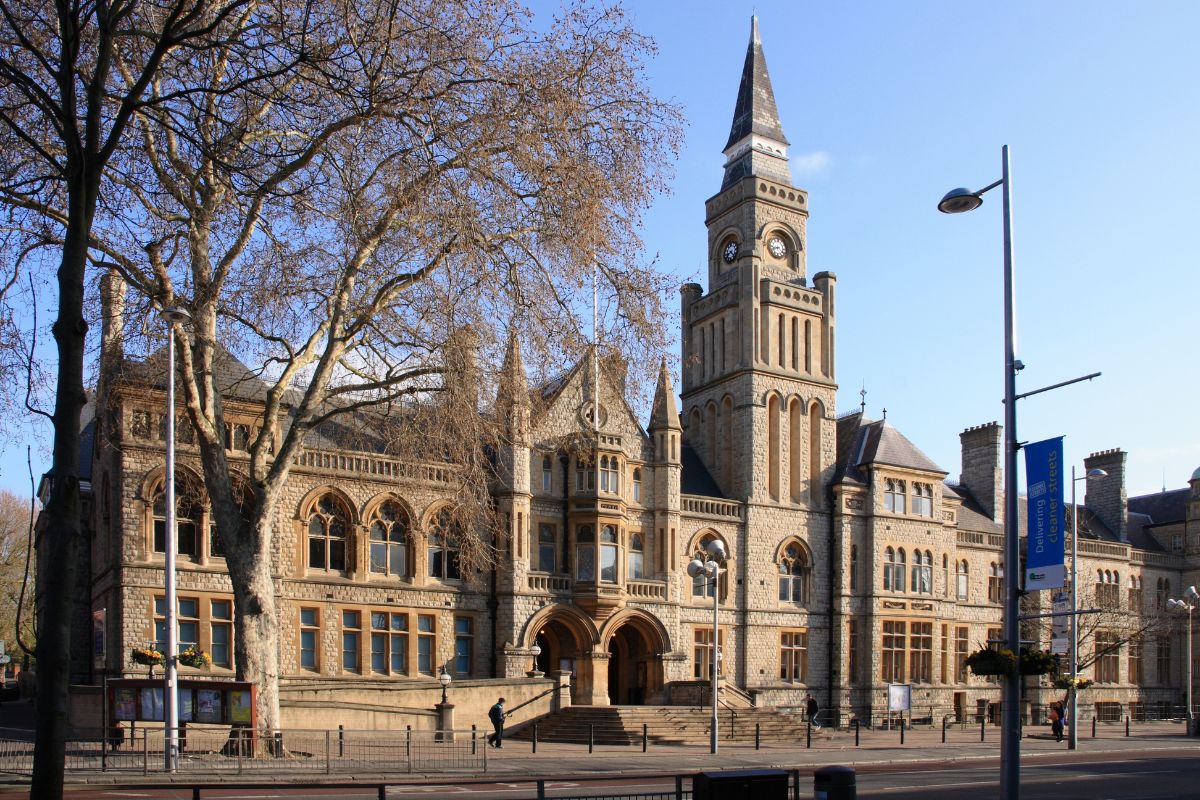
Ealing is very close to Bromley and Merton in this table. If you are comparing west London boroughs, it sits on the expensive-middle side.
It is above the low-tax cluster and above many cheaper inner boroughs.
- Band D Rate:£2,138.53/year
- Why it ranks here: Ealing’s 2026/27 total reflects a mid-range borough charge plus the standard GLA precept.
- Change from 2025/26:+£97.51 a year (+4.8%)
Barnet
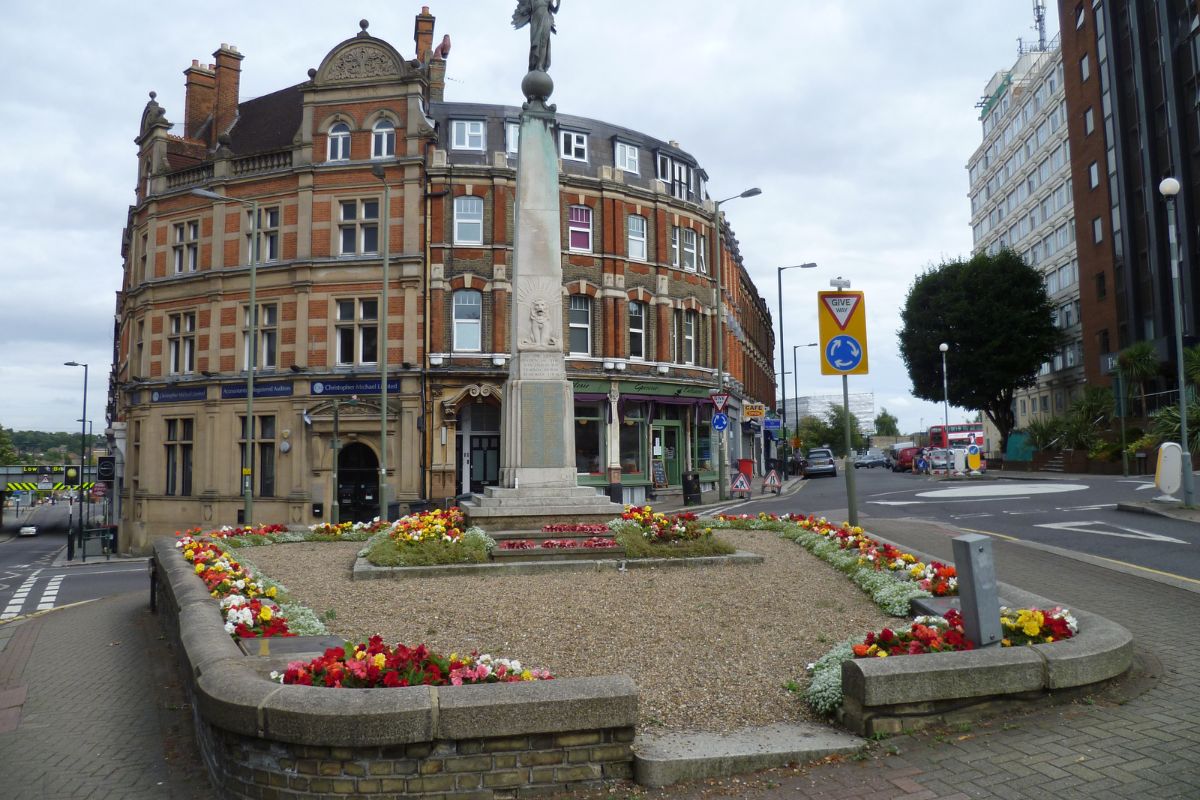
Barnet sits just above London’s middle range for Band D. For north London budgeting, it lands on the pricier side rather than the cheaper side.
Its yearly total remains clearly above boroughs such as Southwark, Newham and Tower Hamlets.
- Band D Rate:£2,132.60/year
- Why it ranks here:Barnet’s Band D total stays above the middle of the London ranking after the borough and GLA elements are combined.
- Change from 2025/26: +£97.08 a year (+4.8%)
Islington
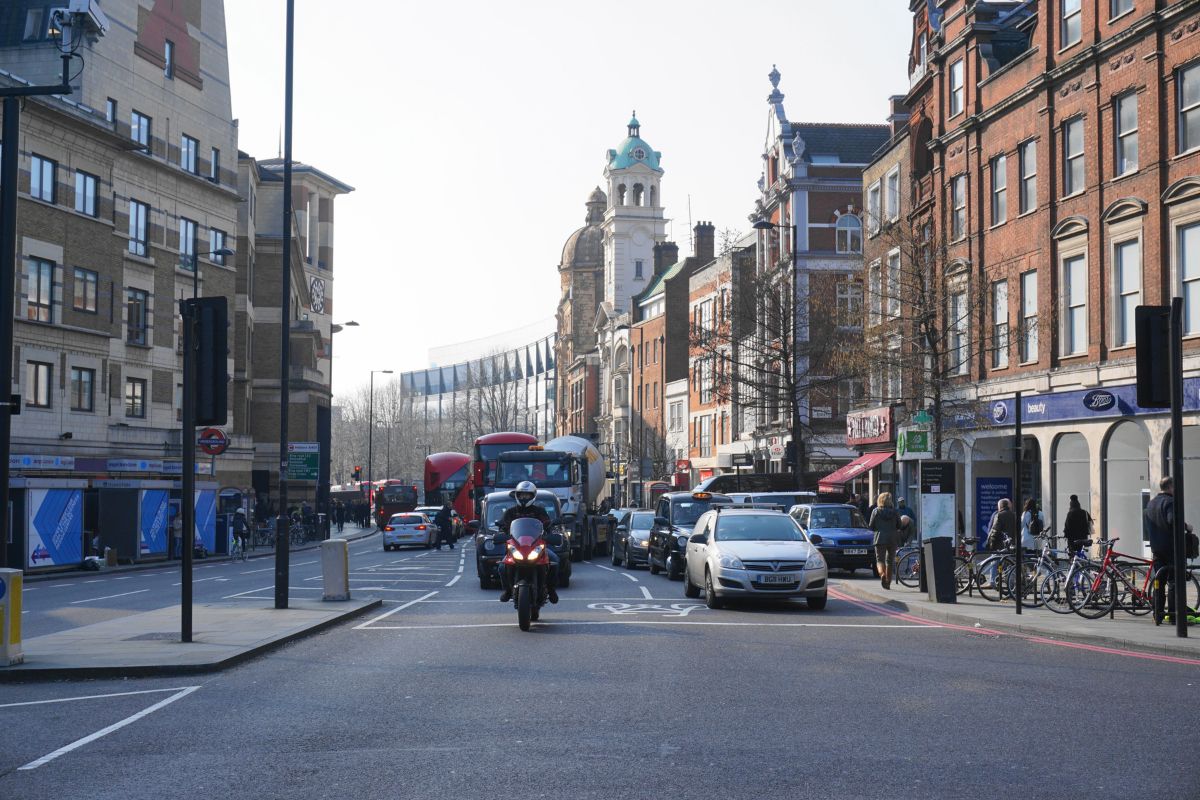
Islington sits almost level with Greenwich in the lower-middle part of the table. If you are comparing inner-London boroughs, it is moderate rather than cheap.
It remains far above the very lowest London council tax charges.
- Band D Rate:£2,107.87/year
- Why it ranks here:Islington’s published 2026/27 total leaves it close to the middle of the London table.
- Change from 2025/26:+£96.05 a year (+4.8%)
Greenwich
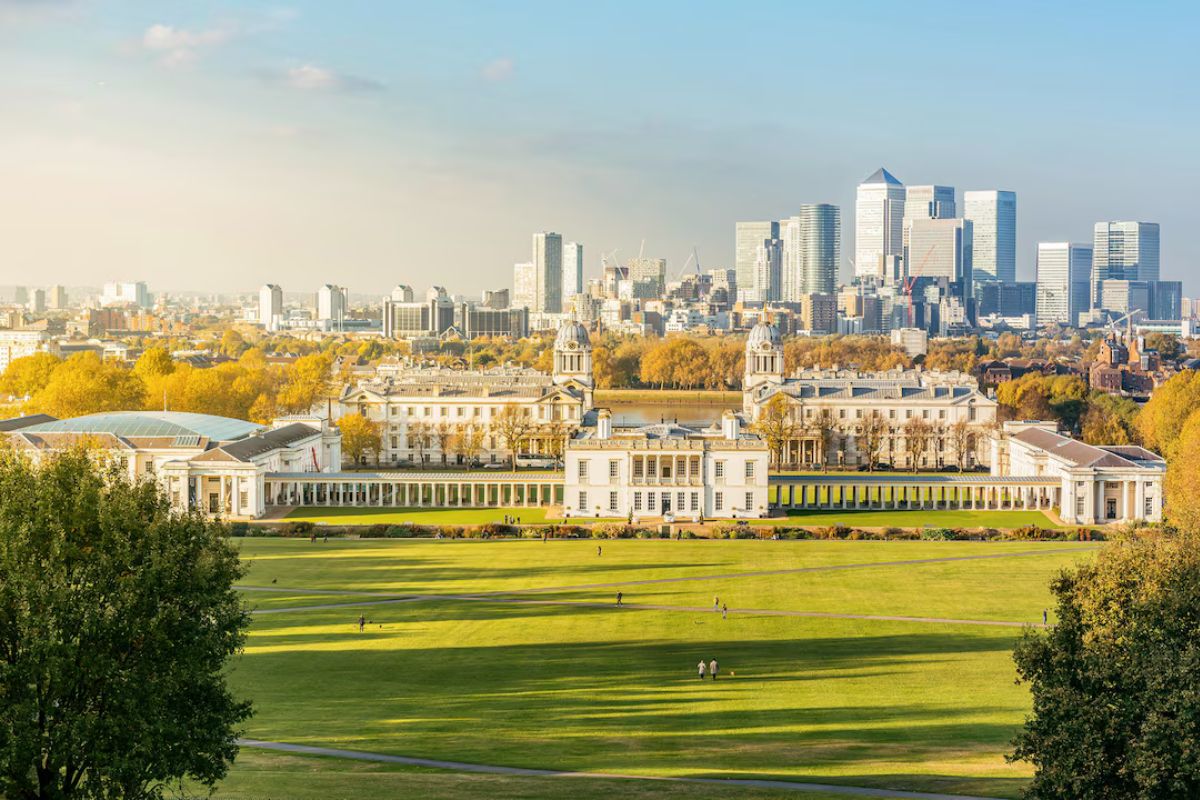
Greenwich is almost identical to Islington on Band D. For south-east London comparisons, it reads as middle-of-the-pack rather than especially cheap.
Its total stays well above the capital’s lowest-charge boroughs.
- Band D Rate:£2,107.69/year
- Why it ranks here:Greenwich’s 2026/27 total keeps it close to the middle of the London ranking.
- Change from 2025/26:+£96.05 a year (+4.8%)
Hackney
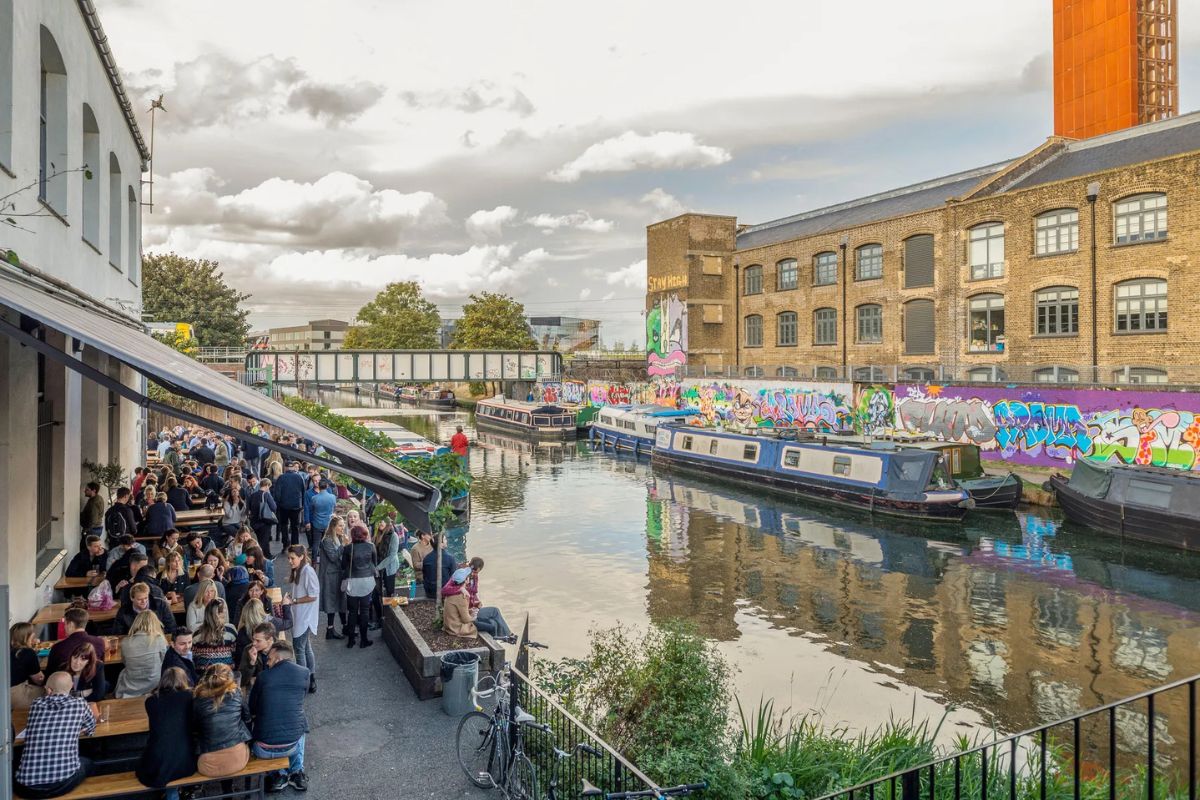
Hackney sits just under the £2,100 mark. If you are comparing inner-east London, it is cheaper than many outer boroughs.
It is still not one of the capital’s lowest-tax authorities.
- Band D Rate:£2,060.30/year
- Why it ranks here:Hackney’s total places it in the lower-middle section of the London table.
- Change from 2025/26:+£93.79 a year (+4.8%)
Lambeth
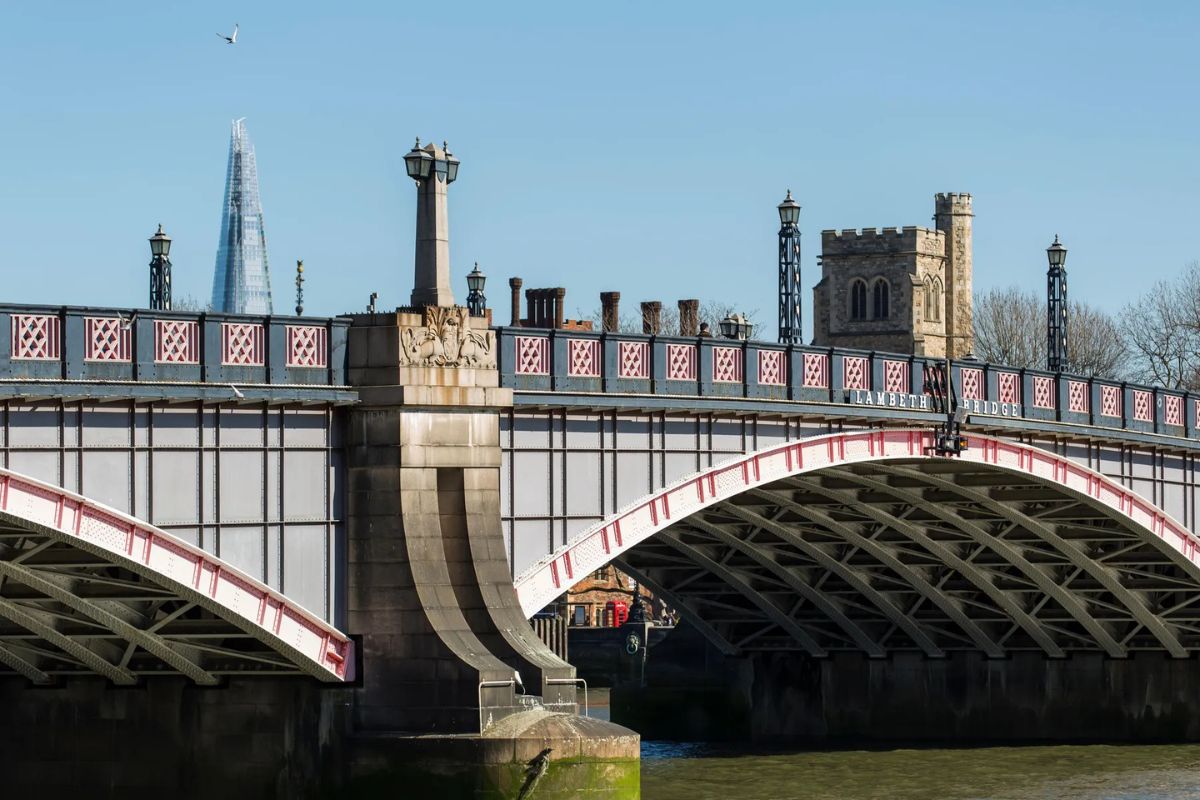
Lambeth sits just below Hackney and just above Hillingdon. For inner-south London, it is moderate in London terms rather than low.
Its yearly bill still stays far above Westminster or Wandsworth.
- Band D Rate:£2,047.11/year
- Why it ranks here:Lambeth’s 2026/27 total is below many outer boroughs, but still above the lowest-charge group.
- Change from 2025/26: +£93.16 a year (+4.8%)
Hillingdon
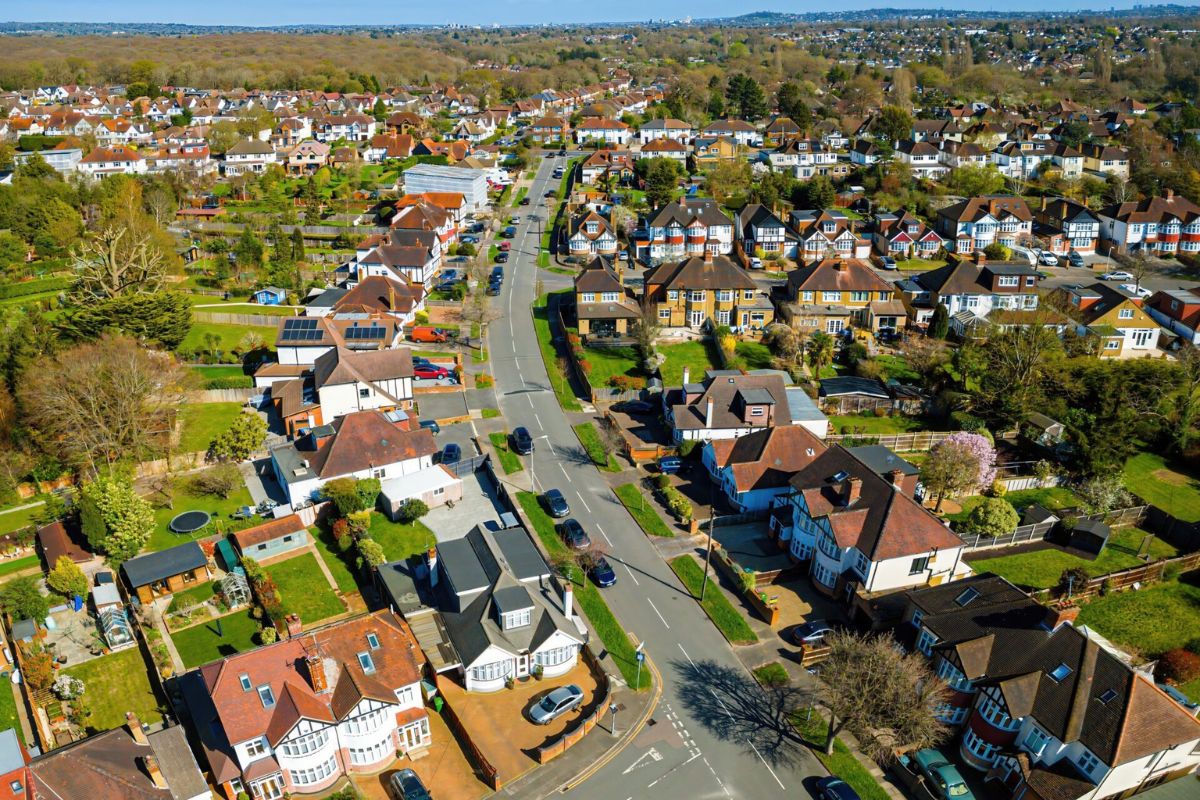
Hillingdon sits just under Lambeth in this ranking. If you are comparing west London bills, it is moderate rather than low.
It remains well above the cheapest boroughs in the capital.
- Band D Rate:£2,045.46/year
- Why it ranks here:Hillingdon’s total leaves it below London’s middle range, but still nowhere near the very cheapest tier.
- Change from 2025/26:+£93.08 a year (+4.8%)
Southwark
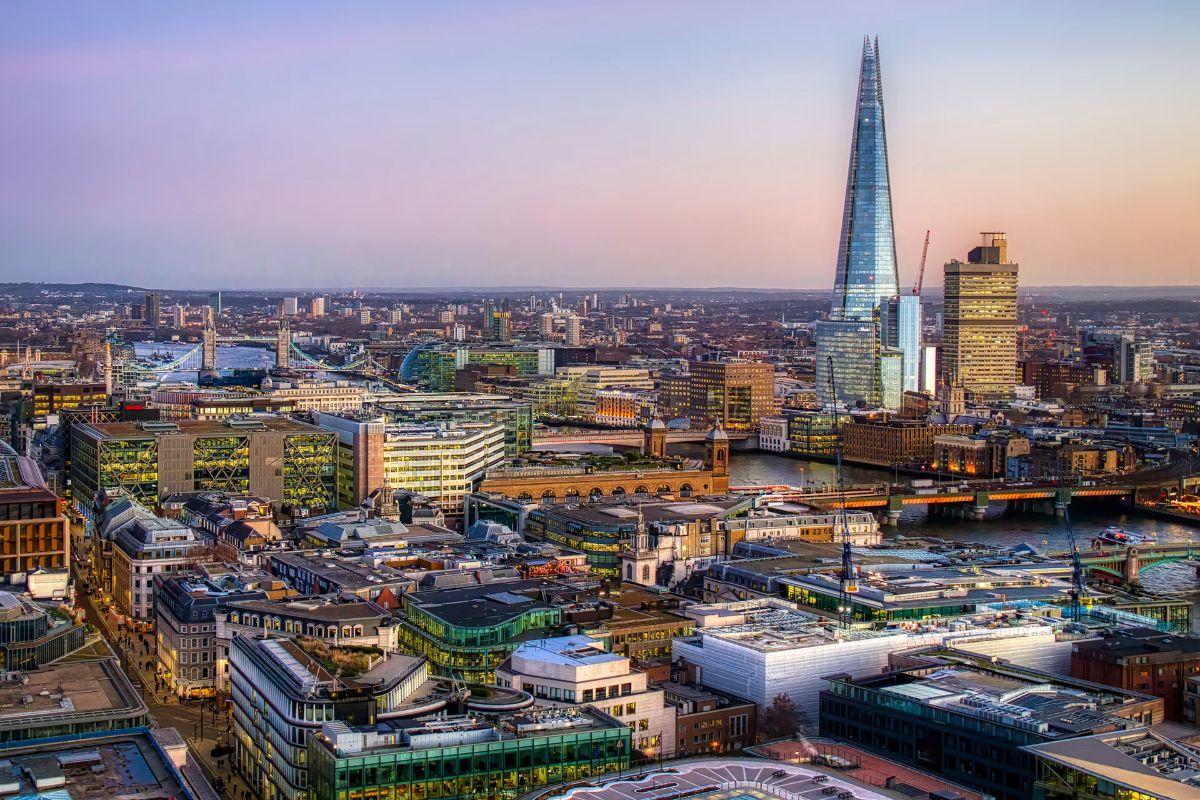
Southwark drops below the £2,000 mark. If you are comparing central and inner-south London, it is cheaper than many boroughs.
Its Band D bill is moderate by London standards, not among the lowest five.
- Band D Rate:£1,967.26/year
- Why it ranks here:Southwark’s published 2026/27 total places it in the cheaper half of London.
- Change from 2025/26:+£89.36 a year (+4.8%)
Newham
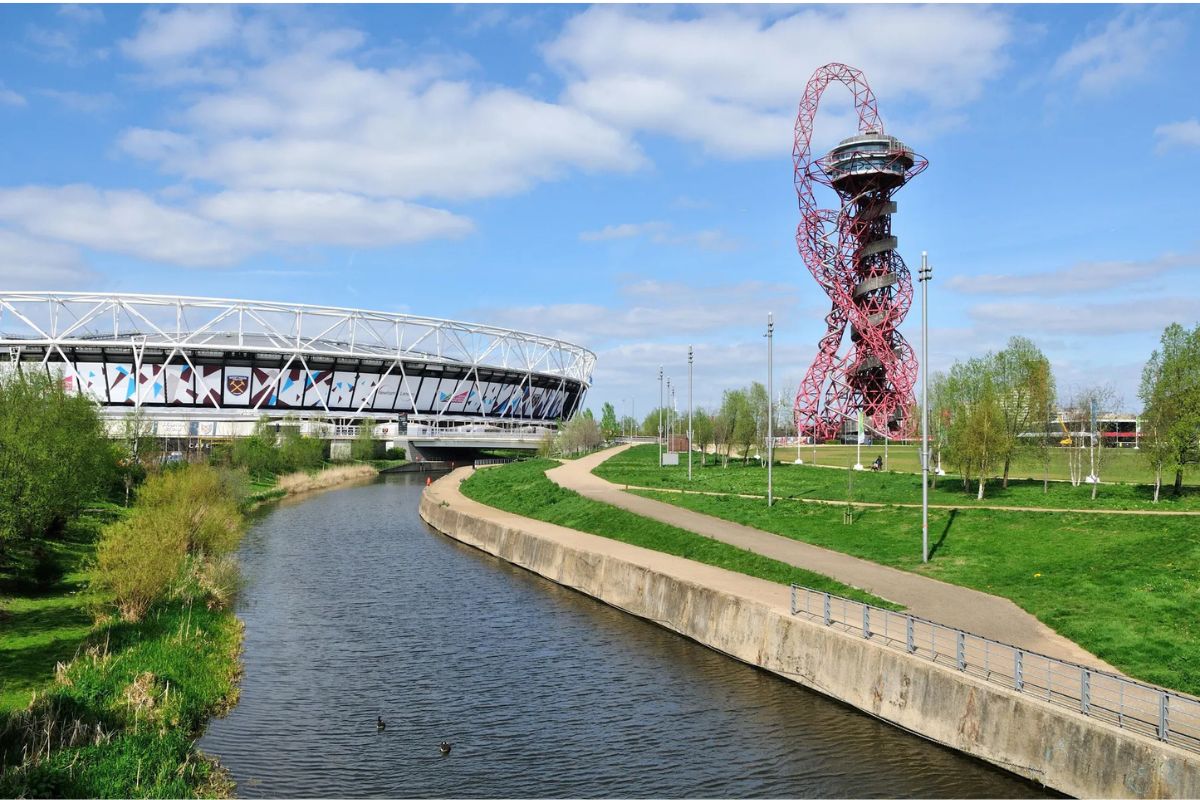
Newham sits below Southwark and under the London middle range. If you are comparing east London boroughs, it is clearly cheaper than the outer-London high-bill group.
It is lower than many boroughs, but still above the very cheapest authorities.
- Band D Rate:£1,944.23/year
- Why it ranks here:Newham’s 2026/27 total leaves it in London’s cheaper half, though still above the lowest-charge group.
- Change from 2025/26:+£88.27 a year (+4.8%)
Tower Hamlets
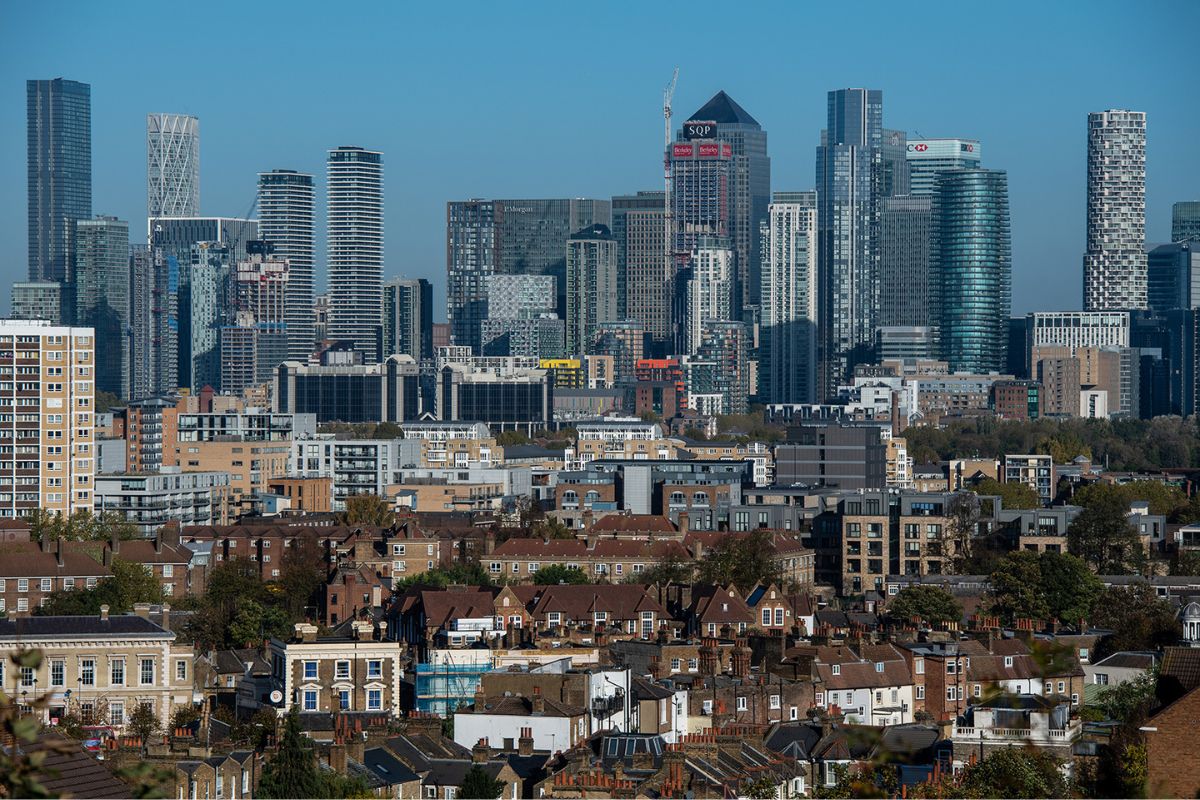
Tower Hamlets is one of the cheaper boroughs in London for a Band D bill. If you want a borough well below the capital’s top-tier charges, this is one of the clearest examples.
It stays far below Kingston, Croydon and Harrow.
- Band D Rate:£1,837.78/year
- Why it ranks here:Tower Hamlets’ 2026/27 total puts it firmly in the low-charge half of the London ranking.
- Change from 2025/26:+£83.21 a year (+4.7%)
Kensington And Chelsea
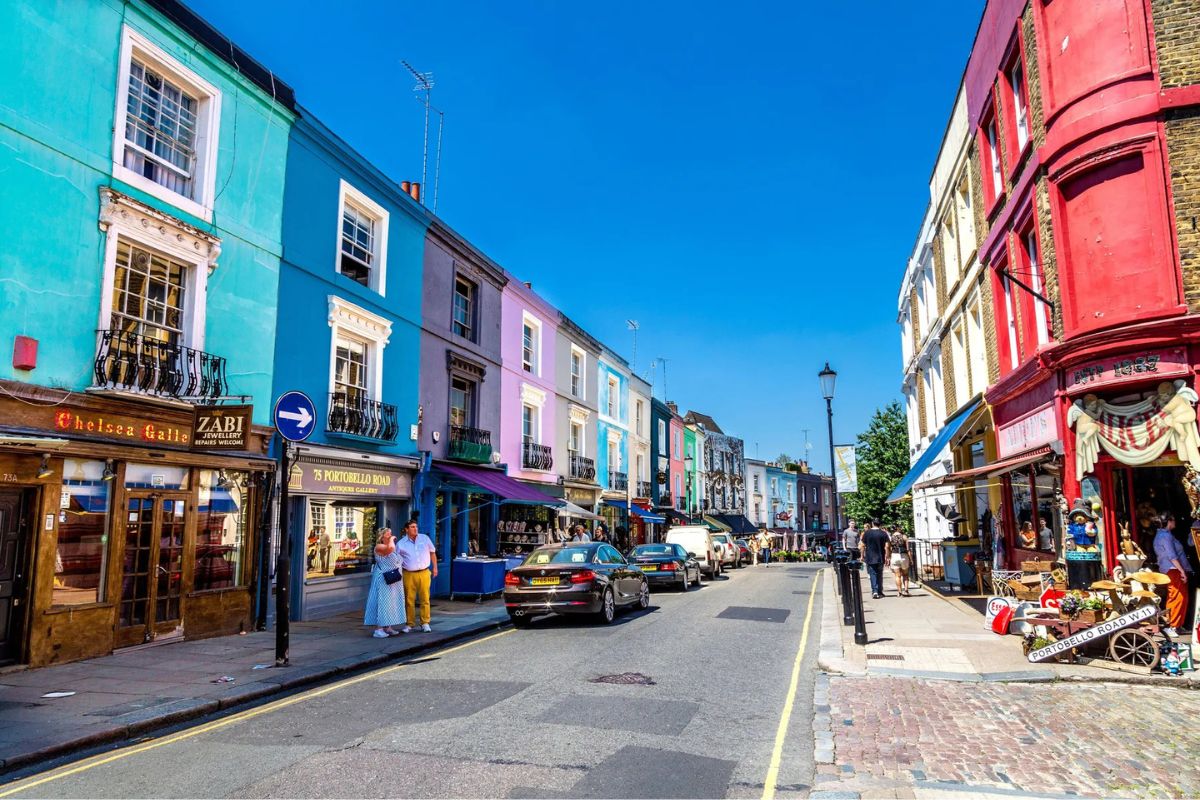
Kensington and Chelsea remains one of London’s lowest-tax authorities despite its prime property market. Council tax and house prices do not move neatly together.
Its total stays far below many outer-London boroughs.
- Band D Rate:£1,643.44/year
- Why it ranks here:Kensington and Chelsea’s own 2026/27 guide shows its Band D total rising from £1,569.46 to £1,643.44 after the borough increase and higher GLA precept.
- Change from 2025/26: +£73.98 a year (+4.7%)
Hammersmith And Fulham
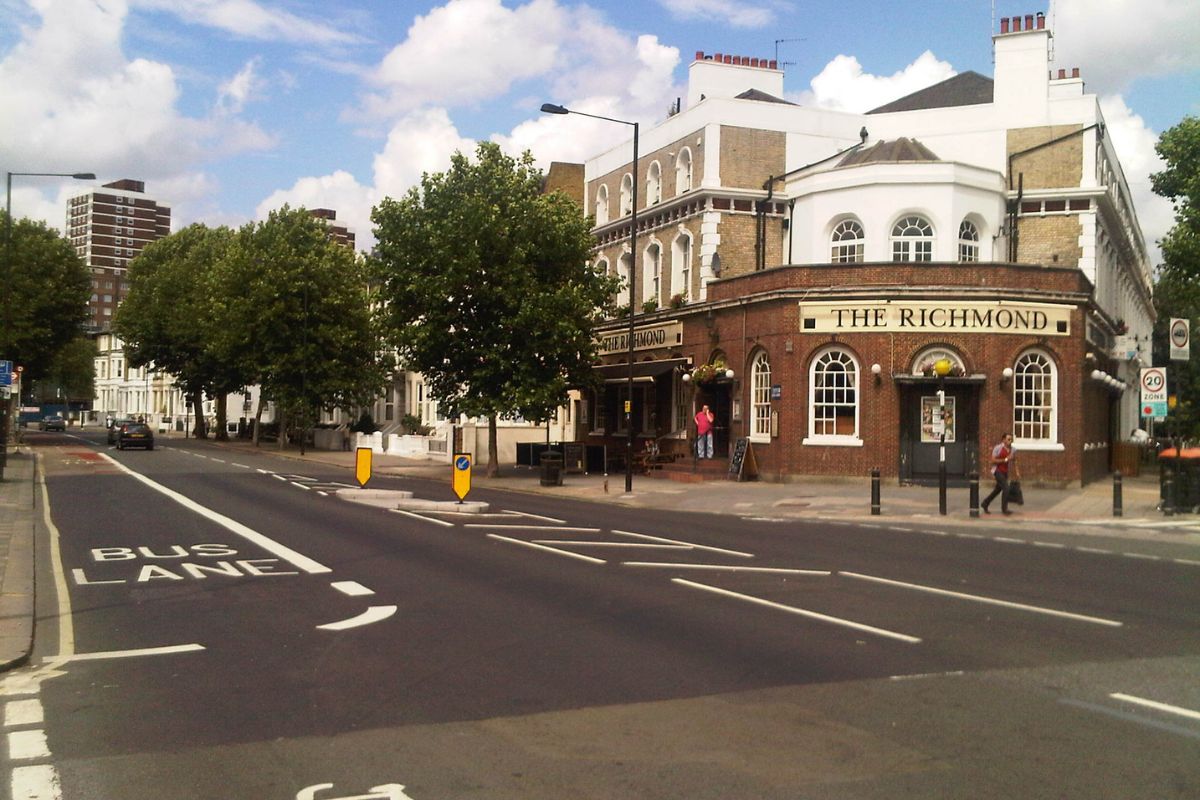
Hammersmith and Fulham is another very low-tax London borough. If you are looking for a lighter annual bill than most of the capital, this one belongs near the bottom.
It sits in the same low-charge cluster as Kensington and Chelsea, Westminster and Wandsworth.
- Band D Rate:£1,519.51/year
- Why it ranks here:Hammersmith and Fulham’s 2026/27 Band D total keeps it among the lowest-charging authorities in London.
- Change from 2025/26:+£68.09 a year (+4.7%)
City Of London
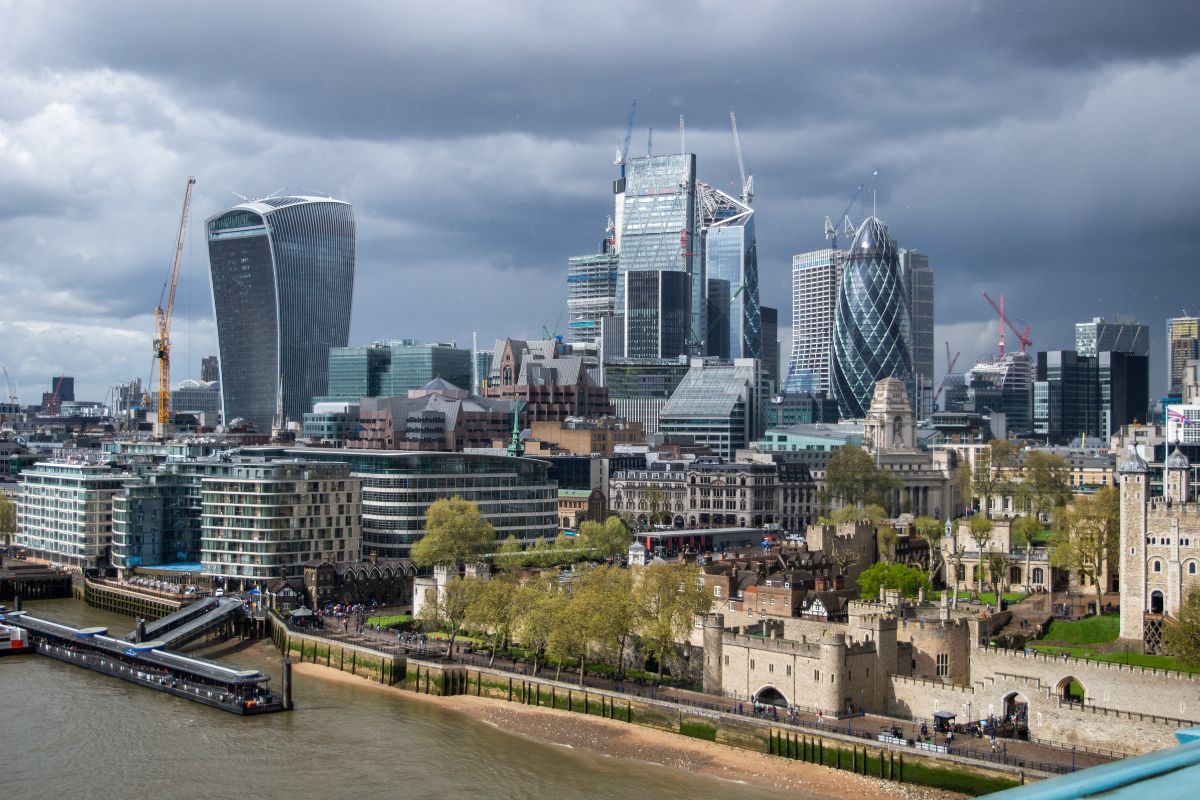
The City of London is not a borough in the usual sense, but it belongs in a full London local-authority ranking. It is one of the lowest council tax areas in the capital.
Its structure is unusual, and it has a lower GLA precept than the 32 boroughs.
- Band D Rate:£1,329.56/year
- Why it ranks here:The City of London’s 2026/27 council tax page shows Band D at £1,329.56, and the City uses a lower GLA Band D precept than the 32 boroughs.
- Change from 2025/26: +£55.49 a year (+4.4%)
Westminster
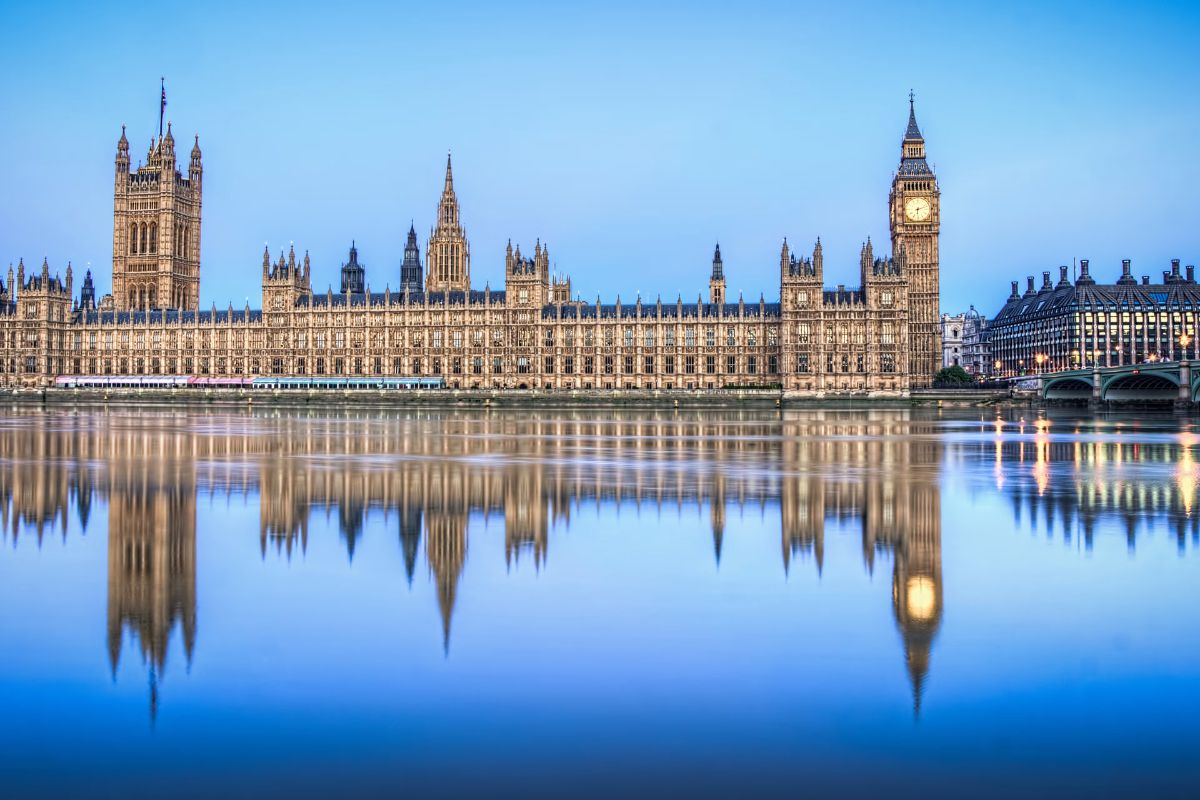
Westminster remains one of the cheapest places in London for Band D council tax. If you are looking for a low annual bill in a central borough, it sits right near the bottom.
Some local areas in Westminster have extra precepts, so the exact bill can depend on the address.
- Band D Rate:£1,047.85/year
- Why it ranks here:Westminster’s own council element is much lower than most London boroughs, while the total still includes the GLA precept.
- Change from 2025/26:+£30.67 a year (+3.0%)
Wandsworth
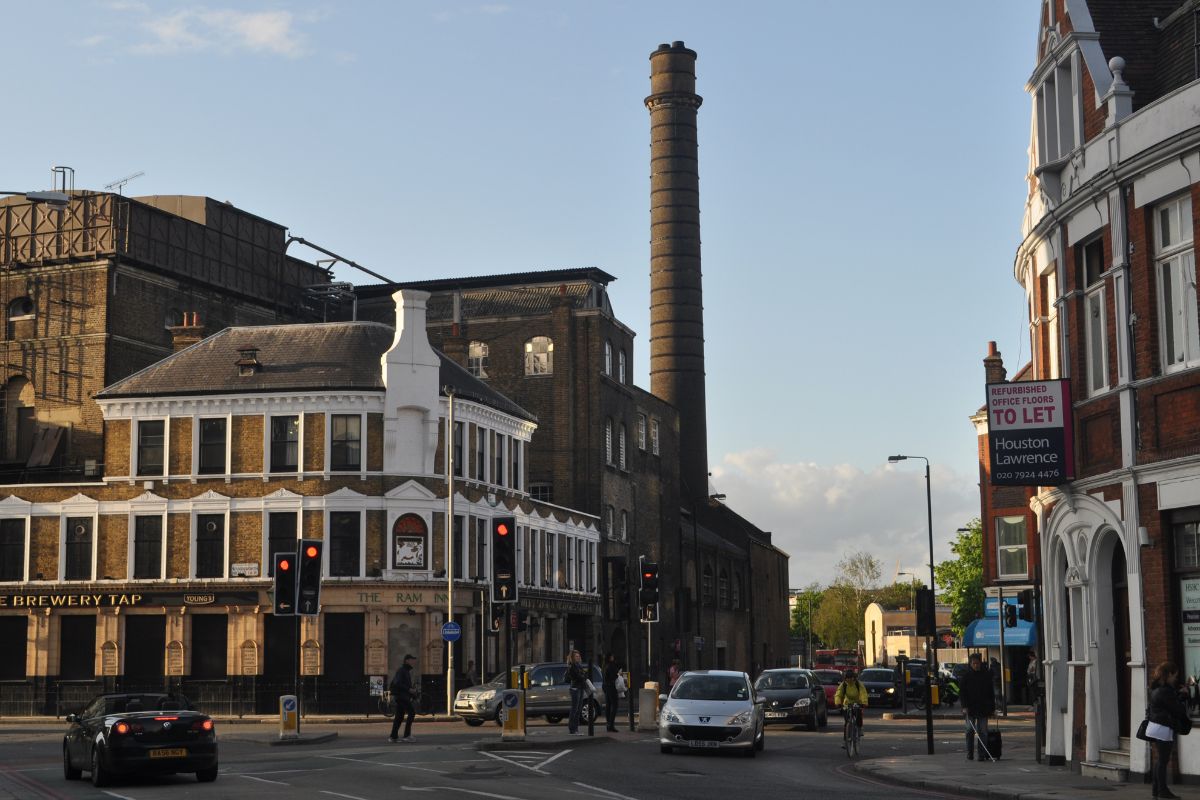
Wandsworth is the cheapest London authority in this standard Band D ranking. If you are searching for the lowest council tax in London, this is the borough to know.
Some homes in the Wimbledon and Putney Commons Conservators levy area pay extra, so affected addresses have a higher total than the standard figure.
- Band D Rate:£1,020.35/year
- Why it ranks here:Wandsworth froze its general-services element for 2026/27, applied a 2% adult social care increase, and published a standard Band D total of £1,020.35.
- Change from 2025/26:+£30.28 a year (+3.1%)
Frequently Asked Questions
Where Is The Lowest Council Tax In London?
For the standard 2026/27 Band D charge in the main charging area, Wandsworth is the cheapest London authority at £1,020.35 a year. Some addresses in the Commons levy area pay an additional £41.38, so check the exact property before budgeting.
Which London Borough Has The Highest Council Tax?
Kingston upon Thames has the highest standard 2026/27 Band D charge in this ranking at £2,608.12 a year for the main charging area. Properties inside the Wimbledon and Putney Commons levy area pay an additional £41.38.
What Does Band D Council Tax Mean?
Band D is the standard benchmark used to compare council tax between local authorities. Your actual bill depends on the property’s band, local charges, discounts, exemptions and any applicable premium.
Is Council Tax Based On Today’s House Prices?
No. In England, council tax bands are based on what a property would have sold for on 1 April 1991, not its current market value.
How Do I Check My Council Tax Band?
Use the GOV.UK Council Tax valuation-list serviceto look up a home by address or postcode. The service also provides a route to challenge the band if you think it is wrong.
Can I Challenge My Council Tax Band?
Yes. In England and Wales, you can challenge a band through the Valuation Office Agencyif you have evidence that it is wrong. Continue paying the current bill while the challenge is considered.
Do Single People Get A Council Tax Discount?
Usually. A full council tax bill assumes at least two adults live in the home. You can normally get 25% offif you live alone or everyone else in the property is disregarded, but you must apply through the council.
Do Full-Time Students Pay Council Tax?
A household where everyone is a qualifying full-time student does not have to pay council tax. If a bill is issued, the household must apply for the exemption; mixed student and non-student households may still receive a discount.
Why Are Wandsworth And Westminster So Much Cheaper Than Most Of London?
Their own council elements are much lower than those of most London authorities. Both totals still include the £510.51 GLA precept, but the lower local element keeps their standard Band D bills at the bottom of the ranking.
Does Every Band D Household In A Borough Pay Exactly The Same?
Not always. Local levies or special precepts can create different totals within the same authority, while discounts, exemptions and premiums can also change the amount due. Wandsworth, Kingston, Merton and parts of Westminster are examples where the address matters.
Check The Exact Bill Before You Move
Wandsworth has the cheapest standard 2026/27 Band D charge in this London ranking, while Kingston upon Thames has the highest. Use the ranking for comparison, then check the property’s band, postcode-level charge and any discount or exemption before making a budget decision.
Council tax shows the annual charge, but not current street conditions. Before visiting one of the locations covered, use our live London webcamsto check selected London streets, bridges and junctions.
Council tax should sit inside a full monthly budget alongside rent, transport and the salary needed to live in London.
Jump to
Quick Answer: Where Is Council Tax Cheapest In London?
How This London Council Tax Ranking Was Checked
Why Does Council Tax Vary Between London Boroughs?
Most Expensive London Council Tax Boroughs In 2026/27
Cheapest London Council Tax Areas In 2026/27
London Council Tax By Borough: Full 2026/27 Ranking
Frequently Asked Questions
Check The Exact Bill Before You Move

James Rowley
Author
James Rowley is a London-based writer and researcher covering London life, cultural geography, London travel, live London webcam pages and selected public figures across entertainment, sport, business and public life.
For over 15 years, he has focused on verified sources, first-hand local context and clear explanations that help readers understand both places and people more deeply. His work combines street-level London knowledge with careful research into career credits, media work, business interests and, where relevant, transparently explained net worth estimates.
He writes and reviews articles published on LondonWebcam.
Latest Articles
Popular Articles