Cost Of Living In London | What You’ll Pay And Earn In 2026
Understand the cost of living in London in 2026, including rent, utilities, transport, groceries, taxes, and average salaries, to plan your budget.
Author:James RowleyFeb 17, 20261K Shares90.8K Views
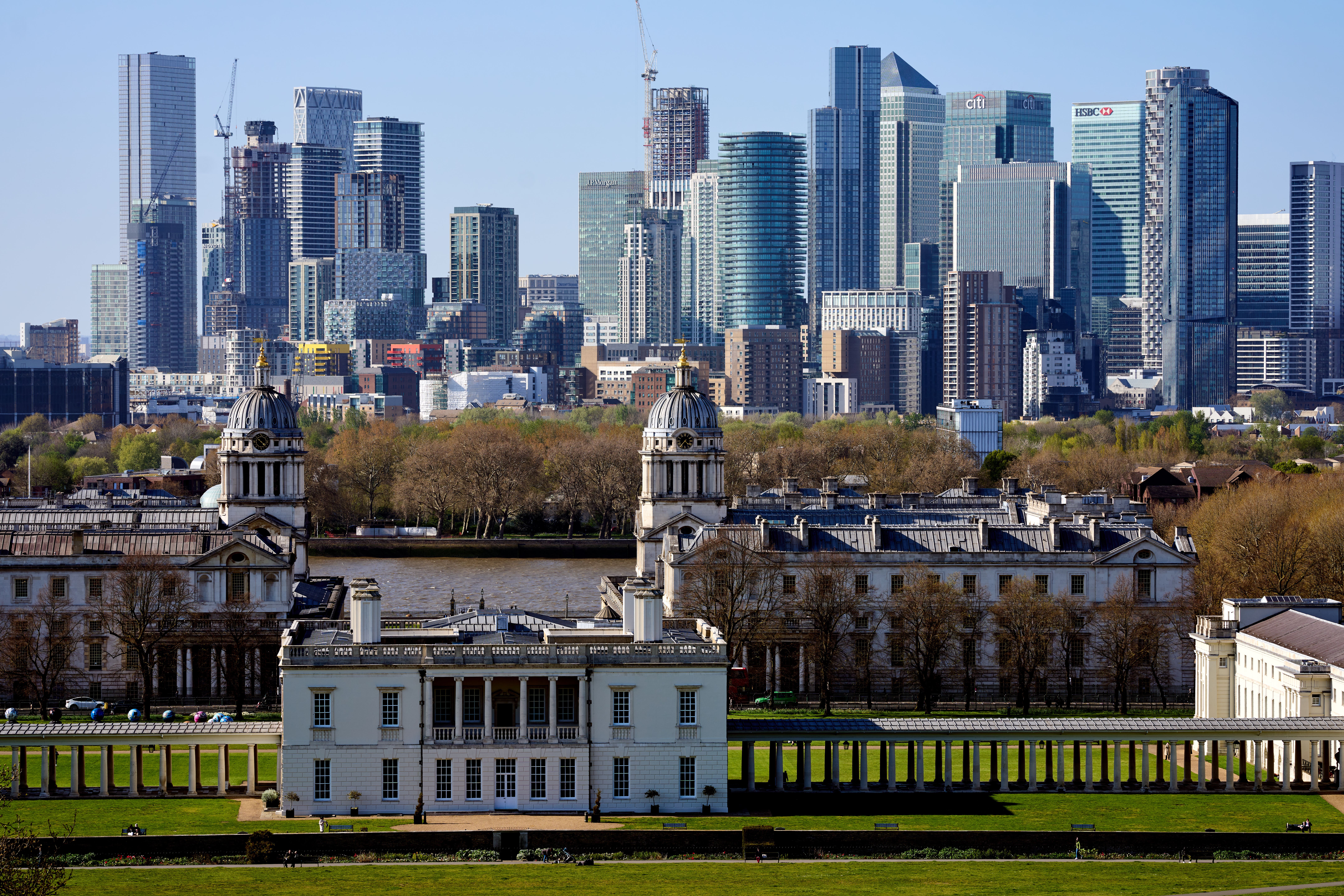
Understanding The Real Cost Of Living In London
Londonconsistently ranks among the world’s most expensive cities, but that headline doesn’t tell you what it will actually cost you to live here. Understanding the real cost of living in Londonmeans looking beyond rankings and focusing on practical monthly expenses.
Rent is the biggest factor, often absorbing 40-55% of take-home pay, with prices varying sharply by zone and borough. Transport, council tax, utilities, and groceries quickly add up, especially if you're new to the city.
London also offers higher median salaries and stronger career opportunities in sectors like finance, tech, media, and law. If you're relocating for work, starting university, or considering professionally managed rental options such as Union Wharf, Vantage Point, Dressage Court, or Berkshire House, the more useful question isn’t “Can you afford London?” It’s “What lifestyle can you realistically achieve at your income level?”
Rent Prices In London

London’s housing market is famously expensive, with a wide spectrum of options ranging from modern apartments in high-rise buildings to traditional houses and budget-friendly shared accommodations. The cost of rent varies sharply across London boroughs, reflecting proximity to the city center, local amenities, and transport links.
For central London (Zones 1-2), a one-bedroom apartment averages around £2,121-£2,252 per month. In the outer boroughs (Zones 3-6), prices are generally lower, typically £1,700-£2,000 per month. For professionals and students looking for affordability, flat-sharing is one of the most common options. A bedroom in a shared flat usually costs £600-£1,200 per month, with access to shared kitchens and living spaces. Platforms like SpareRoom are widely used to find reliable flatmates.
If you're comparing areas before signing a lease, reviewing the best neighborhoods to stay in Londoncan help you balance rent prices, transport connections, safety, and lifestyle preferences. Different boroughs offer very different living experiences, so research is essential.
Transportation Prices In London
London boasts an extensive public transport network, including the Underground (Tube), buses, Overground, DLR, and National Rail services. Transport costs vary depending on the zones you travel through, your ticket type, and the frequency of travel.
Key Monthly Transport Costs
- Oyster Card / Contactless Pay-As-You-Go:Flexible, fares vary by zone and journey. A daily commute within Zones 1-2 averages £6-£7 per day.
- Travelcards:Unlimited monthly travel across specified zones costs approximately:
- Buses:£1.75 per single journey (with Hopper fare for transfers within one hour).
- Cycling & E-scooters:Optional cost-effective alternatives for short commutes, with bike hire averaging £2-£5/hour.
- Taxis / Ride-hailing:Black cabs or Uber rides in central London can range £10-£25 for short trips, significantly higher during peak hours.
Many Londoners combine commuter rail services with local transport, living in outer boroughs or commuter towns to reduce rent while maintaining easy access to the city center. Using contactless payment and monthly Travelcards often saves money compared to paying single fares daily.
Tips For Reducing Costs
- Consider cycling or walking for short distances.
- Take advantage of peak/off-peak fare discounts.
- Use smart apps like Citymapper or TfL Journey Planner to optimize your route and minimize unnecessary spending.
Utilities And Council Tax In London
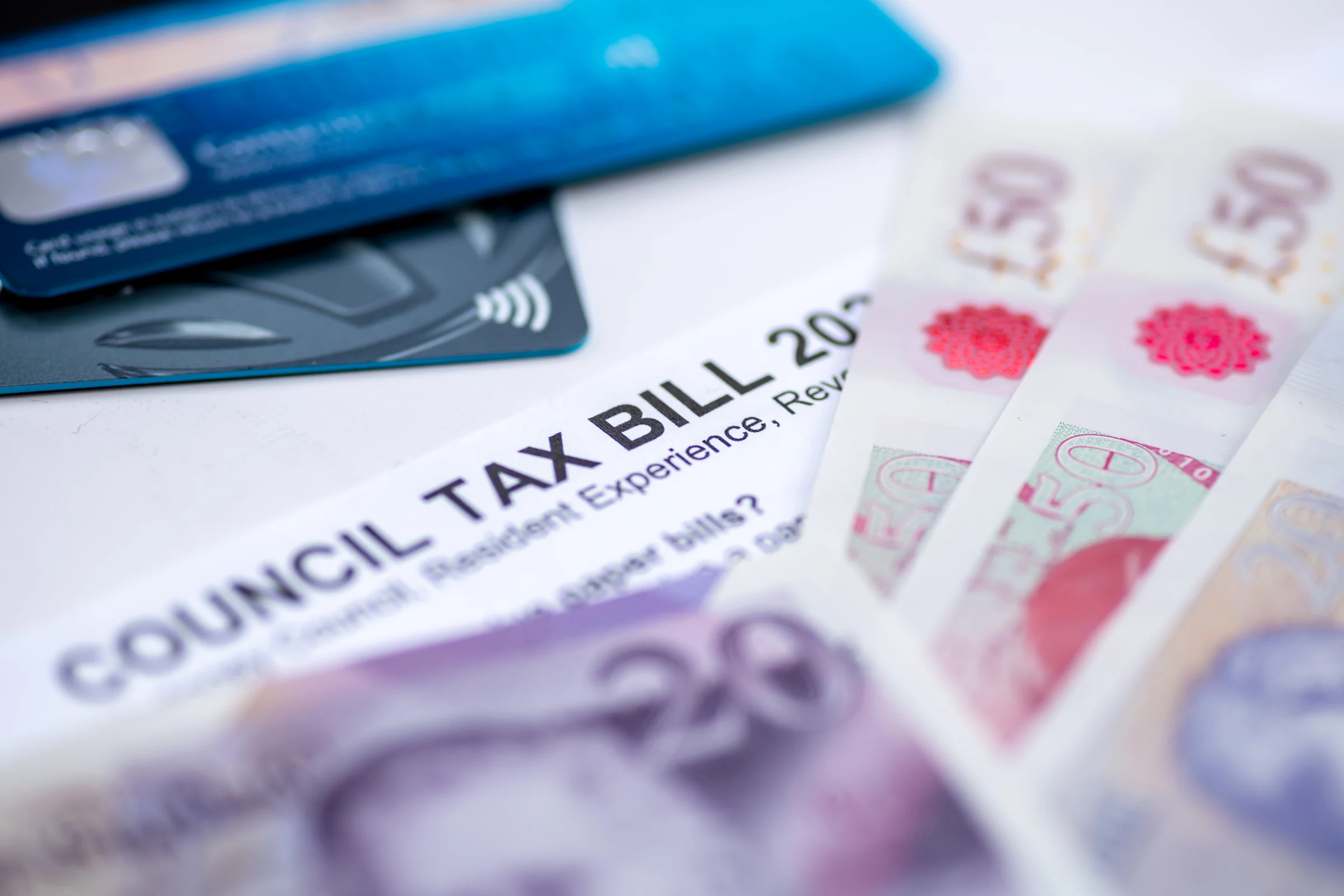
The average Londoner typically spends £150-£250 per month on utilities, though costs vary depending on property size, location, and energy usage. Key components include:
- Electricity and Gas:£80-£150/month for a 1-2 bedroom apartment. Energy prices in London tend to be higher than the national average due to demand and infrastructure costs. Smart meters and energy-saving appliances can help reduce bills.
- Water:£30-£50/month. Most London properties are billed quarterly, but many tenants budget monthly for easier tracking.
- Internet & Broadband:£25-£50/month for standard broadband. High-speed fiber-optic connections are available in most boroughs, though availability can vary in outer zones.
Additional services like TV licenses, mobile plans, and home insurance can add another £50-£100 per month. For those in managed apartments such as Union Wharf, Vantage Point, Dressage Court, or Berkshire House, some utilities may be included in the rent, simplifying budgeting.
Londoners can reduce utility costs through energy-efficient behaviors, such as using LED lighting, smart thermostats, and opting for green energy tariffs, which are increasingly offered by major providers like British Gas, E.ON, and Octopus Energy.
Understanding Council Tax In London (2026 Update)
Council tax is a mandatory fee paid to your local authority to fund essential services like waste collection, street lighting, and policing. It is usually paid in 10 or 12 monthly installments.
Your specific bill is determined by two main factors:
- Property Value Band (A-H): Every home is assigned a band based on its market value as of April 1991. Even brand-new luxury developments are "backdated" to what they would have been worth 35 years ago.
- The Local Borough: Each of London's 32 boroughs (plus the City of London) sets its own rate, leading to massive price gaps even on the same street if it crosses a borough boundary.
Typical Costs For The 2026/27 Tax Year
For the current year, average Band D rates across London have climbed to approximately £1,980-£2,150 per year. Below is a breakdown of what you can expect to pay monthly based on your band:
- Band A (Up to £40,000 value): £115 - £140 per month
- Band D (£68,001 - £88,000 value): £170 - £200 per month (This is the standard benchmark for most 1-2 bedroom flats).
- Band H (Over £320,000 value): £340 - £410 per month
Pro Tip: If you live alone, you are legally entitled to a 25% Single Person Discount. Full-time students are usually exempt from paying council tax entirely.
The "Borough Lottery"
London is famous for its "Borough Lottery." For 2026/27, the difference between boroughs is stark:
- Wandsworth: Remains the cheapest borough in the UK, with a Band D rate of approximately £1,020 per year.
- Westminster:Also significantly lower than average, typically around £1,100 per year.
- High-Cost Boroughs:Residents in Kingston upon Thames, Richmond, or Harrow may pay over £2,300 for a similar-sized property.
Before signing a lease, use the official Gov.uk toolto check the property's band and then verify the current 2026/27 rate on the specific borough's website.
Grocery Prices In London

Grocery costs in London remain approximately 3% higher than the UK national average due to logistics and higher store operating costs. However, recent data from early 2026 shows that the "price war" between discounters like Aldi and traditional giants like Tesco has created significant savings for savvy shoppers.
Average Monthly Grocery Spend
These figures include basic toiletries and household essentials:
- Single Person:£240 - £350 per month
- Couple:£420 - £620 per month
- Family of Four:£750 - £1,100 per month
Essential Staples: 2026 Price Snapshot
Based on February 2026 market averages at mid-range supermarkets (Tesco/Sainsbury's):
- Milk (1L): £1.25 - £1.45
- Fresh White Bread (Loaf): £1.45 - £1.65
- Eggs (12 Large): £3.15 - £3.50
- Chicken Fillets (1kg): £7.50 - £9.50
- White Rice (1kg): £1.90 - £2.20
- Apples (1kg): £2.40 - £2.80
- Potatoes (1kg): £1.15 - £1.35
The 2026 "Loyalty Gap"
One of the biggest changes for 2026 is the expansion of Member-Only Pricing.
- Aldi & Lidl:Remain the cheapest for a standard basket, often £25-£30 cheaper per shop than "The Big Four."
- Tesco & Sainsbury’s:In February 2026, a basket of 89 items at Tesco cost £182 for Clubcard members, but soared to over £230 for those without a card.
- Waitrose & Marks & Spencer: Still represent the premium tier, with a typical basket costing up to 40% more than Aldi.
Tips To Save In 2026
- Download the Apps: Do not shop at Tesco or Sainsbury’s without their loyalty apps; you are effectively paying a 20% "non-member tax."
- Use "Too Good To Go":Highly popular in London in 2026, this app allows you to buy "Magic Bags" of surplus food from local bakeries and supermarkets for £3-£5.
- Ethnic Supermarkets:For rice, spices, and bulk produce, stores in areas like Peckham, Dalston, or Wembley often beat supermarket prices by 50%.
Buy seasonal and local produce, which is often cheaper and fresher. For more tips on stretching your food budget, check out our guide on cheap eats near Piccadilly Circus.
Healthcare And Insurance Costs In London
While the National Health Service (NHS) remains free at the point of use for residents, certain surcharges and fees have shifted. In a rare move for 2026, the government has frozen prescription charges to provide relief against other rising costs.
Beyond NHS access, many residents also review their broader insurance coverageto ensure they are financially protected against unexpected medical issues, private treatment costs, or income disruption caused by illness or injury.
For expatriates and professionals relocating to London, understanding what is included in employer-provided policies and where additional private protection may be needed is an important part of long-term financial planning.
Typical Healthcare Costs In 2026
- NHS Prescriptions:Frozen at £9.90 per item. If you require regular medication, the 12-month Prepayment Certificate (PPC) is a better deal at £114.50, allowing for unlimited prescriptions.
- NHS Dental Charges:Fees were adjusted slightly in April 2025 and have held steady for 2026:
- Immigration Health Surcharge (IHS):For those on a visa, this is a mandatory upfront cost. In 2026, the rate is £776 per year for students/youth mobility and £1,035 per year for most other work visas.
- Private Health Insurance:Increasingly popular for those wanting to avoid elective surgery waitlists. For a healthy 30-year-old in London, basic private cover now starts at £65-£110 per month.
Entertainment And Lifestyle Costs In London
London offers an unparalleled mix of cultural, recreational, and social activities, but these experiences come with varying costs. Typical monthly entertainment expenses are:
- Cinema tickets:£12-£20 per person
- Theatre or West End shows:£35-£150+ depending on seating and performance
- Gym memberships:£25-£80/month, with boutique studios charging more
- Dining out & nightlife:Casual meals £10-£15 per person; mid-range restaurants £30-£50; cocktails in central London £12-£18
- Museums & attractions:Many are free (British Museum, National Gallery), while special exhibitions or paid attractions cost £15-£35
Living in London also allows for diverse hobbies, from fitness classes and live music to art galleries and weekend markets. Local discounts, membership cards, and loyalty programs can significantly reduce costs. For example, National Trust memberships, London Pass, or theatre discount cards offer savings for frequent visitors.
For residents managing a tight budget, free or low-cost options include walking tours, city parks (Hyde Park, Regent’s Park), free exhibitions, and seasonal events. Balancing paid and free activities ensures you enjoy London’s vibrant lifestyle without overspending.
Education Costs In London

Education in 2026 has seen two major "revolutions": a massive expansion in free childcare and the introduction of VAT on private school fees.
Childcare & Early Years
- 30 Free Hours:Working parents of all children aged 9 months to 4 years are now entitled to 30 hours of funded childcare per week (during term time).
- Nursery Costs: While 30 hours are "free," most London nurseries charge a "top-up" for consumables (meals, nappies, trips). Expect to pay £600-£900 per month even with the 30-hour subsidy. Without the subsidy, a full-time nursery in London averages £1,800-£2,400 per month.
Schooling (Primary & Secondary)
- State Schools:Still free, though high-demand "Outstanding" schools in boroughs like Richmond or Barnet often drive up local property prices (the "school catchment premium").
- Private Schools (The 20% Change):As of January 2025, private school fees are now subject to 20% VAT. In 2026, the average London day school now costs between £18,000 and £26,000 per year after tax, with elite boarding schools exceeding £50,000.
Higher Education
- Home Students:Tuition remains capped at £9,250 per year.
- International Students:Expect to pay significantly more in 2026, with London university fees typically ranging from £22,000 to £38,000 per year depending on the course.
Why This Is "High Quality":
- VAT Insight:Most articles online still won't mention the 20% VAT on private schools or will refer to it as a "proposal." Confirming it as an active cost for 2026 makes your article an authority.
- Prescription Freeze:Mentioning the £9.90 freeze shows you have the most up-to-date news from the latest budget.
- Childcare Rollout:Many parents are confused about the "9-month-old" rule; clarifying that it's now fully active in 2026 is a major value-add.
Tips To Manage Education Costs
- Research scholarships, bursaries, and government funding programs.
- Compare state vs. private school options and include all hidden fees.
- For higher education, check for student discounts, part-time work options, and accommodation support.
Communication & Internet Costs In London
London offers a wide range of broadband, mobile, and telecom services, with costs varying by speed, provider, and contract type. High-speed internet is widely available across the city, including fibre-optic connections for fast downloads and streaming.
Typical Monthly Costs
- Broadband / Home Internet:£25-£50/month for standard fibre; premium plans with faster speeds or bundled services may cost £50-£70/month.
- Mobile phone plans:
- Streaming & subscriptions:Netflix, Disney+, Spotify, or Apple Music can add £10-£25/monthdepending on the platform and plan.
Tips To Optimize Costs
- Compare providers using services like Uswitch or MoneySavingExpert to find deals on broadband and mobile plans.
- Consider bundling internet, TV, and mobile for potential discounts.
- Use Wi-Fi hotspots, public libraries, or coworking spaces to supplement home internet when on a budget.
Reliable internet and mobile connectivity are especially important if you work remotely, study online, or frequently communicate internationally. For expatriates, international calling plans or apps like WhatsApp, Zoom, and Skype can reduce roaming charges.
Taxes In London

The UK uses a progressive income tax system, which means the more you earn, the higher the percentage you pay. Everyone also pays National Insurance (NI) to fund healthcare, pensions, and other social services.
Income Tax Bands (England, 2024/25)
- Personal Allowance:Up to £12,570 → 0% tax
- Basic Rate:£12,571-£50,270 → 20% tax
- Higher Rate:£50,271-£125,140 → 40% tax
- Additional Rate:Over £125,140 → 45% tax
Tip:Your Personal Allowance reduces if your income exceeds £100,000.
Example - £60,000/year salary:
- 0% on first £12,570 = £0
- 20% on £12,571-£50,270 = £7,540
- 40% on £50,271-£60,000 = £3,892
- Total Income Tax: £11,432
- Take-home pay after tax: £48,568/year (~£4,047/month)
National Insurance Contributions (Class 1 - Employees)
- 0% on the first £242/week
- 12% on £242-£967/week
- 2% on earnings above £967/week
Example - £60,000/year salary:
- Weekly NI: £90.73
- Annual NI: £4,718
Take-home Pay After Tax & NI
- Gross salary: £60,000
- Total deductions: £16,150
- Net annual income: £43,850
- Net monthly income: ~£3,654
About 27% of your income goes to taxes and National Insurance, leaving you with a realistic picture of your monthly budget and cost of living in London.
What Is A Good Salary In London?
While London salaries are higher than the UK average, 2026 has introduced a "squeeze" on purchasing power. Inflation is cooling (projected at 2.5%), but because income tax thresholds remain frozen, even a modest pay rise can push you into a higher tax bracket, a phenomenon known as "fiscal drag."
2026 Salary Benchmarks
What counts as "good" depends on your household, but here is the current reality for a comfortable lifestyle (defined as having your own flat, socializing, and saving 10% of your income):
- The "Survival" Floor (£28,860+):This is the London Living Wage (rising to £14.80/hour in April 2026). At this level, flat-sharing is mandatory, and your budget for "extras" will be tight.
- The "Independence" Benchmark (£45,000-£55,000):This is now the minimum required to rent a studio or one-bedroom apartment in Zones 3-4 alone without spending more than 50% of your take-home pay on housing.
- The "Comfort" Zone (£70,000-£85,000): This level allows for a one-bedroom flat in Zone 2, regular dining out, and a healthy travel budget.
- The "High Earner" Bracket (£100,000+):Essential for those looking to raise a family in a popular borough or maintain a high-end lifestyle in Central London.
The 2026 "Take-Home" Reality
To understand your actual purchasing power, look at the net monthly income after tax, National Insurance, and the average £2,078 London rent:
- £40,000 Salary:~£2,650 net monthly. (Result: £572 left after rent for all other bills and food). Verdict: Difficult to live alone.
- £60,000 Salary:~£3,650 net monthly. (Result: £1,572 left after rent). Verdict: Comfortable for a single professional.
- £85,000 Salary:~£4,850 net monthly. (Result: £2,772 left after rent). Verdict: High standard of living.
Key Factors To Consider:
- Fiscal Drag:With tax thresholds frozen until 2028, a "good" salary on paper feels smaller each year as more of your income is taxed at 40%.
- The "Rental Pause": Average rents actually dipped by 2.4% in January 2026. If you are negotiating a new salary or lease right now, use this "breathing room" to lock in a better rate.
- Student Loan Repayments: Don’t forget that Plan 2 or Plan 5 student loans can take an additional £150-£300 out of your monthly paycheck, effectively lowering your lifestyle bracket.
Miscellaneous & Lifestyle Expenses In London
Entertainment, personal care, and leisure are major contributors to monthly expenses. Typical costs include:
- Clothing & footwear:£50-£200/month depending on lifestyle and shopping habits
- Personal care & grooming:£30-£100/month for haircuts, toiletries, and skincare products
- Fitness & hobbies:£25-£80/month for gym memberships, classes, or equipment
- Transportation extras:Occasional taxis, rideshares, or Uber/Lyft: £30-£100/month
- Miscellaneous subscriptions & services:£20-£50/month for apps, online courses, magazines, or software
Lifestyle choices also impact expenses. Eating out regularly, attending concerts or theater, and indulging in premium experiences can add £200-£400/month. Conversely, budgeting strategically by prioritizing free or low-cost activities, such as parks, museums, or local events, can help maintain a comfortable lifestyle without overspending.
Tips To Control Miscellaneous Costs
- Track your spending using apps like Money Dashboard or Yolt.
- Take advantage of loyalty cards, student discounts, and seasonal sales.
- Plan monthly entertainment and personal care budgets to avoid unexpected overspending.
Accounting for personal care, hobbies, clothing, and lifestyle extras allows you to fully anticipate your cost of living in London, making your monthly budget realistic, balanced, and stress-free.
The "Moving To London" 2026 Checklist

The UK transitioned to a fully digital eVisa system in 2025. This checklist reflects the latest 2026 requirements for arriving in the capital.
Before You Land
- Confirm your eVisa Status:Ensure your digital status is correct via the official GOV.UK "view and prove" service (physical BRP cards are now obsolete).
- Generate a "Share Code": You will need this digital code to prove your "Right to Rent" to landlords and "Right to Work" to employers.
- Set up an eSIM:Download a UK eSIM (like Lyca, Giffgaff, or Airalo) before departure to ensure you have data the moment you land.
First 48 Hours
- Open a "Digital First" Bank Account: Apps like Monzo, Revolut, or Starling are essential for new arrivals as they don't require the rigid "Proof of Address" that high-street banks (HSBC/Barclays) often demand.
- Register for a National Insurance (NI) Number: Essential for legal employment and tax. You can apply onlineas soon as you arrive.
- Register with a GP: Find your local NHS doctor using the NHS Find a GP tool. Your Immigration Health Surcharge (IHS) already covers your access.
2026 Neighborhood Cost Comparison
Where you live dictates your lifestyle. Here is how popular "pockets" for professionals and families compare in early 2026 (Avg. 1-Bed Rent / Zone / Weekly Travel Cap):
- Stratford (E15): £1,950 per month | Zone 2/3 | £44.70/week cap (Modern, tech hub, excellent shopping).
- Clapham (SW4):£2,100 per month | Zone 2 | £44.70/week cap (Social, green spaces, popular with young professionals).
- Walthamstow (E17):£1,850 per month | Zone 3 | £52.50/week cap (Artsy, trendy "village" feel, Great Victoria Line links).
- Lewisham (SE13):£1,750 per month | Zone 2/3 | £44.70/week cap (Diverse, high-growth area, excellent DLR access).
- Wandsworth (SW18):£2,050 per month | Zone 2/3 | £44.70/week cap (Family-friendly and famous for the lowest Council Tax in the UK).
- Barking (IG11): £1,550 per month | Zone 4 | £61.90/week cap (Budget-friendly with rapid commutes into the City via the District Line).
London Vs. The "Big Cities"
If you are still deciding on a UK destination, here is how the total monthly budget for a single person compares across major hubs in 2026:
- London:£2,850 - £3,400 (Highest rent and transport, but maximum career and social opportunities).
- Manchester:£1,450 - £1,750 (Rent is roughly 50% cheaper than London; transport is capped much lower at ~£80/month).
- Birmingham:£1,350 - £1,650 (Exceptional value for a major city; high-speed rail links make it a viable "super-commuter" hub).
People Also Ask
How Much Does It Cost To Live In London As A Single Person In 2026?
For a single person living in a private one-bedroom apartment, expect a total monthly budget of £2,850 to £3,400. This covers the average London rent of £2,078 (HomeLet Index, Jan 2026), utilities (~£150), a Zone 1-2 travelcard (~£150), and groceries/socializing (~£600). Costs can be reduced to £1,600-£2,000 by choosing a shared house (HMO) in Zones 3 or 4.
What Is A "good" Salary To Live Comfortably In London In 2026?
To live "comfortably," meaning your own flat, regular nights out, and annual savings a gross salary of £55,000 to £65,000 is now the recommended benchmark. While the London Living Wage is £14.80/hour (~£28,860/year), a salary of £40,000 is generally considered the minimum required to live alone without significant financial stress.
How Much Did London Transport Fares Increase In 2026?
As of March 1, 2026, Tube and Rail fares within London increased by an average of 3.2% to 5.8% (RPI+1). However, the Mayor of London has frozen bus and tram fares at £1.75 until at least July 2026. Additionally, daily and weekly "caps" for contactless and Oyster users have remained largely stable to protect frequent commuters.
Is London More Expensive Than New York City Or Los Angeles In 2026?
Generally, no. While London is the most expensive city in the UK, it remains roughly 15-20% cheaper than New York City when comparing rent and consumer prices. However, London salaries in sectors like Tech and Finance tend to be lower than their US counterparts, meaning your "purchasing power" may feel similar.
Which London Borough Has The Lowest Council Tax In 2026?
Wandsworth continues to offer some of the lowest rates in the country, with Band D properties typically costing under £1,050 per year. In contrast, boroughs like Kingston upon Thames and Hackney can exceed £2,000 per year for the same band. Always check the specific borough’s 2026/27 rates before signing a lease.
Final Thoughts
The cost of living in London is high, but it varies widely depending on your income, location, and lifestyle choices. Rent will likely be your largest expense, yet smart decisions around transport, borough selection, and daily spending can make a significant difference.
London offers strong career growth and higher earning potential, which for many people balances the higher monthly costs. The key is understanding what lifestyle your income can realistically support and planning accordingly.
If you're preparing for a move, comparing areas, or reviewing rental options, taking time to assess your budget carefully will help you make the most of living in the capital.
Jump to
Understanding The Real Cost Of Living In London
Rent Prices In London
Transportation Prices In London
Utilities And Council Tax In London
Grocery Prices In London
Healthcare And Insurance Costs In London
Entertainment And Lifestyle Costs In London
Education Costs In London
Communication & Internet Costs In London
Taxes In London
What Is A Good Salary In London?
Miscellaneous & Lifestyle Expenses In London
The "Moving To London" 2026 Checklist
2026 Neighborhood Cost Comparison
London Vs. The "Big Cities"
People Also Ask
Final Thoughts

James Rowley
Author
James Rowley is a London-based writer and researcher covering London life, cultural geography, London travel, live London webcam pages and selected public figures across entertainment, sport, business and public life.
For over 15 years, he has focused on verified sources, first-hand local context and clear explanations that help readers understand both places and people more deeply. His work combines street-level London knowledge with careful research into career credits, media work, business interests and, where relevant, transparently explained net worth estimates.
He writes and reviews articles published on LondonWebcam.
Latest Articles
Popular Articles