London Itinerary In Spring: 7-Day Bloom & Sightseeing Guide
Plan the perfect 7-day London itinerary in spring with bloom-filled parks, iconic landmarks, and seasonal events. Get a detailed, day-by-day guide for sightseeing, cherry blossoms, tulips, wisteria, and hidden gems.
Author:James RowleyFeb 12, 2026
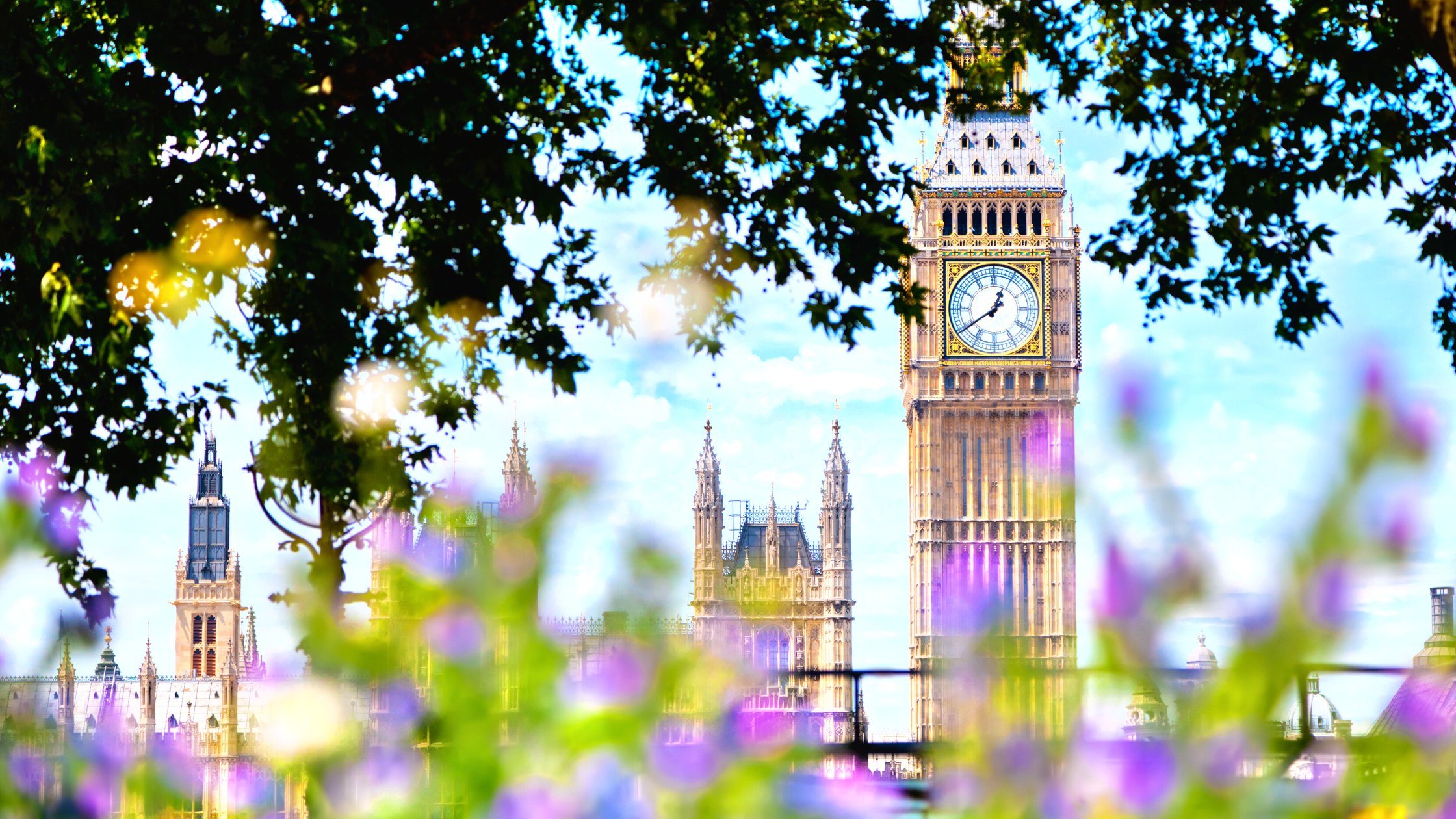
Planning a Londontrip in spring requires a different structure than any other season. Between March and May, daylight hours extend by more than three hours, parks move through distinct bloom phases, and crowd levels shift around Easter and school holidays. Without adjusting for these seasonal mechanics, it’s easy to waste time crossing the city or miss the short-lived moments that define spring.
In spring, London works best when planned by geography and bloom timing. Mornings favor landmark clusters while crowds are lighter. Midday belongs to parks at peak color. Evenings open up riverside walks and skyline views that winter simply doesn’t allow.
This guide provides a geography-smart, bloom-optimized 10-day London itinerary for spring, complete with month-by-month adjustments, weather pivots, and crowd-aware routing. You’ll know where to be, when to be there, and how to structure each day efficiently so your visit feels balanced, seasonal, and unrushed.
Day 1: Westminster & St James’s
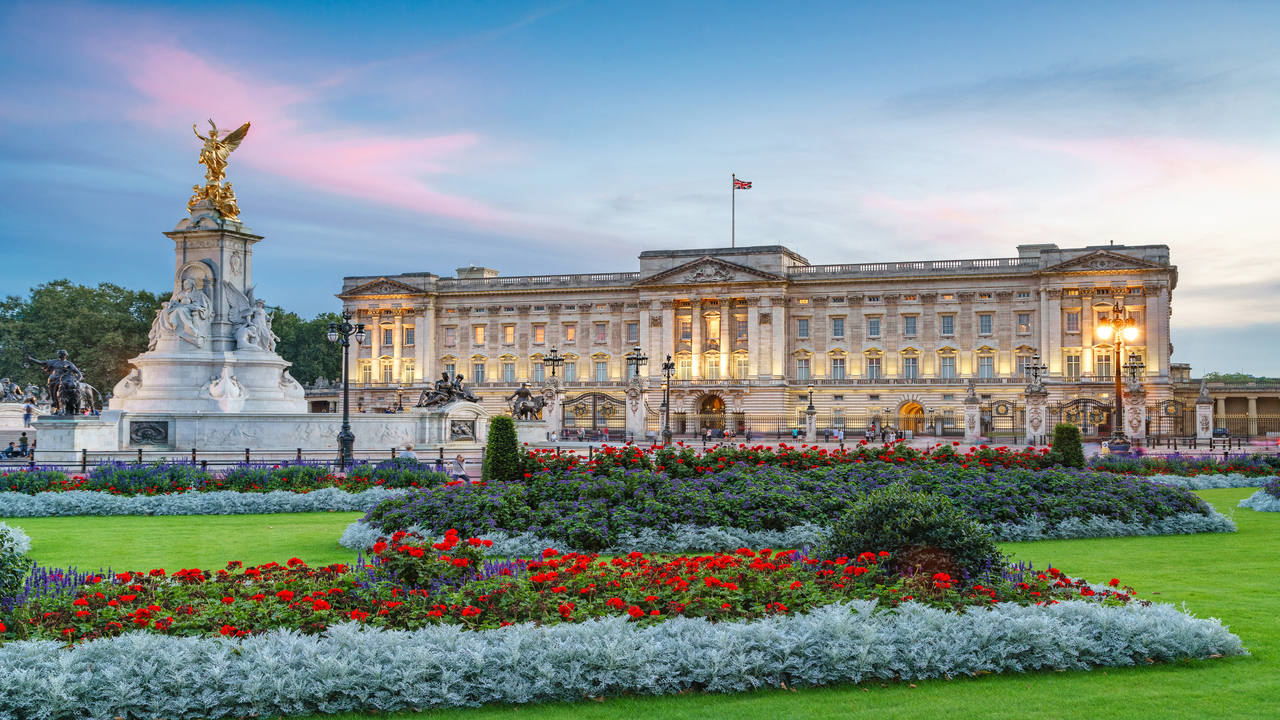
Your first day in London should anchor you in its most recognizable skyline and spring is the perfect time to experience Westminster on foot.
Morning: Westminster’s Architectural Core
Begin early at Westminster Abbey(arrive at opening time if you plan to go inside). This Gothic masterpiece is one of the most historically significant buildings in the UK, hosting coronations, royal weddings, and state funerals for centuries. Morning entry reduces queue times, especially in April when Easter travel increases.
Afterward, step outside toward Big Ben and the Houses of Parliament. Early light along the River Thames creates excellent photography conditions, particularly when the stone façades catch the soft glow of spring sun. Walk across Westminster Bridge for panoramic views back toward Parliament and the London Eye.
Midday: St James’s Park & Buckingham Palace
From Parliament Square, walk toward St James’s Park, one of the best royal parks to experience London in spring. In March and early April, daffodils blanket the lawns in vibrant yellow. By late April, flowering trees and fresh greenery create layered color.
Pause along the lake for views toward Buckingham Palaceframed by blossoms. Continue along the tree-lined path to Buckingham Palace, where you can time your visit with the Changing of the Guard if schedules align.
Then stroll through Green Park, which feels slightly quieter and less formal. In early spring, it becomes carpeted with daffodils beneath tall trees a surprisingly serene contrast to nearby royal landmarks.
Evening: South Bank & London Eye
As daylight extends (especially in May when sunset approaches 9 PM), cross back toward the river for an evening along the South Bank.
Options include:
- Riding the London Eyefor sunset city views
- Walking toward the Tate Modern and Millennium Bridge
- Riverside dining overlooking St Paul’s Cathedral
Spring evenings are cool but rarely crowded compared to June-August. The combination of extended daylight and moderate visitor numbers makes this one of the best seasons for skyline views.
Day 2: Tower Of London & The City

Day two shifts east to London’s oldest quarter a compact area where medieval fortifications stand beside glass skyscrapers.
Morning: Tower Of London & Tower Bridge
Arrive at the Tower of Londonright at opening time. During Easter holidays and April weekends, entry queues can build quickly. Visiting early allows you to explore the Crown Jewels and historic towers before peak congestion.
Allow at least 2-3 hours here. The Tower’s layered history from Norman fortress to royal residence to prison provides depth beyond a quick photo stop.
As you walk through the City of London streets nearby, you’ll pass elegant townhouses and historic square areas often associated with famous people who live in London, giving a glimpse of the city’s contemporary life alongside its historic landmarks.
Afterward, walk across Tower Bridge. If you wish, visit the high-level glass walkways for elevated views of the Thames and docklands.
Midday: St Paul’s Cathedral & Historic City Streets
From Tower Bridge, walk west along the Thames or take a short Tube ride to St Paul’s Cathedral. Climbing the dome rewards you with panoramic views across central London, particularly striking in bright spring light.
- Leadenhall Market
- The Monument to the Great Fire of London
- Guildhall and surrounding historic lanes
This district is geographically tight, making it an efficient walking cluster with minimal transport time.
Evening: Rooftop Views & City Atmosphere
If visiting in April or May, take advantage of longer evenings with a rooftop drink in the City. Venues such as Sky Garden(advance booking recommended) offer elevated views over the Thames and toward The Shard.
Spring evenings are typically mild enough for outdoor terraces, yet not as congested as peak summer. The blend of golden-hour light reflecting off modern towers creates a dramatic contrast with the Tower’s medieval silhouette.
Day 3: South Kensington & Hyde Park
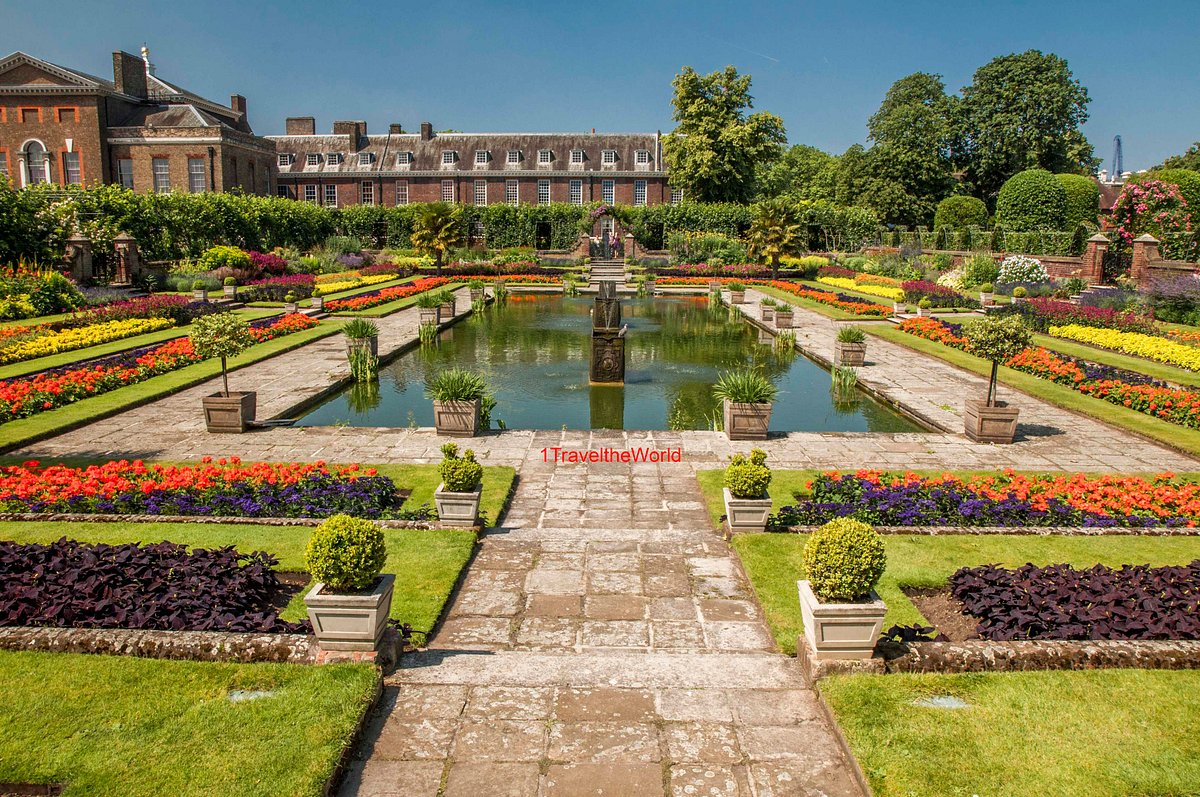
Day three balances indoor culture with outdoor spring beauty ideal for London’s variable March and April weather.
Morning: Museum Quarter
South Kensington hosts three of London’s most important free museums within walking distance:
- Natural History Museum: Famous for its grand Romanesque architecture and dinosaur gallery.
- Victoria and Albert Museum (V&A): Renowned for decorative arts, fashion, and global design collections.
- Science Museum: Interactive and family-friendly, covering everything from space exploration to engineering.
Because London weather can shift quickly in spring, this museum cluster serves as an ideal rain backup day. Arriving early helps avoid school group surges during Easter break.
Midday: Hyde Park & Kensington Gardens
After indoor exploration, transition into open green space. Hyde Parkand Kensington Gardens form one of central London’s largest continuous park areas.
In April, you may encounter:
- Early cherry blossoms
- Structured tulip beds near the Italian Gardens
- Fresh spring greenery along the Serpentine
Walk toward Kensington Palace, then circle back along the water for a relaxed afternoon route.
Optional Evening: Kensington Or Notting Hill
If energy allows, extend your day toward:
- Notting Hillfor pastel streets and early wisteria (late April)
- A refined dinner in Kensington
- A sunset walk along the Serpentine
This neighborhood-focused evening contrasts nicely with the intensity of central landmark days.
Day 4: Covent Garden, Soho & The West End
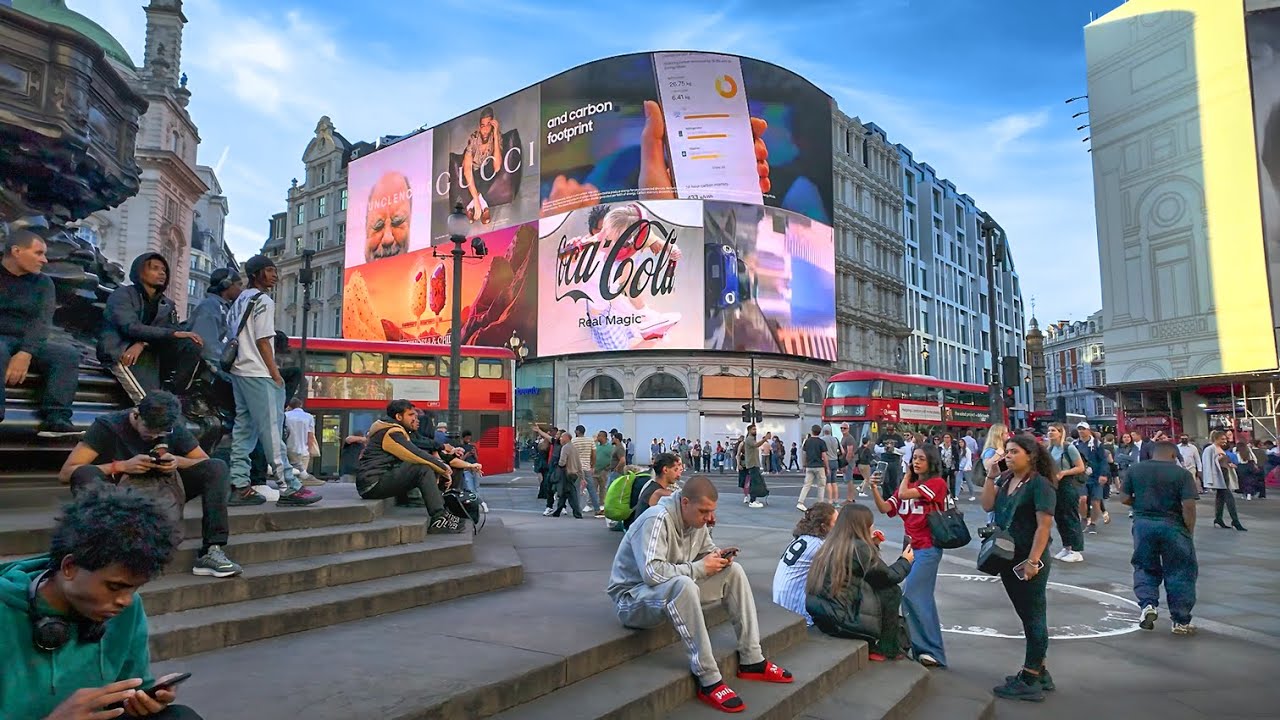
After three days of major landmarks and museums, Day 4 shifts into London’s livelier, more theatrical core. This area blends historic market halls, boutique-lined streets, and the energy of the West End theatre district.
Morning: Covent Garden & Seven Dials
Start in Covent Garden Market, where covered arcades house artisan shops, independent designers, and specialty boutiques. The piazza often features street performers, adding atmosphere without requiring a fixed schedule.
Spring is particularly pleasant here:
- Outdoor seating areas reopen in April.
- Flower installations begin appearing across façades.
- Temperatures are comfortable for wandering without summer congestion.
From the main market, explore Seven Dials, a charming network of small streets ideal for boutique shopping and quieter cafés. This is one of the best areas in central London for independent brands and curated retail.
Midday: Leicester Square & Soho
Walk toward Leicester Square, home to film premieres and major cinemas, then continue into Soho, one of London’s most dynamic neighborhoods.
Soho blends:
- Historic jazz bars
- Independent restaurants
- Bookshops and creative studios
- Hidden courtyards and cocktail lounges
Spring café culture is especially noticeable here. By April and May, pavement terraces fill with locals enjoying longer daylight hours. The atmosphere feels lively but not yet overwhelmed by peak summer tourism.
If you’re planning to see a West End theatre show, stop by the TKTS booth in Leicester Square (or book online in advance). Afternoon is a good time to secure tickets.
LSI naturally integrated: Soho London, Leicester Square attractions, West End theatre tickets, best things to do in Londonat night.
Evening: West End Theatre & Night Walk
End your day with a West End theatre performance one of the most iconic London evening activities. Musicals, dramas, and long-running productions offer options for every interest.
After the show:
- Walk through illuminated Covent Garden.
- Enjoy a late dessert in Soho.
- Stroll toward Trafalgar Square under city lights.
Day 5: Notting Hill & Regent’s Park
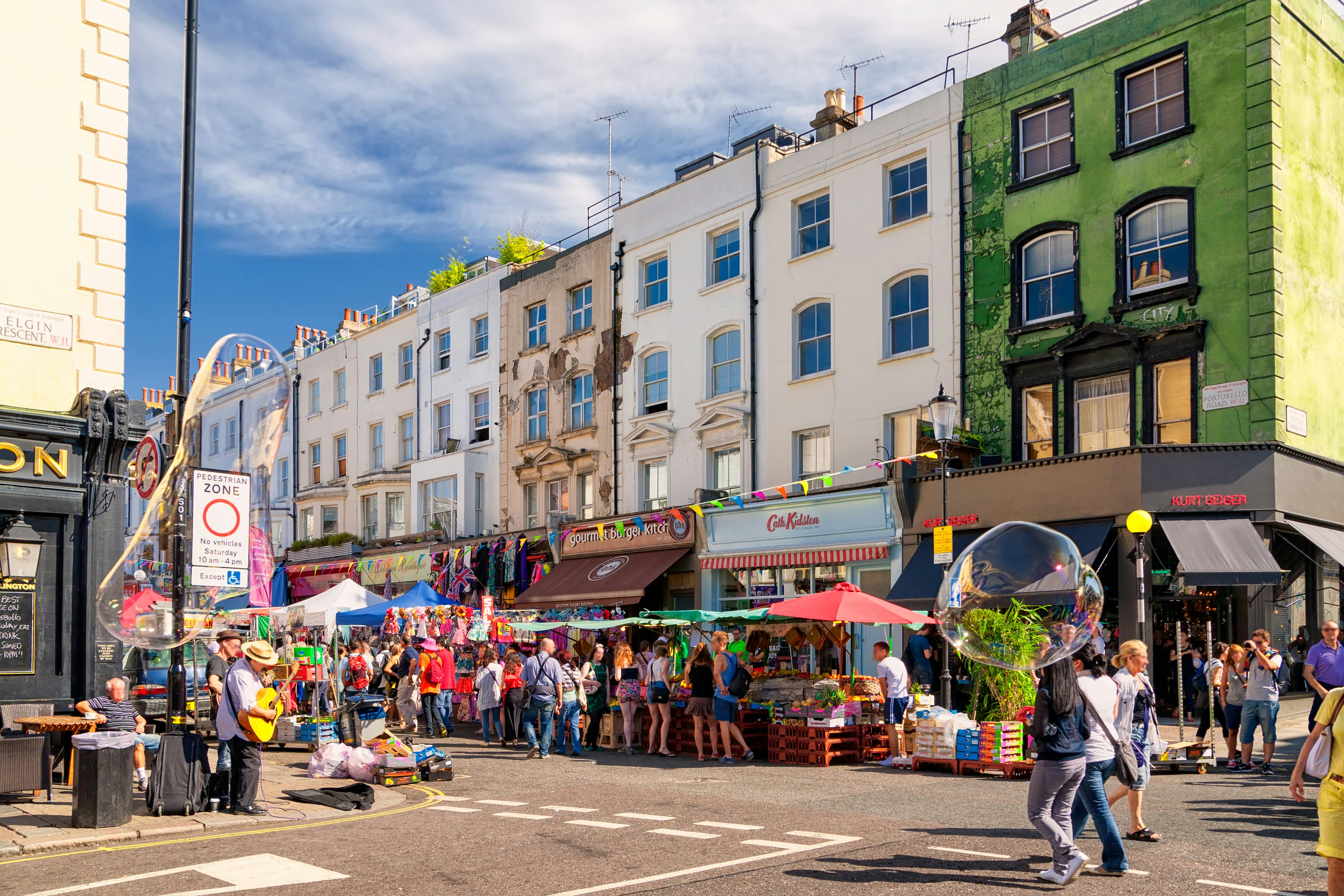
Day 5 offers a slower pace and neighborhood immersion perfect before departure or as a transition into deeper exploration.
Morning: Portobello Road & Notting Hill
Begin in Notting Hill London, one of the city’s most visually distinctive neighborhoods. Pastel-painted houses, boutique cafés, and antique shops line the streets.
If visiting on a Saturday, Portobello Road Market is at its liveliest, with antiques, vintage clothing, and fresh produce. On weekdays, the area feels calmer but still charming.
Late April and early May bring the added bonus of wisteria-covered façades, making Notting Hill especially photogenic during spring.
Planning tip:Arrive before 10 AM on Saturdays to avoid heavier crowds.
Midday: Regent’s Park
From Notting Hill, travel north to Regent’s Park, one of the best London parks in spring.
- In April: Cherry blossoms create soft pink pathways.
- In May: Queen Mary’s Rose Garden begins blooming with early roses. Formal garden beds add structured color.
Regent’s Park feels expansive yet centrally located, making it ideal for a long, relaxed walk.
Optional: Primrose Hill
Just north of Regent’s Park lies Primrose Hill, offering one of the most accessible panoramic views in London. From the summit, you’ll see:
- The London Eye
- The Shard
- The BT Tower
- Parliament in the distance
Spring afternoons provide clear visibility and comfortable temperatures for lingering without summer haze.
This day balances local neighborhood charm with expansive green space a refreshing contrast to landmark-heavy days earlier in your itinerary.
Day 6: South Kensington Museums & Garden Strolls
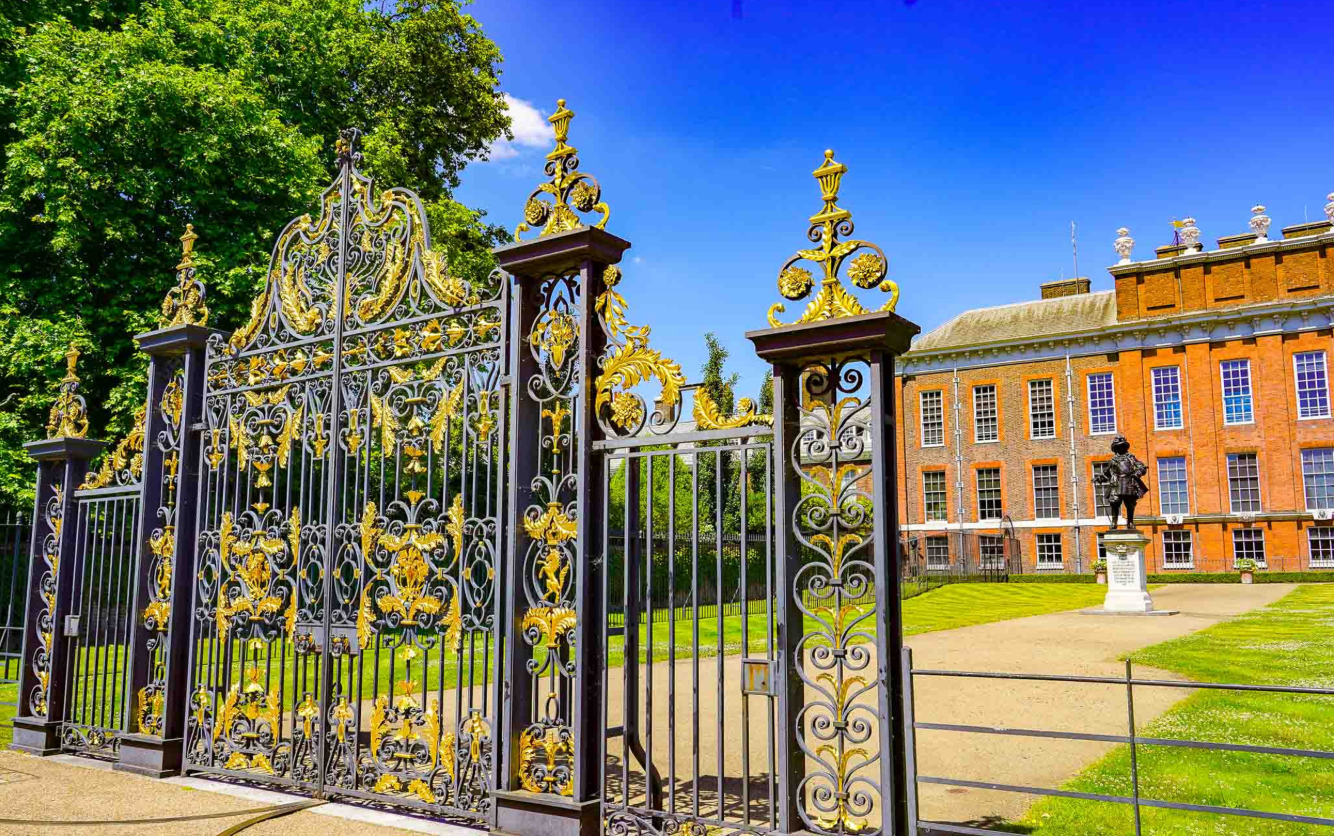
Day 6 is designed for a museum-focused exploration while keeping spring weather flexibility in mind. South Kensington’s cluster of world-class, mostly free museums allows you to dive into science, history, and design without long transit times. Spring light and mild temperatures also make nearby gardens a perfect complement to indoor visits.
Morning: Museum Immersion
Start your day with the Natural History Museum, where exhibits range from dinosaur skeletons to interactive geology and ecology displays. Spring mornings are quieter, making it easier to navigate exhibits and photograph iconic spaces like the Hintze Hall.
Next, head to the Victoria & Albert Museum (V&A) to explore design, fashion, and decorative arts. Seasonal exhibits often showcase spring-inspired collections or special installations.
Midday: Garden Break & Seasonal Picnic
If the weather is sunny, step outside to Kensington Gardens, just minutes from the museum entrances. Mid-April offers tulips and early spring blooms, perfect for a leisurely picnic or a short stroll. Key spots include:
- Italian Gardens, with formal flower beds and water features
- The Round Pond, ideal for resting and people-watching
- Paths lined with spring trees, providing a tranquil contrast to bustling museum halls
The combination of museums and gardens makes South Kensington a balanced cultural and seasonal experience, letting you enjoy both indoor and outdoor highlights seamlessly.
Rainy-Day Backup Plan
Spring weather can be unpredictable, so keep a flexible indoor backup:
- Rotate through all three museums at a slower pace
- Take advantage of café stops within the museums to rest and plan the afternoon
- Focus on specific exhibits you may have missed in the morning
This ensures a productive, comfortable day even if spring showers appear.
Day 7: Shoreditch & East London
Day 7 immerses you in London’s most creative and trendsetting neighborhoods. Spring offers mild temperatures and extended daylight, perfect for walking-heavy exploration before the summer heat or festival crowds arrive. This day blends visual art, eclectic markets, and culinary diversity, giving a full picture of East London’s vibrant personality.
Morning: Street Art & Shoreditch
Shoreditchis London’s street art capital, where alleyways and side streets act as open-air galleries. In spring, soft morning light highlights vibrant murals and graffiti, making it ideal for photography. Key highlights include:
- Redchurch Street murals: dynamic contemporary works by local and international artists
- Brick Lane alleyways: colorful façades and hidden urban artworks tucked between cafés
- Independent galleries: discover emerging talent and rotating exhibitions that reflect East London’s creative pulse
Tip:Take your time wandering side streets small details and hidden murals often go unnoticed on quick walks.
Midday: Markets & Local Flavor
Continue your exploration with East London’s iconic markets, which fully awaken in spring:
- Spitalfields Marketblends artisanal food, handmade crafts, and vintage fashion. Seasonal spring produce and flowers add color to the market stalls.
- Brick Lane London: world-renowned for its curry houses, vintage shops, and weekend markets. Early-season collectibles and spring-themed street vendors are abundant.
- Street food and independent cafés make ideal stops for mid-morning snacks or lunch.
Tip: Comfortable walking shoes are essential. Spring sidewalks are quieter than summer, giving you space to explore shops, stalls, and alleyways at a relaxed pace.
Evening: Sunset & Rooftop Views
As the day winds down, enjoy the East London skyline at sunset. Options include:
- Rooftop terraces in Shoreditch for cocktails or light bites
- Riverside walks along the nearby Regent’s Canal
- Casual dinners at local bistros offering seasonal menus
Spring evenings are mild, and the extended daylight allows for a leisurely transition from urban exploration to relaxation, capturing East London’s energetic yet laid-back vibe.
Spring Weather & What To Pack
Grasping London's spring patterns helps you schedule outdoor blooms confidently while having indoor options ready, preventing disruptions from sudden changes. This preparation maximizes comfort across variable conditions.
Temperature & Rainfall Breakdown
March to May sees highs rising from around 12°C (54°F) in March to 18°C (64°F) in May, with lows from 6°C (43°F) to 10°C (50°F). Rainfall averages 35-50mm monthly over 8-10 days, typically short showers rather than all-day downpours. Data as of February 2026; check the latest Met Office forecasts for your dates.
Extended daylight up to 16 hours by late May extends sightseeing, but daily swings of 5-10°C demand adaptable layers. This insight allows morning park visits during clearer spells, reserving flexible backups for afternoons.
Packing Checklist
- Waterproof jacket or lightweight raincoat for quick showers.
- Versatile layers: breathable base tops, midweight sweaters, and scarves.
- Sturdy walking shoes suited to park paths and pavements.
- Compact umbrella or packable poncho.
- Sunglasses and light sunscreen for sunny intervals.
- Reusable water bottle and small daypack for spontaneous picnics.
These items keep you agile without excess luggage. With readiness in place, efficient movement across the city becomes seamless.
Getting Around London Efficiently
Smart navigation cuts wasted time, letting you devote energy to spring highlights like blooming avenues instead of transit frustration. Focus on these methods for smooth, low-stress days.
Use contactless payment or an Oyster card on the Tube for quick hops, with daily caps at £8.90 for zones 1-2. Data as of February 2026; verify current rates on the Transport for London website.
Prioritize walking or buses in central areas to spot unexpected wisteria or cherry blossoms apps like Citymapper offer real-time options, including bike shares for pleasant days. Clustering by neighborhood reduces Tube reliance, setting the stage for floral-focused adventures.
Must-See Blooms & Events In London
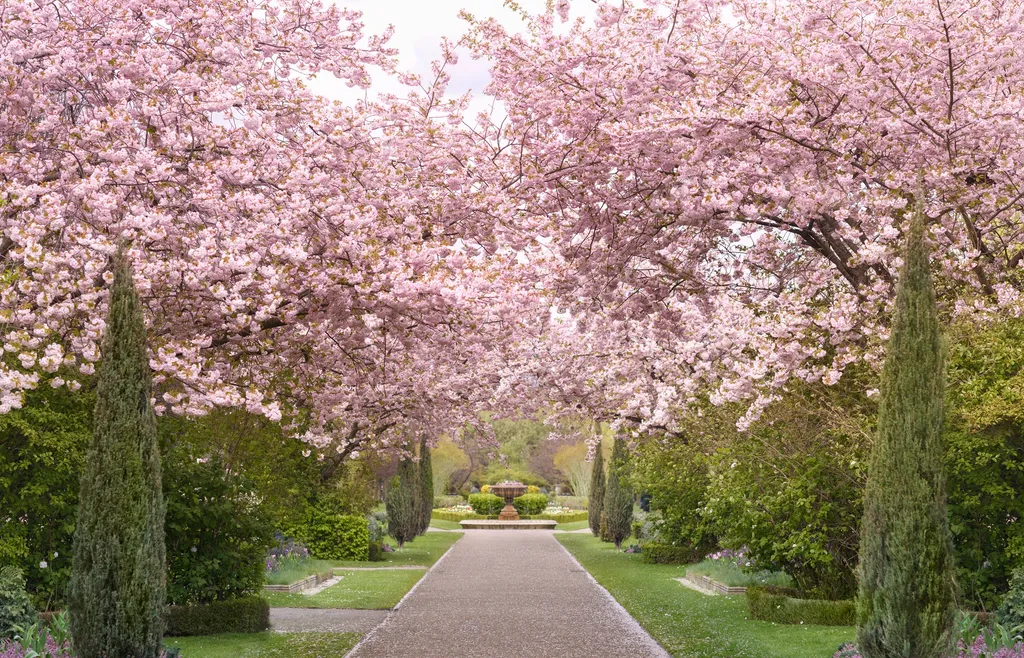
Spring in London is defined as much by its gardens as by its landmarks. From late February through early May, the city moves through distinct bloom phases each lasting only a few weeks. Timing your visit around these floral waves transforms an ordinary sightseeing trip into a seasonally immersive experience.
Because bloom cycles shift slightly with temperature and rainfall, think in windows, not exact dates. Mild winters can push displays earlier, while colder March weather may delay peak color by a week or two. Checking updates from the Royal Parks or Kew Gardensshortly before your trip helps refine your timing.
Below is a bloom-by-bloom guide to where and when you’ll experience the strongest displays.
Daffodils (Late February-March)
Daffodils are London’s earliest and most uplifting sign that winter is receding. By late February, pockets of yellow begin appearing across central parks, and by early to mid-March, entire lawns glow with dense clusters of gold. Their low height and naturalized planting style create the impression of wild meadows woven into formal royal landscapes.
Best Places To See Daffodils In London
- St James’s Park: Arguably the most iconic daffodil setting in central London. The flower beds frame views of Buckingham Palace in one direction and the London Eye in the other, making it ideal for combining floral photography with landmark sightseeing.
- Green Park: Less manicured and more open in feel, Green Park becomes carpeted in yellow during peak bloom. The uninterrupted sweep of flowers beneath leafless trees creates one of the most photogenic early-spring scenes in London.
Why Daffodils Enhance A Spring Itinerary
Their location in the Westminster area makes them easy to integrate into a classic sightseeing route:
- Westminster Abbey
- Big Ben and the Houses of Parliament
- Buckingham Palace
- A Thames riverside walk
Because tour groups tend to cluster later in the morning, visiting around 8:30–9:30 AM offers softer light, fewer crowds, and a calmer atmosphere. Daffodil season is also before peak Easter visitor numbers, making early March one of the most balanced times to explore central London parks.
Magnolias (Mid-March-Mid-April)
Magnolias introduce a softer, more sculptural phase of spring. Blooming before most trees develop leaves, their oversized petals stand out dramatically against bare branches and pale skies. Shades range from creamy white to deep blush pink, and because the blossoms grow directly from branches, they create striking architectural silhouettes.
Best Locations For Magnolias In London
- Kew Gardens: Home to one of the most diverse collections of magnolia trees in the UK, Kew Gardens offers layered bloom timing across different species. This increases the likelihood of seeing flowers at peak even if your visit falls between weather shifts.
- Holland Park - Kyoto Garden: This tranquil Japanese-inspired garden provides an intimate magnolia experience. The blossoms reflect beautifully in the garden’s pond, often accompanied by koi and cascading water features. It’s one of the most peaceful spring garden settings in central London.
Cherry Blossoms (Late March-Mid-April)
Cherry blossoms represent London’s most anticipated spring moment. For a brief window, pale pink canopies transform pathways into tunnel-like corridors of bloom. The atmosphere becomes lighter, softer, and more celebratory as parks fill with visitors seeking peak blossom views.
Best Places To See Cherry Blossoms In London
- Regent’s Park (Avenue Gardens): One of the most reliable and concentrated cherry blossom displays in central London. Rows of ornamental cherry trees create symmetrical pathways ideal for photography.
- Greenwich Park: Offers a unique blend of blossom viewing and skyline perspective. From certain angles, soft pink blooms frame distant views of Canary Wharf, creating a striking contrast between historic parkland and modern architecture.
- Kew Gardens: Features multiple ornamental cherry species with slightly staggered bloom times, increasing flexibility during variable spring weather.
Typical Peak Timing
Cherry blossoms generally peak in early to mid-April, though timing shifts depending on late winter temperatures. Warmer springs may push blooms into late March; cooler conditions can extend peak color into mid-April.
Because blossom season often overlaps with Easter holidays, weekday mornings are the calmest time to visit. Arriving before 9:30 AM significantly reduces crowd density, especially in Regent’s Park.
Why Cherry Blossom Season Shapes A London Spring Trip
Cherry blossoms are fleeting often lasting just 1-2 weeks at full strength. Structuring your London spring itinerary around predicted peak bloom windows can transform the experience.
They pair well with:
- Primrose Hill for skyline views after Regent’s Park
- A Thames river cruise after Greenwich Park
- A combined Kew Gardens and Richmond walk
Cherry blossom season also marks one of the most visually striking periods for outdoor exploration before summer tourist numbers peak.
Tulips (Mid-April)
By mid-April, London shifts from soft blossom tones to bold, structured color. Tulips take center stage in the city’s formal gardens, delivering geometric flower beds filled with saturated reds, yellows, purples, and pinks. Unlike cherry blossoms, which feel delicate and fleeting, tulips create dense, layered displays that last longer and photograph beautifully even under overcast skies.
Where To See Tulips In London
- Hyde Park flower beds: Along the southern edges near Hyde Park Corner and around key entrances, manicured beds showcase coordinated tulip plantings that contrast sharply with the park’s open lawns. Pair a tulip walk here with a stroll along the Serpentine for a balanced mix of floral color and waterside views.
- Kensington Gardens (near the Italian Gardens): This area offers one of the most refined spring garden settings in central London. The formal layout, fountains, and symmetrical paths make it ideal for relaxed walking and photography. Tulips here typically bloom in carefully designed color blocks, enhancing the elegance of the setting.
- Hampton Court Palace Gardens (Day Trip Option): If you want a more expansive display, Hampton Court Palace delivers impressive spring bedding schemes within a historic royal setting. Mid-April is ideal for combining palace interiors with garden exploration before peak summer visitor numbers arrive.
Peak Timing
Tulips generally reach their strongest display in mid-April, though cool early spring weather can push peak color slightly later. Because tulips are more weather-resistant than blossoms, they often hold their structure well through light rain making them ideal for a London in April itinerary that includes flexible outdoor time.
Why Tulips Matter In A Spring Itinerary
Tulip season aligns with moderate April temperatures, longer daylight hours, and manageable crowd levels compared to May bank holidays. This makes mid-April one of the best windows for extended park walks without peak summer congestion.
Strategically, tulips work well as a midday activity:
- Morning: Major landmarks (Westminster, Tower of London)
- Midday:Tulip-filled park walk
- Evening:West End theatre or riverside dining
Wisteria (Late April-Early May)
By late April, London’s floral spectacle moves from public parks into residential streets. Wisteria begins cascading over Georgian and Victorian townhouses, creating dramatic curtains of purple and lilac blooms. This phase feels more intimate and neighborhood-focused compared to the grandeur of royal parks.
Unlike structured tulip beds, wisteria grows organically climbing façades, framing doorways, and softening brick exteriors. It’s one of the most photogenic spring moments in London and signals the transition from early spring to early summer.
Best Areas For Wisteria In London
- Notting Hill: Side streets off Westbourne Grove and around Ladbroke Grove are particularly known for wisteria-covered façades. The combination of pastel-painted houses and trailing blooms creates classic London spring imagery.
- Chelsea (Cheyne Walk and surrounding streets): Chelsea’s historic homes often feature mature wisteria plants that wrap around wrought-iron balconies and white stucco façades. This area pairs well with a Thames riverside walk.
- Kensington & Near Kew Gardens: Select residential pockets near Kensington High Street and around Kew’s surrounding neighborhoods offer quieter wisteria displays away from heavy foot traffic.
Wisteria typically peaks from late April through early May, depending on temperature. Warm springs can bring earlier blooms, while cooler weather may extend displays into mid-May.
Why Wisteria Enhances A London Spring Trip
Wisteria encourages slower neighborhood exploration. It pairs well with:
- Notting Hill cafés
- Portobello Road Market visits
- Riverside walks in Chelsea
- Boutique shopping along King’s Road
It transforms everyday streets into seasonal attractions and adds a distinctly local dimension to a London in May itinerary.
Seasonal Events That Enhance Spring Visits
Spring in London isn’t defined by flowers alone. Several seasonal events and reopenings shape the atmosphere and influence travel planning between March and May.
Chelsea Physic Garden Spring Opening
One of London’s oldest botanical gardens, Chelsea Physic Garden typically unveils its strongest spring displays in April. Medicinal plants, historic glasshouses, and curated flower beds make this a quieter alternative to larger parks like Kew Gardens.
Ideal for travelers seeking:
- Botanical diversity
- Fewer crowds
- A peaceful Thames-side setting
Easter Events In London
Easter often falls between late March and mid-April and can significantly affect crowd levels. School holidays increase visitor numbers at major attractions such as:
- Tower of London
- London Eye
- Warner Bros. Studio Tour
Royal Parks frequently host family-friendly activities and seasonal events, making parks livelier than usual during this period.
Planning tip:Book timed-entry tickets in advance and prioritize early morning visits to high-demand attractions.
The London Marathon (April)
Typically held in April, the London Marathon runs through:
- Greenwich
- Tower Bridge
- Embankment
- Westminster
While it creates a vibrant atmosphere, it also causes road closures and public transport adjustments. If your itinerary includes Greenwich Park or central London landmarks that weekend, plan accordingly.
People Also Ask
Is It Cold During Spring In London?
Springtime in London (March to May)Spring in London is a lively season when the city begins to shake off its winter chill. During this time, London weather in March starts warming up, followed by London weather in April and May, which sees temperatures rising to an average of 12°C to 18°C.
Is 7 Days Too Long For London?
A London itinerary for 7 days is the best length for first-time travellers as well as the seasoned ones. It's long enough to cover London's top attractions, yet not too long to feel like you're running out of things to do in one of Europe best cities. Of course, you'll never be short on things to do.
What Activities Are Good For Spring?
Taking the time to go for a hike, plan a picnic, visit a farmers market, or start gardening can also help us socialize with others and engage more deeply with our local communities and green spaces. So make the most of this beautiful time of year and explore the outdoors with your loved ones whenever you can!
Are The Royal Parks Free To Enter In Spring?
Yes, all Royal Parks, including St James’s, Green Park, and Hyde Park, are free and ideal for spring floral walks.
Final Thoughts
This itinerary centers spring's blooms while covering London's essentials efficiently, delivering a trip that's both iconic and distinctly seasonal. Neighborhood focus and weather-smart swaps keep things relaxed and adaptable.
Embrace the mild light for park wanders, secure bookings ahead, and let the flowers create lasting memories. Safe travels, may your London spring feel as renewing as the city itself.
Jump to
Day 1: Westminster & St James’s
Day 2: Tower Of London & The City
Day 3: South Kensington & Hyde Park
Day 4: Covent Garden, Soho & The West End
Day 5: Notting Hill & Regent’s Park
Day 6: South Kensington Museums & Garden Strolls
Day 7: Shoreditch & East London
Spring Weather & What To Pack
Getting Around London Efficiently
Must-See Blooms & Events In London
Seasonal Events That Enhance Spring Visits
People Also Ask
Final Thoughts

James Rowley
Author
James Rowley is a London-based writer and researcher covering London life, cultural geography, London travel, live London webcam pages and selected public figures across entertainment, sport, business and public life.
For over 15 years, he has focused on verified sources, first-hand local context and clear explanations that help readers understand both places and people more deeply. His work combines street-level London knowledge with careful research into career credits, media work, business interests and, where relevant, transparently explained net worth estimates.
He writes and reviews articles published on LondonWebcam.
Latest Articles
Popular Articles