London Taxi Vs Uber Vs Bolt: Which Is Cheapest In 2026?
Compare London taxi, Uber and Bolt costs for short rides, late nights and Heathrow, plus when surge pricing or a black cab changes the winner.
Author:James RowleyJul 10, 2026584 Shares97.3K Views
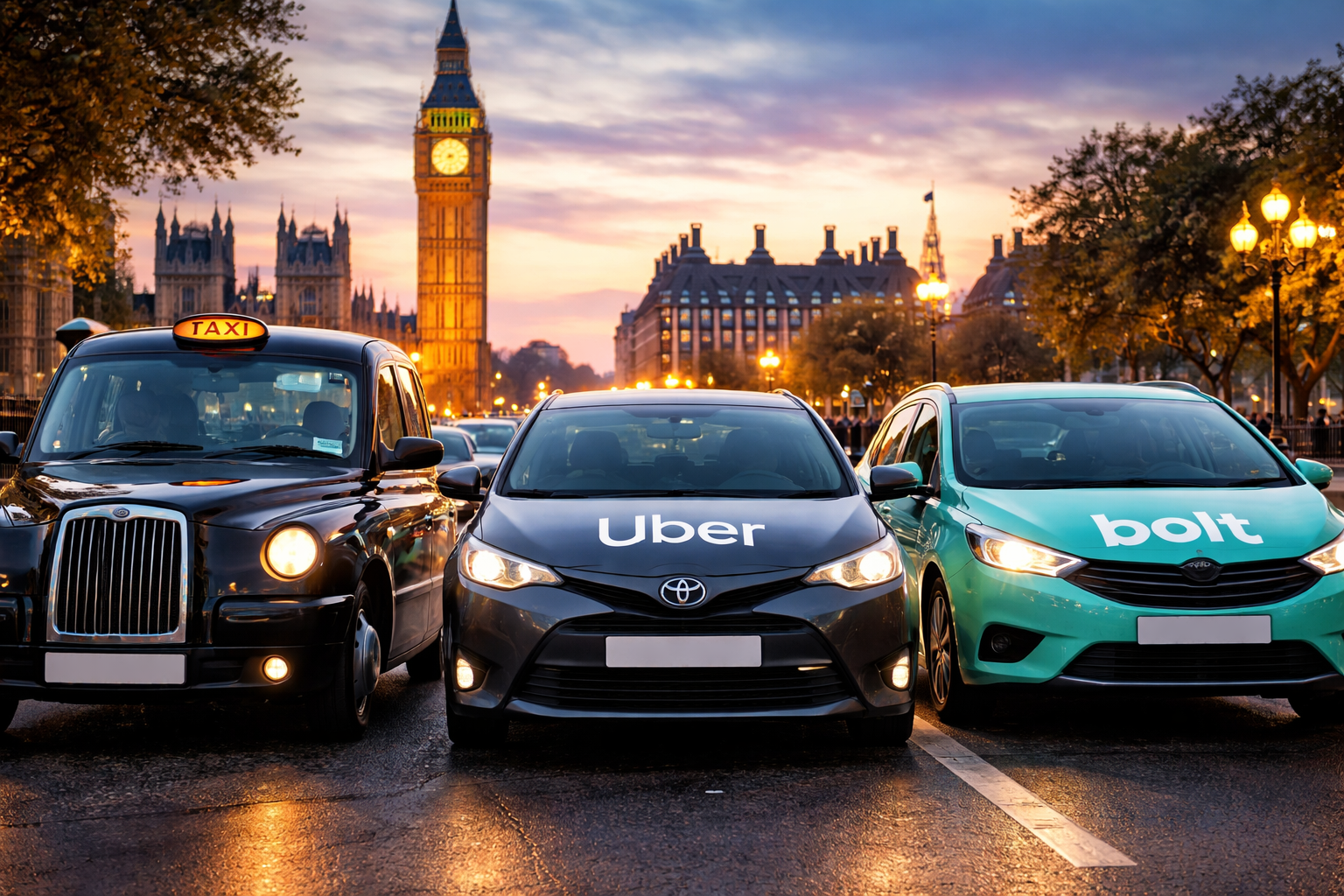
London Taxi Vs Uber Vs Bolt Cost Comparison By Trip Type
Most Londonride comparisons go wrong in the first sentence. They try to crown one winner. That is not how this city works.
A short daytime hop across Zone 1, a wet midnight ride home, and a Heathrow arrival with luggage do not price the same way. London black cabs run on regulated TfL meter fares, while Uber and Bolt use app-based pricing built around time, distance, traffic, tolls or surcharges, and demand. That is why the cheapest option changes with the trip, not just the brand.
This page is built to answer the useful version of the question: which option is likely to give you the best value for this London journey?
Source note:Fare rules and app pricing can change. TfL taxi figures were checked against its public taxi fares page and 2026 taxi fare card, effective from 25 April 2026, while Uber and Bolt pricing explanations were checked against their current UK help pages in July 2026. Always compare live quotes and the latest official tariff before booking.
Quick Answer: Which Option Should You Choose?
These are the core takeaways most readers need first, based on TfL’s black-cab fare rules and the current Uber and Bolt pricing help pages.
- For short off-peak rides, compare Bolt and Uber first, then use a black cab mainly when curbside convenience matters more than squeezing the fare.
- For late-night or high-demand rides, check all three, because app prices can jump while the black-cab meter remains regulated.
- For Heathrow to central London, use the black-cab range as your benchmark, then check the current Uber price estimateand the upfront price shown in the Bolt app.
- Do not treat any app quote as permanent if the route, traffic, stops, tolls, or duration change.
- The smartest move is a 60-second comparison, not loyalty to one app.
That is the fast answer; the next step is seeing where each option usually wins. For routine sightseeing without luggage, the Tube, Elizabeth line or bus will usually beat all three on price, so treat taxis, Uber and Bolt as convenience choices rather than the default way to get around London.
For fare caps, tap-in mistakes and cheaper Tube or bus choices, use our London public transport tipsbefore relying on taxis or ride-hailing.
Which Option Is Usually Cheapest For Your Type Of Ride?
The quickest way to make a better decision is to stop asking for one universal winner. What matters is the pattern for your trip type.
| Trip type | Usually best-value starting point |
| Short off-peak ride | Compare Bolt and Uber first |
| Busy evening or late night | Check all three; black cab becomes more competitive |
| Heathrow to central London | Use the black-cab fare range as a benchmark, then compare live app quotes |
That rule-of-thumb flows from the fare models themselves: TfL-regulated taxi tariffs on one side, and app pricing that responds to time, distance, traffic, and demand on the other.
Official Black-Cab Benchmarks To Compare With Uber And Bolt
Uber and Bolt prices must be checked live, but TfL publishes typical black-cab ranges that give you a stable comparison point.
| Journey | TfL 2026 black-cab benchmark |
| Minimum fare | £4.40 |
| 1 mile, approximately 6–13 minutes | £8.40–£13.00 on Tariff 1 |
| 2 miles, approximately 10–20 minutes | £12.60–£20.20 on Tariff 1 |
| Heathrow to central London | £70–£120, plus the £1.60 Heathrow-rank pickup extra |
Use these figures only as black-cab benchmarks. The actual meter can rise with time and traffic, while Uber and Bolt require live quotes for the same pickup point, destination and journey conditions.
For the same 2-mile journey, TfL lists a typical range of £13.40–£20.40 on Tariff 2and £13.60–£20.40 on Tariff 3. This gives you a better late-evening and night-time benchmark before comparing the live app prices.
Short Off-peak Rides In Central London
For a routine daytime journey, the black cab often starts from a tougher position on price because the meter is regulated and the minimum fare is fixed. TfL’s current public fare tableshows a minimum fare of £4.40, with a typical 1-mile trip at about £8.40–£13.00 and a 2-mile trip at about £12.60–£20.20 on Tariff 1.
That does not make a black cab a bad value. It means the meter is transparent and regulated, but short app rides can still undercut it when demand is low.
On a quick central-London hop, app cars often have the better chance of undercutting that meter price, but the only honest advice is to compare the live app quotes because Uber and Bolt both build prices from time, distance, and demand.
Busy Evenings And Late-night Rides
This is where generic advice starts to fail. TfL’s taxi tariff changes by time of day, but so do app prices, and app quotes can move when local demand, traffic, route duration, tolls or congestion-related charges change.
Uber says upfront prices reflect factors such as trip time, distance, route, and demand patterns, and may change if the route or duration changes significantly.
Bolt shows an upfront price after you enter the destination. Its UK help page describes this as its best estimate based on the expected route and journey time, rather than an unchangeable final price.
That is why late-night London is not just a cost question but a cost-versus-certainty question. When app demand spikes, the black cab becomes much more competitive than people expect, even if it is not automatically the cheapest on paper.
Airport Journeys Where The Answer Often Flips
Heathrow is the comparison many readers actually care about, and it deserves its own logic.
TfL’s 2026 fare cardputs a black cab between Heathrow and central London at roughly £70–£120, with an extra £1.60 for journeys starting from a Heathrow taxi rank. For journeys to Heathrow, Heathrow currently charges vehicles £7 each time they enter a terminal drop-off zone, while TfL’s taxi-fare rules say drivers may add up to £6 to the passenger’s fare to help cover that charge. Discounts and exemptions may apply.
That range is wide, but it is also useful. It gives you a real official benchmark for a Heathrow-to-central-London price comparison. If the live Uber or Bolt quote comes in clearly below that range, the app is probably better value.
If the live app quote is near the upper part of the range once demand is high, a black cab can suddenly look much less expensive than people assume. The cheapest option only becomes clear once you compare the live app quotes with the official black-cab benchmark.
Heathrow comparisons are not only about the fare on screen. They are also about what happens after you land.
A black cab usually wins on simplicity because you can join the rank and leave. Uber and Bolt can still be cheaper, but the real comparison is often between a lower fare and a less seamless pickup.
That matters most after a long flight, with luggage, or when you land at a busy time. In those moments, the cheapest option is not always the easiest one to use.
Why London Black Cabs, Uber And Bolt Price The Same Route So Differently
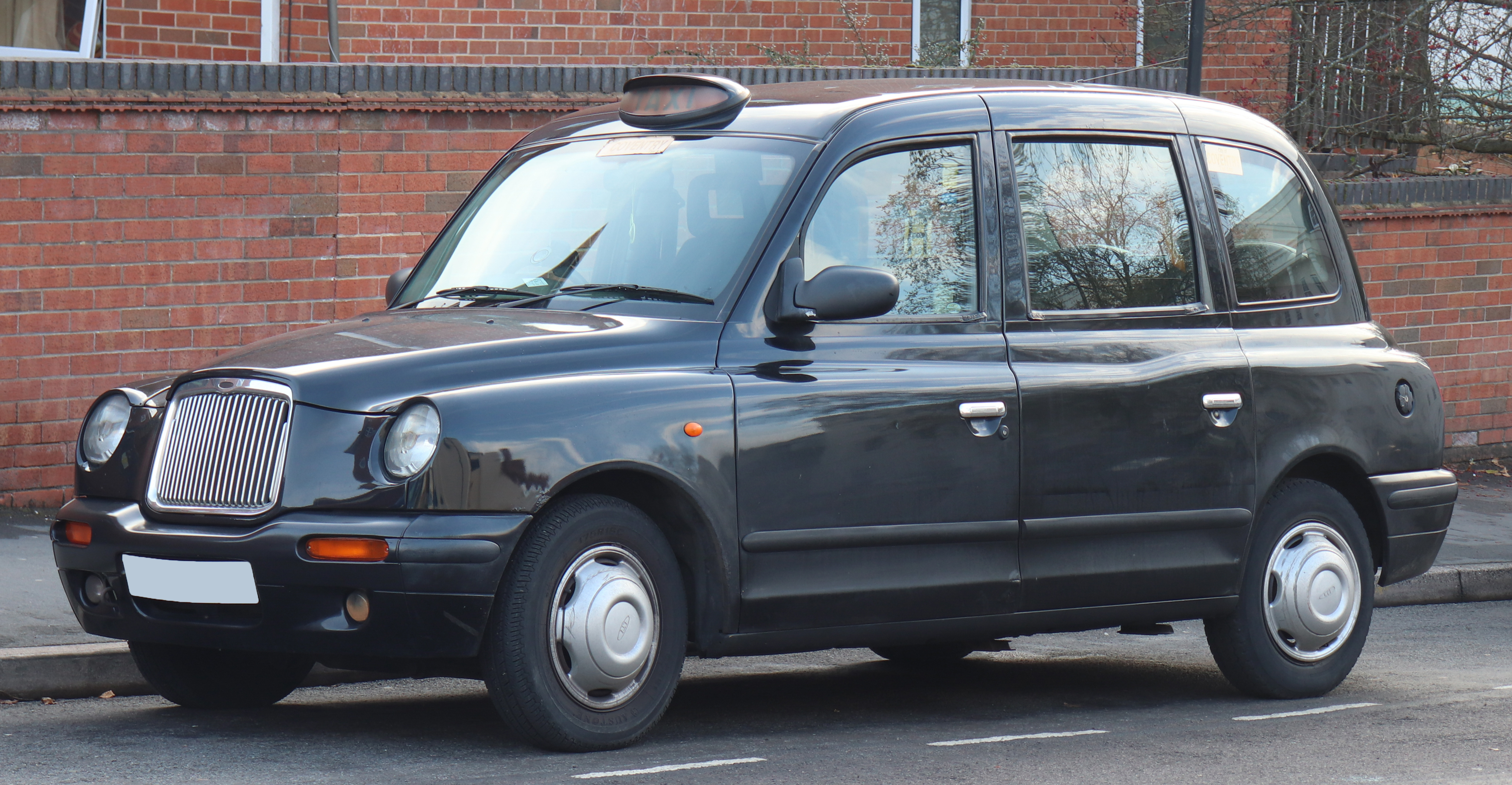
Before you trust any comparison, it helps to understand what each service is actually charging for. The prices feel different because the pricing logic is different.
There is also a 2026 private-hire VAT changethat may affect operator costs and current pricing comparisons. From 2 January 2026, the UK changed the VAT treatment for private-hire and taxi journeys by excluding these services from the Tour Operators’ Margin Scheme unless they are supplied with other travel services.
The change can affect the cost base of operators that supply journeys as principal, but it does not create one fixed fare increase or make black cabs automatically cheaper. The practical takeaway is that older, pre-2026 price comparisons may no longer reflect current pricing.
Transport is only one part of the picture. Our guide to why London is so expensiveexplains the wider pressures behind housing, transport and everyday costs.
How TfL-regulated Black-cab Fares Work
A London taxi is not just another app car. It is a regulated taxi service with a meter, fixed tariff rules, and specific extras set by TfL.
Metered Fares, Minimum Fare And Tariff Timing
TfL sets the tariff structure, including when Tariffs 1, 2, and 3 apply.
Tariff 1 generally applies Monday to Friday from 05:00 to 20:00. Tariff 2 applies on weekday evenings from 20:00 to 22:00 and at weekends from 05:00 to 22:00. Tariff 3 applies every night from 22:00 to 05:00 and on public holidays.
The meter shows the maximum amount payable at the end of the journey unless you agree a fare beforehand for a journey where that is allowed.
The live TfL fare page now shows a £4.40 minimum fare, with the current tariff informationeffective from 25 April 2026.
That matters because black-cab pricing is not vague. You are working inside a regulated framework, which makes taxis easier to benchmark even when the final fare still depends on traffic and time.
Booking And Airport Extras That Change The Total
TfL says black cabs can be hailed on the street, taken from a rank, or booked in advance. If you pre-book by phone, app, or online, there can be an extra charge of up to £2.
Heathrow rank pickups add an extra charge, and airport drop-off rules can change, so check the latest official fare and airport guidance before booking.
Those details explain why taxi fare is never just the meter in airport comparisons. They also explain why a hailed cab in central London can sometimes be better value than a booked one.
How Uber Prices A London Ride
Uber’s price model is cleaner on the surface because you often see the fare before you book. The catch is that what is shown first does not always mean locked forever.
Estimate Visibility Before Booking
Uber explains how upfront pricing worksand what goes into the number shown before you request the ride. That is why an Uber quote can feel precise even before the car arrives.
For someone comparing Uber with a London taxi, the practical advantage is price visibility before booking: you can compare the app quote with TfL’s published taxi benchmark before committing.
Why Traffic, Weather And Route Changes Can Still Matter
Uber also says the displayed fare can change if the trip changes significantly, so readers who want the details can check Uber’s explanation of upfront price changes and fare review.
That is why Uber can look cheaper at the booking screen and still end up less decisive than it seemed. The quote is useful, but it is not magic.
How Bolt Prices A London Ride
Bolt’s London appeal rests on simplicity: enter the destination, see the price, and decide quickly. That makes it easy to compare against Uber and a black-cab estimate.
Upfront Pricing In The UK
Bolt says its UK upfront pricingshows the exact trip price before you request the ride. It is based on pickup, time, distance, and dynamic pricing, and appears after you enter the destination.
That makes Bolt easy to compare quickly against Uber and a black-cab benchmark.
When Traffic, Route Changes And Dynamic Pricing Alter The Total
Bolt also says the final price can move when the journey takes much longer than estimated because of traffic, when toll or congestion chargesapply differently, when you change destination, add stops, or ask for a different route.
So the real comparison is not meter versus fixed fare. It is regulated meter versus app-based prediction, and that is exactly why the winner changes by journey.
Worked London Scenarios That Show When Each Option Wins
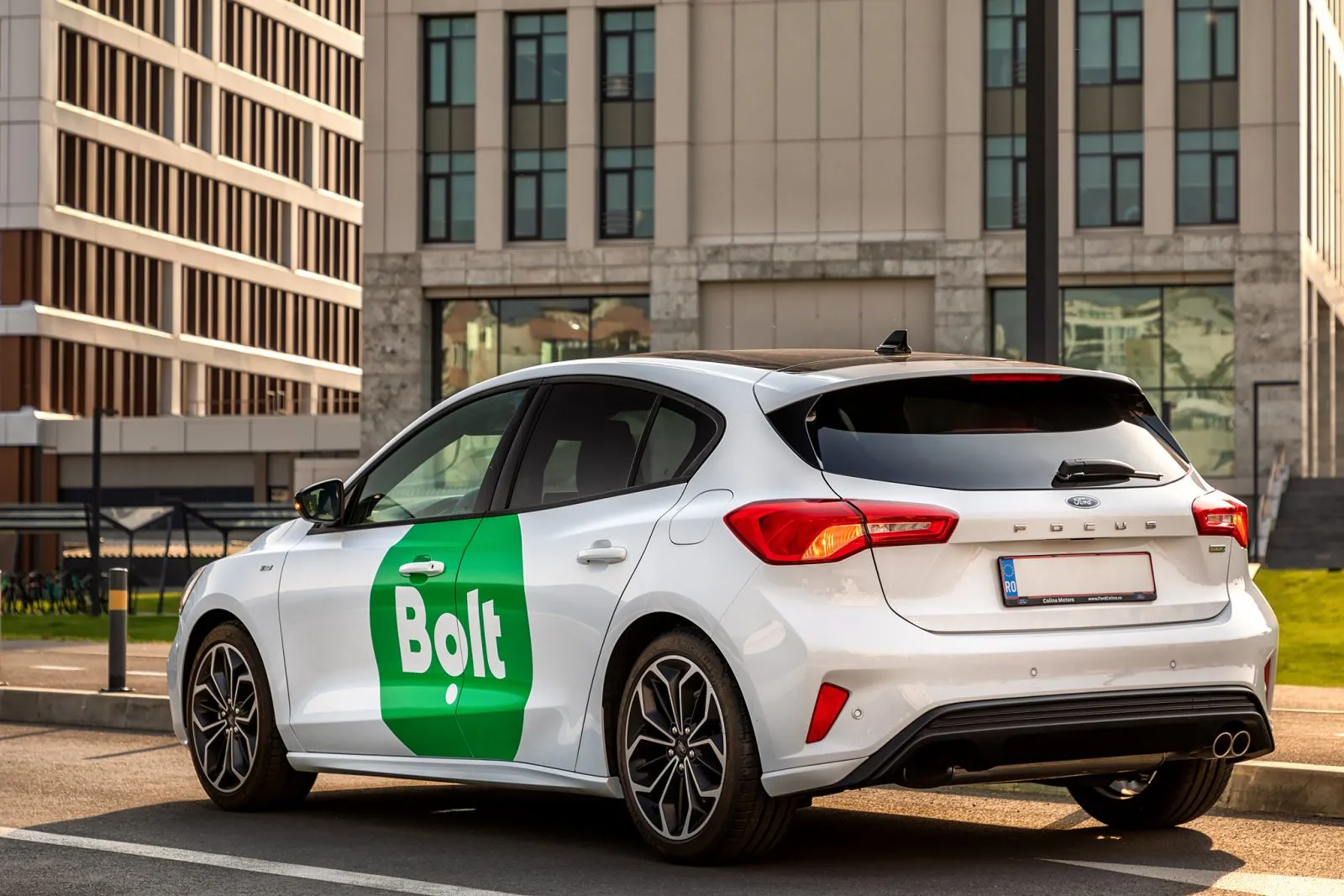
The easiest way to make this practical is to run a few London-style scenarios. These are not invented fare claims; they are decision models built around the official pricing rules.
Scenario 1: A Short Zone 1 Daytime Hop
Picture a rider going a couple of miles across central London on a dry weekday afternoon. TfL’s fare table puts a typical 2-mile black-cab journey at about £12.60–£20.20 on Tariff 1, before any booking extras.
For that sort of off-peak trip, the live Uber and Bolt quotes are usually the first numbers worth checking because the regulated taxi meter starts from a higher published benchmark than many riders expect.
The black cab still makes sense when the rider values immediate curbside pickup more than the lowest probable fare. In central London, that convenience can be worth paying for.
Scenario 2: A Rainy Late-night Cross-city Journey
Now picture a ride home after 23:00, when traffic is uneven, the weather is poor, and demand is strong.
TfL’s tariff is higher at night, but Uber and Bolt also price against live demand, route duration, and other trip conditions, which is exactly when app quotes can stop looking cheap.
In this case, the right move is simple:check all three. The black cab may not win, but it becomes a serious contender once the apps start reacting to the same demand spike.
Scenario 3: Heathrow To Central London With Luggage
This is the Heathrow-to-central-London price comparison where the wrong shortcut costs the most. TfL’s published 2026 black-cab benchmark is about £70–£120, with a Heathrow rank extra of £1.60.
The Heathrow terminal drop-off charge applies only when a vehicle enters a terminal forecourt to drop passengers off; it does not apply to a Heathrow-to-central-London pickup from the taxi rank.
TfL also says black cabs can be picked up from designated ranks, while private-hire vehicles must be booked in advance.
That means the black cab brings two advantages to the airport calculation: an official published benchmark and genuine walk-up convenience.
Uber and Bolt can still be cheaper, but the smart comparison is price, time, and booking friction together, not price alone.
Be careful with airport pre-booking too. Uber Reservecan be useful for greater planning certainty, but Uber says the displayed trip price is an estimate that includes a reservation fee. It is not automatically the cheapest option. For Heathrow or early-morning airport trips, compare Uber Reserve against the live app quote, the black-cab benchmark and any fixed-price airport transfer before assuming the reserved app ride is the cheapest option.
A useful way to frame Heathrow is this:black cabs usually offer the cleanest airport exit, while Uber and Bolt usually need more comparison discipline.
If the live app fare is far below the black-cab range, the app probably wins on price. If the gap is small, many travellers will prefer the simpler rank pickup and clearer benchmark of a black cab.
For airport transfers, I would judge the options in this order: total fare, pickup friction, and then time. For the wider airport decision, compare this with our London airport guidebefore choosing between public transport, express trains, taxis and ride-hailing. That gives you a better answer than price alone.
Local Test: What I Check Before I Tap Book
I treat Heathrow app quotes as provisional until I have checked three things: the live Uber price, the live Bolt price, and the official black-cab range.
If the app quote is only slightly lower than the taxi benchmark, I give extra weight to rank pickup, luggage ease and the fact that the black-cab fare is based on a published tariff rather than a demand-sensitive app estimate.
Real value comes from matching the service to the journey, not chasing the lowest headline number.
The Hidden Variables That Change The Cheapest Option
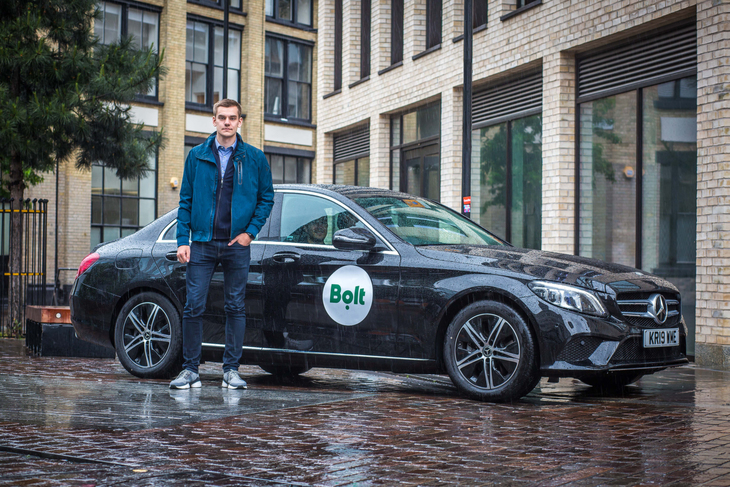
The biggest mistake in London ride comparisons is ignoring the small details that move the real total. These are the variables that quietly flip the answer.
Waiting Time And Pickup Friction
TfL says black cabs can be hailed on the street or picked up from taxi ranks, while minicabs and app-based private hire must be booked in advance.
That matters because the cheaper option on-screen is not always the faster or simpler option on the pavement.
When the city is busy, pickup friction can be part of the price even when it does not show as a fare line item.
Tourist safety note:do not accept an unbooked minicab or private-hire offer from a driver who approaches you at an airport, station or on the street. TfL says unbooked minicabs are illegal and uninsured for passengers. Use a black cab, an official taxi rank or a vehicle booked through a licensed operator or app.
Traffic Exposure And Route Efficiency
Black cabs are meter-based, so congestion can push the fare up. Uber and Bolt also say route changes, delays, and traffic can affect what riders end up paying. No model escapes traffic; they just react to it differently.
Before a rainy evening or peak-time journey, check our live London webcamsto see whether key roads and central areas look wet, busy or slow before you commit to a cab or app ride. For help choosing the most useful view for traffic, weather or crowds, see our London webcams and live streams guide.
There is also a practical route advantage. TfL generally allows licensed taxis to use bus lanes where the signs permit, while private-hire vehicles do not receive the same access on TfL-operated roads. That can help on some London journeys, although it does not guarantee that the black cab will be faster.
Airport Fees, Booking Charges And Toll-style Extras
TfL lists black-cab booking extras and Heathrow-specific extras. Uber says tolls, surcharges, and fees are part of its fare logic, and Bolt says toll or congestion-related charges can also change the final price.
Airport comparisons go wrong when readers compare the headline fare but not the extras wrapped around it.
Waiting and stop-related fees can also erase a small headline saving. Uber says wait-time and multi-stop fees may apply, while Bolt’s UK pricing can include wait-time and airport fees. Check these terms particularly carefully for airport pickups, delayed meetings and journeys with several stops.
Group Size, Luggage And Accessibility Value
TfL also has a helpful page on passengers and accessibility, which is useful if accessibility matters as much as fare. Black cabs can become better value for some groups because TfL says there are no extra charges for luggage, additional passengers, assistance dogs or card payments, and all taxis licensed by TfL are required to be wheelchair accessible.
That does not mean a black cab is always cheaper. It means the fare comparison changes when luggage, accessibility, group size, pickup simplicity or payment certainty matters. This is why “Bolt is cheaper” is too blunt to trust without context.
The Best Choice For Different London Riders
Once the pricing logic is clear, the decision becomes easier. The right answer depends on what you care about most, not just the raw fare.
If Your Priority Is The Lowest Likely Fare
Start with Bolt and Uber side by side. Both show a pre-booking price or estimate structure, and both can move with demand or route conditions, so the only sensible habit is to compare them live.
This is the best default for standard city rides where convenience is not worth paying extra for.
If Your Priority Is Speed And Convenience
A black cab becomes stronger when you value street hail, taxi rank pickup, or less booking friction. TfL’s rules make that distinction clear: black cabs can be hailed; private-hire vehicles must be booked in advance.
In practice, that means the best choice can be the one that gets you moving fastest, not the one that looked cheapest 90 seconds ago.
If Your Priority Is Airport Simplicity
Use the official Heathrow black-cab range as the benchmark, then compare the live Uber and Bolt quotes against it.
That gives you a more grounded answer than relying on stale fare anecdotes. Airport journeys punish lazy comparison more than short city rides.
If You Want To Compare Black Cabs In An App Too
Gett can make black cabs easier to compare with Uber and Bolt inside an app. Gett’s rider guidancesays London black-taxi rides are paid by the taximeter, with an estimate shown before ordering. You pay the amount displayed by the meter, plus any additional app charges shown before booking and itemised on the receipt.
A High Demand Fee may apply when customer demand is high or driver availability is low. Gett says this fee is shown upfront in the app and itemised on the receipt. Its separate driver guidance on fixed faresalso says fixed fares can apply to certain account bookings, airport runs and regions, so check the fare type and complete price displayed before confirming.
This means a black-cab app booking is not necessarily just the predicted meter amount. Compare the estimate, disclosed app charges and fare conditions before deciding.
FREENOWis another useful comparison app because it lets London users compare Black Cab and Ride options. Black Cab bookings may be metered or, on eligible journeys, offered at a fixed fare, while Ride is its fixed-fare private-hire option. Check the fare type displayed before confirming, because the pricing model can differ even inside the same app.
How To Compare In 60 Seconds Before You Book
The goal is not to perform a transport dissertation at the kerb. It is to make one better decision, quickly and repeatably.
Use This 60-Second London Ride Check
Before you book, compare the same journey in the same minute. Use the same pickup point, drop-off point, vehicle capacity and passenger or luggage needs. Do not compare a standard app car with an XL or premium category, then assume the price difference is caused only by the operator.
- First:compare the live Uber and Bolt prices side by side.
- Second:compare those app prices with the TfL black-cab benchmark or a black-cab app estimate.
- Third:compare total trip value. Factor in pickup time, luggage, accessibility, airport or booking extras, and whether route changes, waiting time or additional stops could affect the final price.
Ask three quick questions: how much will the complete trip cost, how easy is the pickup, and what could cause the amount shown to change?
A one-minute comparison beats any blanket rule because London pricing changes by journey, demand and pickup conditions.
Video perspective:this provides one London taxi driver’s real-world comparison with Uber. Treat it as an individual practical viewpoint rather than a fixed fare benchmark.
Uber vs London Taxis - Here’s What Happened!
Frequently Asked Questions
Is It Better To Use Bolt Or Uber In London?
For a standard off-peak ride, the best answer is usually to compare both live rather than trust a brand preference. Both use app-based pricing that reflects time, distance, and changing trip conditions.
Are London Taxis Cheaper Than Uber?
Sometimes, yes. Off-peak, Uber often has the better chance of undercutting the black-cab meter, but during high-demand periods, a regulated taxi fare can become more competitive than an app quote.
How Much Cheaper Is Bolt Compared With Uber?
There is no fixed percentage you can trust. Bolt and Uber both price based on time, distance, and changing conditions, so the gap can be meaningful on one trip and vanish on the next.
How Much Is A 20-minute Taxi Ride In London?
TfL’s current public fare table shows a typical 2-mile, 10–20 minute black-cab ride at roughly £12.60–£20.20 on Tariff 1, with higher ranges on later tariffs. Check the latest TfL fare page, because tariff updates can change the benchmark.
Can I Hail A Black Cab But Not Uber Or Bolt?
Yes. Black cabs can be hailed on the street or taken from designated taxi ranks. Uber, Bolt and other private-hire vehicles cannot accept street hails or taxi-rank pickups; they must be booked in advance through a licensed operator or app.
Are London Black Cabs Wheelchair Accessible?
Yes. TfL requires all licensed London taxis to be wheelchair accessible. Taxi and private-hire drivers also have legal duties to assist disabled passengers and cannot charge extra for required mobility assistance. Private-hire vehicle accessibility varies, so request a suitable vehicle when booking.
Do Uber And Bolt Show The Final Price Before Booking?
They usually show a pre-booking price or upfront fare, but both companies also explain that route changes, traffic, tolls, stops, or major duration changes can affect what you finally pay.
Do London Black Cabs Charge Extra For Luggage?
No. TfL says there are no extra charges for luggage, additional passengers or assistance dogs in London taxis. That can make a black cab easier to price for groups, families and airport trips, even when the meter is not the cheapest option on every journey.
Which Is Better From Heathrow To Central London: Uber, Bolt Or A Black Cab?
For pure price, Uber or Bolt may win when the live quote is clearly below TfL’s £70–£120 black-cab range. For walk-up simplicity after landing, a black cab is usually easier because you can use the terminal taxi rank. Compare the complete fare, pickup instructions, waiting time, luggage and any airport or booking fees before choosing.
Is Bolt Reliable From Heathrow To Central London?
Bolt can be a good value option from Heathrow, but I would treat reliability here as a pickup-and-price question, not just an app-quality question. Compare the live fare, the pickup process, and the black-cab alternative before deciding.
Should Tourists Use Black Cabs Or Apps In London?
Tourists usually do best with a simple rule: compare the live app fares first, but keep black cabs in the mix for airport arrivals, late-night travel, luggage, and easy street pickup.
The Practical Bottom Line For London Trips
Here is the shortest honest answer. There is no universally cheapest option across London taxi, Uber, and Bolt.
The best-value choice changes with the journey: short off-peak rides usually push you toward the apps, late-night demand makes black cabs more competitive, and Heathrow comparisons work best when you treat the official taxi range as the benchmark.
For wider trip budgeting beyond taxis and ride-hailing, use our London Costs guidesbefore choosing hotels, transport, meals and paid attractions.
That is why the most useful habit is not memorising a winner. It is comparing the trip type, the live quote and the likely extras before you book. In London, the smartest fare comparison is the one that respects how the city actually moves.
Jump to
London Taxi Vs Uber Vs Bolt Cost Comparison By Trip Type
Which Option Is Usually Cheapest For Your Type Of Ride?
Why London Black Cabs, Uber And Bolt Price The Same Route So Differently
Worked London Scenarios That Show When Each Option Wins
The Hidden Variables That Change The Cheapest Option
The Best Choice For Different London Riders
How To Compare In 60 Seconds Before You Book
Frequently Asked Questions
The Practical Bottom Line For London Trips

James Rowley
Author
James Rowley is a London-based writer and researcher covering London life, cultural geography, London travel, live London webcam pages and selected public figures across entertainment, sport, business and public life.
For over 15 years, he has focused on verified sources, first-hand local context and clear explanations that help readers understand both places and people more deeply. His work combines street-level London knowledge with careful research into career credits, media work, business interests and, where relevant, transparently explained net worth estimates.
He writes and reviews articles published on LondonWebcam.
Latest Articles
Popular Articles