30 Historic Pubs In London You Can Still Visit Today
30 historic pubs in London still open today, covering medieval sites, post-Fire rebuilds and Victorian pubs, with locations, history and context.
Author:James RowleyFeb 02, 2026
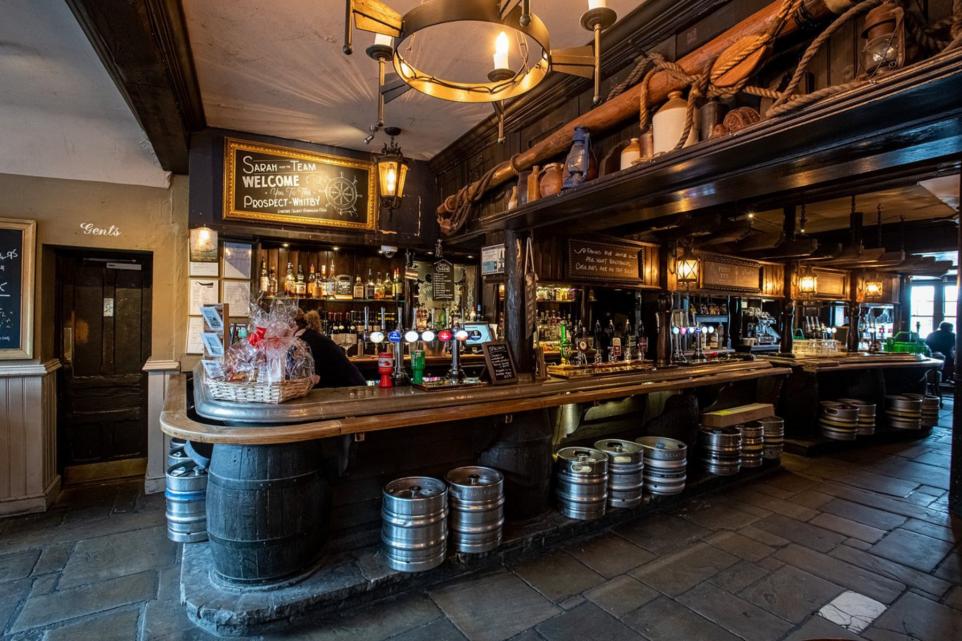
30 Historic Pubs In London Still Serving Drinks Today
London’s pub history runs deeper than almost anywhere else in the world, but only a handful of pubs truly deserve to be called historic. These are not replicas or themed venues they are working pubs that have survived the Great Fire of London, wars, rebuilding and centuries of everyday life.
Many stand on medieval sites or were rebuilt soon after 1666. Writers like Charles Dickens and Samuel Pepys drank here, sailors planned voyages, and generations of Londoners passed through their doors.
This guide brings together 30 historic pubs in London, separating fact from legend and explaining what really makes each pub historic. If you’re searching for the oldest pubs in London or planning a serious historic pub crawl, these are the places that matter.
1. Ye Olde Cheshire Cheese - 1667
Location: 145 Fleet Street, London EC4A 2BP Fleet Street, City of London
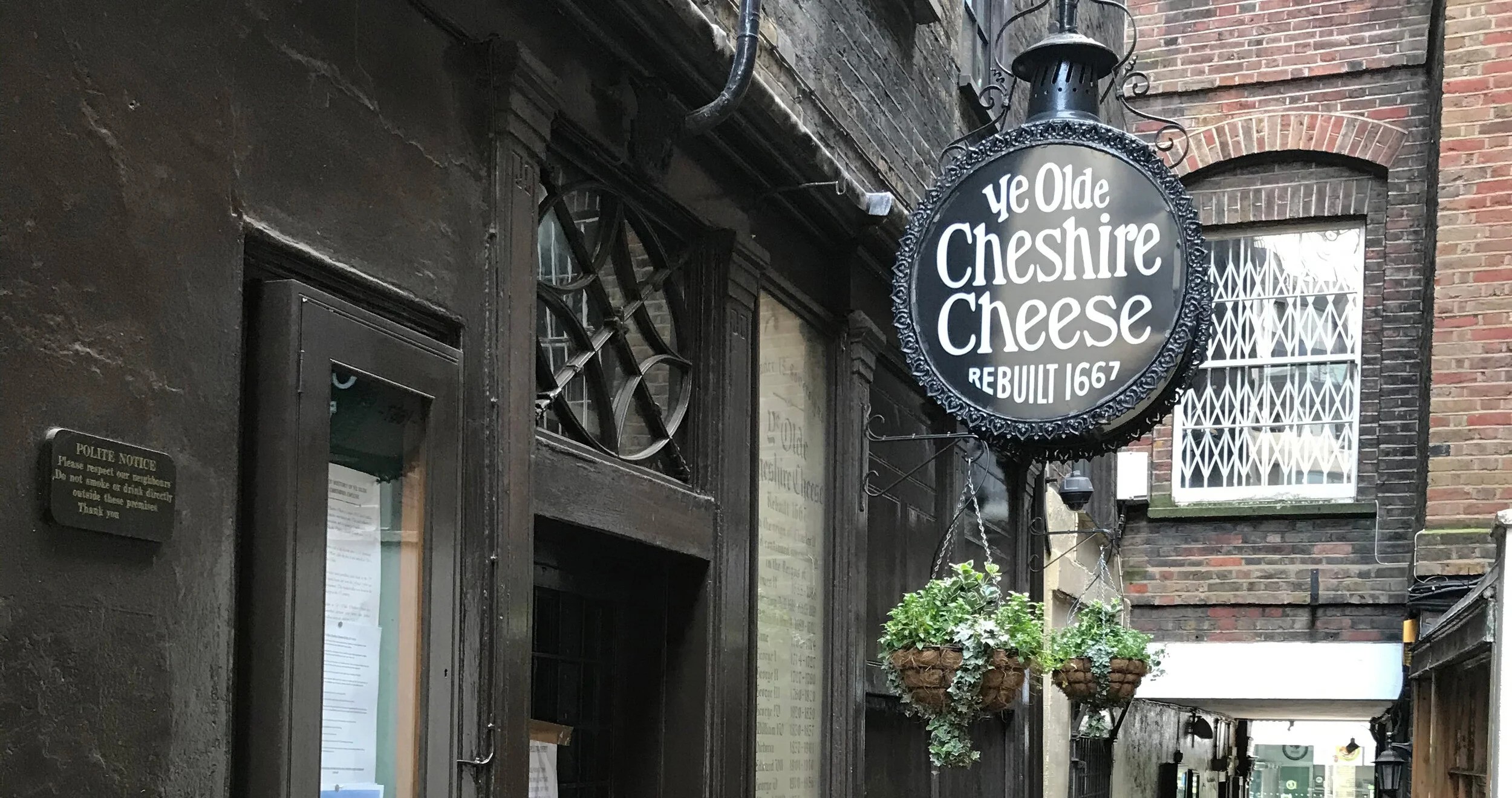
Located in a narrow alley off Fleet Street, this pub was rebuilt in 1667, a year after the Great Fire. A brass plaque outside lists every monarch from Charles II to today, a total of 16 rulers.
Writers liked to meet here. Charles Dickenswrote about the place and Mark Twain and P.G. Wodehouse drank on its sawdust floors. Behind the bar sits a stuffed African Grey named Polly, who lived at the pub from 1895 to 1926 and earned a fierce reputation for swearing in many languages.
Samuel Smith’s Brewery runs the pub now, so you will only find their beers. The cellars date from the 17th-century rebuild, not the medieval period some sources claim, but they still give a strong sense of age.
2. The George Inn - 1676
Location: The George Inn Yard, 77 Borough High Street, London SE1 1NH Borough, Southwark
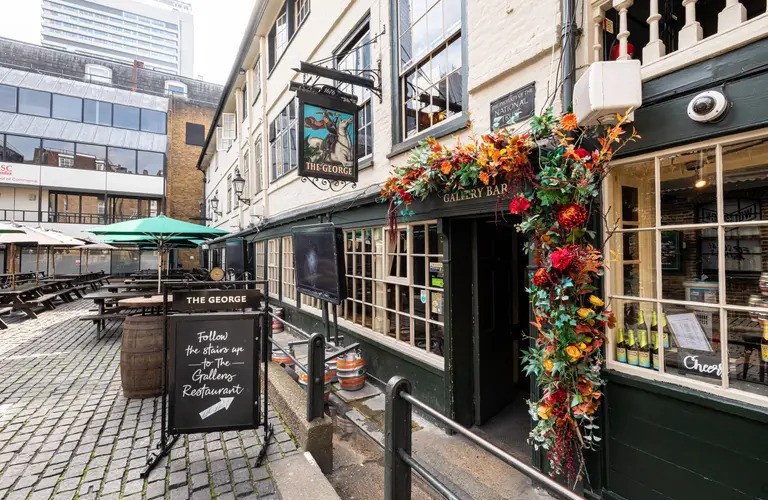
Hidden down an alley near Borough High Street, this is London’s only surviving galleried coaching inn. The National Trust looks after the building, which was rebuilt in 1676 after a fire.
Wooden galleries once led to guest rooms for coach travelers. They now look over a cobbled courtyard that fills up in summer with people drinking outside and occasional outdoor plays.
Charles Dickens mentioned the inn in Little Dorrit and some say Shakespeare performed in the courtyard long ago. Inside, the place keeps its old feel with dark wood and creaky floors.
3. The Prospect Of Whitby - 1520
Location: 57 Wapping Wall, London E1W 3SH Wapping
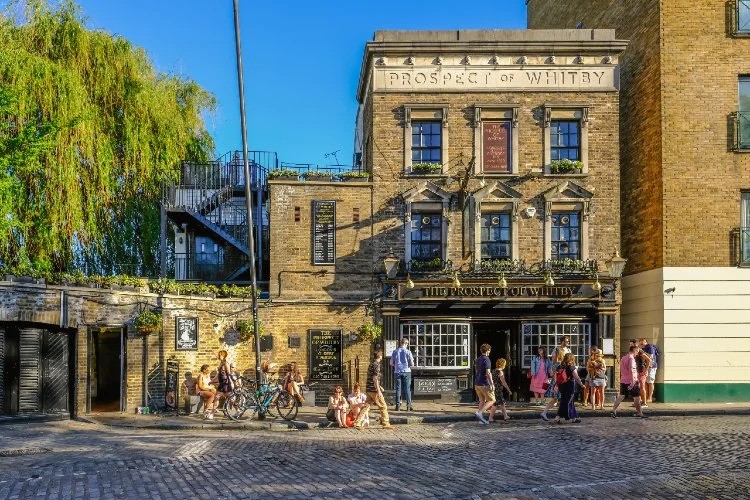
This riverside tavern claims a 1520 founding, a date used by marketing, but recent studies suggest the current building mainly dates from the 18th and 19th centuries.
Once called The Pelican and later known as the Devil’s Tavern, it drew sailors, smugglers, and pirates thanks to its Wapping location. People say Samuel Pepys visited an earlier building on the site. J.M.W.
Turner sketched it, Charles Dickens drank here and Princess Margaretonce called in. A scene from Only Fools and Horses also used the pub. The terrace gives wide views of the Thames and Canary Wharf.
4. The Spaniards Inn - 1585
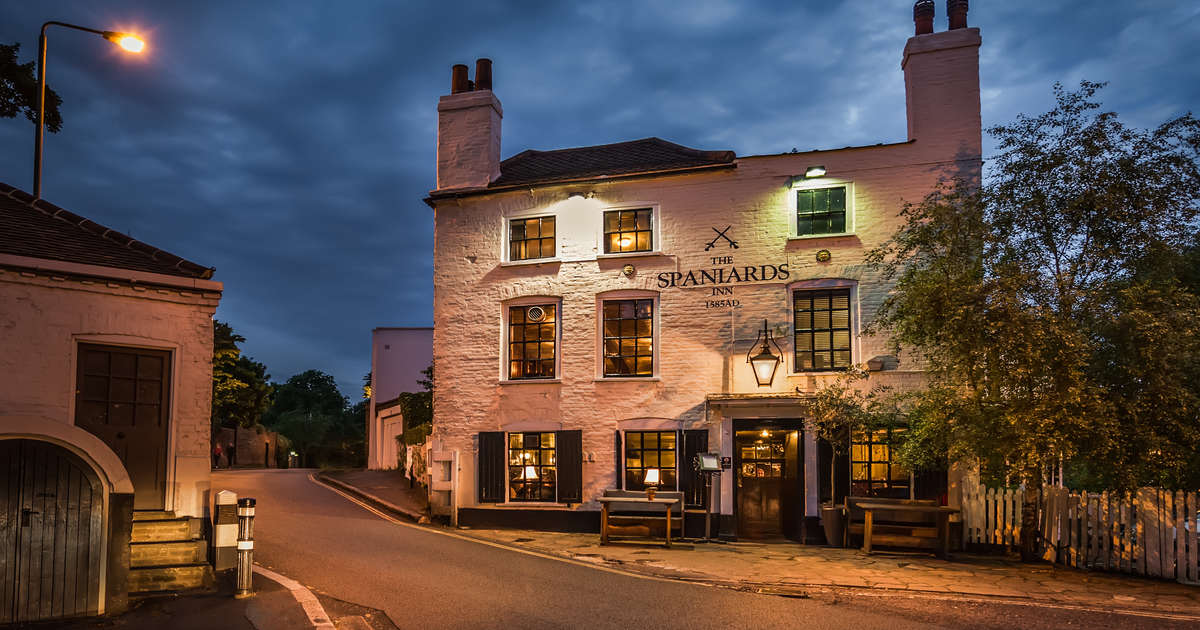
Sitting on Hampstead Heath since 1585, The Spaniards Inn feels like the countryside even though it is inside London. The building perches on Spaniards Road, set apart at the top of the heath.
The inn appears in Bram Stoker’s Dracula and Dickens’ The Pickwick Papers. Poets and writers such as Byron, Keats and Dickens visited for walks on the heath and a pint.
In summer the garden is one of the best spots in the area to sit outside. A tale from the Gordon Riots in 1780 says the landlord gave rioters free drinks to slow them down while help arrived to save Kenwood House.
5. The Mayflower - 1620
Location: 117 Rotherhithe Street, London SE16 4NF Rotherhithe
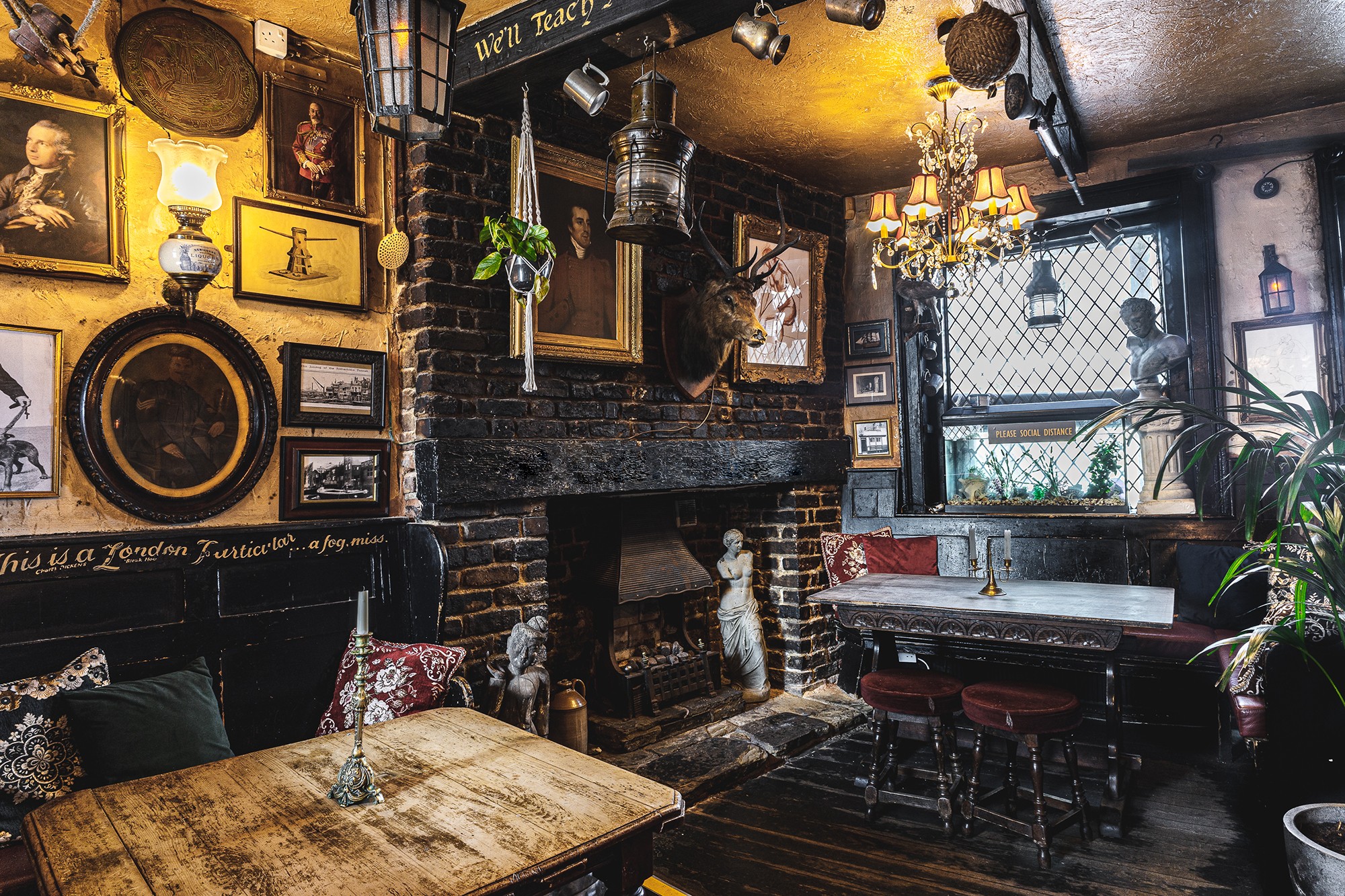
The Mayflower sits on the Rotherhithe riverside near the spot where the Pilgrim Fathers moored in 1620. People debate whether the current building dates from that year, but a riverside tavern has stood here for more than 400 years.
The pub even has a license to sell American postage stamps because of its link to the ship. Visitors can sign the Mayflower book, a long-running tradition. The present structure was rebuilt after wartime bombing.
The riverside terrace looks out across the Thames and recalls the view the settlers had before they left. Fish and chips on the terrace with the river beside you is a classic English moment.
6. The Lamb And Flag - 1623
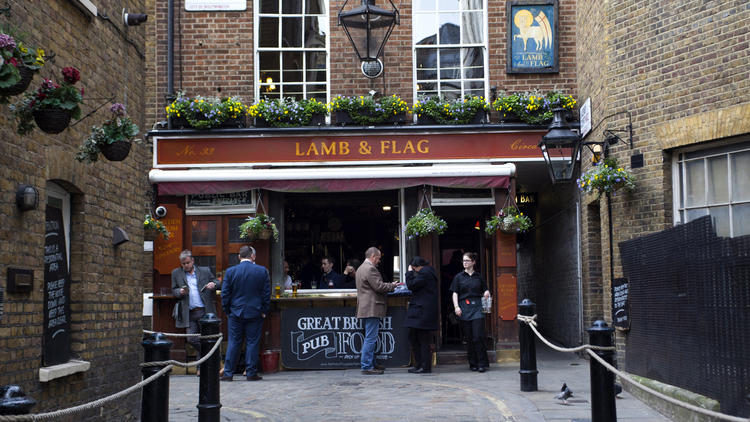
The Lamb and Flag is one of the area’s oldest drinking houses. Hidden on Rose Street behind Covent Garden. Claims of a 1623 origin exist, but the first clear record calls it The Coopers Arms in 1772; the Lamb and Flag name appeared in 1833.
In the 19th century, the upstairs room hosted bare-knuckle prize fights, earning the place the grim nickname Bucket of Blood. Violence reached back further when poet John Dryden was attacked in nearby Rose Alley in 1679.
A young Charles Dickens worked close by and drank here early in life. Today Fuller's runs the venue, offering proper ales and traditional meals. The upstairs Dryden Room gives more space, and old Victorian woodwork and screens help explain its Real Heritage Pub rating.
7. The Grapes - 1583
Location: 76 Narrow Street, Limehouse, London E14 8BP Limehouse
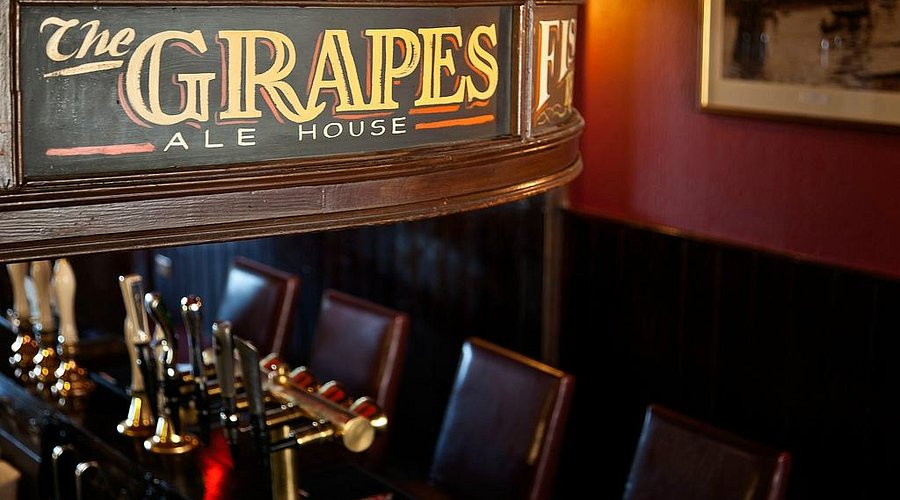
Records show a pub has stood on this Limehouse site since 1583, though the current building dates from the 1720s. It survived the World War II Blitzeven after a V1 rocket landed nearby.
Oscar Wilde, Charles Dickens, Arthur Conan Doyle and marine painter Napier Hemy all drank here, and Dickens used it as the model for "The Six Jolly Fellowship Porters" in Our Mutual Friend.
The riverside setting is a key draw, dark Victorian rooms, 19th-century oil paintings of Narrow Street, and a terrace over the Thames with Canary Wharf on one side.
8. The Churchill Arms - 1750
Location: 119 Kensington Church Street, London W8 7LN Kensington / Notting Hill
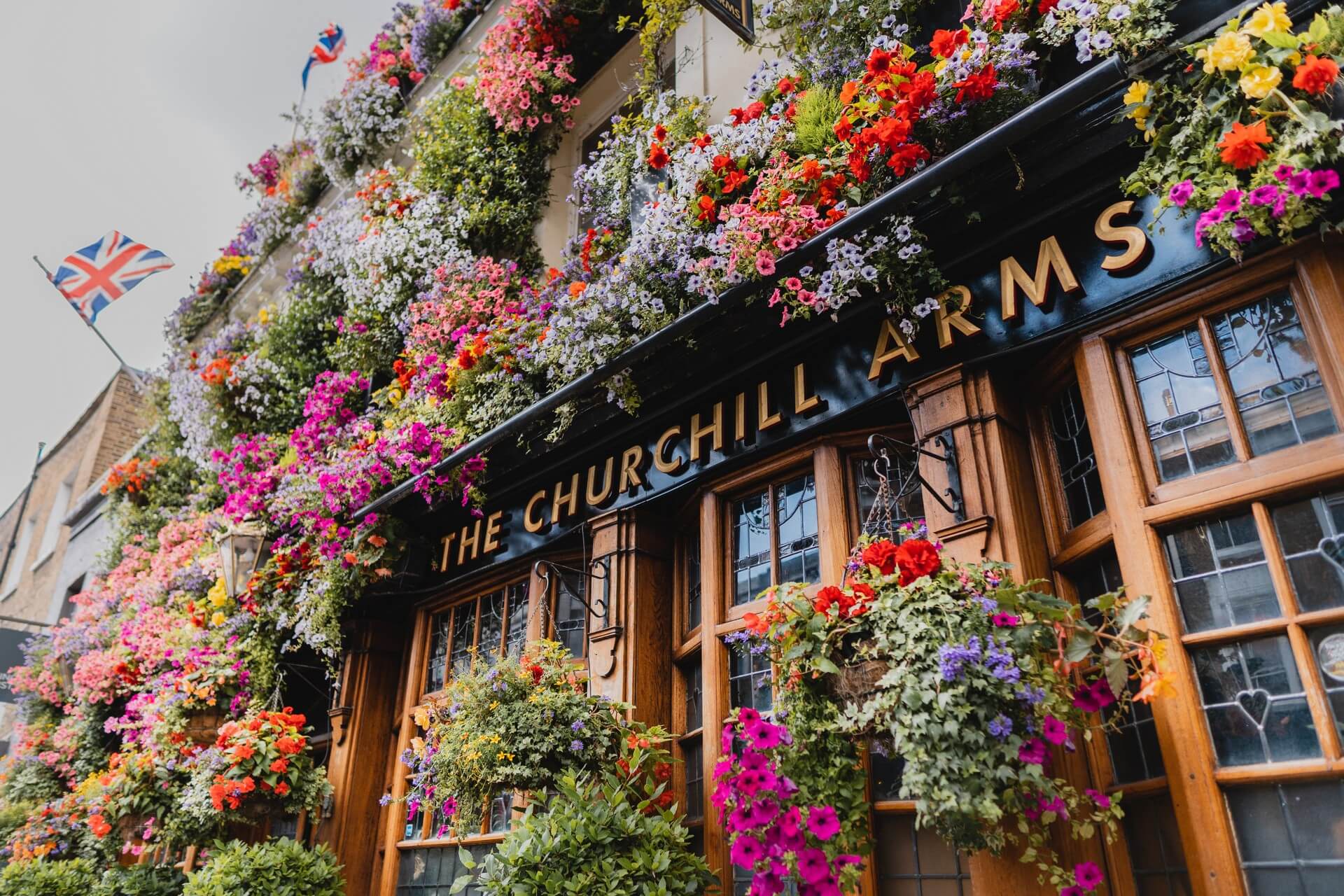
Built in 1750 as Church-on-the-Hill, it took the name Churchill Arms after World War II. The link to Winston Churchill comes from his grandparents, the 7th Duke of Marlborough and Lady Frances Anne Emily Vane, who visited in the 1800s.
The venue is known for its huge floral displays of roughly £25,000 a year and around 90 Christmas trees and nearly 12,000 lights in winter, which cost about £5,000 and have won Chelsea Flower Show awards.
Inside, walls are covered in Churchill memorabilia, and the attached Thai kitchen, opened in the early 1990s, still serves food more than 35 years later.
9. The Black Friar - 1875
Location: 174 Queen Victoria Street, London EC4V 4EG Blackfriars
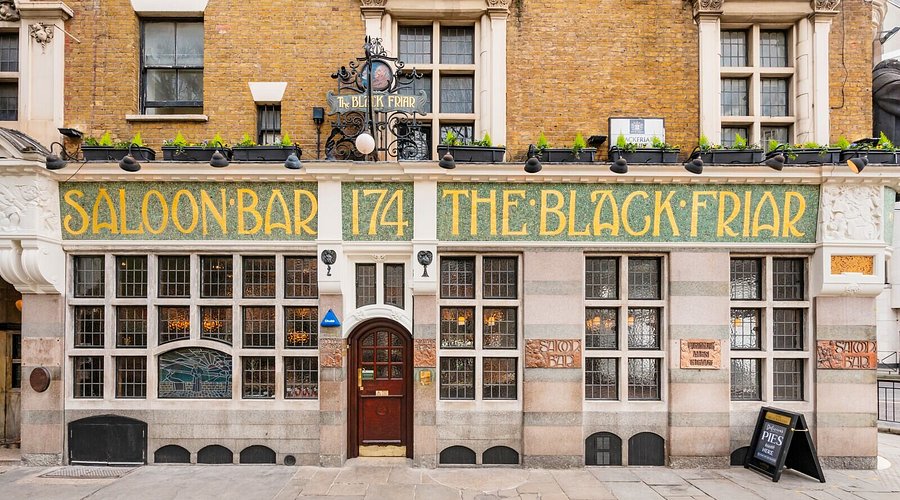
This wedge-shaped building at Blackfriars Station was built in 1875 on the site of a former Dominican friary. The Arts and Crafts interior comes from a 1905 remodel and features a cheerful bronze friar on the corner.
Carvings, mosaics and sculptures of monks fill the space, and the vaulted dining room feels like a small chapel with drinking maxims worked into the design.
In the 1960s the site was almost demolished, but poet Sir John Betjeman led a successful campaign to save it. Now protected as Grade II, the striking decor, grotto-style dining room and a menu of craft beers.
10. Princess Louise - 1872
Location: 208 High Holborn, London WC1V 7EP Holborn
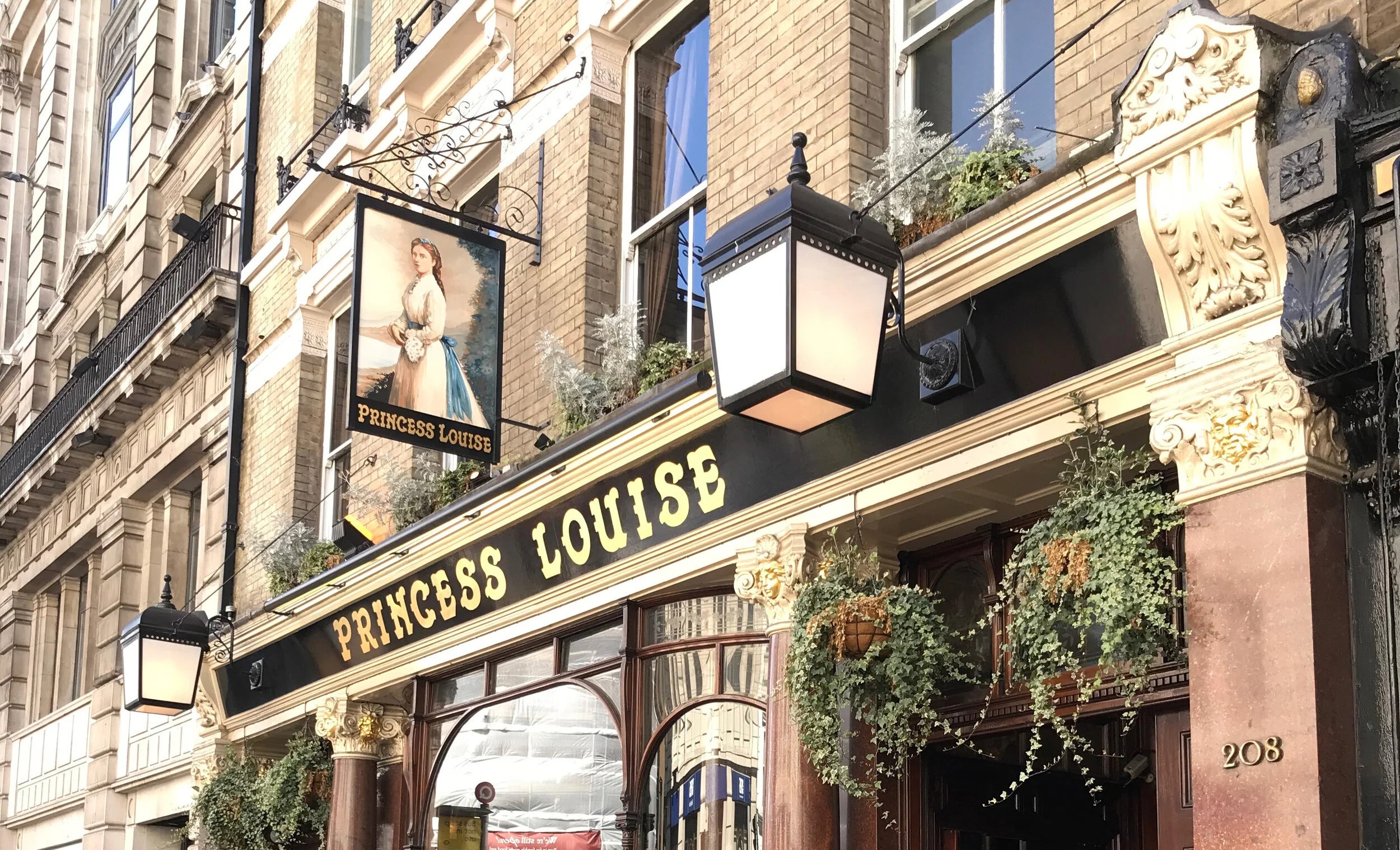
Built in 1872 in Holborn, the Princess Louise shows the best of Victorian pub design. Arthur Chitty remodeled the interior in 1891. The walls have detailed tiles by W.B. Simpson & Sons and large gilded mirrors by R. Morris & Son.
A crimson and gold ceiling rests on Portland stone columns. The U-shaped island bar divides the space into seven drink areas with mahogany partitions and etched glass. In the Victorian layout different classes could drink under the same roof but in separate areas.
The gentlemen’s toilets are Grade II listed for their marble urinals and original fittings. The women’s toilets are modern. Samuel Smith restored the rooms in 2007 and the pub won CAMRA’s Refurbished Pub of the Year in 2008.
11. Ye Olde Mitre - 1546
Location: 1 Ely Court, Ely Place, London EC1N 6SJ Hatton Garden / Holborn
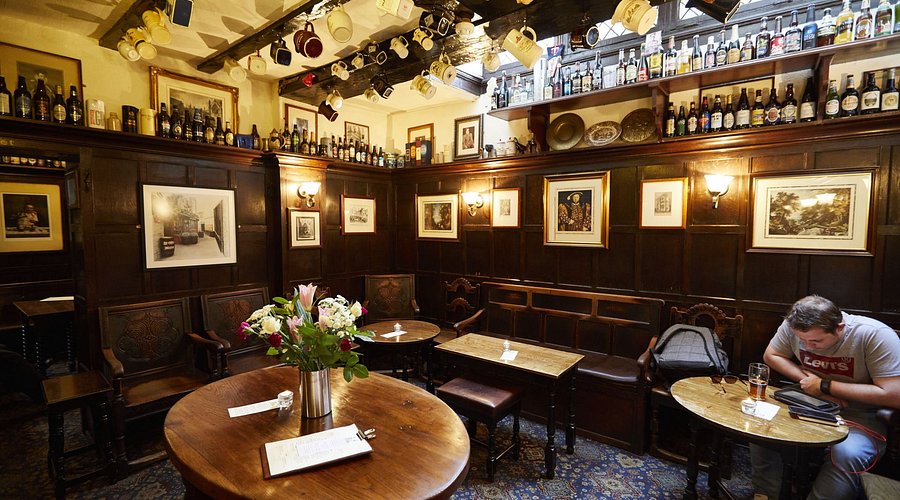
Situated down a narrow passage off Hatton Garden, Ye Olde Mitre dates back to 1546 when it served the Bishop of Ely’s household. The building seen today was rebuilt in 1773 after the Crown redeveloped the estate.
Because the land belonged to the Bishop of Ely, the pub was once legally in Cambridgeshire despite being in London. Inside, a wooden beam behind glass is said to be part of a cherry tree linked to Queen Elizabeth I and Sir Christopher Hatton.
Fuller's runs this small spot, which offers good guest ales. The front snug has a fireplace for cold days and the rear area has more seats. Simple toasties are a popular choice.
12. The Cittie Of Yorke - 1430
Location: 22 High Holborn, London WC1V 6BN Holborn
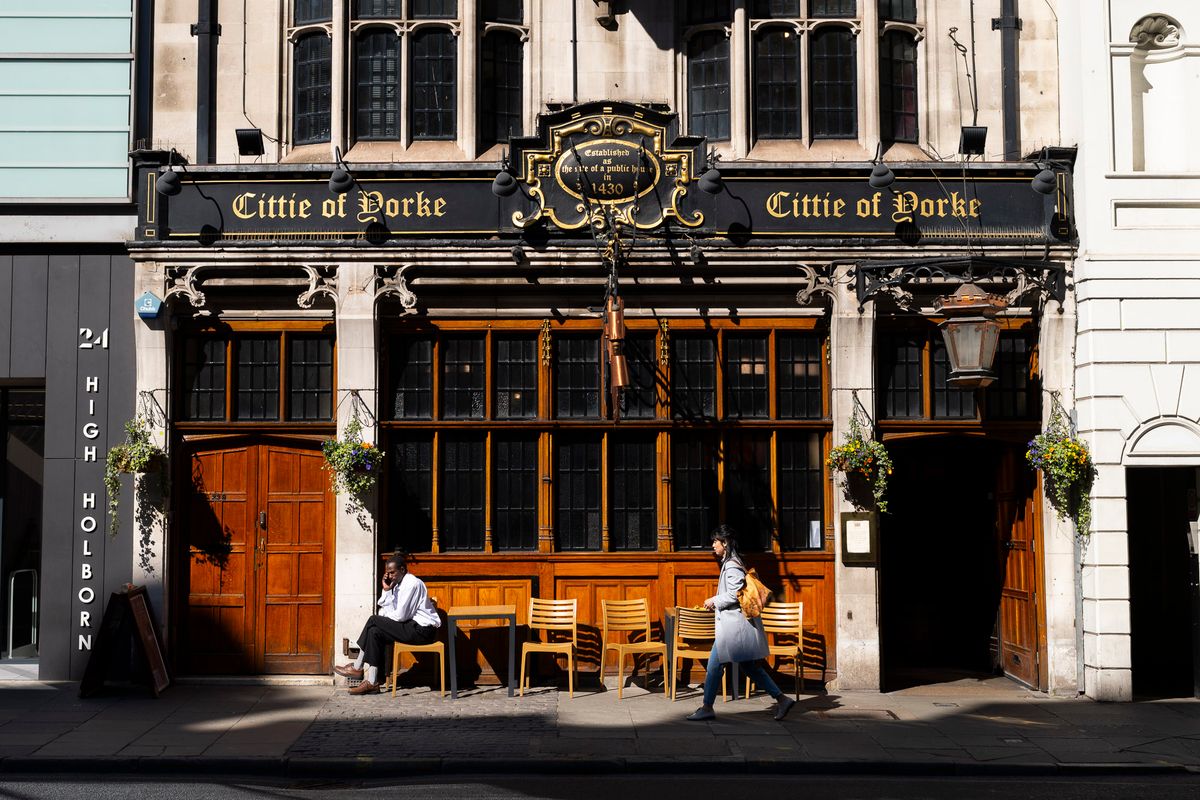
A tavern has stood on High Holborn since 1430, though the present building dates to a 1920s rebuild. The interior keeps older fittings that give a medieval feel. The main bar has high ceilings, dark wood paneling, and large barrels on the walls.
Victorian wooden cubicles line one side; these were once used by lawyers meeting clients. A large triangular stove warms the room in winter. Poet Dylan Thomas wrote an impromptu verse here when it was Henneky’s Long Bar.
Owned by Samuel Smith, the place serves only their drinks but at lower prices than many city pubs. The old-fashioned spelling on the sign adds to the atmosphere.
13. The Seven Stars - 1602
Location: 53-54 Carey Street, London WC2A 2JB Temple / Royal Courts of Justice
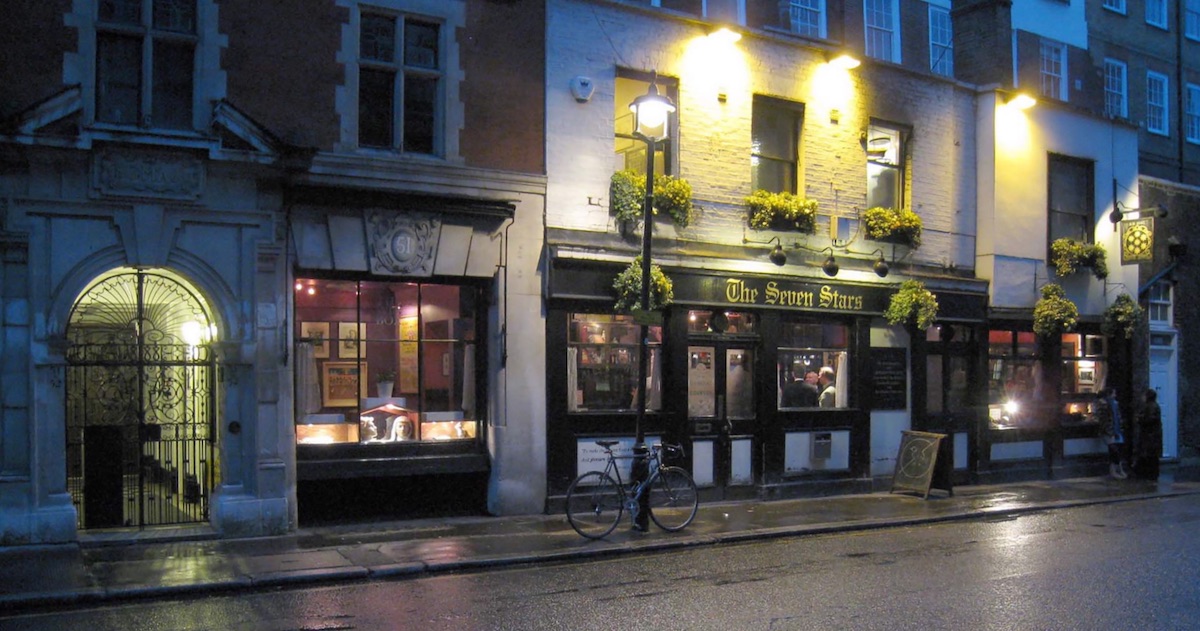
This tiny pub loacted behind the Royal Courts of Justice claims a 1602 origin, though experts think it was built later, around the 1680s.
It survived the Great Fire of London and is one of Carey Street’s quiet treasures. Lawyers and judges often meet here after big cases for champagne or a Scotch.
Old carpentry in the stairs and roof hints at great age and the place keeps a cosy, local feel. You can order a Martini or a pint with equal ease and nearby are some of the best rooftop bars in london.
14. The Anchor Bankside - 16th Century
Location: 34 Park Street, London SE1 9EF Bankside
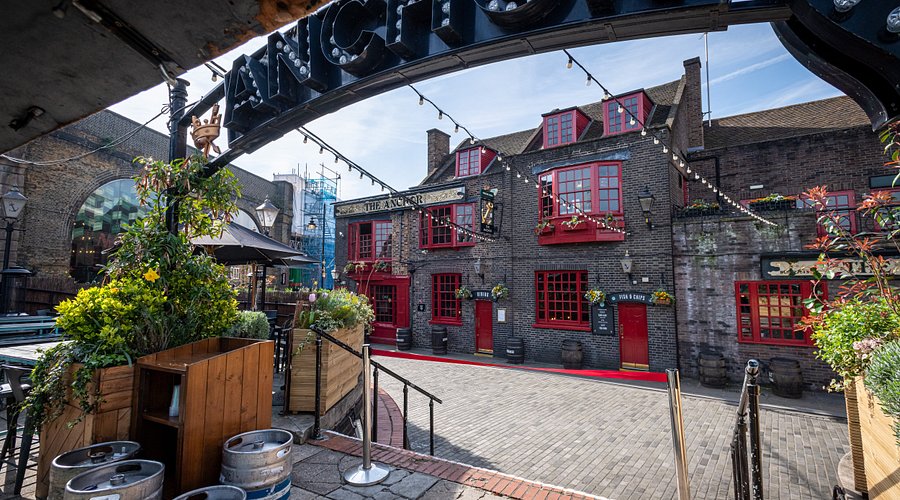
The Anchor sits on the Thames Path and has a long history, with links to Samuel Pepys and a likely tie to the Globe Theatre. Its riverside terrace gives clear views of St. Paul’s Cathedraland the Tate Modern, making summer drinks with passing boats a highlight.
Inside feels more modern than some old pubs because of big renovations that focused on comfort. The menu offers many craft beers and classic pub meals and both indoor and outdoor bars keep service moving during busy times.
15. The Dove - 17th Century
Location: 19 Upper Mall, London W6 9TA Hammersmith
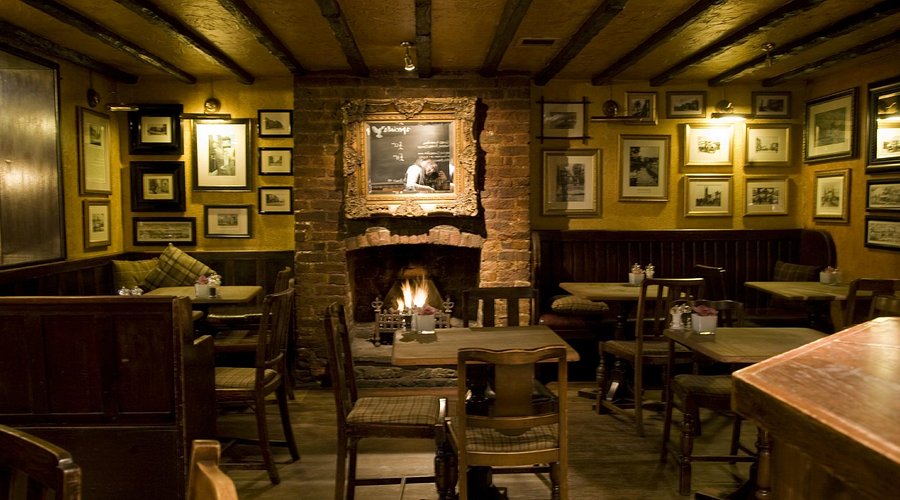
Hidden in a Hammersmith lane, The Dove dates to the 1600s though the current building is from the 1700s.
Low beams, walls full of pictures, and winter fires create a warm, snug space. Writers like Ernest Hemingway, William Morris, Dylan Thomas and Graham Greene have all been regulars.
A riverside terrace looks over the Thames, and the front bar is listed as the UK’s smallest public bar. The mix of history, literary links and river views gives it the feel of a true local.
16. The Grenadier - 18th Century
Location: 18 Wilton Row, London SW1X 7NR Belgravia
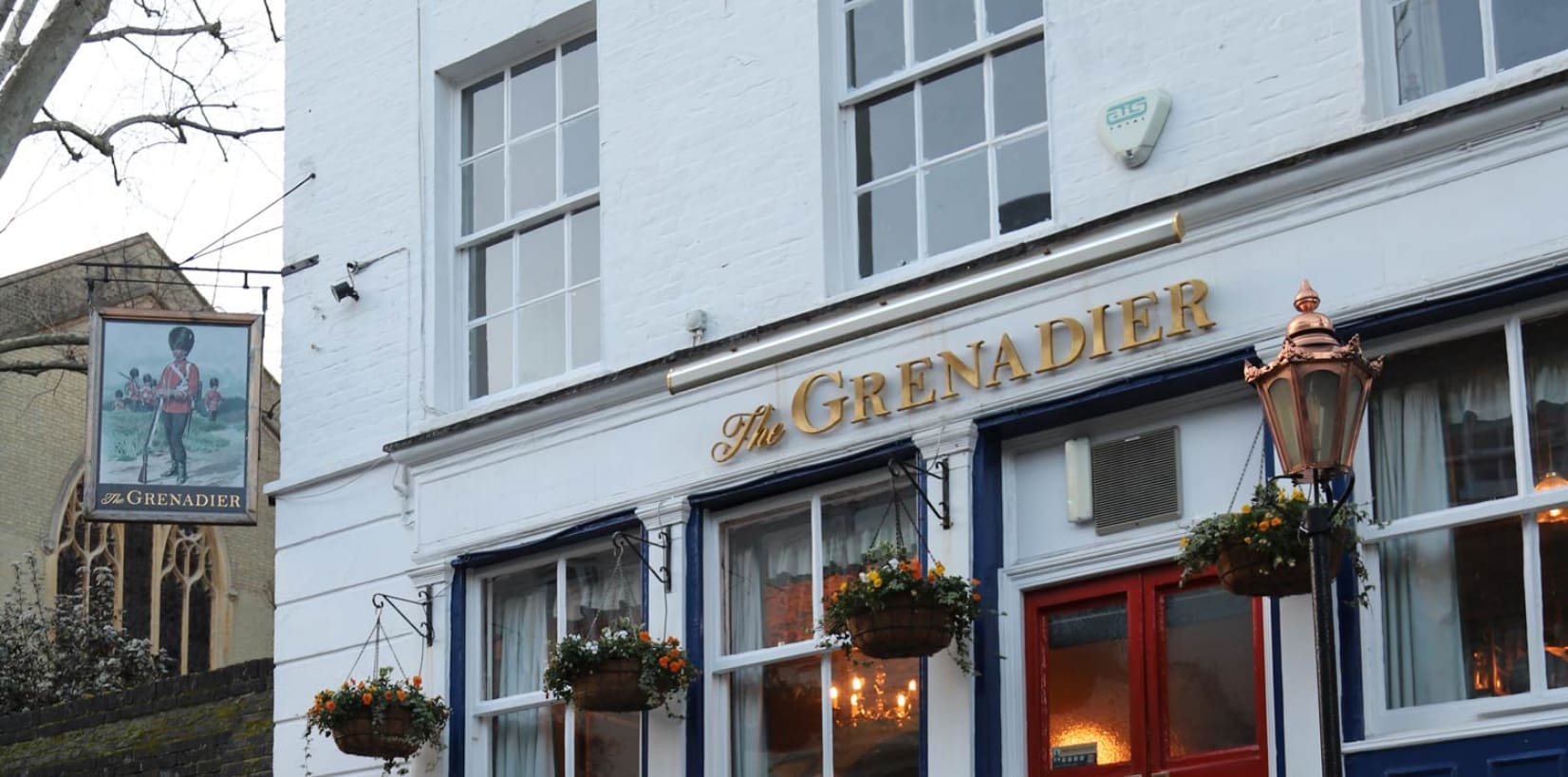
Set down a cobbled Belgravia mews, The Grenadier began as the officers’ mess for nearby barracks tied to the Duke of Wellington. Military memorabilia and period details run through the interior.
Ghost stories follow it, including a tale of a young officer killed for cheating at cards and reports of sightings.
The quiet mews gives a village-like atmosphere in the middle of the city. The menu even serves Filet Wellington, a nod to its past and the history and stories make it worth visiting.
17. The French House - 19th Century
Location: 49 Dean Street, London W1D 5BG Soho
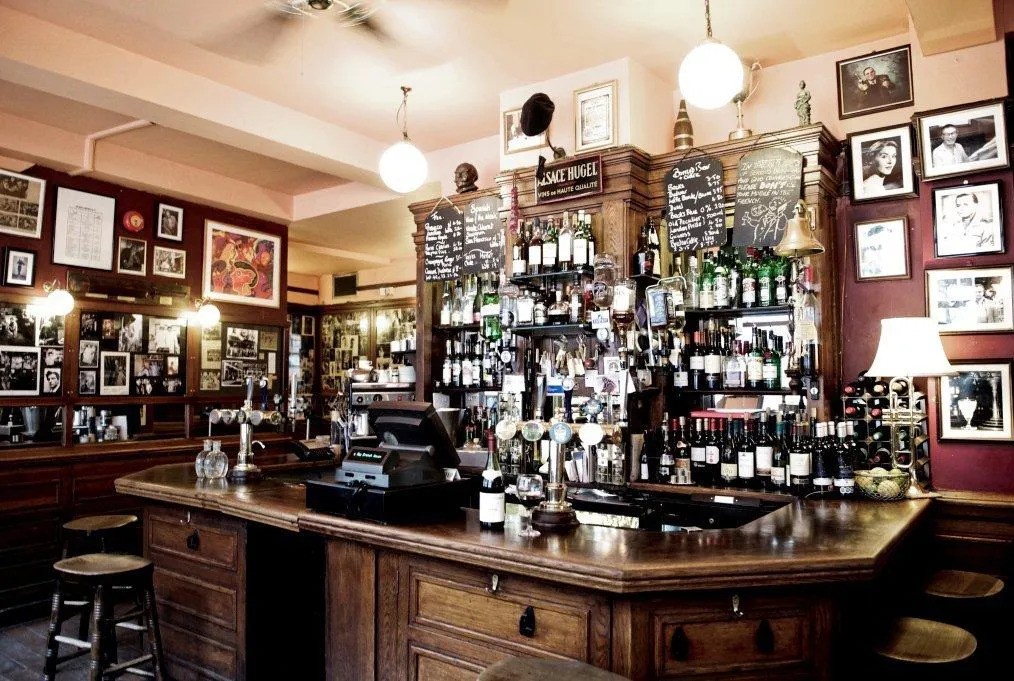
The French House in Soho has been a bohemian hub for decades. Poets and artists such as Dylan Thomas, Sylvia Plath, Lucian Freud and Suggs were regulars, giving the place a strong creative vibe.
During World War II Charles de Gaulle and the Free French used it as a base. As a nod to that past, beer is only served in halves.
Locals call it The French, its mix of writers, musicians and colourful characters makes the atmosphere unlike any other. Though it came later than some landmarks, its cultural role keeps it among London’s most important historic pubs.
18. The Old Bank Of England
Location: 194 Fleet Street, London EC4A 2LT Fleet Street
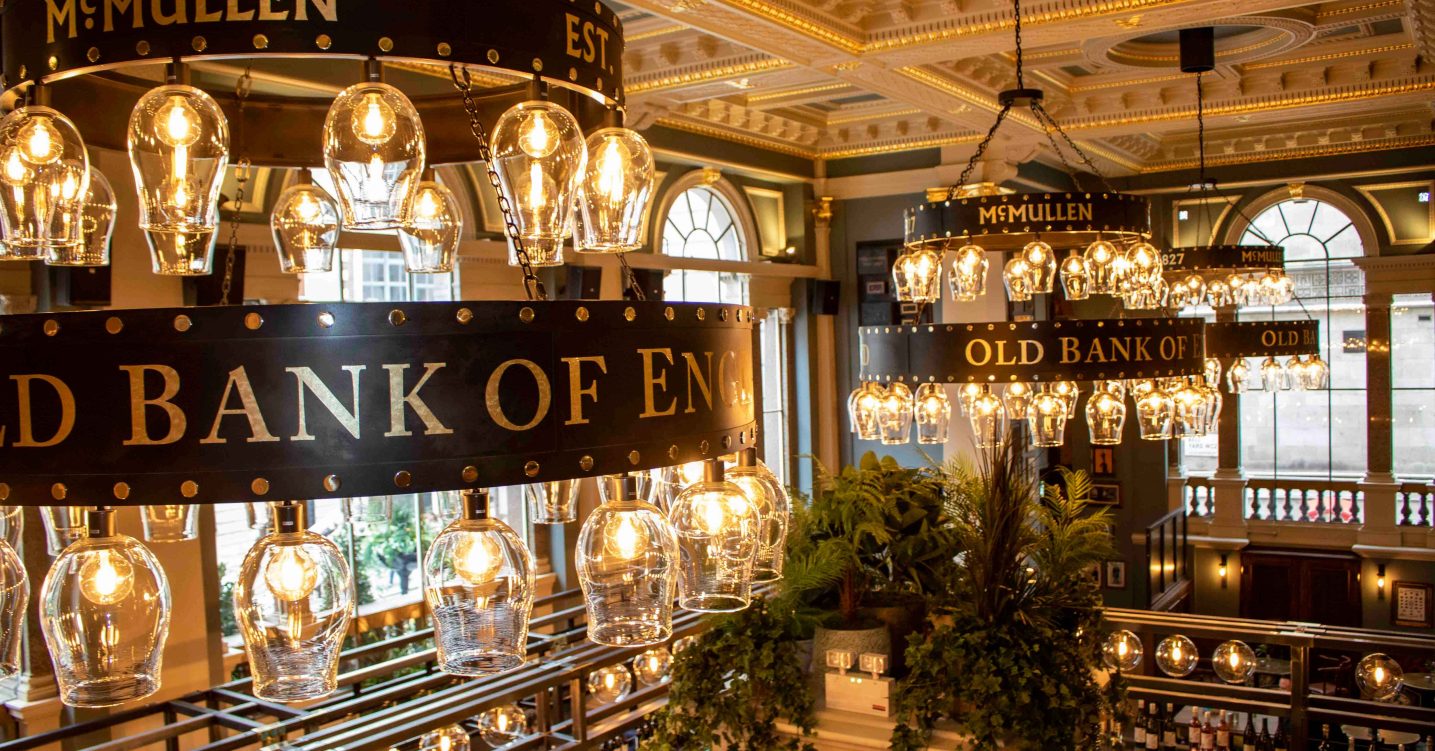
The Old Bank of England sits in the former Law Courts branch of the Bank of England on Fleet Street. The interior keeps the building’s grand scale with high ceilings, ornate plasterwork and a banking hall that feels almost like a cathedral.
Its spot next to the Royal Courts of Justice draws legal professionals, while visitors admire the architecture. The site has a macabre literary link, it stands between locations tied to Sweeney Todd and Mrs.
Lovett from Victorian tales. Converting banks into drinking venues reflects a modern shift as finance goes digital, and it gives London striking new public spaces in historic buildings.
19. The Holly Bush - 1790s
Location: 22 Holly Mount, London NW3 6QN Hampstead
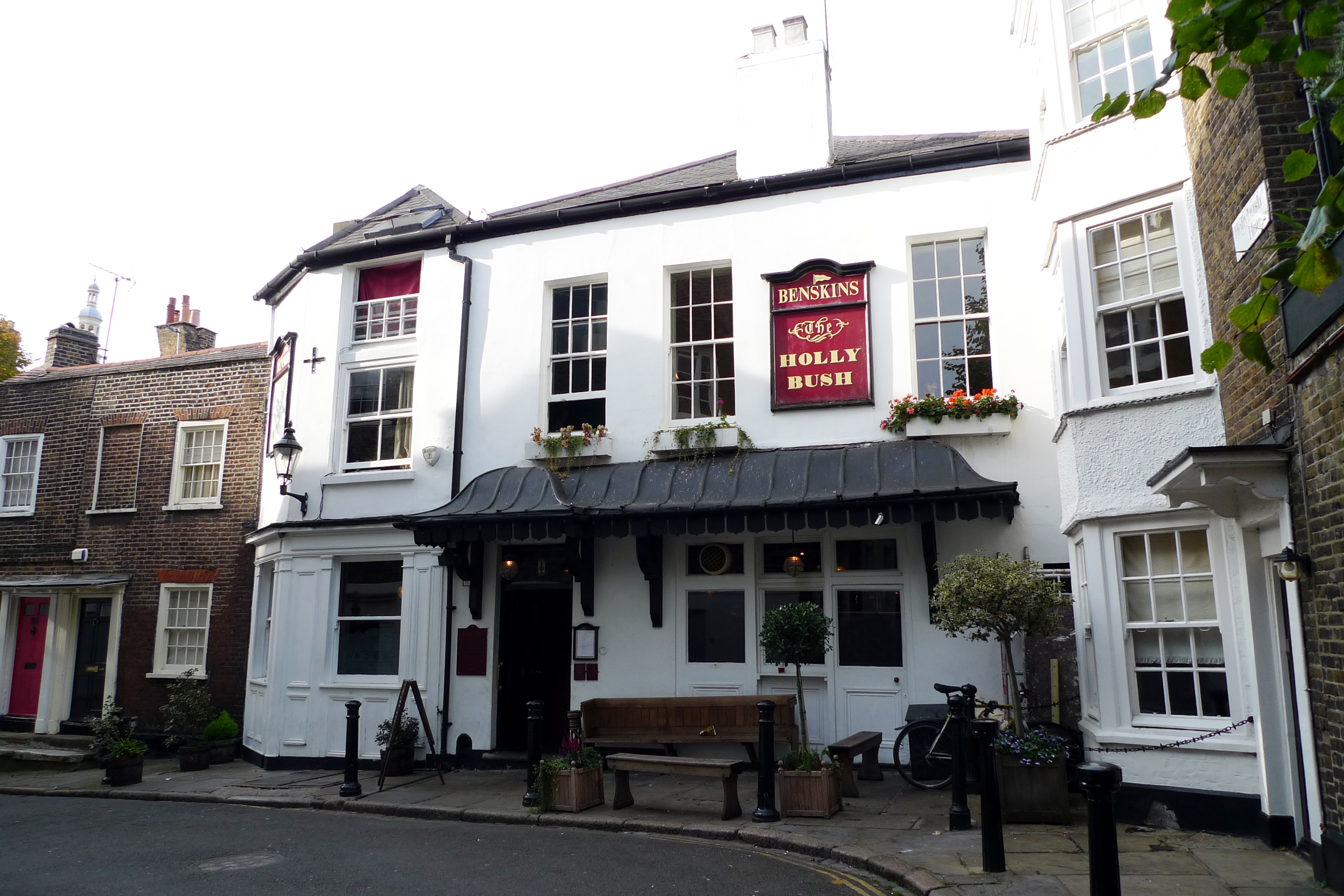
The Holly Bush in Hampstead occupies a Grade II-listed house built in the 1790s. It became Assembly Rooms in the 1800s and turned into a pub in 1928.
Tucked on a quiet hilltop backstreet, it keeps a cosy, slightly haphazard layout with three low-ceilinged bar rooms.
Good beer, solid food and wines by the glass draw locals and visitors. Its traditional character has survived pressure to modernize, making it a welcoming neighbourhood spot that respects its history.
20. The Hoop And Grapes - 1593
Location: 47 Aldgate High Street, London EC3N 1AL Aldgate
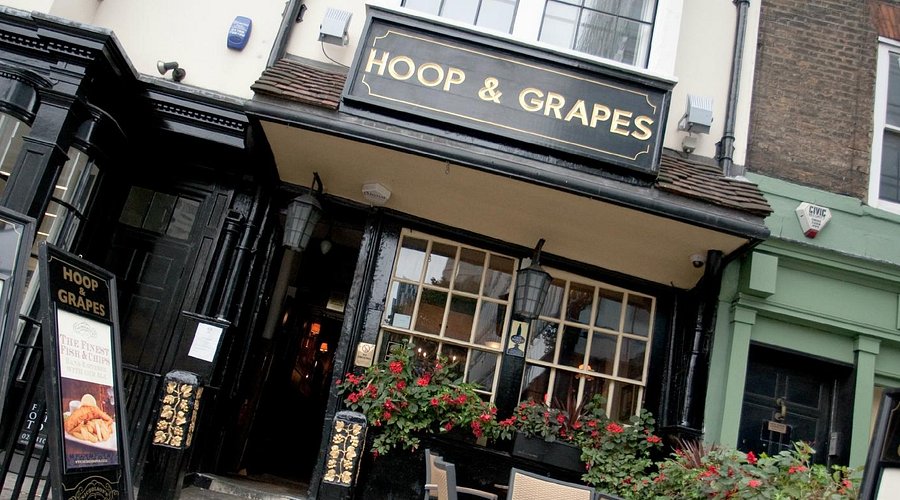
Built in 1593, The Hoop and Grapes claims to be the City’s oldest licensed site and says it survived the Great Fire of 1666.
Records suggest the current building likely dates from the late 1600s and the site served as wine and brandy merchants through the 18th and 19th centuries before becoming a pub in 1920.
Inside, leather seating and dark wood create a rustic, relaxed feel. Near Whitechapel, the menu includes beef brisket burgers, garlic chicken schnitzel and cheesy pesto gnocchi alongside classic dishes and the drinks list offers a wide choice.
21. The Viaduct Tavern - 1869
Location: 126 Newgate Street, London EC1A 7AA Holborn / St Paul’s
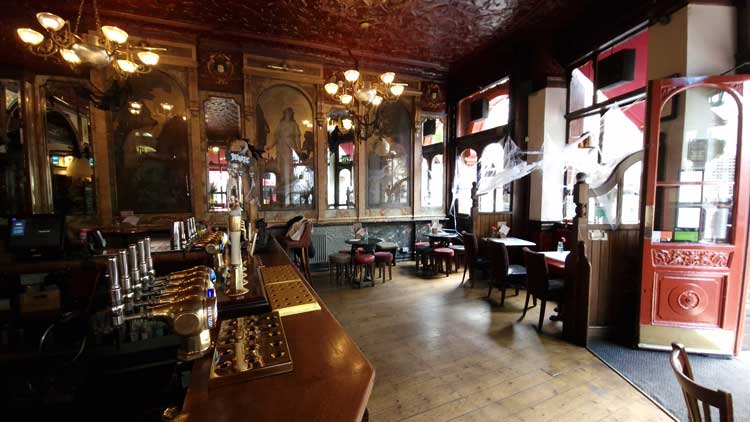
The Viaduct Tavern opened in 1869, the same year Holborn Viaduct finished. Inside you will find a classic Victorian gin palace look with marble walls, big mirrors, and molded ceilings.
One wall has three Pre-Raphaelite-style paintings of women representing agriculture, commerce, and industry and art. The original bar is still in place. Several entrance doors show the space was once split for different social classes.
Next door stood the Giltspur Street Compter gaol and Newgate Prison was just across the road. The cellars look like cells, which has led some to think they are part of the old Compter, though this is not proven.
22. The Lamb - 1729
Location: 94 Lamb’s Conduit Street, London WC1N 3LZ Bloomsbury
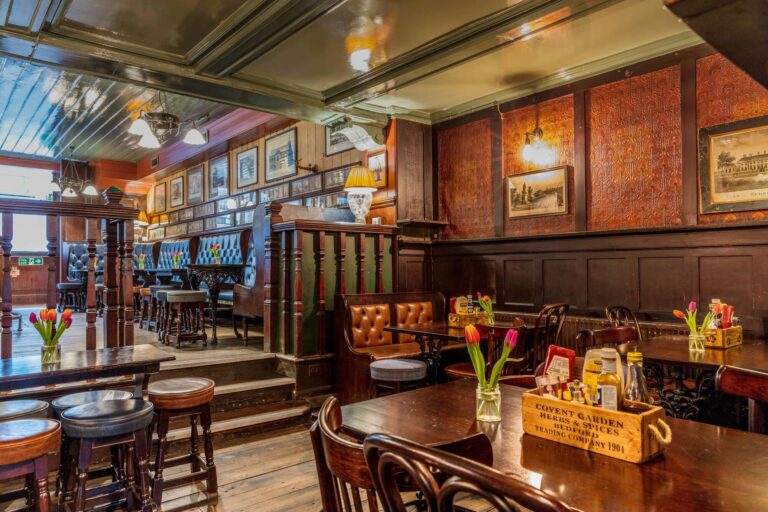
Dating from 1729, The Lamb on Lamb’s Conduit Street keeps a calm, old-fashioned atmosphere with no music or TVs to disturb conversation.
It is Grade II listed, so many features have been kept, including frosted glass screens from the 1890s that let customers signal bartenders while keeping privacy. The bar serves craft beers, cocktails, fine wines and traditional ales.
The food menu mixes pub classics with modern plates like chestnut mushroom gnocchi and plant-based burgers. The Lamb shows that a historic tavern can keep its feel while offering contemporary choices.
23. Ye Olde Watling - 1668
Location: 29 Watling Street, London EC4M 9BR St Paul’s / City of London
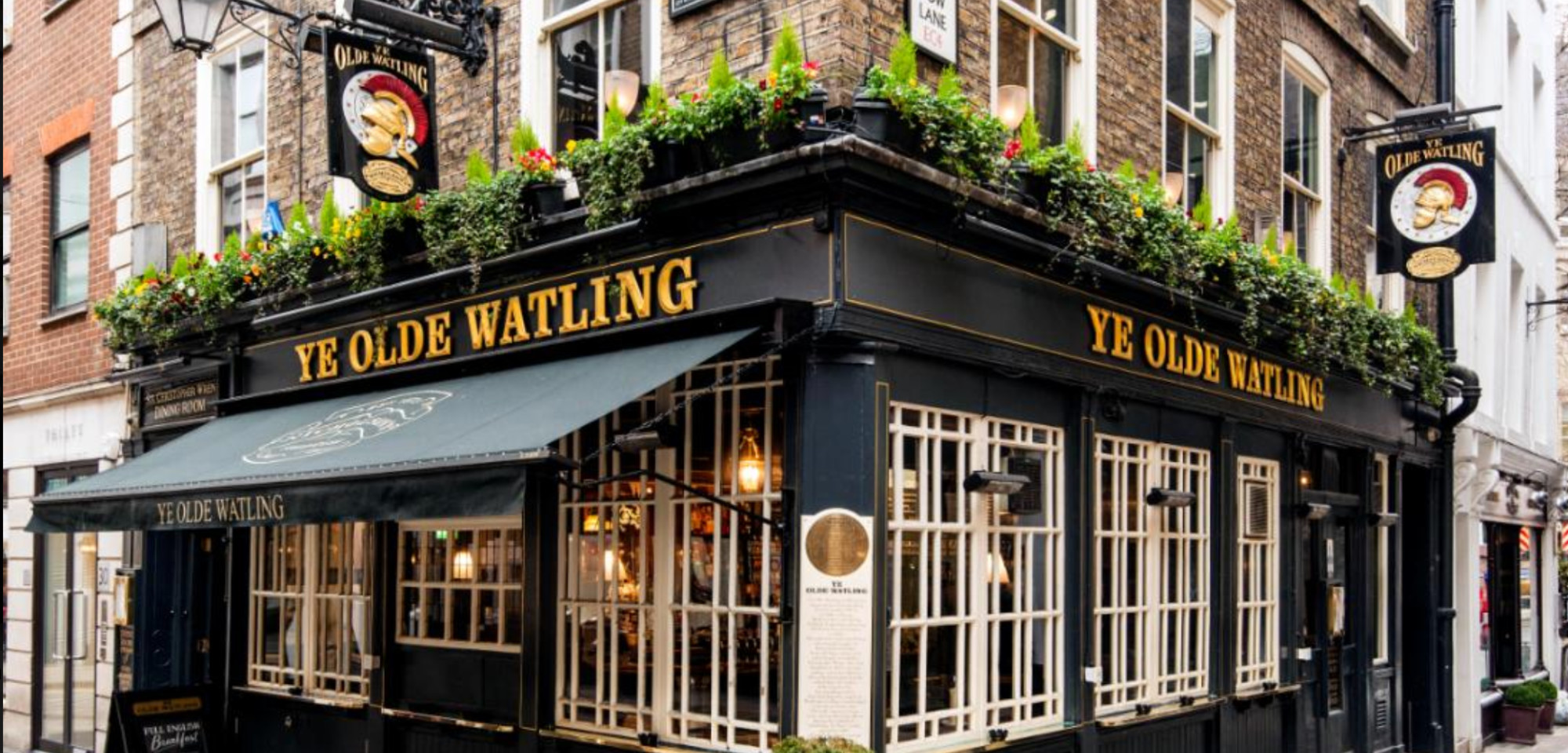
Sir Christopher Wren rebuilt Ye Olde Watling in 1668 for the workers who built St Paul’s Cathedral. People say the cathedral plans were sketched in what is now the dining room. Its link to Wren and St Paul’s makes the building notable.
Period details remain despite later updates. On Watling Street the pub attracts City workers and visitors to the cathedral area. You’ll find solid pub dishes and a good selection of ales.
24. The Blacksmith's Arms - 1829
Location: 58 Wapping Wall, London E1W 3SH Rotherhithe / Wapping area
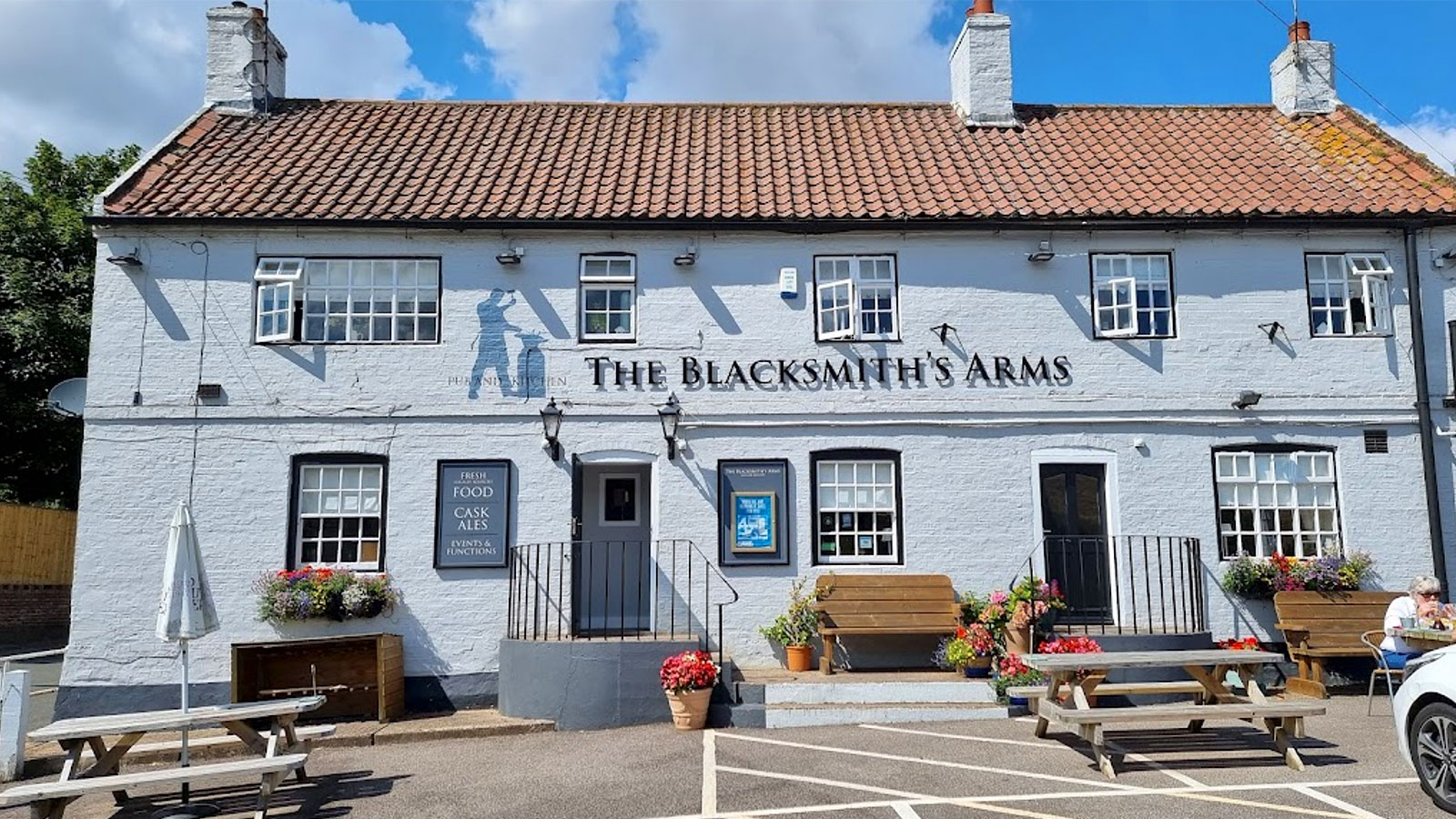
Built in 1829, The Blacksmith's Arms in Rotherhithe has real character. The building keeps a classic pub layout and old-fashioned feel.
Close to other historic riverside venues and a short distance from attractions listed among UNESCO world heritage sites, it fits well on a Thames-side pub crawl. The area still shows working-class roots despite rising prices.
Locals and visitors come for traditional ales and filling meals that echo Rotherhithe’s maritime past. The place reflects the community pubs that hold London together.
25. The Flask - Highgate
Location: 77 Highgate West Hill, London N6 6BU Highgate
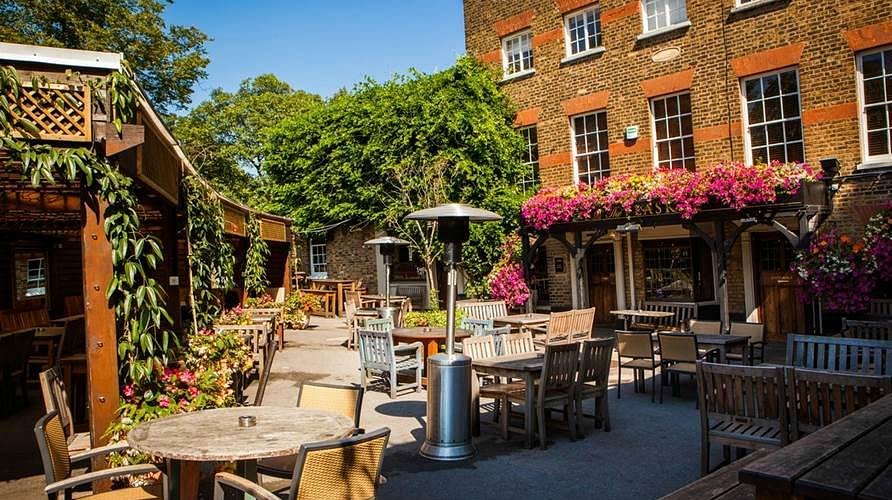
The Flask dates from the 1700s and got its name from spring water once sold there. It sits by the old Roman Road and is near Highgate Cemetery and Kenwood House, so it’s a natural stop after walks on Hampstead Heath.
Low ceilings and the traditional layout make the room feel snug. Writers and neighbours have long dropped in for a drink, and the village atmosphere remains even as the city grows around it.
26. The Jamaica Wine House - 17th Century
Location: St Michael’s Alley, Cornhill, London EC3V 9DS City of London
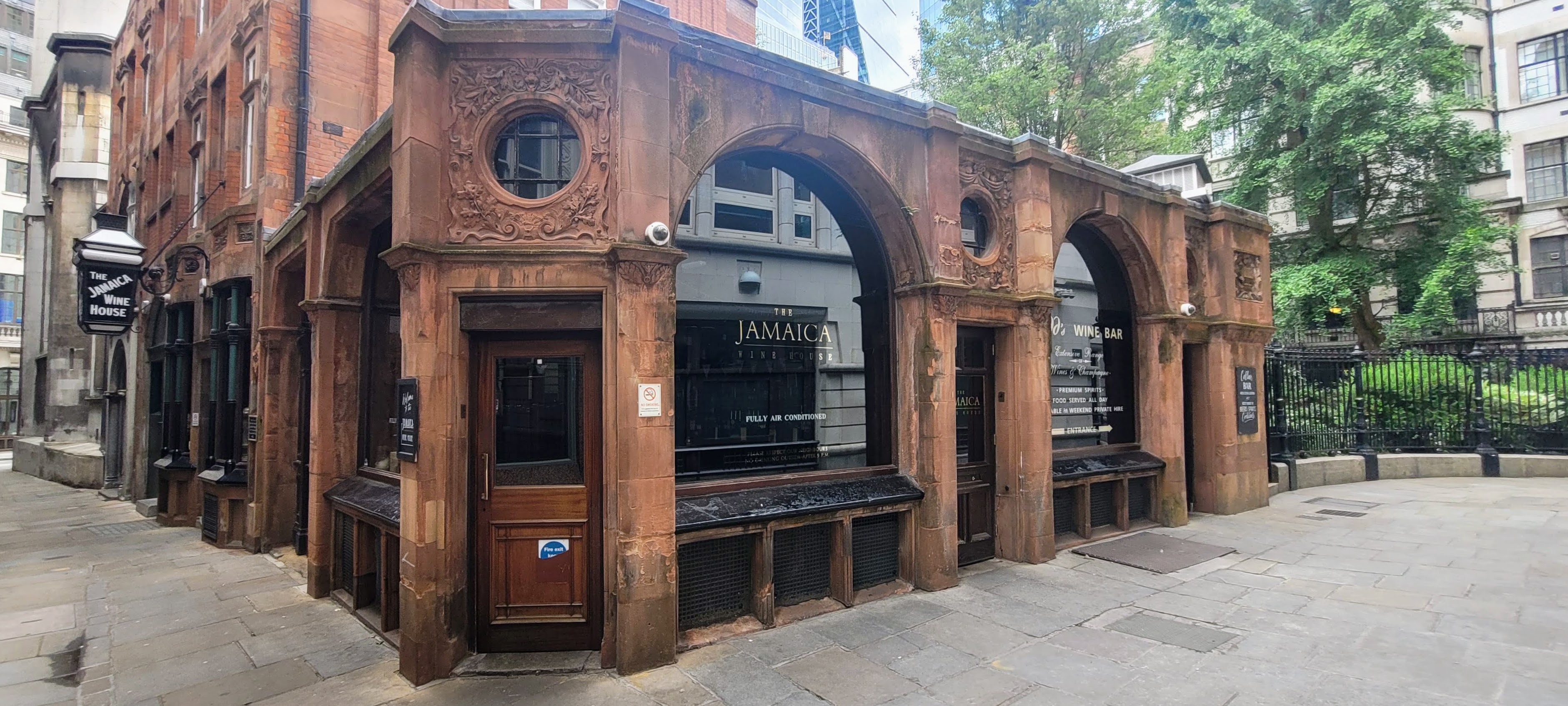
The Jamaica Wine House stands on the site of London’s first coffee house, tucked away in St. Michael’s Alley, Cornhill. The interior has a strong historic feel and Todd’s Wine Bar is below.
The pub’s links to the sugar trade and West Indies plantations are part of its past and raise difficult questions. City workers fill the room at lunch and after work, and its hidden location draws people seeking a quieter, older corner of the City.
27. The Duke's Head - Victorian Era
Location: 8 Lower Richmond Road, London SW15 1JN Putney
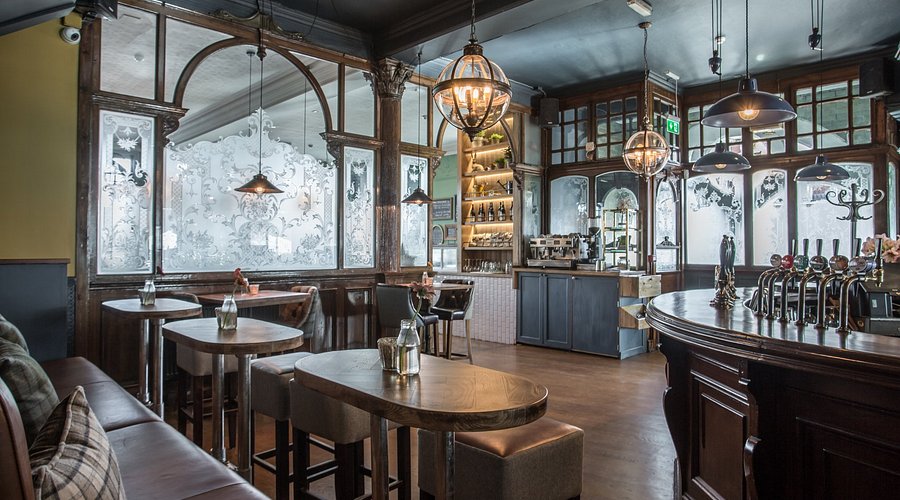
The Duke's Head in Putney is Grade II listed and keeps its Victorian charm. Each room has its own style, from a gold-trimmed American bar to an elegant dining area.
You can choose from cask ales, lagers, and craft beers, and the menu includes cider-battered haddock and chips. Its South London spot makes it a local favorite, mixing historic features with modern comforts.
28. The Flask - Hampstead
Location: 14 Flask Walk, London NW3 1HE Hampstead
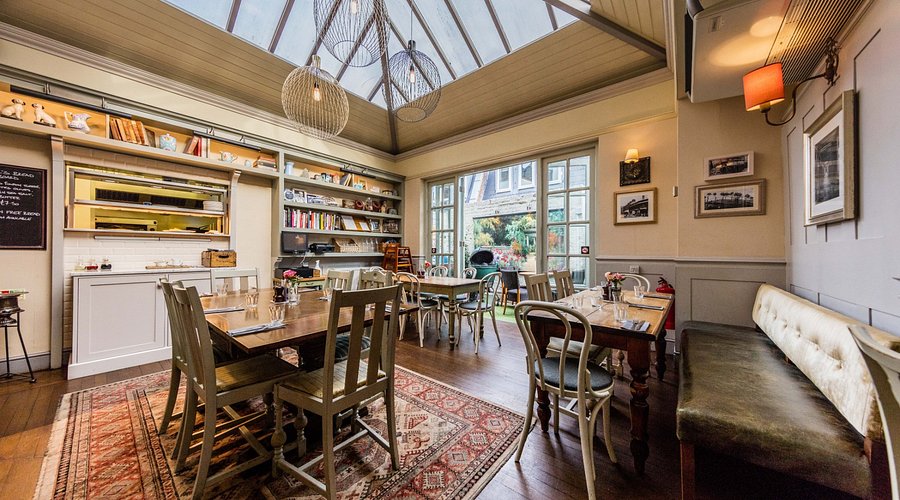
Hampstead’s Flask is not the same as the Highgate pub of the same name and is known for selling water from local springs. The name comes from the area’s past as a spa destination from the 1500s to the 1800s.
It sits across from Keats House, where the poet once lived, and the nearby Vale of Health was long thought to be good for the sick. Nearby the Devonshire Arms still has one of London’s rare real skittles alleys.
29. The Magdala - Mid-Victorian Period
Location: 2a South Hill Park, London NW3 2SB South Hampstead
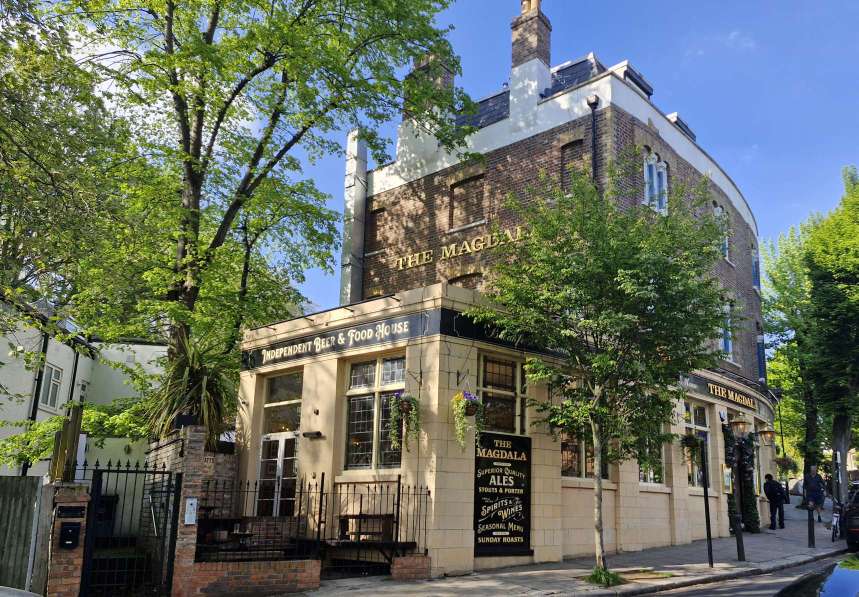
The Magdala in South Hampstead dates to the mid-Victorian era and has well-preserved 1930s interiors. It was named after the 1868 Battle of Magdala in Ethiopia.
In 1955 Ruth Ellis shot her lover outside the pub and later became the last woman executed in Britain, a grim episode that draws visitors. The pub has two bars and a busy kitchen serving locals and history-minded guests.
30. The Salisbury - Victorian Era
Location: 90 St Martin’s Lane, London WC2N 4AP Covent Garden
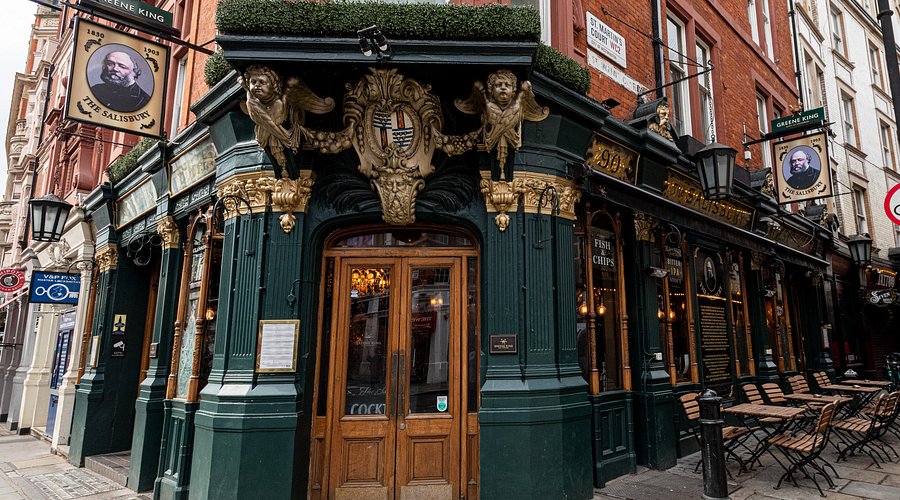
The Salisbury in Covent Garden shows late Victorian pub design at its best. Inside, you’ll find cut-glass mirrors, bronze statuettes, and detailed woodwork that suit the theatre district location.
Actors and theatre-goers have used the space for years, and the grand style fits the West End. Even with many tourists, the pub keeps its original splendor from the era when breweries built showpiece venues.
People Also Ask
What Is The Oldest Pub In London?
Ye Olde Cheshire Cheese is one of the oldest sites still in use, rebuilt after the Great Fire in 1667 and open ever since.
Did The Great Fire Of London Destroy Historic Pubs?
The 1666 fire wiped out almost everything in the old city, so no pubs kept their original buildings.
How Old Do London’s Historic Pubs Really Get?
Many date to the 16th and 17th centuries, with some sites hosting taverns even earlier though most buildings standing today were rebuilt or restored over time.
Are Historic Pubs In London Expensive?
Prices vary widely. Some traditional pubs keep classic affordable ales, while others in tourist-heavy areas or with food menus can be pricier.
Final Thoughts
London’s historic pubs are living parts of the city, not museum pieces. Some stand in centuries-old buildings, others on ancient sites rebuilt after fire or war, but all carry stories that link modern London to its past.
From literary taverns to riverside inns, these pubs have survived because people still use them. Visiting even one is a way to experience London’s history as it was meant to be over a pint, in a place that has endured.
Read Also: Most Famous Historic Sites In London
Jump to
30 Historic Pubs In London Still Serving Drinks Today
1. Ye Olde Cheshire Cheese - 1667
2. The George Inn - 1676
3. The Prospect Of Whitby - 1520
4. The Spaniards Inn - 1585
5. The Mayflower - 1620
6. The Lamb And Flag - 1623
7. The Grapes - 1583
8. The Churchill Arms - 1750
9. The Black Friar - 1875
10. Princess Louise - 1872
11. Ye Olde Mitre - 1546
12. The Cittie Of Yorke - 1430
13. The Seven Stars - 1602
14. The Anchor Bankside - 16th Century
15. The Dove - 17th Century
16. The Grenadier - 18th Century
17. The French House - 19th Century
18. The Old Bank Of England
19. The Holly Bush - 1790s
20. The Hoop And Grapes - 1593
21. The Viaduct Tavern - 1869
22. The Lamb - 1729
23. Ye Olde Watling - 1668
24. The Blacksmith's Arms - 1829
25. The Flask - Highgate
26. The Jamaica Wine House - 17th Century
27. The Duke's Head - Victorian Era
28. The Flask - Hampstead
29. The Magdala - Mid-Victorian Period
30. The Salisbury - Victorian Era
People Also Ask
Final Thoughts

James Rowley
Author
James Rowley is a London-based writer and researcher covering London life, cultural geography, London travel, live London webcam pages and selected public figures across entertainment, sport, business and public life.
For over 15 years, he has focused on verified sources, first-hand local context and clear explanations that help readers understand both places and people more deeply. His work combines street-level London knowledge with careful research into career credits, media work, business interests and, where relevant, transparently explained net worth estimates.
He writes and reviews articles published on LondonWebcam.
Latest Articles
Popular Articles