Notting Hill Self-Guided Walk | Pastel Streets, Market & Hidden Gems
Take a Notting Hill self-guided walk through Portobello Market, pastel streets, and hidden alleys. Discover cafés, photo spots, and local highlights at your pace.
Author:James RowleyFeb 15, 20263.7K Shares86.6K Views
What To Expect On This Notting Hill Self-Guided Walk
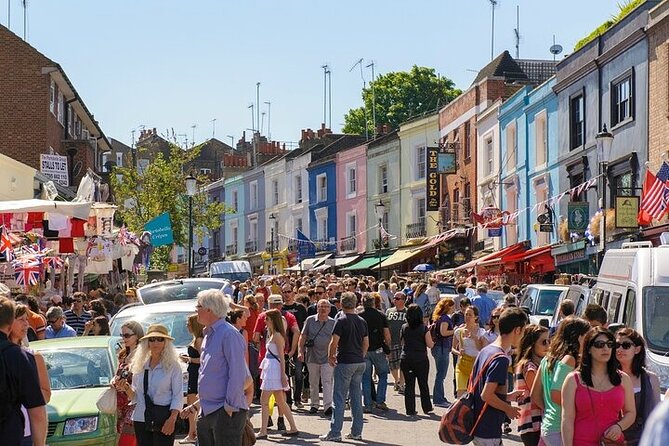
Notting Hillis one of London’s most photographed neighborhoods, known for its pastel terraces, Portobello Road Market, and the famous blue door from Notting Hill. This detailed Notting Hill self-guided walkmaps out the best streets, film locations, hidden mews, and local highlights in a clear, easy-to-follow route.
The walk covers approximately three miles (5 km) and takes 2-3 hours at a relaxed pace. With practical directions, local insights, and tips for avoiding peak crowds, this guide helps you explore efficiently, no tour booking or app required.
1. Notting Hill Gate Tube Station
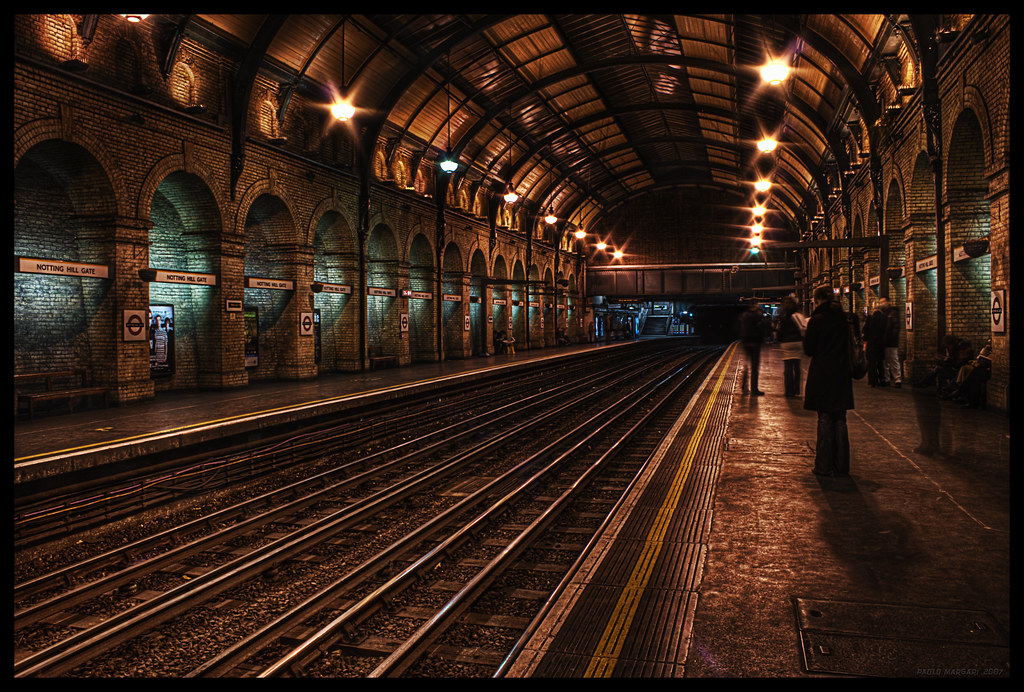
Notting Hill Gate Tube Stationis where your self‑guided walk begins. When you come out of the station, you will be on a busy London road with buses, cars and people passing. Look for Kensington Road and start walking northwest toward Portobello Road Market.
As you walk, you will pass shops and cafés on both sides. Many locals and visitors use this station as the start point because it is easy to reach by tube and it places you close to the heart of Notting Hill’s market streets and colourful residential areas. Before you begin, check your phone map so you know the direction toward Portobello Road and can follow the route smoothly.
2. Portobello Road Market
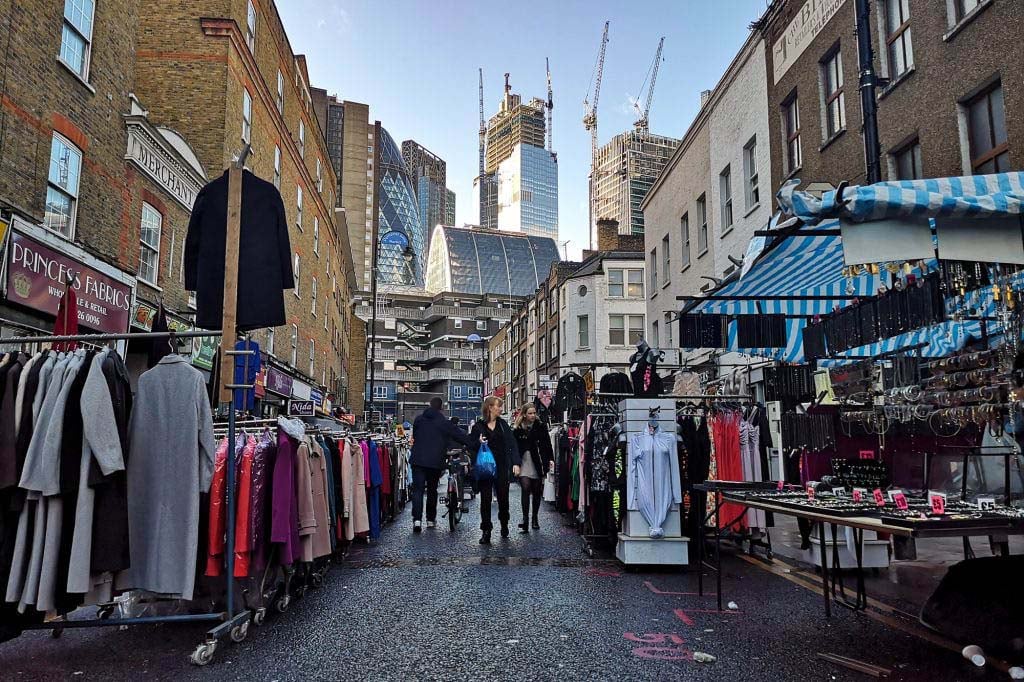
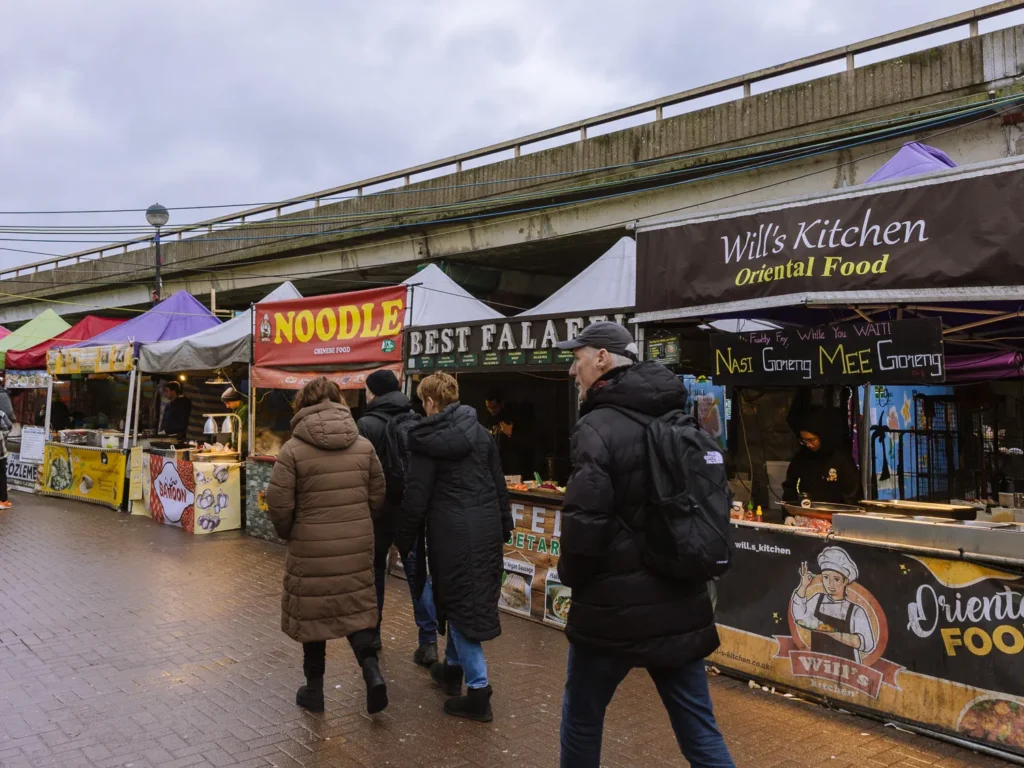
As you walk northwest from Notting Hill Gate, you will soon enter Portobello Road Market, one of London’s most famous street markets. This stretch of road becomes busy with market stalls on both sides. People sell antiques, vintage clothes, handmade jewellery, fresh fruit, and street food. You may hear sellers calling out prices or offering small deals if you ask. The pavement can be uneven in places, and it can feel crowded, so take your time and watch your step.
Look up at the buildings above the stalls and you’ll see old brickwork and painted exteriors that show the history of this London neighbourhood. You will also smell food from small stands offering pancakes, pastries, coffee, and other snacks.
3. Simon Close
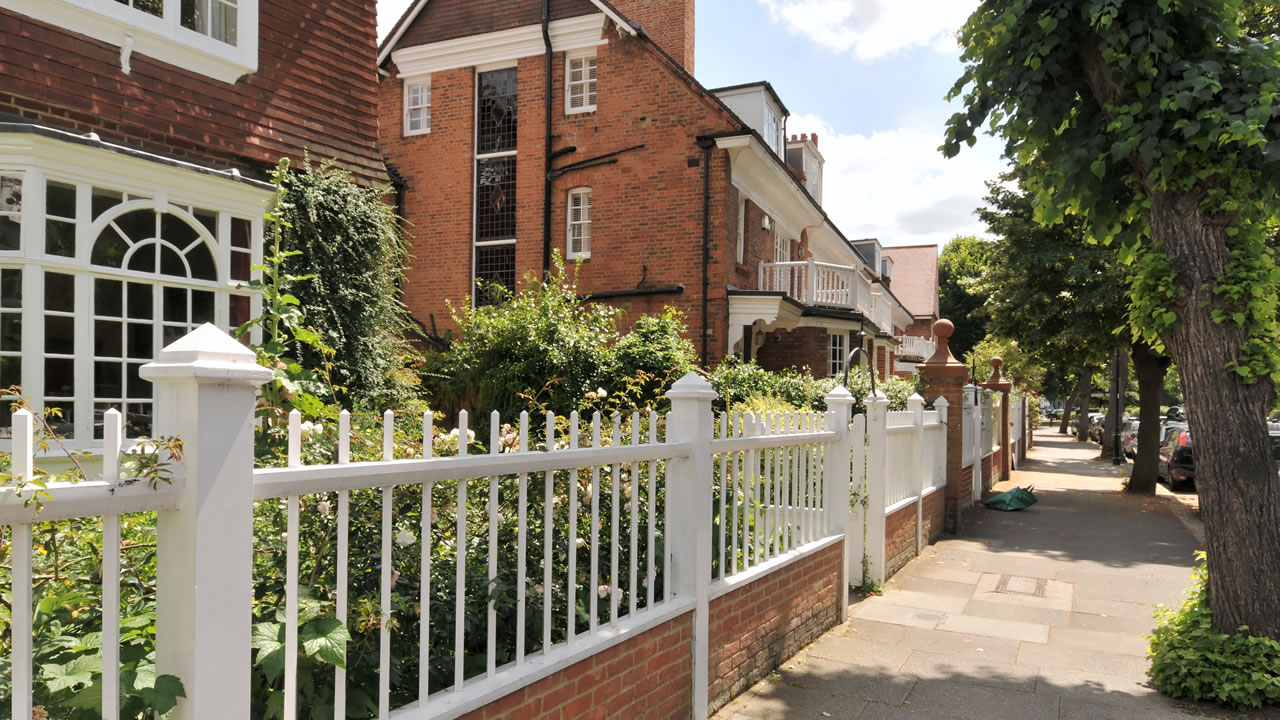
After walking down the market, you will see Simon Close, a narrow side street on the left. Turn onto Simon Close. This street is much quieter than Portobello Road Market. Instead of stalls and crowds, you will see homes with small gardens and flowers beside the pavement. Many houses here are painted soft colours like cream, pastel blue and light green.
Walk slowly down this street and notice the smooth pavement and calm atmosphere. Look at the doors and windows of the houses; some have decorations or plants that show personal style. This quiet side street gives you a peaceful view of everyday life in Notting Hill, where people live rather than sell things.
4. Return To Portobello Road
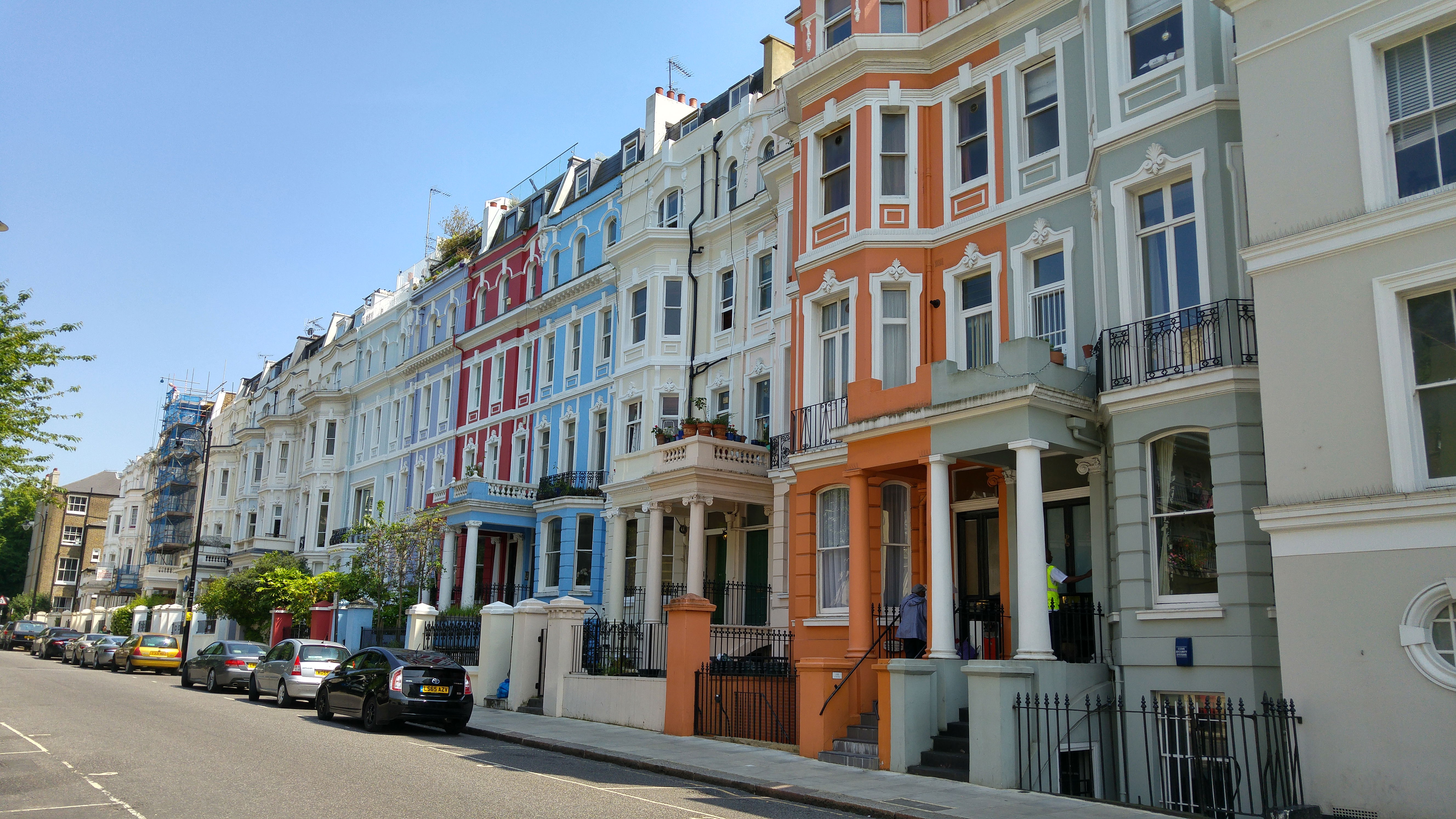
Once you reach the end of Simon Close, turn back and walk toward Portobello Road again, this time heading north away from the main market crowd. This part of Portobello Road still has shops, but they become smaller and less busy. You will see cafés, local boutiques, and stores selling books, art prints, and home goods.
As you walk, look at changes in the building styles. Some homes have small balconies or decorative railings at the windows. A few cafés may have outdoor tables, and if the weather is good, you might see people sitting outside drinking coffee or talking with friends. Stay on the pavement beside these shops and homes and keep walking until you reach Colville Road on your left.
5. Colville Road
Turn onto Colville Road, a calm residential street lined with bright and soft‑coloured houses. This area feels like the real Notting Hill where people live and go about their day. As you walk, look at the homes on both sides, some have window boxes full of flowers and others have small steps leading up to the front doors.
The pavement is steady here and there are fewer cars than on the busier market streets. You might see neighbours walking dogs or children playing. The houses are close together, and you may notice small gardens and trees peeking between them. This part of your route is one of the prettiest for photos of Notting Hill’s charming homes. Continue walking until you reach Lansdowne Road.
6. St. Luke’s Mews
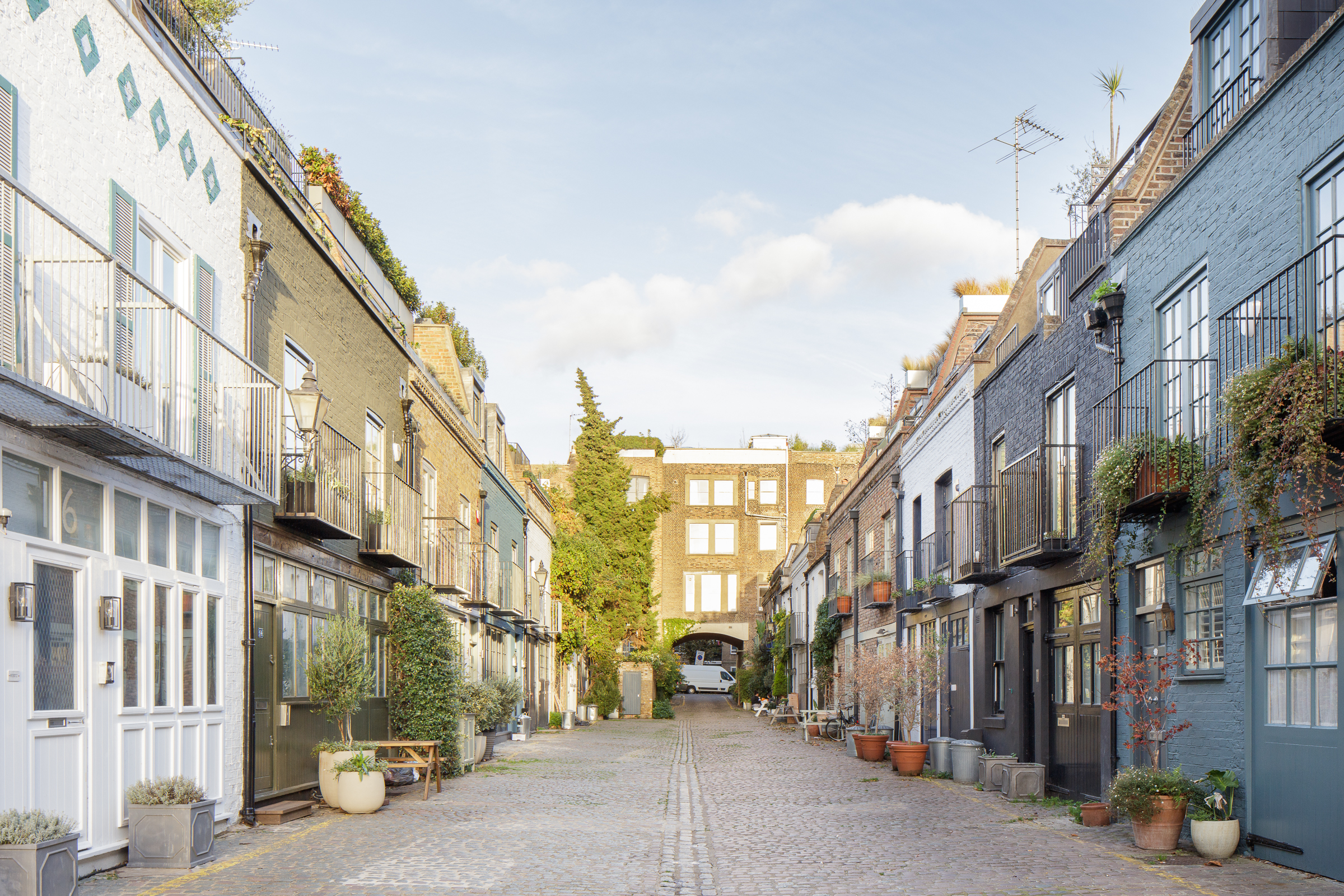
Just a short detour from Colville Road lies St. Luke’s Mews, arguably the most picturesque "mews" (former stable lanes) in London. This quiet, cobbled street is famous for its colorful two-story homes and wrought-iron balconies. Look for the bright pink house it was the filming location for the famous "cue card" scene in Love Actually.
Note:These are private residences. Please stay on the public cobbles and avoid sitting on the doorsteps while taking photos!
7. Lansdowne Road
At Lansdowne Road, turn left and start walking. The houses here look older and more traditional. Many have tall windows, decorative stonework and small shrubs or trees beside the pavement. You will notice the building styles change to show more classic London architecture, with solid brick walls and neat frontages.
Walk slowly and observe how the street feels peaceful and residential. You may see trees creating shade over parts of the pavement and curtains or ironwork on doors that reflect individual taste. This section gives you a real sense of how Notting Hill developed over many years and adds depth to your walk. Keep going on Lansdowne Road until you reach Elgin Crescent.
8. Elgin Crescent
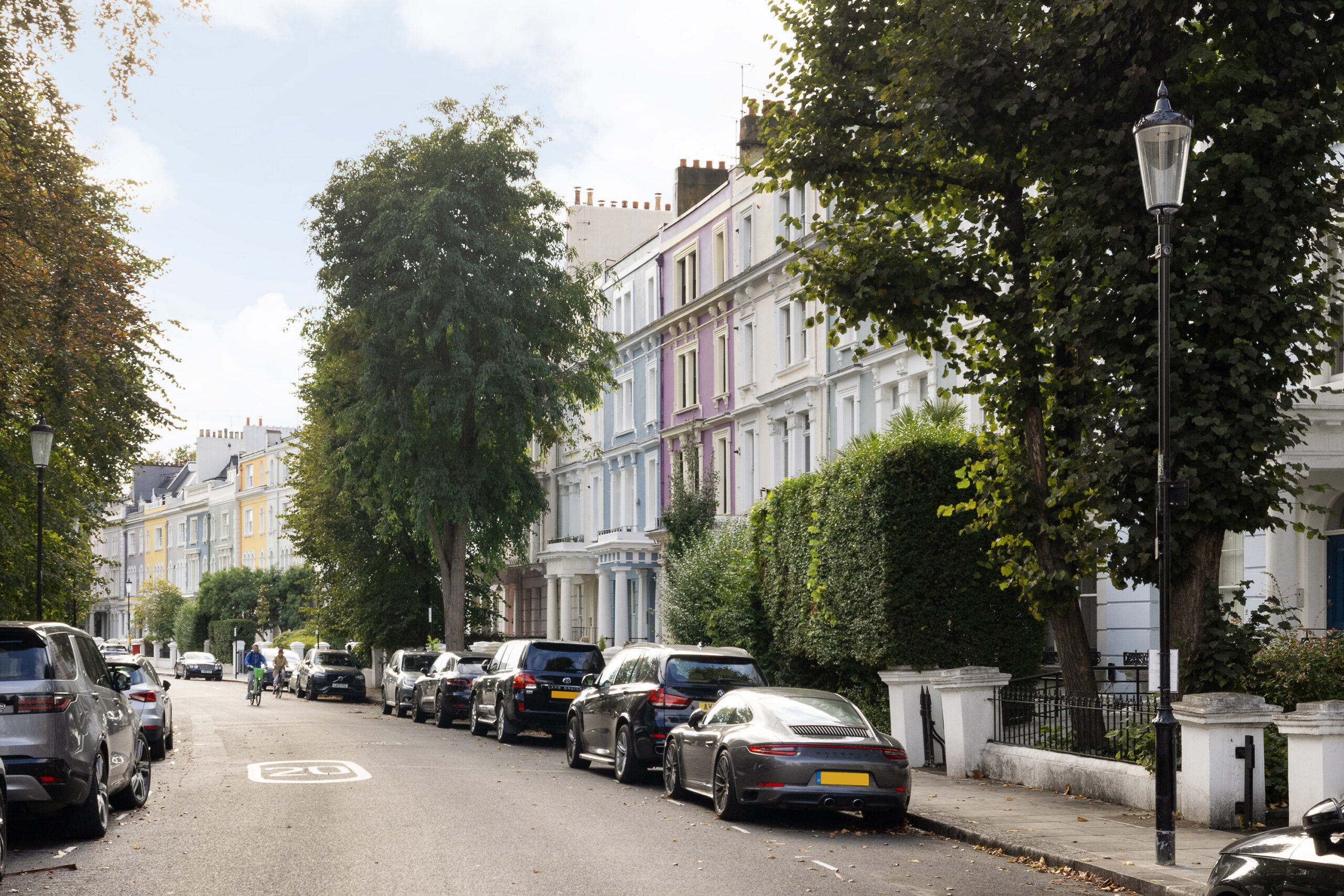
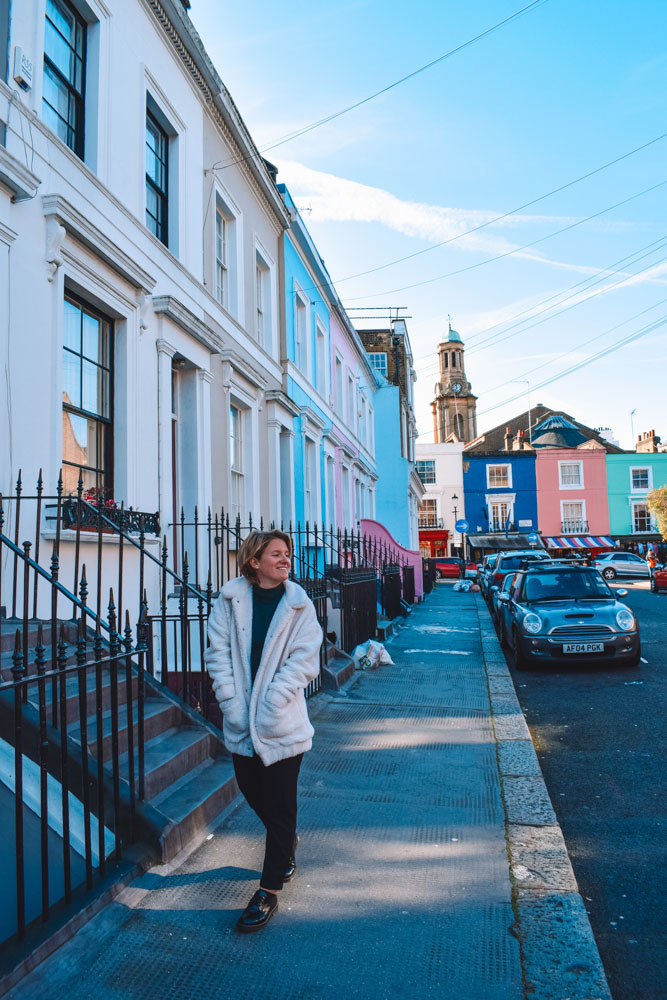
When you reach Elgin Crescent, turn right and begin walking east. This road is long and lined with rows of Victorian houses painted in soft colours such as pale blue, cream, light yellow and pink. Walk at a gentle pace and look at each house front. Many of them have decorative trims around windows and doors.
As you continue down this quiet residential street, notice the small differences between houses; some have larger windows, some have fences, and others have plant pots by the steps. This part of Notting Hill feels calm and peaceful, with no market stalls or busy crowds. It lets you see the architectural beauty of the neighbourhood in a relaxed setting.
9. The Rainbow Of Lancaster Road
If Elgin Crescent was the "pastel" portion of your walk, Lancaster Road is the "high-definition" version. This street features some of the most vibrantly colored houses in the city, think deep purples, bright yellows, and royal blues. It is a favorite for professional photographers and is the best place to capture that signature "Notting Hill Palette."
10. Westbourne Grove
From Lancaster Road, keep walking until you reach Westbourne Grove, a street that connects residential life with local cafés and shops. This area is busier than the quiet streets you just walked, but it is calmer than the market. On Westbourne Grove, you’ll notice plenty of cafés and coffee shops where locals stop to relax, many of which provide free wifi in London for tourists, making it easy to catch up on messages or check your next destination while enjoying a drink.
11. Hillgate Street
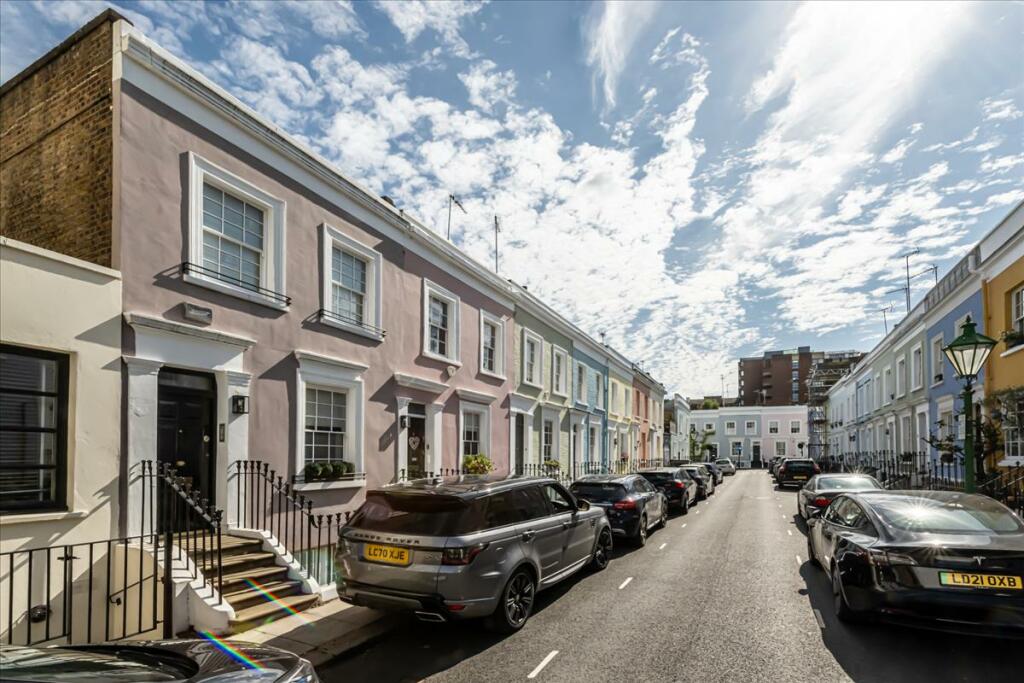
Once back on Portobello Road, walk a short distance south until you see Hillgate Street. Turn onto Hillgate Street and continue walking. This road is narrow and lined with houses that look close together. Many homes have colourful doors, small gardens beside the pavement, and decorative windows.
Walk at a comfortable pace and look at the details on this street, styles of doors, plants beside the road, and the texture of the pavements under your feet. This part of the route feels peaceful and local, making it a nice contrast after the busier sections you’ve seen earlier. Keep going until the road meets Golborne Road.
12. Golborne Road
Turn onto Golborne Road and begin walking east. This stretch shows a very different side of Notting Hill, a part that feels local, everyday and full of cultures from around the world. On Golborne Road you will see shops and food stalls with many kinds of foods and goods.
You might see African bread shops, Caribbean food stands, small grocery stores with spices, and bakeries with fresh goods. Walk along this road and look at the shop signs, some are hand‑painted, and others show foods you may never have seen before. You can stop for a quick snack if you like. This section gives you a strong sense of the vibrant community that lives in Notting Hill.
13. The Soul Of Notting Hill
As you move toward Golborne Road, you are entering the heart of Notting Hill’s Afro-Caribbean history. Keep an eye out for The Tabernacle on Powis Square. This stunning Grade II-listed building was once a church and is now a vibrant cultural center. It serves as a hub for the Notting Hill Carnival, Europe’s largest street festival. Stopping here for a drink in the courtyard gives you a taste of the community spirit that exists beneath the neighborhood's polished exterior.
14. Holland Park
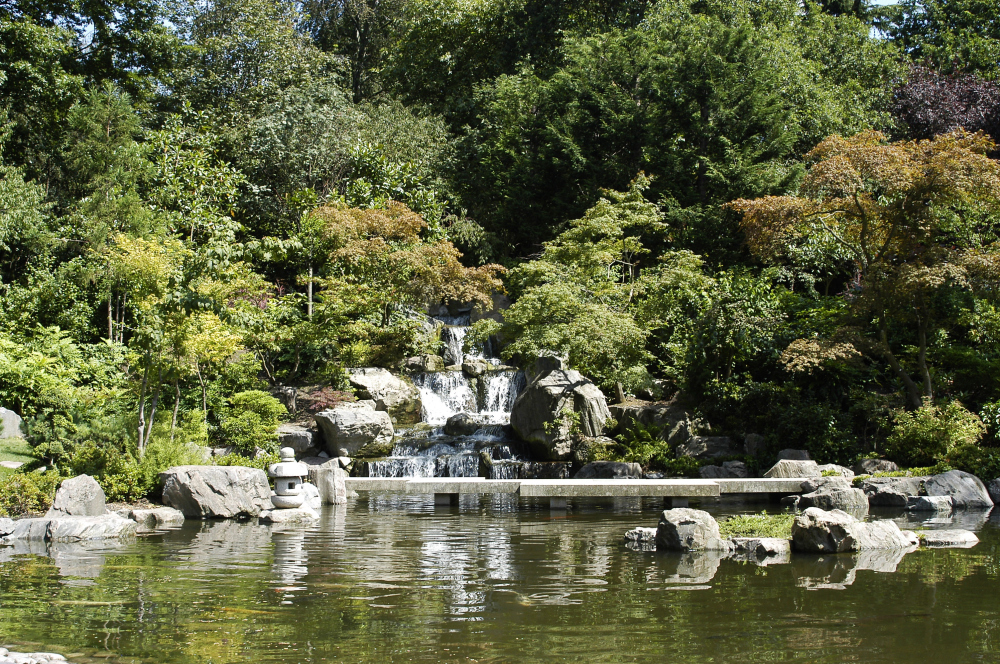
If you want a quieter end to your walk, get to Holland Park, one of London’s green spaces. Once inside the park, follow any path that looks pleasant. You will see open grass, trees, and garden areas that feel very calm compared with the city streets.
Walk slowly and enjoy the quiet sound of birds, people walking, and maybe children playing. There are benches where you can sit and rest after your street walk. Holland Park is large, so you can stay as long as you like before heading back.
13. Notting Hill Gate Or Kensington High Street
To finish your self‑guided walk, head back toward Notting Hill Gate or continue to Kensington High Street. Both areas are easy to reach by foot from Holland Park or Golborne Road and offer Tube stations for you to catch a train home.
You will also find shops and restaurants where you can have a final meal, get coffee, or browse more local goods. This makes for a comfortable end to your walking tour and connects you easily with public transport or the rest of your London plans.
How To Prepare For Your Walk
1. Recommended Duration And Timing
- The "Saturday Rule": If you want the full Antique Market experience with hundreds of stalls, you must visit on a Saturday. However, this is also when crowds are at their peak.
- The Photography Sweet Spot:For those who want empty streets and clear shots of the colorful houses, visit on a Tuesday or Wednesday morning. You’ll miss the big antique stalls, but you’ll have the neighborhood (and its best cafés) almost entirely to yourself.
2. Weather And Clothing
Check the weather before you go. London can be unpredictable, so a light waterproof jacket or umbrella is recommended if rain is forecast. Comfortable walking shoes are essential because some streets have uneven pavements, cobblestones, or slight inclines. Dressing in layers helps if temperatures change during your walk, especially if you start in the morning and finish in the afternoon.
3. Map And Navigation Tools
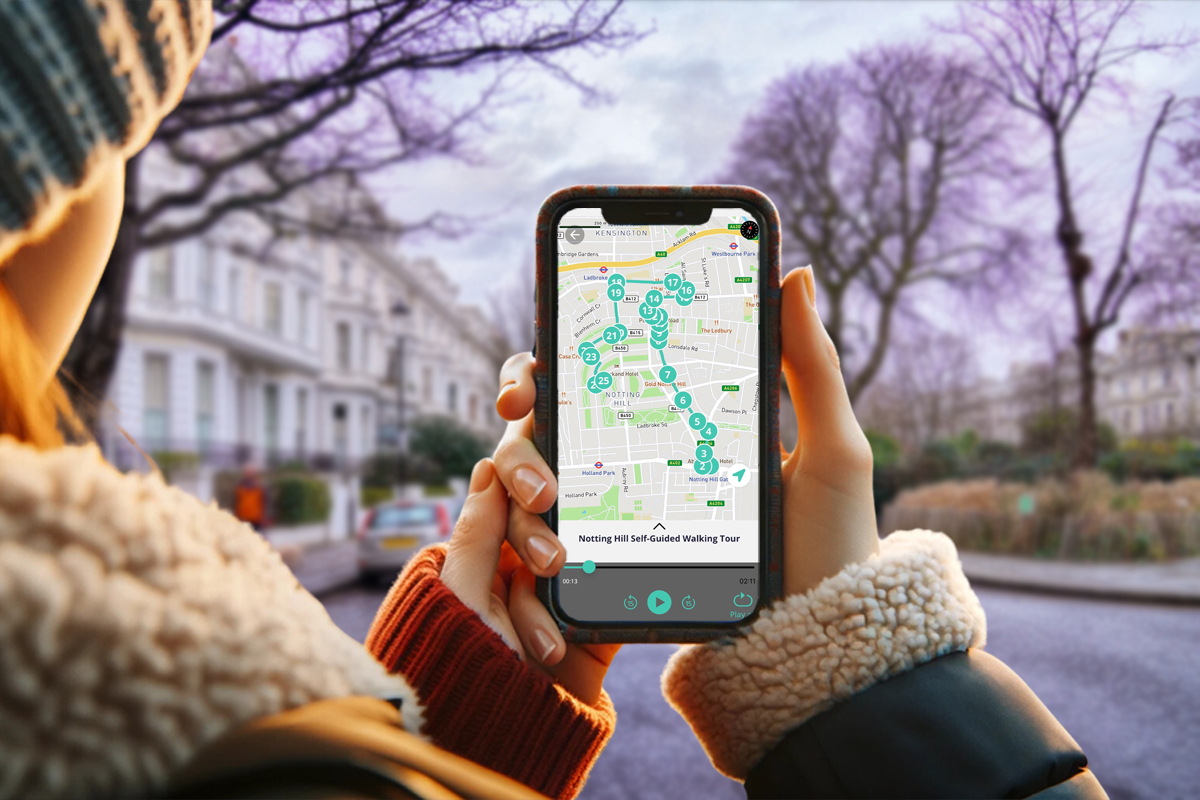
Even though Notting Hill is compact, having a map or navigation app helps you follow the route without backtracking. Google Maps or offline maps work well. Pin landmarks like Portobello Road Market, Colville Road, and Holland Park. This allows you to move smoothly between streets, hidden mews, and cafés without confusion. You can also plan optional detours if you want to see extra sights.
4. Food, Drinks, And Breaks
Bring a small bottle of water and snacks, especially if you plan to walk for a couple of hours. While Portobello Market and Westbourne Grove offer plenty of cafés and street food, having water handy keeps the walk comfortable. Plan for a short break at a café or a bench in a quiet street to rest and soak in the atmosphere.
5. Accessibility Considerations
Most main streets like Portobello Road and Westbourne Grove are level and easy to walk. However, residential side streets like Colville Road or Simon Close may have cobblestones, small steps, or narrow pavements. If mobility is a concern, plan your route along the flatter main streets and approach side streets selectively. Bringing a lightweight backpack for essentials is helpful.
6. Safety Tips
Notting Hill is generally safe, but usual city precautions apply. Keep your belongings close, especially at the crowded market, and be mindful of traffic on main roads. Walking during daylight hours is recommended, and using well-lit streets if you are out later improves safety.
Why Choose A Self-Guided Walk In Notting Hill?
Flexibility And Personal Pace
Walking independently allows you to move at your own speed, linger where you want, and skip areas that are less interesting. Unlike group tours, you can pause for photography, enjoy a coffee, or explore a quiet alley that catches your eye.
Discover Hidden Gems
A self-guided walk opens opportunities to find corners that many visitors miss. Side streets often reveal colorful doors, murals, and small galleries tucked between residential houses, adding layers of discovery that enrich the experience.
Ideal For Photography And Culture
You can time your visit to capture the streets in the best light, and stop whenever a cultural element, like a market stall or historic facade, catches your attention. This level of control ensures a more immersive and personalized journey.
Practical Tips And Recommendations
Food And Drink Stops
For a relaxed brunch, the Farm Girl Cafe on Portobello Road offers health-conscious options, while Ottolenghi on Westbourne Grove provides Mediterranean flavors. Street stalls along the market offer pastries and quick bites that allow you to keep exploring without interrupting your walk.
If you enjoy finishing your stroll with a drink, you might visit local bars that feature popular whiskey brands, giving you a taste of classic and contemporary spirits right in the heart of Notting Hill.
Family-Friendly Considerations
The Electric Cinema occasionally screens kid-friendly films, and the market often hosts street performers on weekends that are enjoyable for families. Planning around these stops ensures a walk that can be engaging for visitors of all ages.
Photography Tips
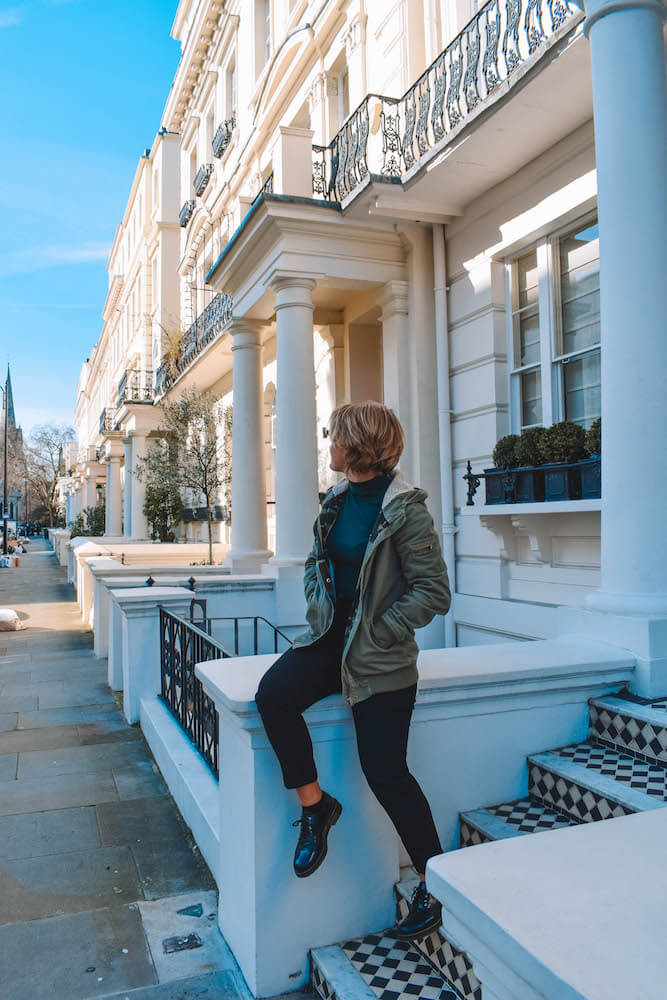
The best light for photographing the pastel houses along Lancaster Road and Elgin Crescent is early in the morning. Street art tends to photograph well at midday when shadows are minimal, allowing colors to pop naturally. Many photographers combine this walk with visits to other best spots for photography in London, capturing iconic streets, hidden alleys, and vibrant markets across the city.
Crowd Avoidance Strategies
Weekday mornings are the best time to experience Portobello Market without heavy foot traffic. Narrow side streets are easier to navigate when fewer people are around, making it more pleasant for photography and exploration.
Suggested One-Afternoon Itinerary
Morning Exploration
Begin at Portobello Market, allowing time to browse antiques, vintage clothing, and food stalls. Early exploration provides a quieter, more intimate experience of the market.
Lunch And Break
Pause for a meal or a coffee along Westbourne Grove. This break allows time to recharge and enjoy the local shops, adding a leisurely dimension to your walk.
Afternoon Highlights
In the afternoon, walk through Lancaster Road, Elgin Crescent, and the hidden side streets to photograph colorful facades and murals. Conclude with a cultural visit to the Electric Cinema or a local art gallery to round off the experience.
People Also Ask
How Long Does The Notting Hill Self‑guided Walk Usually Take?
A typical self‑guided route around Notting Hill takes about 2-3 hours at a relaxed pace, including stops for photos, food, and browsing Portobello Road Market and the residential streets.
When Is The Best Time To Do The Walking Tour?
Early mornings and late afternoons are great times to walk because the streets and market are less crowded, and the light is nice for photos. Weekday mornings offer quieter lanes, while Saturdays are busiest at Portobello Road Market.
Can I Take Photos Of The Colourful Houses During My Notting Hill Walk?
You can take photos from the pavement, but remember many of the colourful Victorian houses are private homes, so stay on the street and be respectful of residents.
Are Dogs Allowed On The Notting Hill Walk?
Yes, many walkers bring dogs along. Just keep them on a leash in busier spots like Portobello Road Market and watch for other people, especially in narrow lanes.
Final Thoughts
This self-guided walk captures the full charm of Notting Hill, from the lively energy of Portobello Road Market to the calm, colourful streets and hidden corners that make the neighbourhood unique.
Walking at your own pace lets you enjoy the sights, smells, and stories of the area without feeling rushed. Pause for photos of pastel terraces, visit famous film locations, or simply soak in the local atmosphere. Let the streets, houses, and parks of Notting Hill reveal their character naturally.
Jump to
What To Expect On This Notting Hill Self-Guided Walk
1. Notting Hill Gate Tube Station
2. Portobello Road Market
3. Simon Close
4. Return To Portobello Road
5. Colville Road
6. St. Luke’s Mews
7. Lansdowne Road
8. Elgin Crescent
9. The Rainbow Of Lancaster Road
10. Westbourne Grove
11. Hillgate Street
12. Golborne Road
13. The Soul Of Notting Hill
14. Holland Park
13. Notting Hill Gate Or Kensington High Street
How To Prepare For Your Walk
Why Choose A Self-Guided Walk In Notting Hill?
Practical Tips And Recommendations
Suggested One-Afternoon Itinerary
People Also Ask
Final Thoughts

James Rowley
Author
James Rowley is a London-based writer and researcher covering London life, cultural geography, and selected public figures across entertainment, sport, business, and public life.
For over 15 years, he has focused on verified sources, first-hand local context, and clear explanations that help readers understand both places and people more deeply. His work combines street-level London knowledge with careful research into career credits, media work, business interests, and, where relevant, transparently explained net worth estimates.
He writes every article published on London Webcam.
Latest Articles
Popular Articles