How To Plan A Weekend In London | The Perfect 2026 London Itinerary
Planning a weekend trip to London doesn’t have to be expensive or complicated. With the right strategy, you can enjoy famous landmarks, great food, and rich culture in just a few days.
Author:James RowleyJul 01, 20261.4K Shares128.1K Views
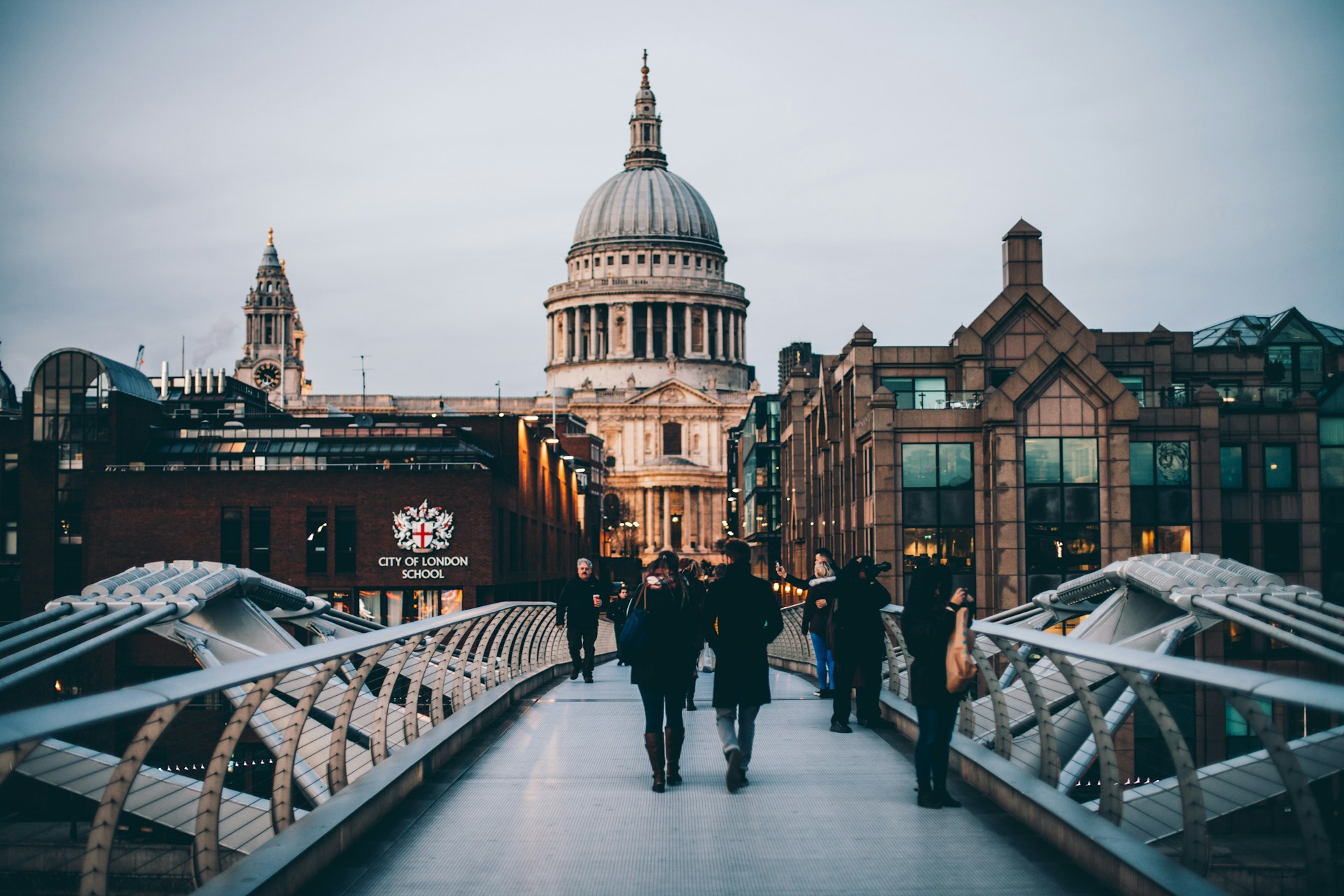
Planning A Weekend Trip To London: Budget, Bookings & Tips
One reason Londonis perfect for a short trip is that many top attractions are close to each other. Plus, the city has a great public transport system that makes it easy to get around. If it’s your first time visiting, three days is usually enough to see the most popular places and get a good feel for the city.

Choose The Best Time For Your London Trip
Choosing the right time to visit London can make a big difference in your experience. It affects the weather, how crowded the city feels, and how much you’ll spend on flights and accommodation.
High Season - May To September And December
Summer in London is warm, lively, and full of events like Wimbledon and the Notting Hill Carnival. These months also have the longest days, which are great for sightseeing. However, this is the busiest and most expensive time to visit. December is also a high season because of the festive lights, markets, and holiday celebrations. Expect big crowds and higher prices during these times.
Shoulder Season - March To May And September To October
Spring and early autumn offer a more relaxed London experience. The weather is mild, and there are fewer tourists, which means shorter lines at attractions and lower costs for accommodation. In spring, parks and gardens are in full bloom, while early autumn offers crisp, pleasant days perfect for walking tours and exploring the city.
Low Season - Late October To March
Winter months in London are cold and often rainy, with short daylight hours. January and February are the coldest. This season sees fewer tourists, which means lower prices for flights and hotels. It’s a good time to visit if you’re on a tight budget and don’t mind indoor activities or colder weather.
Weather Overview
July and August are the warmest months, with average temperatures around 19°C. June gets the most sunshine. The coldest months are January and February, with temperatures as low as 3°C. October is usually the wettest month, followed by November and April. Rain can happen any time of year, so packing an umbrella is always smart.
Holidays And Events
London has several public holidays throughout the year, such as New Year’s Day, Easter, and Christmas. On these days, public transport may run on a reduced schedule, and many shops or attractions could be closed. Popular events like New Year’s Eve fireworks, the London Marathon, and Pride celebrations draw large crowds. School holidays, especially in summer and around Christmas, also make the city busier.

Set A Travel Budget That Works For You
London is known for being an expensive city, but with smart planning, you can visit without spending too much. If you understand the usual costs and use a few money-saving tips, your trip can still be fun and affordable. Early budgeting is also key to avoiding debts on holiday seasons, especially when costs for flights, accommodation, and events tend to rise.
On average, a tourist in London might spend about £105 a day (around $130 USD), not including flights. Most visitors usually spend between £100 and £250 ($130-$325) each day. If you’re on a tight budget, you can get by with £70-£100 ($90-$130) per day. Mid-range travelers might spend £150-£200 ($195-$260), while luxury travelers can easily spend over £250 ($325) daily.
For short trips, where you stay is very important. Hotels in central London (Zone 1) might seem expensive, around £150 per night for a 3-star hotel, but they can save you a lot of time and money on transport. Since you’ll be closer to the main attractions, you’ll spend less time and money getting around. For weekend visits, staying central, even if it costs more, is often worth it.
Here’s a simple guide to typical travel costs:
Accommodation
- Hostel bed:£25-£45 ($32-$58) per night
- Budget hotel:£80-£150 ($104-$195) per night
- Mid-range hotel:£150-£300 ($195-$390)
- Luxury hotel:£300-£1,000+ ($390-$1,300+) per night
In 2025, the average hotel price in Greater London is about £207 ($255), with higher prices during summer and big events.
Food & Drink
- Budget meals from supermarkets:From £10 a day
- Casual restaurants:£30-£50 per person
- Mid-range dining:£50-£100 per person
- High-end dining:over £100-£200+ per person A nice dinner for two with wine at a mid-range place can cost over £220. A pint of beer usually starts at £5.
Transport
- A budget of £5 a day covers two Tube trips in Zone 1
- A single ride in Zone 1 is £2.70 (off-peak) with an Oyster or contactless card
- There’s a daily cap of £8.50 ($11) for travel within Zones 1-2
Attractions
Many of London’s best attractions are free, like its parks and museums. Paid attractions include:
- London Eye:From £32.50
- Tower of London:Around £30. You can also buy a London Pass or Go City Explorer Pass to visit over 90 attractions with one ticket.
Entertainment
- A movie ticket:£12-£15
- West End shows:Book early to get cheaper tickets
Money-Saving Tips
- Walk whenever possible, especially when attractions are close to each other
- Visit free parks and museums
- Buy some meals from supermarkets
- Book your hotel and attractions in advance
- Use an Oyster or contactless card for public transport to get the best fares and daily caps

Flights And Travel Insurance
If you’re planning a weekend trip to Londonfrom anywhere in the UK, two important things to plan early are your transport and travel insurance. These choices can affect how much you spend and how smooth and safe your trip will be.
Booking Your Transport
Whether you're coming by train, coach, or domestic flight, booking your ticket in advance can help you save money. For trains, booking at least two weeks ahead often gives you access to cheaper fares. Traveling to London on weekdays is usually more affordable than weekends. Railcards can also give you discounts of up to 30%, so it’s worth checking if you're eligible.
If you're flying to London from another UK city, try to book at least a month in advance. Flights from cities like Edinburgh, Belfast, Manchester, or Glasgow usually land at Heathrow, Gatwick, Luton, or Stansted. While flights are quick, trains may be more convenient if you're already in England or nearby.
For coach travel, companies like National Express and Megabus offer some of the lowest fares, especially if you book early. Though slower than trains, coaches can be ideal for budget travel.
Getting The Right Travel Insurance
Travel insurance is often overlooked for domestic trips, but it’s still a good idea—especially if you're booking non-refundable tickets or planning activities. A good policy can cover trip cancellations, delays, lost belongings, or medical emergencies. It’s also helpful if you’re staying in a hotel or planning to visit busy areas, where accidents or changes in plans are more likely.
Even though the NHS provides healthcare across the UK, travel insurance can still offer added protection, like covering costs if you need to cancel your trip last minute due to illness or a family emergency.
If your trip includes sports or outdoor activities like hiking or cycling, make sure your policy includes cover for those. Also, look out for extras like travel delay compensation or baggage loss cover if you're flying.
Why Early Planning Helps
Even for a short trip, booking your transport early can save you a lot of money and give you better options. Train and flight prices often go up closer to the travel date, especially on weekends.
Travel insurance may seem unnecessary for a weekend away, but it gives you peace of mind. If something unexpected happens, like missing a train or falling sick, you won’t have to deal with high costs on your own. With a little planning, you can enjoy your London trip stress-free and stay protected throughout your journey.
Related Reading: Top Comedy Clubs In London

Reserve Your London Accommodation
Finding and booking the right place to stay is an important part of planning your weekend trip to London. Where you stay can affect how much you enjoy your trip, how much you spend, and how easy it is to get around. Making smart choices about the location and booking websites can help you have a better time.
Choosing Where To Stay In London
London has many different neighborhoods, each with its own feel and benefits. If you want to be in the middle of the action, the West End is a great choice. It’s full of theaters, shops, restaurants, and nightlife. However, hotels here are often more expensive because it’s such a popular area.
Covent Garden, Westminster, and Soho are also great central spots, with lots of famous sights, food options, and entertainment. For travelers who want to see the main attractions, Southbank is a good option. It’s close to the London Eye, Big Ben, Borough Market, and other famous landmarks.
If you're looking for luxury, check out Mayfair or Kensington. These upscale areas near Hyde Park offer high-end hotels and beautiful surroundings. Knightsbridge and Chelsea are also fancy areas with famous shops like Harrods.
If you're traveling on a budget but still want to be well-connected, areas like Earls Court, Victoria, and Paddington in West London are good picks. These neighborhoods have many affordable or mid-range hotels and easy transport. Victoria is close to Buckingham Palaceand has a major train station. Paddington/Bayswater is near Hyde Park and has plenty of hotel choices.
Families might enjoy Hyde Park or South Kensington, which are quiet, safe, and close to parks and museums like the Natural History Museumand the V&A. For a central but more relaxed stay, consider areas south of the Thames like South Bank, Southwark, or London Bridge. These places are still close to everything but less busy.
If you're into art, music, and trendy places, Shoreditchis full of street art, cool cafes, and nightlife. Notting Hillhas a more creative and relaxed vibe with small shops, markets, and pretty houses.
Best Websites To Book Your Stay
There are many trusted websites where you can book a place to stay in London. The most popular ones are:
- Booking.com- Offers a wide range of options like hotels, hostels, and apartments. Many listings have free cancellation and user reviews to help you choose.
- Expedia- Lets you book hotels and bundle them with flights, car rentals, or activities for better deals. It also has helpful reviews.
- Hotels.com - Known for its rewards program where you can earn free nights after several bookings. It often has good discounts and deals.
Other good options include:
- Airbnb- Great for renting a full apartment or unique home-style stays.
- Apartment Network- Offers serviced apartments, ideal for longer stays.
- Housing Anywhere- Best for students or people needing a place for a few weeks or months.
- Scraye- Has carefully selected, high-quality apartments.
- Owl Marketplace- Offers a variety of affordable places with direct rentals.

Create Your Perfect London Itinerary
Planning a good schedule for your weekend trip to London is very important if you want to make the most of your time. A smart plan helps you see more, save time, and enjoy different parts of the city without feeling rushed or overwhelmed.
How To Plan Your Itinerary
Here are some easy tips to help you plan your trip:
- Group attractions by area: London is a big city, but many famous places are close to each other. Try to visit places that are near each other on the same day so you don’t waste time traveling across the city.
- Start your day early: Popular places like the Tower of Londoncan get very busy. Try to arrive when they open (around 9:00 AM) so you can look around without big crowds.
- Use transport wisely: It’s great to walk around, especially in areas like South Bank, but the Tube (London’s underground train) helps you move quickly between far places. A riverboat ride also gives a lovely view of the city.
- Mix free and paid activities: Don’t just visit expensive attractions. London has many free museums and beautiful parks. This helps you stick to your budget and enjoy a variety of experiences without getting tired of sightseeing.
A Sample 2-Day Itinerary For First-Time Visitors
This plan gives you a good mix of London’s top spots over two days:
Day 1: Famous Sights And South Bank Walk
- 9:00 AM- Start at the Tower of London. Arrive early to see the Crown Jewels and explore the grounds without large crowds (spend 1–2 hours).
- 12:00 PM- Walk to Tower Bridge and visit the glass floor walkway. You can also stop by HMS Belfast, a warship turned museum.
- 2:00 PM- Head to The Shard for amazing city views.
- 3:30 PM- Go to Westminster either by Tube (12 mins) or walk along the scenic South Bank (about 45 mins), passing sights like Shakespeare’s Globe, Tate Modern, and St. Paul’s Cathedral.
- 5:00 PM- In Westminster, see Big Ben and the Houses of Parliament from the outside, then visit Westminster Abbey. Book tickets online to save time.
- Evening (Optional)- If you still have energy, visit the Churchill War Rooms, a WWII underground bunker with fascinating history.
Day 2: Royal Palaces And Museums
- 9:00 AM- Visit Kensington Palace and explore its gardens.
- 11:00 AM- Walk to Royal Albert Hall, a famous music venue.
- 12:00 PM to 3:00 PM- Visit the Victoria & Albert Museum (V&A). Entry is free, and you’ll see art, design, and fashion from around the world.
- 3:00 PM- Walk to Buckingham Palace. If you’re lucky, you might see the Changing of the Guard.
- 4:30 PM- End the day at the London Transport Museum to learn about the history of buses, trains, and the Tube.
Free Things To Do In London
You don’t have to spend a lot of money to enjoy London. Here are many free options:
Free Museums
- British Museum- Ancient objects from around the world
- Natural History Museum- Dinosaurs, animals, and fossils
- National Gallery- Paintings by famous artists like da Vinci and Monet
- Tate Modern- Modern art by Picasso and Dali
- Victoria & Albert Museum- Art and design
- Science Museum- Fun and educational for all ages
- National Portrait Gallery- Portraits of famous people
Parks And Green Spaces
- Hyde Park- Big park with a lake and pet cemetery
- Regent’s Park- Home to a zoo and open-air theatre
- Kensington Gardens– Has Diana’s playground
- Greenwich Park- Amazing views of the city and Royal Observatory
- St. James’s Park- Beautiful gardens and pelicans
- Richmond Park- A large park with deer
Scenic Walks
- Thames Path -Walk along the river
- Parliament Hill- Great views of the skyline
- Epping Forest- A peaceful, ancient forest
- Roman Wall Walk- See parts of Roman London
- Free Harry Potter Tours- Explore filming locations
Markets To Explore
- Camden Market- Unique clothes and gifts
- Borough Market- Local food and treats
- Covent Garden- Street performers and small shops
- Brick Lane Market- Food, fashion, and art
Window Shopping
Walk through Oxford Street, Harrods, and Selfridges to see London’s famous stores without buying anything.
Fun Neighborhoods To Visit
- Soho- Lots of great food and entertainment
- Shoreditch- Cool bars, street art, and trendy spots
- Notting Hill- Pretty houses, vintage shops, and markets
- Also explore Chinatown, Little Venice, Kensington, South Bank, and Mayfair for different local vibes
Reserve Attractions And Activities In Advance
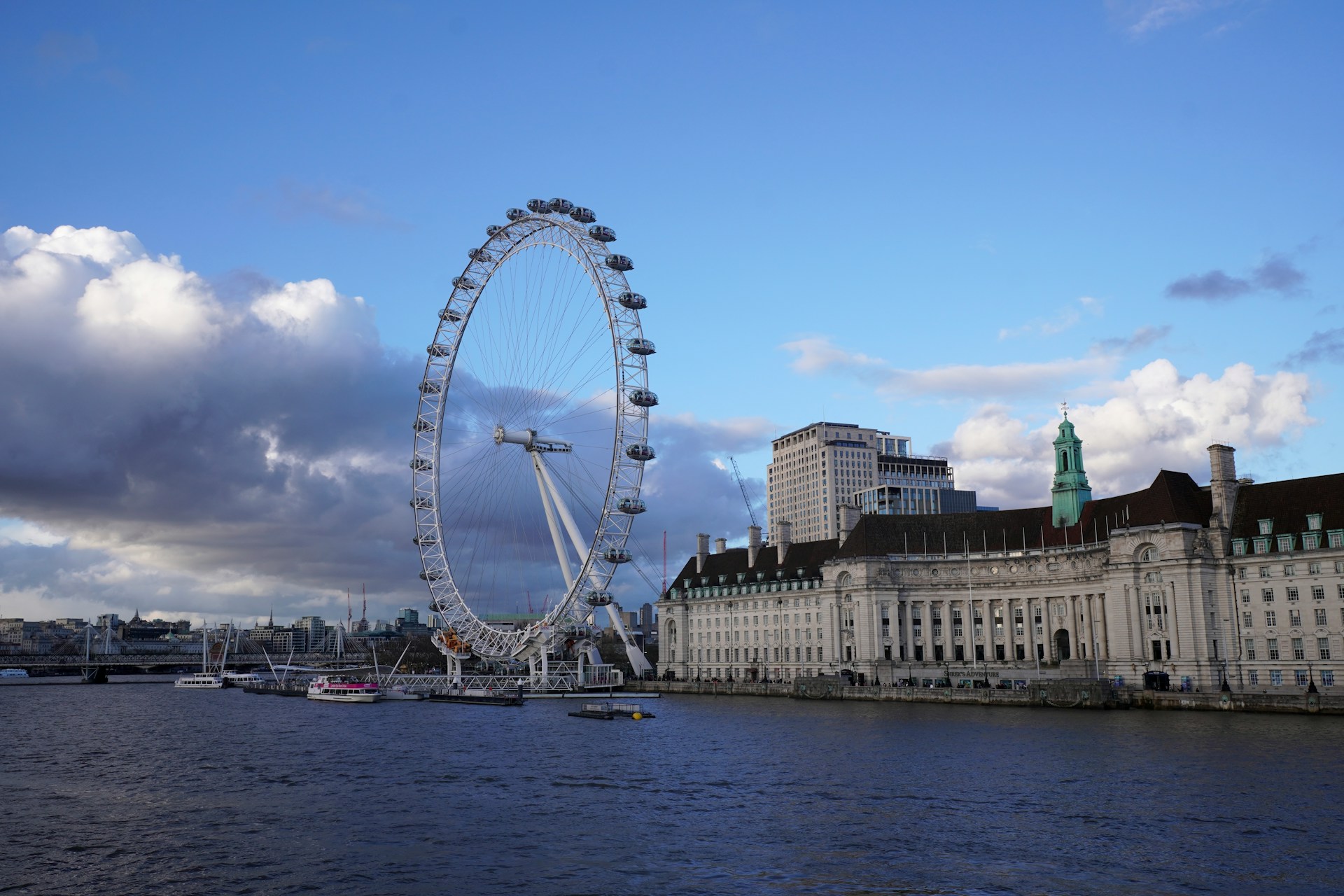
Booking your tickets online before your trip can help you save both money and time. For example, a regular London Eye ticket costs £29 online but £39 if you buy it at the door. That’s a £10 difference just by planning ahead.
Besides saving money, booking early also means less time waiting in line. Many popular places let you skip the long queues if you book ahead, with options like priority entry or fast-track tickets. Even museums that are free to enter sometimes give you faster entry if you book a free ticket in advance - very helpful when you're short on time during a weekend trip.
Pre-booking also makes sure you don’t miss out. Popular attractions, tours, and West End shows can sell out fast, especially on weekends or during holidays. Buying tickets in advance guarantees your spot and avoids last-minute disappointment.
Some tickets also offer more flexibility. For instance, the London Eye’s Flexi Fast Track ticket lets you visit at any time on your chosen day. Multi-attraction passes, like the London Eye + Madame Tussauds + SEA LIFE combo, often come with big discounts (up to 71% off) and allow you to visit over a longer period (like 90 days). Many also let you reschedule for free if your plans change.
Top Attractions That Need Or Benefit From Booking Ahead
Here are some of the most popular attractions and activities in London that you should book in advance:
Paid Attractions
- London Eye- Booking online is cheaper and may include fast-track entry.
- Tower of London- You don’t haveto book ahead, but doing so helps avoid crowds and ensures smoother entry.
- Madame Tussauds- Booking early helps secure your visit and may cut down waiting time.
- Tower Bridge Exhibition- You mustbook tickets in advance.
- The View from The Shard- Advance booking is required.
- Combo Tickets- Booking attraction bundles like the London Eye + Madame Tussauds + SEA LIFE can save you a lot of money and offer more flexibility.
Cultural Experiences
- West End Theatre Shows- Booking early online is the best way to get good seats and sometimes lower prices. Popular shows like Matilda, The Phantom of the Opera, and Back to the Futureoften sell out. You can try getting tickets at the box office on the day, but there's no guarantee. Booking early also gives you the chance to use group discounts.
- Museum Exhibitions- While many famous museums (like the British Museum or National Gallery) are free, special exhibitions often require a paid ticket. Even for free entry, booking a free timed ticket ahead of time helps you skip long lines - perfect when your weekend is packed.
Frequently Asked Questions
How Many Days Should I Spend In London For My First Visit?
If it’s your first time in London, try to stay for at least 3 days. You can see some major sights in 1 or 2 days, but 3 days will give you enough time to enjoy the famous places and explore different areas without rushing.
What’s The Best Way To Pay For Transport In London?
The easiest and cheapest way to pay for buses and trains in London is by using a contactless bank card or your phone (with Apple Pay or Google Pay). This way, you’re charged as you go, and there’s a daily limit so you won’t spend more than a set amount. You can also use an Oyster card, which works the same way and is good for visitors too.
Is London Expensive For Tourists? How Much Should I Budget?
London can be pricey. On average, plan to spend about £100-£250 ($130-$325) per person each day. This covers your stay, food, transport, and some attractions. You can save money by visiting free sights, walking instead of taking transport, and getting food from grocery stores.
What Are Some Unusual Or Hidden Things To Do In London?
London has lots of cool places beyond the usual tourist spots. You can check out colorful street art at Leake Street Arches, relax in the ruins of Saint Dunstan in the East, walk around spooky Highgate Cemetery, explore Eltham Palace, which mixes Tudor and Art Deco styles, or visit animals at a city farm like Vauxhall City Farm.
What’s The Tipping Rule In London?
In restaurants, people usually tip about 10-15% if the service is good. But check your bill, some places add a service charge of around 12.5%, especially for groups. You don’t need to tip at pubs or fast-food places. For taxis, it’s nice to round up to the next pound.
Conclusion
Planning a weekend trip to London is all about making smart and simple choices to get the most out of your short stay. London is a city full of surprises and rewards those who loves adventure. With a good plan, knowledge of transport, a few local tips, and basic safety awareness, your visit becomes more than just a trip - it becomes an exciting experience. With good planning and an open mind, your weekend in London can be fun, smooth, and unforgettable.
You might Also Like: Where To Eat In London On A Budget
Jump to
Planning A Weekend Trip To London: Budget, Bookings & Tips
Choose The Best Time For Your London Trip
Set A Travel Budget That Works For You
Flights And Travel Insurance
Reserve Your London Accommodation
Create Your Perfect London Itinerary
Reserve Attractions And Activities In Advance
Frequently Asked Questions
Conclusion

James Rowley
Author
James Rowley is a London-based writer and researcher covering London life, cultural geography, London travel, live London webcam pages and selected public figures across entertainment, sport, business and public life.
For over 15 years, he has focused on verified sources, first-hand local context and clear explanations that help readers understand both places and people more deeply. His work combines street-level London knowledge with careful research into career credits, media work, business interests and, where relevant, transparently explained net worth estimates.
He writes and reviews articles published on LondonWebcam.
Latest Articles
Popular Articles