South East Wales - Cities, Valleys & Industrial Landscapes
Experience South East Wales, from Principality Stadium’s roar to the Wye Valley’s hush-then follow the story into the Valleys and borderland ruins.
Author:James RowleyFeb 22, 20264.1K Shares90.9K Views
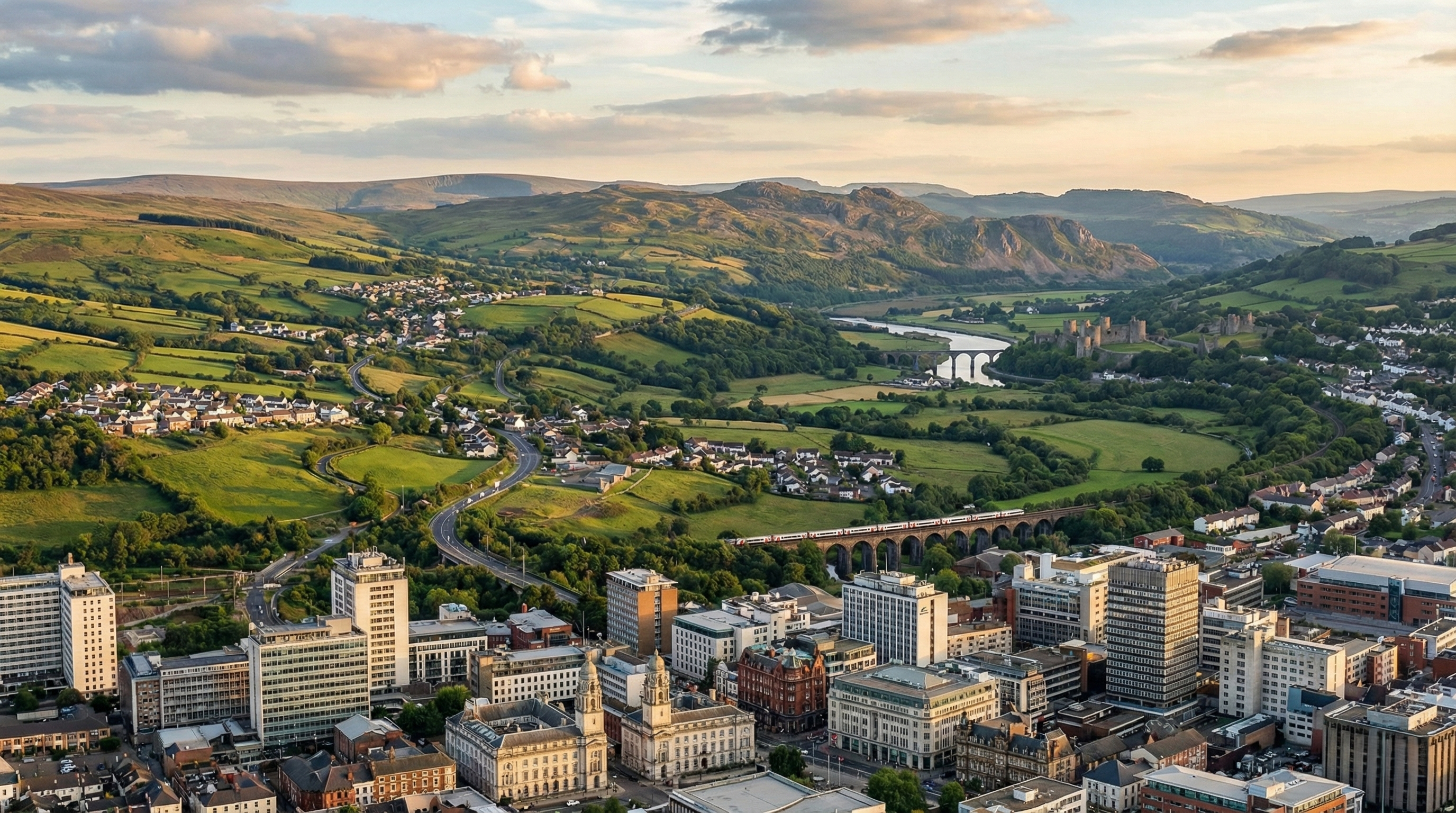
South East Wales: A Journey Through Cities, Valleys, And Borderlands
Standing on the steps of the Senedd in Cardiff Bay, looking out over the water, you are seeing the end of a very long, very industrial story.
For a century, this wasn’t a place of leisure; it was the bottleneck of the world’s energy. The coal that powered the British Empire poured down from the valleys north of here, filling these docks and building the Victorian grandeur of the city behind you.
To understand South East Wales, you have to look beyond the postcards of Cardiff Castle. You need to understand the relationship between the geography and the industry.
In my years of exploring this region, I’ve found that it’s best navigated not as a single destination, but as a tale of three distinct landscapes: the cosmopolitan coast where the money was made, the gritty, dramatic Valleys where the work was done, and the rural borderlands that fed them both.
This guide breaks down that ecosystem, helping you move between the neon of the capital and the silence of the Black Mountains with the insight of a local historian.
Region At A Glance: Understanding The Landscape
Navigating South East Wales is easier when you realise that gravity dictates the geography. The region is essentially a series of river valleys-the Taff, the Usk, the Ebbw-that flow south from the Brecon Beacons Bannau Brycheiniog down to the Bristol Channel.
The Three Distinct Zones. Most visitors make the mistake of staying in Cardiff and only doing day trips. However, the feel of the region changes rapidly as you move north or east.
- The Urban Coast:This refers to the southern strip, encompassing Cardiff, Newport, and the Vale of Glamorgan. It is flat, populous, and cosmopolitan.
- The Valleys:Directly north of Cardiff, the land rises sharply. These are narrow, steep-sided valleys packed with terraced housing and rich industrial history.
- The Rural Borderlands:To the east, bordering England, lies Monmouthshire. Here, the landscape softens into rolling farmland, market towns, and the Wye Valley.
Orientation Tip:If you are driving the M4 motorway, it slices through the bottom of the region. To see the real Wales, you almost always have to turn off and head north, up-valley.
Choose Your Base: Where To Stay For The Trip You Actually Want
This section helps you choose where to sleep so that day trips feel easy-and so you’re not rebuilding your plan every morning.
Base In Cardiff If You Want Rail-first Simplicity
Cardiff is the most versatile base because it’s both the cultural centre and a practical launchpad into the wider region. It’s also the place where a plan B is always available: museums, arcades, bay walks, and indoor options when the weather turns.
If your trip time is short or you’re relying heavily on public transport, Cardiff keeps your options wide.
Base In Newport If Borderlands Are Your Priority
Newport makes sense when you’re oriented east, using South East Wales as a gateway to Monmouthshire and the Wye Valley rhythm. It can also be a calmer alternative if you want access without Cardiff’s busier centre.
Base In The Valleys, If Outdoors/heritage Is The Point
If the purpose of your trip is specifically the valleys, landscapes or industrial heritage, staying closer to that module reduces daily travel and improves pacing. This is especially true if your anchor stop is in or around Blaenavon’s industrial landscape.
The trade-off is fewer late-night city options, worth it if your mornings start early.
Base In Monmouthshire For Wye Valley Pace And Scenery
For a slow, scenic trip, Monmouthshire puts you in the borderlands by default. That means more time for riverside views and heritage stops, and less time commuting from the city.
Info-gain Insert: Base And First Module Decision Table 2 Columns
| If you want | Choose this base + start with |
| Maximum flexibility, rail-first, short trip | Cardiff + City module, then add Coast or Valleys |
| Border scenery, abbeys, castles | Newport/Monmouthshire + Borderlands module |
| Industrial heritage as the main event | Valleys/Blaenavon area + Valleys module |
| A bit of everything without rushing | Cardiff + rotate one module per day |
Takeaway:Pick your base to make your number-one module effortless-then treat everything else as optional upgrades.
Zone 1: The Cosmopolitan Coast Cardiff & Newport
The coastal strip is where the wealth generated by the industrial revolution eventually solidified into stone. It is the natural entry point for almost every traveller.
Cardiff: The Victorian Powerhouse
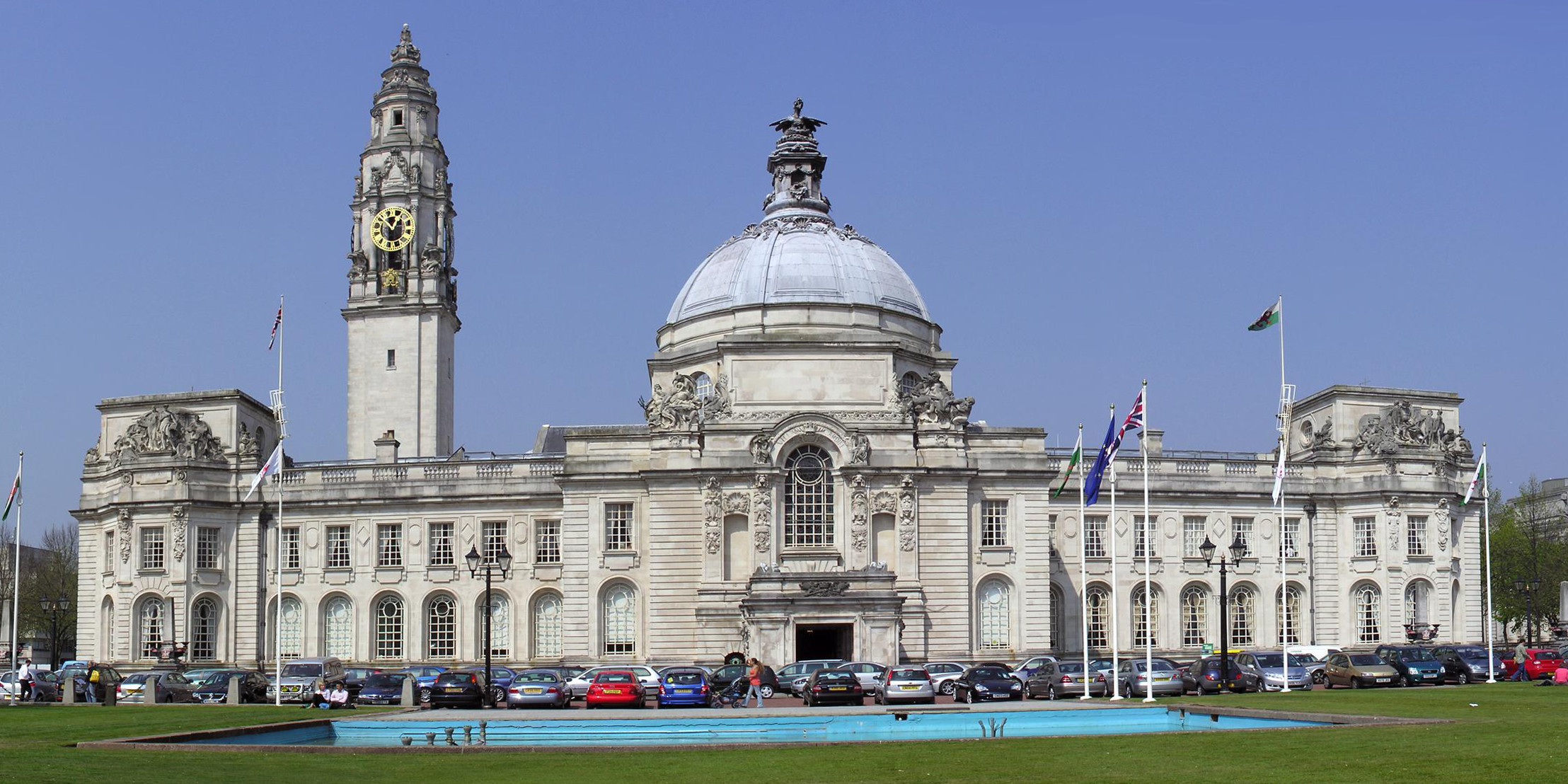
Cardiff feels different from other UK capitals. It is compact, walkable, and startlingly green. The centrepiece is Cardiff Castle, a Roman fort with a Norman keep, but its defining feature is the Victorian Gothic mansion built within the walls by the Marquess of Bute.
It is an architectural fantasy-a testament to the unimaginable wealth generated by the coal trade.
Just a short train ride or water taxi south lies Cardiff Bay. Once the chaotic Tiger Bay, it is now a polished waterfront of bars and the Welsh Millennium Centre.
While the Bay is beautiful, I find the real character of the city in the Victorian Arcades. These glass-roofed shopping lanes, like the Morgan or Royal Arcade, have survived modernisation and host independent record stores and delis that you won't find on the high street.
Newport: Industrial Icons
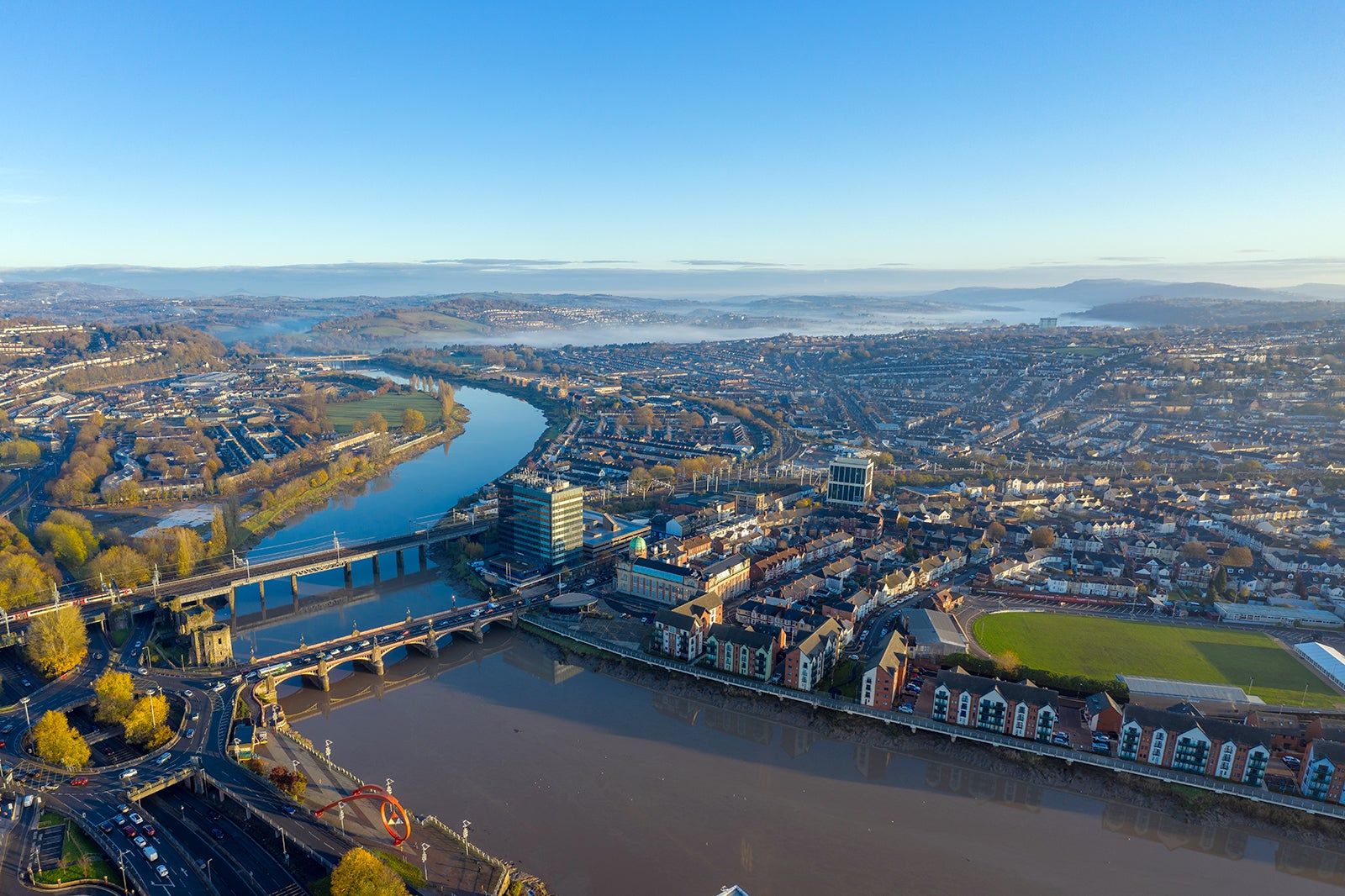
Newport, Cardiff’s neighbour to the east, is often bypassed, but it holds two sites of global significance.
The first is Roman Caerleon Isca Augusta, one of the three permanent legionary fortresses in Roman Britain, featuring the most complete amphitheatre in the country.
The second is the Newport Transporter Bridge. One of only a few remaining in the world, it doesn't just cross the River Usk; it carries vehicles in a gondola suspended from a high rail.
It is a masterpiece of Edwardian engineering. Riding across it feels less like a commute and more like suspended flight.
The Vale Of Glamorgan
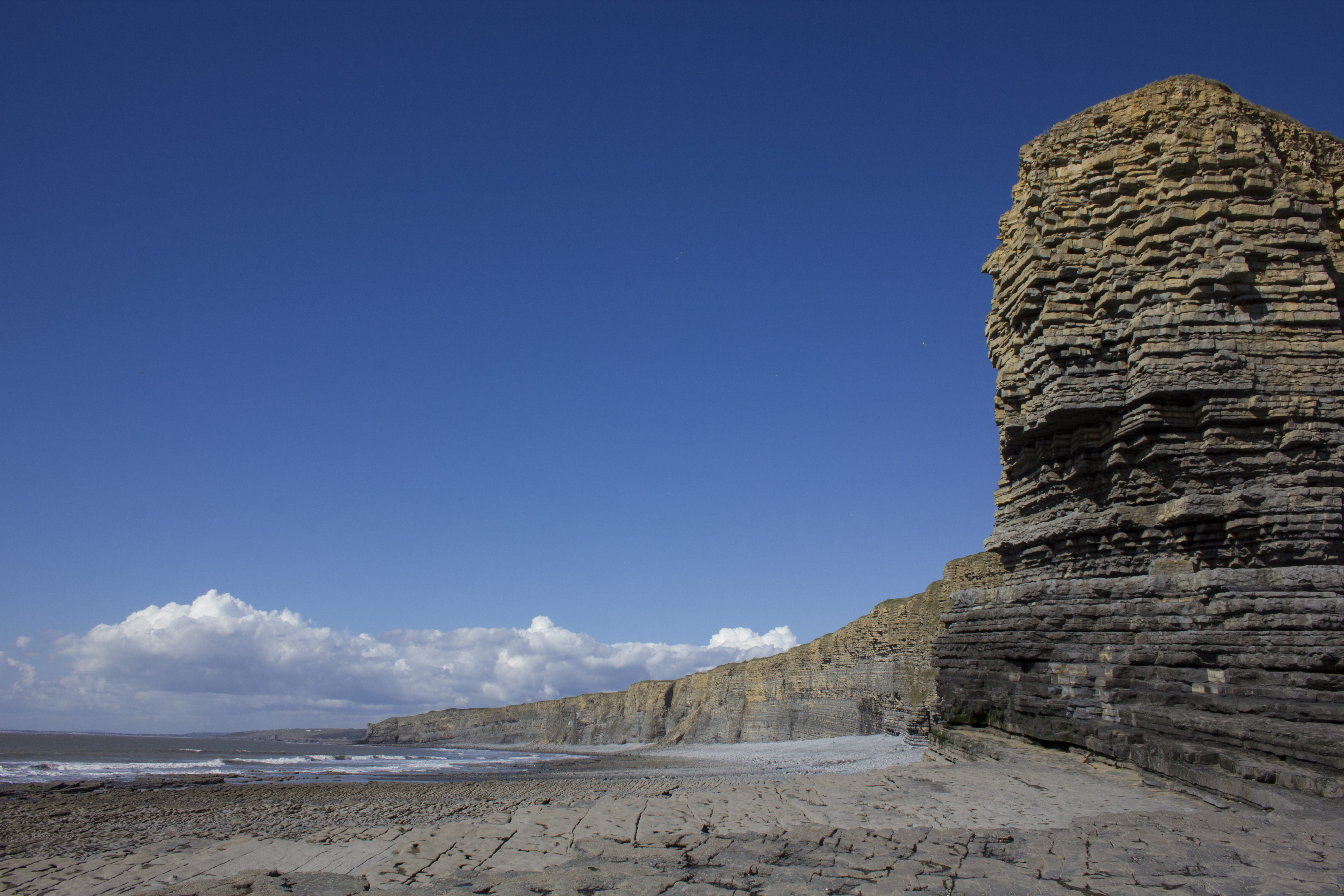
West of Cardiff, the industry fades into the Vale of Glamorgan. This is the garden of the coast. The Heritage Coast stretch near Llantwit Major offers cliffs that rival the Jurassic Coast, layered with Liassic limestone. It’s a perfect antidote if the city noise gets too much.
Castell Coch The Fairytale Folly
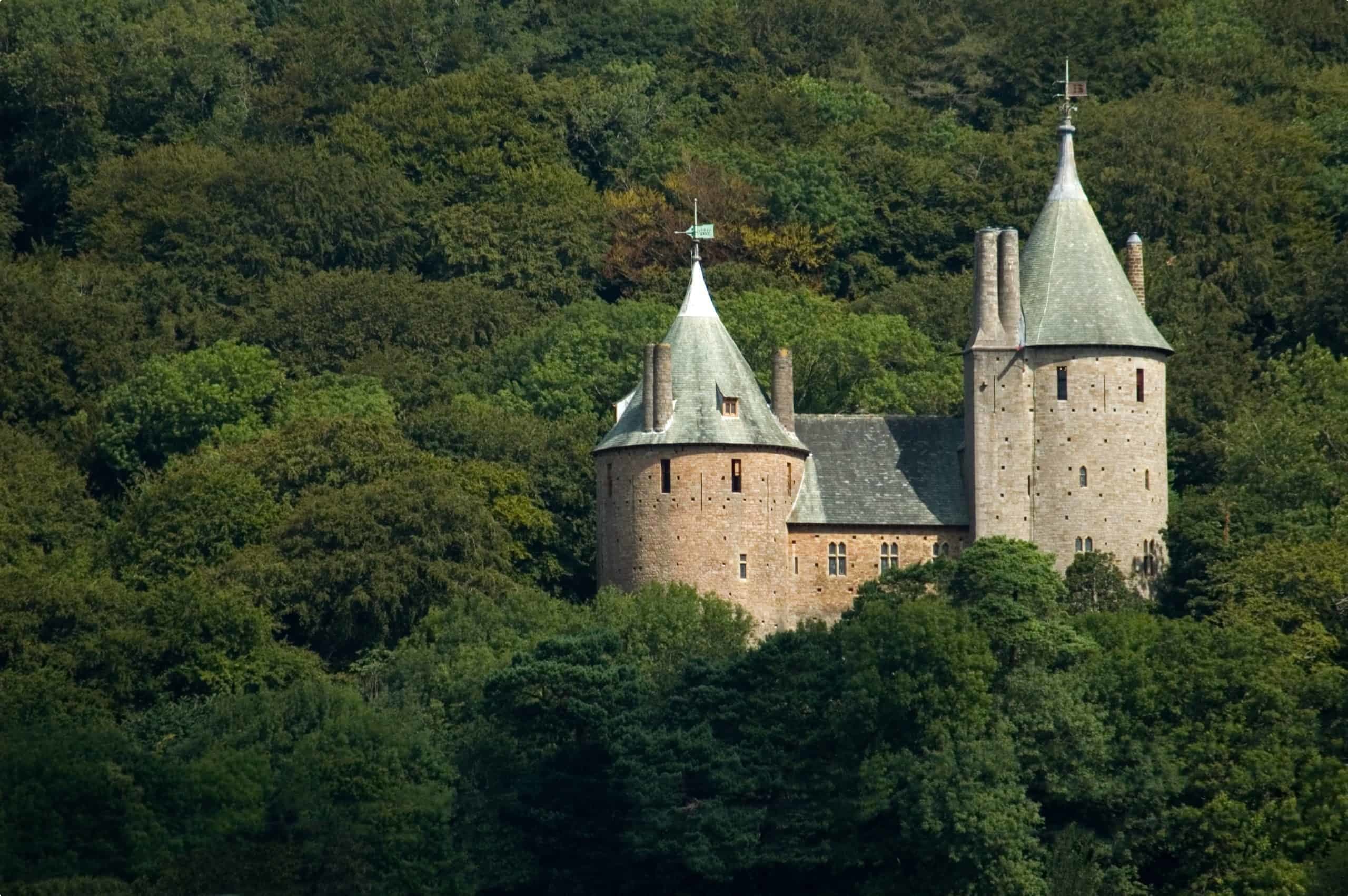
Perched on a wooded hillside north of Cardiff, Castell Coch, The Red Castle, looks like it belongs in the Bavarian Alps rather than the Welsh valleys.
It is often dismissed as a fake castle, but that misses the point. Built in the late 19th century for the Marquess of Bute, it was designed to be the ultimate Victorian romantic fantasy. The interiors are a riot of murals and gold leaf.
Unlike the defensive grit of genuine fortresses, this was a summer retreat built on unlimited coal wealth-a place for pleasure, not war.
Tredegar House: The Darker Side Of Wealth
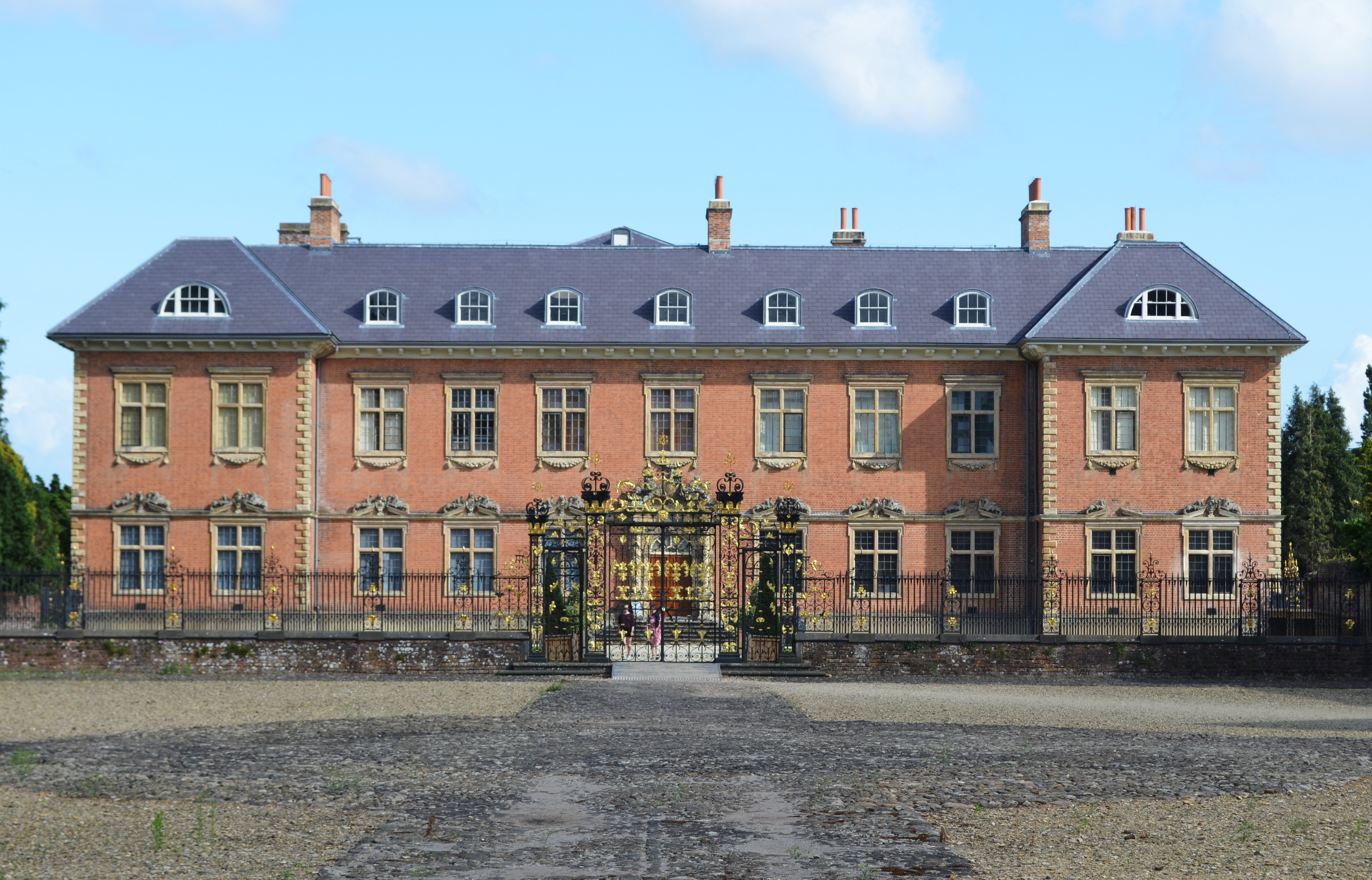
Newport’s Tredegar House offers a stark contrast to the industrial narrative. This 17th-century Restoration mansion was the ancestral seat of the Morgan family, who owned vast swathes of the coal-rich valleys.
The house is often compared to a Downton Abbey experience, but its history is far more eccentric, ranging from the infamous Captain Morgan of pirate fame to the occult parties of the 1930s. Walking through the gilded state rooms and the stark servants' quarters gives you a complete cross-section of the class system that defined South Wales.
St Fagans National Museum Of History
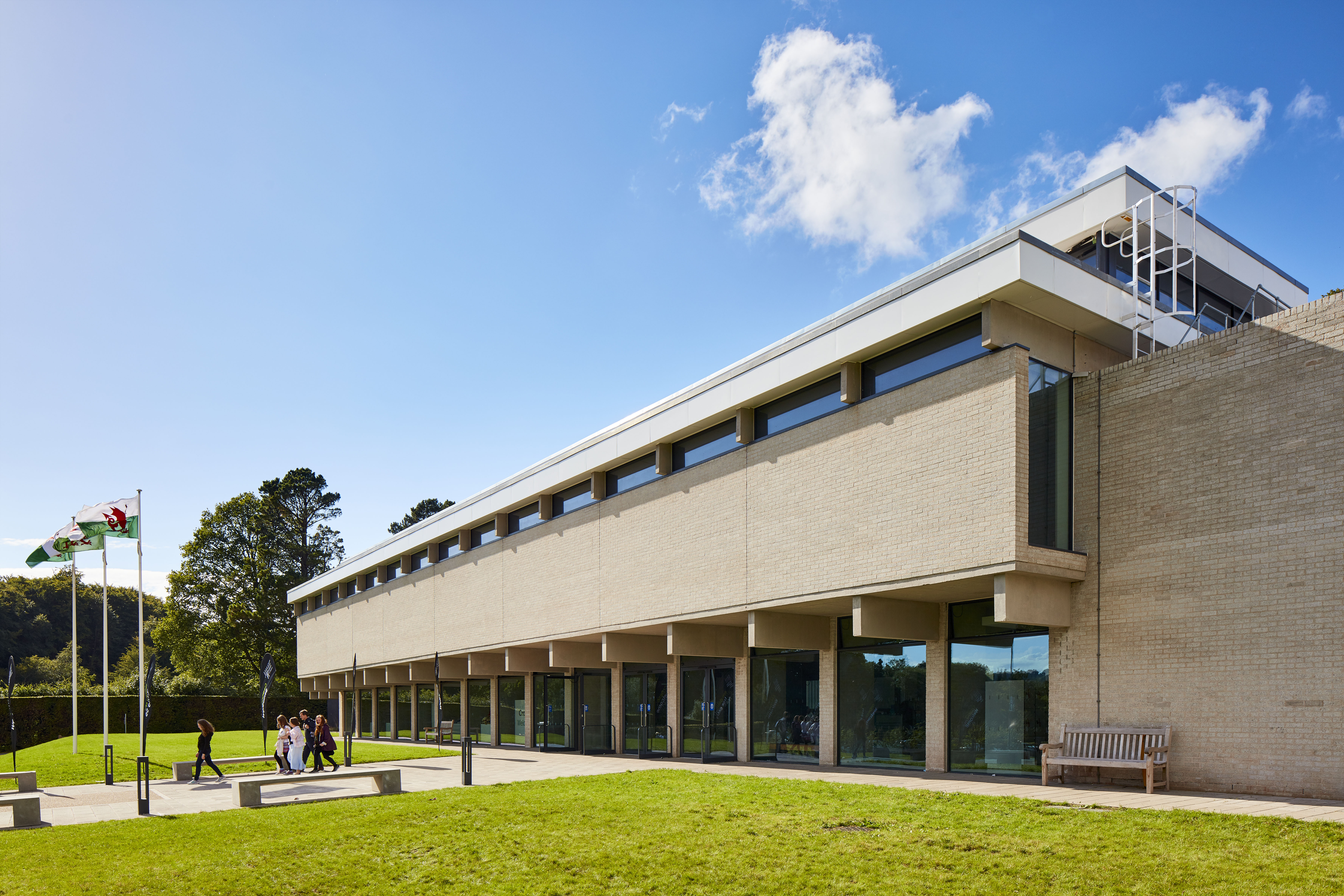
If you visit only one museum in Wales, make it this one. Located just outside Cardiff, St Fagans is widely considered the most important heritage site in the country because it focuses on the people, not the princes.
It is an open-air archive where over 40 original buildings-from Celtic roundhouses to Victorian schoolrooms-have been moved stone-by-stone from across Wales.
You can walk into a row of ironworkers' cottages from Merthyr Tydfil or sit in a Workmen’s Institute paid for by the pennies of miners. It is the missing puzzle piece that explains how the people of this region actually lived.
Zone 2: The Valley's Heart Of The Industrial Revolution
Heading north from Cardiff, the roads narrow and the hills close in. You are entering The Valleys. For a long time, this area was ignored by tourism boards, but I argue it is the most culturally significant part of Wales.
Why The Valleys Matter
This isn't standard pretty countryside; it is a landscape forged by human hand. The flat tops of the mountains are often natural, but the slopes are shaped by colliery spoil tips that nature is slowly reclaiming.
The towns here-Pontypridd, Tonypandy, Treorchy-are linear, built along the river banks. The people here are known for a warmth and community spirit that is distinct from the more transient cities.
Blaenavon World Heritage Site
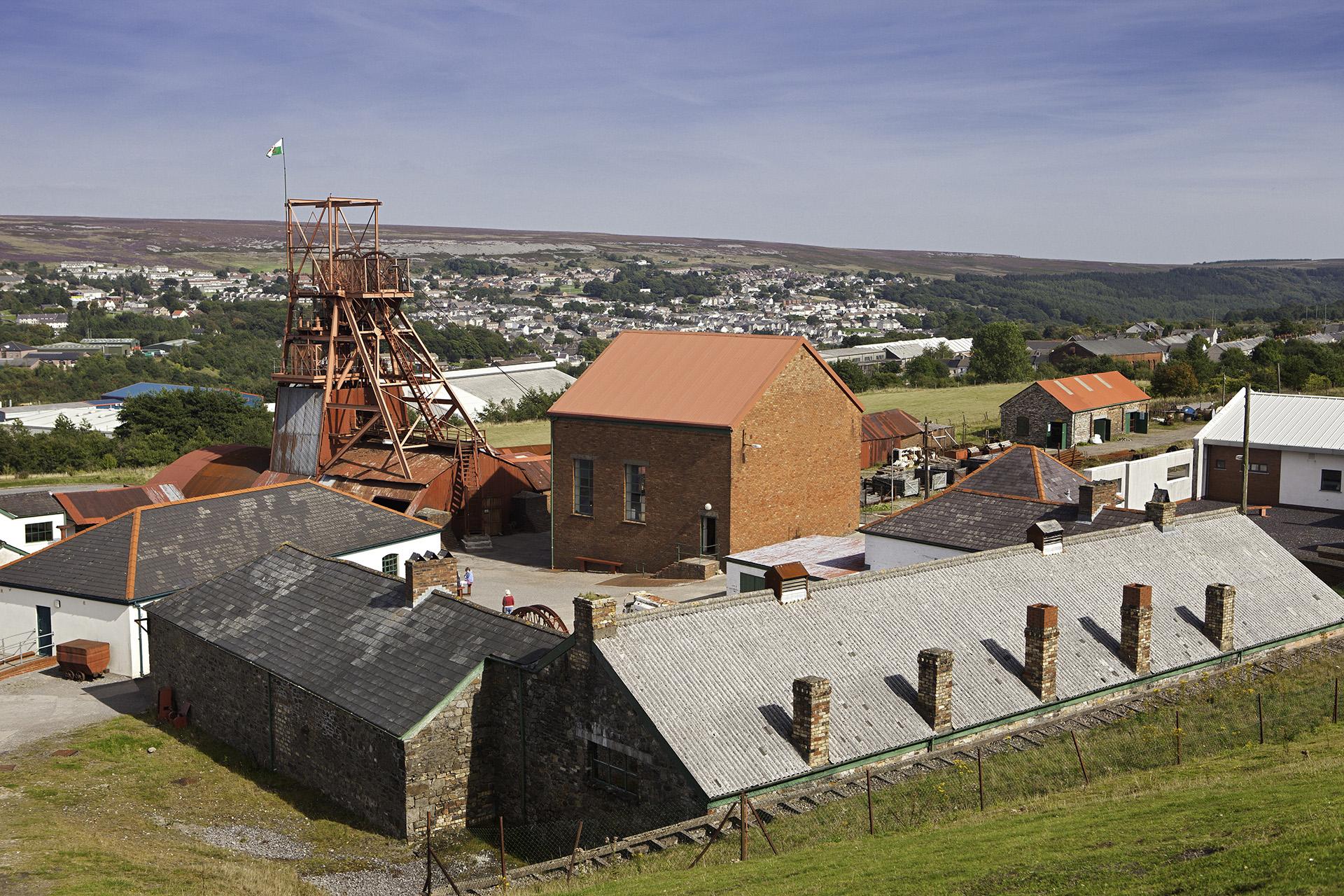
If you visit only one site in the Valleys, make it Blaenavon. Recognising its pivotal role in the Industrial Revolution, UNESCO granted it World Heritage status. The jewel here is the Big Pit National Coal Museum.
Unlike sanitised museums, this is a real colliery. You don a helmet and a cap lamp, dropping 300 feet underground in the cage.
The guides are often former miners. When they turn off the lights to show you true darkness, you understand the price paid for the coal that built Cardiff. It is a sobering, essential experience.
Merthyr Tydfil & The Iron Capital
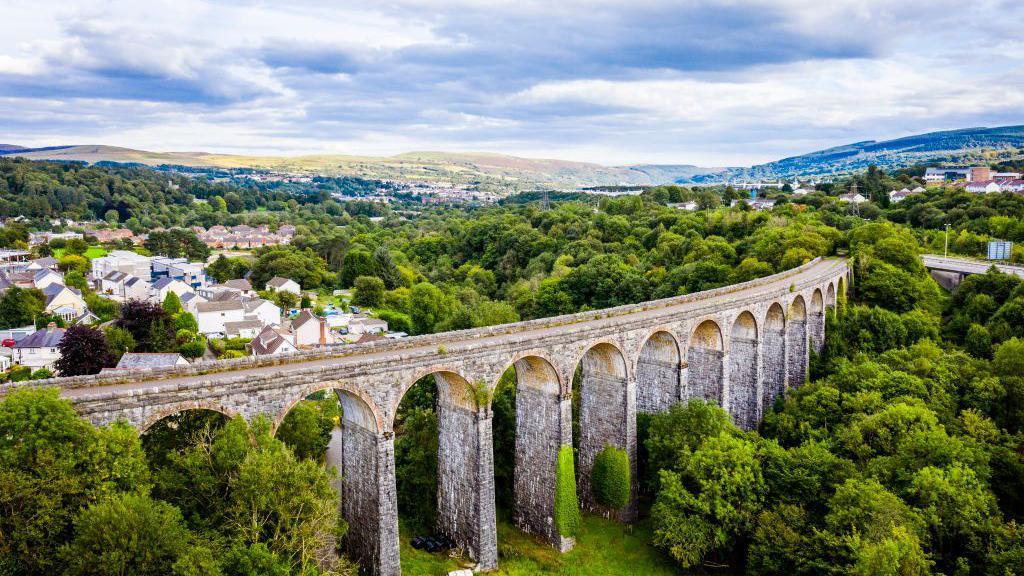
Further west lies Merthyr Tydfil. In the 19th century, this was the iron capital of the world. Cyfarthfa Castleoverlooks the town, not a fortress for war, but a mansion built for the Ironmaster William Crawshay II.
He built it specifically to look down over his ironworks, watching his wealth being made by day and night. The view from the park today is greener, but the scale of the history is palpable.
Caerphilly Castle
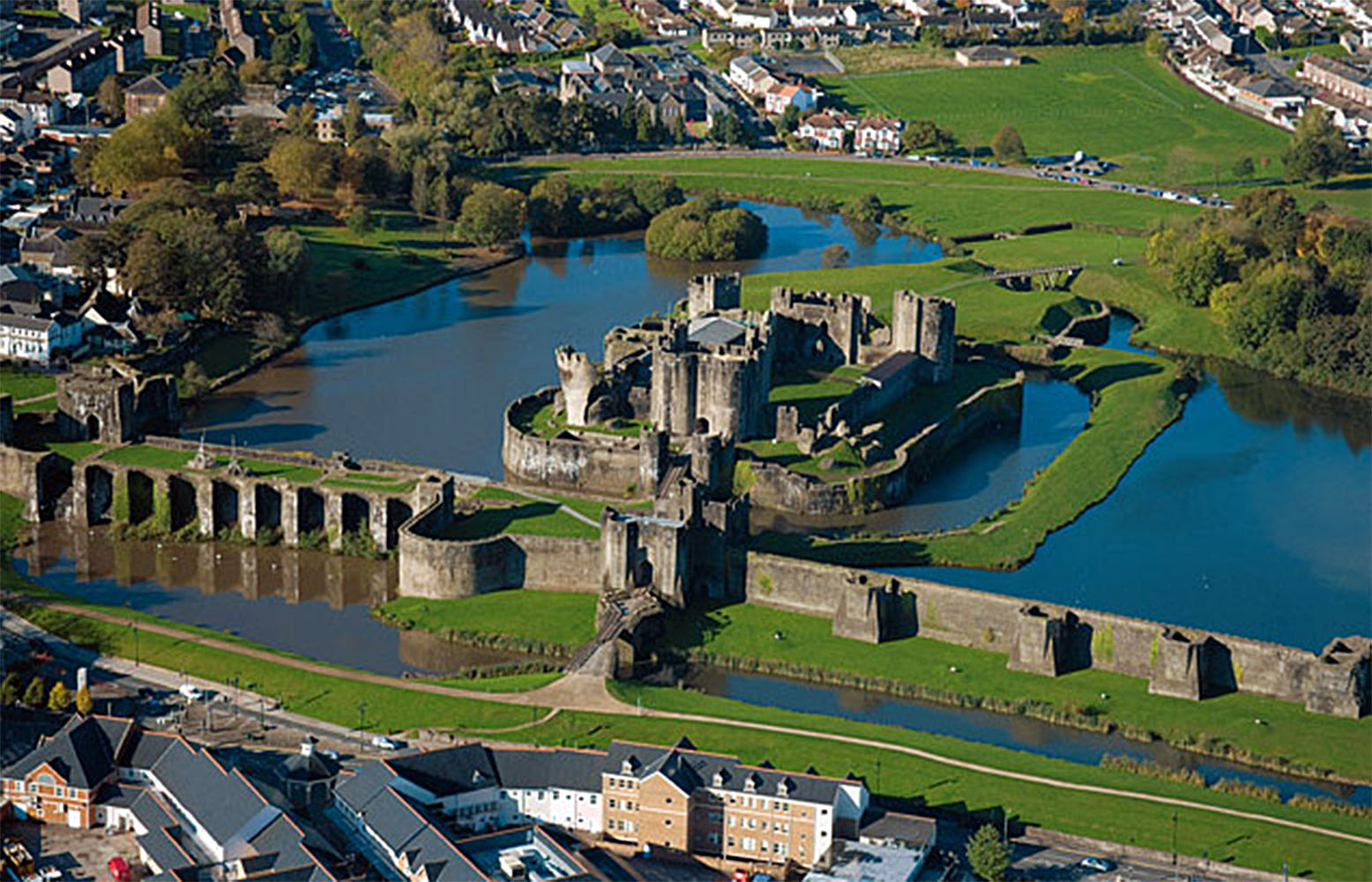
Technically, at the gateway to the valleys, Caerphilly Castle is the largest castle in Wales. It is a concentric fortress surrounded by extensive artificial lakes.
While Edward I’s castles in North Wales get the fame, Caerphilly is a brute of a fortification that successfully utilised water defences on a massive scale.
Waterfall Country Nature’s Industrial Engine
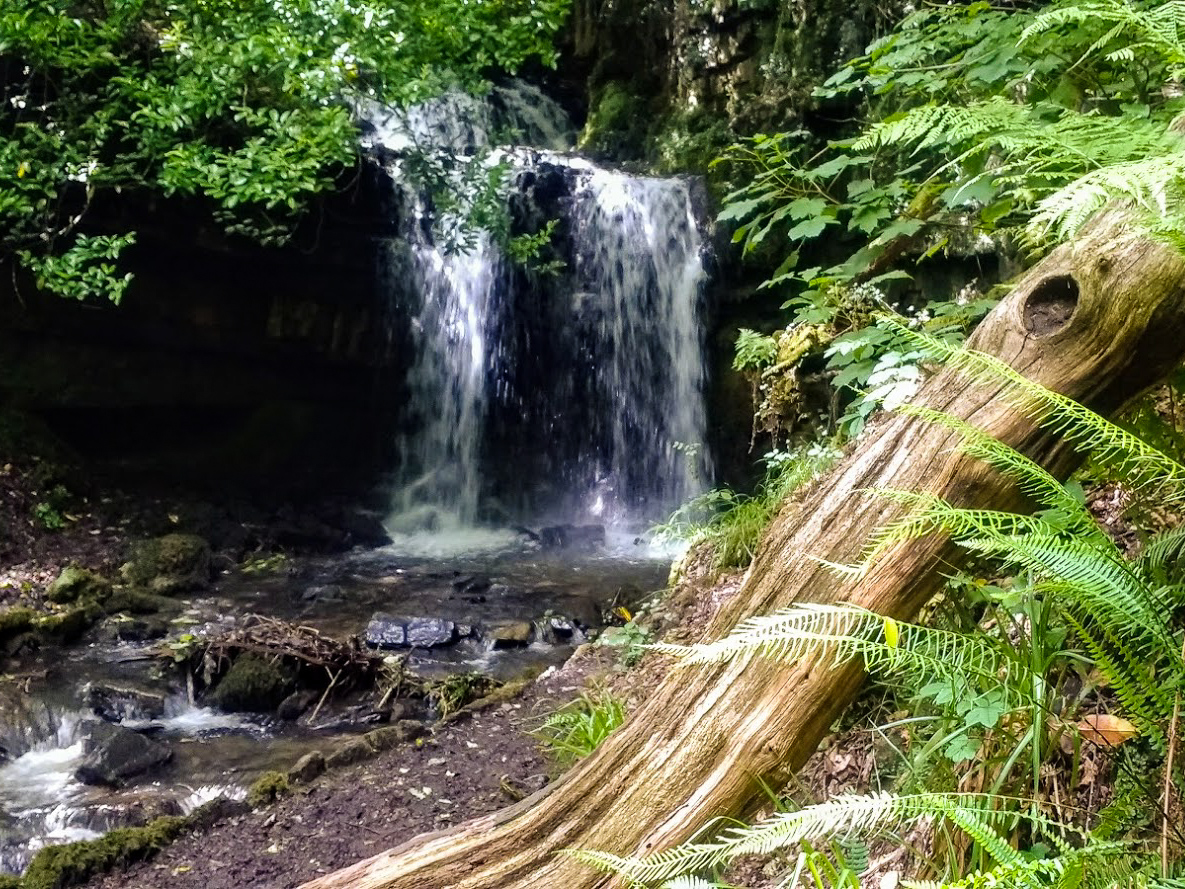
On the north-western edge of the region, near the village of Pontneddfechan, the geology shifts dramatically. Known as Waterfall Country, this area boasts the highest concentration of cascades in Wales.
The most famous is Sgwd yr Eira Waterfall of the Snow, where a hard band of sandstone sits atop softer shale, allowing you to actually walk on a path behind the thundering curtain of water.
It feels prehistoric, yet this water power was once the catalyst for the early industrial works that dotted these river banks.
Zone 3: The Rural Borderlands Monmouthshire & The Wye
Move east, and the soot of history is replaced by the green of agriculture. Monmouthshire serves as the buffer between the gritty Valleys and the English border.
The Wye Valley AONB
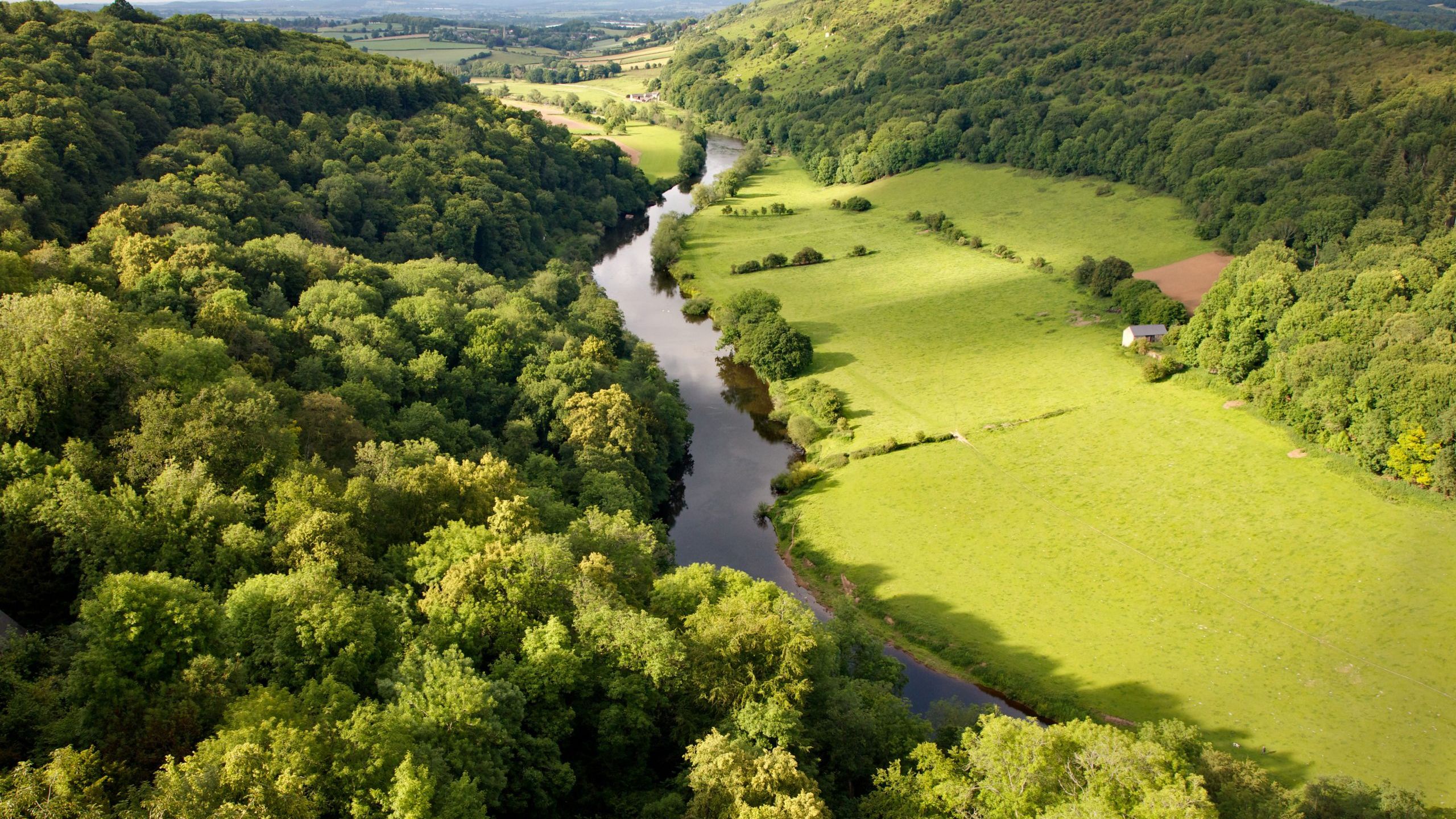
The River Wye forms a natural border, winding through limestone gorges that sparked the Picturesque tourism movement in the 18th century.
Tintern Abbey is the icon here. The Cistercian ruin, roofless and open to the sky, has inspired everyone from Wordsworth to Turner. Visiting in the early morning, when the mist is still rising off the river, offers a silence that feels almost religious.
Downstream lies Chepstow Castle, perched on a cliff above the Wye. It boasts the oldest castle doors in Europe, wood that has survived since the 1100s.
Abergavenny & The Food Scene
Abergavenny acts as the northern gateway. It has reinvented itself as the food capital of Wales, hosting a massive Food Festival every September.
The town sits in a bowl surrounded by three peaks: the Blorenge, the Skirrid, and the Sugar Loaf. It feels more like a market town in the Alps than South Wales.
It is the perfect jumping-off point for the Bannau Brycheiniog Brecon Beacons National Park, which rises immediately to the north.
Takeaway:This zone is for slowing down. It’s about driving back roads, buying local cheese, and walking river banks.
Coastal South East Wales: Four Landmarks That Explain The Capital’s Rise
Cardiff’s coastline isn’t just where the region looks its most modern-it’s where the long arc of South East Wales becomes visible.
The money made up-valley didn’t stay in the hills; it flowed south, hardened into civic buildings and commercial streets, and eventually reshaped the waterfront itself.
The Senedd & Cardiff Bay, Where Coal History Turns Into Modern Wales
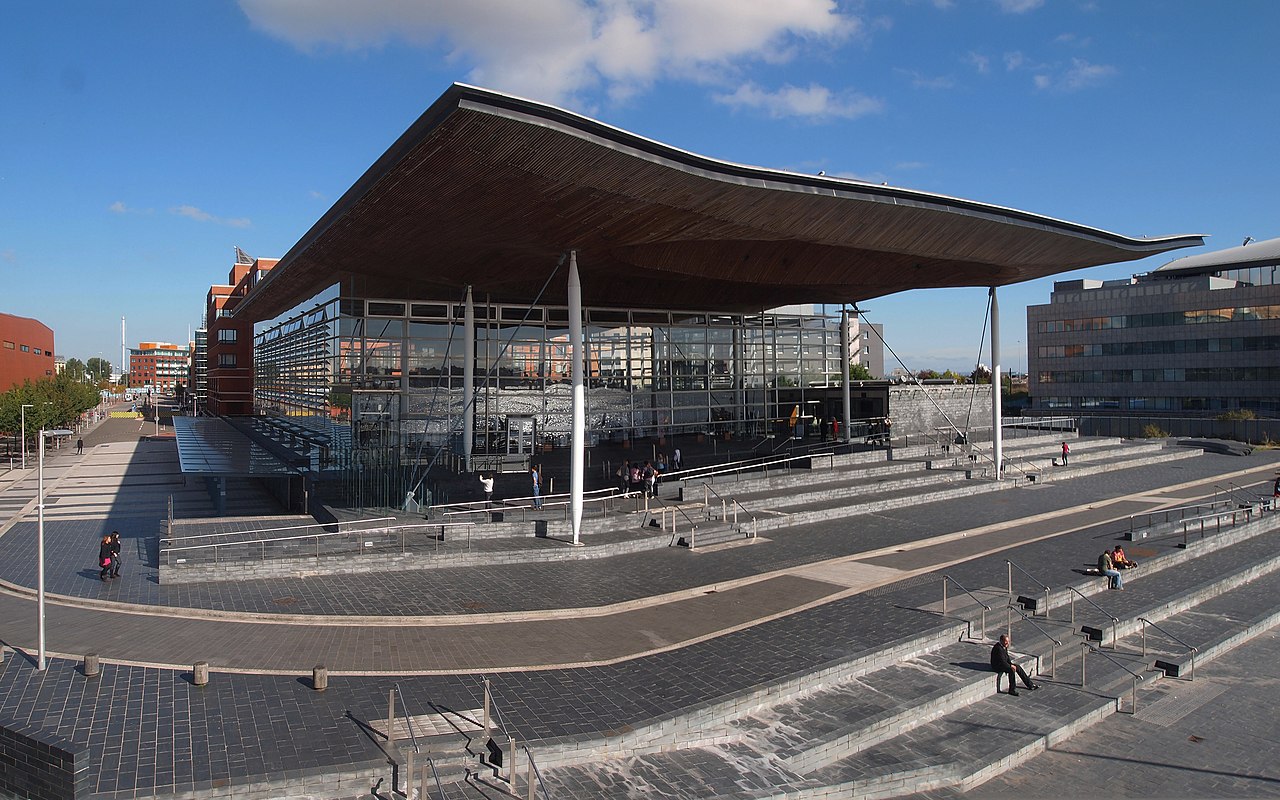
Cardiff Bay is the neatest before and after in the region. What looks like an easy waterfront stroll now sits on top of a much tougher story: docklands communities, global trade, and a long period of decline before regeneration reshaped the area.
The important thing is to treat the Bay as more than a pretty evening walk-it’s where the industrial wealth of the Valleys was translated into shipping, politics, and eventually national identity.
The Senedd building makes that transition tangible. Its glass-and-wood design was deliberately created to feel open and public-facing, and it was officially opened on St David’s Day 2006, so it’s not just a modern building, it’s a marker of devolution-era Wales.
If you’re trying to connect the region’s past to its present, start here: the water behind you, the city’s power centres around you, and the Valleys’ shadow just beyond the skyline.
Cardiff Castle Is A Medieval Shell With A Victorian Imagination Inside
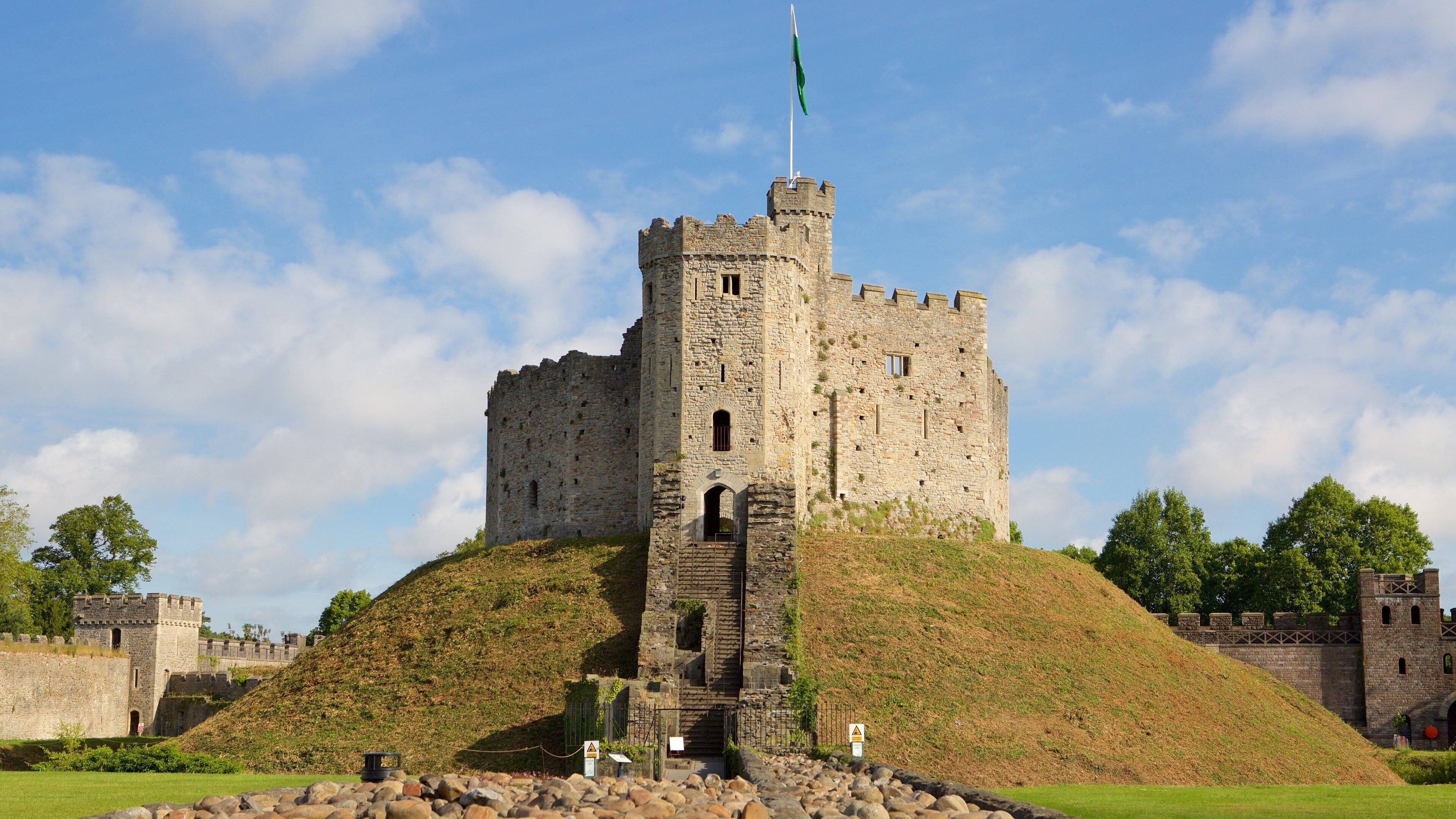
From the outside, Cardiff Castle reads like a familiar European story: Roman foundations, Norman fortifications, a keep that looks ready for siege.
The twist is what happened in the 19th century, when the Bute family turned it into a lavish Victorian residence-less defensive fortress and a statement of wealth and taste.
The interiors, designed with architect William Burges, are the real reveal: theatrical rooms, intense colour, and craftsmanship meant to overwhelm you in the best possible way.
For a visitor, this matters because it reframes Cardiff. The castle isn’t only a medieval relic; it’s a symbol of how industrial-era money reshaped the city’s identity.
If your trip is about understanding why Cardiff feels different from other UK capitals, this is where you see the story expressed in stone, decoration, and scale.
The City Of Arcades, Morgan Quarter, Royal Arcade, And The Indoor Street Life
Cardiff’s arcades are one of the city’s most underrated superpowers: a network of Victorian and Edwardian covered passageways that keep the centre walkable even when the weather changes its mind.
City of Arcades isn’t just branding-Cardiff is widely described as having more Victorian/Edwardian arcades than any other UK city, and the experience is part architecture, part urban rhythm.
To keep it simple, anchor yourself around the Morgan Quarter: the Morgan Arcade and Royal Arcade are two of the best-known, and they still work as living commercial spaces rather than museum pieces.
The payoff is human-scale detail-glass roofs, ornate shopfronts, and independent pockets that reward slow wandering. If you want a street-level Cardiff that isn’t dominated by big-ticket sights, the arcades are where the city’s character stays intimate.
The Glamorgan Heritage Coast Is The Fastest Escape From The City’s Tempo
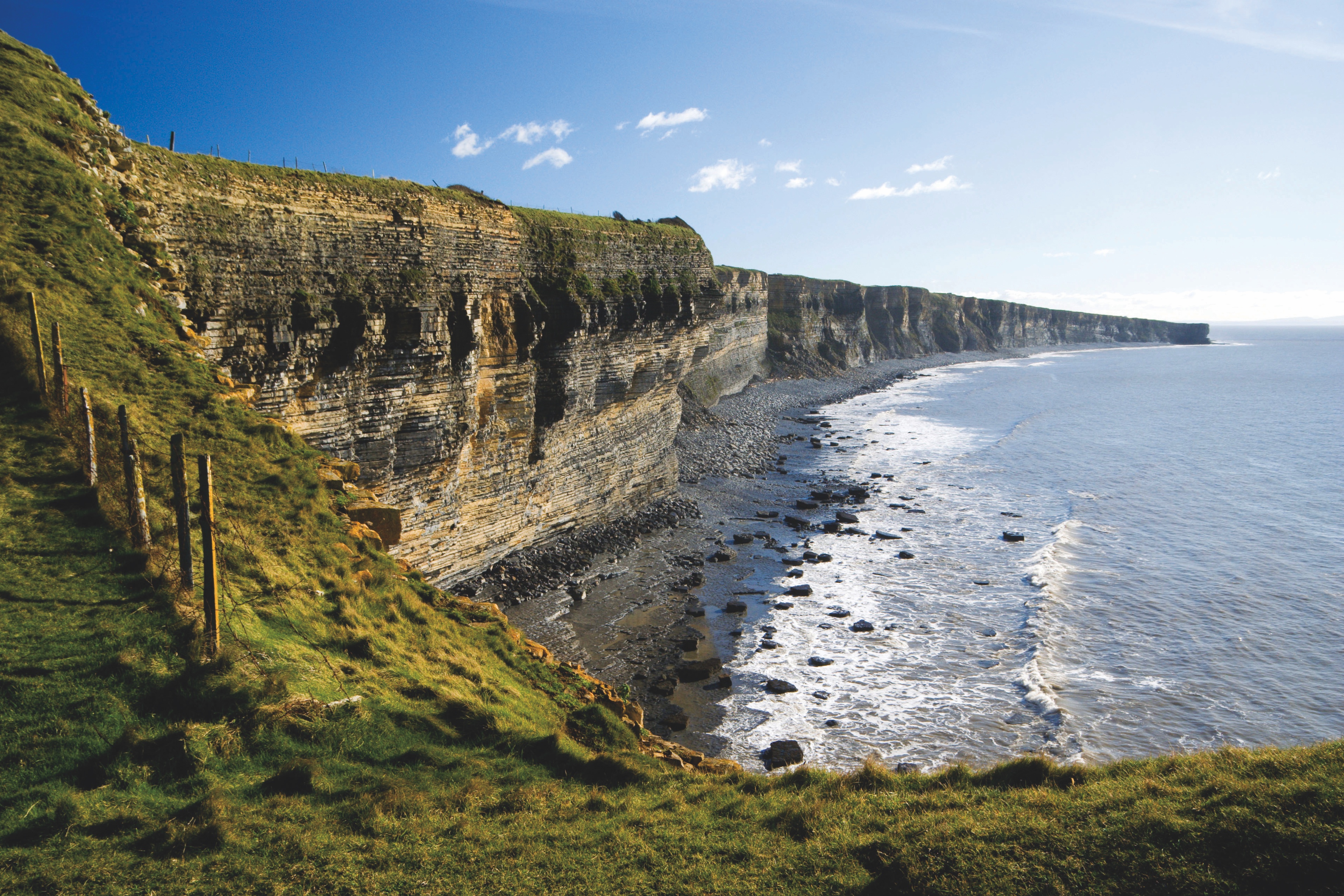
West of Cardiff, the region exhales. The Glamorgan Heritage Coastis where South East Wales swaps stone for sky: cliff paths, sea views across the Bristol Channel, and sections of the Wales Coast Path that feel surprisingly wild given how close you still are to the capital.
One of the most satisfying stretches runs around Llantwit Major toward Nash Point, with fossil-rich beaches and headlands that make a half-day outing feel like a proper change of scene.
This coast works especially well as a pressure-release valve in an itinerary. After a dense day of museums, shopping streets, or stadium energy, the cliffs reset your sense of space.
It also complements the region’s core story: the money and movement flowed south, but the landscape still has the final word, wind, rock, tide, and time doing what they’ve always done.
Valleys & Borderlands: Four Places Where The Region’s Story Becomes Physical
Beyond the city limits, the narrative of South East Wales is written directly into the landscape, from the coal-scarred hills of the Valleys to the quiet, strategic ruins of the Borderlands.
These four sites are not just scenic stops; they are physical proof of the region's transformation, where the brutality of industry and the defence of the realm have softened into places of profound memory and natural beauty.
Visiting them offers a tangible connection to the forces-both geological and human-that shaped this corner of the world.
Blaenavon & Big Pit Industry, You Can’t Understand From A Viewpoint
If you visit one Valleys areas to understand South East Wales, make it Blaenavon. UNESCO’s listing isn’t about a single building; it’s about an entire industrial landscape-mines, ironworks, transport routes, workers’ housing, and the social infrastructure that made the industrial revolution function day after day.
It’s a whole system preserved in place, which is why it hits harder than a standalone museum label.
Big Pit is the anchor experience for many visitors because it was a real coal mine and still runs underground tours led by guides with mining knowledge, often framed explicitly as miner guides.
You don’t need melodrama here: the descent, the tight geometry of tunnels, and the controlled darkness do the explaining. It’s one of the clearest ways to connect the coastal wealth to the up-valley labour without turning the past into an abstract concept.
Tintern Abbey, A Roofless Monument That Teaches You To Slow Down
Tintern Abbey sits on the banks of the River Wye like a deliberate change of pace. Cadw notes its founding by Cistercian monks in 1131, and the roofless splendour phrasing is accurate: the open sky becomes part of the architecture, and the atmosphere shifts with weather and light in a way few sites manage.
This is the borderlands at their most quietly powerful. You don’t come for spectacle; you come for proportion, silence, and the feeling that history here is more layered than loud.
Pair it with a gentle river walk or a viewpoint stop rather than trying to cram it into a rapid-fire castle day. Tintern rewards the visitor who leaves space for it.
Chepstow Castle Marcher History, Plus The Doors That Prove It
Chepstow Castle is one of those places where the location does half the storytelling: set above cliffs on the River Wye, it feels like a hinge between Wales and England.
It’s often described as the oldest surviving post-Roman stone fortification in Britain, with construction beginning soon after the Norman Conquest, so it’s a direct link to the Marches’ earliest stone power structures.
The detail that makes it memorable is inside: Cadw explains that dendrochronology tree-ring dating shows the castle’s famous doors were made no later than the 1190s, often cited as the oldest castle doors in Europe.
It’s the kind of specific, verifiable artefact that snaps the medieval world into focus. You’re not looking at a generic old door; you’re looking at timber that has outlasted entire political eras.
Cultural Heritage: Rugby, Choirs, And Identity
The culture of South East Wales is exported globally, often through the lens of the London Welsh, the diaspora who moved to England for work but kept the fire of hiraeth, longing for home, burning.
The Principality Stadium Experience
Rugby is not just a sport here; it is a social glue that binds the community together. The Principality Stadium, formerly Millennium Stadium in Cardiff, is unique in world sport because it sits right in the city centre, not on an obscure ring road. On match days, the entire city vibrates.
Even if you can't get a ticket for a Six Nations match, taking a stadium tour to see the dressing rooms and the dragon's tunnel is worth it to understand the national psyche.
The London Welsh Connection
You will often find that the fiercest Welsh patriots are those who had to leave. The London Welsh rugby club and the various choirs formed by exiles maintain a strong link to this region.
When you visit the Valleys, you are visiting the source of that identity-the towns that bred the fly-halves and the tenors who defined Welsh culture for a century.
Practicalities That Make Or Break The Trip
This section is about removing friction: how you arrive, how you stay flexible, and how you avoid the common overpacked day mistake.
Getting In London/England Access Via The M4 Corridor; Rail Hubs
South East Wales is one of the easiest parts of Wales to reach from England because the region sits on the M4 corridor and has strong mainline rail links into Cardiff and Newport. Tourism bodies also frame Cardiff as a primary gateway for exploring the wider region.
When planning, treat Cardiff/Newport as your spine, then branch outward into one module at a time.
Weather And Seasonality: How To Keep Plans Flexible
The practical trick is to pair an outdoor module with an indoor backup. If the coast is windy or visibility is poor, switch to a city museum or a heritage site where the experience doesn’t depend on perfect skies.
A flexible plan doesn’t feel like a compromise-it feels like competence.
Accessibility & Pacing: Choosing Fewer, Better Stops
The region’s closeness can tempt you into over-scheduling. Instead, pick fewer anchor stops and protect the spaces between them: lunch without clock-watching, an unplanned viewpoint, or a second hour somewhere that surprised you.
If anyone in your group needs gentler pacing, the city module and selected heritage sites are often easier to shape into a comfortable day.
Responsible Travel Respecting Landscapes, Heritage Sites, And Local Communities
Follow site guidance for heritage places and tread lightly in landscapes that carry both ecological and community value. Where a place is protected or managed by heritage bodies or environmental organisations, assume rules exist for good reasons and check official visitor advice before you go.
Takeaway:The best South East Wales trip is the one that stays adaptable, because the region rewards curiosity more than strict schedules.
Frequently Asked Questions
What Areas Are In South East Wales?
A common official-style definition lists 10 local authorities: Blaenau Gwent, Bridgend, Caerphilly, Cardiff, Merthyr Tydfil, Monmouthshire, Newport, Rhondda Cynon Taf, Torfaen, and Vale of Glamorgan.
Is Cardiff In South East Wales?
Yes. Cardiff sits at the centre of the region and is the most common base for exploring the nearby coast, Valleys, and borderlands.
What Is South East Wales Known For?
It’s known for a high-impact mix: Cardiff’s culture and events, castles and abbeys along the border story, and Valleys industrial heritage, such as the Blaenavon World Heritage landscape.
Where Is South Wales East?
South East Wales usually means the eastern part of South Wales around Cardiff and Newport, stretching into nearby Valleys and the England borderlands.
What Is The County Town In South East Wales?
There isn’t one, because South East Wales is a region, not a county. A county town only makes sense for specific counties or local authorities within the region.
How Does South East Wales Differ From North Wales?
South East Wales is more city-and-Valleys oriented around Cardiff/Newport with dense day-trip options, while North Wales is more mountain/coast-led with wider distances between major hubs.
What Are The 7 Cities In Wales?
Cardiff, Newport, Swansea, Bangor, St Davids, St Asaph, and Wrexham.
What’s A Simple 3-day Itinerary For South East Wales?
Day 1: Cardiff city culture. Day 2: Pick Coast or Valleys as your main module. Day 3: Borderlands Wye Valley/Tintern area or your second non-city module, chosen by weather and energy.
Conclusion
South East Wales is a place of beautiful contradictions. It is where Romans marched, where coal barons feasted, and where poets sought solitude. It doesn't have the simple, singular identity of the Pembrokeshire coast or the grandeur of Snowdonia, but it has something deeper.
By moving between the cities, the valleys, and the borderlands, you aren't just sightseeing. You are tracing the lifeline of a nation that fueled the world. Whether you are underground at Big Pit or watching the sunset over Cardiff Bay, you are standing in a landscape that was made by geology, by industry, and by people.
Jump to
South East Wales: A Journey Through Cities, Valleys, And Borderlands
Region At A Glance: Understanding The Landscape
Choose Your Base: Where To Stay For The Trip You Actually Want
Zone 1: The Cosmopolitan Coast Cardiff & Newport
Zone 2: The Valley's Heart Of The Industrial Revolution
Zone 3: The Rural Borderlands Monmouthshire & The Wye
Coastal South East Wales: Four Landmarks That Explain The Capital’s Rise
Valleys & Borderlands: Four Places Where The Region’s Story Becomes Physical
Cultural Heritage: Rugby, Choirs, And Identity
Practicalities That Make Or Break The Trip
Frequently Asked Questions
Conclusion

James Rowley
Author
James Rowley is a London-based writer and researcher covering London life, cultural geography, and selected public figures across entertainment, sport, business, and public life.
For over 15 years, he has focused on verified sources, first-hand local context, and clear explanations that help readers understand both places and people more deeply. His work combines street-level London knowledge with careful research into career credits, media work, business interests, and, where relevant, transparently explained net worth estimates.
He writes every article published on London Webcam.
Latest Articles
Popular Articles