South London Slang Words | Meanings And Examples
Understand South London Slang Words in plain English, from roadman slang to MLE, with examples, meanings and tips on when not to use them.
Author:James RowleyMay 08, 20264.6K Shares88.4K Views
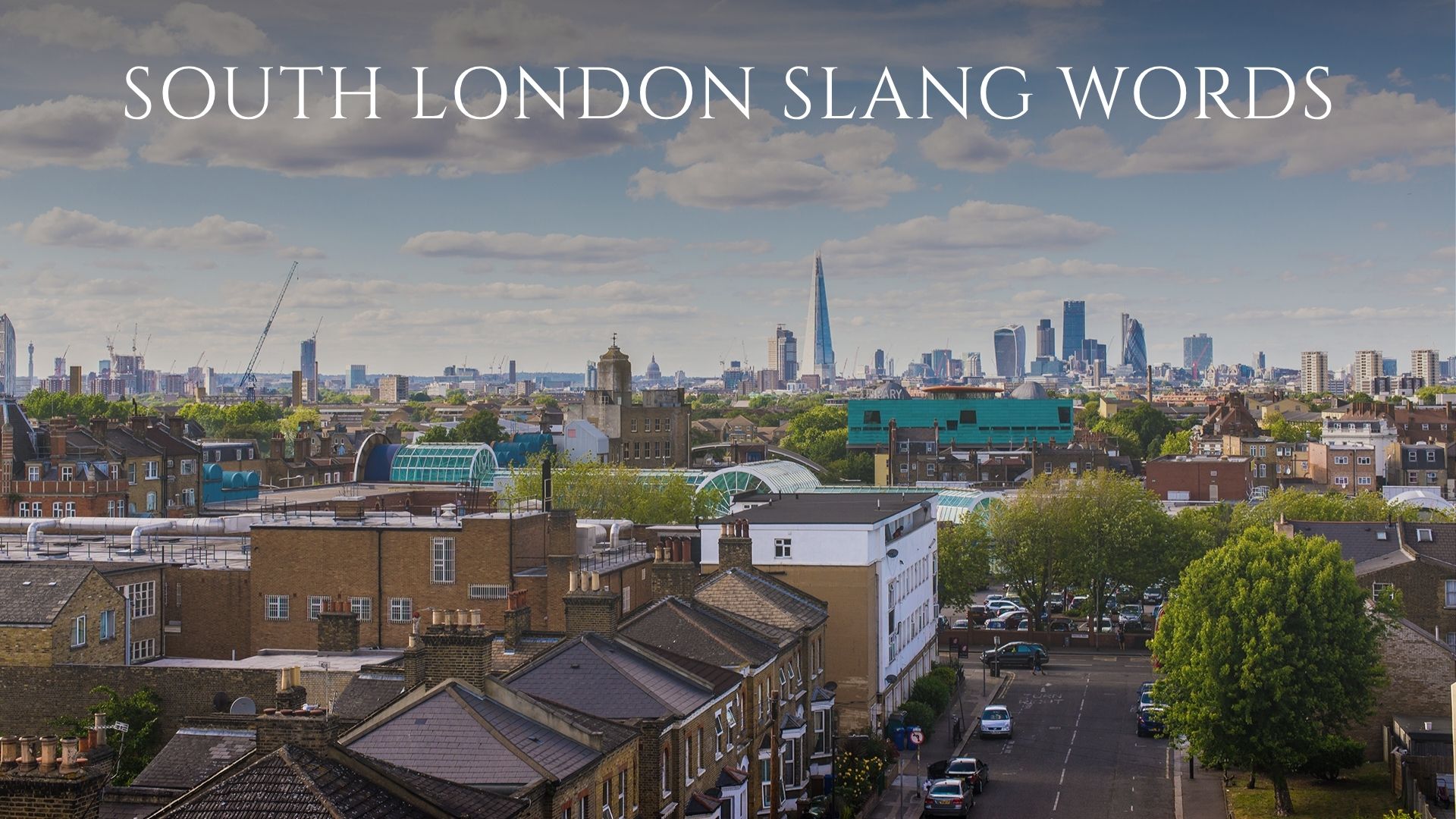
South London Slang Words: Meanings, Examples, And When To Use Them
Someone hears a group outside a station say, Wagwan, fam? Those creps are peng, but that queue is bare long.
This guide explains the most useful South London slang wordsin plain English, with examples, context, and notes on when not to copy them.
The aim is not to help you perform a fake roadman voice. It is to help you understand London lifemore clearly.
Key Takeaways: South London Slang At A Glance
Slang changes quickly, so check current usage in real conversations, music, and social media before treating any term as fixed.
- South London slang is not one fixed dialect. It overlaps with roadman slang, Multicultural London English, Cockney, Caribbean influence, music, and youth culture.
- Common words include peng, bare, mandem, fam, bruv, wagwan, ends, bait, peak, safe, gassed, garms, creps, and innit.
- Context matters. The same word can sound friendly, sarcastic, insulting, dated, or awkward depending on who says it.
- Visitors should focus on understanding slang first, then use harmless words sparingly in casual settings.
- Avoid copying Roadman speech as a persona. It can sound forced, mocking, or bait.
What Counts As South London Slang?
This section gives you the mental map before the dictionary. Once you understand where the words sit, the meanings become easier to remember.
It Is Not One Fixed Dialect
South London slang is a loose label for informal words and phrases you may hear across places like Brixton, Peckham, Lewisham, Croydon, Southwark, Bermondsey, and nearby areas. It is not a single official dialect with one rulebook.
A lot of it overlaps with Multicultural London English, often shortened to MLE. The University of Yorkdescribes MLE as a London English dialect that has emerged since the early 1980s in areas with high levels of immigration, influenced by Cockney but also distinct in sounds and grammar.
Cambridge University Pressalso frames MLE as an urban contact vernacular that has developed in London in recent years.
Think of South London slang as a living mix: local identity, youth speech, music, migration, friendship groups, school language, online culture, and street-level humour.
South London Slang Vs Roadman Slang
Roadman slang overlaps with South London slang, but it is not the whole picture. Roadman usually refers to a style of urban youth speech, fashion, and attitude associated with the street, although the term is often used loosely online.
A student might search for how to say hi like a roadman and learn wagwan or safe.
That answers the surface question, but it misses the social one: not everyone from South London talks like that, and not every word belongs in every mouth or every setting.
Use the roadman label carefully. It can help people find the vocabulary, but it can also flatten real London speech into a costume.
South London Slang Vs Cockney Rhyming Slang
Cockney rhyming slang is older and historically tied to East London. The London Museum notesthat Cockney identity took centuries to form and that rhyming slang arrived in the 19th century.
Examples include apples and pears for stairs, a dog and a bone for phone, and porky pie for lie.
These are part of London’s wider language history, but they are not the main engine of modern South London youth slang.
The Takeaway: Cockney matters, but modern South London slang is more strongly shaped by MLE, music, multicultural communities, and online circulation.
Quick Dictionary Of Common South London Slang Words
Here is the fast-reference section. Use it to decode words first, then read the context sections before trying to use them yourself.
| Word | Meaning |
| Peng | Attractive, impressive, or very good |
| Bare | A lot, many, or very |
| Mandem | Male friendship group or crew |
| Fam | Friend, close person, family-like address |
| Bruv | Brother, mate, male friend |
| Wagwan | What’s going on? |
| Safe | Hi, bye, thanks, okay, good |
| Ends / endz | Local area or neighbourhood |
| Bait | Obvious, exposed, too noticeable |
| Peak | Bad, awkward, unfortunate, unfair |
| Gassed | Excited, pleased, hyped, sometimes overconfident |
| Garms | Clothes |
| Creps | Trainers or shoes |
| Yute | Young person |
| Gyaldem | Group of girls or women |
| Innit | Isn’t it; also agreement or filler |
| Long | Annoying, too much effort, tedious |
| Buki / Booky | Strange, suspicious, dodgy |
| Wasteman | Fool, loser, unreliable person |
| Allow it | Stop it, leave it, don’t bother |
Harmless Words You Can Understand And Maybe Use
The easiest words for newcomers are usually peng, bare, safe, gassed, garms, creps, long, and allow it. They are informal, but they are less loaded than insults or identity-heavy terms.
For example, that café was peng sounds far less risky than trying to stack five slang words into one sentence. Keep it light and context-led.
Words Better Understood Than Copied
Be more cautious with mandem, gyaldem, wasteman, paigon, sket, and weapon-related slang. Some words carry gendered meanings, insult potential, or associations with conflict.
Understanding a term does not mean you need to use it. Often, the most natural response is simply knowing what someone meant.
South London Slang In Real-Life Context
A dictionary gives you the meaning. Context tells you whether the word sounds friendly, funny, sarcastic, or completely wrong.
Greetings
Wagwan
Pronunciation: WAG-wan
A casual greeting meaning “what’s going on?” or “what’s up?”
Safe
Pronunciation: sayf
Can mean hello, goodbye, thanks, okay, or “all good.”
You Good?
Pronunciation:yoo good
A relaxed way to ask “how are you?” or “are you okay?”
What Are You Saying?
Pronunciation:wot yoo SAY-in
Means “what’s happening?” or “what are your plans?”
Yo
Pronunciation: yoh
A quick, informal hello or attention-getter.
Fam
Pronunciation: fam
A friendly address for a close friend, like “mate” or “bro.”
Bruv
Pronunciation:bruv
Means brother, mate, or male friend.
My G
Pronunciation: my jee
A friendly address meaning “my guy” or trusted friend.
Cuz
Pronunciation: cuz
Short for cousin, often used for a friend or a familiar person.
Oi
Pronunciation: oy
An attention-getting greeting, similar to “hey,” but tone matters.
Compliments And Approval: Peng, Sick, And Gassed
Peng
Pronunciation: peng
Attractive, impressive, excellent, or very good.
Leng
Pronunciation: leng
Very attractive, stylish, or excellent; often stronger than peng.
Sick
Pronunciation: sik
Very good, impressive, or exciting.
Cold
Pronunciation: kohld
Excellent, sharp, skilled, or stylish.
Hard
Pronunciation:haad
Impressive, powerful, stylish, or musically strong.
Gassed
Pronunciation: gast
Excited, proud, hyped, or very pleased.
Certi
Pronunciation:SUR-tee
Genuine, approved, respected, or trustworthy.
Dun Know
Pronunciation: dun noh
An expression of agreement, approval, or “you already know.”
Clean
Pronunciation: kleen
Stylish, fresh, neat, or good-looking.
Wavey
Pronunciation:WAY-vee
Cool, lively, fun, or in a good mood; sometimes linked to partying.
Places And Belonging: Ends, Yard, And Local Identity
Ends / Endz
Pronunciation: endz
Someone’s local area, neighbourhood, or home patch.
Yard
Pronunciation:yaad
Home or house; also influenced by Caribbean English.
Bits
Pronunciation: bits
A local area, neighbourhood, or place someone is from.
Block
Pronunciation:blok
A local estate, street, or immediate area.
Road
Pronunciation:rohd
The street, local area, or public social space.
South Of The River
Pronunciation: South of the River
South London or the south side of the city, depending on context.
Manor
Pronunciation: MAN-uh
Someone’s local territory, area, or familiar neighbourhood.
Gaff
Pronunciation: gaf
A house, flat, or place where someone lives.
Spot
Pronunciation:spot
A regular place to meet, eat, chill, or hang around.
Local
Pronunciation: LOH-kul
Someone’s nearby shop, pub, chicken shop, or regular neighbourhood place.
Mild Insults And Warnings: Bait, Peak, Long, And Wasteman
Bait
Pronunciation:bayt
Obvious, exposed, or too noticeable.
Peak
Pronunciation:peek
Bad, awkward, unfair, unfortunate, or embarrassing.
Long
Pronunciation:long
Annoying, tedious, or too much effort.
Wasteman
Pronunciation: WASTE-man
An unreliable, foolish, or badly behaved person.
Neek
Pronunciation:neek
Someone is seen as nerdy, awkward, or socially uncool.
Wet
Pronunciation:wet
Soft, boring, weak, or uncool.
Moist
Pronunciation:moyst
Similar to wet, uncool, soft, or embarrassing.
Booky / Buki
Pronunciation: BOOK-ee
Strange, suspicious, dodgy, or unsettling.
Paigon
Pronunciation: PAY-gon
A fake friend, enemy, or someone not to trust.
Allow It
Pronunciation:uh-LOW it
Stop it, leave it, drop the issue, or don’t bother.
Where South London Slang Comes From

The value here is understanding the roots, not memorising a fantasy origin story for every word. London speech has always moved with people, music, class, migration, and neighbourhood change.
Multicultural London English In Plain English
MLE is not just a list of slang words. It includes pronunciation, grammar, vocabulary, rhythm, and conversational style.
The University of York notes that MLE is sometimes labelled Jamaican in the media, but that term is misleading because MLE has many influences and is not simply fake Jamaican. This matters because lazy labels can turn a real London dialect into a stereotype.
A better way to think about it: MLE reflects the multilingual reality of London, especially among young people in diverse urban areas.
Caribbean, African, South Asian, And Cockney Influences
South London slang carries traces of Caribbean English, Jamaican Patois, African languages and Englishes, South Asian communities, Cockney, and wider British youth speech. It is layered rather than pure.
This is why a word can feel local, musical, funny, serious, and socially specific at the same time.
A phrase may move from a friendship group to a song, then to TikTok, then to a student house in another city.
That journey can change the meaning. It can also make a word sound natural in one mouth and performative in another.
Music, TV, And Social Media
Grime, UK drill, UK rap, Afroswing, TikTok clips, YouTube interviews, and TV drama have carried London slang far beyond London.
The Guardianhas reported on how UK rap and social media helped spread terms connected with MLE, including words such as bait, ting, and certi.
This wider spread explains why someone in Manchester, Birmingham, Glasgow, or overseas may know peng or bare without ever having lived in South London.
The close: South London slang is local in origin but national and online in circulation.
Roadman Slang Sentences: Examples With Translations
This section gives practical examples without encouraging a forced accent or persona. Read the sentence, understand the meaning, and notice the context.
| Slang Sentence | Plain English Meaning |
| Wagwan, fam? | What’s going on, mate? |
| Those creps are peng. | Those trainers look great. |
| That’s bare long. | That is really annoying or too much effort. |
| It was peak. | It was unfortunate, awkward, or bad. |
| He’s gassed about the result. | He is excited about the result. |
| I’m heading back to my end. | I’m going back to my local area. |
| That excuse was bait. | That excuse was obvious and unconvincing. |
| Allow it. | Stop it, leave it, or don’t bother. |
Why Direct Translation Can Be Misleading
Slang rarely translates word-for-word. Safe can mean thanks, hello, goodbye, or all right, depending on the moment.
Tone does a lot of the work. Bruv can be warm between friends, but sharp in a tense exchange. Peak can show sympathy or judgment.
The Takeaway:learn the social meaning, not just the dictionary meaning.
How To Use South London Slang Without Sounding Bait
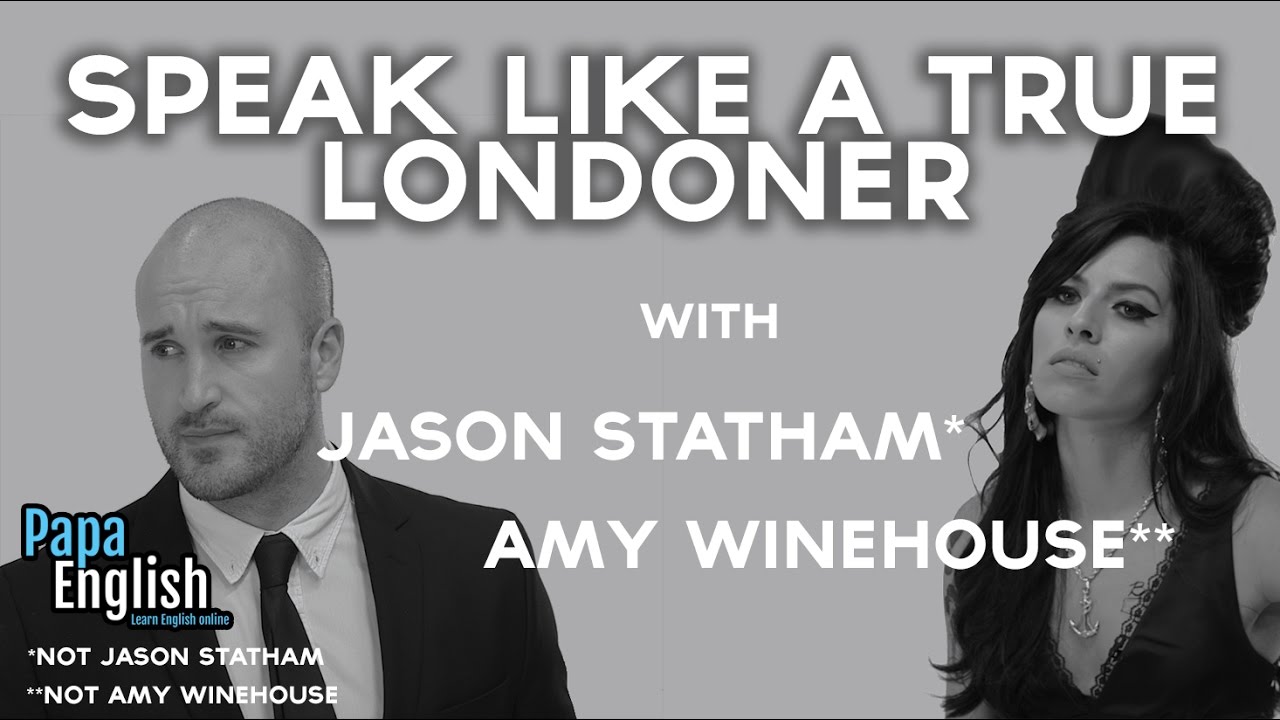
London Accent and London Slang TUTORIAL! With Jason Statham and Amy Winehouse!
This section is for visitors, students, writers, and curious readers who want to avoid sounding awkward. The best rule is simple: understand more than you perform.
Do
- Listen first. Notice who uses the word " and " and in what setting.
- Start with harmless words. Peng, bare, safe, and gassed are easier than insults.
- Match the relationship. Slang that works with friends may not work with strangers.
- Keep it light. One natural word is better than a full sentence of forced slang.
- Ask when unsure. Londoners often enjoy explaining a phrase if the question is respectful.
Don’t
- Do not put on a fake accent. That is usually what makes it sound bait.
- Do not use slang in formal settings. Work emails, academic essays, and official conversations need standard English.
- Do not copy insults casually. Words like wasteman can land harder than you expect.
- Do not treat South London speech as a joke. The humour belongs in the language, not in mocking people.
Local Context Tip
The safest way to learn slang is to understand it before using it. If someone forces wagwan, fam, bare peng, innit into one sentence, the result is not fluent; it is bait.
A good listener sounds more London-literate than a bad imitator.
Funny South London Slang Phrases That Are Still Useful
Some slang feels funny because the meaning shifts away from standard English. This section keeps the humour in the language, not on the people who use it.
Funny Because The Meaning Shifts
- Bare means a lot, not naked. Bare people were waiting means many people were waiting.
- Safe can mean thanks, okay, hello, or goodbye. One word can carry the whole social handover.
- Peak means bad or unfortunate, not the top of a mountain. That’s peak is usually not a compliment.
- Long means annoying or too much effort. A five-minute task can still be long if it feels irritating.
- Creps means trainers, not pancakes. In the London speech, nice creps is about footwear.
Keep The Humour In The Language, Not The People
It is fine to enjoy the surprise of these meanings. It is not fine to turn a dialect into a sketch.
South London slang is playful, but it is also tied to real communities, identity, class, music, migration, and place. Respect keeps the learning useful.
Frequently Asked Questions
What Are Some London Slang Words?
Common London slang words include peng, bare, fam, bruv, wagwan, ends, bait, peak, safe, gassed, garms, creps, and innit. Some are heard across the UK now, especially through music and social media.
What Are 5 Slang Words?
Five useful London slang words are peng, meaning impressive, bare, meaning a lot, safe, meaning okay or thanks, ends, meaning local area, and peak, meaning unfortunate or bad.
How Do You Say Hi Like A Roadman?
Common casual greetings include wagwan, safe, and you good? And what are you saying? Use them lightly; forcing a roadman persona can sound awkward or disrespectful.
What Is Gen Z’s Favourite Slang?
There is no single reliable favourite. Gen Z slang changes quickly by platform, city, music scene, and friendship group. In London contexts, words like peng, bare, peak, and gassed remain recognisable.
What Does Peng Mean In South London Slang?
Peng usually means attractive, impressive, excellent, or very good. It can describe food, clothes, music, places, or people, but context affects whether it sounds complimentary or objectifying.
What Does Bare Mean In London Slang?
Bare means a lot, many, or very. For example, bare people means many people, and bare tired means very tired.
What Does Mandem Mean?
Mandem usually means a male friendship group, crew, or group of boys or men. It is common in London youth speech but can sound forced if copied without context.
Is South London Slang The Same As Roadman Slang?
Not exactly. Roadman slang overlaps with South London slang, but South London speech also includes broader London slang, MLE, local phrases, older influences, and everyday informal English.
Is Cockney Slang Still Used In South London?
Some Cockney phrases are still understood, but modern South London slang is more strongly shaped by MLE, youth culture, music, and multicultural London speech than classic rhyming slang.
Can Tourists Use South London Slang?
Tourists can use harmless words lightly, but understanding slang is more useful than performing it. Avoid insults, fake accents, and exaggerated roadman impressions.
What Does Ends Mean?
Ends means someone’s local area, neighbourhood, or home patch. I’m going back to my end, which means I’m going back to my area.
What Does Peak Mean?
Peak usually means bad, awkward, unfair, or unfortunate. If someone says, That’s peak, they are usually reacting to something negative.
What Does Bait Mean?
Bait means obvious, exposed, or too noticeable. If a lie is bait, people can see through it easily.
What Does Safe Mean?
Safe can mean hello, goodbye, thanks, okay, good, or agreed. The meaning depends heavily on tone and situation.
What Is Multicultural London English?
Multicultural London English is a modern London dialect shaped by Cockney, migration, multilingual communities, youth culture, and changing urban speech patterns. It is more than slang.
Final Word
South London slang is lively because South London is lively. The words carry humour, attitude, friendship, place, music, and social judgment in a compact form.
The main lesson is not to memorise a list and start performing it. It is to understand what people mean, why tone matters, and where the words come from.
When you hear safe, peng, bare, or peak in the right context, you are not just decoding vocabulary. You are hearing a small piece of London’s living cultural map.
Jump to
South London Slang Words: Meanings, Examples, And When To Use Them
What Counts As South London Slang?
Quick Dictionary Of Common South London Slang Words
South London Slang In Real-Life Context
Where South London Slang Comes From
Roadman Slang Sentences: Examples With Translations
How To Use South London Slang Without Sounding Bait
Funny South London Slang Phrases That Are Still Useful
Frequently Asked Questions
Final Word

James Rowley
Author
James Rowley is a London-based writer and researcher covering London life, cultural geography, London travel, live London webcam pages and selected public figures across entertainment, sport, business and public life.
For over 15 years, he has focused on verified sources, first-hand local context and clear explanations that help readers understand both places and people more deeply. His work combines street-level London knowledge with careful research into career credits, media work, business interests and, where relevant, transparently explained net worth estimates.
He writes and reviews articles published on LondonWebcam.
Latest Articles
Popular Articles