Using The London Underground | 2025 Guide For Tourists & Locals
Stop stressing about the Tube! Learn the cheapest way to pay, master travel etiquette, and use expert tips to navigate the London Underground network like a local.
Author:James RowleyOct 10, 20257.4K Shares494.7K Views
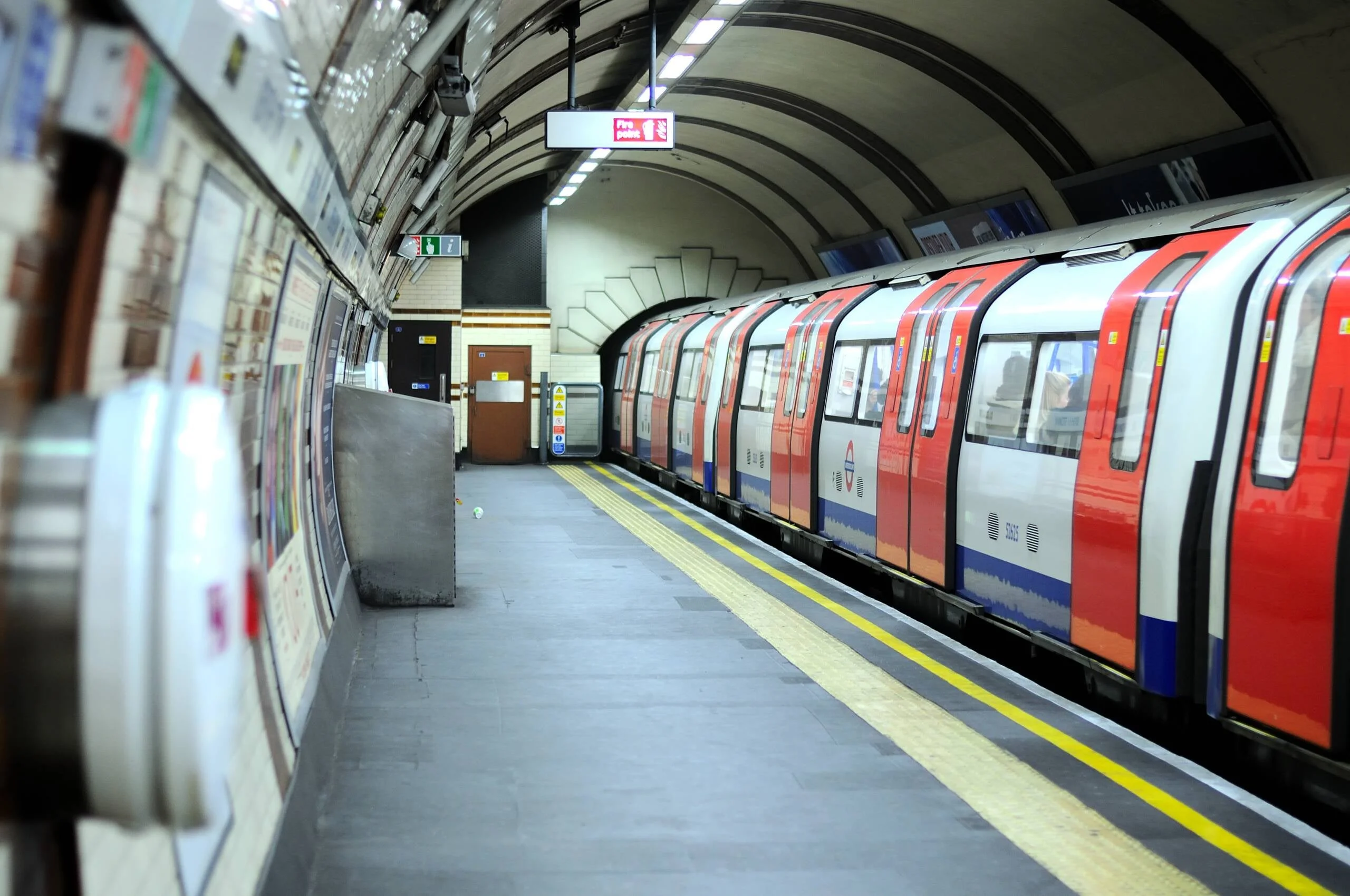
The London Underground is the 160-year-old high-speed artery of one of the world's great cities. Navigating this historic network, affectionately called "The Tube" after the distinctive shape of its deep-level tunnels, can feel like a daunting task for first-time visitors.
The secret to a seamless experience is moving beyond the simple "tap and go" mechanics to understanding the system's logic and the unwritten rules of the city.
This comprehensive guide, informed by the latest Transport for London (TfL) travel information and expert insights, provides everything a tourist needs: from the cheapest ways to pay, to decoding the map, and mastering the essential etiquette that keeps London moving. By the time you’ve finished, you'll be using the London Tube like a confident local.
Key Takeaways
- The London Underground has 11 linesand 272 stations, run by Transport for London (TfL).
- Zones 1–2cover central London; Zones 3–9reach suburbs and airports.
- Contactless or Oyster cardsoffer the cheapest fares.
- Trains run roughly 5am–midnight, with Night Tubeon select lines weekends.
- Use apps like TfL Goor Citymapperfor real-time route planning.
- Always tap in and tap outat station barriers to avoid extra charges.
Understanding The London Tube Map And Network Structure
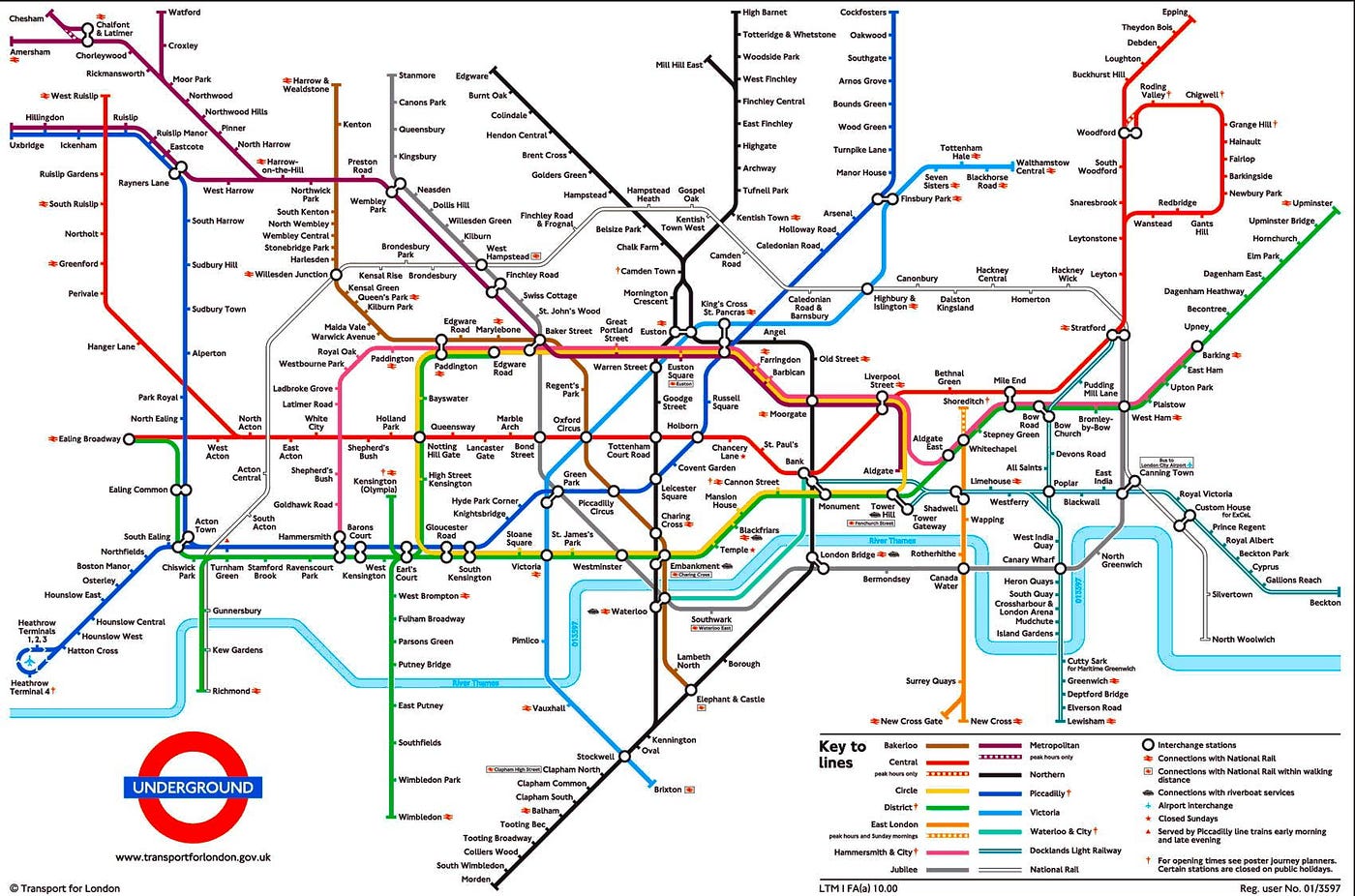
The famous London Underground map, devised by Harry Beck in 1933, uses clear colours and simple geometry to simplify a complex reality.
Key London Underground Information At A Glance
The overall network of transport in Greater London is vast. When navigating, you should be aware that the system is composed of more than just the Tube:
- The Tube network has 11 lines (Bakerloo, Central, Circle, District, Hammersmith & City, Jubilee, Metropolitan, Northern, Piccadilly, Victoria, and Waterloo & City).
- The wider TfL network includes the Docklands Light Railway (DLR), the London Overground, the new Elizabeth line, and various National Rail services. All use the same payment system within the fare zones.
What Are The London Underground Zones?
London’s transport network is divided into nine concentric travel zones.
- Zone 1covers central London (Westminster, Covent Garden, Soho, etc.).
- Zones 2–6reach residential areas and landmarks like Wimbledon or Wembley.
- Zones 7–9extend to outer suburbs.
Fares depend on:
- How many zones you travel through
- The time of day(peak or off-peak)
- Your payment method(contactless, Oyster, or paper ticket)
- Peak vs. Off-Peak Fares:Fares are significantly higher during Peak times: Monday to Friday (excluding public holidays) between 6:30 AM and 9:30 AM and again between 4:00 PM and 7:00 PM. Travel during Off-peak hours is cheaper.
How To Pay For London Underground Journeys
The single biggest determinant of cost and convenience when using the London Undergroundis your payment method. Forget expensive single-use paper tickets; digital methods are the fastest and most economical choice.
What Is The Cheapest Way To Use The London Underground?
The cheapest and easiest way to travel is by using Pay As You Go via either a contactless bank card or an Oyster card. Both methods benefit from daily and weekly fare capping, which limits the total amount you will be charged, no matter how many journeys you make within a day or a week (Monday to Sunday).
- Contactless Card / Phone Pay:Best Value for Most Tourists. This method provides automatic Daily & Weekly Capping, ensuring you pay the lowest possible fare for your travel. There is no card fee required. Simply use your existing bank card or mobile device (Apple Pay, Google Pay).
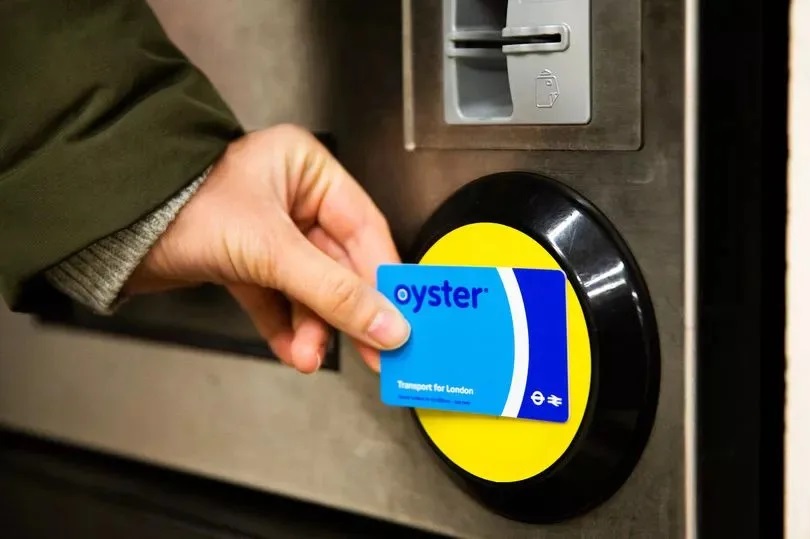
- Oyster Card:A reusable smartcard suitable for those concerned about overseas transaction fees or those who need to load a 7-day Travelcard. The card requires a £7 non-refundable fee to purchase. Like contactless, it benefits from daily and weekly fare capping.
Crucial Tip for Foreign Cards:If your contactless payment card was issued outside the UK, check with your bank regarding foreign transaction fees. While the fares will be capped by TfL, your bank may impose a fee per transaction. Even with a small fee, the contactless daily cap usually provides the best overall value for tourists.
Paying Without An Oyster Card: Contactless Is The Answer
How to use London Tube without an Oyster card? Simply use your contactless debit or credit card.
- Tap In and Tap Out:To travel on the Tube, tap your contactless card or device on the large yellow card reader at the ticket barrier when you start your journey and again when you end your journey.
- Understanding Fare Cost Nuance:The Tube fare depends on how far you travel and the time of day. For example, travelling entirely within Zone 1 is inexpensive, but continuing just one more stop into Zone 2 will immediately increase your fare. To estimate costs in advance, use the London Underground journey planner on the TfL website.
- Card Clash Alert:If you carry both an Oyster and a contactless card, keep them separate! Always present only one card or device to the reader to avoid being double-charged or causing "card clash."
❓ People Also Ask: How Do You Pay To Use London Underground?
The most efficient method is contactless (card or mobile device). Simply tap it on the yellow reader at entry and exit points. This ensures you benefit from the automatic daily and weekly fare capping system used by TfL.
For More Details: London Pass Vs Oyster Card - Travel Solutions For Tourists
Getting Around The Tube For The First Time: Step-by-Step
How do tourists use the tube in London? It requires a shift in mindset: focus on the line colour and the end-of-the-line destination.
1. Plan And Check Before You Go
Use the free and efficient Transport for London's Journey Planner (on the website or the TfL Go app) to determine your route.
- Recommended Apps:The TfL Go appprovides real-time train arrivals and service updates. Citymapper Londonis also a highly recommended app for live information and multiple route options across different transport types.
- Walk Between Stations Hack: For very short journeys in central London, walking can often be faster than navigating the platforms and interchanges. For instance, the walk between Leicester Square and Covent Garden is almost always quicker than taking the Piccadilly line.
2. Follow The Directional Signs
Once you have your line (e.g., Piccadilly Line) and your direction (e.g., Northbound/Eastbound), simply follow the signs to the platform.
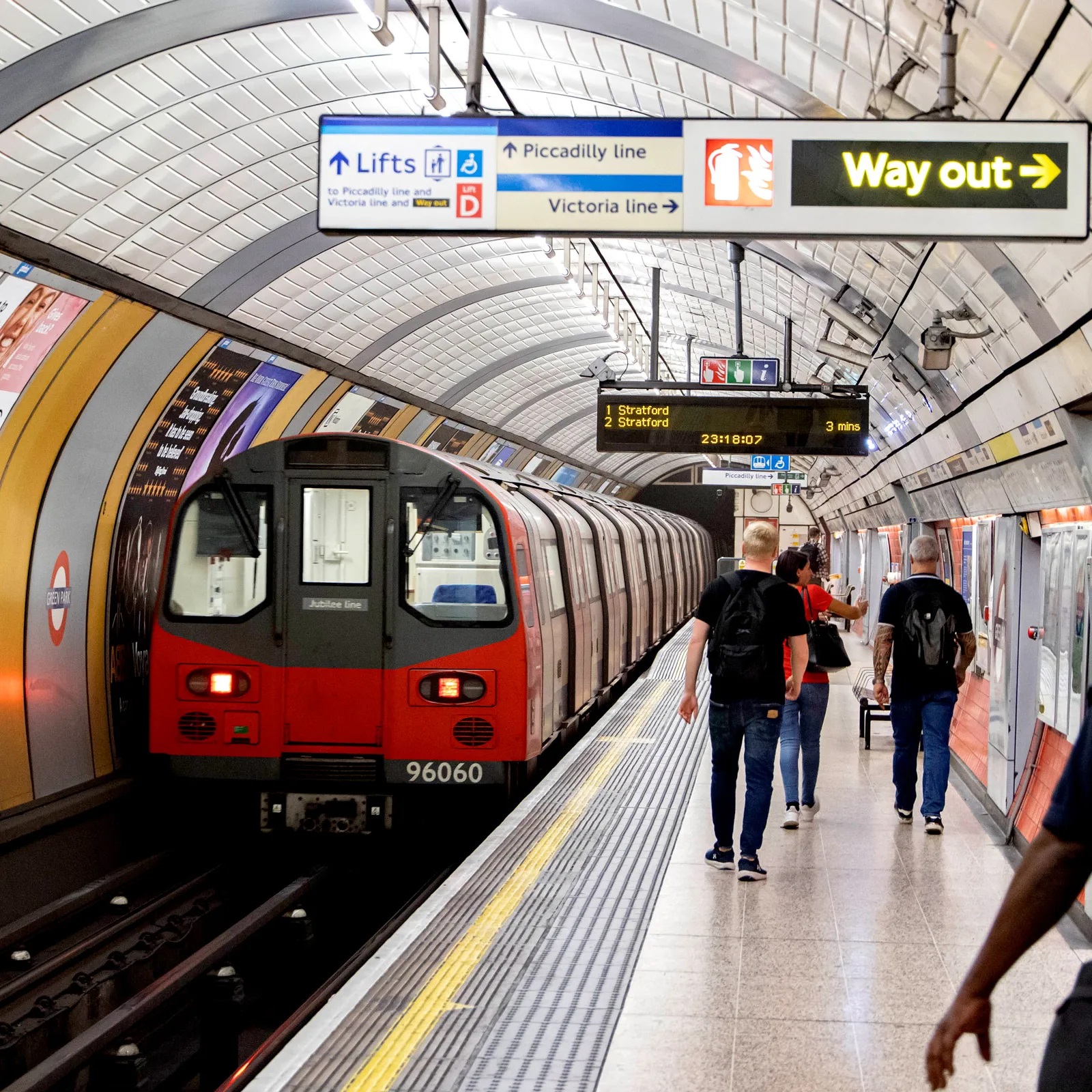
- The Direction:The Tube trains' direction is indicated by the name of the station at the end of the line. For example, if you need to go south on the Northern Line, you'll look for signs that read "Northern Line Southbound to Morden."
- On the Platform: Digital screens display the incoming train's destination and expected arrival time.
Also Check Out: 45+ London Travel Hacks You’ll Wish You Knew Before Visiting
Mastering Tube Etiquette: The Unwritten Rules
Londoners pride themselves on the efficient flow of the Tube. Following these social rules, derived from local experience, is essential for a smooth journey.
Do’s And Don’ts On The Escalators And Platforms
- Stand Right, Walk Left:This is inviolable on all escalators. Blocking the left side is the quickest way to annoy commuters.
- Stay Behind the Yellow Line:Wait on the platform behind the yellow safety line until the train has fully stopped.
- Allow Passengers to Exit First: Always stand clear of the doors and wait for passengers to alight before attempting to board.
Carriages, Seats, And Kindness
- Move Down the Carriage:If the train is busy, move further inside to clear the doorway for other passengers. Place large backpacks on the floor between your feet, not on your back.
- Prioritise Seating: Offer your seat to anyone who needs it: elderly passengers, those with visible or hidden disabilities, or pregnant women. If you see someone wearing a green lanyard with sunflowers, they have a hidden disability and may need extra assistance.
- Do Not Lean on Doors:Never lean your weight against the train doors. If the system detects pressure, the train may stop unexpectedly.
- A Note for the Weary:If you notice someone has fallen asleep at the end of the line (e.g., on the Northern Line to Morden), and you feel safe doing so, a gentle wake-up can save them significant hassle.
Sightseeing And Airport Travel On The Tube
While the Tube is not built for scenic travel-most of the lines run deep beneath the city-it is the quickest way to get between sights.
The Best Line For Sightseeing
The Piccadilly Line (Dark Blue) is generally considered the most useful for tourists, as it connects Heathrow Airport directly to central London and stops near major areas including:
- Covent Garden
- Leicester Square
- Piccadilly Circus
- Knightsbridge (for Harrods and museums)
- King’s Cross St Pancras
How To Travel Between Heathrow Airport And Central London
The Piccadilly Line connects London Heathrow Airport (Zone 6) directly to central London. It is the cheapest option, with a journey time to Piccadilly Circus of about 50 minutes. The Elizabeth line is a faster, modern alternative but typically involves a higher fare.
London Underground Opening Times And Accessibility
Standard Operating Hours
London Underground trains generally run between 5 AM and midnight, Monday to Saturday. Operating hours are slightly reduced on Sunday.
- Late-Night Travel: Night Tube services run on selected lines on Friday and Saturday evenings, offering a 24-hour service on the Victoria, Central, Jubilee, Northern, and Piccadilly lines.
Accessibility On The London Underground
Most Tube stations are accessed via staircases or escalators.
- Step-Free Access: Always check the Tube map for the blue wheelchair symbol to find stations with lift or ramp access.
- Elizabeth Line:All 41 stations along the new Elizabeth line are designed to be fully accessible, providing step-free access from the platform to street level.
FAQ's About Using The London Underground
What Is The London Underground And Why Is It Called "the Tube"?
The London Underground is one of the oldest metro systems in the world, opening in 1863. It earned the nickname "the Tube" because the tunnels for the deep-level lines are narrow and circular, resembling the shape of a tube.
What Happens If I Tap In But Forget To Tap Out?
You will be charged the maximum fare for that journey. To avoid this, always remember to tap in and out at the start and end of your trip, even if the exit gates are open.
Is There Wi-Fi Available On The Underground?
Yes, Wi-Fi is available at most stations, allowing passengers to check emails or use travel apps while waiting for a train. However, Wi-Fi and 4G mobile coverage are generally not available inside the moving tunnels between stations (though coverage is expanding).
What Should I Do If My Oyster Card Gets Lost Or Stolen?
If you have a registered Oyster card, contact TfL Customer Service immediately to block the card and prevent unauthorized use. You can then transfer any remaining balance to a replacement card.
Are There Discounts For Students And Seniors?
Yes. Students (18+) and seniors (60+) can apply for special Oyster photocards that provide substantial discounts on Travelcards and bus passes. Children under 11 travel for free on the Tube and DLR when travelling with an adult.
Conclusion
Mastering the use of the London Underground system is simple when you focus on convenience, cost, and clarity. Your core strategies should be: choose contactless payment for the automatic cap, use the TfL Go app for real-time journey planning, and always stand on the right on the escalators. The Tube network is your gateway to efficiently exploring everything London has to offer.
With a little preparation and the use of the London Underground journey planner, you'll find the Tube is a fast, reliable, and essential part of your London experience.
You Might Like: Tokyo Metro Takes Charge Of Elizabeth Line Operations In London
Jump to
Key Takeaways
Understanding The London Tube Map And Network Structure
How To Pay For London Underground Journeys
Getting Around The Tube For The First Time: Step-by-Step
Mastering Tube Etiquette: The Unwritten Rules
Sightseeing And Airport Travel On The Tube
London Underground Opening Times And Accessibility
FAQ's About Using The London Underground
Conclusion

James Rowley
Author
James Rowley is a London-based writer and urban explorer specialising in the city’s cultural geography. For over 15 years, he has documented the living history of London's neighbourhoods through immersive, first-hand reporting and original photography. His work foregrounds verified sources and street-level detail, helping readers look past tourist clichés to truly understand the character of a place.
His features and analysis have appeared in established travel and heritage publications. A passionate advocate for responsible, research-led tourism, James is an active member of several professional travel-writing associations.
His guiding principle is simple: offer clear, current, verifiable advice that helps readers see the capital with informed eyes.
Latest Articles
Popular Articles