Why Is Camden Called Camden? The Name Origin Explained
Why Is Camden Called Camden? See how Earl Camden, Camden Place and Camden Market fit into the real story behind Camden Town’s name.
Author:James RowleyMay 17, 20266.2K Shares102.8K Views
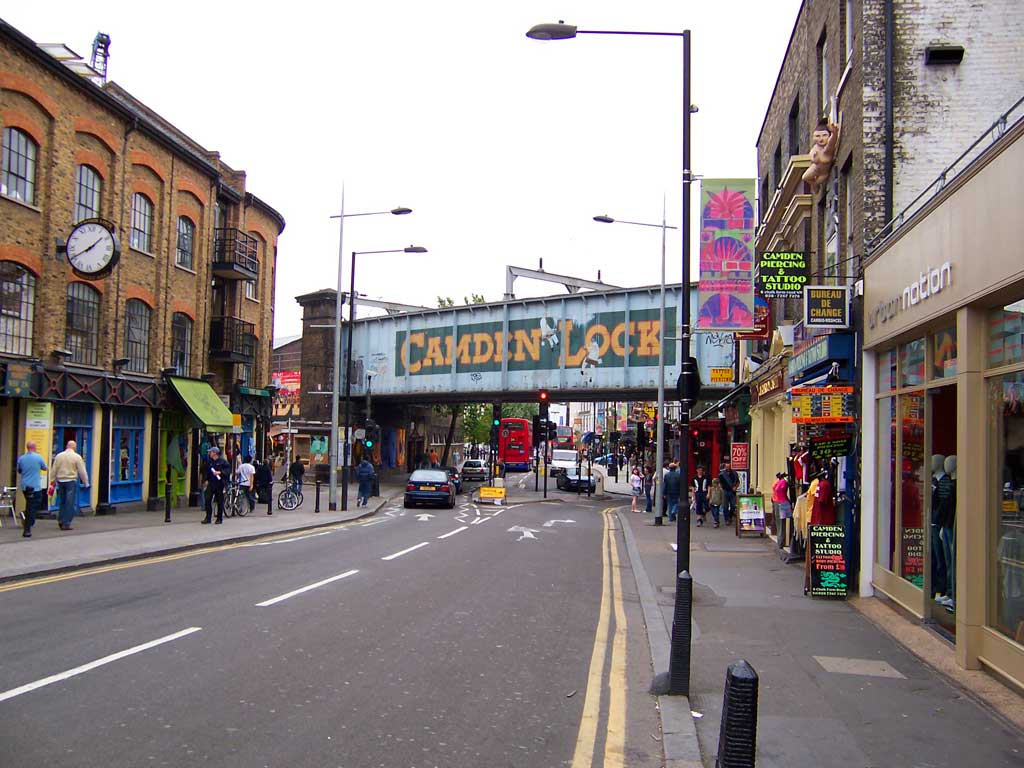
Why Is Camden Called Camden? From Earl Camden To Camden Town
Camden is called Camden because Camden Town was named after Charles Pratt, 1st Earl Camden, who began developing the area in 1791. His title came from Camden Place in Chislehurst, which had earlier links to the historian William Camden. Camden Market made the name famous much later, but it did not create it.
Quick Answer: Why Camden Has Its Name
- Camden is named after Charles Pratt, 1st Earl Camden.
- Pratt began the development of Camden Town in 1791.
- His title came from Camden Place in Chislehurst, which had earlier links to the antiquary William Camden.
- The LondonBorough of Camdenadopted the name in 1965.
- Camden Market did not give Camden its name; the market began much later, in 1974.
Name vs fame:Camden got its name in the 18th century through Earl Camden. It became famous much later through canals, railways, markets, music venues, and counterculture.
The Short Answer: Camden Was Named After Charles Pratt, 1st Earl Camden
The direct answer is simple, but it becomes clearer once you separate the origin of the name from the later reasons Camden became famous.
Camden Town was named after Charles Pratt, 1st Earl Camden, an 18th-century lawyer, judge, and politician. Camden Councilidentifies him as the person who started Camden Town’s development in 1791, when the area was still only a small settlement beside a main road.
The 1791 Starting Point
The date 1791matters because it places Camden’s name before Camden Market, before the modern music scene, and before the borough existed.
At that point, Camden Town was not yet the Camden of murals, food stalls, vintage shops, and music venues. Camden Council describes early Camden Town as little more than a small group of buildings beside a main road before transport changes helped it expand.
Why “Earl Camden” Matters
“Camden” was not chosen because it described the local landscape. It came through a title.
Charles Pratt became Earl Camden in 1786, and Britannicadescribes him as a British jurist who served as chief justice of the Court of Common Pleas and later as lord chancellor.
That title then became attached to the developing settlement. A common mistake with London place names is assuming they began as descriptive labels. In Camden’s case, the name is a title-derived place name, shaped by land ownership, aristocratic identity, and urban development.
Camden is one example of how London place names can preserve older stories of titles, estates, and local history; nearby names have their own separate origins too, such as why Soho is called Soho.
Why The Market Is Not The Origin Of The Name
Camden Market is one reason the name is famous today, but it is not why Camden is called Camden.
Camden Market’s own history says the trading story began in the early 1970s, with a new Saturday market opening in Camden Town on 30 March 1974 with 16 traders. That is nearly two centuries after Camden Town began developing under Pratt’s name.
Today, Camden Market is often mentioned among London’s best street markets, but its fame came much later than the Camden name itself.
Camden Was Not Named After…
Camden’s name is often confused with the things that made the area famous later. But the name came first.
Camden was notnamed after:
- Camden Market
- Camden Lock
- Regent’s Canal
- punk culture
- the music scene
- alternative fashion
- street art or nightlife
Those things helped shape Camden’s modern identity, but they did not create the name. Camden Town was named after Charles Pratt, 1st Earl Camden, long before the area became known for markets, music, and counterculture.
The Deeper Name Chain: William Camden, Camden Place, And Charles Pratt
The best answer does not stop at Charles Pratt. The name becomes more interesting when you follow it one step further back.
The deeper chain is: William Camden → Camden Place → Earl Camden → Camden Town.
Who Was William Camden?
William Camden was an English antiquary and historian. His importance here is not that Camden Town was directly named after him, but that his name was attached to Camden Placein Chislehurst.
Historic Englandrecords that William Camden had a house at Camden Place from 1609 until his death in 1623. That connection matters because Charles Pratt’s title, Earl Camden, was styled around Camden Place.
What Was Camden Place In Chislehurst?
Camden Place is a historic property on Camden Park Road in Chislehurst, now within the London Borough of Bromley. Historic England lists it as a Grade II* building and records both William Camden and Charles Pratt in its history.
The important point is not the architecture alone. It is the way names travel: from a person to a house, from a house to a title, and from a title to a London neighbourhood.
How Charles Pratt’s Title Became A London Place Name
Historic England notes that Charles Pratt, the first Earl Camden, also had a house at Camden Place from 1760 to 1805.
British History Online adds another useful detail: the estate connected to Camden Town came to Pratt through his marriage to Elizabeth, daughter of Nicholas Jeffreys. This helps explain why an aristocratic title became attached to a new London development.
When Pratt began developing land north of central London, the settlement took the name Camden Town.
The Simple Chain: William Camden → Camden Place → Earl Camden → Camden Town
Here is the clean version to remember:
- William Camdengave his name to the Camden Place association.
- Camden Placebecame linked with Charles Pratt.
- Charles Prattbecame Earl Camden.
- Camden Townwas named after him.
- The London Borough of Camdenlater took its name from Camden Town.
Name-history note:Camden is a useful reminder that a place’s name and a place’s reputation do not always come from the same century.
Camden Town Before It Became Famous
Before Camden became a visitor magnet, it was a growing settlement on the edge of expanding London. Its later character came from layers of change, not one single moment.
The market and music story makes more sense once you understand the practical foundations beneath it: roads, housing, canals, railways, and industrial space.
A Small Settlement Beside A Main Road
Camden Council describes early Camden Town as a small place beside a main road before its expansion. That road context matters because London’s growth often followed routes leading out from the centre.
Camden was not born as a grand cultural district. It began as a practical place where land, roads, and later transport infrastructure made development possible.
From Rural Edge To Planned Development
The development of Camden Town in 1791 fits a wider London pattern: land on the city’s edge became streets, houses, and commercial space as London expanded northward.
This is one reason Camden’s name can feel older and quieter than its modern reputation. The original Camden was a planned development, not a market brand.
How Regent’s Canal Changed Camden’s Growth
Regent’s Canal helped turn Camden into a more important urban centre. Camden Council says Camden Town’s expansion as a major centre came with the canal opening to traffic in 1820.
The canal gave the area a working, industrial layer. It connected Camden to goods movement, warehouses, wharves, and later the distinctive canal-side spaces that helped Camden Market flourish.
Railways, Goods Yards, And Industrial Camden
Railways added another layer. Camden Council notes that Euston, King’s Cross, and St Pancras stations, along with goods yards and sidings, provided employment and encouraged industrialisation in the borough.
That industrial past helps explain why Camden later had the spaces that could be reused for markets, venues, workshops, and creative businesses.
Camden, Camden Town, Or The London Borough Of Camden?
One reason Camden’s name causes confusion is that people use it to mean several different things. It can refer to a neighbourhood, a borough, a market area, or a cultural shorthand.
The distinction is simple once you separate everyday speech from administrative geography.
Camden Town: The Neighbourhood Most People Mean
When visitors say “Camden,” they usually mean Camden Town: the area around Camden Town station, Camden High Street, Camden Lock, and the markets.
This is the Camden associated with food stalls, street art, alternative fashion, live music, and canal walks. It is the most famous part of the name, but not the whole borough.
London Borough Of Camden: The Larger 1965 Borough
The London Borough of Camdenis larger than Camden Town. Camden Council says it was created in April 1965 when it replaced the former metropolitan boroughs of Hampstead, Holborn, and St Pancras.
That means the borough includes many places with their own older identities. Camden Town is one part of it.
Why The Borough Took The Camden Name
The borough name followed Camden Town’s established place name, which itself traced back to Charles Pratt, 1st Earl Camden.
Camden Council states that the borough was named after the first Earl Camden, while Britannica notes that Camden Town is the place from which the borough derived its name.
What Areas Are Included In The Borough?
The borough includes places such as Camden Town, Hampstead, Holborn, St Pancras, King’s Cross, Bloomsbury, Kentish Town, and parts of other north and central London neighbourhoods.
| Camden Town | London Borough of Camden |
| A neighbourhood within the borough | The wider local authority area |
| Famous for markets, music, and nightlife | Includes Hampstead, Holborn, St Pancras, Bloomsbury, King’s Cross, and more |
| The place most visitors mean by “Camden” | The official administrative area created in 1965 |
| Named after Charles Pratt’s title | Named after Camden Town and Earl Camden |
Why Camden Became Famous After The Name Was Already Set
The twist in Camden’s story is that the name is old, but the fame most people recognise is much newer.
Camden’s modern reputation came from the reuse of industrial spaces, market culture, music venues, and a visible alternative identity.
Camden Market And The 1970s Turning Point
Camden Market changed how the wider world saw Camden. Its official history says the market began with a new Saturday market in Camden Town on 30 March 1974, with 16 traders selling antiques, jewellery, arts, and crafts.
That small beginning grew into one of London’s best-known retail and visitor destinations. But it did not create the Camden name; it amplified it.
Camden Lock, Dingwalls, And The Canal-Side Market
The canal-side setting gave Camden Market much of its atmosphere. Camden Council links the conversion of Camden Lock’s wharves and warehouses on Regent’s Canal into craft markets in the 1970s with Camden Town’s future as a major tourist attraction.
This is where Camden’s old industrial structure became useful again. Warehouses and yards turned into places for traders, food stalls, live music, and weekend crowds.
Music Venues: Roundhouse, The Underworld, And KOKO
Camden’s reputation also rests on music. Venues such as the Roundhouse, The Underworld, KOKO, and Dingwalls helped make the area a gathering point for live performance and subcultures.
The exact mix has changed over time, but the pattern is consistent: Camden became a place where music, nightlife, and market culture reinforced one another.
Punk, Alternative Fashion, And Counterculture
Camden’s alternative image grew because markets and music scenes fed each other. Clothes, records, posters, vintage stalls, tattoo culture, and club nights helped create a visible identity.
The important nuance is that this identity came long after the name. Camden was not called Camden because it was alternative; it became alternative after it was already Camden.
Why Camden Still Feels Different From Other London Areas
Camden feels different because its history is layered in plain sight. You can still sense the canal, the railway-era industrial spaces, the market stalls, the music venues, and the constant reinvention.
Common misconception:Camden was not named after Camden Market. The name predates the market by almost 200 years.
For a wider sense of how the city is often divided culturally and geographically, see this guide to North London vs South London differences.
A Simple Timeline Of Camden’s Name And Identity
Camden’s story makes most sense when you follow it in order. The name, the borough, and the market all belong to different moments.
| Date / Period | What Happened |
| 1609-1623 | William Camden had a house at Camden Place in Chislehurst. |
| 1760-1805 | Charles Pratt, 1st Earl Camden, also had a house at Camden Place. |
| 1791 | Pratt began the development of Camden Town. |
| 1820 | Regent’s Canal opened to traffic and helped Camden Town expand. |
| 19th century | Railways and goods yards encouraged employment and industrialisation. |
| 1965 | The London Borough of Camden replaced Hampstead, Holborn, and St Pancras. |
| 1974 | Camden Market opened with 16 traders. |
| Today | Camden is known for markets, music, alternative fashion, nightlife, and canal-side culture. |
Camden’s name and Camden’s fame are connected, but they did not begin at the same time.
FAQs About Camden’s Name, History, And Fame
Why Is Camden Called Camden?
Camden is called Camden because Camden Town was named after Charles Pratt, 1st Earl Camden, who began developing the area in 1791.
Who Was Camden Named After?
Camden was named after Charles Pratt, the 1st Earl Camden. He was an 18th-century lawyer, judge, and politician whose title became attached to the new settlement of Camden Town.
Was Camden Named After Camden Market?
No. Camden’s name predates Camden Market by nearly two centuries. Camden Town began developing in 1791, while Camden Market began in 1974.
Is Camden Named After William Camden?
Indirectly, yes. Camden Town was directly named after Charles Pratt, but Pratt’s title links back to Camden Place in Chislehurst, which was associated with the historian William Camden.
What Does Camden Mean?
In this London context, Camden is a surname-and-title-derived place name. It is not a descriptive word for the local landscape.
What Is The Difference Between Camden And Camden Town?
Camden Town is the neighbourhood most visitors mean when they say “Camden.” The London Borough of Camden is the larger administrative area that includes Camden Town and many other districts.
Is Camden Town The Same As The London Borough Of Camden?
No. Camden Town is one neighbourhood within the borough. The London Borough of Camden is the wider local authority area created in 1965.
When Was The London Borough Of Camden Created?
The London Borough of Camden was created in April 1965, replacing the former metropolitan boroughs of Hampstead, Holborn, and St Pancras.
Why Did The Borough Choose The Name Camden?
The borough name followed Camden Town’s established place name, which traced back to Charles Pratt, Earl Camden.
Where Is Camden In London?
Camden Town is in inner north London, within the London Borough of Camden. It sits around Camden High Street, Camden Town station, Regent’s Canal, and Camden Lock.
Is Camden In North London?
Yes. Camden Town is generally considered part of inner north London. Its location helps explain its mix of central-London access and north-London identity.
What Was Camden Before It Became Famous?
Camden began as a small settlement beside a main road. It later grew through housing, Regent’s Canal, railways, goods yards, industry, and finally markets and music venues.
What Is Camden Town Famous For?
Camden Town is famous for Camden Market, Camden Lock, live music, alternative fashion, street culture, nightlife, and its canal-side setting.
When Did Camden Market Start?
Camden Market started on 30 March 1974 as a Saturday market with 16 traders selling antiques, jewellery, arts, and crafts.
Is Camden Market The Same As Camden Town?
No. Camden Market is a major attraction within Camden Town. Camden Town is the wider neighbourhood.
Final Thought
Camden is called Camden because of Charles Pratt, 1st Earl Camden, not because of Camden Market, punk, the canal, or the music scene. The deeper name trail runs from William Camden to Camden Place, from Camden Place to Earl Camden, and from Earl Camden to Camden Town.
The story is memorable because the name and the fame come from different eras. Camden’s name belongs to 18th-century estate history; Camden’s modern identity was shaped by canals, railways, markets, venues, and generations of Londoners who turned an old name into a cultural landmark.
Jump to
Why Is Camden Called Camden? From Earl Camden To Camden Town
The Short Answer: Camden Was Named After Charles Pratt, 1st Earl Camden
The Deeper Name Chain: William Camden, Camden Place, And Charles Pratt
Camden Town Before It Became Famous
Camden, Camden Town, Or The London Borough Of Camden?
Why Camden Became Famous After The Name Was Already Set
A Simple Timeline Of Camden’s Name And Identity
FAQs About Camden’s Name, History, And Fame
Final Thought

James Rowley
Author
James Rowley is a London-based writer and researcher covering London life, cultural geography, London travel, live London webcam pages and selected public figures across entertainment, sport, business and public life.
For over 15 years, he has focused on verified sources, first-hand local context and clear explanations that help readers understand both places and people more deeply. His work combines street-level London knowledge with careful research into career credits, media work, business interests and, where relevant, transparently explained net worth estimates.
He writes and reviews articles published on LondonWebcam.
Latest Articles
Popular Articles