Art Deco Buildings In London | 40 Famous Architectural Landmarks
Art Deco buildings in London include 1930s cinemas, Underground stations, factories, and hotels. This article highlights 40 iconic landmarks across the city.
Author:James RowleyMar 06, 202612.8K Shares712.5K Views
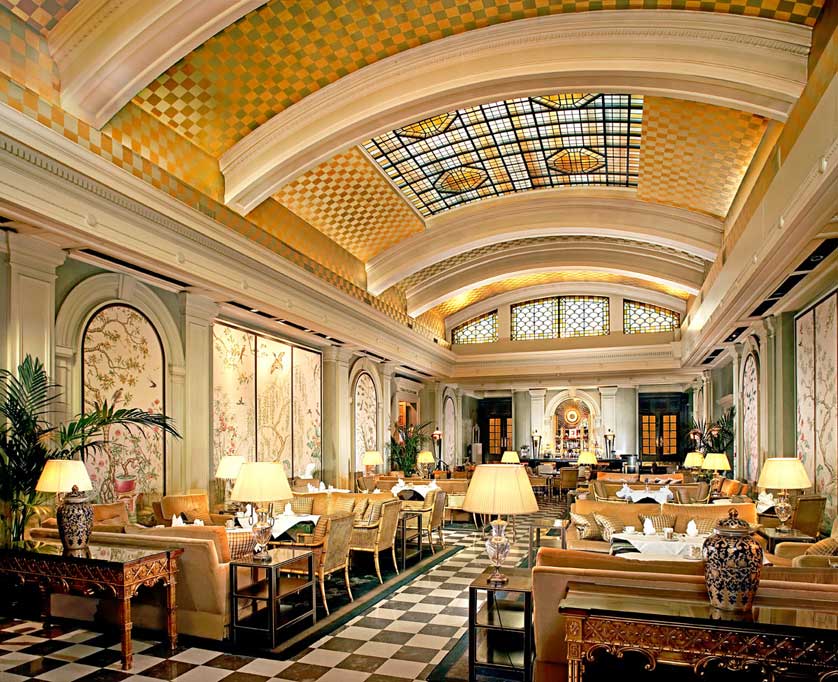
Art Deco Buildings That Shaped Modern London
Art Deco architecture in Londonreflects the city’s move into modern life during the 1920s and 1930s. As the Underground expanded, cinemas flourished, and new offices and factories appeared across the capital, London needed buildings that looked modern, efficient, and confident. Art Deco provided that identity through clean geometry, strong symmetry, streamlined curves, and modern materials such as steel, glass, and concrete.
Unlike the dramatic skyscraper style seen in New York or the glamour of Paris, London’s Art Deco is more restrained and practical, designed for transport hubs, housing, hotels, and corporate headquarters. From institutional landmarks like Senate House to industrial icons like the Hoover Building, the city still holds some of the UK’s most distinctive Deco architecture.
This guide highlights some of the bestArt Deco buildings in London, with locations across central districts and along key Underground lines useful for planning an Art Deco walking tour and understanding the capital’s interwar architectural heritage.
What Is Art Deco Architecture?
Art Deco is an architectural and design style that became popular during the 1920s and 1930s. The name comes from the 1925 International Exhibition of Modern Decorative and Industrial Arts in Paris, which helped introduce the style to a global audience.
Art Deco buildings are known for geometric shapes, symmetry, stepped forms, and streamlined curves. Architects often used modern materials such as steel, glass, reinforced concrete, chrome, and faience tiles. Decorative details frequently include sunburst motifs, zigzags, and chevron patterns, reflecting the era’s interest in technology, speed, and progress.
In London, Art Deco developed in a more restrained and practical style than in cities such as New York. Many buildings feature pale stone or brick façades, balanced proportions, and controlled decoration, making the style well-suited to offices, transport stations, cinemas, factories, and housing built during the city’s rapid interwar expansion.
Key Features Of Art Deco Buildings In London
Art Deco buildings in London share several distinctive design characteristics that reflect the style’s focus on modernity and structure.
Common Features Include:
- Geometric forms and symmetry:façades often use balanced shapes, straight lines, and repeating patterns.
- Stepped or tiered structures:some buildings use layered forms that rise upward in stages.
- Streamlined curves:rounded corners and smooth surfaces suggest speed and movement.
- Decorative motifs:patterns such as sunbursts, zigzags, and chevrons appear in stonework, metal, or interior details.
- Modern materials:architects frequently used steel, glass, reinforced concrete, chrome, and faience tiles.
In London, these elements are usually applied in a restrained and practical way, creating buildings that feel modern and elegant without excessive ornament.
1. Senate House
Location: Bloomsbury, WC1
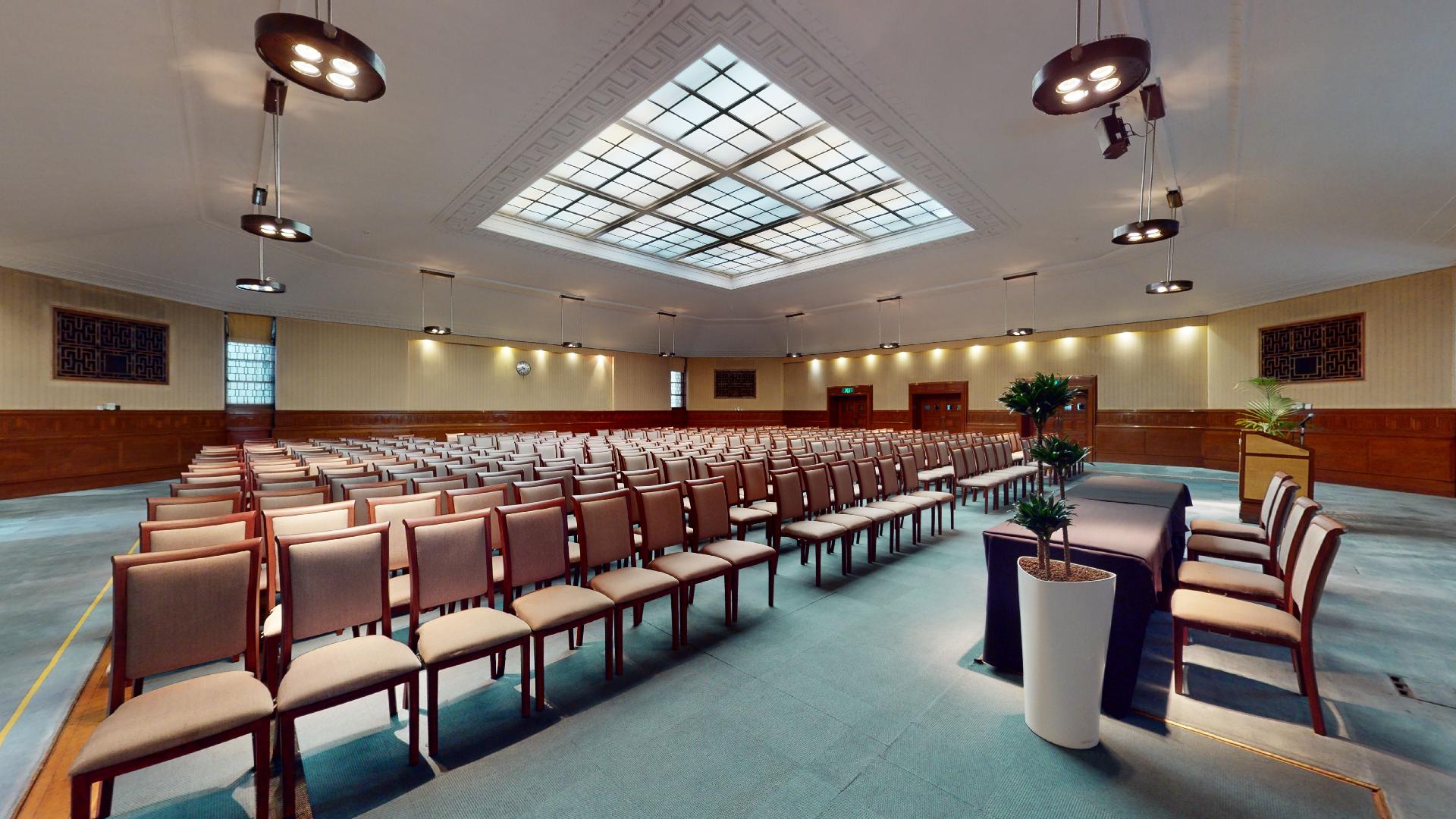
Senate House, designed by Charles Holdenand completed in 1937, is one of the most powerful examples of Art Deco architecture in London and serves as the administrative centre of the University of London. The tall stone tower dominates the Bloomsbury skyline and reflects the restrained style of British Art Deco. Strong vertical lines, geometric forms, and smooth Portland stone surfaces give the building a solid and formal appearance.
The design focuses on proportion and symmetry rather than decoration. Holden created a building that expressed authority and stability during a period when universities and public institutions were expanding. Today, Senate House remains a major architectural landmark in central London.
2. Hoover Building
Location: Perivale, West London
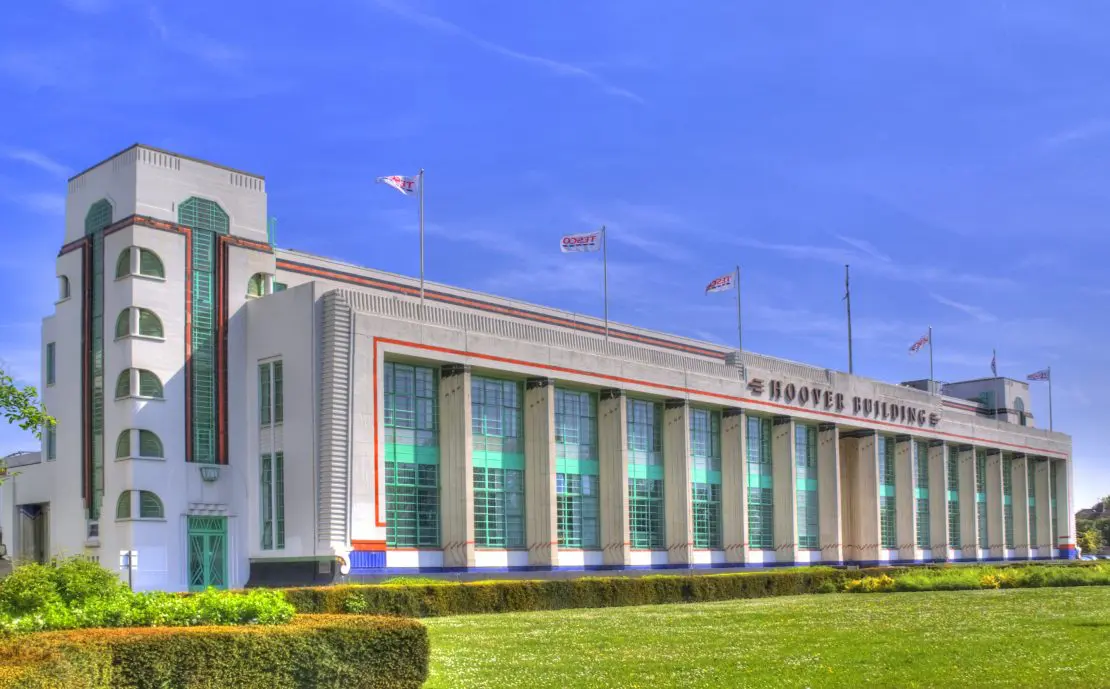
The Hoover Building, designed by Wallis, Gilbert and Partners and completed in 1933, was built as a factory for the Hoover Company and quickly became one of the most famous Art Deco industrial buildings in Britain. Its façade uses bright colours, bold geometric patterns, and stylised decoration that helped present a modern image of manufacturing.
Horizontal window bands, curved forms, and decorative detailing create a strong visual identity along the Great West Road, an area known for modern factories during the interwar period. The building showed that industrial architecture could be both practical and visually striking.
3. BBC Broadcasting House
Location: Portland Place, W1
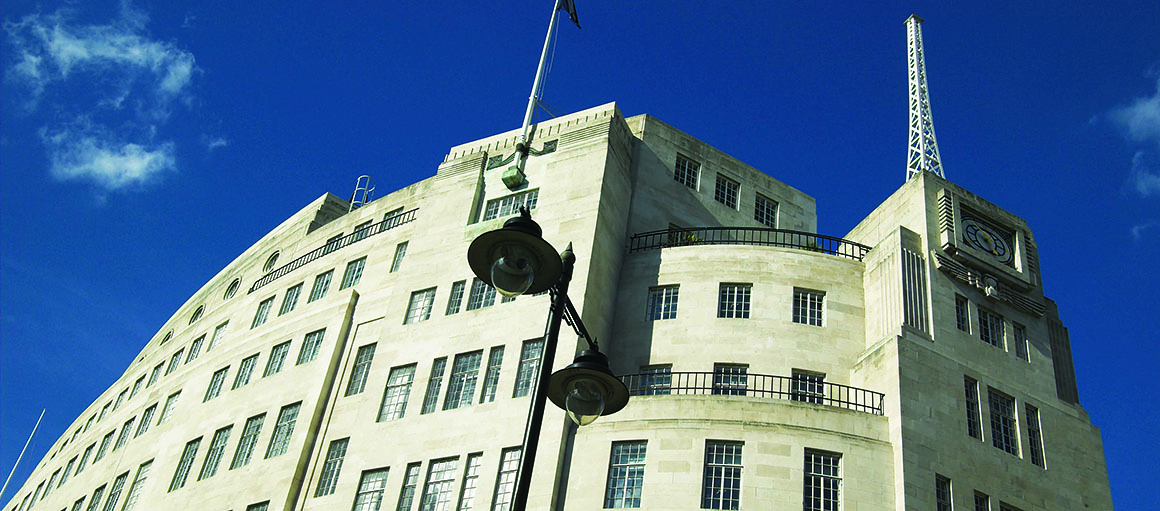
BBC Broadcasting House, designed by George Val Myer and completed in 1932, was built as the headquarters of the British Broadcasting Corporation during the rapid growth of radio broadcasting. The building follows the curve of Portland Place and creates a strong architectural presence in central London.
Its design combines Art Deco geometry with classical balance. Smooth stone façades, curved corners, and sculptural details give the building a formal and modern appearance. Broadcasting House became the centre of national radio services and remains one of the most important media buildings in Britain.
4. Daily Express Building
Location: Fleet Street, EC4
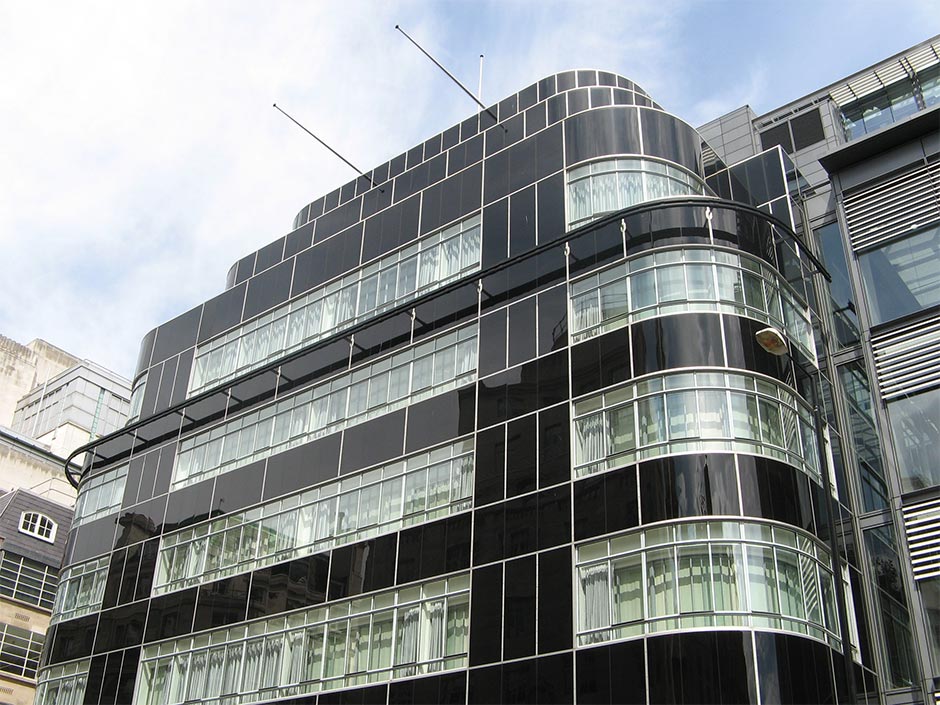
The Daily Express Building was designed by Sir Owen Williams with engineers Ellis & Clark and completed in 1932 as the headquarters for the Daily Express newspaper. At the time, Fleet Street was the centre of British journalism, and the building reflected the speed and modern character of the newspaper industry.
The exterior uses dark glass panels, chrome detailing, and smooth curved surfaces inspired by American Art Deco design. Its glass curtain wall was unusual in London during the 1930s and gave the building a highly modern appearance. Inside, large open spaces supported fast newspaper production and printing operations.
5. Eltham Palace
Location: Eltham, SE9
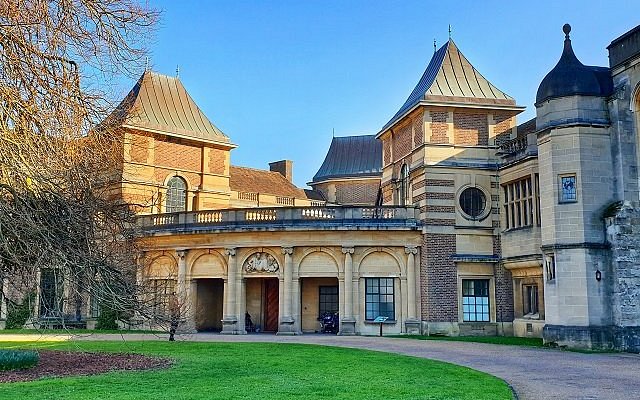
The Art Deco interiors of Eltham Palace were created in 1936 by architects Seely and Paget for millionaire Stephen Courtauld. The project transformed parts of a historic medieval palace into a modern residence with advanced technology and contemporary design.
Inside the palace, rooms feature curved walls, geometric patterns, decorative lighting, and high-quality materials typical of luxury Art Deco interiors. The design combined modern comfort with the historic structure of the palace, creating one of the finest surviving examples of domestic Art Deco design in Britain.
6. Carreras Cigarette Factory
Location: Camden, NW1
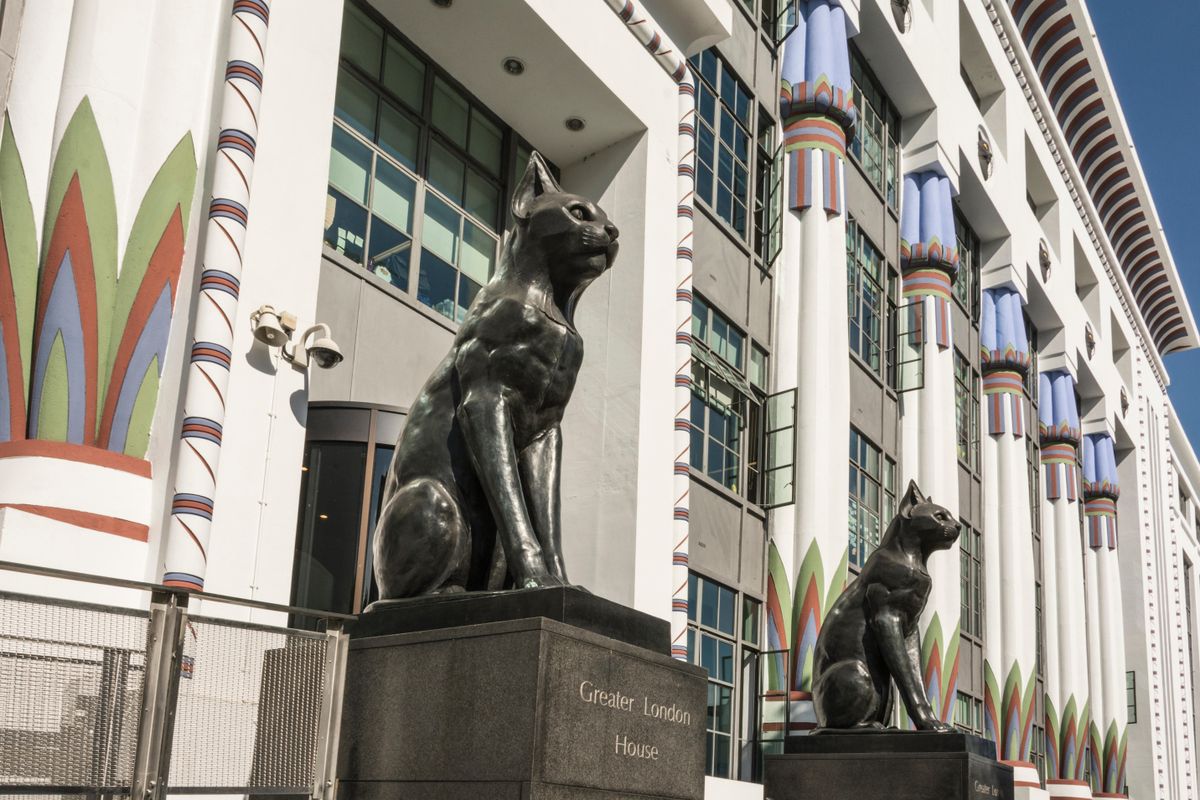
The Carreras Cigarette Factory was designed by Marcus Evelyn Collins, Owen Hyman Collins, and A. G. Porri and opened in 1928 as the manufacturing headquarters for Carreras Tobacco. The building is one of the most distinctive examples of Art Deco industrial architecture in London.
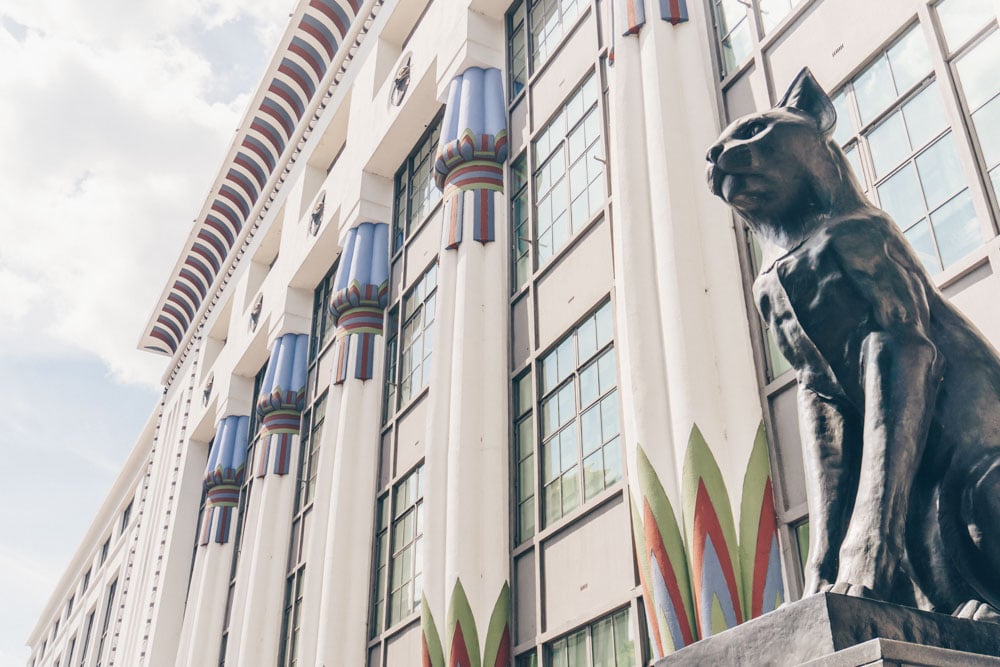
Its design combines Egyptian-inspired decoration, geometric patterns, and colourful faience tiles. Large sculptural figures once stood at the entrance, giving the factory a dramatic appearance that reflected the fascination with Egypt following the discovery of Tutankhamun’s tomb. The building also uses reinforced concrete construction and long rows of windows to support industrial production while maintaining a strong architectural identity.
7. Florin Court
Location: Charterhouse Square, EC1
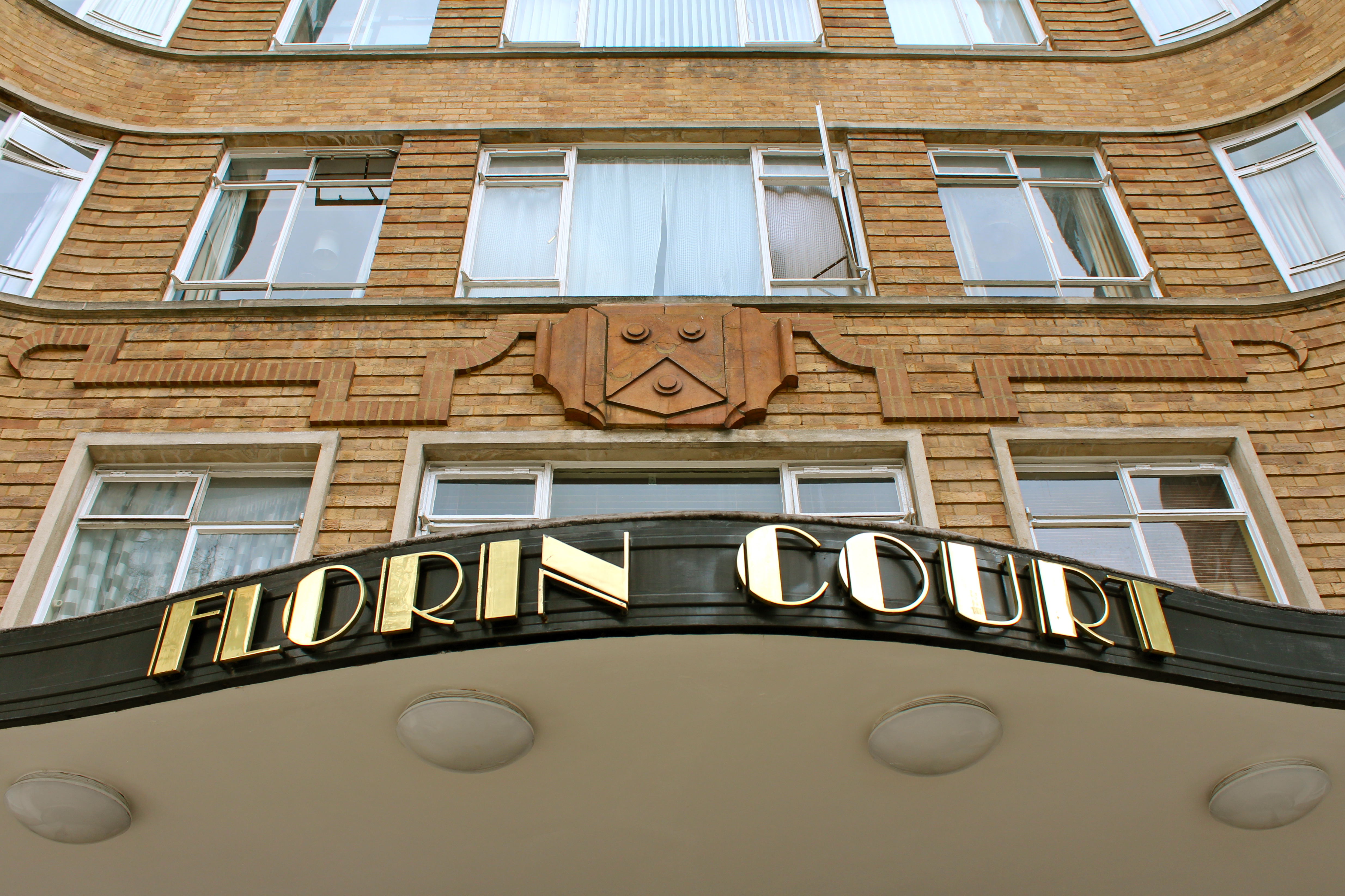
Florin Court, designed by Guy Morgan and Partners and completed in 1936, is a residential building known for its curved shape and elegant Art Deco façade. The structure faces Charterhouse Square and is one of the most recognisable examples of interwar residential architecture in central London.
The building features symmetrical balconies, curved corners, and smooth stone surfaces that reflect the clean geometry typical of the period. Its design focuses on comfort, light, and efficient apartment layouts. Florin Court later became widely known as the fictional residence of the character Sherlock Holmes in the television series "Elementary."
8. Ideal House
Location: Great West Road, NW9
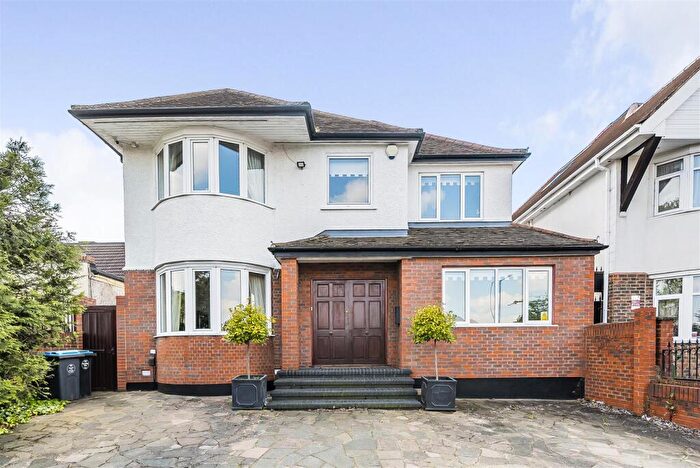
Ideal House was designed by Wallis, Gilbert and Partners and completed in 1935 as the headquarters for the Ideal Clothiers company. The building stands along the Great West Road, an area known for its concentration of Art Deco factory and office buildings.
The structure combines vertical lines, decorative sculpture, and a carefully balanced geometric design. Its façade includes sculpted figures and ornamental details that celebrate clothing production and craftsmanship. The building reflects how companies during the interwar period used modern commercial architecture to promote innovation and strong brand identity.
9. DU Cane Court
Location: Balham, SW17
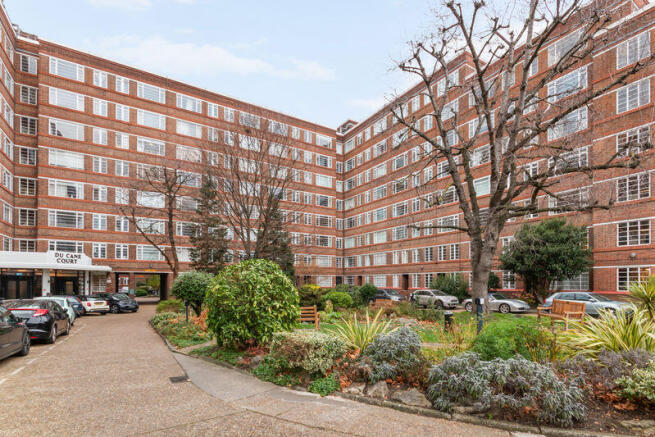
Du Cane Court was designed by G. Kay Green and completed in 1937 as one of the largest apartment developments in Europe. The building contains more than six hundred flats arranged around a large internal courtyard.
The architecture uses clean horizontal lines, repeating window patterns, and a solid concrete structure typical of interwar housing design. The large scale of the development reflects the growing demand for modern urban apartments in London during the 1930s. Du Cane Court also includes landscaped gardens and communal spaces that improve residential living conditions.
10. Southgate Underground Station
Location: Southgate, N14
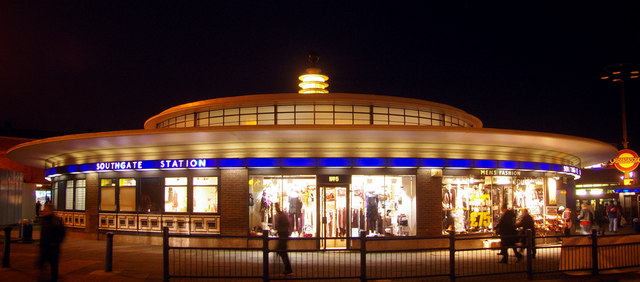
Southgate Underground Station was designed by Charles Holden and opened in 1933 as part of the extension of the Piccadilly Line. The station is one of the most famous examples of Art Deco transport architecture in London.
The building uses a circular structure, a flat roof, and a projecting canopy supported by columns. Its clean layout, large windows, and simple materials reflect Holden’s approach to modern public transport design. The station was planned to improve passenger movement while presenting a strong visual identity for the expanding Underground network.
11. Arnos Grove Underground Station
Location: Arnos Grove, N11
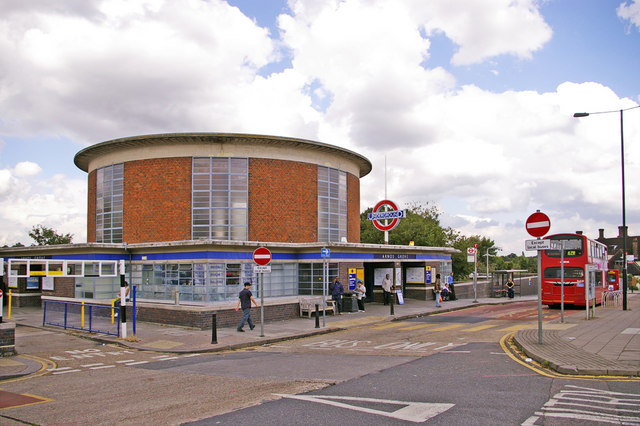
Arnos Grove Underground Station, designed by Charles Holden and opened in 1932, is one of the most distinctive stations on the Piccadilly Line extension. The station is known for its large circular ticket hall, which creates a strong and clear internal layout for passengers.
The design reflects Holden’s approach to modern transport architecture, using simple geometry, symmetrical planning, and large areas of glass to bring natural light into the building. The brick exterior and cylindrical form create a memorable Art Deco transport landmark while maintaining a practical structure for daily commuter use.
12. Sudbury Town Underground Station
Location: Sudbury, HA0
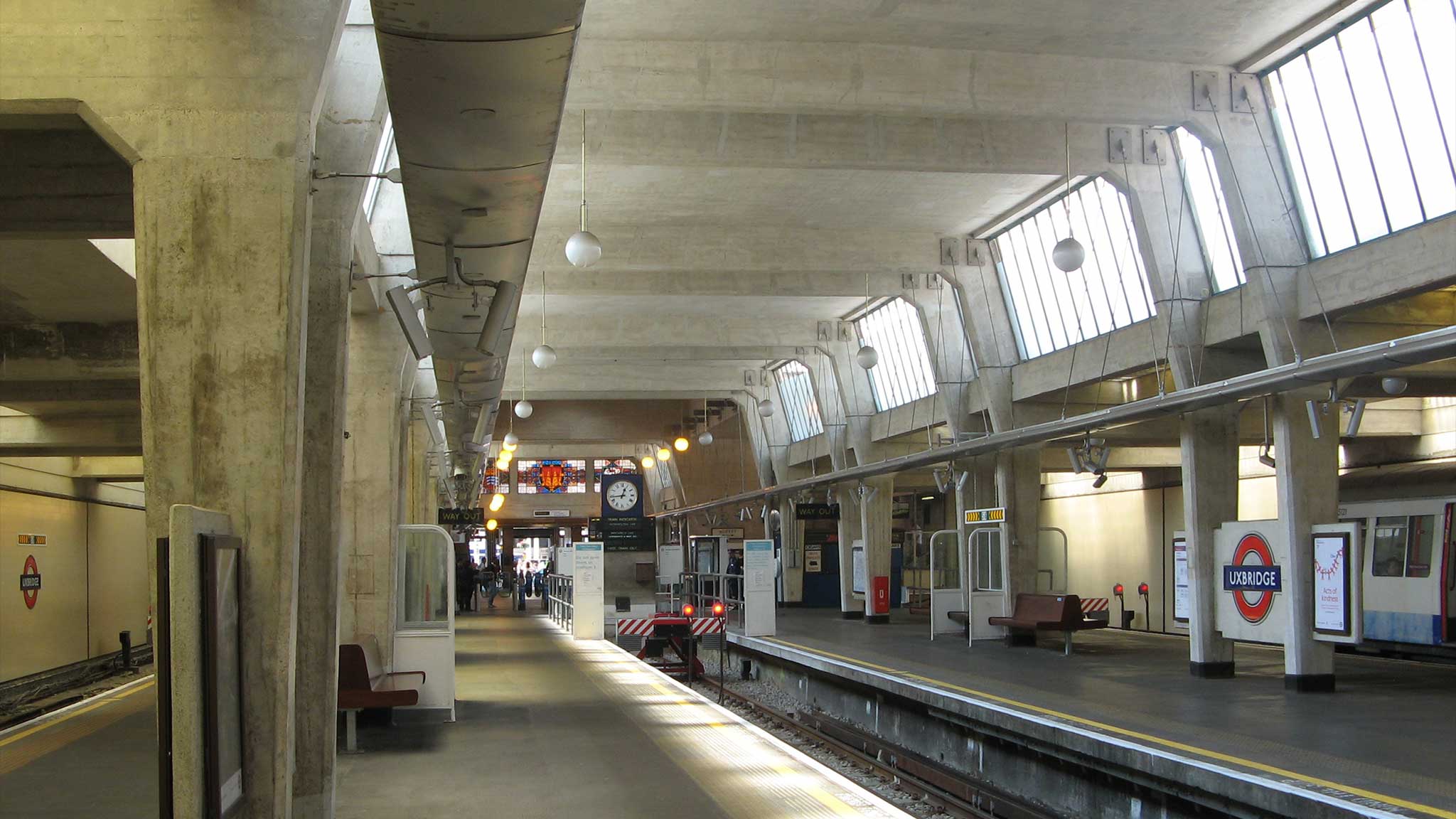
Sudbury Town Underground Station was designed by Charles Holden and opened in 1931 as part of the Piccadilly Line modernisation programme. The station shows Holden’s use of clean lines, horizontal glazing, and carefully balanced proportions.
The structure combines brick walls with large glass panels that provide natural light inside the station. This approach reflects the principles of interwar modernism and functional transport design, where architecture supported efficient passenger movement while presenting a clear visual identity for the Underground network.
13. The Ritzy Cinema
Location: Brixton, SW2
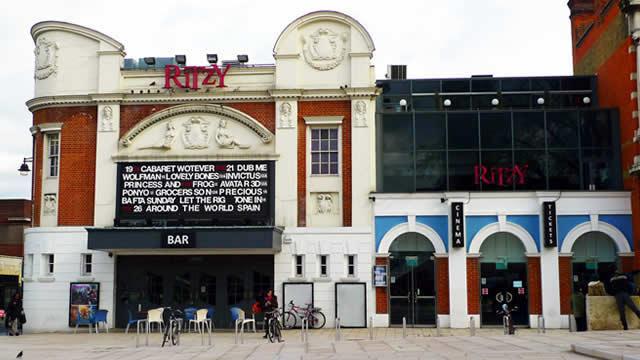
The Ritzy Cinema was designed by George Coles and opened in 1911, later incorporating Art Deco interior design during renovations in the early twentieth century. The building became one of the most important cinema venues in South London.
Its architecture combines traditional theatre structure with decorative Art Deco interior elements, including geometric patterns, ornamental lighting, and symmetrical design details. The building reflects the growth of cinema culture in London and the role of entertainment architecture during the interwar period.
14. Oakwood Underground Station
Location: Oakwood, N14
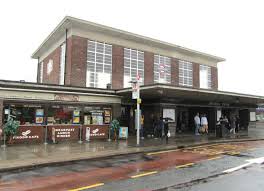
Oakwood Underground Station was designed by Charles Holden and opened in 1933 as part of the Piccadilly Line expansion into North London. The station reflects Holden’s emphasis on clarity of design, geometric structure, and efficient passenger circulation.
The building uses brick construction with large glass panels and strong horizontal lines that emphasise the modern transport architecture of the period. Its layout provides clear entrances, wide platforms, and a well-organised ticket hall that supports high passenger flow while maintaining a distinctive Art Deco station design.
15. East Finchley Underground Station
Location: East Finchley, N2
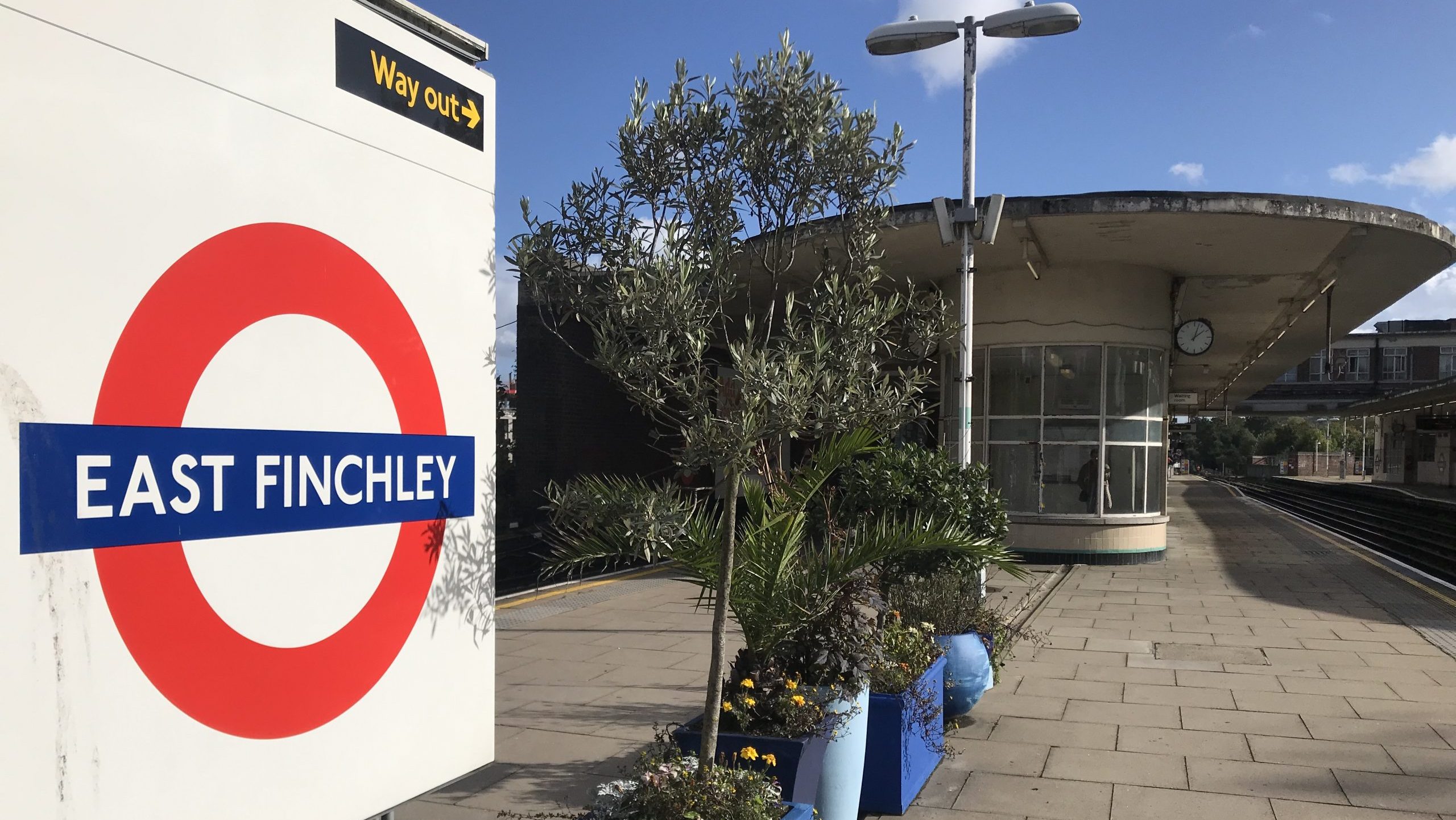
East Finchley Underground Station was designed by Charles Holden and opened in 1939 as part of the Northern Line modernisation programme. The station is known for its strong vertical tower and a large sculpture of an archer placed above the entrance.
The design combines Art Deco architecture with public art, creating a clear landmark for passengers entering the station. Large windows, symmetrical layout, and geometric forms reflect the principles of interwar transport design, where stations served both practical and visual roles within the expanding Underground network.
16. 55 Broadway
Location: Westminster, SW1
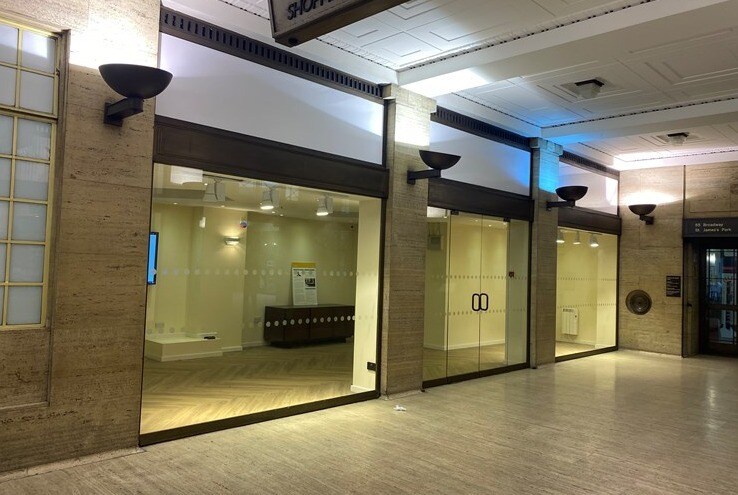
55 Broadway, designed by Charles Holden and completed in 1929, was built as the headquarters of the Underground Electric Railways Company of London. The building stands above St James’s Park Underground Station and became one of the earliest large Art Deco office buildings in the city.
The structure uses strong vertical lines, stepped massing, and carefully arranged geometric façades that reflect the transition from classical architecture to modern design. Sculptures by several well-known artists were added to the exterior, linking architecture with public art. The building played an important role in establishing a clear visual identity for the London Underground during the interwar period.
17. The Troxy
Location: Limehouse, E1
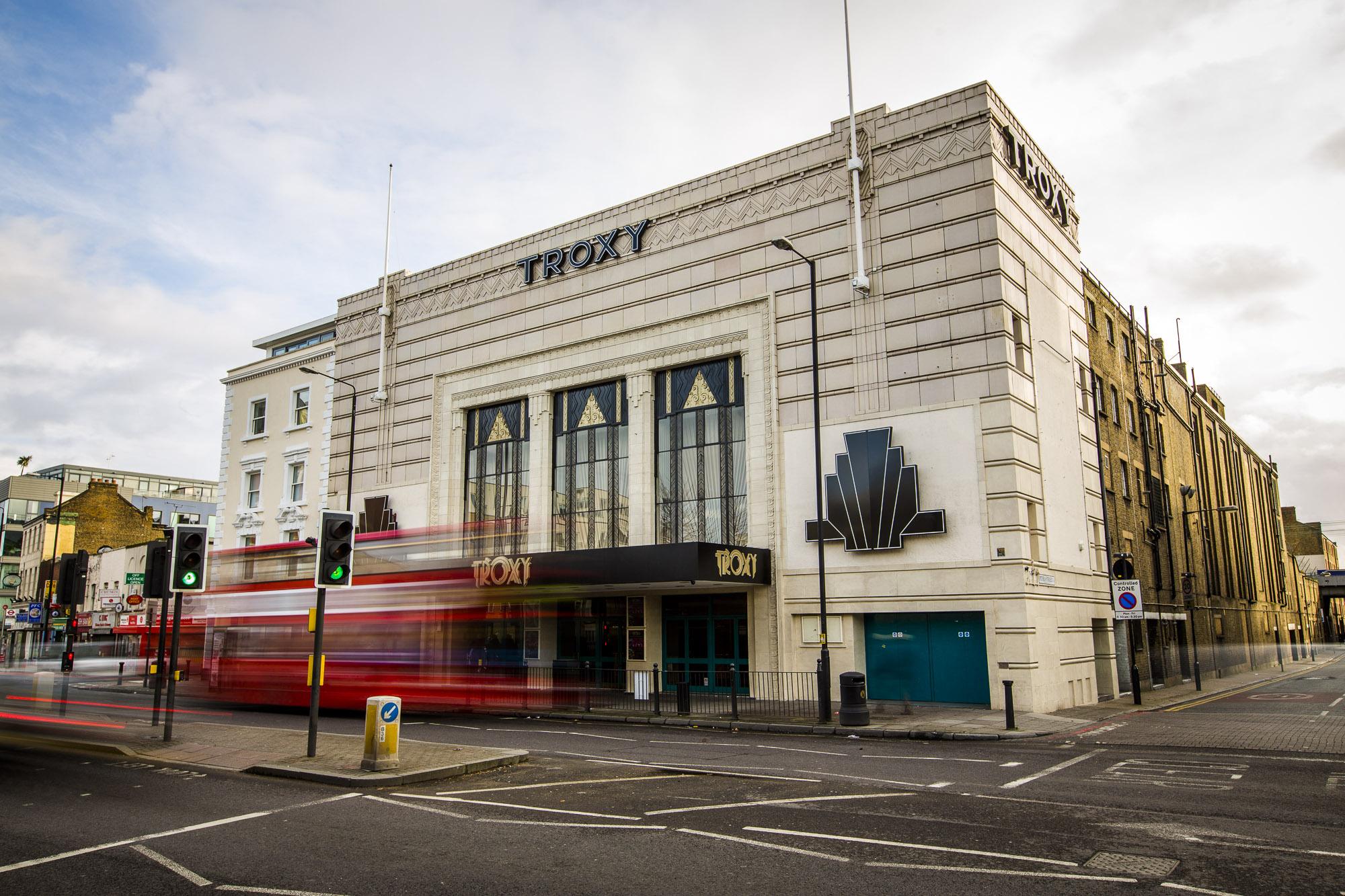
The Troxy was designed by George Coles and opened in 1933 as a large cinema and entertainment venue in East London. At the time of its construction, it was one of the biggest cinemas in the capital and represented the growth of Art Deco entertainment architecture.
The building features a wide façade, symmetrical design, and interior spaces decorated with geometric patterns, ornamental lighting, and elegant Art Deco interior detailing. The venue later changed function several times and is now used as a concert and event space while preserving much of its historic character.
18. The Former Firestone Factory (partial Remains)
Location: Brentford, TW8
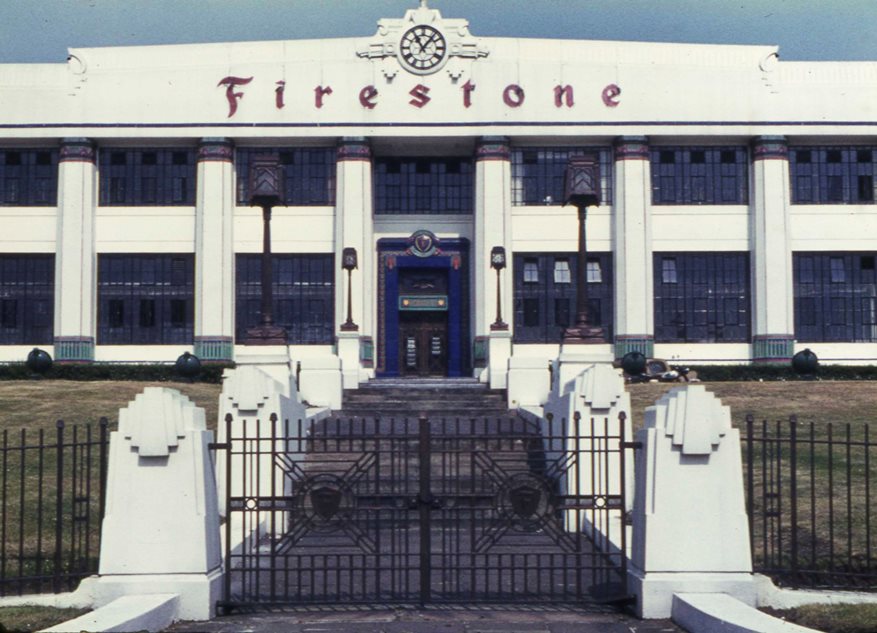
The Firestone Factory was designed by Wallis, Gilbert and Partners and completed in 1928 as a major tyre manufacturing facility along the Great West Road. The building was one of the most impressive examples of Art Deco industrial architecture in Britain.
The original structure featured bold geometric ornament, long horizontal windows, and decorative elements that celebrated modern manufacturing. Most of the factory was demolished in 1980, but parts of the entrance façade were later preserved. These remaining sections provide a rare reminder of the interwar factory design that once defined this industrial corridor of West London.
19. The Granada Cinema (former)
Location: Tooting, SW17
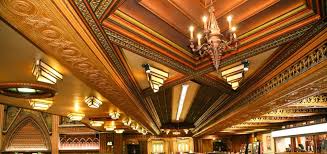
The Granada Cinema in Tooting was designed by Cecil Masey with interior design by Theodore Komisarjevsky and opened in 1931. The building was one of the most elaborate cinema projects of the interwar period and reflects the popularity of Art Deco cinema architecture.
The interior featured dramatic decorative schemes, large staircases, and richly detailed theatrical interiors designed to create a sense of spectacle for cinema audiences. These design elements helped transform cinema buildings into cultural landmarks during the 1930s.
20. Chiswick Park Buildings (Art Deco Phases)
Location: Chiswick, W4
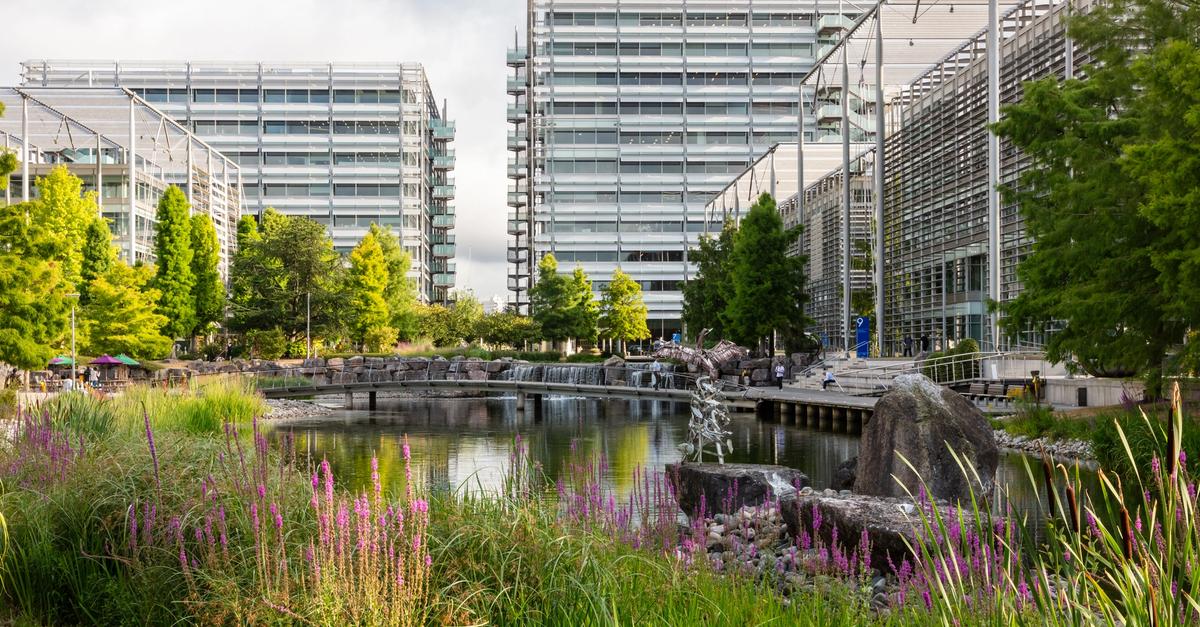
Several buildings along the Chiswick area were developed during the 1930s expansion of the Great West Road and incorporate Art Deco commercial architecture designed for modern offices and industry. Many of these structures were created by firms such as Wallis, Gilbert and Partners, who helped shape the architectural character of the district.
These buildings use clean horizontal lines, symmetrical façades, and large window bands typical of interwar office design. Their construction reflects the rapid growth of modern business parks and industrial headquarters in West London during the early twentieth century.
21. Lupus Street Estate
Location: Pimlico, SW1
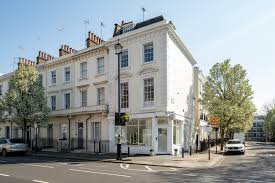
Lupus Street Estate was developed by Westminster City Council and completed in phases between the late 1920s and early 1930s as part of a programme to improve urban housing in central London. The estate introduced modern apartment blocks with better living conditions, including improved light, ventilation, and open courtyards.
The buildings use clean brick façades, simple geometric composition, and practical layouts typical of interwar social housing architecture. The design reflects how public housing adopted elements of Art Deco and modernist planning to create organised and dignified residential environments within dense urban districts.
22. Carlton Cinema
Location: Kensal Green, NW10
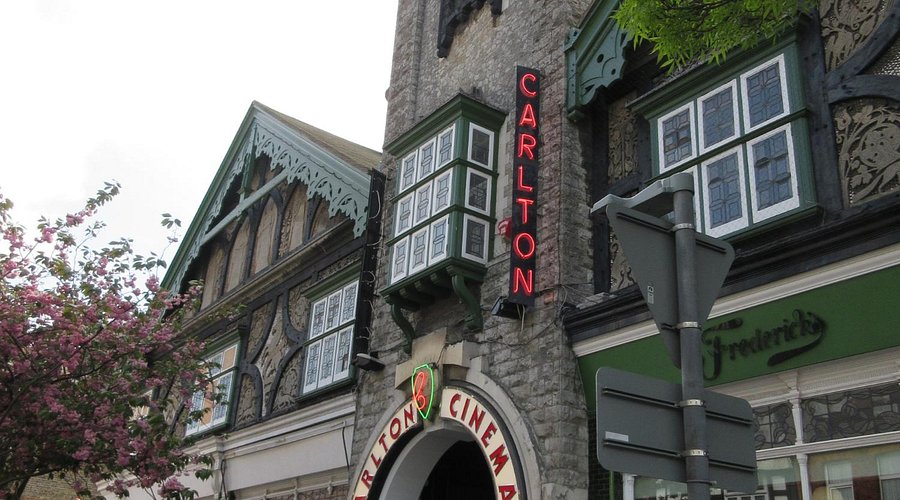
The Carlton Cinema was designed by George Coles and opened in 1930 as a neighbourhood cinema serving the growing communities of North West London. The building reflects the expansion of Art Deco cinema architecture during the early twentieth century.
The structure features a distinctive curved façade, horizontal lines, and decorative geometric detailing typical of the period. Inside, the auditorium once included ornamental lighting and symmetrical interior design that created an impressive setting for film audiences during the golden age of cinema.
23. The Criterion Restaurant (Art Deco Interior Phases)
Location: Piccadilly Circus, W1
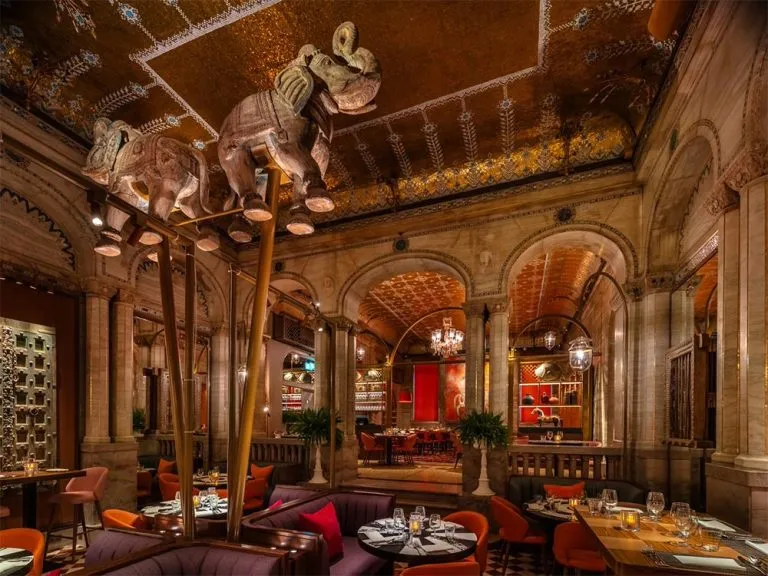
The Criterion Restaurant originally opened in the nineteenth century, but parts of its interior were redesigned during the early twentieth century with Art Deco decorative elements. These later changes introduced modern design features while maintaining the historic structure of the building.
The updated interiors included geometric decorative patterns, refined lighting, and smooth surfaces associated with Art Deco interior design. The space illustrates how existing restaurants and entertainment venues adopted modern decorative styles during the interwar years to create a contemporary dining environment.
24. Shell Mex House
Location: Strand, WC2
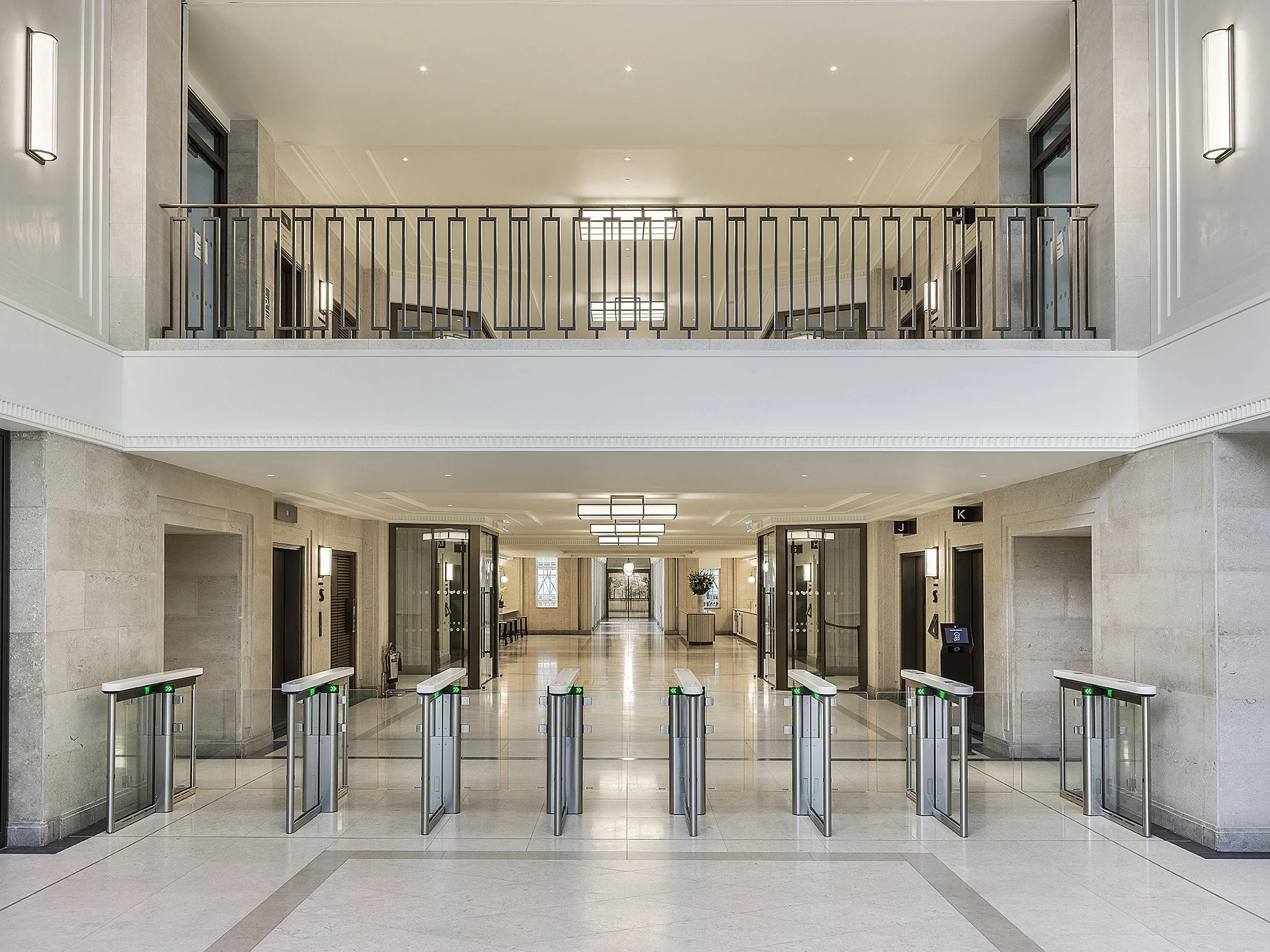
Shell Mex House was designed by Joseph Emberton and completed in 1931 as the headquarters for Shell-Mex and BP Ltd. The building occupies a prominent position along the Thames near Waterloo Bridge and reflects the scale of Art Deco corporate architecture during the interwar period.
The structure features strong horizontal lines, clean stone façades, and a large clock tower that adds a distinctive landmark element to the skyline. Its symmetrical composition and use of durable materials represent the modern image that large international companies wanted to project through architecture.
25. The Empress State Building
Location: Earls Court, SW6
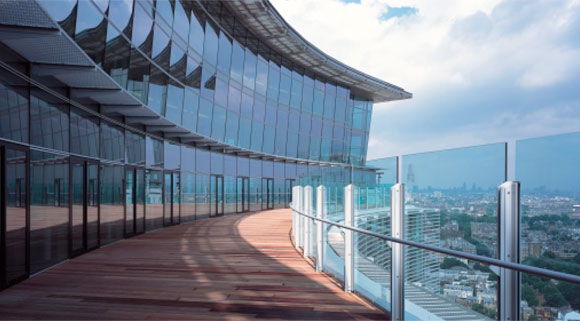
The Empress State Building was designed by Stone, Toms and Partners and completed in 1961 as a tall office tower serving the Earl’s Court exhibition area. Although built later than the main Art Deco period, its design reflects the continued influence of late Art Deco and modernist skyscraper forms.
The tower uses vertical lines, simple geometric massing, and minimal decoration, creating a strong and functional office building. Its height and symmetrical design reflect the transition from interwar architectural styles toward the taller commercial buildings that appeared in London during the mid-twentieth century.
26. Bush House
Location: Aldwych, WC2
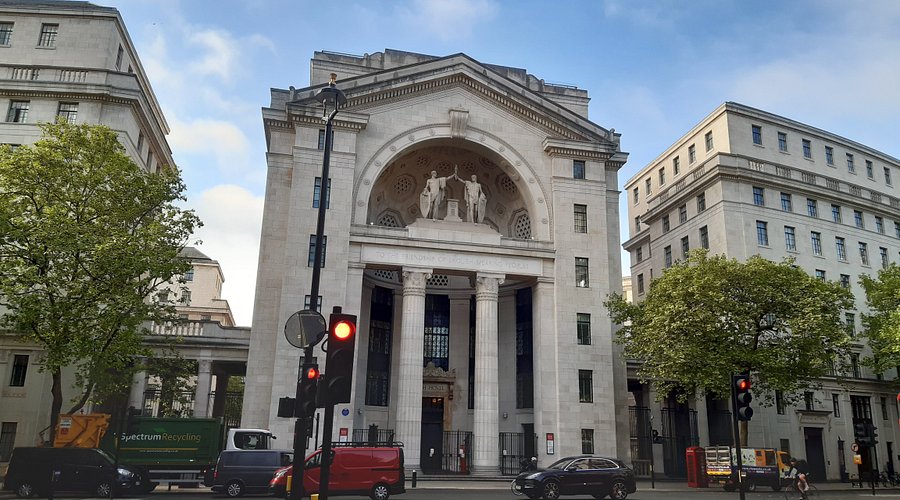
Bush House, designed by Helmle & Corbett with the British firm Simpson & Ayrton and completed in phases between 1925 and 1935, was developed as an international business and media centre near the Strand. The building became widely known as the long-time home of the BBC World Service.
The structure combines classical symmetry with Art Deco detailing, using Portland stone façades, sculptural ornament, and balanced proportions. Its large internal courtyards and office spaces were designed for global trade organisations and broadcasting services.
27. Victoria Coach Station
Location: Victoria, SW1
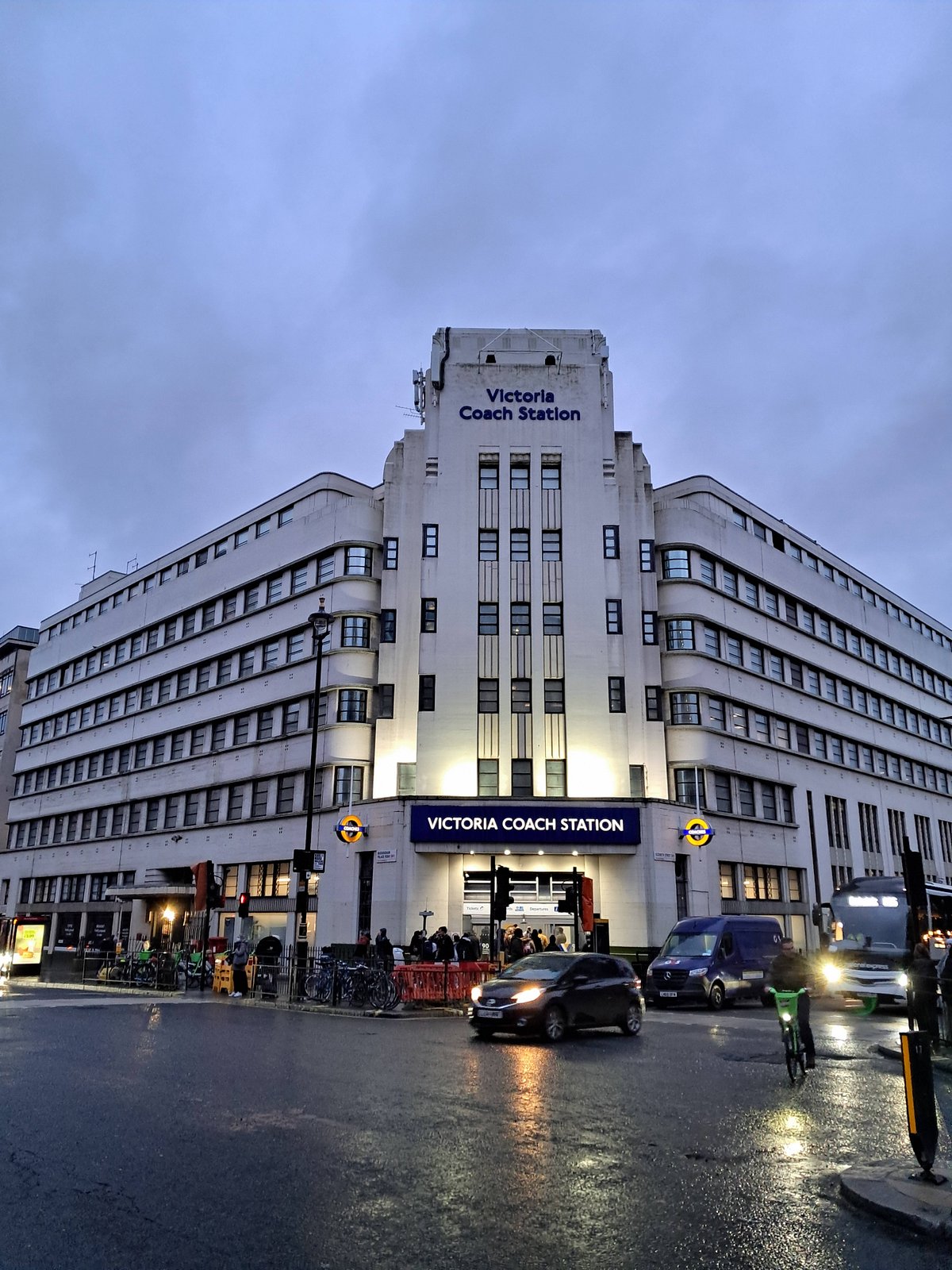
Victoria Coach Station was designed by Wallis, Gilbert and Partners and opened in 1932 as London’s main terminal for long-distance coach travel. The station was built to organise increasing road transport connections between London and other cities across Britain.
The building uses clean structural lines, large windows, and organised circulation areas that reflect the practical approach of Art Deco transport architecture. Separate arrival and departure halls help manage passenger flow, while the simple geometric design creates a clear and recognisable public building.
28. Hammersmith Apollo
Location: Hammersmith, W6
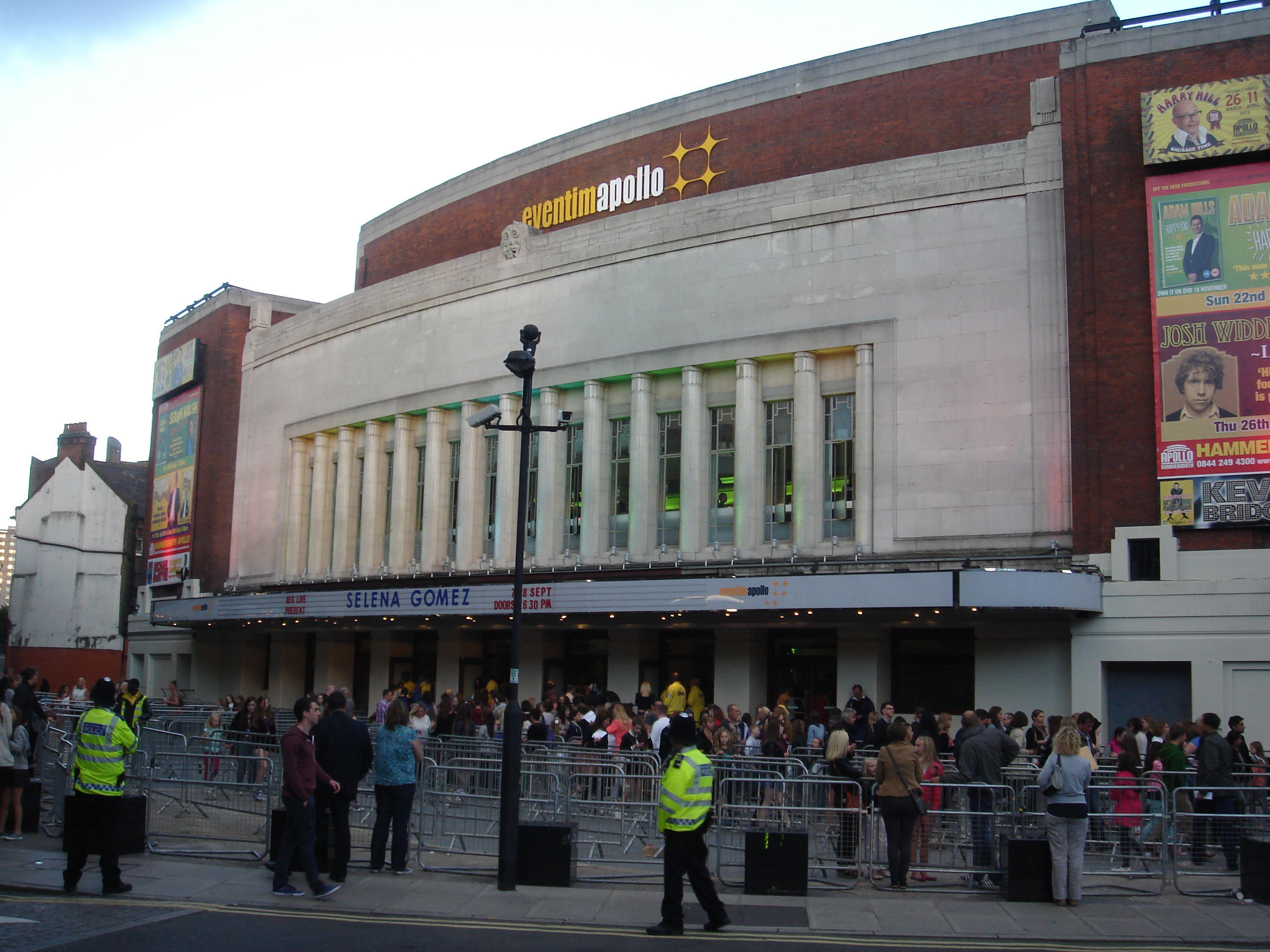
Hammersmith Apollo, designed by Robert Cromie and opened in 1932, was built as a large cinema and theatre for the growing entertainment industry in West London. The venue later became an important concert and performance hall.
The building features a strong symmetrical façade, curved architectural forms, and interior spaces decorated with Art Deco theatre design. Large balconies, ornamental lighting, and geometric detailing create a dramatic setting for performances and public events.
29. The Strand Palace Hotel
Location: Strand, WC2
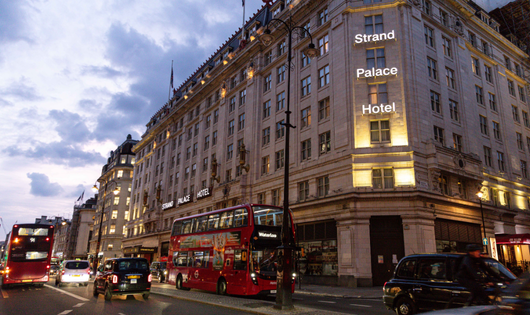
The Strand Palace Hotel, redesigned and reopened in 1928 following major redevelopment, introduced Art Deco interiors to one of the busiest hotel sites in central London. The project modernised the earlier hotel building and provided updated public spaces for the growing number of visitors travelling to the capital during the interwar period.
The hotel became known for its stylish entrance halls, restaurants, and decorative features that reflected the design trends of the 1930s. Geometric patterns, polished materials, and carefully arranged lighting created a modern hospitality environment suited to large numbers of guests arriving in London for business and tourism.
30. The Berkeley Hotel (Art Deco Elements)
Location: Knightsbridge, SW1
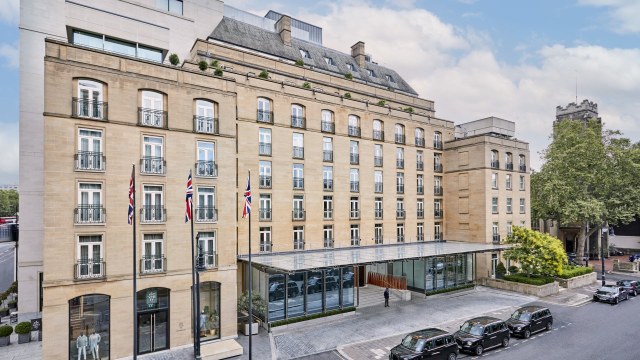
The Berkeley Hotel occupies a modern building designed by Brian O’Rorke and opened in 1972, replacing an earlier hotel on the site in Knightsbridge. While the structure itself is not an original Art Deco building, parts of its interior spaces incorporate Art Deco design references in later decorative schemes.
Several public areas use geometric patterns, polished metals, and carefully balanced layouts inspired by 1930s design. These elements reflect the continued influence of Art Deco aesthetics within luxury hospitality interiors, even in buildings constructed decades after the original period.
31. Ibex House
Location: Minories, EC3
Ibex House, designed by Fuller, Hall and Foulsham and completed in 1937, is one of the most striking examples of Streamline Moderne Art Deco office architecture in the City of London. The building was developed as a modern commercial office block during the rapid expansion of business districts in the interwar years.
Its design features curved corners, long horizontal window bands, and smooth faience cladding that emphasise movement and efficiency. The steel frame structure allowed larger office floors and greater natural light, reflecting the shift toward more functional and technologically advanced office buildings in the late 1930s.
32. Sloane Avenue Mansions
Location: Chelsea, SW3
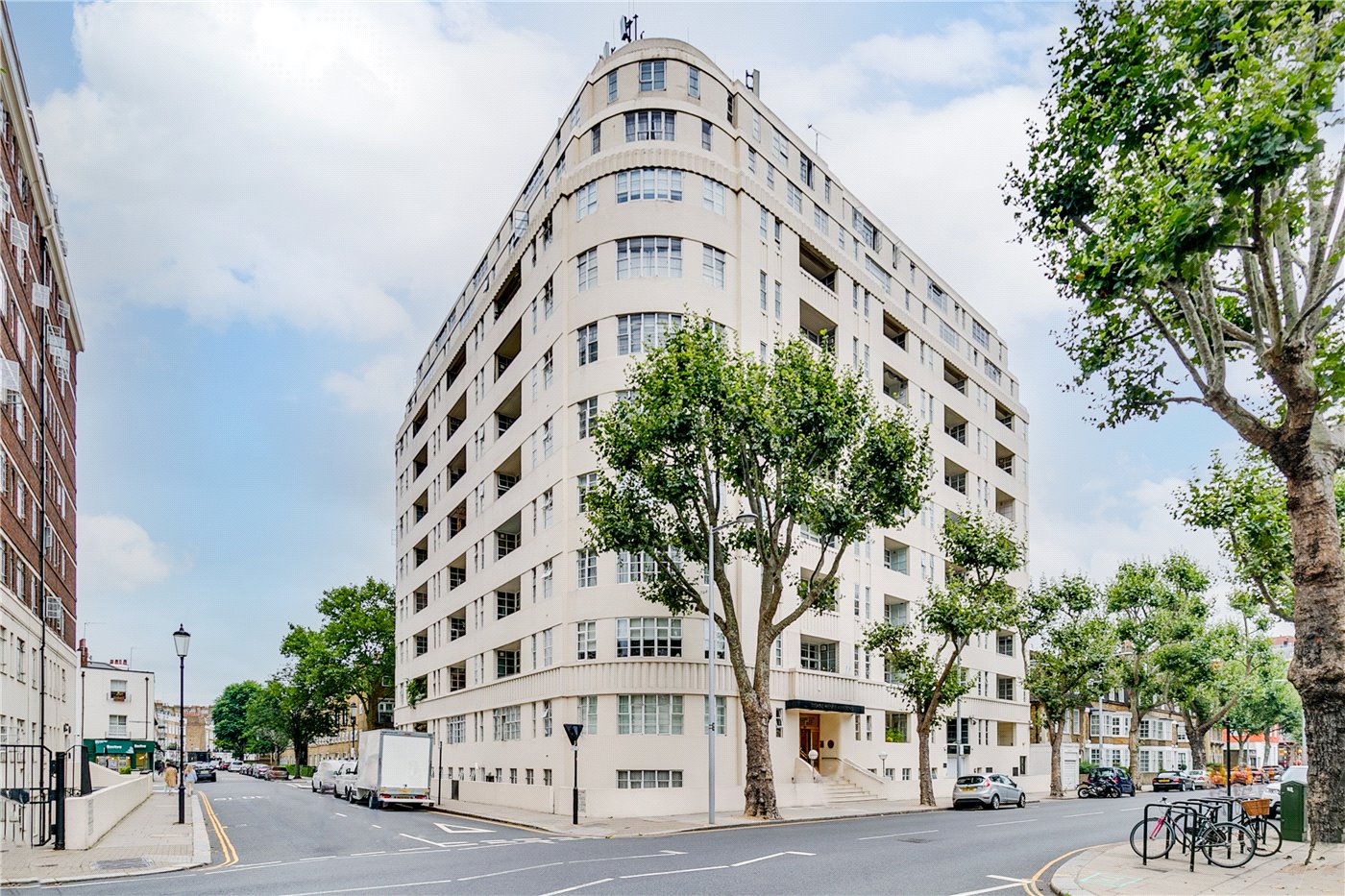
Sloane Avenue Mansions, designed by G. Kay Green and completed in 1933, is a large Art Deco apartment building in Chelsea. The development formed part of a wider transformation of central London housing during the interwar period, replacing older structures with modern residential blocks.
The building’s façade uses clean lines, symmetrical windows, and subtle curved details that reflect the restrained character of London’s residential Art Deco. With hundreds of flats arranged across multiple storeys, it demonstrated how large apartment buildings could provide modern urban housing while maintaining an orderly architectural appearance.
33. Acton Town Station
Location: Acton, W3
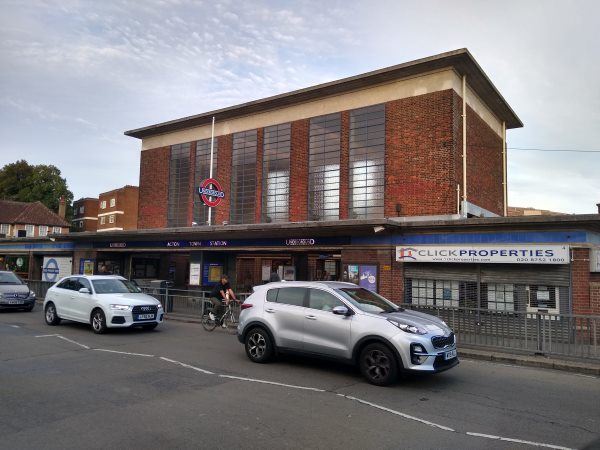
Acton Town Station was redesigned by Charles Holden and completed in 1932 as part of the London Underground modernisation programme. The station became one of the most important transport hubs in West London, serving multiple Underground lines.
Holden’s design uses geometric forms, brick construction, and large glazed areas to create clear circulation spaces for passengers. The station reflects the broader architectural programme of the Underground during the 1930s, where practical planning and modern design were used to give the transport network a consistent visual identity.
34. Dolphin Square
Location: Pimlico, SW1
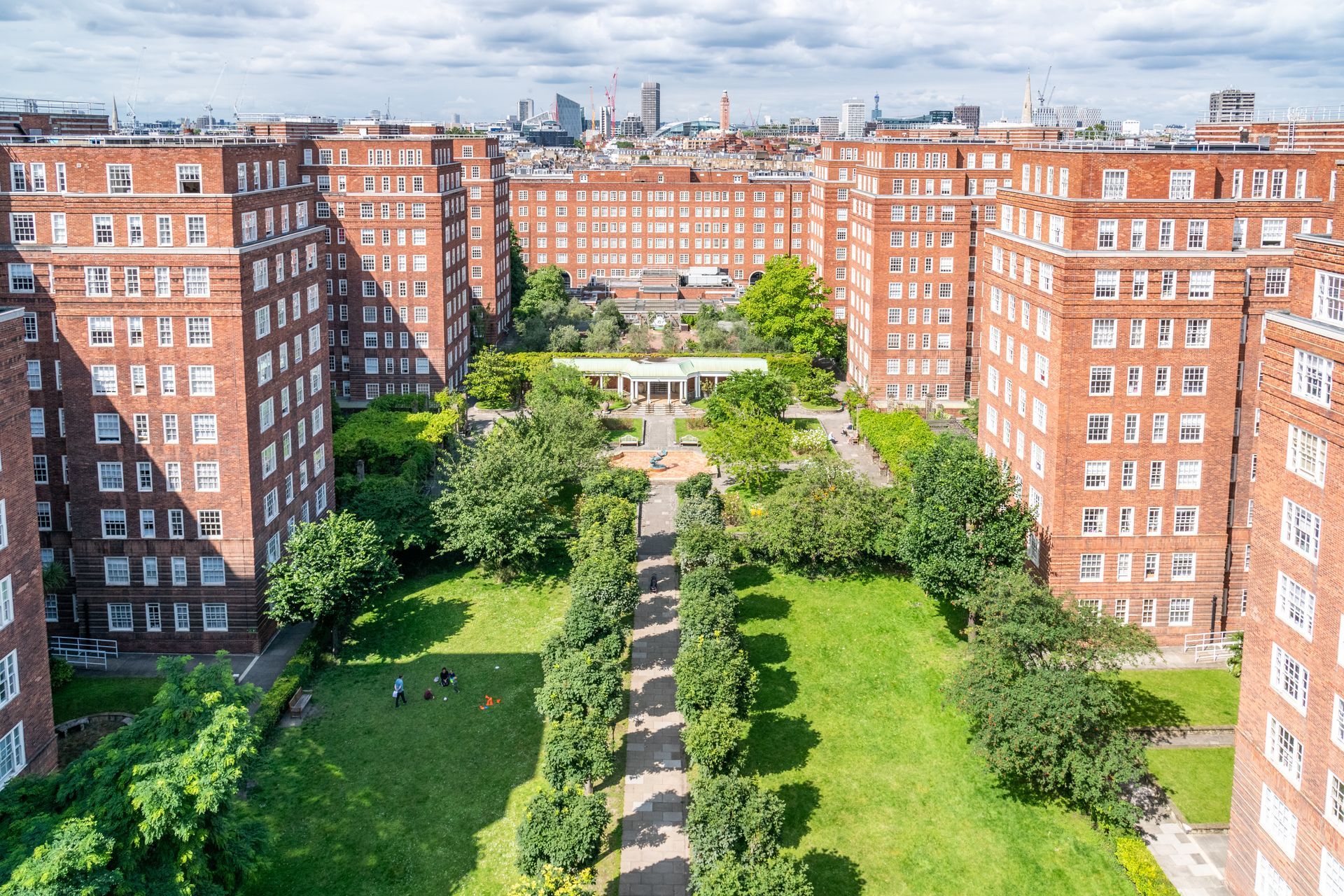
Dolphin Square, designed by Stanley Gordon Jeeves and completed in 1937, is one of the largest residential developments built in London during the interwar period. The complex includes more than a thousand flats arranged around landscaped internal gardens near the River Thames in Pimlico.
Although its architecture incorporates elements of Neo-Georgian design, the scale, planning, and reinforced concrete construction reflect modern residential development of the 1930s. The estate provided modern apartments, shared facilities, and organised open space for residents, representing new approaches to large-scale urban housing.
35. The Adelphi Building
Location: John Adam Street, WC2
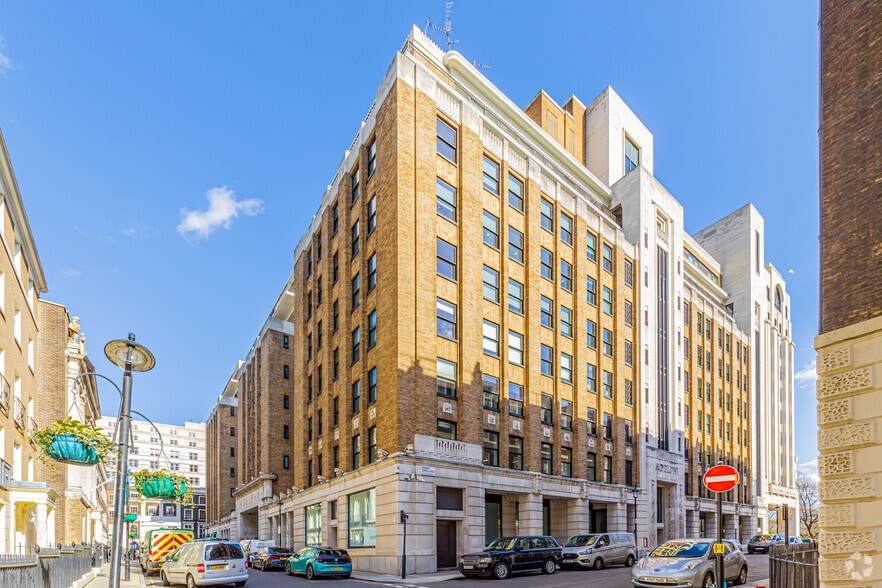
The Adelphi Building, designed by Stanley Hamp of the firm Collcutt and Hamp and completed in 1938, introduced a modern office complex to the Strand area of central London. It replaced earlier buildings and formed part of the redevelopment of the district as a commercial and cultural centre.
The structure uses carefully proportioned stone façades and restrained geometric detailing that align with London’s institutional Art Deco style. Offices were arranged around internal courtyards to provide light and ventilation, reflecting the functional planning principles used in many interwar office developments.
36. Battersea Power Station
Location: Nine Elms, SW11
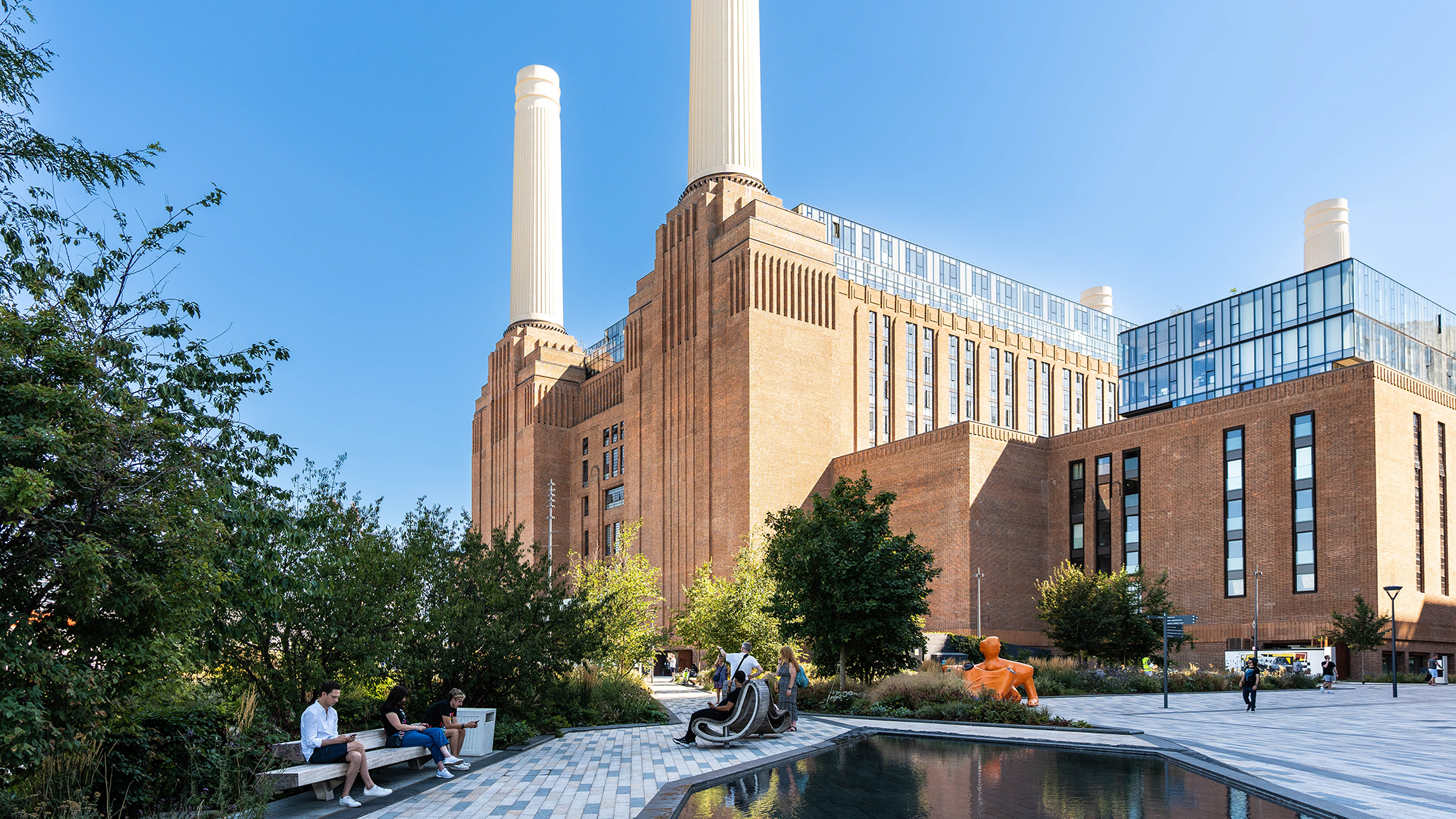
Battersea Power Station was designed by Sir Giles Gilbert Scott and built between 1929 and 1935, with a later phase completed after the Second World War. The power station became one of London’s most recognisable industrial landmarks along the River Thames.
The design combines large-scale engineering with architectural order, using strong symmetry, vertical lines, and four tall chimneys that dominate the skyline. Its monumental form demonstrates how Art Deco principles of scale, geometry, and modern materials were applied to major infrastructure projects.
37. Unilever House
Location: Victoria Embankment, EC4
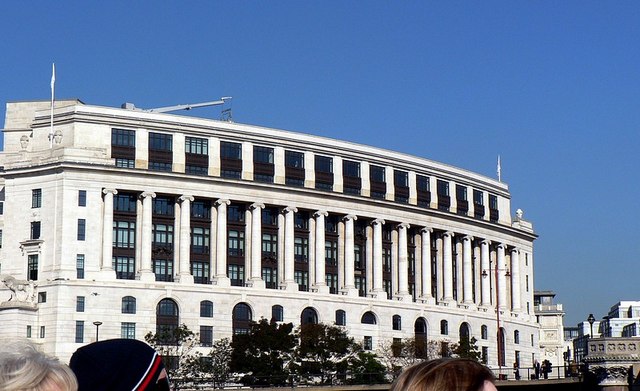
Unilever House, designed by Sir John Burnet & Partners with architect Thomas S. Tait and completed in 1933, was built as the headquarters for the global consumer goods company Unilever. The building occupies a prominent site along the Victoria Embankment overlooking the Thames.
The façade features sculptural panels, curved frontage, and balanced proportions that combine classical structure with Art Deco detailing. Its design reflects how large corporations during the interwar years used architecture to communicate stability, international reach, and modern business identity.
38. Pullman Court
Location: Streatham Hill, SW2
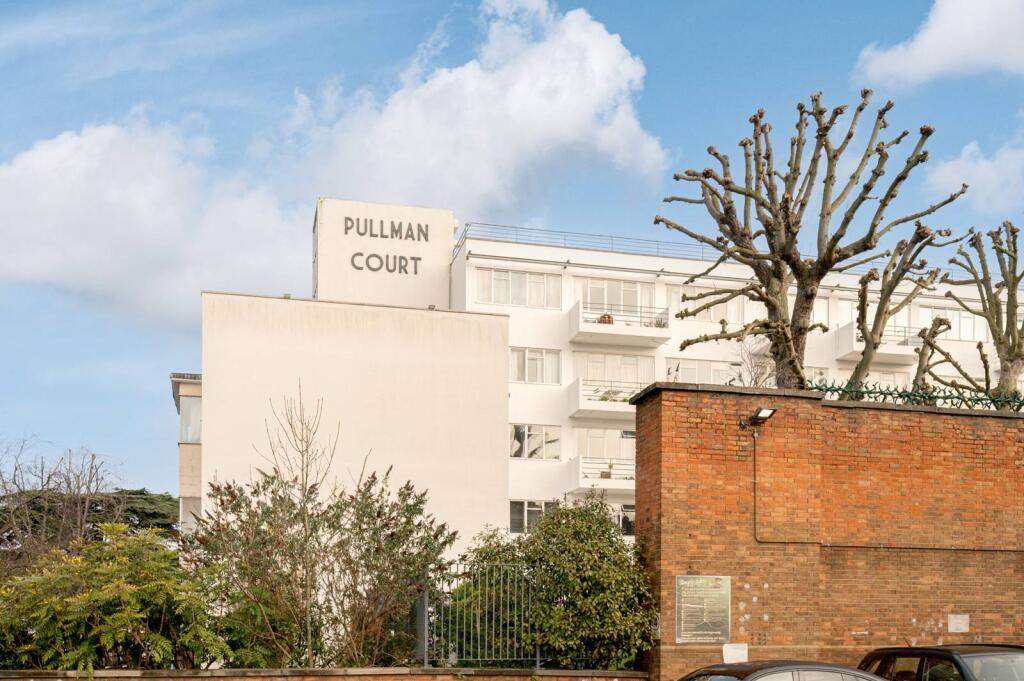
Pullman Court, designed by Frederick Gibberd and completed in 1936, is one of the most important examples of modern residential architecture in London. The development was designed as a planned apartment community with shared amenities and landscaped open spaces.
The buildings use white rendered surfaces, horizontal window bands, and curved balcony forms associated with streamlined 1930s design. Pullman Court reflects the growing interest in modern apartment living during the interwar years and the influence of European modernism on British housing projects.
39. Century House
Location: Westminster Bridge Road, SE1
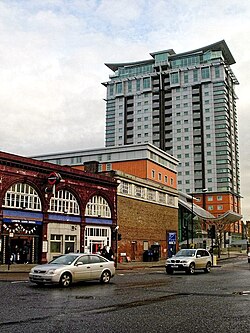
Century House was constructed between 1959 and 1964 as a modern office building near Westminster Bridge. Although built after the main Art Deco period, its strong vertical emphasis and geometric structure reflect the influence of earlier twentieth-century architectural ideas.
The building’s simple tower form and glass curtain wall represent the shift toward post-war commercial architecture in London. Its presence illustrates how architectural development continued to evolve after the interwar period, moving from Art Deco styling toward modern high-rise office design.
40. The Grampians
Location: Shepherd’s Bush, W6
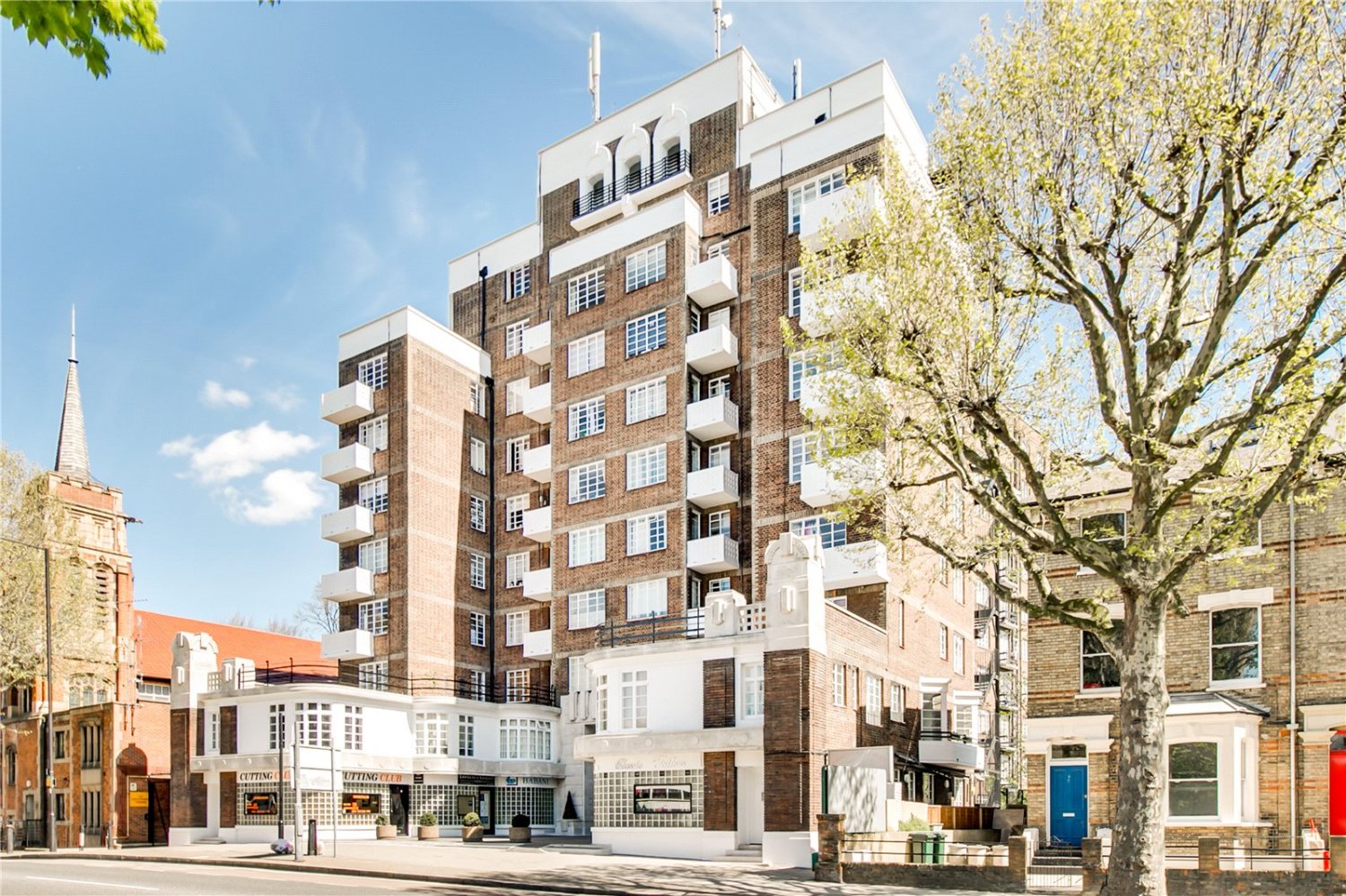
The Grampians, designed by Maurice Webb and built between 1935 and 1937, is a large residential building in Shepherd’s Bush. The development was planned to provide modern apartment accommodation during a period of rapid housing expansion in London.
Its design uses clean horizontal lines, symmetrical façades, and restrained decorative elements typical of London’s residential Art Deco architecture. The building demonstrates how the style was adapted for practical apartment living while maintaining a strong visual presence within the surrounding streetscape.
Why Art Deco Became Popular In London
London in the interwar period was modernising rapidly. The Underground network expanded into the suburbs. Cinema became a major form of entertainment. Large companies wanted impressive headquarters. New housing estates were needed for a growing population. These changes also influenced the wider culture of London, as new media, entertainment venues, and public spaces reshaped everyday life in the capital.
Art Deco architecture matched this period of change. It looked modern without feeling unstable. It suggested progress, confidence, and efficiency. Architects such as Charles Holden and Erich Mendelsohn helped shape London’s skyline with clean, bold designs that still influence the city today.
Preservation Of Art Deco Buildings In London
Many Art Deco buildings are now protected as listed structures. This legal protection helps prevent demolition or major alteration. Conservation groups work to protect these architectural landmarks because they represent an important period in London’s urban development.
Visiting Art Deco Sites
Exploring London's Art Deco heritage requires planning, as many buildings remain in private use. Some locations offer public access during specific hours or through guided tours. The Hoover Building's ground floor shops welcome visitors, while Eltham Palace operates as a museum with regular opening hours. Walking tours focusing on Art Deco architecture provide expert insights and access to multiple sites.
The Legacy Of Art Deco In London
Art Deco influenced more than architecture. It shaped interior design, furniture, transport branding, and graphic design. The style reflected optimism between the two world wars. Even today, modern architects draw inspiration from its clean geometry and balanced forms.
Art Deco in Londonremains a visible reminder of a time when the city embraced progress, technology, and elegant simplicity. Whether you are interested in architectural history, London walking tours, or photography, these buildings offer a unique glimpse into the capital’s modern heritage.
Experiencing Art Deco Today
Modern Londoners and visitors can still experience authentic Art Deco spaces. Several restaurants and bars maintain original 1930s interiors. The Beaufort Bar at the Savoy recreates the Art Deco aesthetic with careful attention to period details.
Some office buildings allow public access to their Art Deco lobbies during business hours. A number of historic hotels also preserve elements of interwar design and are often listed among the best luxury hotels in London, where guests can experience interiors influenced by the Art Deco period.
Tips For Your Art Deco Walking Tour In London
- Map out your route in advance. Central London (Fleet Street to Bloomsbury) has a strong cluster of landmarks, but some standout buildings are spread across different boroughs, so factor in Underground travel time.
- If you are searching for places to visit in London, start your tour near Senate House and 55 Broadway, then continue toward the Strand and former media district.
- Add a scenic Thames stop at Albert Bridge, especially if you’re exploring in the evening when the lighting enhances its atmosphere.
- Confirm access details beforehand. Some buildings restrict entry or require advance booking, while others are viewable only from the exterior.
- Look for specialist architecture tours from providers such as London Walks, or check if the Open House Festival includes Art Deco sites during your visit.
- Use public transport strategically to reach suburban Underground stations designed in the 1930s, many of which are architectural highlights in their own right.
- Bring a camera to capture geometric façades, chrome detailing, stepped forms, and bold symmetry. Exterior photography is generally allowed.
- Be mindful that some locations remain private offices or residences. Follow signage and respect access boundaries at all times.
- Combine architecture with nearby attractions, areas around Oxford Street and the Strand offer dining and shopping breaks between stops.
- Enhance the experience with interior visits where possible, including preserved spaces at Eltham Palace or entertainment venues like Hammersmith Apollo.
People Also Ask
What Are The Most Famous Art Deco Buildings In London?
Some of the most famous Art Deco buildings in London include Senate House, the Hoover Building, BBC Broadcasting House, the Daily Express Building, and 55 Broadway. These buildings reflect the architectural style that became popular in the city during the 1920s and 1930s.
When Was Art Deco Architecture Popular In London?
Art Deco architecture became popular in London mainly during the interwar period between the 1920s and 1930s. During this time the city expanded rapidly, with new Underground stations, cinemas, offices, and housing developments built in a modern architectural style.
Who Were The Main Architects Of Art Deco Buildings In London?
Several architects helped shape Art Deco architecture in London. The most notable include Charles Holden, who designed many Underground stations and Senate House, Wallis, Gilbert and Partners, known for the Hoover Building and Great West Road factories, and Sir Owen Williams, designer of the Daily Express Building.
Where Can You See Art Deco Architecture In London?
Art Deco buildings can be found across London, particularly in central districts such as Bloomsbury, Fleet Street, and the Strand, as well as along several Underground lines built in the 1930s. Areas like the Great West Road and parts of North London also contain notable examples.
Final Thoughts
Art Deco architecture played a key role in shaping London during the 1920s and 1930s. As the city expanded, the style provided modern designs for transport stations, offices, cinemas, factories, and housing.
Many of these buildings still stand today, with their geometric forms and balanced proportions reflecting the period’s focus on progress and efficiency. Together, they remain an important part of London’s architectural heritage and urban history.
If you are visiting the city, consider adding a few of these landmarks to your itinerary to understand better how Art Deco helped shape modern London.
Jump to
Art Deco Buildings That Shaped Modern London
What Is Art Deco Architecture?
1. Senate House
2. Hoover Building
3. BBC Broadcasting House
4. Daily Express Building
5. Eltham Palace
6. Carreras Cigarette Factory
7. Florin Court
8. Ideal House
9. DU Cane Court
10. Southgate Underground Station
11. Arnos Grove Underground Station
12. Sudbury Town Underground Station
13. The Ritzy Cinema
14. Oakwood Underground Station
15. East Finchley Underground Station
16. 55 Broadway
17. The Troxy
18. The Former Firestone Factory (partial Remains)
19. The Granada Cinema (former)
20. Chiswick Park Buildings (Art Deco Phases)
21. Lupus Street Estate
22. Carlton Cinema
23. The Criterion Restaurant (Art Deco Interior Phases)
24. Shell Mex House
25. The Empress State Building
26. Bush House
27. Victoria Coach Station
28. Hammersmith Apollo
29. The Strand Palace Hotel
30. The Berkeley Hotel (Art Deco Elements)
31. Ibex House
32. Sloane Avenue Mansions
33. Acton Town Station
34. Dolphin Square
35. The Adelphi Building
36. Battersea Power Station
37. Unilever House
38. Pullman Court
39. Century House
40. The Grampians
Why Art Deco Became Popular In London
Preservation Of Art Deco Buildings In London
Visiting Art Deco Sites
The Legacy Of Art Deco In London
Experiencing Art Deco Today
Tips For Your Art Deco Walking Tour In London
People Also Ask
Final Thoughts

James Rowley
Author
James Rowley is a London-based writer and researcher covering London life, cultural geography, London travel, live London webcam pages and selected public figures across entertainment, sport, business and public life.
For over 15 years, he has focused on verified sources, first-hand local context and clear explanations that help readers understand both places and people more deeply. His work combines street-level London knowledge with careful research into career credits, media work, business interests and, where relevant, transparently explained net worth estimates.
He writes and reviews articles published on LondonWebcam.
Latest Articles
Popular Articles