Top 60 Family-friendly Places In London: Pick By Age + Weather
Family-friendly places in London, organised by type and age: 60 ideas, one-area-per-day planning, budget notes, and easy neighbourhood itineraries.
Author:James RowleyMar 02, 20261.7K Shares197.4K Views
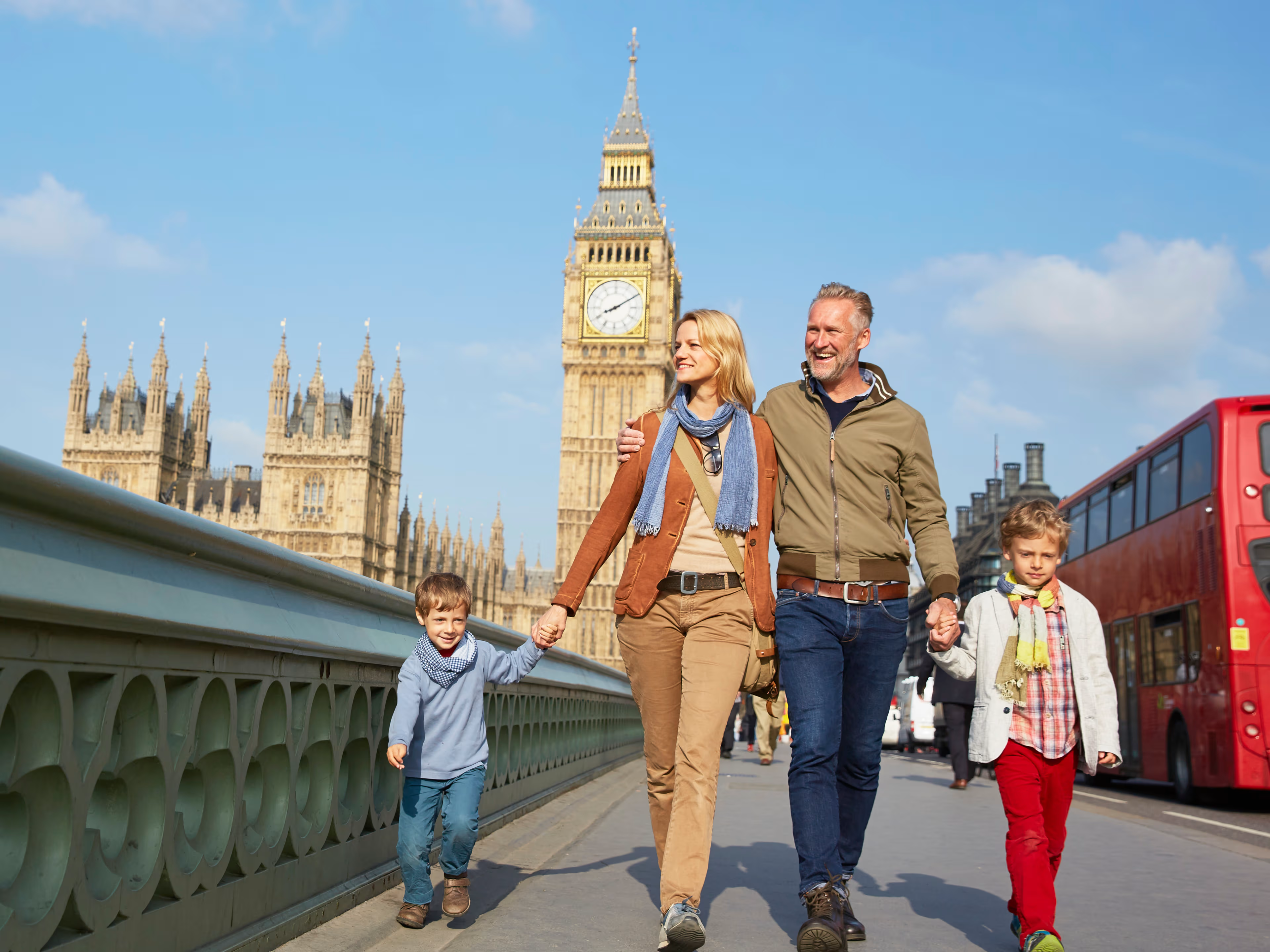
Family-friendly Places In London: How To Plan A Smooth Day Out With Kids
Londoncan be pure magic with kids, and also strangely draining if you spend the day zig-zagging across the city chasing “the best” of everything. The real secret to a great family day in London is not doing more. It is doing the right mix close together, with breaks built in before anyone hits empty.
I’m writing this as a traveller with a family-first filter: short hops, easy wins, and practical details you can use on the move. The goal is simple. Help you choose places that match your kids’ ages and energy, keep travel time sensible, and end the day feeling like you experienced London, not just managed it.
Quick Answer Box
- Pick one London neighbourhood cluster per day (South Bank, South Kensington, Greenwich are classics).
- Combine one paid headline + one hands-on museum + one park/playground.
- For popular museums, pre-book a free entry slot when offered to reduce queues. The Natural History Museum explicitly recommends booking ahead even though entry is free.
- Getting around with a buggy? Use TfL Journey Planner with accessibility options, and don’t be shy about choosing buses when they’re simpler.
- Keep a rainy-day Plan B: interactive museum zone + immersive attraction + warm snack stop.
Family-friendly Places In London Quick Answer And How To Choose Fast
You’re about to get 60 places-but this section is the part that makes them usable. It turns a big list into a day you can actually live through.
The One-area-per-day Rule And Why It Works For Kids
A common mistake I see is treating London like a checklist city. With kids, the cost isn’t just time-it’s energy. One-area-per-day works because:
- You cut down on long Tube transfers and “are we there yet?” loops.
- You can pivot quickly when weather or moods change.
- You naturally build in breaks: parks, cafés, river walks.
Choose a “home base” area each day and let everything else orbit around it.
A Simple Picker: Age, Energy, Weather, Budget
Use this to decide what you’ll prioritise:
| Your situation | Your best “anchor” pick |
| Toddler / nap schedule | Park + short museum + animals |
| Primary school age | Hands-on museum + iconic landmark |
| Tween/teen | Views + immersive experience + market food |
| Rainy/cold day | Big museum cluster + indoor attraction |
| Budget day | Free museum + free park + one treat |
Match the day to your kid’s current energy-not your ideal itinerary.
What To Book Ahead And What To Decide On The Day
Booking rules change, so I keep this principle: book what’s likely to bottleneck your day.
Book-ahead usually helps:
- “Free” museums that offer timed entry (it’s about queue control, not upselling). The Natural History Museum says booking is best during busy times.
- Big-ticket attractions you’re not willing to miss (London Eye, Zoo, immersive experiences).
Decide-on-the-day works well for:
- Parks, playgrounds, markets, river walks.
- “Backup” museums where you’re flexible.
One note on volatile details:ticket prices, opening hours, and booking rules can change-always confirm on the official pages linked in this article. Data as of February 2026.
60 Family-friendly Places In London Curated List By Type
This is your master list. Each place includes quick planning notes: where it is, whether it’s usually paid or free, and what families tend to love about it.
Iconic London That Kids Usually Love
1. London Eye
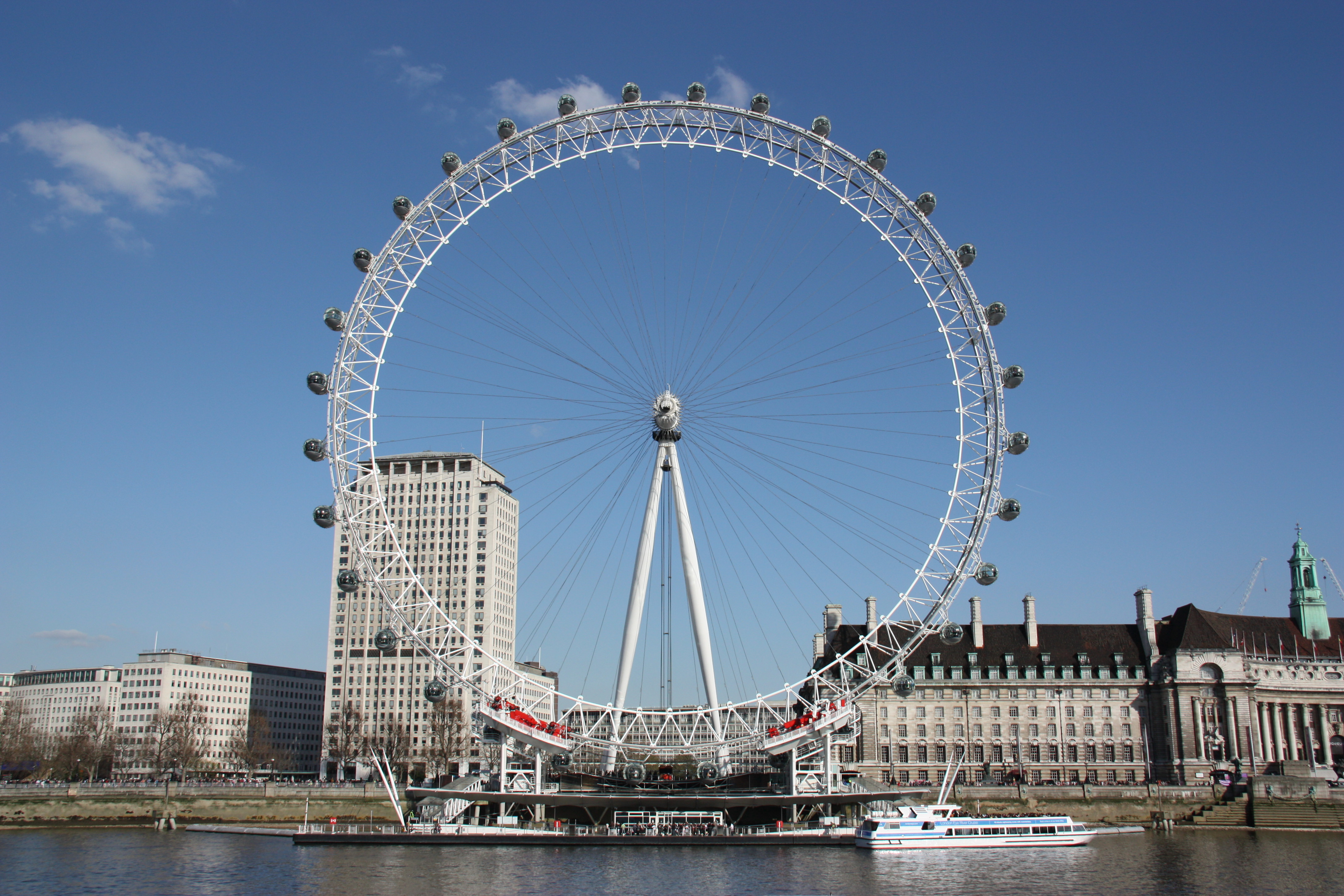
- Location:South Bank of the Thames, opposite the Houses of Parliament and Big Ben, beside the London EyePier (ticket office is in County Hall).
- Tickets:Paid (Standard + Fast Track options).
- Opening hours:Vary by season/day.
- Time needed:The ride is around 30 minutesfor one full rotation (allow extra for security/queuing).
- Queues:Can be significant at peak times; pre-booking and earlier slots usually feel easier.
- Accessibility:Wheelchair-friendly with limited wheelchair capacity per pod; pre-booking accessibility slots is recommended.
- Tips:Pair it with a playground stop (Jubilee Gardens) so kids can “reset” after standing still.
The London Eyeis a giant observation wheel and one of the easiest “instant London” moments for families-big views without lots of walking. The capsules move slowly, which gives kids time to look, point, and wander inside without feeling rushed.
It was created as a millennium landmark and ended up becoming part of the city’s identity. For tweens and teens, it’s a top-tier skyline payoff; for younger kids, it’s the feeling of “floating above London” that sticks.
2. Tower Of London
- Location:Tower Hill, on the north bank of the Thames.
- Tickets:Paid (Historic Royal Palaces).
- Opening hours:Vary by season/day; check the official “Visit” info.
- Time needed:Allow a half-day if you want to explore without rushing.
- Queues:Arrive early in busy periods; security and ticket lines can add time.
- Accessibility:Some areas involve uneven ground/steps; plan routes for buggies/wheelchairs.
- Tips:Don’t try to “do it all”-pick 2-3 anchors (Crown Jewels, ravens, a tower walk) and call it a win.
The Tower of Londonis castle, fortress, prison, and treasure-house in one-exactly the kind of layered storybook setting kids instinctively understand. Even children who aren’t “history kids” often perk up at the ravens, armour, and the feeling of being inside real stone walls.
For families, it’s best treated as a few unforgettable highlights rather than a completionist mission. It’s a place where atmosphere does half the work-your job is just pacing.
3. Tower Bridge
- Location:Spans the Thames between Tower Hill and the South Bank (near London Bridge).
- Tickets:Paid (exhibition).
- Opening hours:Open daily; last entry time applies.
- Time needed:1-2 hours works well for most families.
- Queues:Busier mid-day; earlier entry usually feels calmer.
- Accessibility:Step-free routes are available; check access guidance on the official site.
- Tips:Sell it to kids as “glass floors + engine rooms”-it’s the quickest hook.
Tower Bridge is the London landmark kids recognise from pictures-and then get genuinely excited about once they realise you can go inside it. The high-level walkways give you that “wow” moment, and the engineering spaces make the bridge feel like a working machine, not just a photo backdrop.
It’s also a great “short-but-memorable” stop: strong payoff, limited effort. Pair it with a riverside walk so the day feels spacious.
4. Changing Of The Guard Viewpoints Around Buckingham Palace
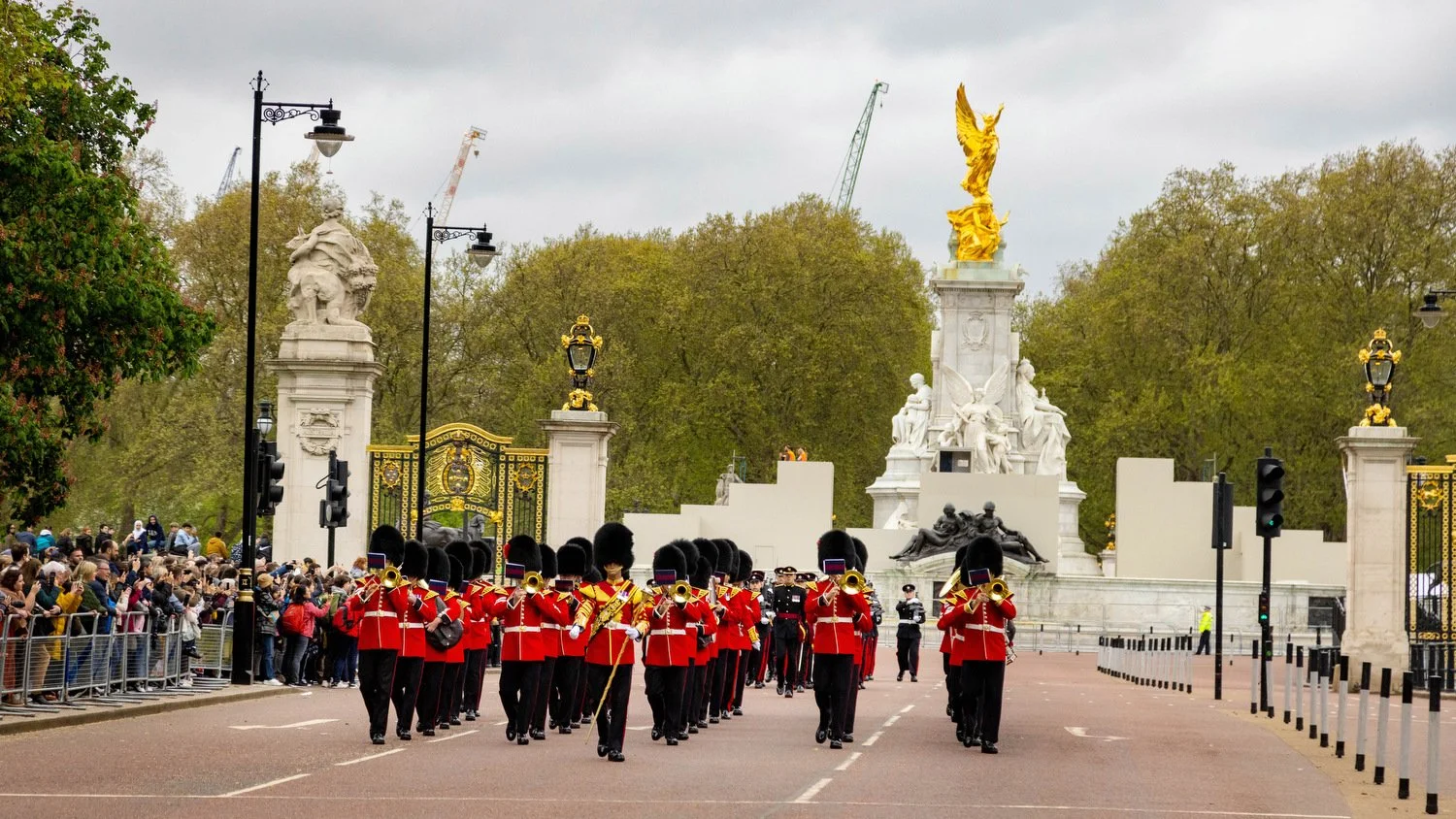
- Location:Buckingham Palace/ The Mall / St James’s Park edges.
- Tickets:Free (public ceremony).
- Opening hours:Schedule-based; confirm dates/times before you go.
- Time needed:45-90 minutes depending on crowding and your viewing plan.
- Queues:Crowds gather early on popular dates; plan a “leave if it’s too much” escape route.
- Accessibility:Public streets/paths; expect standing and dense crowds.
- Tips:Watch from the park side or a less-crushed edge-kids see more and everyone stays happier.
Changing the Guard is pure theatre: music, uniforms, and ceremony that feels like London’s story unfolding in real time. It’s also one of the most “you don’t have to explain it” experiences-kids understand spectacle instantly.
The best family strategy is to treat it like a flexible bonus: go if the timing works, and bail gracefully if the crowd feels overwhelming. St James’s Park afterwards is the perfect decompression.
5. St Paul’s Cathedral
- Location:City of London (St Paul’s station).
- Tickets:Paid for sightseeing (check ticket types).
- Opening hours:Sightseeing hours vary by day; check official opening times.
- Time needed:1.5-3 hours depending on pace and how much you climb/explore.
- Queues:Security lines can add time; earlier in the day often feels smoother.
- Accessibility:Many areas are accessible, but domes/upper levels can involve stairs-plan based on your needs.
- Tips:Give kids a mission: “spot 5 details” (mosaics, monuments, patterns) to keep attention engaged.
St Paul’s Cathedralis one of those buildings that makes everyone go a bit quieter-not because it’s “serious,” but because the scale is so dramatic it feels like stepping into a different world. It’s history you can stand inside: arches, light, and a sense of London stretching back centuries.
With kids, it helps to keep the visit purposeful. Choose a few “big moments” rather than trying to absorb everything, and you’ll leave with awe instead of fatigue.
6. Westminster Abbey
- Location:Westminster (next to Parliament Square).
- Tickets:Paid for visiting (see official prices/entry times).
- Opening hours:Vary by day; last entry matters.
- Time needed:1.5-3 hours depending on pace and crowds.
- Queues:Popular slots sell out; booking ahead reduces stress.
- Accessibility:Some areas involve steps/uneven surfaces; check accessibility guidance.
- Tips:For younger kids, focus on “stories” (coronations, famous figures) rather than trying to see every corner.
Westminster Abbeyis Britain’s ceremonial church-less like a single attraction and more like a living archive of national milestones. Even kids who don’t know the names feel the weight of the place: carvings, tombs, and the sense that “important things happened here.”
The family win is to keep the narrative simple. Pick a handful of memorable details, then leave while curiosity is still high.
Best Hands-on Museums For Families
7. Natural History Museum
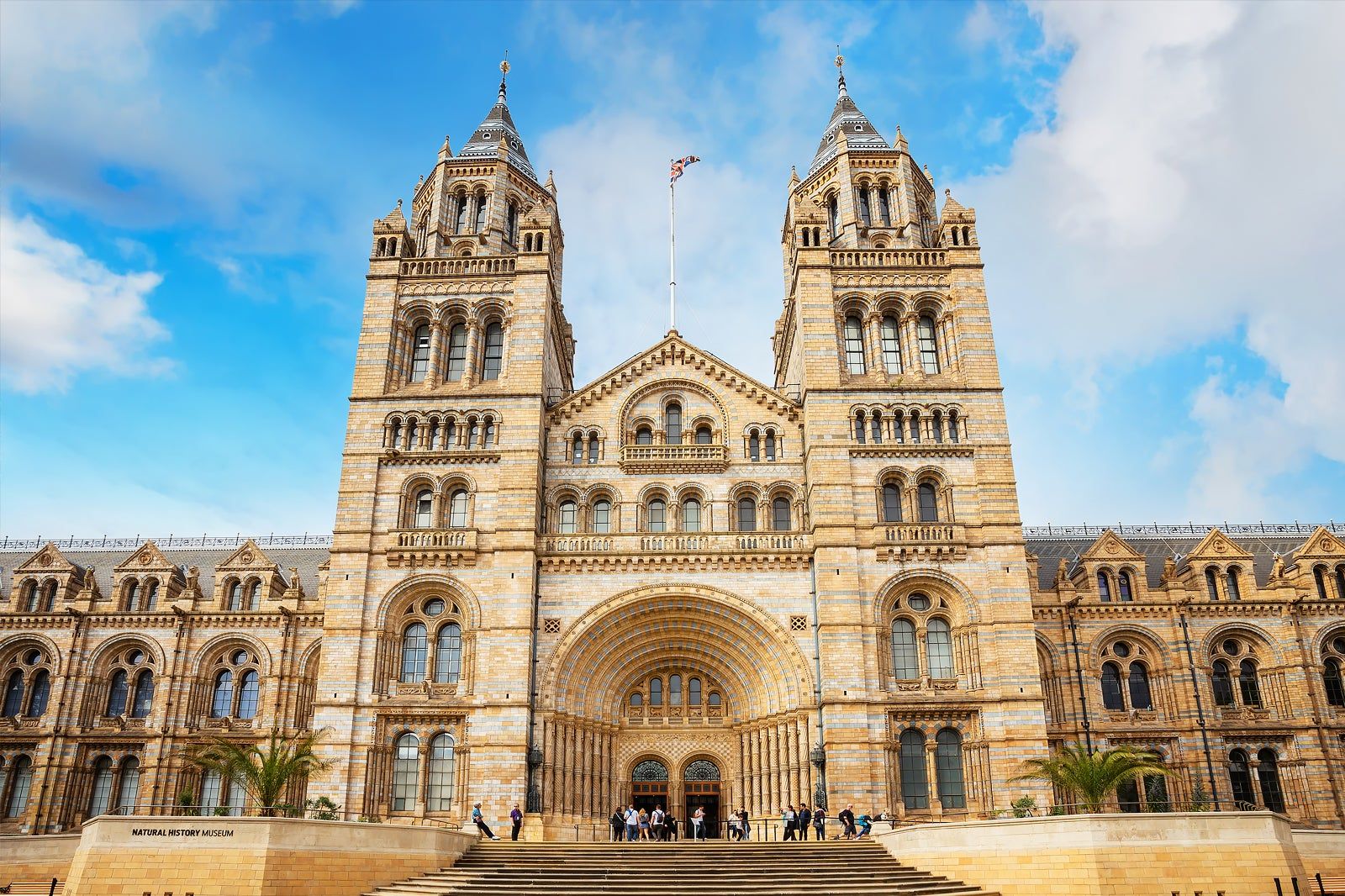
- Location:South Kensington.
- Tickets:Free general entry, but booking ahead is recommended in busy periods.
- Opening hours:Vary; check the museum’s visit page.
- Time needed:2-4 hours (or a full day if you let it).
- Queues:Can be heavy at peak times; booked slots help.
- Accessibility:Generally strong, but it’s big-plan breaks.
- Tips:Choose a “top 3” (dinosaurs + one animal hall + one interactive zone) and stop there.
The Natural History Museumis a family classic because it delivers instant wonder-dinosaurs, enormous skeletons, and galleries that feel like walking through nature’s greatest hits. It’s also one of those places where kids forget they’re “learning,” because the objects do the storytelling for you.
Treat it like a buffet, not a set menu. Pick what excites your kids most and let the rest go.
8. Science Museum
- Location:South Kensington.
- Tickets:Free admission; pre-book free entry tickets.
- Opening hours:Check official opening hours.
- Time needed:2-4 hours depending on galleries and energy levels.
- Queues:Booking smooths entry at busy times.
- Accessibility:Family-friendly layout; plan for sensory/attention breaks.
- Tips:This is a rainy-day hero-lean into interactive areas and don’t over-schedule.
The Science Museumis built for curiosity: big machines, big ideas, and plenty of “how does this work?” fuel. For school-age kids, it’s one of the best places in London to turn a cold day into a high-energy day without needing perfect weather.
The trick is choosing your zones. If you try to do everything, it becomes overwhelming; if you pick a few hands-on galleries, it becomes a highlight.
9. Young V&A
- Location:Bethnal Green (Cambridge Heath Road).
- Tickets:Free general admission; no booking needed.
- Opening hours:Daily opening times are published on the visit page.
- Time needed:1.5-3 hours (often longer if kids are happily absorbed).
- Queues:Usually manageable; busier on weekends/school holidays.
- Accessibility:Designed with families in mind; check facilities on the visit page.
- Tips:Ideal for mixed ages-let each child “claim” one gallery and you rotate.
Young V&Ais the rare museum that feels like it was designed with children as the main character. It’s creative, playful, and visually engaging-more “make and imagine” than “look and don’t touch.”
If you’re travelling with kids who struggle with traditional galleries, this can be the place that makes everyone exhale. It’s also a brilliant budget day-out because the experience is rich without being expensive.
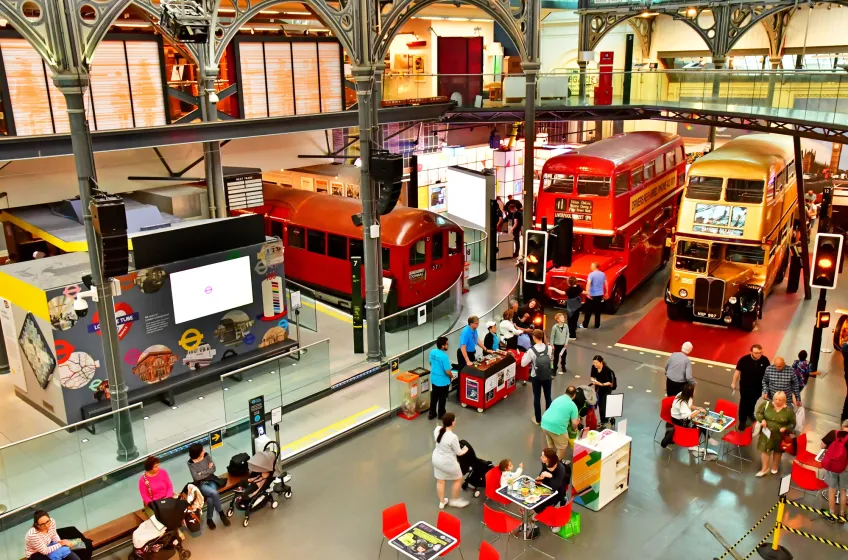
10. London Transport Museum
- Location:Covent Garden.
- Tickets:Paid; ticket options include passes (kids go free with paying adult in some ticket structures-check current terms).
- Opening hours:Published on the museum’s visit info.
- Time needed:1.5-3 hours.
- Queues:Pre-booking helps on peak days.
- Accessibility:Generally strong; check visit/access info.
- Tips:Perfect “bridge” attraction between adult London and kid London-vehicles make it click fast.
This museum turns London’s everyday transport into a story about how the city grew-buses, Tube trains, posters, and the design language of London itself. For kids, it’s tactile and relatable: they’ve usedthe Tube, so the history feels personal.
It’s also nicely contained compared to the mega-museums-
enough content to feel satisfying, without the endless corridors that can drain small legs.
11. National Maritime Museum And The AHOY! Children’s Gallery
- Location:Greenwich.
- Tickets:Check current ticketing/entry approach (some areas may have different access rules).
- Opening hours:Check Royal Museums Greenwich visit info.
- Time needed:2-4 hours (plus park/market time if you’re doing a full Greenwich day).
- Queues:Typically easier than central London hotspots, but still busier on weekends.
- Accessibility:Family-focused; confirm details in official visit guidance.
- Tips:AHOY! is your under-7 ace-use it as the “play first, museum second” entry point.
The National Maritime Museum is Greenwich’s family anchor: you get big themes (ships, exploration, oceans) without needing specialist knowledge to enjoy it. The real family magic is AHOY!, which is built around play-sensory areas, role-play, and interactive elements that let kids burn energy while still absorbing the world-building.
If you want a London day that feels calmer and greener, this is a strong choice. Combine it with Greenwich Park and you’ve got a day that balances learning and movement.
12. British Museum
- Location:Bloomsbury.
- Tickets:Free general admission; special exhibitions are usually paid (confirm on official site).
- Opening hours:Vary; check official website.
- Time needed:1.5-3 hours if you focus; a full day if you don’t.
- Queues:Can be very busy-go early and commit to one theme.
- Accessibility:Large, with step-free routes in many areas; confirm official access guidance.
- Tips:Pick a “kid hook” (mummies, lions, ancient monsters) and build a mini-route around it.
The British Museumis enormous-an “everything cabinet” of world history that can feel thrilling or overwhelming depending on your plan. For families, it’s best when you treat it like a treasure hunt: you’re not here to see it all, you’re here to find a handful of unforgettable objects.
Older kids often love it when you connect the galleries to stories they already know-myths, empires, archaeology. Keep it story-led, not lecture-led.
13. Imperial War Museum London
- Location:Lambeth.
- Tickets:Generally free entry; some exhibitions may be paid (confirm official site).
- Opening hours:Vary; check official website.
- Time needed:2-4 hours.
- Queues:Usually manageable but can rise in school holidays.
- Accessibility:Lifts and accessible routes in many areas; confirm access info.
- Tips:Best for older kids, pre-scan themes if you have sensitive children.
Imperial War Museum Londoncovers conflict and its human impact-powerful, often moving, and sometimes heavy. For teens, it can be an excellent “real world” museum that feels relevant, not dusty.
As a family stop, it works best when you choose galleries intentionally and take breaks. It’s not a place to rush through.
14. National Army Museum
- Location:Chelsea.
- Tickets:Generally free entry; paid exhibitions/events may exist (confirm official site).
- Opening hours:Vary; check official website.
- Time needed:1.5-3 hours.
- Queues:Often lighter than central mega-attractions.
- Accessibility:Family-friendly facilities; confirm access info.
- Tips:Great for school-age kids who like objects, uniforms, and “real kit” stories.
The National Army Museumtends to surprise families-because it’s more interactive and narrative-driven than people expect. It’s built around personal stories, objects, and clear themes rather than endless text.
It’s a strong “short museum” option when you want something meaningful without committing to a whole day indoors.
15. Museum Of London Docklands
- Location:West India Quay (Canary Wharf area).
- Tickets:Generally free entry; confirm official details.
- Opening hours:Vary; check official website.
- Time needed:1.5-3 hours.
- Queues:Often calmer than central museums.
- Accessibility:Usually accessible, but confirm lift access/routes.
- Tips:Pair with a Docklands waterside walk for a low-stress day rhythm.
Museum Of London Docklandstells London’s story through the docks-trade, migration, growth, and the way the Thames shaped the city. It’s especially good if you want something “different London,” away from the most crowded tourist lanes.
For kids, the win is the sense of place: you can step outside afterwards and see the modern Docklands skyline that grew from those older stories.
16. The Postal Museum And Mail Rail
- Location:Clerkenwell (near Farringdon).
- Tickets:Paid; Mail Rail is a key add-on/part of the experience-booking ahead is smart.
- Opening hours:Vary; check official/authoritative listings.
- Time needed:2-3 hours (plus your Mail Rail slot).
- Queues:Mail Rail time slots can be the bottleneck-plan around them.
- Accessibility:Check access guidance for the museum and the ride.
- Tips:Book your Mail Rail time first, then build the rest of the day around it.
The Postal Museummakes the behind-the-scenes city feel exciting: letters, sorting, communication history, and the kind of everyday systems kids don’t realise are astonishing until they see them. The star is Mail Rail-a “secret London” feeling that turns transport into adventure.
It’s ideal for families who like unusual attractions-the ones kids brag about because classmates haven’t all done it.
Parks And Playgrounds That Earn Their Keep
17. Hyde Park
- Location:Central London (multiple entrances; Marble Arch / Hyde Park Corner edges).
- Tickets:Free.
- Opening hours:Park access is generally daily; hours vary by season-confirm if needed.
- Time needed:As long as your kids can run.
- Queues:Not applicable.
- Accessibility:Wide paths; good for buggies.
- Tips:Use it as your “reset stop” between high-stimulation attractions.
Hyde Parkis London’s pressure-release valve: big sky, big space, and that instant feeling of “we can breathe again.” It’s not an attraction you “complete”-it’s a place you use to make the rest of the day work.
For families, it’s especially valuable because it turns downtime into part of the itinerary, not a failure of planning.
18. Kensington Gardens
- Location:West London, beside Hyde Park.
- Tickets:Free.
- Opening hours:Park access is generally daily; hours vary by season.
- Time needed:1-3 hours (or longer if a playground is involved).
- Queues:Not applicable.
- Accessibility:Good paths for buggies; check routes near playgrounds if needed.
- Tips:Brilliant pairing with South Kensington museums-museum first, gardens after.
Kensington Gardens feels like a softer, storybook cousin of Hyde Park-wide lawns, paths, and a calmer pace that suits stroller days. It’s also packed with family-friendly “micro-moments,” from wandering to playground time.
If your plan includes museums nearby, this is where you go to let the day breathe.
19. Regent’s Park
- Location:Central North London (near Baker Street / Camden edges).
- Tickets:Free (park).
- Opening hours:Park access is generally daily; hours vary by season.
- Time needed:1-3 hours, or more with Zoo/day-out plans.
- Queues:Not applicable.
- Accessibility:Broad paths; good for buggies.
- Tips:Combine with London Zoo for an “animals + park” day.
Regent’s Park is a classic family park because it offers both open space and “structured fun” nearby. It has that gentle London elegance-gardens, water, and long paths that make kids feel free without feeling lost.
It’s an easy win on sunny days and a solid “slow morning” choice if you’ve had a big day before.
20. St James’s Park
- Location:Between Buckingham Palace and Westminster.
- Tickets:Free.
- Opening hours:Park access is generally daily; hours vary by season.
- Time needed:45 minutes to 2 hours.
- Queues:Not applicable.
- Accessibility:Generally flat paths; busy around ceremonies.
- Tips:Perfect decompression after Changing of the Guard-head to the lake and slow down.
St James’s Park is the most “royal” feeling park-palaces and ceremonial routes all around you, plus the simple pleasure of birds on the water. It’s surprisingly kid-friendly because it turns a high-energy sightseeing area into a place to pause.
When the central London pace feels intense, this park quietly fixes the day.
21. Greenwich Park
- Location:Greenwich (near Cutty Sark / National Maritime Museum).
- Tickets:Free.
- Opening hours:Park access is generally daily; hours vary by season.
- Time needed:1-3 hours.
- Queues:Not applicable.
- Accessibility:Some hills; plan breaks if you’ve got small legs or a heavy buggy.
- Tips:Combine with Maritime Museum + market for a full day that doesn’t feel frantic.
Greenwich Park is one of the best “London feels spacious” places: history, views, gardens, and room for kids to roam. It also anchors a whole family day in Greenwich that can feel calmer than Zone 1 hotspots.
The only watch-out is the hill-great for views, less great for tired feet. Build in snack stops.
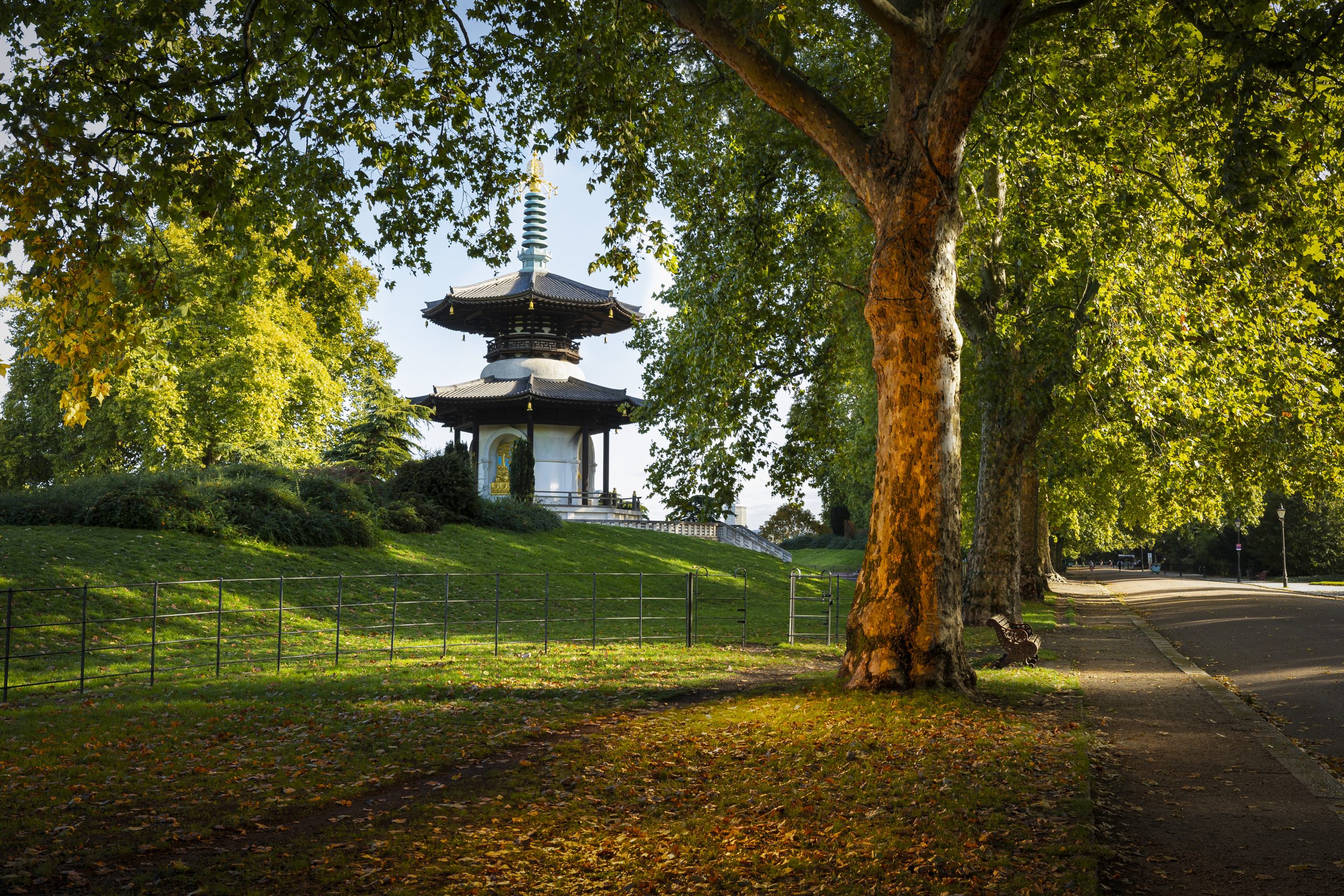
22. Battersea Park
- Location:Battersea (south of the Thames, near Battersea Park station).
- Tickets:Free (park).
- Opening hours:Generally daily; check local listings for seasonal facilities.
- Time needed:1-3 hours.
- Queues:Not applicable.
- Accessibility:Good paths for buggies.
- Tips:Pair with Battersea Park Children’s Zoo for a perfect half-day.
Battersea Park feels like a proper neighbourhood family park-roomy, practical, and designed for real life rather than just postcards. It’s ideal when you want a day that’s mostly movement and fresh air, with optional extras.
For families, it’s a “no-pressure” win: you can arrive with no strict schedule and still leave feeling like the day worked.
23. Holland Park
- Location:Kensington (Holland Park station).
- Tickets:Free (park).
- Opening hours:Generally daily; hours vary by season.
- Time needed:1-2.5 hours.
- Queues:Not applicable.
- Accessibility:Paths vary; check routes if you need step-free gradients.
- Tips:Great for a calmer London day when kids need nature more than attractions.
Holland Park is a softer, greener pocket of London-less about “big sights,” more about the feeling of escaping the city while still being inside it. It works beautifully for families who need a quieter pace.
Think of it as a recovery-day park: it restores energy so the rest of your trip stays enjoyable.
24. Victoria Park
- Location:East London (near Hackney Wick / Bethnal Green area).
- Tickets:Free.
- Opening hours:Generally daily.
- Time needed:1-3 hours.
- Queues:Not applicable.
- Accessibility:Wide paths; good for buggies.
- Tips:Pair with nearby family-friendly museums (like Young V&A) for an east-London family day.
Victoria Park is a local-family favourite-big open lawns, paths, and the kind of relaxed weekend energy that feels like “real London.” It’s a strong choice if you want a park day that doesn’t feel touristy.
It’s also perfect for kids who just want to run, scooter, and snack without being told to whisper.
25. Queen Elizabeth Olympic Park
- Location:Stratford (East London).
- Tickets:Park areas are free; some venues/attractions are paid.
- Opening hours:Park access generally daily; venue hours vary.
- Time needed:2-4 hours.
- Queues:Depends on what you add (venues/events).
- Accessibility:Modern paths and spaces are generally accessible.
- Tips:Great for active kids-plan it as an “energy day” and bring snacks.
Queen Elizabeth Olympic Parkis modern London at full scale: big open spaces, contemporary architecture, and a sense of room that’s rare in a major city. It’s a great fit if your kids are happiest when the day feels active rather than indoors.
Treat it like a flexible outdoor base. Add one paid activity if you want, but the park itself can carry the day.
26. Jubilee Gardens Playground
- Location:South Bank (right next to the London Eye).
- Tickets:Free.
- Opening hours:Outdoor public space; playground hours can vary seasonally.
- Time needed:30-60 minutes (or longer if it becomes “the main event”).
- Queues:Not applicable, but it can get busy.
- Accessibility:Generally buggy-friendly paths.
- Tips:Make this your guaranteed break after any South Bank queue.
Jubilee Gardensis one of those perfectly placed family assets-right where you need it, when you need it. It turns a “big attraction” zone into a kid-friendly zone by giving children somewhere to move freely.
Even if you don’t plan it, you’ll probably use it-and that’s exactly why it’s valuable.
Destination Playgrounds And Let-them-run Spots
27. Diana, Princess Of Wales Memorial Playground
- Location:Kensington Gardens.
- Tickets:Free (when open).
- Opening hours:When operating, hours vary-check official updates.
- Time needed:1-2 hours.
- Queues:Can be busy in school holidays and warm weather.
- Accessibility:Refurbishment includes accessibility improvements; confirm details.
- Tips:Check closure/reopening status before you build a day around it.
This is one of London’s most loved playground destinations-Peter Pan-inspired, imaginative, and built for the kind of play that feels like a full-on adventure. When it’s open, it’s a “whole day made” kind of place for younger kids.
Important planning note: The Royal Parks announced it would be closed from 3 November 2025for refurbishment, due to reopen for summer 2026.
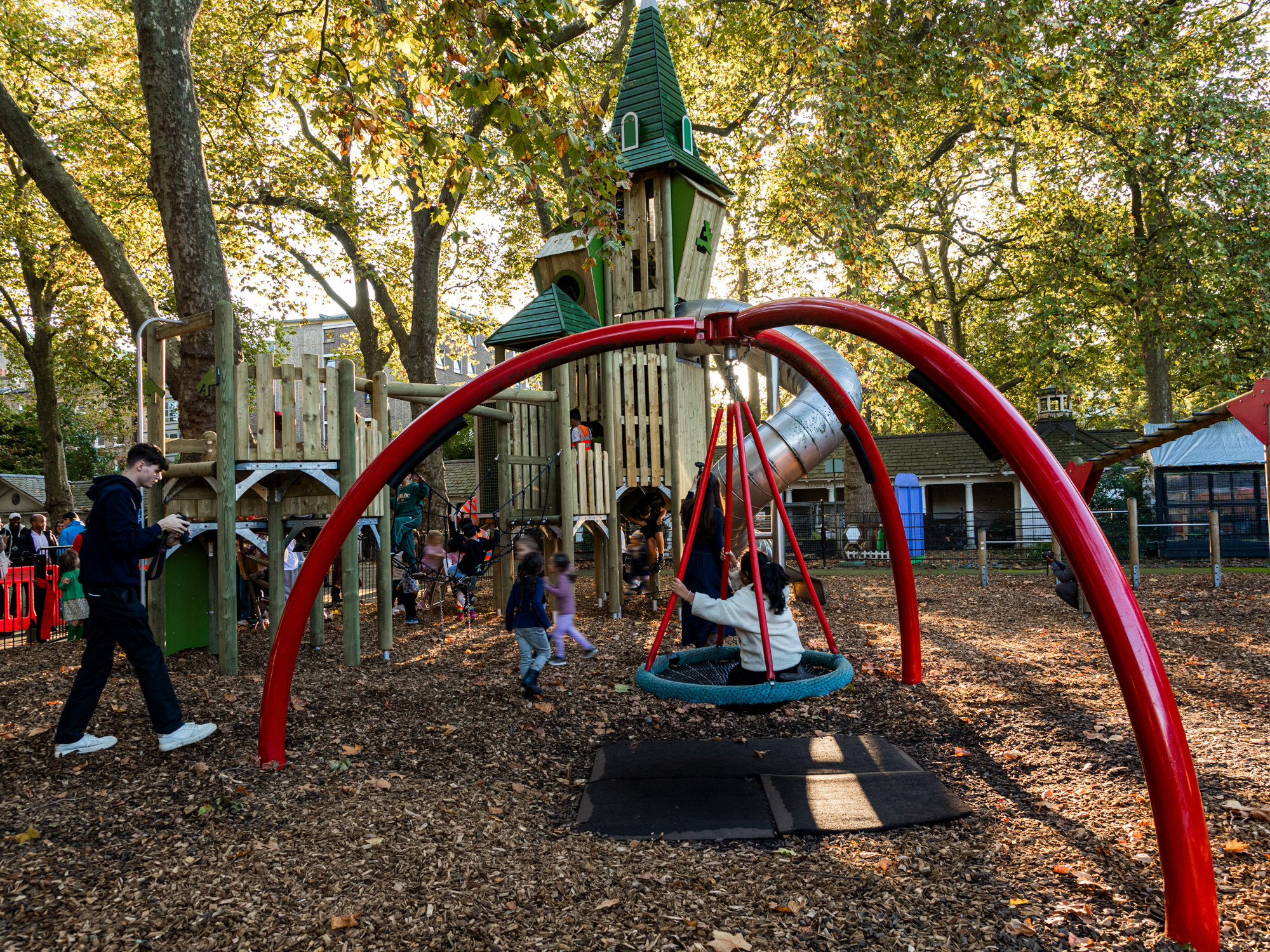
28. Coram’s Fields
- Location:Bloomsbury / King’s Cross area.
- Tickets:Free.
- Opening hours:Open daily from 9am to dusk(per Coram’s Fields).
- Time needed:1-2 hours.
- Queues:Not applicable.
- Accessibility:Paths are generally accessible; confirm facilities on-site.
- Tips:This is a brilliant “kid-only priority” space-perfect when you need safe, contained play.
Coram’s Fields is a rare London gem: a central green space designed specifically as a safe haven for children and young people. It’s the kind of place that makes parents relax because the environment is intentionally family-first.
It’s ideal as a reset stop between museums or as the main event for little kids who just need to play-no negotiations required.
29. Mudchute Park Play Areas
- Location:Isle of Dogs (Mudchute DLR area).
- Tickets:Free (public park areas).
- Opening hours:Outdoor public space; facilities can vary.
- Time needed:1-2 hours.
- Queues:Not applicable.
- Accessibility:Generally stroller-friendly, but surfaces vary.
- Tips:Combine with Mudchute Farm for a full “animals + play” day.
Mudchuteis a family favourite because it feels like a small countryside detour inside the city. The play areas are your movement anchor, and the wider space makes it easy to follow your kid’s pace rather than forcing a schedule.
It’s especially good if you want London to feel less like crowds and more like breathing room.
30. Diana Memorial Fountain Area
- Location:Hyde Park.
- Tickets:Free.
- Opening hours:Outdoor public space; any water features can be seasonal.
- Time needed:30-90 minutes.
- Queues:Not applicable.
- Accessibility:Paths are generally accessible.
- Tips:Bring spare socks (and a towel if it’s warm)-kids love water whether you planned it or not.
This is one of those “simple joys” London moments: open space, water nearby, and a natural invitation for kids to play. It works best as a warm-weather break where the goal is not sightseeing-just letting the day feel easy.
If your trip is packed with museums and landmarks, a stop like this can be the moment everyone remembers most.
31. Royal Victoria Dock And Docklands Waterside Walks
- Location:Docklands (around Royal Victoria DLR / ExCeL area).
- Tickets:Free (public space).
- Opening hours:Always accessible as a public area.
- Time needed:45 minutes to 2 hours.
- Queues:Not applicable.
- Accessibility:Wide paths; typically good for buggies.
- Tips:Ideal “low-stimulation” stroll after a busy morning elsewhere.
Docklands waterside walking is underrated for families because it’s spacious and flat-two things that quietly make kids (and parents) happier. It feels modern, open, and calmer than central riverside paths.
Use it as a gentle buffer day: a walk, a snack, and maybe one nearby museum-nothing more.
32. Little Venice And Paddington Basin Canalside
- Location:West London (Warwick Avenue / Paddington area).
- Tickets:Free to wander; boat trips are paid.
- Opening hours:Public area; boat services vary.
- Time needed:1-2.5 hours.
- Queues:Not applicable (unless you’re doing a boat).
- Accessibility:Mostly stroller-friendly paths; some narrow spots.
- Tips:This is a great “post-lunch walk” that makes everyone calmer.
Little Venice is the kind of London that feels like a secret: water, narrowboats, and a slower tempo. For kids, it’s a steady stream of small wonders-bridges, boats, reflections-without demanding long attention spans.
It’s especially useful when you want your day to feel scenic without committing to another ticketed attraction.
Animals, Farms, And Nature Without Leaving London
33. ZSL London Zoo
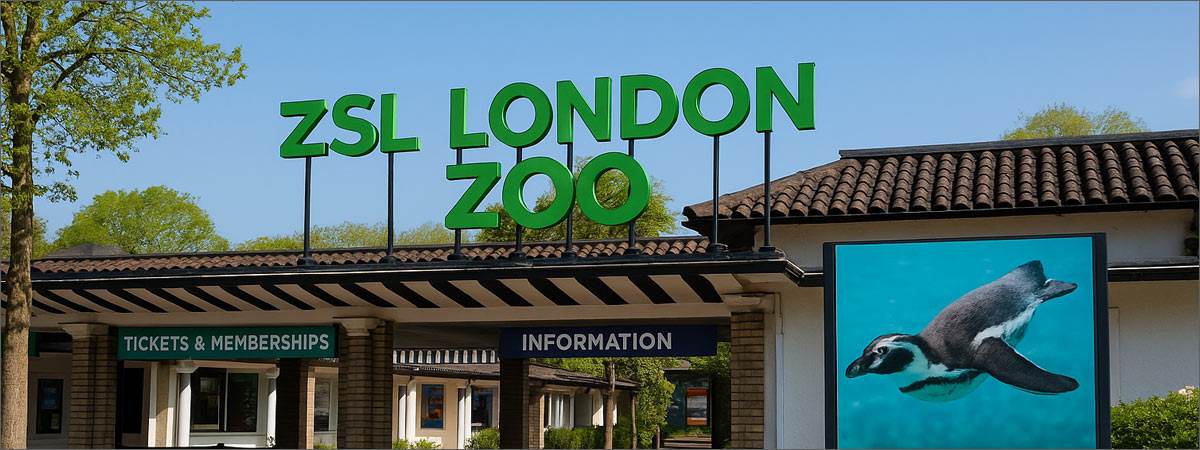
- Location:Regent’s Park.
- Tickets:Paid; best-value tickets are typically online via ZSL.
- Opening hours:Normally open from 10am dailyexcept Christmas Day; closing varies by season.
- Time needed:3-5 hours.
- Queues:Arrive earlier for calmer pathways and better animal viewing.
- Accessibility:Family facilities and accessibility info are provided in “Plan your visit.”
- Tips:Pick 1-2 “must-see” animals first, then let the rest be bonus.
London Zoois a classic family splurge because it delivers the simplest promise: animals, close-up. It’s also one of the few attractions where different ages naturally align-toddlers love movement, older kids love facts, teens love photos.
The best zoo days are paced: snack breaks, one loop at a time, and no shame in leaving when energy dips.
34. Battersea Park Children’s Zoo
- Location:Battersea Park.
- Tickets:Paid (small zoo).
- Opening hours:Vary by season/day; check official listings.
- Time needed:1.5-3 hours.
- Queues:Usually lighter than the bigger zoo; peak days still get busy.
- Accessibility:Generally family-friendly; confirm access routes.
- Tips:Perfect for toddlers and younger primary kids-then you can spill straight back into the park.
Battersea Park Children’s Zoois the “just enough zoo” option-smaller, easier, and often less overwhelming for little ones. It works beautifully when you want animals without turning the whole day into a major expedition.
Pairing it with Battersea Park makes the day feel balanced: structured fun first, free play afterwards.
35. Mudchute Park And Farm
- Location:Isle of Dogs (Mudchute area).
- Tickets:Often free/donation-based; confirm current approach.
- Opening hours:Vary; check official farm info.
- Time needed:2-4 hours.
- Queues:Not typical, but busier on sunny weekends.
- Accessibility:Outdoor terrain varies; plan for muddy bits.
- Tips:Pack wipes and snacks-this is a hands-on, outdoorsy day.
Mudchute Farm feels like a proper “we escaped the city” outing-animals, open air, and that happy chaos of kids meeting goats and sheep in real life. It’s a huge win for toddlers and animal-obsessed kids.
It also offers something many London attractions don’t: space to go at your own speed.
36. Hackney City Farm
- Location:Hackney (near Hoxton).
- Tickets:Often free/donation-based; confirm current approach.
- Opening hours:Vary; check official listings.
- Time needed:60-120 minutes.
- Queues:Not typical.
- Accessibility:Outdoor surfaces vary; check access notes.
- Tips:Combine with a nearby café or park for a relaxed east-London half-day.
Hackney City Farmis a friendly, local-feeling farm visit-ideal when you want something wholesome and low-cost. It’s less about “big attraction production” and more about real animals and real community energy.
It’s also a great reminder that London can be gentle, not just loud.
37. Vauxhall City Farm
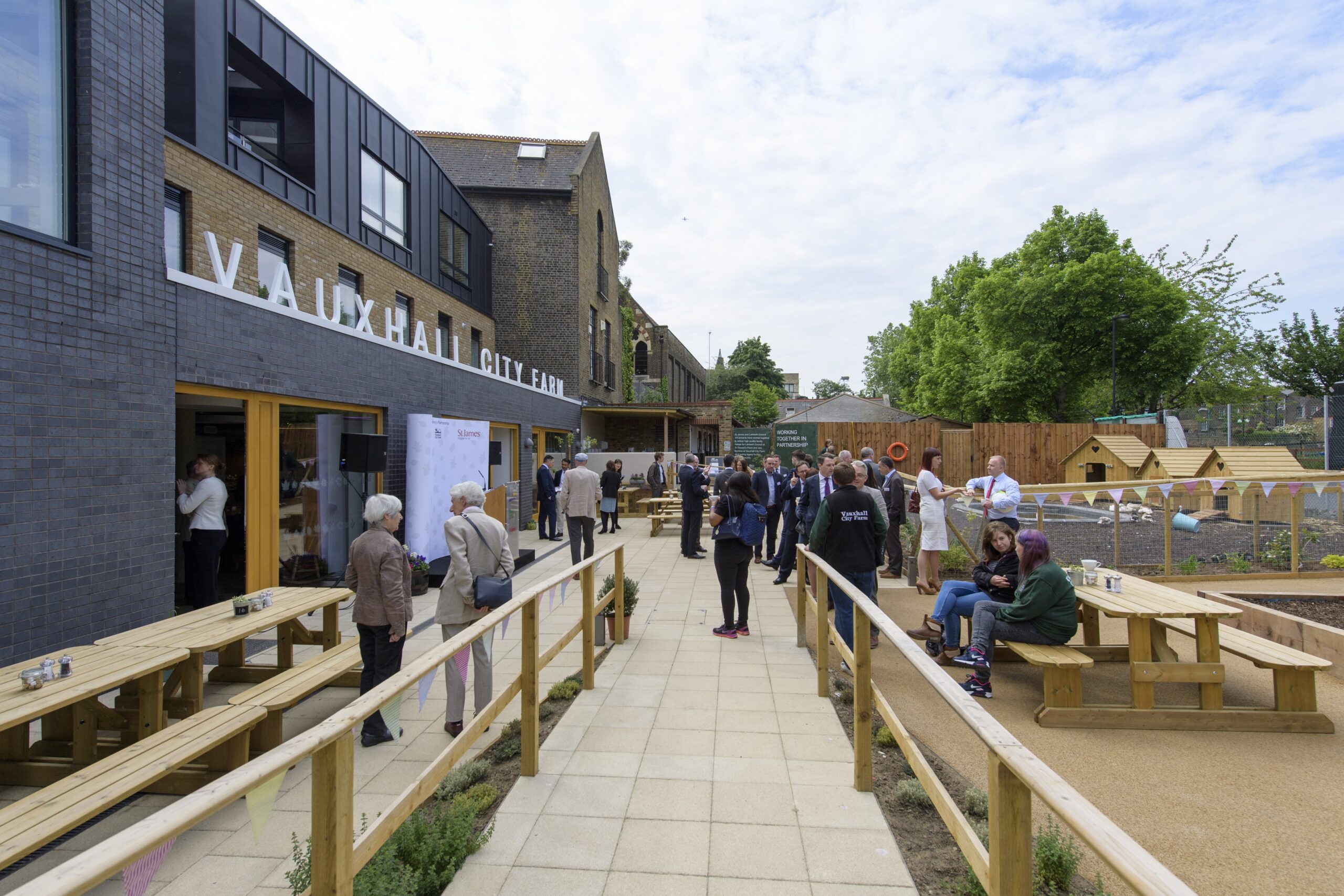
- Location:Vauxhall.
- Tickets:Often free/donation-based; confirm current approach.
- Opening hours:Vary; check official listings.
- Time needed:60-120 minutes.
- Queues:Not typical.
- Accessibility:Small site; confirm route details if needed.
- Tips:Perfect “morning stop” before nap time-short, sweet, and satisfying.
Vauxhall City Farmis a compact animal hit that’s easy to slot into a family day. It’s especially good for younger kids because it delivers immediate engagement without requiring long attention spans.
Think of it as a “mini adventure” that still feels special.
38. Spitalfields City Farm
- Location:East London (near Shoreditch/ Liverpool Street).
- Tickets:Often free/donation-based; confirm current approach.
- Opening hours:Vary; check official listings.
- Time needed:60-120 minutes.
- Queues:Not typical.
- Accessibility:Outdoor terrain varies.
- Tips:Great add-on to a market/food day-animals first, lunch after.
Spitalfields City Farmfits beautifully into an east-London day because it breaks up the city energy with something grounded and tactile. Kids love the directness of it: animals, space, and a sense of “real life” in the middle of London.
It’s a good choice when your trip needs variety beyond museums.
39. Stepney City Farm
- Location:Stepney Green area.
- Tickets:Often free/donation-based; confirm current approach.
- Opening hours:Vary; check official listings.
- Time needed:60-120 minutes.
- Queues:Not typical.
- Accessibility:Outdoor surfaces vary.
- Tips:Best for families who like quieter, local-feeling London.
Stepney City Farmis another excellent “London isn’t only central” option. It’s low-pressure, usually calmer, and perfect for families who want their day to feel relaxed rather than scheduled.
If your kids need a break from crowds, this kind of place can save the whole trip.
40. Deen City Farm
- Location:Merton (Southwest London).
- Tickets:Often free/donation-based; confirm current approach.
- Opening hours:Vary; check official listings.
- Time needed:1.5-3 hours.
- Queues:Not typical.
- Accessibility:Outdoor site; check surfaces/routes.
- Tips:A strong option if you’re staying south/southwest and want a calm animal day.
Deen City Farmhas that “proper local day out” feel-less touristy, more community. For kids, it’s straightforward joy: animals, outdoor space, and time that doesn’t feel rushed.
It’s one of those places that makes London feel livable rather than just visitable.
41. WWT London Wetland Centre (Barnes)
- Location:Barnes (Southwest London).
- Tickets:Paid (nature reserve).
- Opening hours:Vary; check WWT official listings.
- Time needed:3-5 hours.
- Queues:Not typical; busier in school holidays.
- Accessibility:Generally good paths; confirm access info for hides/routes.
- Tips:Bring binoculars (or make “spotting cards”)-kids love missions.
WWT London Wetland Centreis the “nature escape” option: birds, water, trails, and the surprising feeling that you’ve left London-while technically still being in it. It’s brilliant for kids who like spotting, collecting, and noticing small details.
It’s also one of the best places to slow down: walk, watch, snack, repeat.
42. Horniman Museum And Gardens
- Location:Forest Hill (South London).
- Tickets:Gardens are typically free; museum entry/exhibitions can vary-confirm official details.
- Opening hours:Vary; check official listings.
- Time needed:2-4 hours.
- Queues:Often calmer than central attractions.
- Accessibility:Mixed indoor/outdoor site; confirm routes if needed.
- Tips:Great “beyond Zone 1” day-pair with a relaxed lunch and don’t over-plan.
Hornimanis the kind of place families fall in love with because it feels like discovery: museum collections, outdoor space, and a calmer pace. It’s less “tourist conveyor belt,” more “wander and find.”
If you’ve done the big central hits, this is a refreshing change of texture.
Rainy-day Winners
43. SEA LIFE London Aquarium
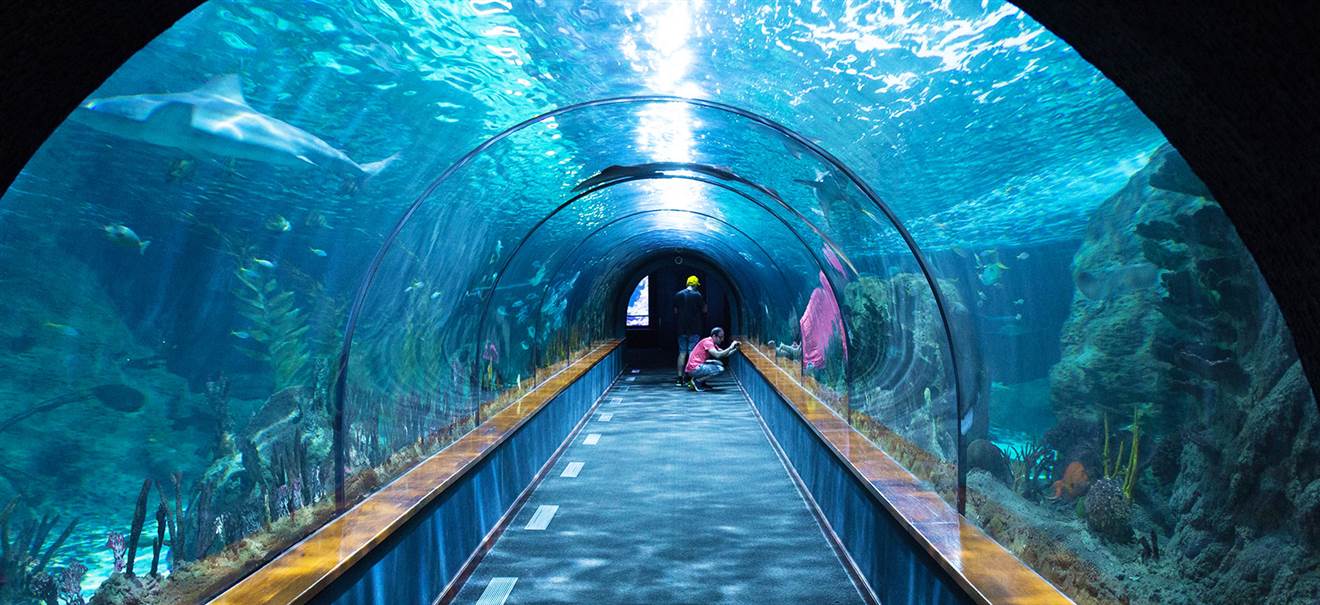
- Location:South Bank (County Hall area, near Westminster Bridge).
- Tickets:Paid.
- Opening hours:Published online; varies by date.
- Time needed:1.5-3 hours.
- Queues:Peak times get busy; earlier slots often feel easier.
- Accessibility:Accessibility info is provided via official resources/partners.
- Tips:Great rainy-day anchor-pair with a playground or riverside walk afterwards.
SEA LIFE works for families because it’s immersive with minimal effort: dim light, moving creatures, and that steady rhythm of “what’s behind the next corner?” Sharks, jellyfish, and bright fish tanks do the engagement for you.
It’s a reliable crowd-pleaser when you need indoor entertainment that doesn’t rely on kids reading labels or standing still.
44. Shrek’s Adventure! London
- Location:South Bank (near the London Eye / County Hall).
- Tickets:Paid; prices vary by date/demand.
- Opening hours:Published online; check before you go.
- Time needed:Around 60-90 minutes for most families.
- Queues:Timed entry helps; peak school-holiday slots feel busiest.
- Accessibility:Check official accessibility/entry guidance.
- Tips:Best for younger kids who enjoy character-led, story-driven experiences.
This is an indoor, theatre-style walk-through experience built around Shrek’s world-part show, part interactive journey. It’s designed to feel playful and high-energy, which can be exactly right when you’ve got kids who want entertainment, not “education.”
Think of it as a short, contained hit: perfect when the weather is bad or you need a guaranteed smile on a South Bank day.
45. The London Dungeon
- Location:South Bank (County Hall area).
- Tickets:Paid; ticket options vary (booking ahead recommended).
- Opening hours:Published online; open daily except Christmas Day.
- Time needed:60-90 minutes (plus arrival buffer).
- Queues:Can be busy; timed entry reduces uncertainty.
- Accessibility:Check official accessibility guidance.
- Tips:Better for teens and brave older kids-preview the tone if you have sensitive children.
The London Dungeon is a live-actor, special-effects attraction that turns grim London history into a darkly comic performance. It’s deliberately theatrical and sometimes intense, which is why it’s a better fit for older kids than toddlers.
Used wisely, it’s a great “teen win” on a family trip-something that feels edgy and memorable without requiring a whole day.
46. FRAMELESS Immersive Art Experience

- Location:Marble Arch area.
- Tickets:Paid (timed entry).
- Opening hours:Published online; last entry rules apply.
- Time needed:FRAMELESS recommends allowing about 2 hours.
- Queues:Timed tickets help; arrive a bit early.
- Accessibility:Check official access information.
- Tips:If visiting with under-18s, note the time guidance for evening sessions.
FRAMELESSis an immersive digital-art experience-big rooms, big projections, and art that surrounds you rather than hanging politely on a wall. For families, the magic is that it keeps kids engaged without demanding silence or stillness.
It’s especially good for mixed ages: younger kids enjoy the sensory “wow,” while older kids enjoy recognising famous artworks in a completely different format.
47. Tate Modern Family Spaces
- Location:Bankside (South Bank).
- Tickets:Free admission to the main collection; some exhibitions are paid.
- Opening hours:Published online (late openings on some days).
- Time needed:1-3 hours for a family-friendly visit.
- Queues:Usually manageable; exhibitions can queue.
- Accessibility:Accessibility information is provided on the official visit page.
- Tips:Keep it visual: pick bold, big works and skip anything that turns into long reading.
Tate Modernis modern art in a dramatic setting, and it works for kids when you treat it like a visual playground: colour, scale, and big feelings. The building itself helps-spacious, modern, and designed for wandering rather than tiptoeing.
A good family visit is short and punchy. Choose a few “wow” rooms, then reward everyone with a riverside walk.
48. Science Museum “Power Up” (older Kids)
- Location:Science Museum, South Kensington.
- Tickets:Often a paid add-on experience; confirm current details.
- Opening hours:Tied to museum/opening schedule; confirm on official site.
- Time needed:60-120 minutes.
- Queues:Timed tickets/slots can apply; check before you go.
- Accessibility:Museum accessibility applies; confirm specific experience access.
- Tips:Use this as your “teen anchor” in the museum cluster.
Power Up is a smart way to make the Science Museum work for older kids who want interaction, not passive galleries. It taps into play-games, challenges, and hands-on engagement-so the museum day feels like it belongs to them too.
As a parent, it’s one of the easiest “yes” decisions: high engagement with minimal persuasion.
49. The Paddington Bear Experience
- Location:County Hall area (South Bank).
- Tickets:Paid (timed entry usually).
- Opening hours:Vary; confirm on the official site before you go.
- Time needed:60-90 minutes for most families.
- Queues:Timed entry reduces waiting; arrive a little early.
- Accessibility:Check official access guidance.
- Tips:Perfect if you’re already doing London Eye/SEA LIFE-same area, minimal travel.
This is a story-led, immersive attraction that’s designed to feel like stepping into Paddington’s world. For younger kids, it can be pure delight; for adults, it’s a nostalgic London character moment done in a modern way.
It works best when you treat it like a short “anchor activity” inside a bigger South Bank day.
50. Babylon Park (indoor Funfair Vibe)
- Location:Camden.
- Tickets:Paid to play/ride; entry and pricing structures vary-confirm on the official site.
- Opening hours:Vary; check official listings.
- Time needed:1.5-3 hours.
- Queues:Can build at peak times; weekends are busiest.
- Accessibility:Check official access info.
- Tips:It’s a fantastic rainy-day “energy dump” after a market wander.
Babylon Park is bright, indoor, and built for play-rides, arcade energy, and a “let’s do something fun right now” vibe. It’s the kind of place that rescues a rainy afternoon when everyone’s patience is thinning.
For families, the best approach is to set expectations upfront (time and spending), then let it be a joyful, contained splurge.
Theatre, Stories, And Creative Culture
51. West End Family-friendly Shows
- Location:West End theatre district (Covent Garden/ Leicester Square / Soho area).
- Tickets:Paid; book ahead for popular shows.
- Opening hours:Performance times vary (matinees are family gold).
- Time needed:2.5-3.5 hours including arrival and interval.
- Queues:Queueing for entry and snacks is normal; arrive early.
- Accessibility:Many theatres have accessibility seating-check the specific theatre.
- Tips:Choose a matinee and plan a calm dinner after; late finishes can derail the next day.
A West End show is the “special memory” London moment-big lights, big music, and that feeling of being part of something. For families, the best picks are shows with strong visuals and clear storylines, so even younger kids can stay engaged.
It’s also a great teen option: theatre can feel surprisingly “cool” when it’s big-budget and high energy.
52. Shakespeare’s Globe
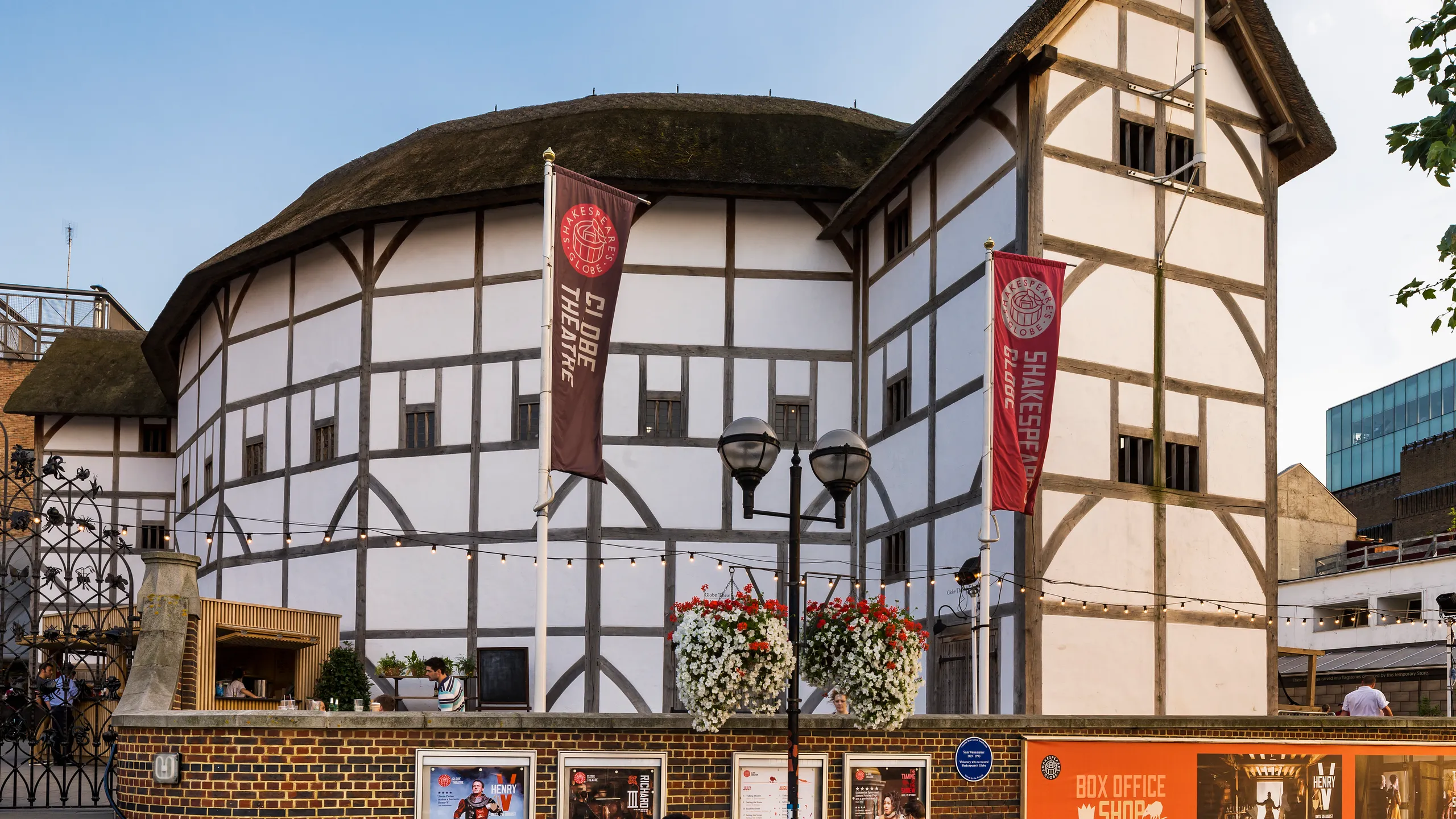
- Location:Bankside (near Tate Modern).
- Tickets:Paid for performances/tours; check schedules.
- Opening hours:Vary by season and events.
- Time needed:90 minutes to half-day depending on tour/show.
- Queues:Performance entry can queue; arrive early.
- Accessibility:Check access notes for tours and seating areas.
- Tips:Best for older kids-frame it as “how theatre used to work,” not an English lesson.
Shakespeare’s Globeis part theatre, part time machine. It’s less about ticking a landmark and more about stepping into a different style of storytelling-open air, history, and performance traditions that feel alive.
For families, it works best when you choose the right format: a tour can be an easier entry point than a full performance for younger attention spans.
53. Unicorn Theatre
- Location:London Bridge / Tooley Street area.
- Tickets:Paid; programming is designed specifically for young audiences.
- Opening hours:Showtimes vary.
- Time needed:1.5-3 hours depending on the show and arrival time.
- Queues:Standard theatre entry queues.
- Accessibility:Check venue access details for seating and facilities.
- Tips:A brilliant choice when you want culture that’s actually built for kids, not merely “allowed.”
The Unicorn Theatreis one of London’s strongest “this was made for children” venues-smart, thoughtful productions that respect kids’ attention and imagination. It’s a great antidote to attractions that rely only on spectacle.
For families, it’s often a calmer, more meaningful memory: the kind of experience kids replay in conversation afterwards.
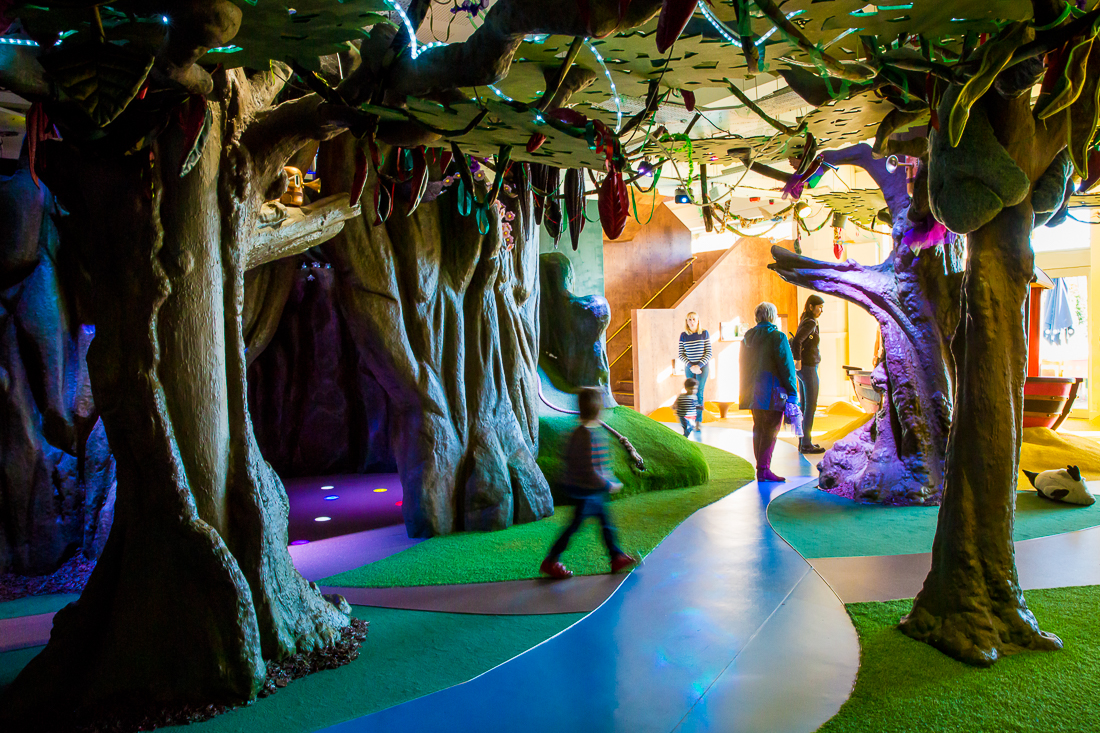
54. Discover Children’s Story Centre
- Location:Stratford.
- Tickets:Often paid (with occasional free/community sessions-check listings).
- Opening hours:Vary by day/season; confirm before visiting.
- Time needed:2-4 hours.
- Queues:Usually manageable; weekends can be busy.
- Accessibility:Generally family-first; check access info.
- Tips:Best for under-11s-plan it as the main event, not a quick add-on.
Discover is a story-and-play centre where books become environments-hands-on, imaginative spaces that let kids move through narratives rather than sit still for them. It’s excellent for children who love role-play and creative exploration.
If you’re travelling with younger kids, this can be one of the most satisfying “they were fully happy” indoor days.
55. Southbank Centre Family Programming
- Location:South Bank.
- Tickets:Many events are paid; some activities can be free-check listings.
- Opening hours:Event-based.
- Time needed:Flexible (1-3 hours depending on what you book).
- Queues:Event entry can queue; arrive early for workshops/shows.
- Accessibility:Strong venue accessibility overall; confirm event-specific details.
- Tips:Use it as your “plan B” when weather turns-there’s often something family-friendly on.
Southbank Centre is a cultural hub that often has family-friendly workshops, performances, and drop-in activities-especially handy when you need an indoor plan that doesn’t feel like yet another museum.
The win is flexibility: you can build a day around a single booked event and keep the rest of the time open for riverside wandering and food.
Markets And Neighbourhoods That Work With Kids
56. Covent Garden Street-performer Zone
- Location:Covent Garden Piazza / surrounding cobbled lanes.
- Tickets:Free to watch; tips are optional.
- Opening hours:Performances vary by day/time; it’s an open public area.
- Time needed:30-90 minutes (or longer if kids get hooked).
- Queues:Crowds form around popular performers; edges are easier for small kids.
- Accessibility:Busy pedestrian area; buggies are doable but can be tight at peak times.
- Tips:Stand slightly back-kids see better, and you’ll exit faster when it’s time.
Covent Garden street performance is London at its most joyful: live comedy, circus skills, music, and the simple pleasure of “something is happening right here.” The tradition goes back centuries, and it still feels like the city putting on a show.
For families, it’s a perfect budget-friendly win: high entertainment value, low commitment, and easy to pair with food or a nearby museum.
57. Borough Market
- Location:London Bridge (Southwark).
- Tickets:Free entry (you pay for food).
- Opening hours:Published on the market’s official “Visit us” page.
- Time needed:60-120 minutes (more if you linger).
- Queues:Food queues are normal at peak lunch; earlier visits are calmer.
- Accessibility:The market provides accessibility guidance on its official visit info.
- Tips:Treat it like a “choose-your-own lunch” mission-everyone picks one thing.
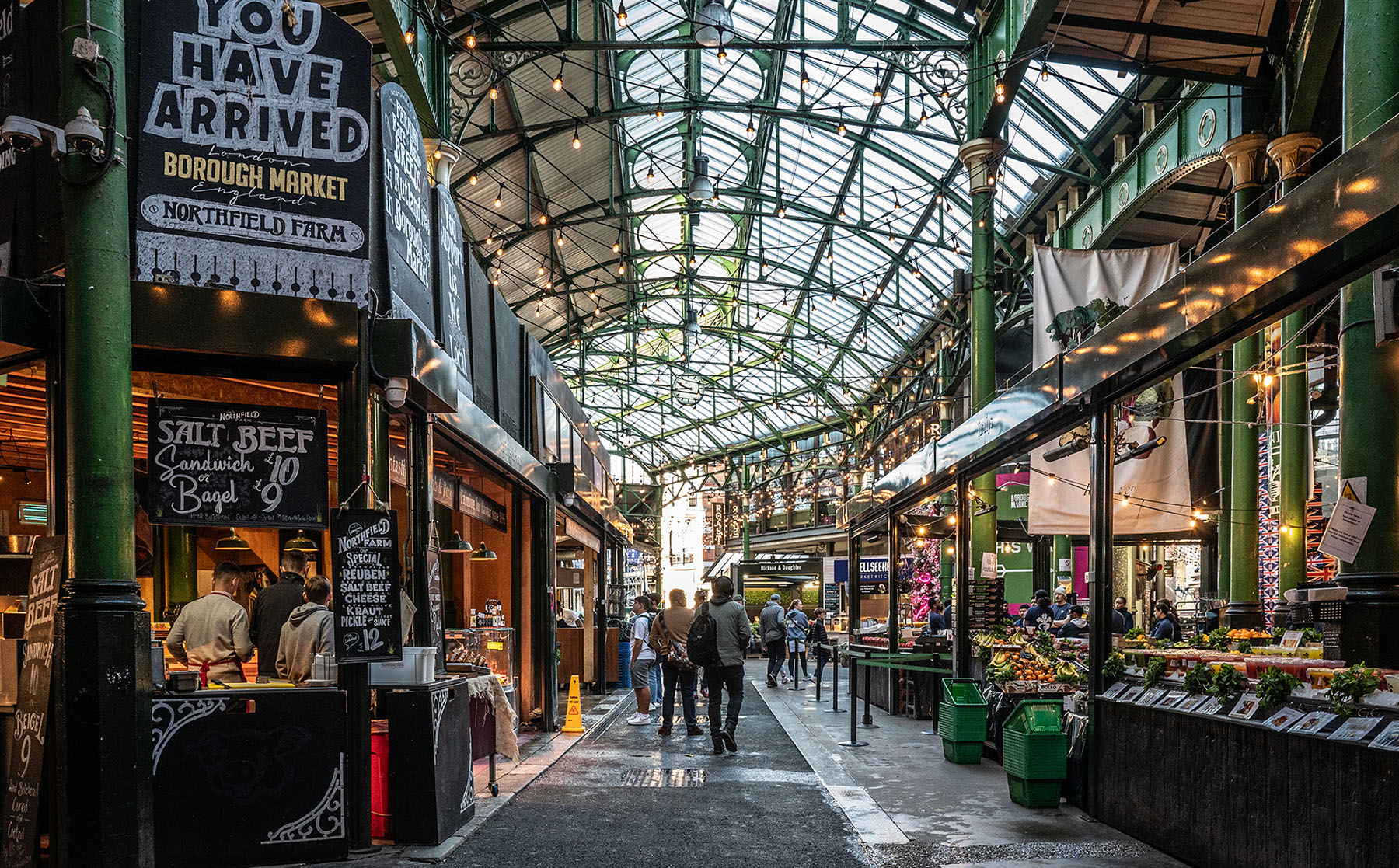
Borough Marketis a sensory feast: smells, colours, sizzling food, and the excitement of choosing what you want in real time. For kids, it’s empowering-no need to sit through a long menu when they can point and decide.
The key is timing. Go early to avoid the tightest crowds, and keep expectations simple: one great meal choice each, then move on.
58. Camden Market
- Location:Camden Town (Lock, Stables, Hawley Wharf areas).
- Tickets:Free entry; spending varies by stalls/food.
- Opening hours:Published on the market’s official “Visit us” page.
- Time needed:2-4 hours.
- Queues:Food queues can be long at peak; aim earlier.
- Accessibility:Busy, sometimes narrow-good to plan a simpler route with buggies.
- Tips:Best for tweens/teens-give them a budget and let them explore.
Camden Marketis high-energy London: fashion, street food, music culture, and constant visual stimulation. For older kids, it’s often a highlight because it feels modern, expressive, and a bit rebellious-in a safe, tourist-friendly way.
For younger kids, keep it short and treat it as a food-and-look stop rather than a long wander. The crowds can be a lot.
59. Portobello Road Market
- Location:Notting Hill/ Portobello Road.
- Tickets:Free entry; spending varies.
- Opening hours:Vary by season/day; check the official Portobello site (and plan Saturday if you want peak market energy).
- Time needed:2-4 hours.
- Queues:Food/coffee queues at peak; earlier visits are easier.
- Accessibility:Streets can be crowded; buggies work best at off-peak times.
- Tips:If antiques are the goal, go early; if vibes are the goal, go mid-morning.
Portobello marketis the classic London street-market scene: colourful facades, browsing energy, and the thrill of finding something unexpected. It’s less a single attraction and more a neighbourhood experience-shopping, snacking, and people-watching all at once.
For families, the win is flexibility. You can stay one hour or four, and it still feels like a “real London” day.
60. Greenwich Market
- Location:Greenwich (near Cutty Sark / Maritime Greenwich).
- Tickets:Free entry; spending varies.
- Opening hours:Often listed as open daily with published hours; confirm before visiting.
- Time needed:60-120 minutes.
- Queues:Food queues at peak lunch; earlier visits are smoother.
- Accessibility:Covered market layout; check any access notes if needed.
- Tips:Best paired with Greenwich Park + Maritime Museum for a full “one-area” day.
Greenwich Marketis a covered, browse-friendly market that feels cosy even when the weather isn’t. It’s a great family stop because it combines quick wins: snacks, small gifts, and a contained space that doesn’t require endless walking.
It’s also the perfect “reward” stop after the park-kids get to choose a treat, adults get a breather, and the day stays in the same neighbourhood.
Ready-to-use London Itineraries For Families By Neighbourhood Cluster
Here’s the part that makes London feel easy: you don’t need perfect planning-you need repeatable patterns.
South Bank Day With Icons, Playground, Easy Meals
- Start:London Eye (prebook if you can).
- Midday:Jubilee Gardens Playground + quick riverside snack.
- Afternoon:SEA LIFE or Tate Modern depending on weather/age.
- Close:Slow Thames walk back toward Westminster at golden hour.
South Bank is the “big wow with short walking” day.
South Kensington Rainy-day Day With The Museum Trifecta And A Park
- Start:Natural History Museum (book free slot when offered).
- Midday:Science Museum (especially strong for primary school ages).
- Afternoon:Kensington Gardens/Hyde Park reset walk and playground time.
South Kensington is your best rainy-day cluster because you can stay indoors without feeling trapped.
Greenwich Day With Maritime, Park, And Boat Energy
- Start:AHOY! at National Maritime Museum for younger kids.
- Midday:Greenwich Park picnic.
- Afternoon:Greenwich Market for an easy “choose-your-own” lunch.
Greenwich is the relaxed family day that still feels like classic London.
Docklands Day With Farm Plus Waterside Wandering
- Start:Museum of London Docklands (quiet, spacious).
- Midday:Royal Victoria Dock waterside walk.
- Afternoon:Mudchute Farm/play areas if kids need animals and space.
Docklands is a brilliant “escape the crowds” choice-especially with a buggy.
Toddlers And Preschoolers With Low-stress London
Toddlers don’t need “more attractions.” They need predictable rhythms: move, snack, look, move again-plus easy exits.
Best Toddler-friendly Places For Short Attention Spans
Good toddler days usually include:
- A destination playground(or park) as the anchor.
- One interactive indoor stopwhen weather is rough.
- Animalsif you want guaranteed engagement.
Visit London’s toddler-focused guidance is a helpful sanity check when you’re planning.
Nap-friendly Pacing And Easy Exits
A simple pattern:
- One main stop in the morning
- Park/play + lunch
- Optional short indoor stop after nap
Build the day around your toddler’s sleep window, not around London’s “must sees.”
Buggy Notes, Facilities, And Step-free Planning
TfL explicitly recommends using Journey Planner and selecting accessibility options when travelling with a buggy. If you need step-free access, TfL explains how step-free stations work and links to detailed guidance.
Transport planning is part of “family-friendly”-it’s not an afterthought.
Tweens And Teens Who Want Cool Not Kiddy
For older kids, the win is giving them moments that feel like “real London,” not a children’s itinerary.
Views, Immersive Experiences, Markets, Theatre
The teen-friendly trio:
- A big view(London Eye style)
- A marketwhere they choose the food
- One immersive or theatre experiencethat feels current
Let Them Pick: A Choose-one Menu Approach
Offer three options and let them choose one:
- Museum (their pick)
- Immersive experience
- Market + “photo walk” neighbourhood
Choice reduces friction-and teens remember the day as “mine,” not “forced.”
Free And Budget-friendly London With Kids
This section is about keeping costs sane without making the day feel like a compromise.
Free Museums And Parks As Your Foundation
Many of London’s biggest family wins are free or low-cost, especially parks and major museums. Visit London maintains an extensive family list that can help you expand options quickly.
What’s Worth Paying For And What’s Skippable
If budget is tight, I prefer:
- One paid headline(Eye, Zoo, immersive)
- Then stack the day with free parks + free museum galleries
Skip (or downgrade) if:
- You’re paying mostly for queues or cramped time slots.
- Your kids dislike guided/talk-heavy experiences.
Budget Survival Tips
- Pack snacks (hangry London is a different city).
- Use parks as your “free entertainment.”
- Book your one paid experience early so the rest can stay flexible.
A budget day works when it still has one “special” moment.
Where To Eat With Kids With No Tears At The Table
This is where trips quietly succeed or fail. The goal isn’t a perfect restaurant-it’s predictable food and predictable timing.
Family-friendly Restaurants Near Major Clusters
A practical way to choose:
- Look for fast service, simple menus, and space for buggies.
- Book or arrive early at peak times (lunch and pre-theatre).
For up-to-date ideas, Visit London curates family restaurant options you can filter by area and style.
Treat Meals And Kid-friendly Afternoon Tea
If you want an “occasion” meal:
- Choose one with a clear kids option and a defined time window.
- Treat it like an activity, not just food-because kids will.
Plan one reliable meal anchor per day and the rest of the itinerary feels easier.
Practical Planning For Booking, Crowds, And Getting Around
This is your “trip insurance” section: the small decisions that prevent big stress later.
Booking Checklist For Popular Places
Use this checklist when you build your day:
- Book timed entry when a venue recommends it (NHM explicitly does).
- Confirm opening hours for the specific day you’re visiting (weekends/holidays differ).
- Pick your “must do” and commit; keep the rest flexible.
- Save two nearby backup options (one indoor, one outdoor).
- If you’re using a buggy, pre-plan with Journey Planner accessibility options.
A short checklist beats a long itinerary every time.
Getting Around With Kids And Buggy Planning
TfL’s guidance for travelling with a buggy points you toward Journey Planner and accessibility settings. For step-free needs, TfL explains what step-free access means and where to find details.
Your best London days happen when transport is “boring”-smooth, predictable, and simple.
Accessibility Notes And Step-free Basics
If step-free access matters for your family, TfL’s step-free overview is the safest starting point, and it links to deeper guidance.
Plan the route, not just the destination.
Final Pick Your Top 10 Shortlists By Vibe
If you don’t want to choose 60 things, choose a vibe and grab a ready-made shortlist.
If You Want Maximum Wow
- London Eye
- Tower of London
- Tower Bridge
- SEA LIFE Aquarium
- West End show
- Natural History Museum
If You Want Maximum Free
- Hyde Park
- Kensington Gardens
- St James’s Park
- Greenwich Park
- Covent Garden street performers
- One major museum gallery day
If You Want Maximum Low-stress
- South Kensington museum cluster + park
- Greenwich day (museum + park + market)
- Docklands waterside + one calm museum
The best “top 10” is the one that fits your family’s energy today.
Key Questions Answered
What Are The Best Family-friendly Places In London?
Mix one “big icon,” one hands-on museum, and one park/playground-then keep everything in the same neighbourhood for an easier day.
What Can We Do In London With Kids For Free?
Build around free parks and free museum galleries, then add markets and street performers as flexible stops.
Do We Need To Book Free London Museums In Advance?
Often it helps. For example, the Natural History Museum recommends booking a free ticket during busy times to reduce waiting.
What Are The Best Places In London For Toddlers?
Choose stroller-friendly parks, a short interactive museum stop, and an animal/farm visit-then keep the day to two main stops.
Are Museums In London Suitable For Toddlers?
Yes, when you keep visits short and pick interactive areas. A good pattern is “museum highlight + playground” so kids can reset.
Are There Indoor Activities For Toddlers In London?
Yes-hands-on museums (like the Science Museum) and dedicated children’s spaces (like Young V&A) are strong rainy-day anchors.
What Are The Best Rainy-day Activities For Kids In London?
Pick an interactive museum, an indoor attraction (aquarium/immersive), and a warm snack stop-all within one area to avoid extra travel.
What’s Best For Older Kids And Teens In London?
Views, immersive experiences, markets with food choice, and theatre tend to land better than “little-kid” attractions.
How Do You Get Around London With A Buggy Or Pushchair?
Use TfL Journey Planner with accessibility options and consider buses for easier boarding. TfL provides specific buggy planning guidance.
Which London Parks Have The Best Playgrounds For Kids?
Start with big central options like Hyde Park and Kensington Gardens, then build your day around nearby museums so your breaks are effortless.
Where Should Families Stay In London To Minimize Travel?
Stay near a cluster (South Bank, South Kensington, or Greenwich) so your daily plan is walkable or one short ride.
What’s Worth Paying For In London With Kids?
Choose one paid “headline” experience you’ll remember, then balance it with free parks and museum galleries to keep the budget steady.
Where Can We Eat With Kids In London?
Choose restaurants near your day’s cluster, book peak times if you can, and prioritize simple menus and quick service. Visit London’s family restaurant list helps.
Can We Do London On A Budget With Kids?
Yes-use free parks and museums as your base, pack snacks, and pick one paid highlight rather than paying for multiple big-ticket days.
How Do We Avoid Queues And Meltdowns?
Book likely bottlenecks, start earlier than you think, keep the plan to 2-3 main stops, and schedule playground breaks as “non-negotiable.”
Final Thoughts
The family-friendly London secret is simple: do less, but do it closer together. One neighbourhood per day, one headline moment, and enough park time to keep everyone regulated-those are the ingredients that turn “we survived London” into “we loved London.”
If you found this helpful, share it with whoever’s travelling with you-because the fastest way to improve a family day out is for everyone to agree on the plan beforeyou’re standing on a platform.
Jump to
Family-friendly Places In London: How To Plan A Smooth Day Out With Kids
Family-friendly Places In London Quick Answer And How To Choose Fast
60 Family-friendly Places In London Curated List By Type
Ready-to-use London Itineraries For Families By Neighbourhood Cluster
Toddlers And Preschoolers With Low-stress London
Tweens And Teens Who Want Cool Not Kiddy
Free And Budget-friendly London With Kids
Where To Eat With Kids With No Tears At The Table
Practical Planning For Booking, Crowds, And Getting Around
Final Pick Your Top 10 Shortlists By Vibe
Key Questions Answered
Final Thoughts

James Rowley
Author
James Rowley is a London-based writer and researcher covering London life, cultural geography, London travel, live London webcam pages and selected public figures across entertainment, sport, business and public life.
For over 15 years, he has focused on verified sources, first-hand local context and clear explanations that help readers understand both places and people more deeply. His work combines street-level London knowledge with careful research into career credits, media work, business interests and, where relevant, transparently explained net worth estimates.
He writes and reviews articles published on LondonWebcam.
Latest Articles
Popular Articles