A Complete London Airport Guide | Best Airport, Timings & Tips
Your complete London airport guide. Compare all 6 hubs (LHR, LGW, LCY) by cost & time. Get the 100ml security rule update now.
Author:James RowleyNov 13, 20255.8K Shares451.6K Views
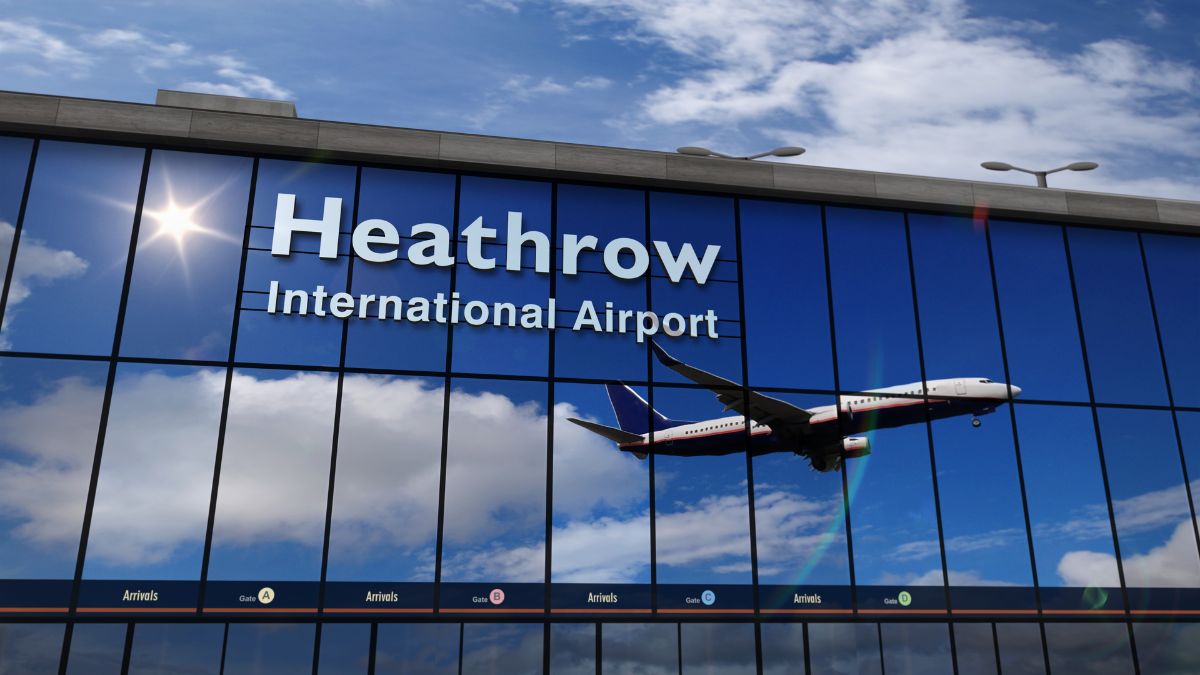
The Ultimate London Airport Guide: Your Fast Track To London’s Big Six
London's aviation system, represented by the code LON, is less a single hub and more an intricate constellation of six major airports-each with its own character, key routes, and optimal purpose.
Trying to navigate this system without a clear strategy can turn the start or end of your journey into a frustrating puzzle. The goal of a smart traveler isn't just to land, but to land at the rightairport and execute a seamless transfer into the city.
As an aviation specialist who has tracked traveler flow and infrastructural projects across these hubs for years, I've seen countless plans fail because people treat all London International airports the same. They are not.
From the sheer scale of the biggest airport in London,Heathrow, to the city-centre convenience of City Airport, knowing the nuances is the key to minimizing stress and maximizing your London experience.
This guide moves beyond simple facts, offering strategic insights to ensure your journey through the London airport network is as efficient and predictable as possible.
London Airports: The Big Six At A Glance
The capital is served by six major commercial airports, collectively handling over 177 million passengers annually. For international travelers, the focus narrows primarily to the two transatlantic gateways: Heathrow and Gatwick.
London-Heathrow Airport (LHR)
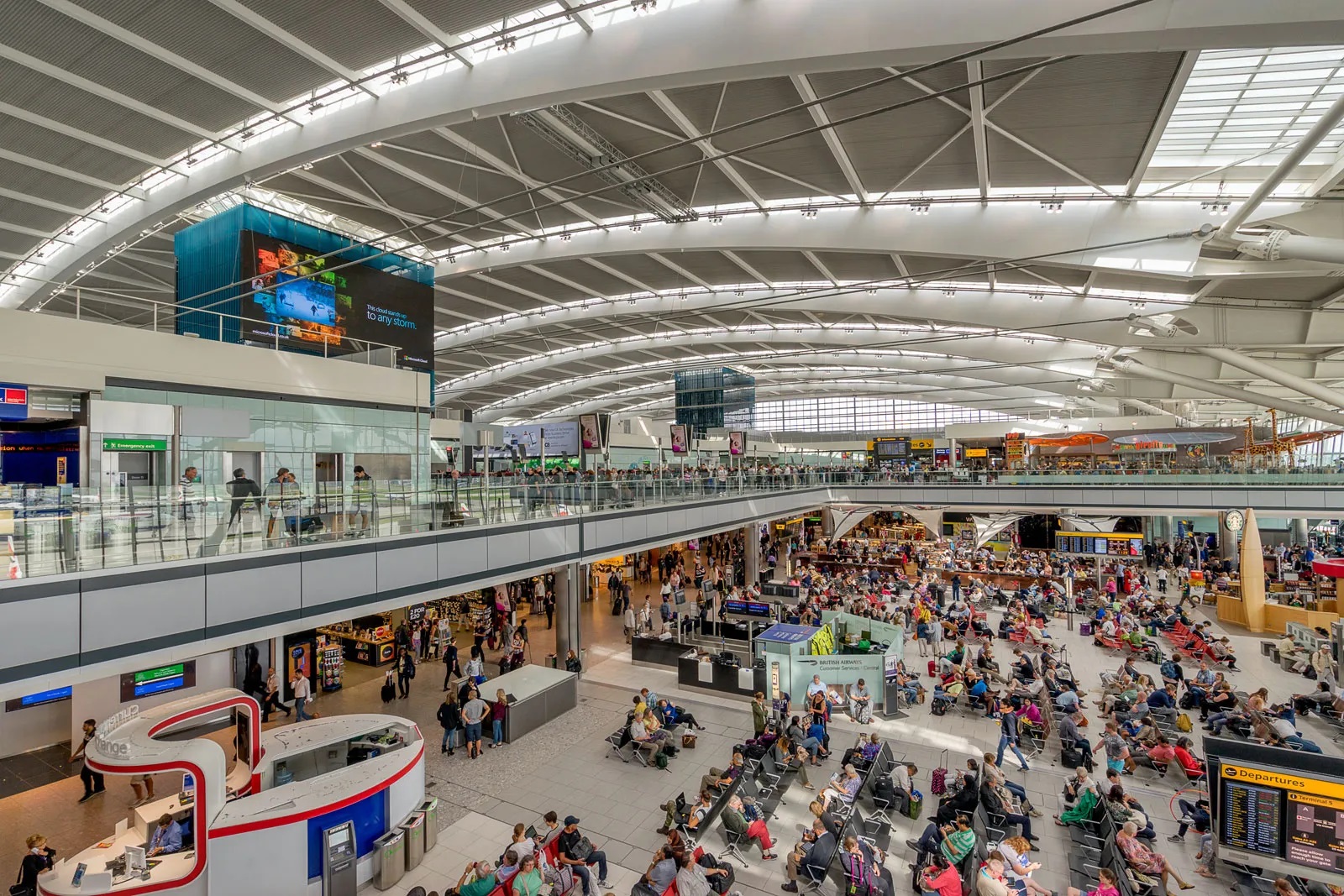
Heathrowbegan in 1930 (known simply as “London Airport” until 1966) and expanded rapidly after WWII. Today it’s Europe’s busiest hub-though globally it trails giants like Atlanta, Dubai, Dallas/Fort Worth and Tokyo.
The source cites roughly mid-80 millionpassengers in 2023, with the wider London system (adding Gatwick, Stansted, Luton, City and Southend) welcoming about 177 million.
- Core Profile:Primarily serves global flag carriers (British Airways, Virgin Atlantic) and all major US airlines (American, United, Delta). It is the world's busiest airport for international passenger traffic.
- Infrastructure:two parallel runways (a third long discussed); four passenger terminals plus a cargo terminal.
- Access Strategy:Offers three rail options: the fastest is the Heathrow Express (15 min to Paddington, fares start from £22 single, but advance booking is essential); the best value is the Elizabeth Line (35 min, £11.50 - £14.50 using contactless); and the cheapest is the Piccadilly Tube Line (50 min, £5.50 - £6.70).
- Terminal Insight:London airport guideterminal 2 is the newest, serving all Star Alliance carriers. Always allow a 3-hour buffer for international departures.
London-Gatwick Airport (LGW)

Located 30 miles south of Central London, Gatwick Airportis the second busiest London hub and a crucial gateway for both low-cost and long-haul flights.
Trains from Victoria-including the Gatwick Express-provide the main rail link. Opened in the late 1920s, the airport spans roughly 1,670 acres, has two terminals (North and South), and operates a single runway at any one time. It handles more than 40 million passengers annually.
In December 2018, reported drone sightings triggered a major disruption, halting all flights for around six hours. Sussex Police have not brought charges in connection with the incident.
- Core Profile:A crucial hub for low-cost European carriers (EasyJet) and a growing number of US routes.
- Access Strategy:The Gatwick Express runs non-stop to Victoria in 30 minutes (fares from £19.90). The most balanced option is Thameslink/Southern Rail (30-45 min, from £10.90) which connects directly to London Bridge and St Pancras, ideal for connecting to Eurostar.
- Terminal Insight:Transfers between the North and South Terminals are seamless via the free, fast, automated shuttle.
London-Stansted Airport (STN)
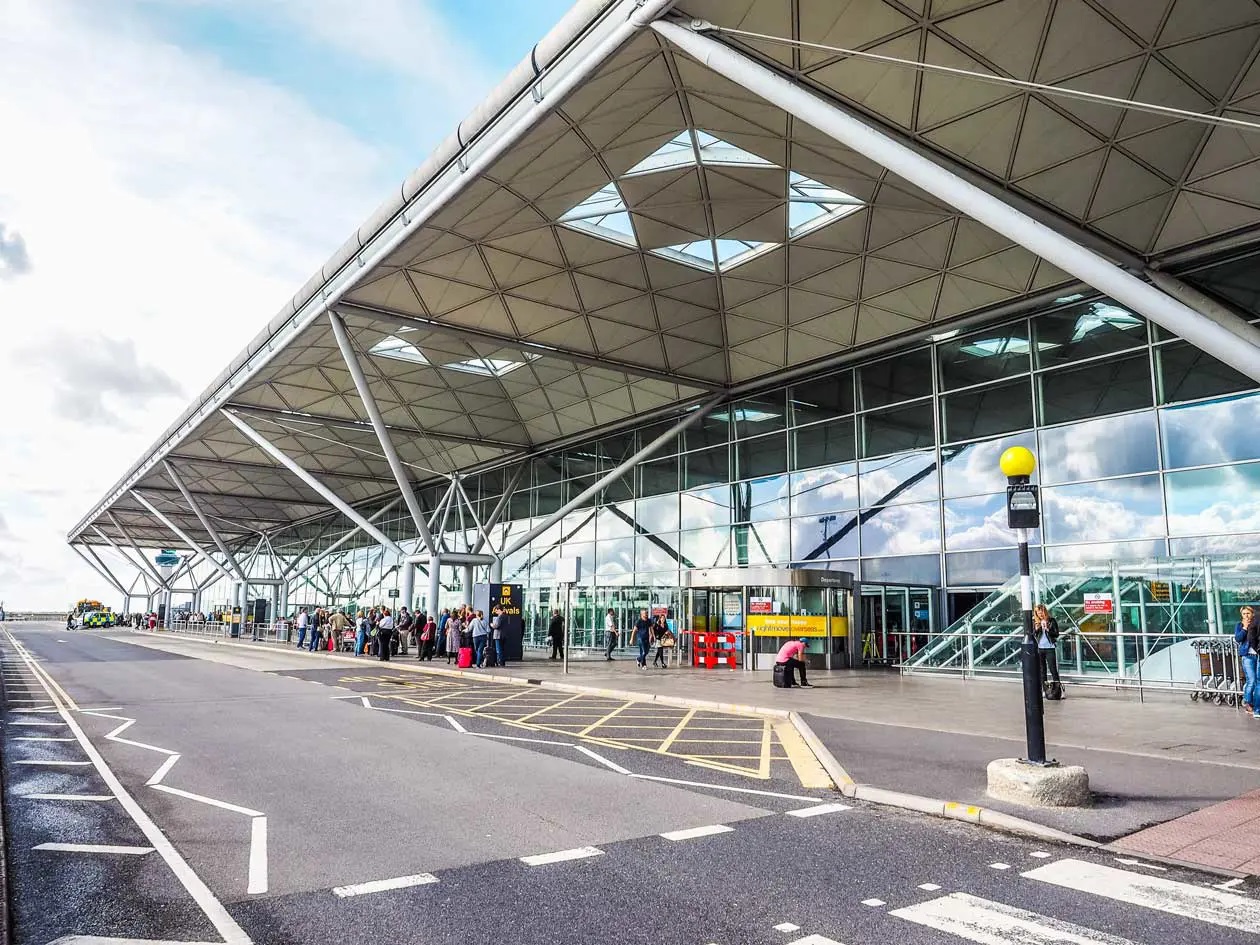
Stansted sits about 42 miles north of London and ranks as the capital’s third-busiest airport, handling roughly 25 million passengers a year. It began life as a military airfield in 1943, shifted to civilian operations in 1985, and its terminal was designed by Norman Foster. From London Liverpool Street, the Stansted Express reaches the airport in about 45 minutes.
- Core Profile:Dominated by Ryanair, serving almost exclusively short-haul destinations.
- Access Strategy:The Stansted Express is the fastest way (47 minutes to Liverpool Street Station), with fares starting from £9.70 if booked well in advance.
- Budget Alternative:National Express and coach services offer the cheapest one-way tickets (from £5) but take 1.5-2 hours.
London-Luton Airport (LTN)
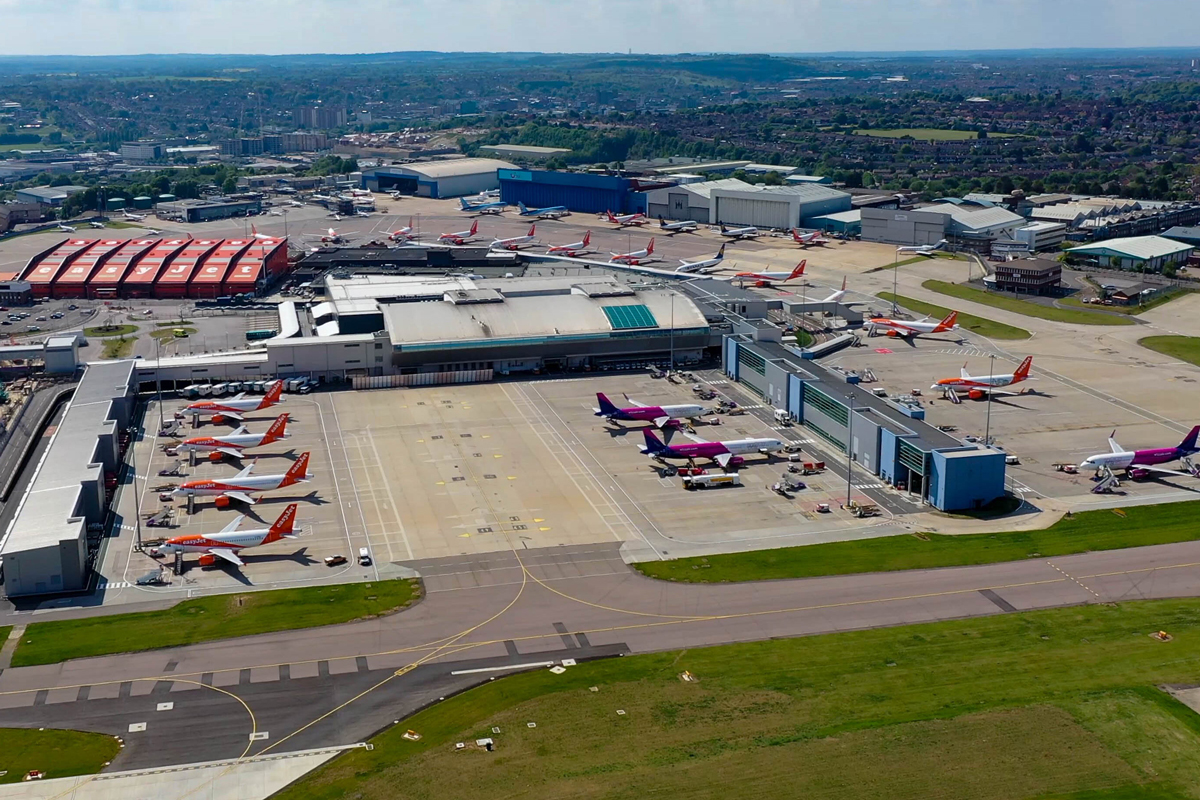
Positioned 28 miles north of London, Lutonis another key base for ultra-low-cost carriers like Wizz Air and EasyJet.
Luton Airport is municipally owned and historically caters largely to charter traffic. It handles more than 16 million passengers annually, with numbers expected to rise once Universal’s planned Bedford theme park opens in the early 2030s-drawing visitors who fly into London for the park.
- Core Profile: Focused on European routes. Expected to grow with the Universal theme park opening nearby.
- Access Strategy:This involves a two-stage trip: Thameslink Rail to Luton Airport Parkway, followed by the mandatory Luton DART light rail link to the terminal. Total travel time to St Pancras is 25-40 minutes plus the DART transfer time.
London City Airport (LCY)
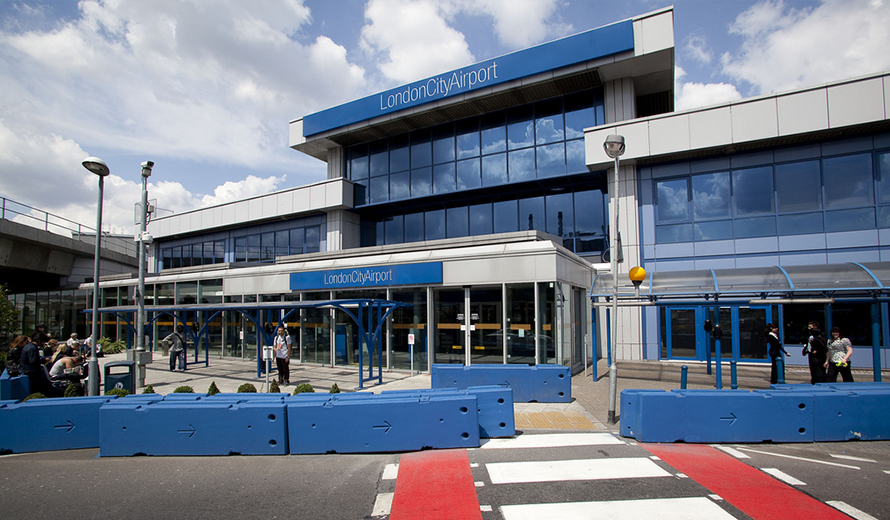
London City Airport LCY, located just 6 miles east, is the most central and convenient of all London airports, the preferred choice for business travelers.
Opened by Queen Elizabeth II in 1987, it handles around five million passengers a year and mainly serves business travelers. Due to its short runway, westbound flights to the U.S. typically require a fuel stop (often at places like Shannon), though eastbound returns can operate nonstop.
- Core Profile:Specializes in short-haul European business routes and is known for its fast, hassle-free experience.
- Access Strategy:Direct and seamless access via the Docklands Light Railway (DLR), taking just 22 minutes to Bank Station.
- Security Advantage:Does the 100ml rule still apply at London City Airport? No. LCY has fully upgraded its scanners, allowing liquids up to 2 litres and electronics to remain in hand luggage.
London-Southend Airport (SEN)
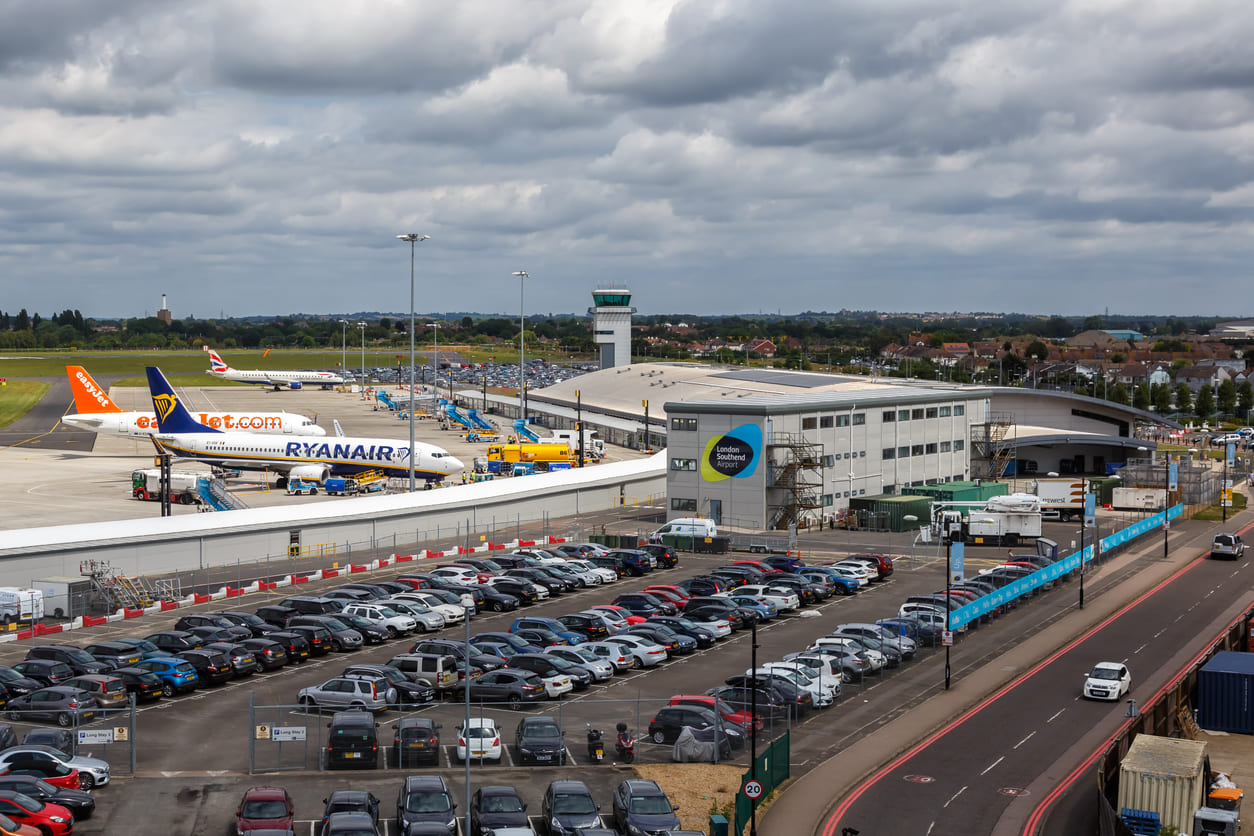
Located 40 miles east of London, Southend is the smallest of the city’s six commercial hubs and offers a quieter alternative.
In the 1960s, Southend was the UK’s third-busiest airport. Today it handles about 1.5 million passengers a year, mostly on charter services. The airport temporarily closed in July 2025 after a fatal crash that claimed four lives. Like Stansted, it’s linked to London Liverpool Street by a direct train that takes just under an hour.
- Core Profile:Primarily serves regional and charter flights.
- Access Strategy:Direct Greater Anglia train service connects Southend Airport to Liverpool Street Station in Central London in approximately 53 minutes.
Getting Around London Airports: Transfers And Costs
Successful navigation hinges on beating the Express Train Price Trap-always pre-book express tickets online to avoid paying up to five times the price on the day.
- The Speed-Cost Balance:The Elizabeth Line from Heathrow is arguably the best overall option, offering speed and integration into the London contactless payment system, unlike the premium Express services.
- Budget Long-Haul:For budget travelers, National Express coaches are the cheapest transfer method from Gatwick and Stansted, with advance tickets often available for £5-£10.
- Taxi and Rideshare Costs:Expect £60-£100 for a black cab from LHR/LGW to Central London, or slightly less (£45-£80) for a pre-booked rideshare service.
Airport Security And Time-Saving Tips
Is 2 Hours Enough Time To Get Through Security At Heathrow?
No. For long-haul international flights, 2 hours is a high risk. The standard, safe recommendation is to arrive 3 hours prior to your scheduled departure time to account for check-in deadlines, variable security queues, and the long walk to distant gates.
The Inconsistent 100ml Rule
For all airports except London City (LCY), you must still adhere to the strict 100ml liquid rule and be prepared to remove liquids/laptops from your carry-on bag. Failure to do so will result in major delays at the checkpoint.
Essential Note On Accessibility And Special Assistance
All London airports offer assistance for travelers with disabilities or limited mobility. You must pre-book this assistance through your airline at least 48 hours before flying. This ensures the airport's special assistance team is ready to meet your needs and prevent unexpected delays.
Guide To London Airport Lounges
Accessing an airport lounge is an easy way to guarantee comfort, quiet, and complimentary refreshments before your flight, regardless of the class of your ticket.
- Pay-Per-Entry (P.P.E.) Lounges: Major operators like No1 Lounges, Club Aspire, and Plaza Premium are available at LHR, LGW, STN, and LTN. Day passes typically start from £36 to £45 for a 3-hour stay, making it a cost-effective alternative to expensive airside dining.
- Membership Access:The Priority Pass network provides the widest access to third-party lounges across all major London airports. High-end credit cards (like the American Express Platinum Card) also offer extensive access and often include free guest privileges.
- Premium Options:For a truly elevated experience, lounges branded as Clubrooms (found at LHR T3 and LGW) offer table service, premium drinks, and a quieter, more exclusive atmosphere for a higher fee.

The ULTIMATE Guide to Airport Lounge Access
7 Common Mistakes First-timers Make (and How To Avoid Them)
- Picking the cheapest flight, then spending the saving on a long transfer. Price door‑to‑door, not just the airfare.
- Landing far from your hotel’s side of town. Match the airport to your neighbourhood.
- Buying premium‑train tickets at walk‑up. Advance fares can be dramatically cheaper.
- Assuming all security lanes use the same liquids rule. Check your departure airport’s page on the day.
- Under‑buffering late‑night arrivals. Know the last trains-keep a coach back‑up.
- Over‑relying on taxis at peak. Rail usually wins on time and cost in the core.
- Not planning airport‑to‑airport transfers. Budget 2–4 hours and prioritise rail.
Also Check Out: Unique London Activities To Enjoy During Travel Delays
FAQ's About London Airport Guide
Which Airport Is Most Convenient For London’s City Center?
The most convenient airport depends on your destination in London. London City Airport is closest to the city center, making it ideal for business travelers. Heathrow offers the most transportation options, while Gatwick offers a good balance between cost and convenience.
How Much Time Should I Allow For Airport Transfers?
Allow at least 3-4 hours for airport transfers, especially during peak times. This accounts for potential traffic delays and the time needed to navigate between terminals.
What’s The Cheapest Way To Get To Central London?
The cheapest options are typically local buses or the London Underground (Piccadilly Line) from Heathrow. For other airports, consider budget bus services like EasyBus or pre-booked rideshares.
How Do I Stay Updated On Transport Delays?
Check real-time travel updates via apps like Citymapper, the Transport for London (TfL) website, or your train/bus company’s website.
How Early Should I Arrive For My Flight From A London Airport?
For long-haul international flights (e.g., to the USA) from LHR or LGW, I strongly recommend arriving 3 hours before departure. For short-haul European flights from STN or LTN, 2 hours is generally sufficient, though booking Fast Track security is a smart tactical move during peak hours.
Which London Airport Is Best For Connecting To Eurostar Trains?
London Luton (LTN) and Gatwick (LGW) are the best for Eurostar. Both offer direct Thameslink rail services that stop at St Pancras International, where the Eurostar terminal is located, making the transfer seamless and avoiding the need to navigate the Tube network with luggage.
Is It Easy To Transfer Between Different London Airports (e.g., LHR To STN)?
No, it is complex and expensive. London airports are decentralized. Transfers between them require pre-booked coach services (National Express) and take a minimum of 3.5 to 4 hours, consuming a large portion of the travel day. Never book separate flights requiring an airport change unless absolutely necessary.
What Are The Main Features That Make Heathrow Airport Special?
Heathrow is special because it is the world's busiest airport for international passenger traffic, linking London to over 200 global destinations. It is the primary base for UK flag carriers (British Airways, Virgin Atlantic) and is recognized as the UK's largest port by trade value, not just passenger volume.
Final Thoughts
The key to a successful London journey is shifting your mindset from seeing the six airports as individual destinations to viewing them as integral, yet distinct, nodes in a vast transport ecosystem. Your primary decision-choosing between the speed of LCY, the scale of LHR, or the value of STN/LTN-will define your experience.
By respecting the need for longer check-in times at major hubs and utilizing the strategic pricing of Express trains through advance booking, you will navigate the London airport system with the confidence of an expert traveler. Plan your transfer as meticulously as your flight, and your gateway to the UK will be seamless.
Jump to
The Ultimate London Airport Guide: Your Fast Track To London’s Big Six
London Airports: The Big Six At A Glance
Getting Around London Airports: Transfers And Costs
Airport Security And Time-Saving Tips
Guide To London Airport Lounges
7 Common Mistakes First-timers Make (and How To Avoid Them)
FAQ's About London Airport Guide
Final Thoughts

James Rowley
Author
James Rowley is a London-based writer and urban explorer specialising in the city’s cultural geography. For over 15 years, he has documented the living history of London's neighbourhoods through immersive, first-hand reporting and original photography. His work foregrounds verified sources and street-level detail, helping readers look past tourist clichés to truly understand the character of a place.
His features and analysis have appeared in established travel and heritage publications. A passionate advocate for responsible, research-led tourism, James is an active member of several professional travel-writing associations.
His guiding principle is simple: offer clear, current, verifiable advice that helps readers see the capital with informed eyes.
Latest Articles
Popular Articles