35 Best Parks In London - With Opening Hours & Facilities
Need a fast shortlist? This best parks in London guide matches your mood to the right park, then gives 35 detailed park cards you can scan in minutes.
Author:James RowleyJun 30, 202655.2K Shares1.2M Views
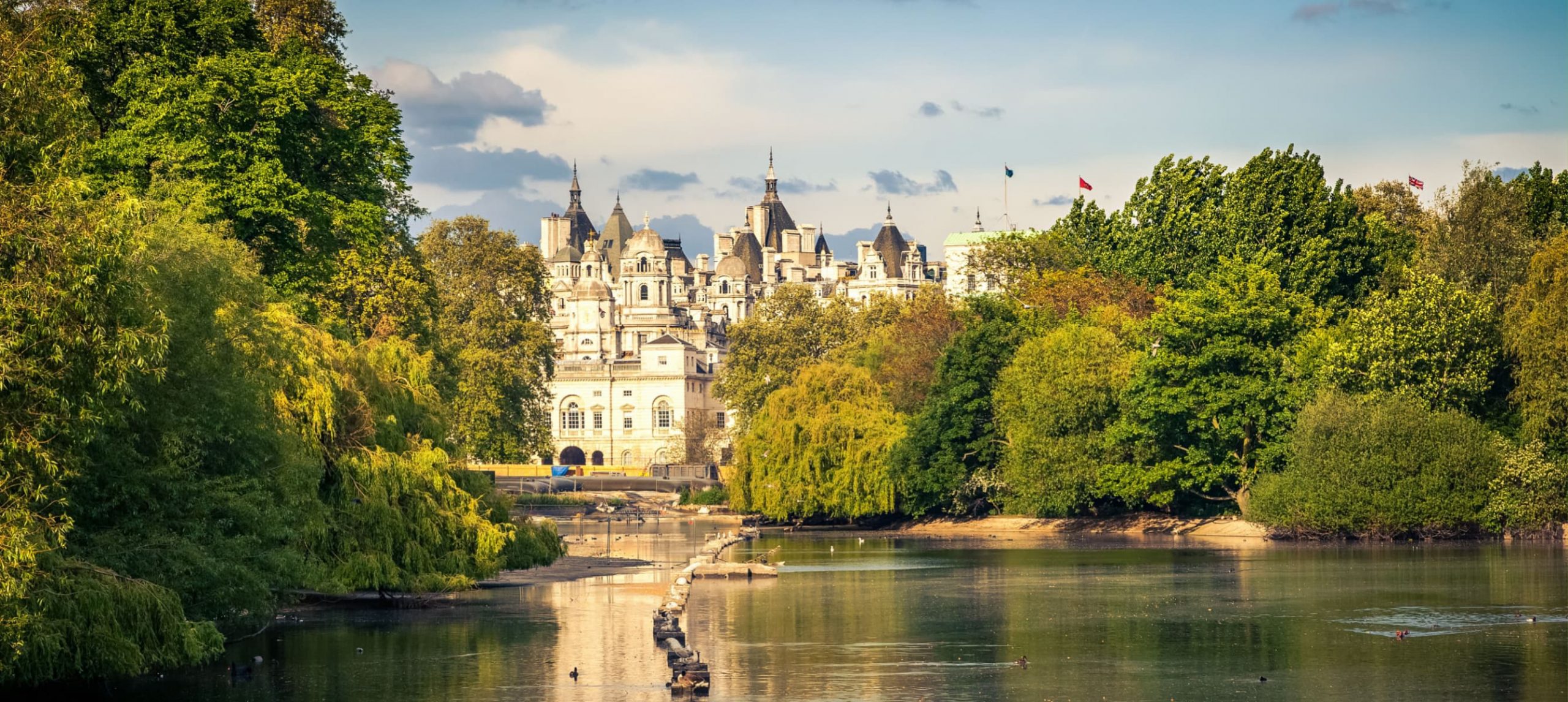
Best Parks In London For Walks, Views, Picnics, And Kids
London can feel like stone and speed-until you step through a gate and the city suddenly breathes. One moment you’re threading past traffic noise; the next, you’re under plane trees with a skyline that looks oddly far away.
I’m always hunting for the places that show London at its best: wide skies, water, and those “how is this still Zone 1?” moments. The goal here is simple: help you pick the right park for yourday-fast-without reading five different listicles.
Key Takeaways (Answer Box)
- London has around 3,000 parks and about 20% of the city is public green space (Data as of February 2026).
- If you want classic, well-connected choices, start with the eight Royal Parks.
- For iconic central scenery, Hyde Park and St. James’s Park are the easy wins (gate times are clearly published).
- For big wildlife-and-space energy, head to Richmond Parkor Bushy Park and follow deer safety guidance.
- For kid-friendly planning, prioritise parks with reliable toilets, cafés, and clear gate hours (often seasonal-verify on official pages).
Freshness note:Hours, facilities, and access rules change seasonally. Details are Data as of Feb 2026 unless stated otherwise-always verify with the official park page.
Next: a quick decision table so you can choose a park like you’re ordering off a menu-by mood, not by hype.
Best Parks In London: The Quick “Park Picker” (no Overthinking)
Here’s what you get: a fast match between what you want todayand where to go, without scrolling 40 options.
| If you want… | Go to… |
| The most “London” park day (lake + lawns + people-watching) | Hyde Park |
| Landmark-packed stroll you can finish in under an hour | St. James’s Park |
| Skyline views with a side of history | Greenwich Park |
| Wild deer landscapes and big-sky walking | Richmond Park or Bushy Park |
| Garden calm (curated, camera-friendly) | Kensington Gardens or Holland Park |
| A long walk that keeps changing scenery | Regent’s Canal towpath |
| East London “local picnic” energy | Victoria Park or London Fields |
| Nature boardwalk vibes | Greenwich Peninsula Ecology Park |
| A full-on plant-lover day (ticketed) | Kew Gardens |
Next: a quick bit of context-because “Royal Park,” “common,” and “council park” often mean different opening patterns and facilities.
London’s Parks In Context (why There Are So Many, And What “Royal Parks” Means)
This section gives you the “why” behind the choices-so the rules, gates, and facilities don’t surprise you.
London’s green network is unusually dense: City Hall describes around 3,000 parks and about 20% public green space. London was also declared the world’s first National Park City in July 2019.
London’s green network is unusually dense-if you want the bigger picture beyond parks, see our guide to London’s green spaces.
What “Royal Parks” Means (in Practice)
There are eight Royal Parks in London managed by The Royal Parkscharity, and they emphasise free access to these green spaces. Translation: these parks are usually the most visitor-ready-clear visitor info, strong infrastructure, and well-published gate guidance.
Commons Vs Council Parks Vs Other Managers
- Commons are often legally protected open land (for example, Wimbledon and Putney Commons are governed under the Wimbledon and Putney Commons Act 1871).
- Council parks vary by borough; some are gated (with seasonal locking times), others are more open-access.
- City of London Corporation manages big open spaces like Hampstead Heath, Highgate Wood, Epping Forest, Queen’s Park, and West Ham Park-and they tend to publish facility-specific info (toilets, visitor centres, seasonal closing times).
Next: the main list-35 parks, each in the same “park card” format so you can scan, shortlist, and actually plan your visit.
The 35 Best Parks In London (scannable Master List)
What you’ll get here: 35 park cards, each with the same decision-friendly sections-hook, history, highlights, things to do, exact location, opening guidance, entry, best timing, accessibility, and facilities. Where gate hours or facilities change seasonally, I’ll point you to the official source rather than guessing.
1. Hyde Park
Big lawns, big lake, big London energy-this is the park that can handle anykind of day.
Hyde Parkhas long been London’s public stage-hosting suffragette rallies and speeches, the Rolling Stones’ legendary free concert in 1969, the finishing point of Britain’s first Pride protest in 1972, and even an address by Nelson Mandela at the 46664 concert in 2008. It’s why The Royal Parks calls it “the people’s park.”
- Location:Central London (Westminster).
- Rating:4.9/5 (iconic factor + planning ease)
- Opening Hours:Pedestrian gates 5am - midnight
- Entry - Free:Yes. (Some activities inside may charge.)
- Key Highlights & Unique Features:The Serpentine lakefront walks; Speaker’s Corner; classic skyline edges.
- Best Things to Do:Walk the Serpentine loop; deckchair-and-people-watch; pair with Kensington Gardens.
- Best Time to Visit:Early morning for quiet paths; late afternoon for lake light; weekends get busy near the Serpentine.
- Accessibility:Wide, hard-surfaced routes around main paths; step-free varies by gate-check official visitor info before you go.
- Facilities:Food & drink options are listed by The Royal Parks; parking is limited/chargeable (verify).
2. Kensington Gardens
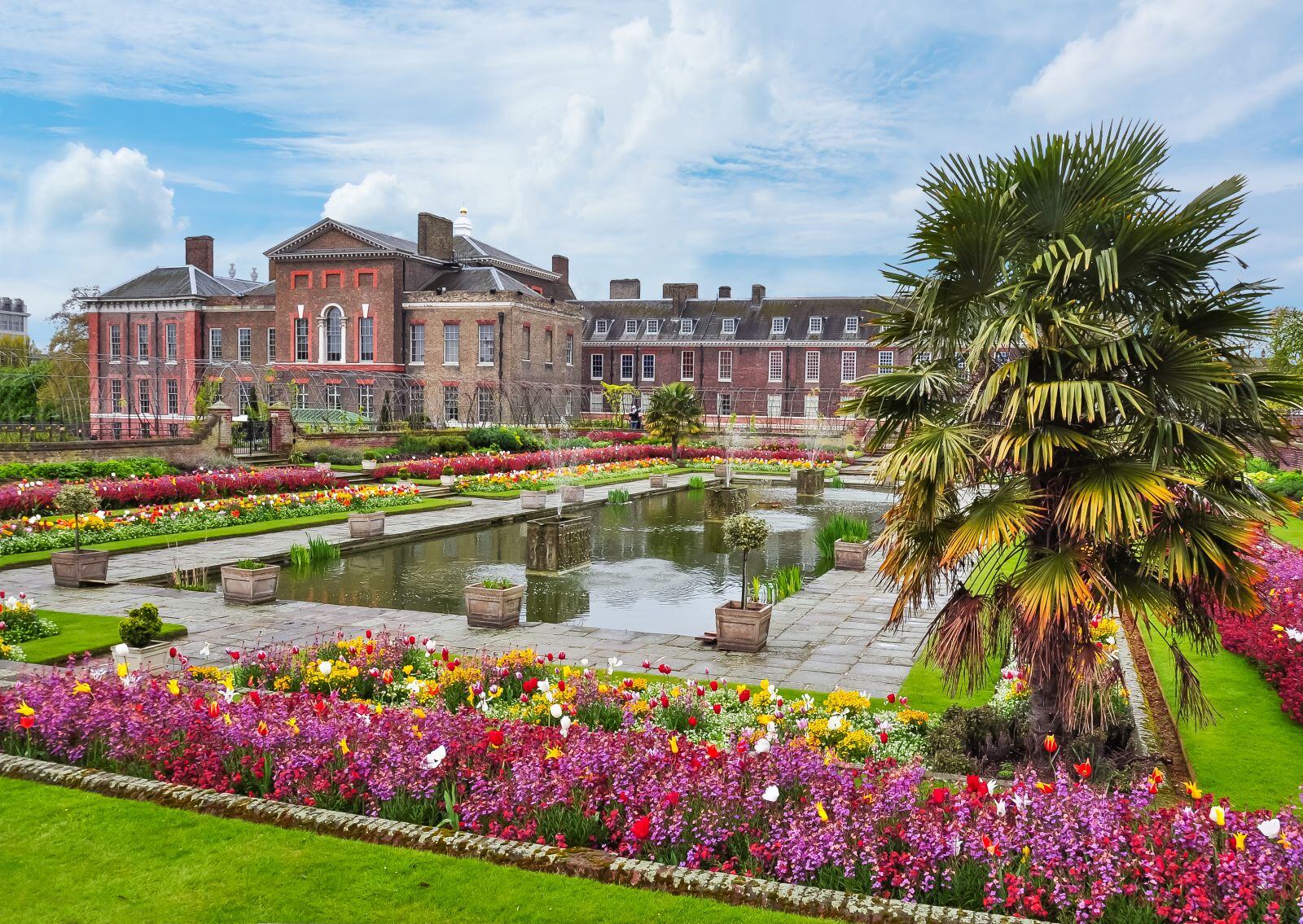
If Hyde Park is a festival lawn, Kensington Gardens is the elegant promenade next door.
Dreamed up by Queen Caroline in the 18th century, these celebrated gardens were originally part of Kensington Palace. Today, they are open to everyone - no longer exclusive, but still extraordinary. Listed as one of London’s eight Royal Parks.
- Location:Central-west London (alongside Hyde Park).
- Rating:4.7/5 (garden calm + central convenience)
- Opening Hours:Pedestrian gates 6am to dusk.
- Entry - Free:Yes.
- Key Highlights & Unique Features:A more “designed” feel than Hyde Park; quieter rhythm.
- Best Things to Do:Slow loop walks; sit-and-read with a view; pair with Hyde Park for a longer day.
- Best Time to Visit:Weekday mornings for calm; spring for garden colour; late day for softer light.
- Accessibility:Many main routes are smooth; dusk closing is seasonal-check notices before planning late visits.
- Facilities:Visitor info and temporary closure notices are published by The Royal Parks.
3. The Regent’s Park
The “designed day out” park-wide paths, gardens, and a sense that London is behaving nicely for once.
A Royal Park with extensive visitor facilities and wildlife habitats.
- Location:North of the West End (Regent’s Park/ Marylebone edge).
- Rating:4.8/5 (structure + scenery)
- Opening Hours:Pedestrian gates 5am - 6pm (Primrose Hill open 24/7).
- Entry - Free:Yes.
- Key Highlights & Unique Features:Gardens, wetland areas, playgrounds, and that gentle “stroll-worthy” layout.
- Best Things to Do:Garden wandering; easy long loop walk; pair with Primrose Hill for views.
- Best Time to Visit:Morning for empty paths; spring/summer for gardens; avoid peak weekend afternoons if you dislike crowds.
- Accessibility:Main paths are generally wide; closing varies-confirm on the official page before late visits.
- Facilities:The Royal Parks publishes visitor info and notices.
4. Primrose Hill
A short climb that pays you back in one of London’s easiest skyline moments.
Like The Regent's Park, this area was once part of a great chase, appropriated by Henry VIII. Primrose Hill, with its clear rounded skyline, was purchased from Eton College in 1841 to extend the parkland available to the poor people of north London for open-air recreation. Part of the Regent’s Park & Primrose Hill Royal Parks site.
- Location:Immediately north of Regent’s Park.
- Rating:4.8/5 (views-per-effort)
- Opening Hours:Pedestrian gates 5am - 6pm (Primrose Hill open 24/7)
- Entry - Free:Yes.
- Key Highlights & Unique Features:The viewpoint is the headline-bring a camera or just your eyes.
- Best Things to Do:Sunset view session; picnic-on-a-slope; pair with Regent’s Park gardens.
- Best Time to Visit:Sunrise for near-silence; sunset for dramatic light (and more people).
- Accessibility:The hill itself is sloped and can be challenging; consider staying on flatter surrounding paths if mobility is limited.
- Facilities:Limited on the hill itself-plan nearby cafés/loos in Regent’s Park area.
5. St. James’s Park
Central London’s most “postcard” park-short, scenic, and surrounded by history.
The Royal Parks calls it “the most royal” Royal Park, shaped by monarchs and bordered by royal palaces.
- Location:Westminster (between Buckingham Palaceand Whitehall).
- Rating:4.7/5 (views + location)
- Opening Hours:5am-midnight.
- Entry - Free:Yes.
- Key Highlights & Unique Features:The pelicans-first introduced in 1664-are a genuine London oddity.
- Best Things to Do:Blue Bridge views; pelican-spotting; pair with Green Park for a quieter second loop.
- Best Time to Visit:Early morning for empty bridges; late afternoon for golden water light.
- Accessibility:Mostly flat paths; crowded pinch points near bridges at peak times.
- Facilities:Visitor info and notices via The Royal Parks.
6. The Green Park
The quickest “green reset” in central London-less spectacle, more calm.
A Royal Park known as a quieter retreat beside ceremonial London.
- Location:Westminster (between Hyde Park and St. James’s Park).
- Rating:4.5/5 (quiet value in Zone 1)
- Opening Hours:5am-midnight.
- Entry - Free:Yes.
- Key Highlights & Unique Features:Mature trees, broad grass, a calm vibe right beside major sights.
- Best Things to Do:Decompress walk; picnic without crowds; stitch into a Buckingham Palace area day.
- Best Time to Visit:Mid-morning weekdays; after rain (fresh air, fewer people).
- Accessibility:Mostly flat; wide paths.
- Facilities:Limited compared with Hyde Park; use nearby streets for cafés/toilets if needed.
7. Greenwich Park
Views + history in one place-this is the park that makes London look like a painting.
The Royal Parks describes a landscape shaped in the 17th century, with history reaching back far earlier.
- Location:Greenwich (SE London).
- Rating:4.8/5 (views + “sense of place”)
- Opening Hours:Pedestrian 6am; vehicles 7am; closes at dusk.
- Entry - Free:Yes.
- Key Highlights & Unique Features:The hilltop panorama; gardens and historic setting.
- Best Things to Do:Skyline view walk; slow garden wander; pair with a riverside Greenwich day.
- Best Time to Visit:Sunrise/early morning for quiet views; sunset for drama (and crowds).
- Accessibility:Mixed gradients; check official access information if you need step-free routing.
- Facilities:Visitor info and notices are published; car park access and times are noted (verify before driving).
8. Richmond Park
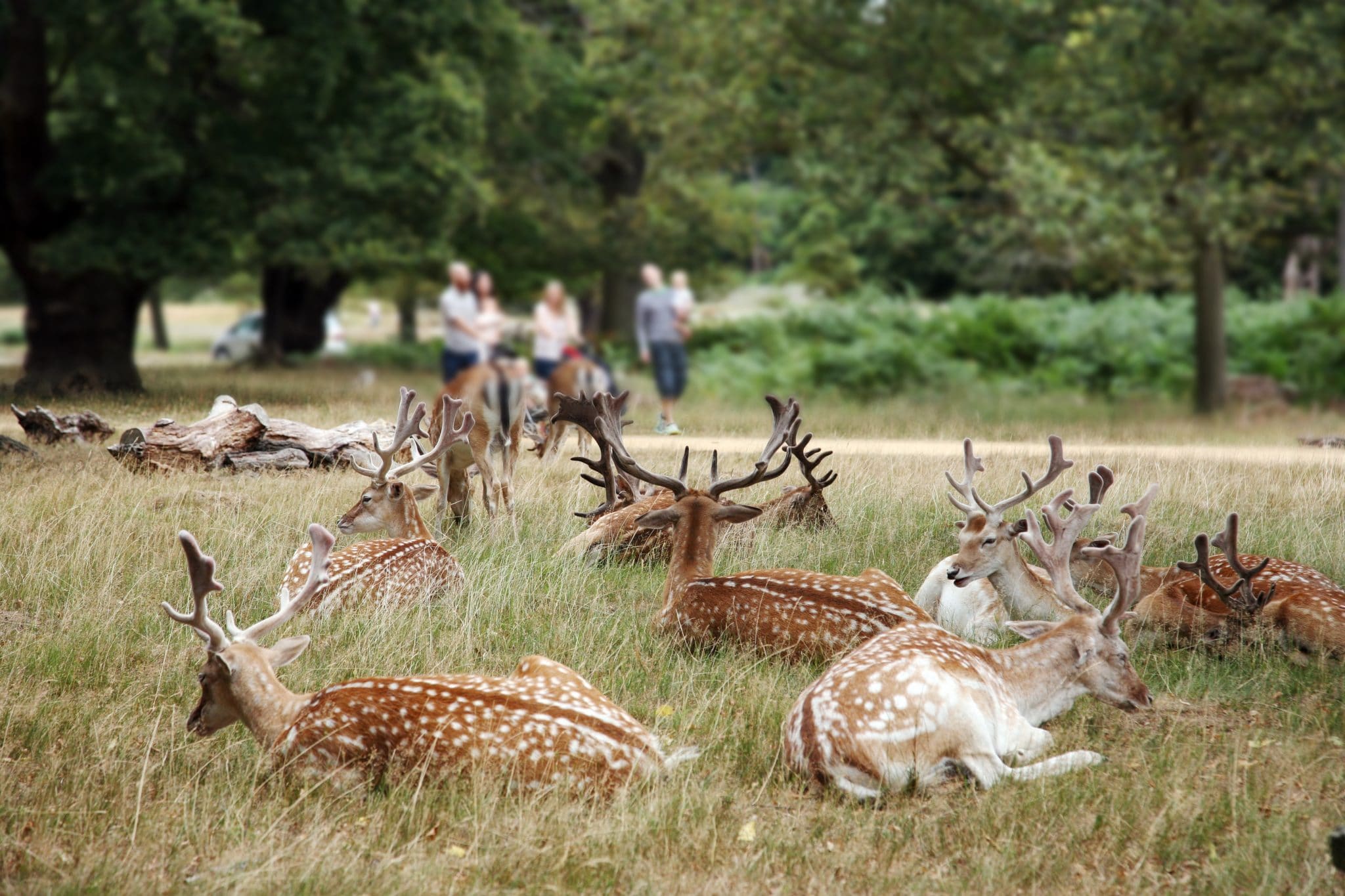
The “how is this London?” park. Richmond Parkdeer, ancient trees, and walks that feel properly wild.
The Royal Parks provides history and seasonal notices (including deer management).
- Location:Richmond upon Thames (SW London).
- Rating:4.8/5 (wildness + scale)
- Opening Hours:Pedestrian gates 24/7, Vehicle gates 7am - 5:30pm.
- Entry - Free:Yes (parking may be chargeable; verify).
- Key Highlights & Unique Features:Vast landscapes and free-roaming deer; treat wildlife as truly wild.
- Best Things to Do:Long roam walks; viewpoint-hunt; nature photography from a respectful distance.
- Best Time to Visit:Early mornings for quiet and wildlife; autumn for atmospheric light.
- Accessibility:Some paths are uneven/natural; accessibility options vary-check official visitor info.
- Facilities:Visitor information is published; specific areas (like Isabella Plantation) have their own pages.
9. Bushy Park
Richmond’s slightly less famous sibling-still huge, still deer-filled, often a bit less crowded.
The Royal Parks calls it the second largestof London’s eight Royal Parks.
- Location:Near Hampton Court (SW London).
- Rating:4.8/5 (space + easier vibes)
- Opening Hours:Pedestrian gates 24/7, Vehicle gates 6:30am - 7pm.
- Entry - Free:Yes.
- Key Highlights & Unique Features:Deer landscapes; grand avenues; historic-feeling parkland.
- Best Things to Do:Long walks; deer spotting (from distance); woodland garden detour.
- Best Time to Visit:Weekday mornings; spring for fresh green and flowers.
- Accessibility:Some wide routes; some rougher terrain.
- Facilities:Visitor info via The Royal Parks; parking and café options vary (verify).
10. Hampstead Heath
The wild heart of North London-views, woods, and the sense you can roam without a script.
Managed by the City of London Corporation as a major green space.
- Location:North London (Hampstead/Highgate area).
- Rating:4.7/5 (wildness + views)
- Opening Hours:The Heath is open-access; facility hours (ponds/lido) are published separately.
- Entry - Free:Yes (swimming facilities may charge).
- Key Highlights & Unique Features:Big viewpoints (Parliament Hill); famous swimming areas have specific rules/times.
- Best Things to Do:Viewpoint walk; woodland wandering; plan a designated swim if that’s your aim.
- Best Time to Visit:Sunrise for quiet; crisp winter days for views; hot summer afternoons get busy.
- Accessibility:Mixed surfaces and slopes; check official swimming/access guidance if you need step-free planning.
- Facilities:Visitor information and swimming guidance published by City of London.
11. Victoria Park
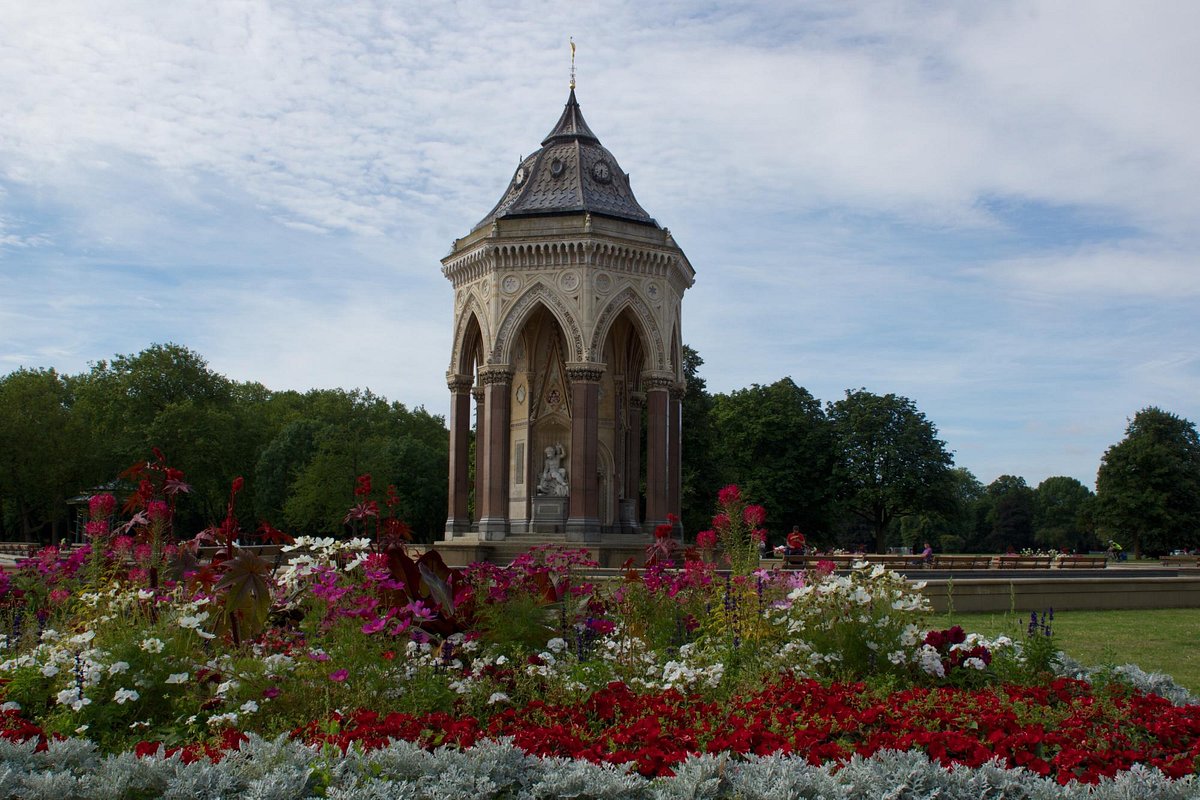
East London’s big “People’s Park”-picnic-friendly, event-ready, and genuinely huge.
Tower Hamlets says it opened in 1845for the benefit of the East End working class and has over 170 years of history.
- Location:Tower Hamlets (East London).
- Rating:4.7/5 (space + local atmosphere)
- Opening Hours:7am-dusk.
- Entry - Free:Yes.
- Key Highlights & Unique Features:Big open lawns, community activity energy.
- Best Things to Do:Long loops; picnic; playground + café pairing.
- Best Time to Visit:Weekday mornings for calm; weekends for atmosphere.
- Accessibility:Main paths are generally wide; dusk closing is seasonal.
- Facilities:Tower Hamlets publishes park info; cafés and toilets exist within the park (verify on-site for exact locations/hours).
12. Holland Park
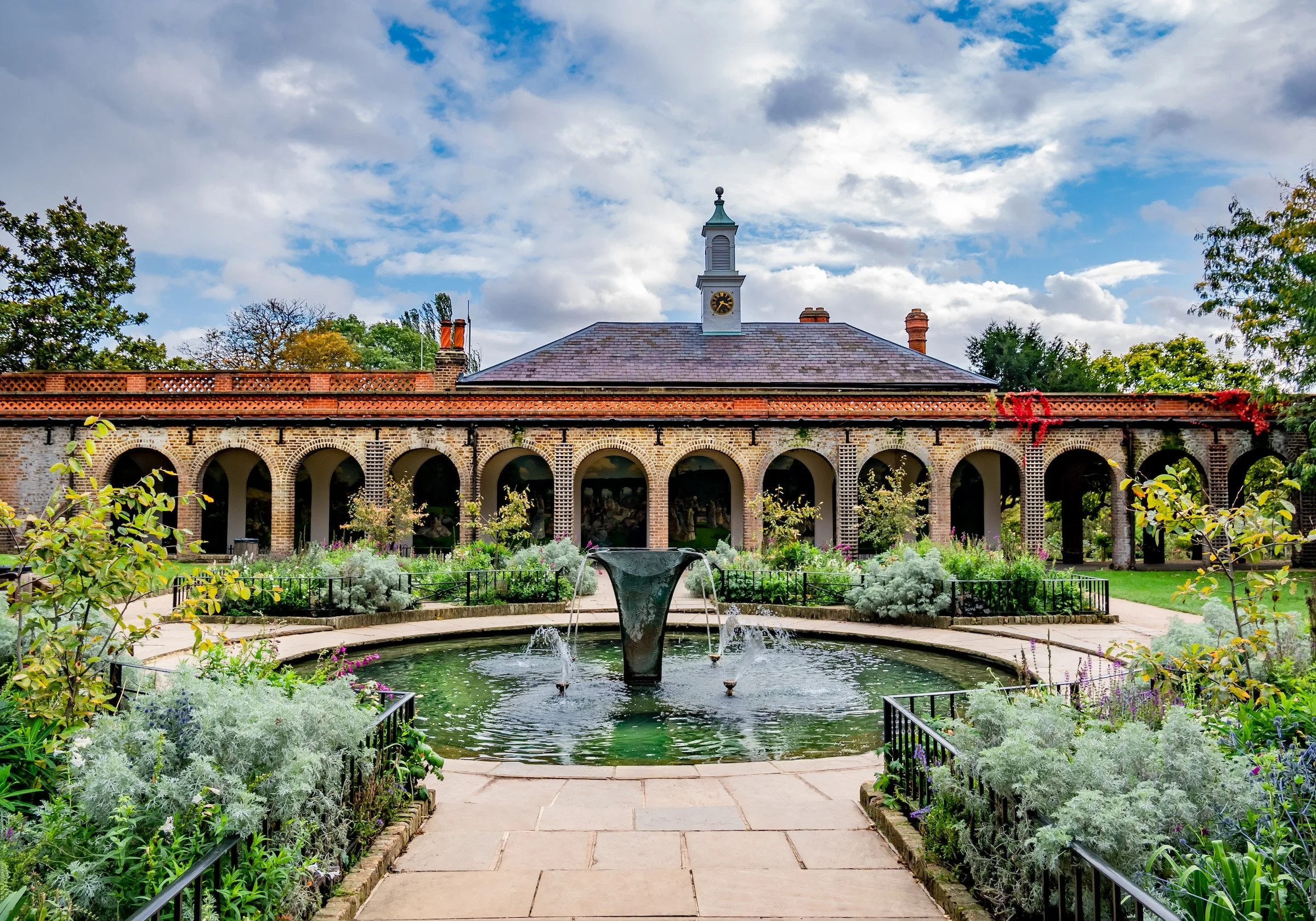
A quieter, garden-forward park where you can swap city noise for birdsong in minutes.
The Kyoto Garden was donated by Kyoto’s Chamber of Commerce in 1991.
- Location:Kensington (W London).
- Rating:4.6/5 (garden calm)
- Opening Hours:7:30am-dusk.
- Entry - Free:Yes.
- Key Highlights & Unique Features:Kyoto Garden; ecology-focused feel.
- Best Things to Do:Kyoto Garden slow stroll; sit-and-reset; spring/autumn colour walks.
- Best Time to Visit:Early morning for quiet; avoid peak weekends around Kyoto Garden.
- Accessibility:Mixed paths; many main areas are straightforward, but check entrance signage for closures.
- Facilities:Park info is published by RBKC; facilities include gardens and services (verify specifics on the council page).
13. Battersea Park
Battersea Parkis a do-it-all riverside park-great when you want a full day outside without improvising.
Wandsworth describes it as a 200-acre Victorian park built between 1854 and 1870.
- Location:SW11 (Battersea, Thames-side).
- Rating:4.7/5 (family-ready + riverside)
- Opening Hours:Park opening times and gate access are published by Wandsworth.
- Entry - Free:Yes.
- Key Highlights & Unique Features:Riverside promenade; lake; children’s areas; strong “planable” layout.
- Best Things to Do:Riverside walk; lake loop; family playground time.
- Best Time to Visit:Morning for quieter paths; late afternoon for river light.
- Accessibility:Many level routes; check council info for accessible facilities.
- Facilities:Wandsworth lists opening times and park information (toilets/cafés vary-confirm on the official page).
14. Clapham Common
South London’s big, social common-space for sport, sun, and that “local weekend” feeling.
Lambeth notes it’s mentioned as far back as 1086in the Domesday Book and was originally common land.
- Location:Between Clapham, Battersea and Balham.
- Rating:4.5/5 (space + local buzz)
- Opening Hours:Open-access common; check local signage for any managed closures.
- Entry - Free:Yes.
- Key Highlights & Unique Features:Huge open fields; classic common-land vibe.
- Best Things to Do:Casual games; big picnic; long perimeter walk.
- Best Time to Visit:Morning for space; weekday afternoons for calmer vibes.
- Accessibility:Mostly flat in many areas; surfaces vary.
- Facilities:Vary across the common; plan ahead if you need guaranteed toilets/cafés.
15. Brockwell Park
A south London classic-views, a lido, and a park that feels like the neighbourhood’s shared backyard.
Lambeth says it was laid out as a landscaped park and opened to the public in 1892.
- Location:Herne Hill (Lambeth).
- Rating:4.6/5 (views + variety)
- Opening Hours:Brockwell Park is normally open from 7.30am to 15 minutes before sunset.
- Entry - Free:Yes (lido and events may charge).
- Key Highlights & Unique Features:Historic features (hall, walled garden) and major local events.
- Best Things to Do:Hilltop views; lido day pairing; slow wander through gardens and paths.
- Best Time to Visit:Morning for views without crowds; summer evenings for atmosphere.
- Accessibility:Mixed slopes; check event fencing impacts during festival season.
- Facilities:Lambeth highlights key features; facilities vary by season.
16. Dulwich Park
Calm, tidy, family-friendly-this is the park you choose when you want an easy win.
Southwark says it was created in 1890, beginning as farmland/meadows (“five fields”).
- Location:College Road, SE21.
- Rating:4.7/5 (family logistics + calm)
- Opening Hours:Gates open 7:30am; closing varies through the year.
- Entry - Free:Yes.
- Key Highlights & Unique Features:Café, playground, cycle hire, boating lake.
- Best Things to Do:Pedalo/boat hire (seasonal); picnic; perimeter dog walk loop.
- Best Time to Visit:Morning for peace; spring for fresh colour; avoid peak sunny weekends if you want quiet.
- Accessibility:Toilets are listed; specific accessibility links are provided by the council (verify before you go).
- Facilities:Toilets, café, boating lake, cycle hire are listed by Southwark.
17. Greenwich Peninsula Ecology Park
A surprisingly quiet wetland pocket beside the modern Thames-nature, on purpose. Managed by TCV as an urban ecology site.
- Location:Greenwich Peninsula.
- Rating:4.6/5 (nature density)
- Opening Hours:Visitor hours are published (typically Wed-Sun, daytime).
- Entry - Free:Yes.
- Key Highlights & Unique Features:Wetlands, birds, boardwalk feel.
- Best Things to Do:Birdwatch; slow loop; pair with Greenwich Park for views + wetlands.
- Best Time to Visit:Morning for birds and calm; spring for fresh growth.
- Accessibility:Paths are generally manageable, but confirm current access on the official visitor page.
- Facilities:Expect minimal “park” facilities; plan toilets/food outside the site.
18. London Fields
A sun-on-grass park with proper East London energy-cricket, picnics, and a lido nearby.
Hackney notes it’s classified as common landwith history tied to grazing and moving animals to market.
- Location:Hackney (E8).
- Rating:4.6/5 (local vibe + easy day)
- Opening Hours:Open-access park; any restrictions are posted locally-check signage.
- Entry - Free:Yes.
- Key Highlights & Unique Features:Big lawns; Green Flag status; strong neighbourhood feel.
- Best Things to Do:Picnic + stroll; pair with a swim at London Fields Lido (ticketed).
- Best Time to Visit:Weekday mornings for calm; sunny weekends for atmosphere (and crowds).
- Accessibility:Mostly flat; paths and lawn edges vary.
- Facilities:Park facilities vary; lido has its own published opening times.
19. Jubilee Park (Canary Wharf)
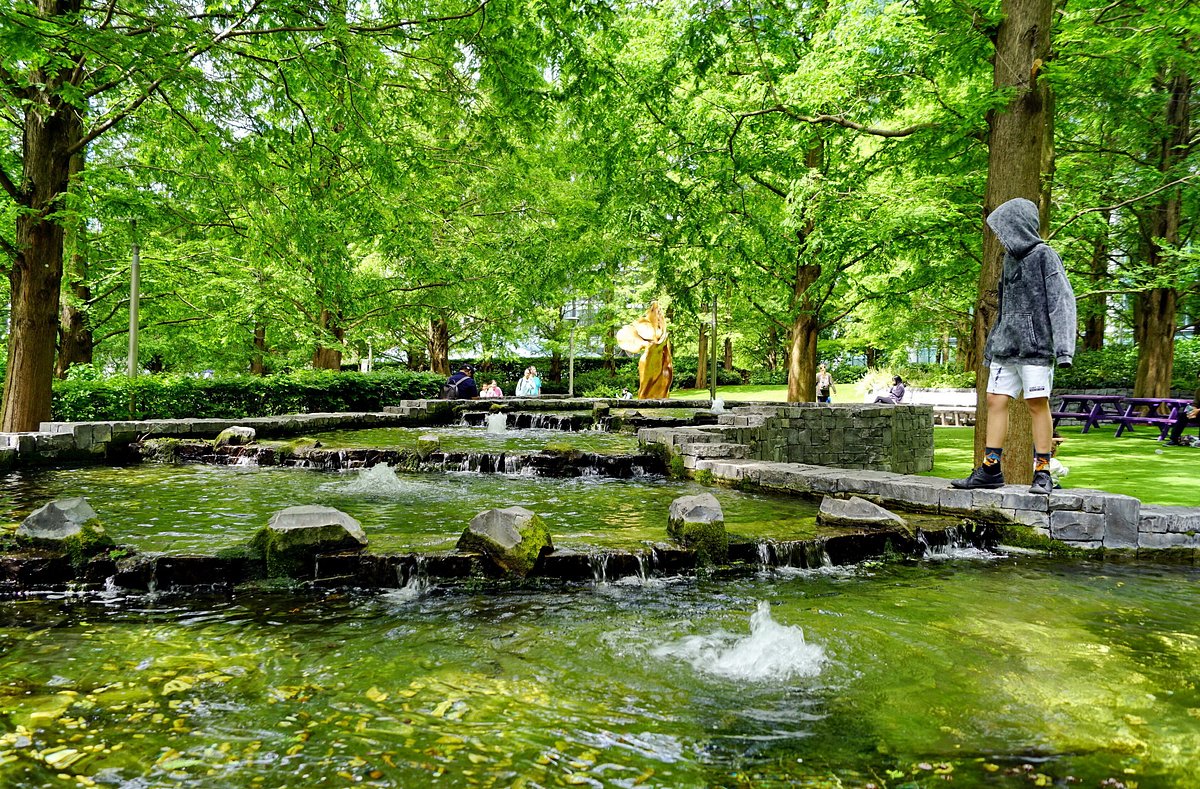
A calm, tree-filled pocket tucked among towers-perfect for a quick reset between meetings or museums. Canary Wharf describes it as an open space with cascading water features.
- Location:Canary Wharf.
- Rating:4.6/5 (quiet convenience)
- Opening Hours:Estate-managed open space; hours aren’t clearly stated on the main listing-check on-site signage.
- Entry - Free:Yes.
- Key Highlights & Unique Features:Water feature serenity; shade; “urban oasis” contrast.
- Best Things to Do:Sit by the water; quick stroll; use it as a Canary Wharf breather.
- Best Time to Visit:Lunchtime on weekdays for atmosphere; early morning for quiet.
- Accessibility:Generally smooth surfaces, but confirm on arrival.
- Facilities:Nearby cafés and amenities in Canary Wharf estate (varies by unit and hours).
20. Queen’s Park
A community-first park-playgrounds, sports, and a bandstand vibe that feels properly lived-in.
City of London describes it as a community-focused park with facilities including playground and café.
- Location:North-west London (Brent area).
- Rating:4.5/5 (community usefulness)
- Opening Hours:Park closing times are seasonally fixed and displayed at gates/online for specific facilities-verify via City of London visitor info.
- Entry - Free:Yes (some activities may charge).
- Key Highlights & Unique Features:Children’s Farm and play areas have their own published opening details.
- Best Things to Do:Family play time; pitch-and-putt; lazy bandstand-side afternoon.
- Best Time to Visit:Morning for calm; afternoons for family buzz.
- Accessibility:Step-free routes vary; check gate notices and specific facility pages.
- Facilities:Sports facilities, playground, bandstand, café are listed.
21. Regent’s Canal Towpath (green Corridor)
Not a single park-more like a moving green corridor with constant scene changes. Managed/maintained as a waterway with towpath guidance published by Canal & River Trust.
- Location:Runs Paddington → Limehouse through multiple areas.
- Rating:4.6/5 (best “changing scenery” walk)
- Opening Hours:Public access; follow towpath etiquette and local signage.
- Entry - Free:Yes.
- Key Highlights & Unique Features:Waterside walking; neighbourhood transitions; boats and bridges.
- Best Things to Do:Long towpath walk; photo stops; pair with nearby parks (Regent’s Park, Victoria Park).
- Best Time to Visit:Morning for quieter paths; avoid peak commuter cycling times if you prefer slower walking.
- Accessibility:Surfaces vary; some narrow sections-take care where busy.
- Facilities:Dependent on neighbourhood-plan cafés/toilets by nearby stations.
22. Finsbury Park
A big north London workhorse: sport, lakes, playgrounds, and event energy when it’s on. Managed by Haringey; facilities are listed officially.
- Location:Haringey (N4).
- Rating:4.4/5 (facilities + usefulness)
- Opening Hours:Park access is generally open; staffed/gate details can affect accessible parking-check official guidance if needed.
- Entry - Free:Yes.
- Key Highlights & Unique Features:Athletics track, boating lake, café, outdoor gym, Changing Places toilet.
- Best Things to Do:Track session; lake loop; playground time.
- Best Time to Visit:Morning for calm; avoid major event days if you want a quiet walk.
- Accessibility:A Changing Places toilet is listed; accessible parking guidance is referenced-verify before you go.
- Facilities:Haringey lists a wide facilities set; café hours are via the café site.
23. Alexandra Park (Alexandra Palace Park)
Come for the view-leave with that “London is enormous” feeling.
- Location:North London (around Alexandra Palace).
- Rating:4.7/5 (views + fresh air payoff)
- Opening Hours:Park access is typically open; car park hours are published separately-check official visitor info if driving.
- Entry - Free:Yes.
- Key Highlights & Unique Features:Hilltop panorama; Palace setting; a proper “earn your view” slope.
- Best Things to Do:Skyline viewpoint; lake loop; pair with a Palace event day.
- Best Time to Visit:Sunrise or late afternoon for best light; winter for crisp visibility.
- Accessibility:Slopes can be challenging; look for gentler routes around main paths.
- Facilities:Café and event facilities vary by schedule; car park hours published (verify).
24. Crystal Palace Park
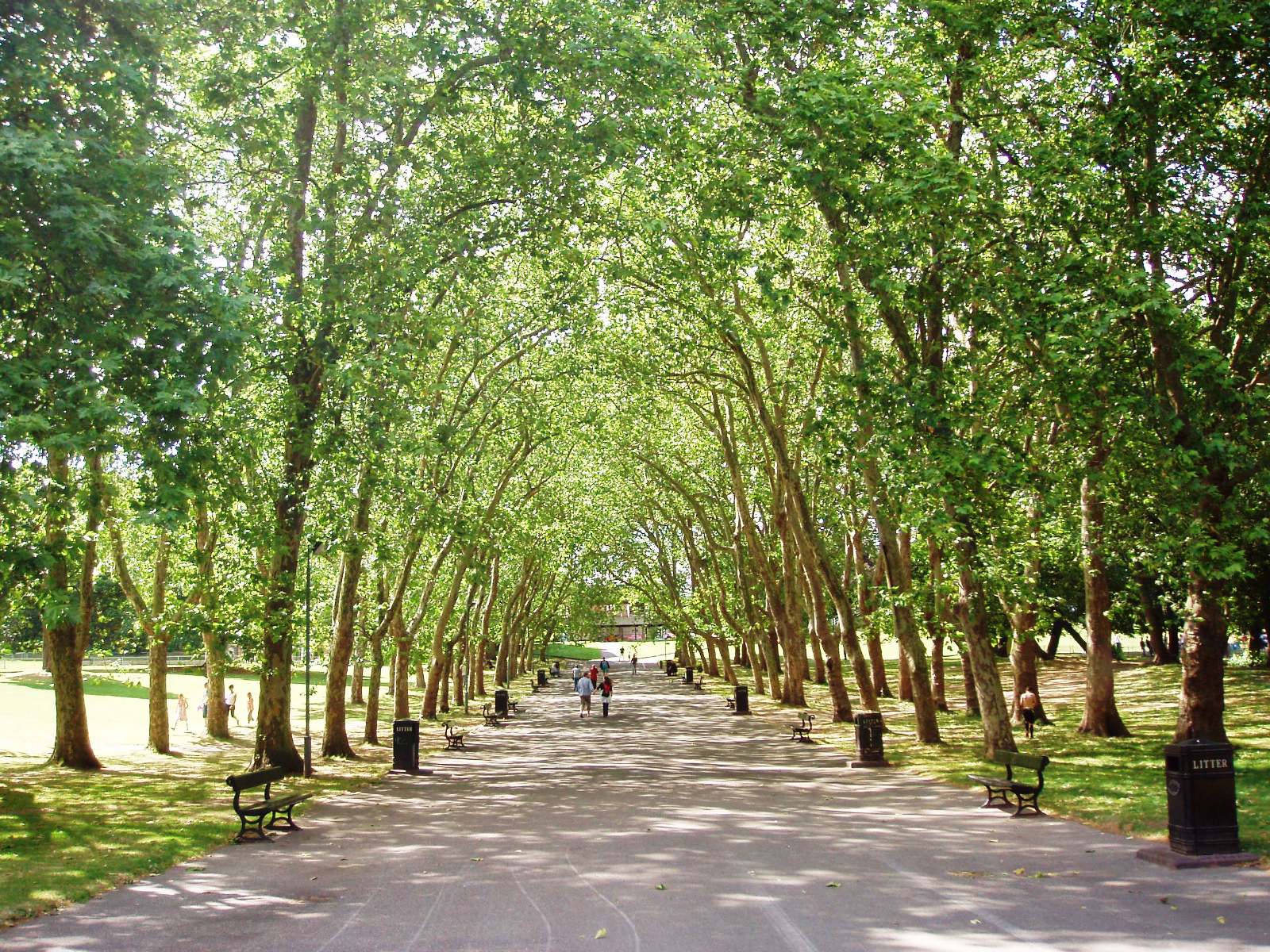
Dinosaurs, terraces, and big historic drama-this park feels like a whole chapter of London.
Bromley notes the park is under major works (from May 2025) with regeneration planned through Autumn 2026.
- Location:SE19 area (Crystal Palace).
- Rating:4.5/5 (uniqueness + scale)
- Opening Hours:Opening hours are set by Crystal Palace Park Trust-use the official link.
- Entry - Free:Yes (some attractions/events may charge).
- Key Highlights & Unique Features:Dinosaurs trail; Italian terraces; lakes; sports centre; café.
- Best Things to Do:Dinosaur trail walk; terrace views; sports centre pairing (ticketed).
- Best Time to Visit:Weekday mornings to avoid crowds; check works impacts before you go.
- Accessibility:Bromley notes many areas are accessible with level/tarmac routes and that accessible toilet/parking are available.
- Facilities:Attractions list (including café) is published; verify what’s open during works.
25. Waterhouse Woodland Garden (Bushy Park)
A “hidden oasis” inside a huge park-streams, bridges, and a quieter mood shift. The Royal Parks describes Woodland Gardens spanning 60 acres.
- Location:Inside Bushy Park.
- Rating:4.6/5 (best “secret corner” energy)
- Opening Hours:Pedestrian gates 24/7, Vehicle gates 6:30am - 7pm.
- Entry - Free:Yes.
- Key Highlights & Unique Features:Shady glades, waterways, little bridges-designed for slow strolling.
- Best Things to Do:Woodland wander; nature photography; decompress walk.
- Best Time to Visit:Spring for blossom/colour; weekday mornings for quiet.
- Accessibility:Some paths may be uneven; plan for natural surfaces.
- Facilities:Nearby facilities depend on wider Bushy Park services-verify before a long visit.
26. Kew Gardens
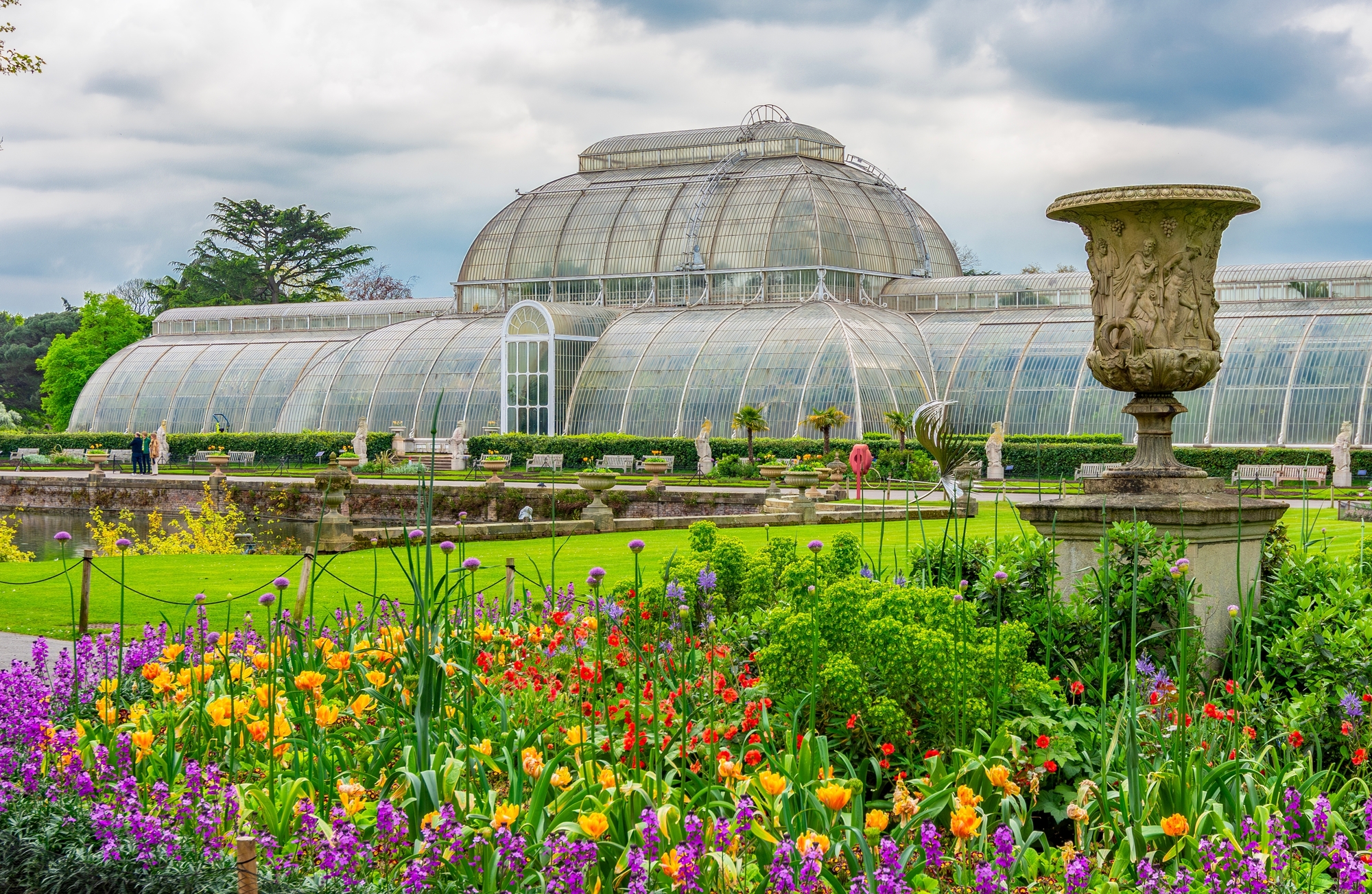
The “museum of living plants” day-curated, immersive, and worth planning like a proper outing.
Kewis a major botanic institution; visitor info and closures are published officially.
- Location:Kew (SW London).
- Rating:4.8/5 (depth + uniqueness)
- Opening Hours:Seasonaland published on Kew’s official page.
- Entry - Free:No(ticket required; prices published).
- Key Highlights & Unique Features:Glasshouses; seasonal exhibitions; extensive gardens and research-led collections.
- Best Things to Do:Glasshouse circuit; seasonal trails; slow garden wandering.
- Best Time to Visit:Weekday mornings for quieter glasshouses; spring/summer for peak gardens.
- Accessibility:Kew publishes visitor info; plan routes and any mobility needs via official guidance.
- Facilities:Cafés, shops, attractions, and planned closures are published officially.
27. Isabella Plantation (Richmond Park)
A colour-burst woodland garden hidden inside Richmond’s wildness-this is the “soft side” of the park.
The Royal Parks publishes a dedicated page and describes its biodiversity and habitats.
- Location:Inside Richmond Park.
- Rating:4.7/5 (best “garden within wilderness”)
- Opening Hours:Follows Richmond Park seasonal access and notices.
- Entry - Free:Yes.
- Key Highlights & Unique Features:Woodland cover, ponds, streams, glades and habitat variety.
- Best Things to Do:Slow garden walk; reflection-spotting at ponds; spring bloom visits.
- Best Time to Visit:Spring for blooms; weekday mornings for calm paths.
- Accessibility:Terrain varies; check on-site guidance and official visitor info.
- Facilities:Nearby facilities depend on Richmond Park services-plan accordingly.
28. Highgate Wood
An ancient-woodland mood in the city-quick to enter, surprisingly easy to forget you’re in London.
City of London describes it as ancient woodlandwith trails, playground, and café.
- Location:North London (Muswell Hill Rd area).
- Rating:4.5/5 (woodland reset)
- Opening Hours:Park hours aren’t clearly shown on the main snippet; check City of London visitor info and gate notices.
- Entry - Free:Yes.
- Key Highlights & Unique Features:Woodland trails; nature feel; simpler than Hampstead Heath.
- Best Things to Do:Woodland loop; calm walk; family playground stop.
- Best Time to Visit:Morning for quiet; autumn for colour.
- Accessibility:Natural surfaces; some paths may be uneven.
- Facilities:City of London notes a café and playground; verify café hours before relying on it.
29. Waterlow Park
A small-but-mighty hillside park-ponds, gardens, and that “local favourite” peace.
Waterlow Park Trust describes it as a 26-acre green oasis including historic Lauderdale House.
- Location:Camden edge near Archway/Highgate.
- Rating:4.6/5 (quiet charm)
- Opening Hours:Opens 07:30 daily; closing times vary by date.
- Entry - Free:Yes.
- Key Highlights & Unique Features:Ponds + gardens; hillside views; calmer pace.
- Best Things to Do:Pond loop; view-finding; slow bench time.
- Best Time to Visit:Early morning for quiet; spring/summer evenings (check closing time first).
- Accessibility:Mixed slopes; some routes are easier than others-plan around gradients.
- Facilities:Facilities vary; trust publishes park context and closing times.
30. Ravenscourt Park
Introduction / Hook:A neighbourhood flagship: big trees, play areas, and a park that feels genuinely lived-in.
History:LBHFdescribes it as a flagship park with wildlife habitats, play facilities, courts, and a popular tea-house/garden centre.
- Location:Hammersmith & Fulham (W6).
- Rating:4.4/5 (family usefulness)
- Opening Hours:LBHF publishes borough locking-time guidance(parks open by 7:30am, closing varies).
- Entry - Free:Yes.
- Key Highlights & Unique Features:Wildlife area; play; courts; café/garden centre presence.
- Best Things to Do:Family play; casual court time; stroll the quieter tree-lined edges.
- Best Time to Visit:Morning for calmer paths; summer afternoons for paddling-pool energy.
- Accessibility:Some areas are straightforward; confirm accessible toilet/route needs via official resources referenced by LBHF.
- Facilities:Facilities are listed by LBHF; paddling pool is seasonal.
31. Wandsworth Common
South-west London’s “natural landscape” common-woods, lakes, and lots of space to breathe.
Wandsworth notes common land has medieval origins and is protected by legislation beyond typical parks.
- Location:SW London (Wandsworth area).
- Rating:4.5/5 (local nature)
- Opening Hours:Open-access common; check local signage for any changes.
- Entry - Free:Yes.
- Key Highlights & Unique Features:Woods, lakes, and wide sweeps of landscape.
- Best Things to Do:Long walk loops; dog walking; picnic on open grass.
- Best Time to Visit:Morning for quiet; weekdays for less crowding.
- Accessibility:Mixed terrain; some flatter routes exist.
- Facilities:Wandsworth lists toilet locations for some parks/commons.
32. Tooting Bec Common (Tooting Common Area)
Open, athletic, and sunny-day friendly-great for long walks and “I need space” afternoons.
Wandsworth publishes an official Tooting Common page outlining access points and park management.
- Rating:4.4/5 (space + south London vibe)
- Location:South-west London (Balham/Streatham/Tooting triangle).
- Opening Hours:Open-access common; facility hours (like the lido) are published separately.
- Entry - Free:Yes (lido is paid).
- Key Highlights & Unique Features:Common-land openness; big grass areas and community facilities nearby.
- Best Things to Do:Long perimeter walk; casual sport; pair with Tooting Bec Lido (ticketed).
- Best Time to Visit:Morning for quieter laps; summer evenings for atmosphere.
- Accessibility:Paths and grass edges vary; lido has specific disabled-access notes via operators (verify).
- Facilities:Wandsworth lists toilets for some commons and locations.
33. Wimbledon Common
The “proper ramble” common-woodland and heathland where you can walk for hours without repeating yourself.
Managed by Wimbledon and Putney Commons Conservators, with visitor information published officially.
- Location:SW19 area (Wimbledon).
- Rating:4.7/5 (best long-walk escape)
- Opening Hours:Open-access common; car park opening timesare published .
- Entry - Free:Yes.
- Key Highlights & Unique Features:A large mosaic of habitats; a genuinely “not London” feel.
- Best Things to Do:Long ramble; pond spotting; nature walks.
- Best Time to Visit:Early morning; autumn for atmosphere; avoid muddy routes after heavy rain.
- Accessibility:Natural surfaces and uneven terrain are common-plan routes accordingly.
- Facilities:Limited “park-style” facilities; rely on nearby villages for cafés/toilets.
34. Epping Forest (London Edge Escape)
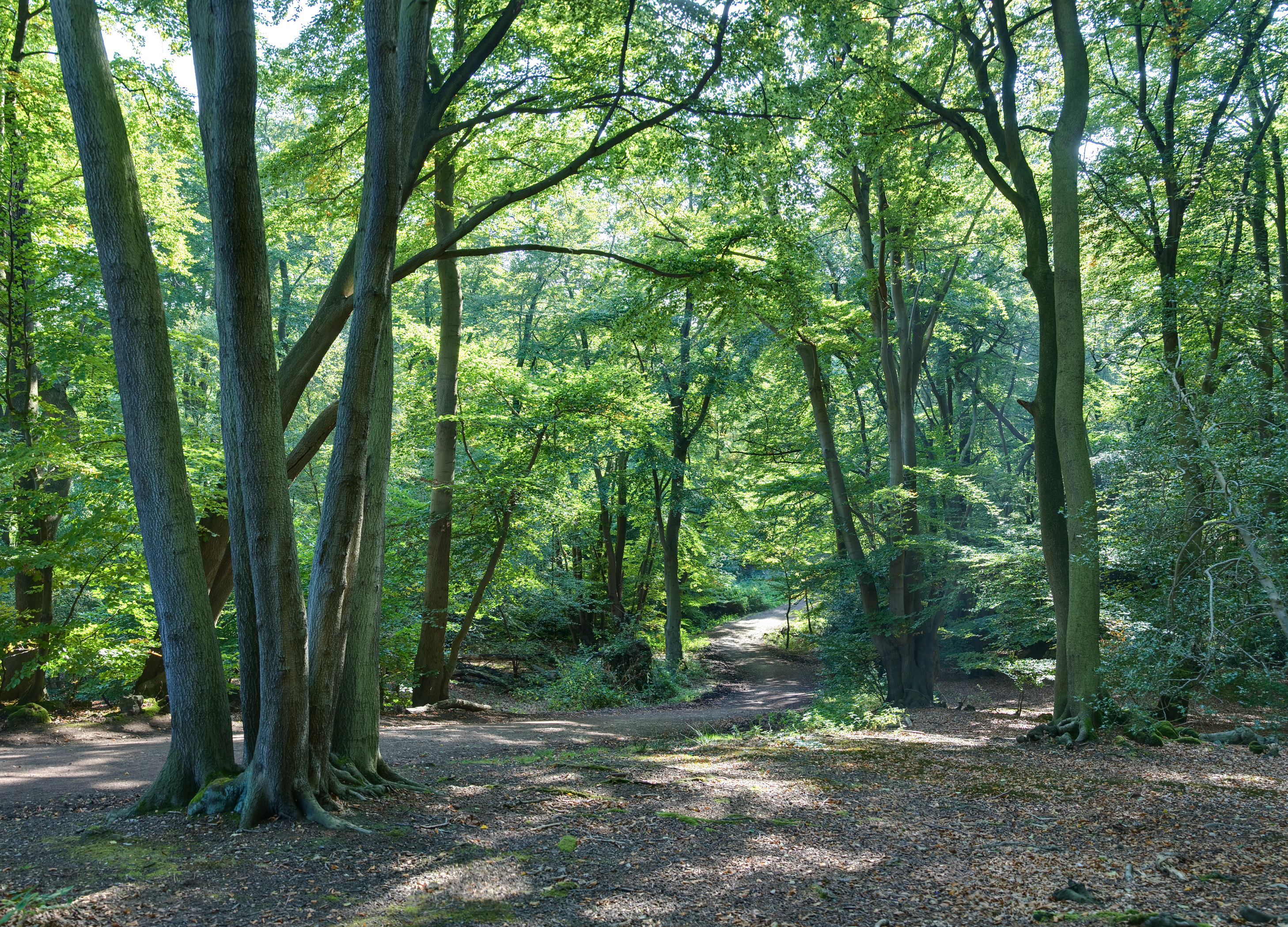
When you want woodland scale-this is your “leave London without leaving London” move.
City of London describes it as an ancient woodland stretching 13 milesfrom Manor Park to Epping.
- Location:Extends from East London into Essex.
- Rating:4.8/5 (true escape factor)
- Opening Hours:Open-access forest; car parking details and rulesare published separately.
- Entry - Free:Yes-City of London states visiting Epping Forest remains free.
- Key Highlights & Unique Features:Ancient trees, ponds, meadows, huge habitat variety.
- Best Things to Do:Woodland walks; visitor centre start; long nature day.
- Best Time to Visit:Weekday mornings; autumn for colour; avoid busy car parks at peak weekends.
- Accessibility:Terrain is natural and variable; plan from visitor centres for best route guidance.
- Facilities:Visitor centres exist; parking rules and Blue Badge notes are published (verify before driving).
35. West Ham Park
A garden-strong park with a quieter East London feel-great when you want “less famous, still lovely.”
City of London manages it and publishes detailed visitor information including seasonal closing times.
- Location:Newham (Upton Lane area).
- Rating:4.4/5 (garden calm + useful facilities)
- Opening Hours:Seasonal closing times are published by month; check the official page.
- Entry - Free:Yes.
- Key Highlights & Unique Features:Ornamental gardens; sports areas; clear facility wayfinding.
- Best Things to Do:Garden stroll; track and courts; family play loop.
- Best Time to Visit:Morning for quiet gardens; spring/summer for peak planting.
- Accessibility:Mixed surfaces; check on-site and official visitor info for accessible toilets/paths.
- Facilities:Toilets and facility locations are listed on the official visitor page.
Next: instead of re-reading the whole list, here are “best park for your plan” shortcuts-plus three easy micro-itineraries.
Best Parks In London By Plan (so You Don’t Overthink It)
This section turns the list into decisions and simple half-day plans.
Best Parks In London For Kids
- Battersea Parkfor all-day family infrastructure.
- Dulwich Parkfor playground + café + easy loop logistics.
- Queen’s Parkfor community facilities and family-friendly extras.
Takeaway: kid-success comes from toilets + food + a simple loop you can finish without drama.
Best Parks In London For Long Walks
- Richmond Parkfor scale and big-sky roaming.
- Hampstead Heathfor wild wandering and viewpoints.
- Wimbledon Commonfor genuine ramble terrain.
Takeaway: the best long walk is the one that doesn’t force you into repetitive loops.
Best Parks In London For Views
- Greenwich Parkfor the famous skyline spread.
- Alexandra Parkfor a high payoff viewpoint.
- Parliament Hill (Hampstead Heath)for that “this city is unreal” moment.
Takeaway: the best views happen when the light behaves-early, late, or just after rain.
Best Parks In London For Wildlife
- Richmond Park / Bushy Parkfor deer (keep your distance).
- Greenwich Peninsula Ecology Parkfor wetlands and birds.
- Epping Forestfor woodland habitat variety.
Takeaway: wildlife days work best at “binocular pace,” not “tourist sprint.”
Three Easy Micro-itineraries
- Hyde Park → Kensington Gardens(lake energy → garden calm)
- St. James’s Park → The Green Park(postcard views → quiet reset)
- Greenwich Park → Greenwich Peninsula Ecology Park(skyline → wetlands)
Next: practical tips that prevent the classic mistakes-locked gates, missing toilets, and underestimating London weather.
Practical Visiting Tips (fast, Useful, Non-fluffy)
This is here to save you hassle and help you feel like you planned like a local.
Timing: Treat “dusk” Like A Closing Time, Not A Vibe
Many parks have seasonal closing. Where councils publish schedules, use them; otherwise, trust entrance signage. Camden, for example, publishes park opening/closing guidance.
Towpath Etiquette (Regent’s Canal)
Towpaths are shared. Canal & River Trust publishes a Towpath Code-worth following when it’s busy.
Picnic Checklist (steal This)
- Light layer (London breezes love surprises)
- Water + one warm drink
- Small bin bag (leave no trace)
- Something to sit on (mat/blanket)
- Hand wipes
- “Plan B” nearby (café, museum, covered market)
Wildlife: Enjoy It From A Distance (especially Deer)
If you’re going to Richmond or Bushy, treat deer as wild animals-watch from afar and follow official guidance.
Takeaway: a great park day is mostly timing + expectations. Pick the right park, then let it be easy.
Key Questions Answered
What Are The 8 Royal Parks Of London?
Hyde Park, Kensington Gardens, The Regent’s Park & Primrose Hill, St. James’s Park, The Green Park, Greenwich Park, Richmond Park, and Bushy Park.
What Are The Main Parks In London?
Most visitors mean the major Royal Parks plus headline non-royal favourites like Hampstead Heath and Victoria Park.
Is Hyde Park Or St. James’s Park Better?
Hyde Park for scale and “do anything” flexibility; St. James’s Park for landmark views and a shorter, high-impact stroll.
Which Is The Biggest Royal Park In London?
Richmond Park is the largest of London’s Royal Parks.
What Are The Best Parks In Central London?
Hyde Park, Kensington Gardens, St. James’s Park, and The Green Park are the easiest central classics.
What’s The Best Park In London For Views?
Greenwich Park is the classic skyline pick; Hampstead Heath is the wilder viewpoint option.
How Many Parks Are In London?
City Hall describes London as having around 3,000 parks.
Are London Parks Free?
The Royal Parks emphasises free access to its parks; many borough parks and commons are also free, while ticketed gardens like Kew charge for entry.
Where Can I See Deer In London?
Richmond Park and Bushy Park are the best-known deer parks; keep your distance and follow official guidance.
Can You Swim In London Parks?
Yes, designated swimming sites (like Hampstead Heath ponds/lido) have specific rules and opening times published by the managing authority.
What Does “National Park City” Mean For London?
London was declared the world’s first National Park City in July 2019.
Which Park Should I Choose If I Only Have One Hour?
St. James’s Park (landmarks) or The Green Park (quiet reset) are high reward for low time.
Which Park Is Best For A Long Walk That Feels Like Countryside?
Richmond Park for scale and deer landscapes; Wimbledon Common for ramble terrain; Epping Forest for woodland immersion.
How Do I Avoid Arriving When Gates Are Closed?
Use the official park page when published (Royal Parks, councils, trusts) and trust entrance signage for seasonal changes.
Is Kew Gardens Free?
No, Kew publishes tickets and prices, and recommends booking for best value.
Quick Recap
If you want the classic London park day, start with the Royal Parks: Hyde Park for breadth, St. James’s Park for postcard views, Greenwich Park for skyline drama. If you want the city to fall away, go wilder: Richmond Park, Hampstead Heath, Epping Forest.
When you’re stuck between two options, choose based on your energy level (quiet vs social, short vs long, flat vs hilly). London will still feel like London on the walk there.
Jump to
Best Parks In London For Walks, Views, Picnics, And Kids
Best Parks In London: The Quick “Park Picker” (no Overthinking)
London’s Parks In Context (why There Are So Many, And What “Royal Parks” Means)
The 35 Best Parks In London (scannable Master List)
Best Parks In London By Plan (so You Don’t Overthink It)
Practical Visiting Tips (fast, Useful, Non-fluffy)
Key Questions Answered
Quick Recap

James Rowley
Author
James Rowley is a London-based writer and researcher covering London life, cultural geography, London travel, live London webcam pages and selected public figures across entertainment, sport, business and public life.
For over 15 years, he has focused on verified sources, first-hand local context and clear explanations that help readers understand both places and people more deeply. His work combines street-level London knowledge with careful research into career credits, media work, business interests and, where relevant, transparently explained net worth estimates.
He writes and reviews articles published on LondonWebcam.
Latest Articles
Popular Articles