London’s Hidden Roman Ruins - 18 Best Sites, Route And Tips
Find London’s hidden Roman ruins with a practical guide to the top sites, what to prioritise, and how to plan a rewarding City walk.
Author:James RowleyApr 13, 2026
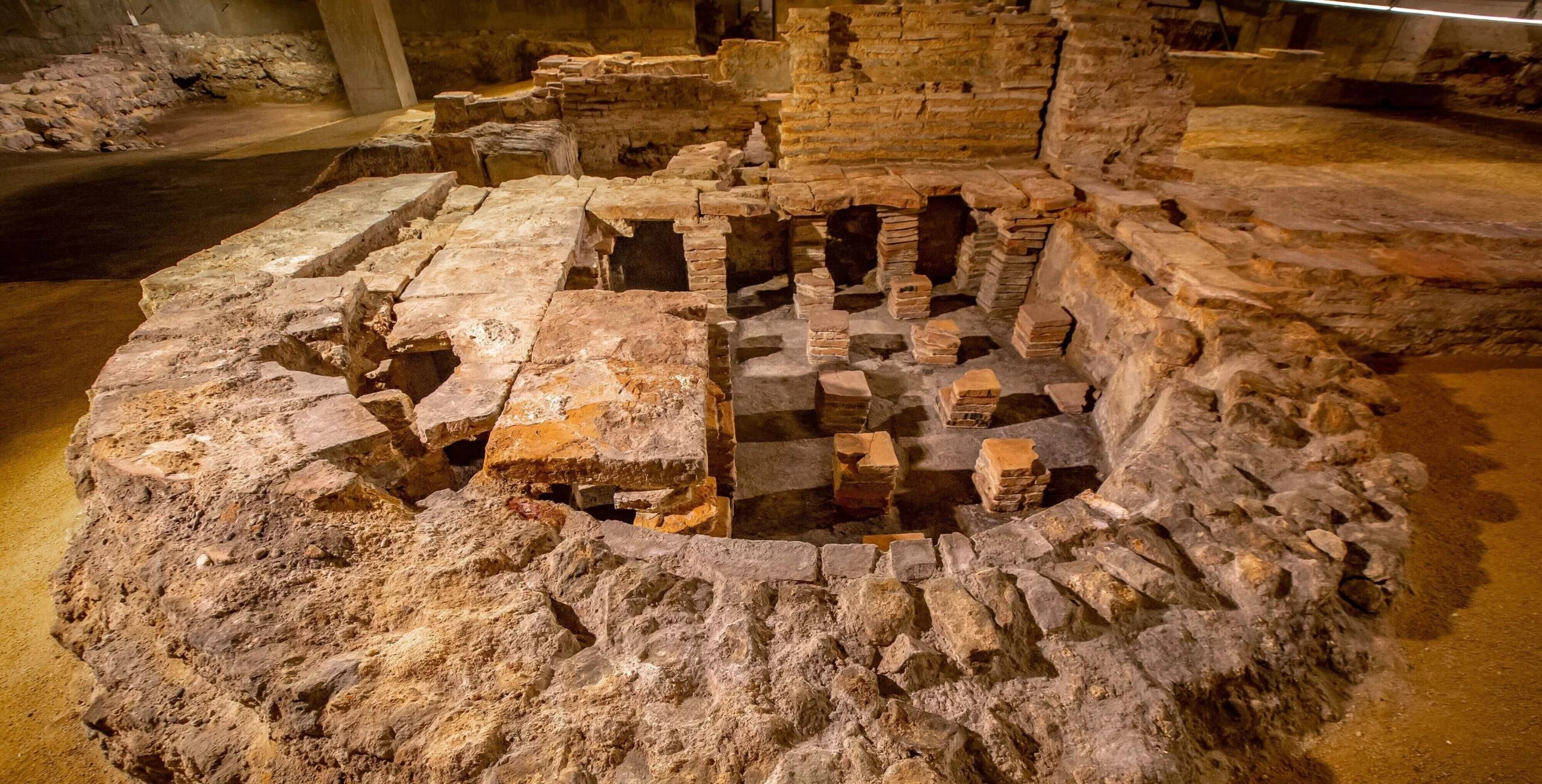
London’s Hidden Roman Ruins - A Practical Guide To The Best Stops
London’s hidden Roman ruins matter because they show that Roman London is not a distant museum story. It still survives under office blocks, inside churches, behind glass, and along streets people use every day. The best way to experience it is not by chasing every mention of “Roman London” across the map, but by focusing on a small number of high-value stops in and around the City of London: the Mithraeum, the Roman Amphitheatre, surviving wall sections, and one deeper-access site such as Billingsgate if you can book ahead.
Most visitors do not need a long history lecture first. What helps more is knowing three things straight away: why Roman London still shapes the city, which places are worth prioritising, and how to turn them into a walk that actually works. Roman Londinium grew around the Thames crossing and the commercial core of what is now the City of London, which is why so many of the best remains still cluster there today.
Quick Takeaways
- Start with the essentials:the Mithraeum, the Roman Amphitheatre, a major wall section, and Billingsgate if you can book a tour.
- Focus on the City of London:most of the best Roman remains are clustered there, close enough to combine into one walk.
- Expect mixed access:some sites are free and easy to visit, while others need advance booking or depend on church or business opening times.
- Think practical, not exhaustive:a short, well-planned route is usually more rewarding than trying to see every Roman site in one day.
- Check before you go:opening hours, prices, booking rules, and reopening dates can change.
Opening hours, prices, booking rules, and reopening dates can change. All practical details below were checked against official attraction, civic, church, museum, borough, National Trust, or TfL sources in 2026.
Why London’s Hidden Roman Ruins Matter
These historic sites in Londonmatter because they make the city’s origin story tangible. A wall section shows where the city defended itself. The amphitheatre shows where Roman London entertained crowds. The Mithraeum reveals a religious world hidden below street level. Billingsgate brings you face to face with bathing, heating, and elite domestic life. Together, they turn Roman London from background history into a place you can still read in the modern city.
The historical context only needs to be short to be useful. Londinium was founded in the first century AD, grew into a major trading centre, gained walls, public buildings, and a fort, and then declined as Roman rule in Britain ended in the 5th century. What survives now is fragmentary, but the fragments are unusually powerful because so many remain in or near their original setting.
Best Places To Start
If you want the clearest first experience of London’s hidden Roman ruins, start with the sites that combine strong remains, easy access, and good interpretation. These are the places most likely to make the subject click on a first visit.
| Place / area / nearest station | Why it matters |
| London Mithraeum - Walbrook / Bank-Cannon Street | The most immersive Roman London stop, with the Temple of Mithras returned to its discovery site and strong interpretation. |
| Roman Amphitheatre - Guildhall / Moorgate-Bank-St Paul’s | The easiest high-payoff ruin to understand, with the arena footprint marked above and remains below. |
| City Wall at Vine Street - Aldgate-Tower Hill | One of the clearest ways to see how Roman London defended itself, with a wall and bastion integrated into a modern gallery. |
| Billingsgate Roman House and Baths - Lower Thames Street / Monument | The most rewarding guided-only site for everyday Roman life, bathing, and in-situ archaeology. |
| Tower Hill Wall - Tower Hill | A dramatic above-ground reminder of the scale of Roman Londinium’s boundary. |
| All Hallows by the Tower - Tower Hill | A quieter stop with a Roman pavement and a model that helps make sense of the wider city. |
This shortlist is based on current official attraction and civic pages and works well for a first visit because it balances atmosphere, access, and archaeological payoff.
Best Starting Points
- Best first stop overall:London Mithraeum.
- Best quick win:Guildhall’s Roman Amphitheatre.
- Best wall stop:Tower Hill or Vine Street.
- Best deeper-access site:Billingsgate Roman House and Baths.
- Best quiet add-on:All Hallows by the Tower.
Good Combinations For One Outing
- Tower Hill Wall + All Hallows by the Tower + St Magnus the Martyrfor a compact eastern edge route.
- Billingsgate + Mithraeum + London Stonefor a Lower Thames Street to Cannon Street sequence.
- Leadenhall basilica stop + Guildhall Amphitheatre + Barbican wall sectionsfor Roman public life, government, and defence in one outing.
18 Hidden Roman Ruins in London
1. Billingsgate Roman House And Baths
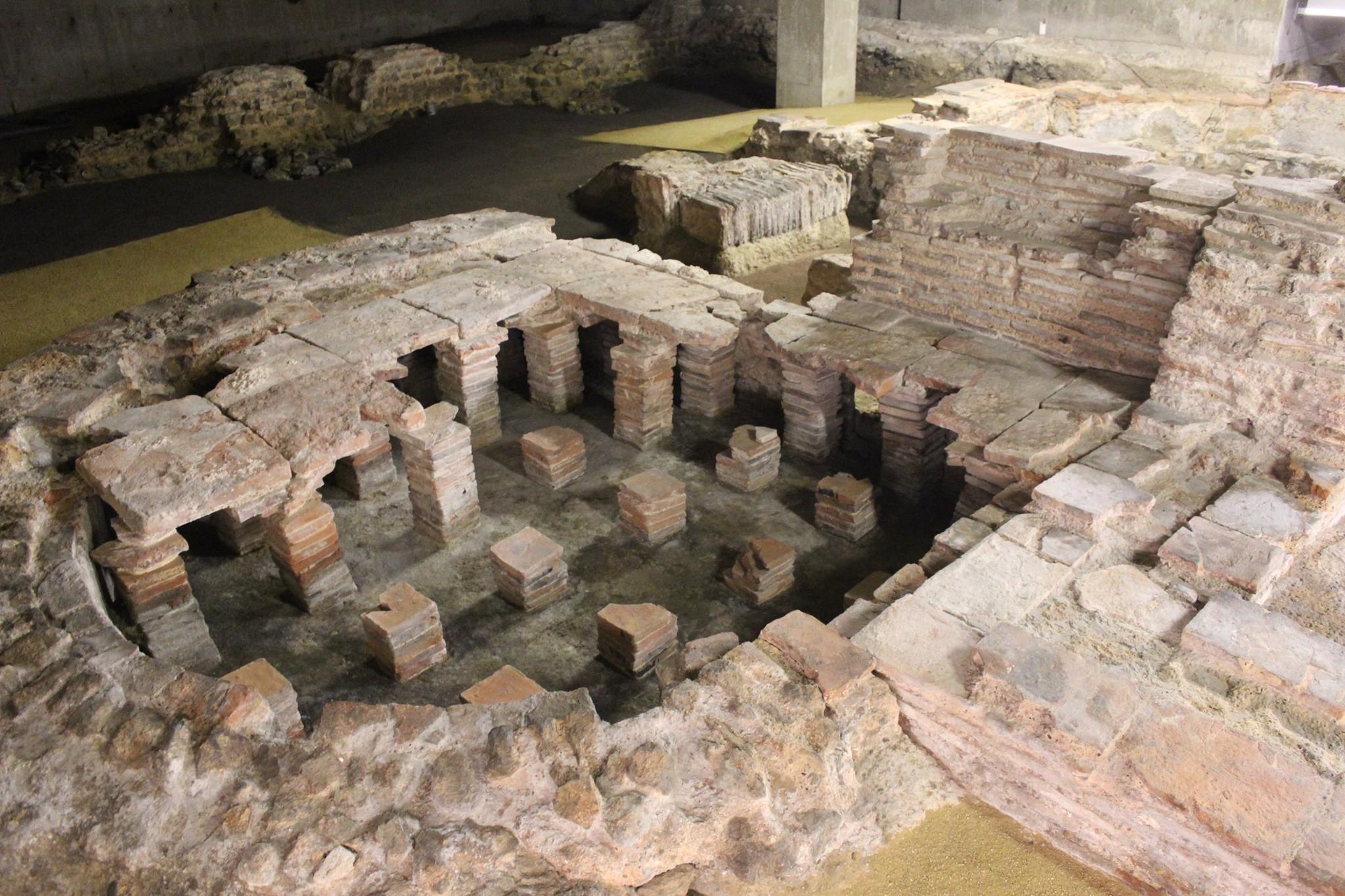
Hidden under an office block on Lower Thames Street, Billingsgate is one of the most compelling Roman sites in London because it preserves part of a substantial house and bath complex first built around AD 150 and extended later. This is not just a stray fragment. It is one of the clearest places to understand Roman bathing, heating, and elite domestic life in the city.
- Location:101 Lower Thames Street, EC3R 6DL
- Nearest station:Monument
- Access:Guided tour only
- Current practical note:Public tours run on Saturdays between April and November; tickets are £15 for adults and £10 for children aged 14 or under, plus booking fee.
2. Roman Ruins Inside A Leadenhall Market Barber Shop
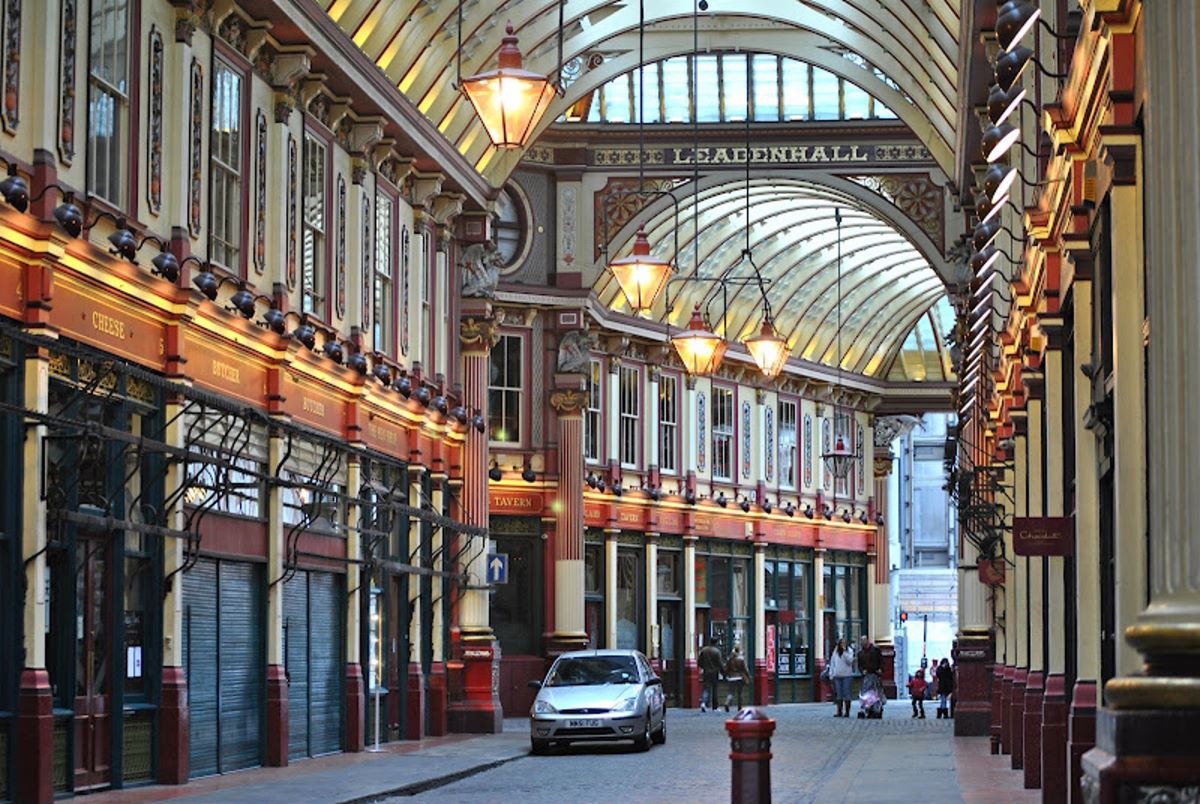
This is one of the strangest Roman encounters in London and one of the real hidden secrets of London. Beneath a barber shop near Leadenhall Marketare remains linked to the Roman basilica and forum, the administrative and commercial heart of Londinium. It captures the central truth of Roman London better than almost anywhere else: the old city survives directly under the modern one.
- Location:Near Gracechurch Street and Leadenhall Market
- Nearest station:Monument or Bank
- Access:Informal and dependent on the business; ask politely
- Current practical note:Treat this as a courtesy stop rather than a guaranteed museum-style visit. Check locally on the day.
3. London Mithraeum (Temple Of Mithras)
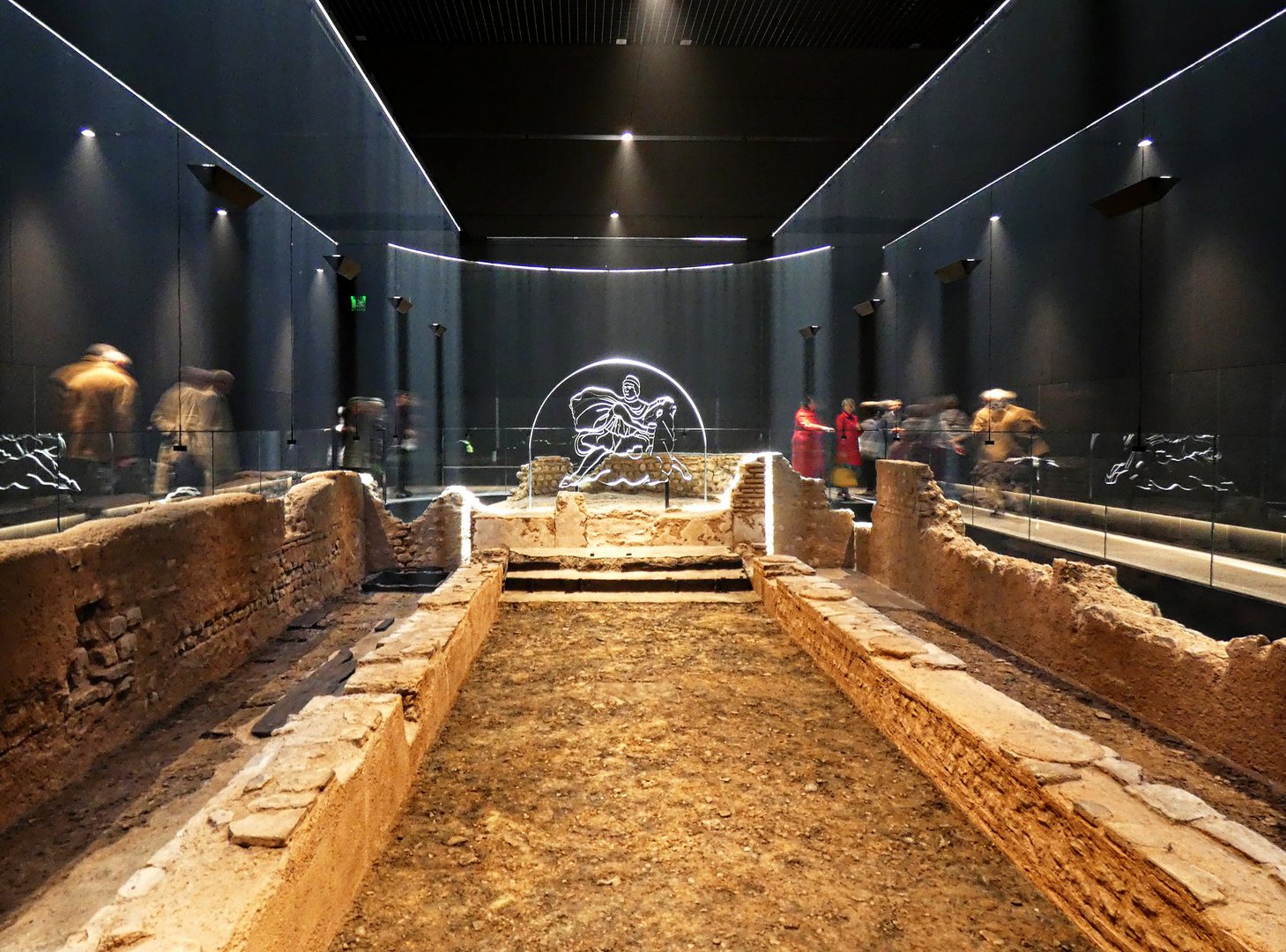
If one place best answers the query “London’s hidden Roman ruins,” it is this. The temple sits beneath Bloomberg’s European headquarters and returns the Temple of Mithrasto the location of its discovery. The visit works so well because it combines real remains, atmosphere, and interpretation instead of offering just a fragment behind glass.
- Location:12 Walbrook, EC4N 8AA
- Nearest station:Bank, Cannon Street, or Mansion House
- Access:Self-guided; step-free access available
- Current practical note:Entry is free. Pre-booking is not required, but it is recommended to guarantee entry. The site also has toilets and baby-changing facilities, but no café.
4. Roman Amphitheatre Beneath Guildhall Art Gallery
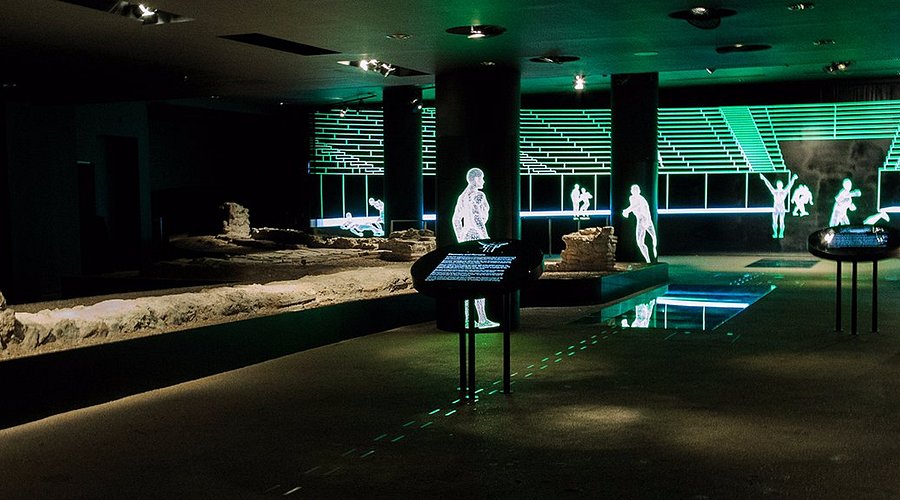
The Roman Amphitheatre is one of the easiest sites to recommend because it is central, clear, and rewarding even on a short visit. Above ground, dark paving in Guildhall Yard marks the arena’s footprint; below, the gallery reveals remains of the structure itself. It gives readers a concrete sense of Roman public entertainment rather than abstract history.
- Location:Guildhall Yard, EC2V 5AE
- Nearest station:Moorgate, Bank, or St Paul’s
- Access:Through Guildhall Art Gallery
- Current practical note:Open daily 10am-5pm, last entry 4:45pm; free; booking is recommended, but walk-ins are accepted.
5. London Wall At Tower Hill
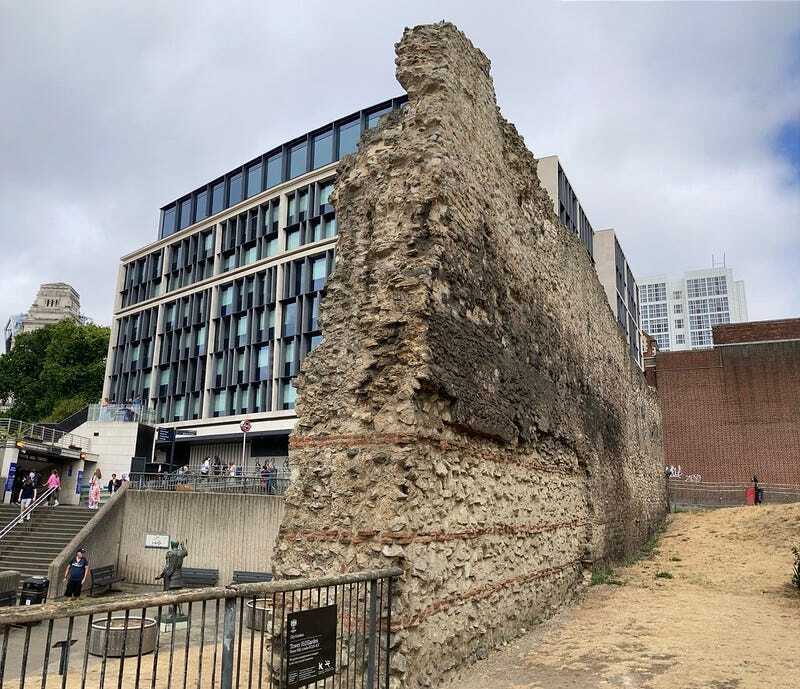
Tower Hill has one of the strongest surviving above-ground stretches of the Roman city wall. It matters because it lets you see the old boundary of Londinium in open air, rather than in a reconstructed or heavily interpreted setting. This is one of the best examples to understand the scale of Roman London at street level.
- Location:Tower Hill Garden / Trinity Place
- Nearest station:Tower Hill
- Access:Outdoor public site
- Current practical note:Free and best visited in daylight.
6. Vine Street Roman Wall And Bastion Tower
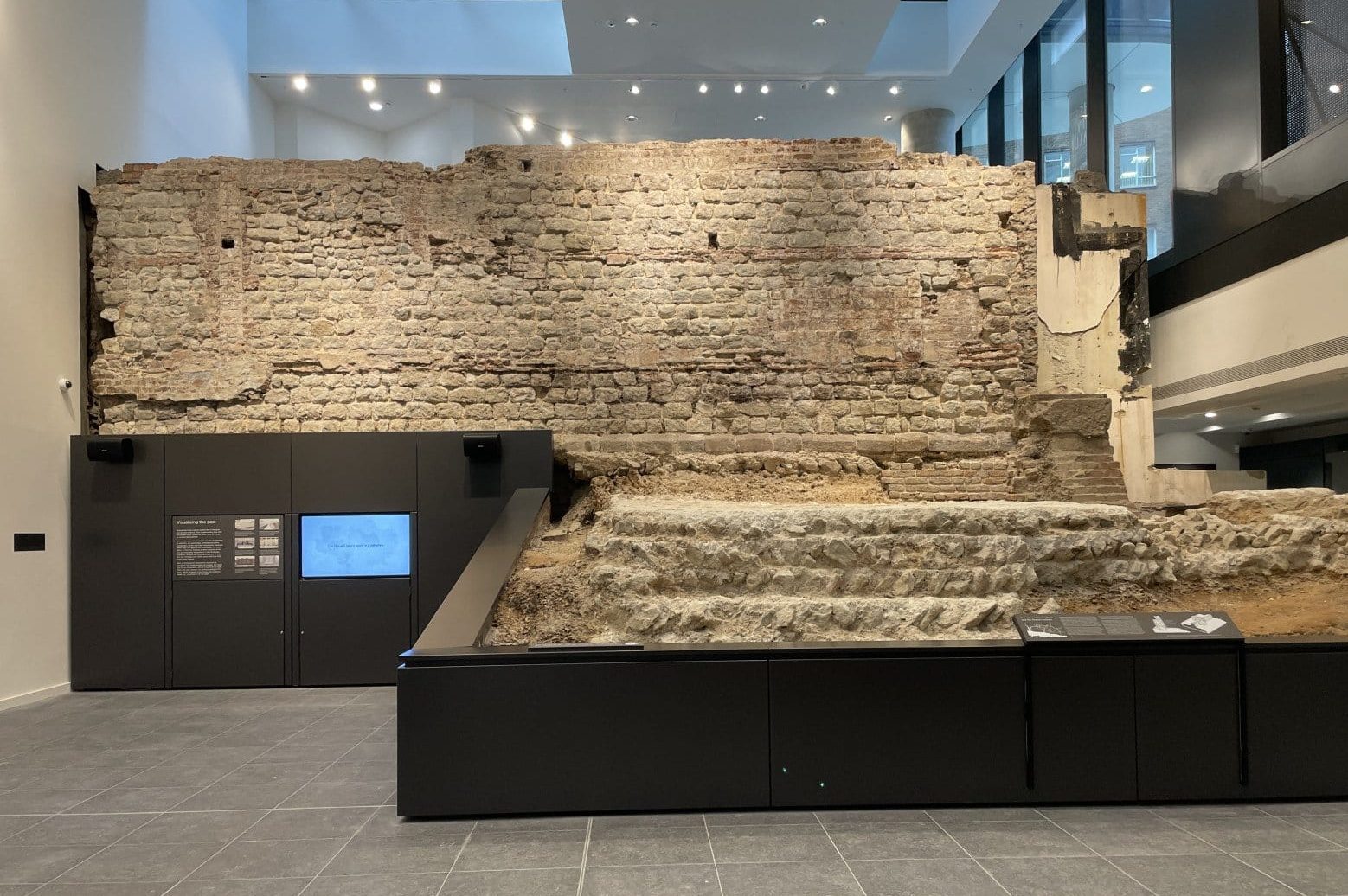
City Wall at Vine Street is one of the smartest modern presentations of Roman London. The preserved wall and bastion sit inside a gallery space that makes the archaeology easy to read without stripping away the sense of place. For many readers, this is the best “wall plus interpretation” stop in the city.
- Location:12 Jewry Street, EC3N 2HT
- Nearest station:Aldgate or Tower Hill
- Access:Public gallery with lift access
- Current practical note:Entry is free. Opening times are 9am-6pm Monday to Sunday; closed bank holidays. Group bookings are handled by email.
7. Roman Wall Sections At The Barbican Estate
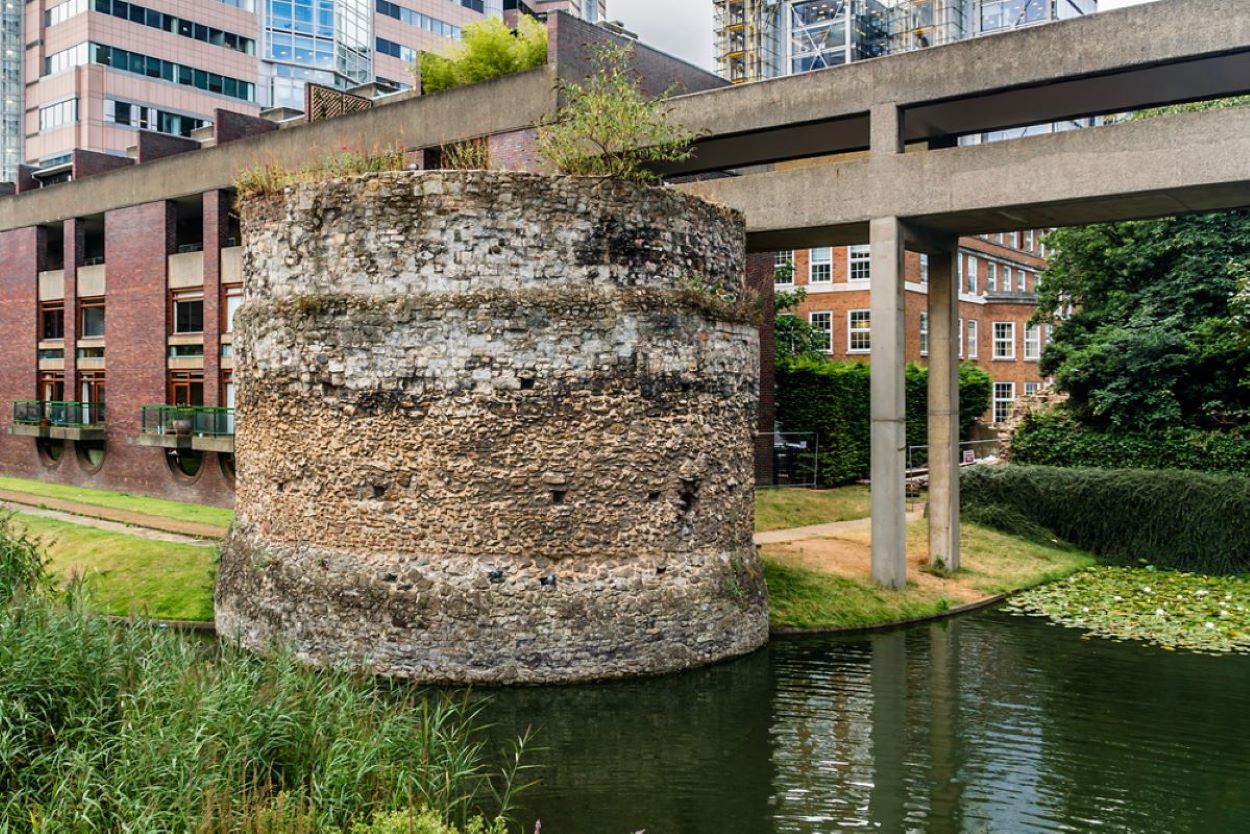
The Barbican area is where Roman London starts to feel like a landscape rather than a single attraction. The Roman fort stood in the north-west corner of Londinium, and the surviving sections around Noble Street, St Alphage Gardens, and the Barbican estate show how the fort and city wall later connected.
- Location:Around Noble Street, London Wall, St Alphage Gardens, and the Barbican estate
- Nearest station:Barbican or St Paul’s
- Access:Outdoor public routes
- Current practical note:Free; individual gardens and paths may vary.
8. Roman Fort Gate In An Underground Car Park
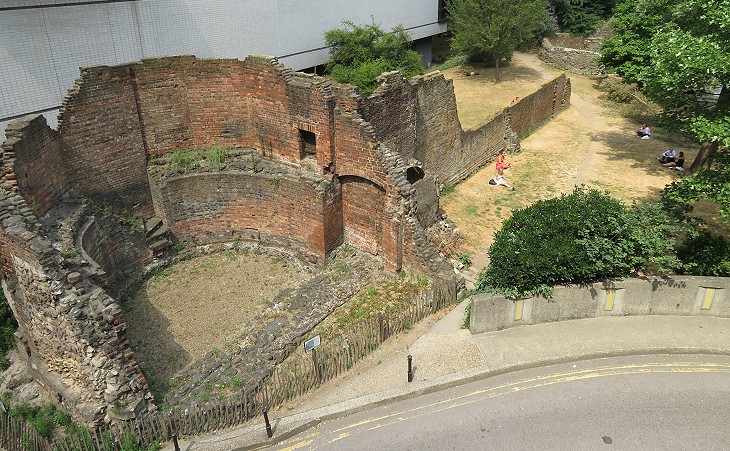
This remains one of the city’s most unusual Roman sites, but it works best when approached realistically. The hidden west gate of the Roman fort is most reliably experienced through guided tours rather than as a casual drop-in. It is worth keeping on the list because it shows just how much Roman London still lies under later street levels.
- Location:Near London Wall / former London Museum area
- Nearest station:Barbican or St Paul’s
- Access:Best via official guided tours
- Current practical note:Tour dates and pricing vary. Check the latest museum or City listings before planning around it.
9. Roman Wharf Timber At St Magnus The Martyr Church
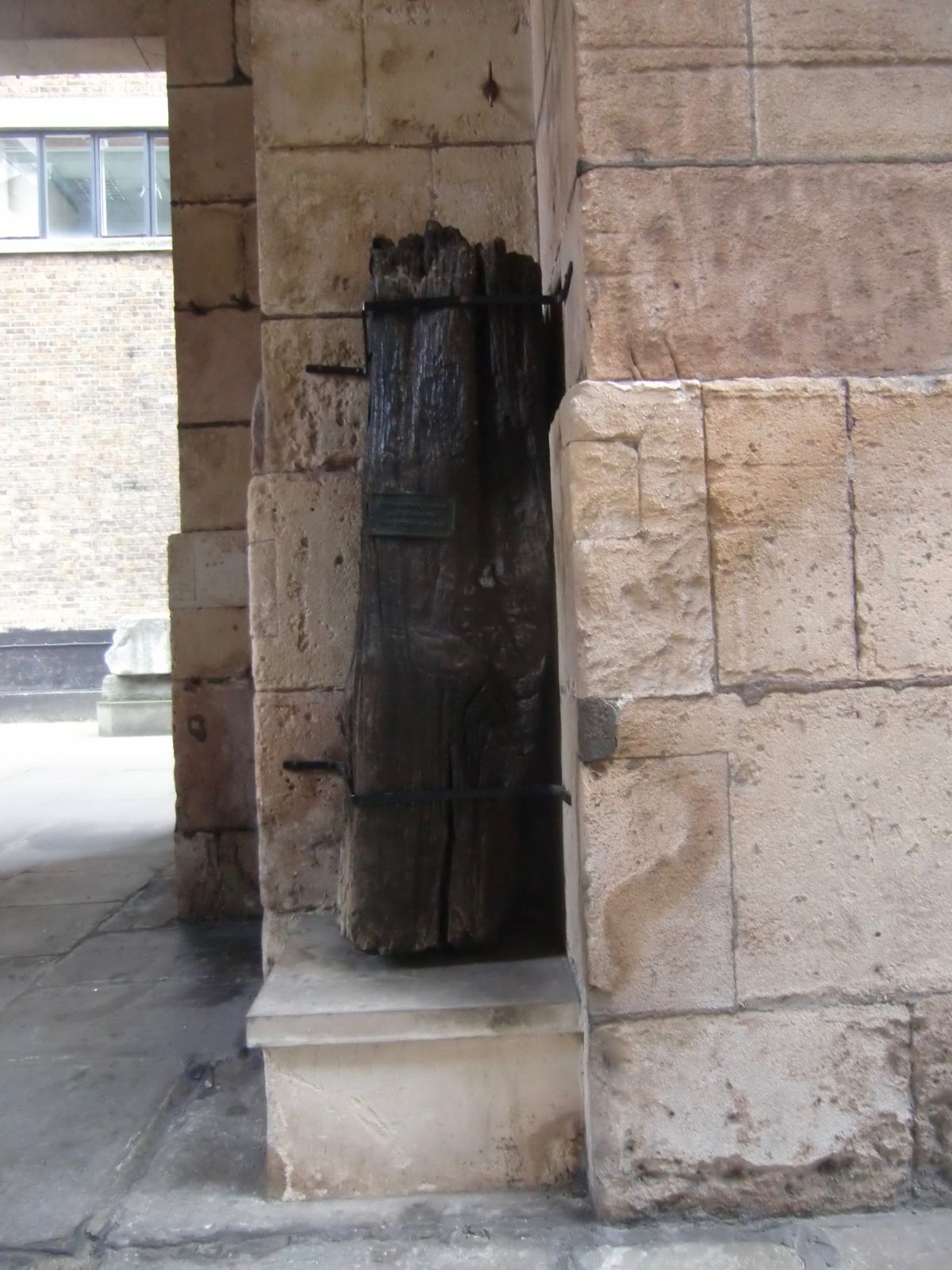
This is a small stop, but it adds something most Roman London lists underplay: the river. The Roman timber at St Magnus links Londinium to the Thames waterfront and the city’s port life, making it a useful counterpoint to walls, temples, and amphitheatres.
- Location:St Magnus the Martyr, Lower Thames Street, EC3R 6DN
- Nearest station:Monument or London Bridge
- Access:Church porch and church interior during opening times
- Current practical note:The church is open for daily prayer and Sunday Mass. Check the parish website before a dedicated visit.
10. All Hallows By The Tower Roman Pavement
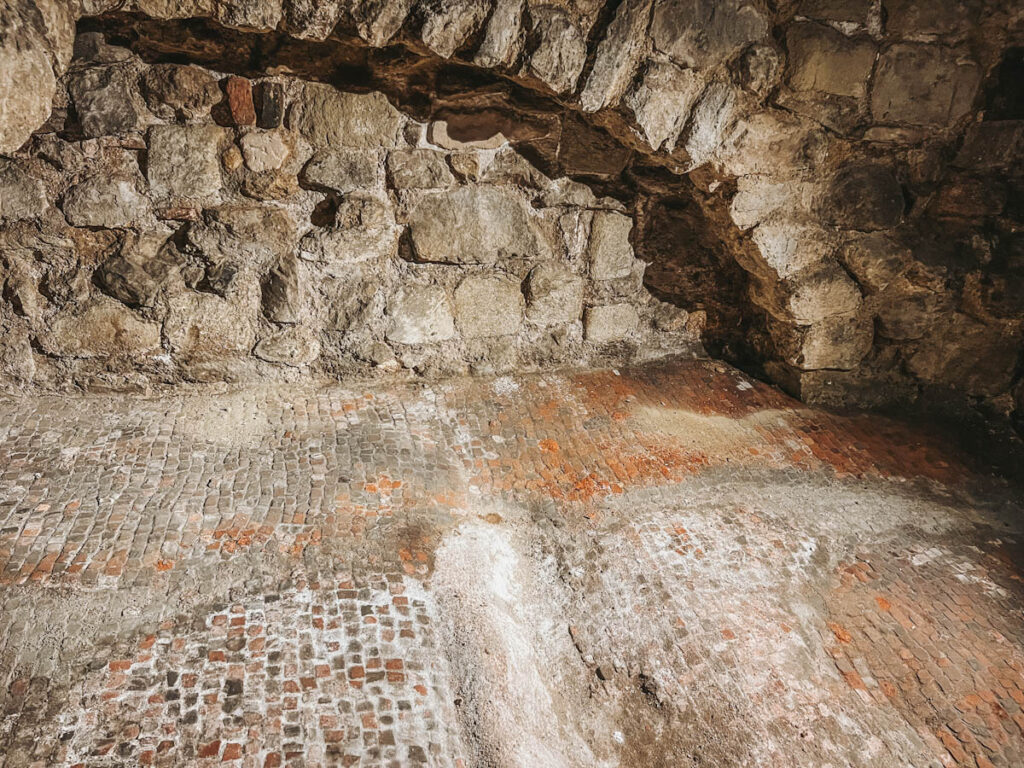
All Hallows by the Toweris one of the best smaller Roman stops because it combines a Roman pavement, a Roman London model, and a layered crypt museum in one place. It is not as dramatic as the Mithraeum, but it is one of the best examples for understanding Roman domestic life and how later London kept building on the same ground.
- Location:Byward Street, EC3R 5BJ
- Nearest station:Tower Hill
- Access:Church and crypt museum
- Current practical note:Church and crypt access can vary around services and special events, so check before making a dedicated trip.
11. St Bride's Church Roman Remains

St Bride’s earns its place because it shows Roman London as part of a much longer sacred and civic site. The crypt includes Roman remains and newer interpretation, and the visit works best for readers who enjoy seeing Roman London inside a deeper timeline of the city.
- Location:Fleet Street, EC4Y 8AU
- Nearest station:Blackfriars, City Thameslink, or St Paul’s
- Access:Church and crypt museum
- Current practical note:The church is open and free to visit seven days a week, but checking the current visitor page is sensible before a special trip.
12. The London Stone At 111 Cannon Street
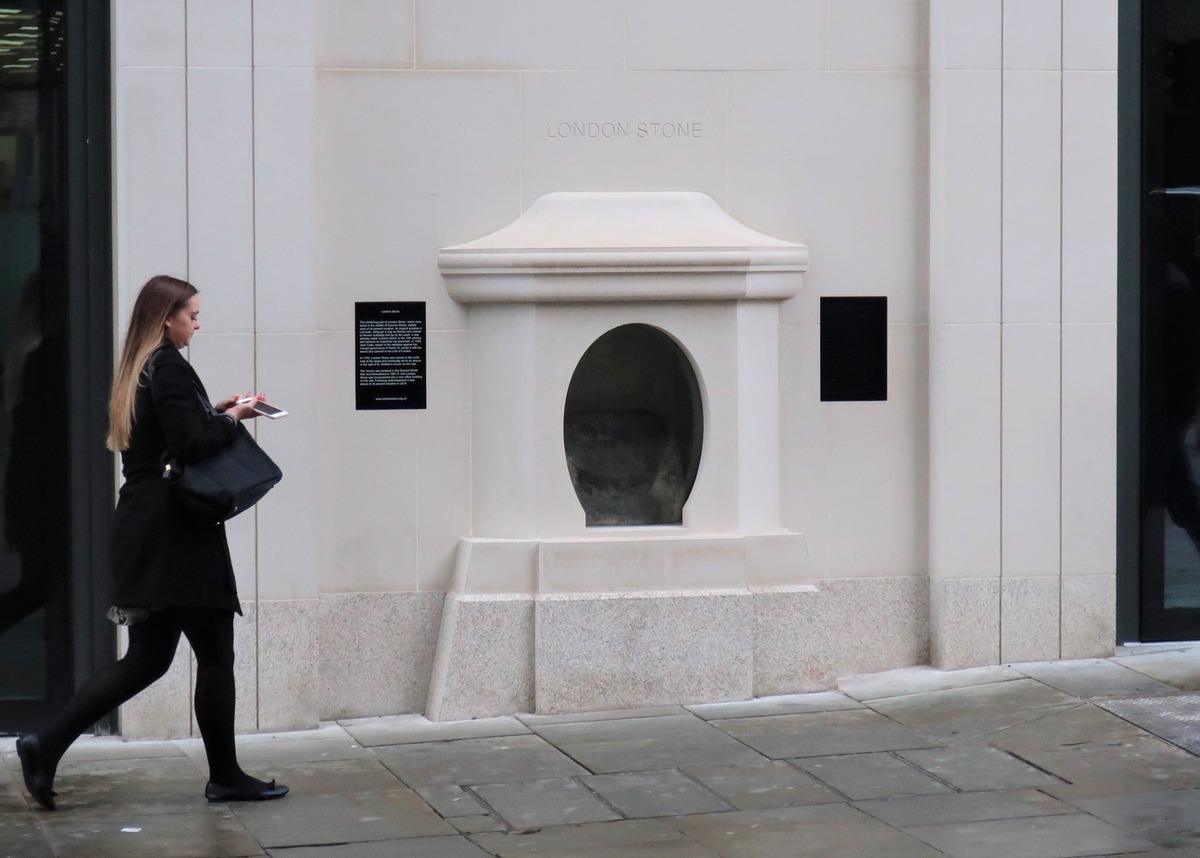
London Stone is one of the city’s most intriguing historic objects, but it should be framed carefully. It is often described as Roman, yet its origin is not fully certain. It still belongs here because it helps readers think about Roman London’s centre and because it sits naturally on a Roman London route, but it is better treated as a context stop than a headline ruin.
- Location:111 Cannon Street, EC4N 5AR
- Nearest station:Cannon Street or Mansion House
- Access:Street-level viewing through glass
- Current practical note:Free and visible from the street.
13. Crofton Roman Villa (Orpington)
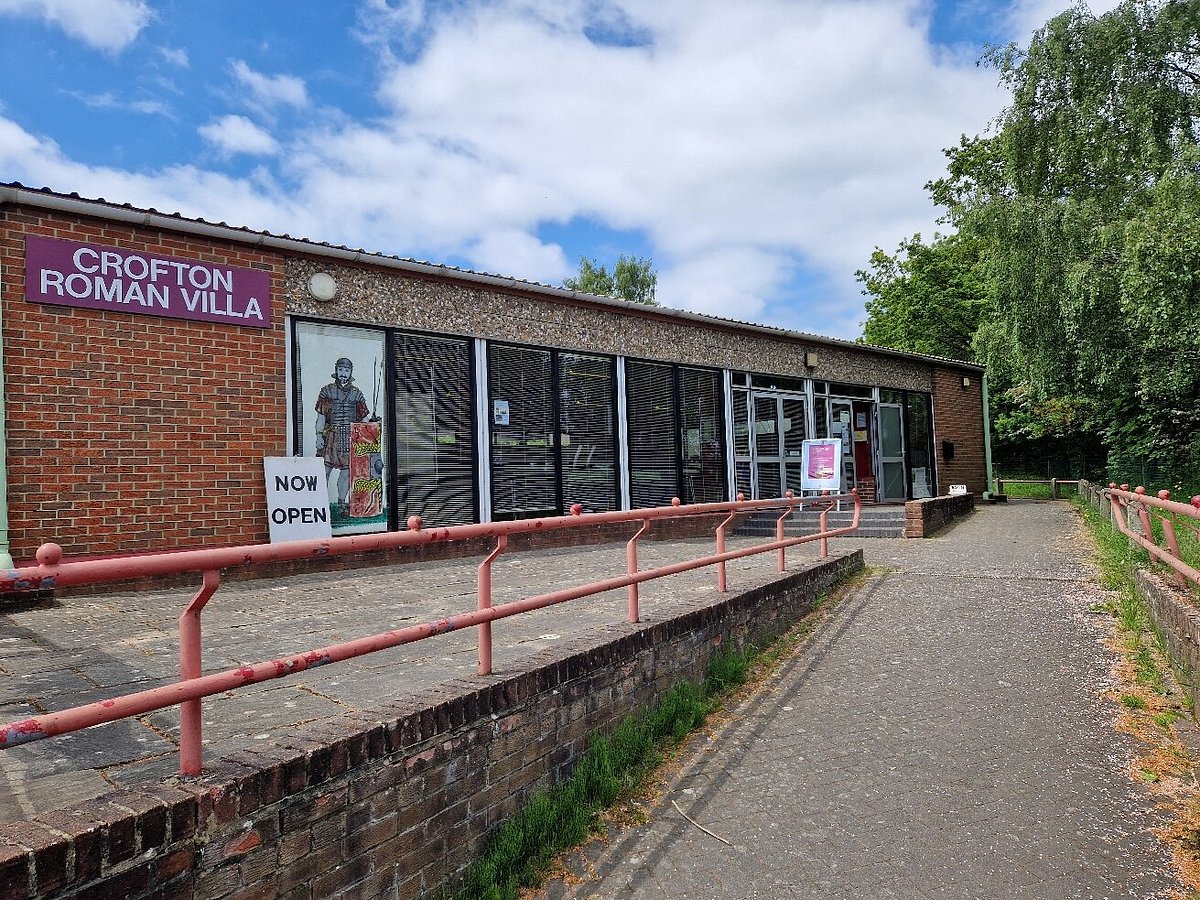
Crofton Roman Villa deserves to stay in the article because it is the only Roman villa open to the public in Greater London, and it offers a very different perspective from the City sites. Instead of urban Londinium, it shows the rural estate world that supported Roman life around London.
- Location:York Rise, Orpington
- Nearest station:Orpington
- Access:Separate trip outside central London
- Current practical note:The site is undergoing refurbishment work in 2026, including improvements to the roof and visitor facilities. Check the official Bromley page before travelling.
14. Roman Wall At Cooper's Row (Grange City Hotel)
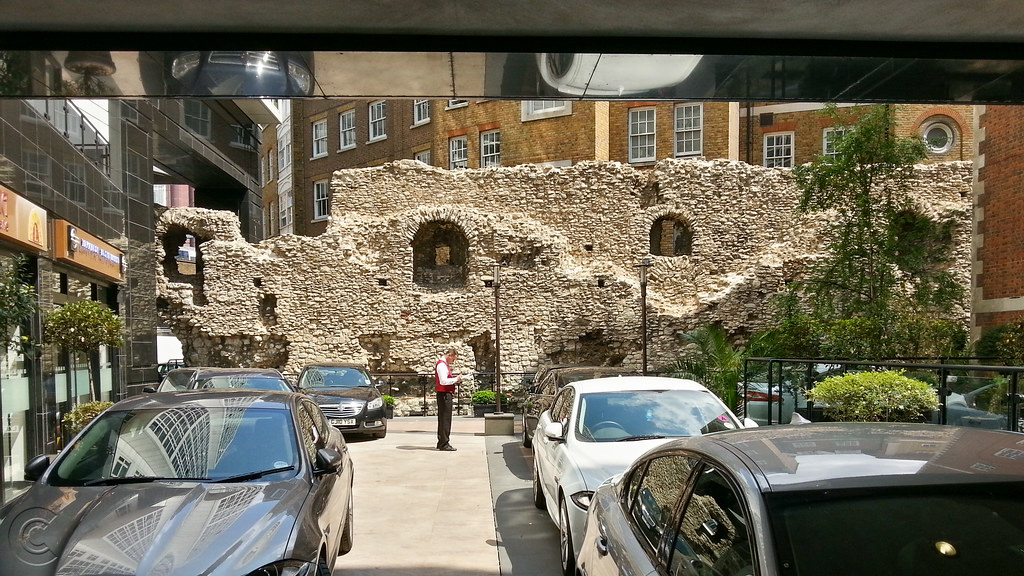
Cooper’s Row is one of the most atmospheric wall stops because it feels slightly tucked away rather than fully staged. The Roman trail identifies the stretch here as another major surviving section, and the setting makes it easier to picture the wall as part of a lived-in city rather than a fenced-off monument.
- Location:Cooper’s Row, via the courtyard by the Leonardo Royal Hotel London City
- Nearest station:Tower Hill
- Access:Outdoor courtyard route
- Current practical note:Free; daylight is best.
15. Huggin Hill Roman Bath Site (Garden)
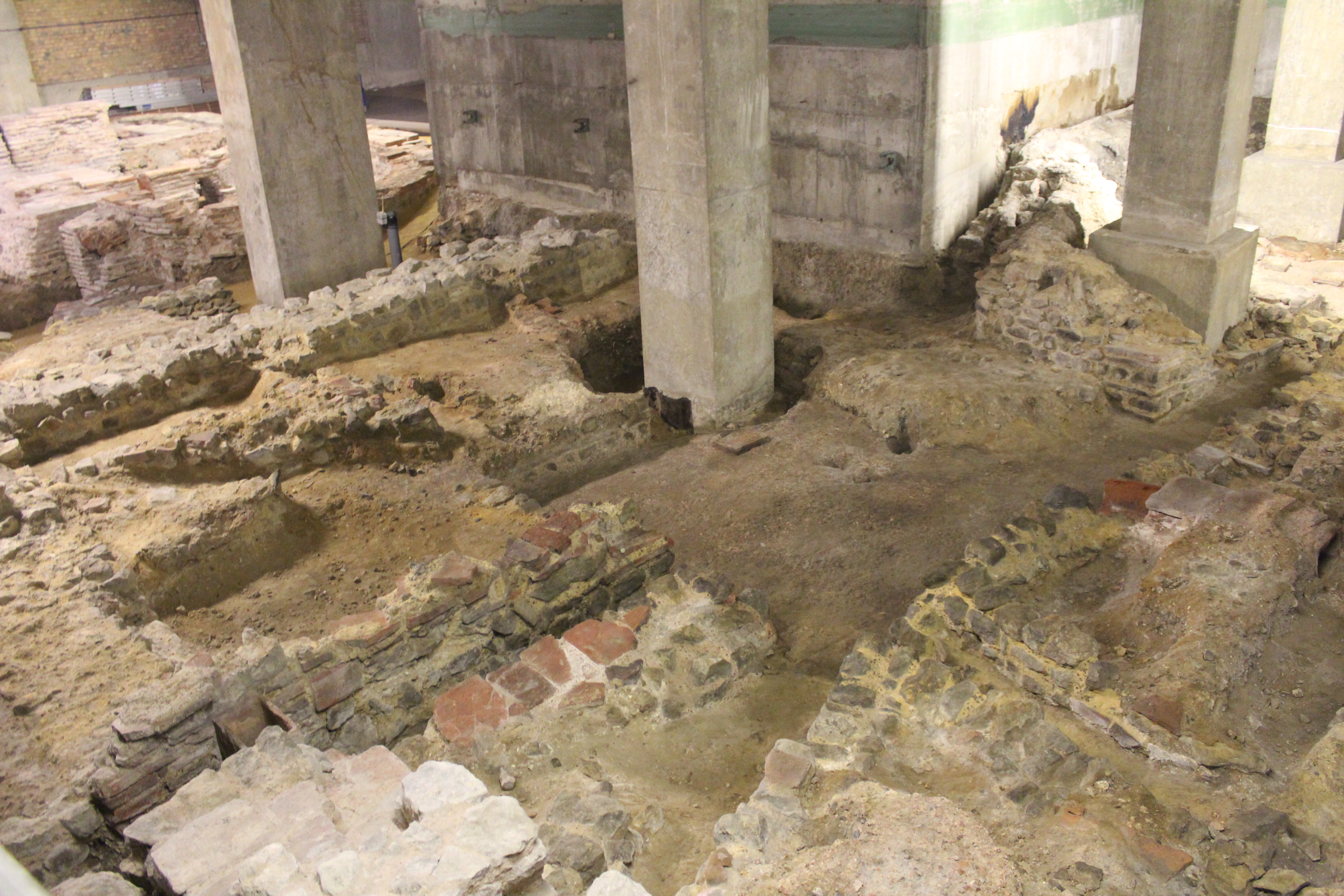
Cleary Garden matters less as a visible ruin and more as a place where Roman London can be imagined accurately. The site marks the location of Huggin Hill, once one of Roman London’s major bath complexes, even though the remains themselves are no longer visible. It belongs here because it adds scale and helps explain just how developed Roman London once was.
- Location:Cleary Garden, near Queen Victoria Street and Upper Thames Street
- Nearest station:Mansion House or Cannon Street
- Access:Public garden
- Current practical note:Free; visit as a site marker and interpretation stop rather than for visible Roman masonry.
16. Roman Gallery At The London Museum
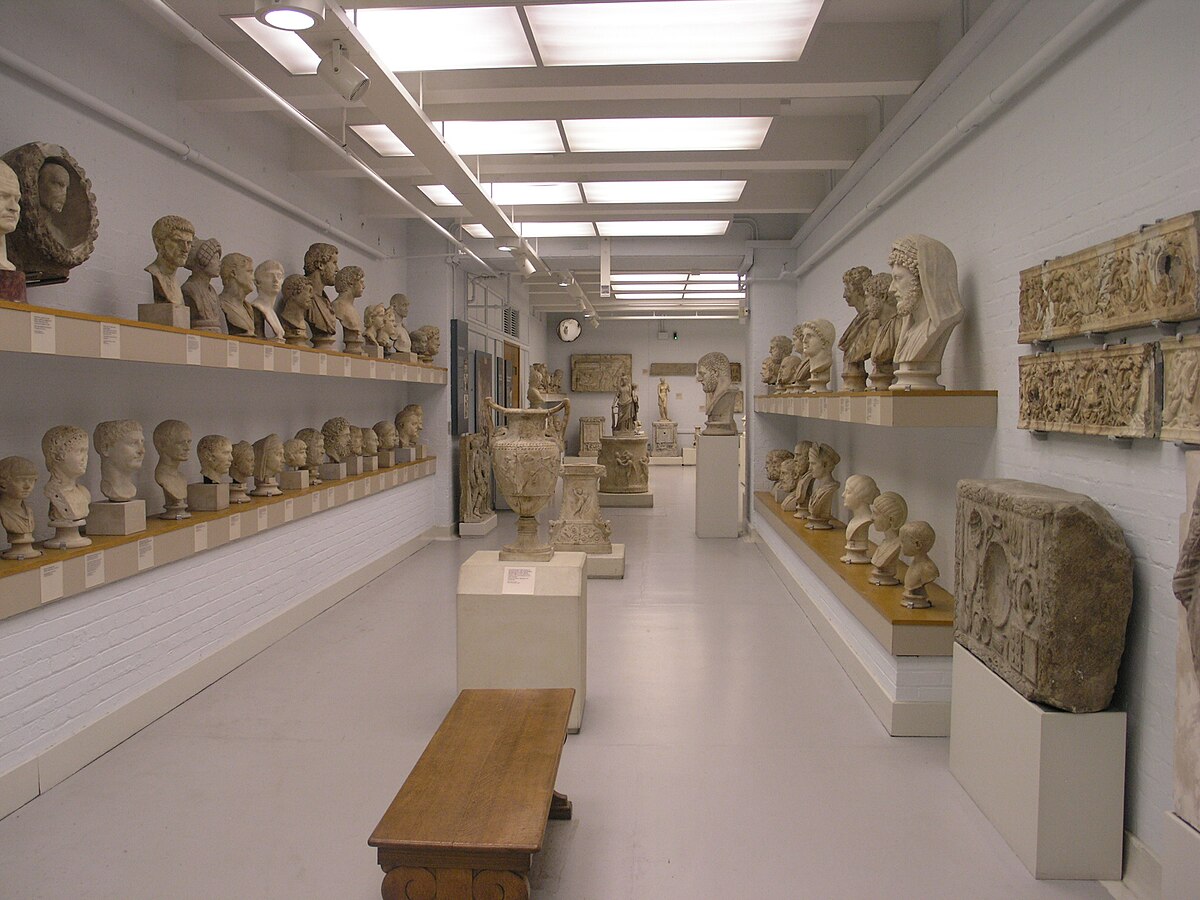
Roman Gallery At The London Museumone needs a reality check rather than a romantic description. The new London Museum at Smithfield is not open yet, but it will become an important Roman London anchor when it does. For now, it is best treated as a future addition to the Roman London experience rather than a current stop on the walk.
- Location:Smithfield, EC1A 9PS
- Nearest station:Farringdon or Barbican
- Access:Not yet open
- Current practical note:The new museum is due to open towards the end of 2026. In the meantime, London Museum Docklands is the museum’s public venue.
17. Strand Lane ‘Roman’ Bath
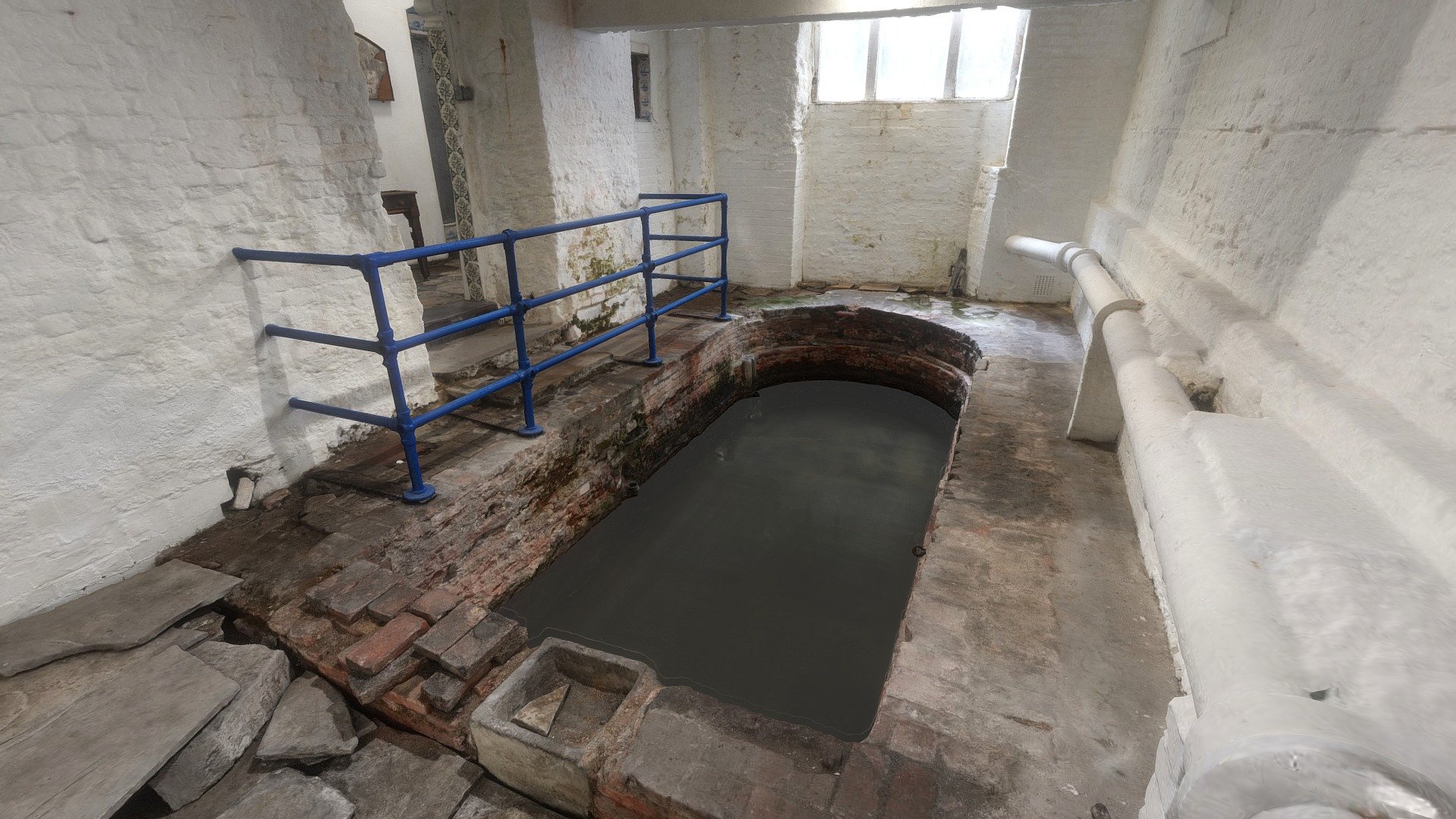
This should stay in the article because it is a famous London curiosity, but it also needs to be described honestly: it is probably not Roman at all. That does not weaken the piece. It improves it, because readers get a better guide when myth and verified Roman archaeology are clearly separated.
- Location:5 Strand Lane, WC2R 2NA
- Nearest station:Temple or Charing Cross
- Access:Advance-booked visits
- Current practical note:Visits must be booked in advance.
18. Tomb Of The Unknown Roman Girl (The Gherkin, City)
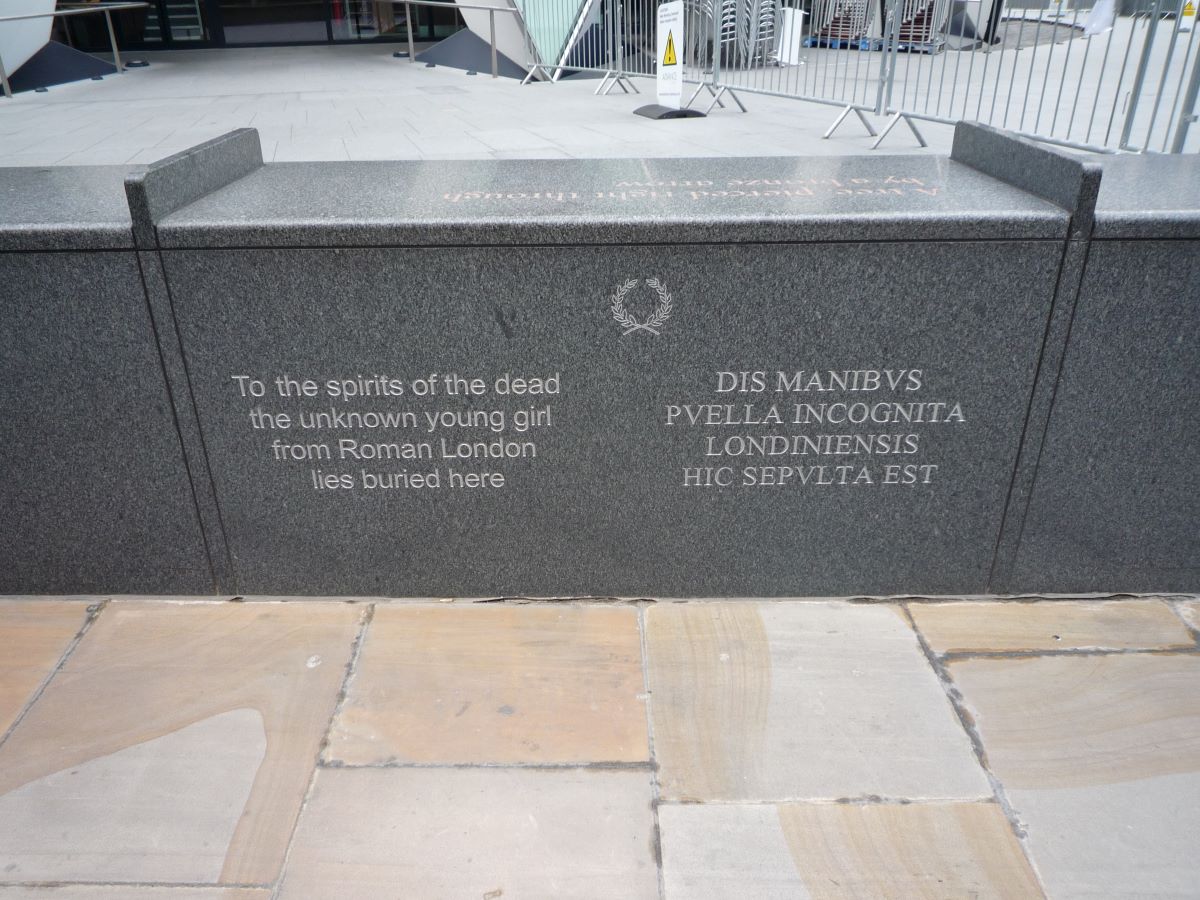
This is not a ruin in the architectural sense, but it remains one of the most human Roman sites in the City. The plaque near the Gherkin marks the burial place of an unknown Roman teenage girl, and it works as a powerful reminder that Roman London was made up of ordinary lives as well as walls, temples, and public monuments.
- Location:Bury Street, beside 30 St Mary Axe
- Nearest station:Aldgate or Liverpool Street
- Access:Outdoor public space
- Current practical note:Free and visible at street level.
How To Experience London’s Hidden Roman Ruins Today
The best way to experience London’s hidden Roman ruins is on foot, using the City of London as your base and treating the sites as a connected landscape rather than isolated attractions. The City’s official Roads to Rometrail already does this well, with a shorter route of about 90 minutes and a longer version of roughly 2.5 hours.
Suggested Walk/route
A strong first route is this:
- Start at Tower Hillfor the wall and All Hallows by the Tower.
- Walk west along Lower Thames Streetfor St Magnus and, if booked, Billingsgate.
- Head inland to Walbrookfor the Mithraeum.
- Continue to Cannon Streetfor London Stone.
- Move north-east to Leadenhall and Guildhallfor the basilica stop and amphitheatre.
- Finish around London Wall and the Barbicanif you still have time and energy.
Practical Visiting Information
A few simple London travel tipscan make this Roman London walk much easier, especially if you are combining guided sites with free stops.
- Free vs paid:Many of the easiest Roman stops are free, including the Mithraeum, Guildhall’s Roman Amphitheatre, City Wall at Vine Street, Tower Hill wall sections, and most outdoor fragments. Billingsgate is the standout paid, guided-only experience.
- Booking ahead:Book Billingsgate. Pre-book Mithraeum if you want guaranteed entry. Check special-access tours before planning around the Roman fort gate.
- Opening times:Churches and small historic sites can vary around worship, events, or seasonal access, so official pages matter more here than they would for a normal street landmark.
- Accessibility and live travel:Use TfL’s journey planner or accessibility tools before you go, especially if you want step-free routing between stations and sites.
Frequently Asked Questions
What Should You Know About London’s Hidden Roman Ruins?
You should know that the best remains are concentrated in and around the City of London, that access varies widely from free walk-ins to guided-only tours, and that the strongest experience comes from visiting a few high-value sites rather than trying to tick off everything at once.
What Is The Best Way To Experience London’s Hidden Roman Ruins?
The best way is a City of London walking route linking the Mithraeum, Roman Amphitheatre, one or two wall sections, and a deeper-access stop such as Billingsgate if you have booked ahead.
Which Places Are Most Important?
For most readers, the most important places are London Mithraeum, Guildhall’s Roman Amphitheatre, Tower Hill or Vine Street wall sections, and Billingsgate Roman House and Baths. Those sites give the clearest picture of religion, entertainment, defence, and everyday urban life in Roman London.
What Are The Best Highlights Or Routes?
The best first route is Tower Hill → All Hallows → Billingsgate → Mithraeum → London Stone → Guildhall → London Wall/Barbican. It keeps the walk coherent and packs the strongest Roman London examples into one outing.
What Is Worth Prioritising?
Prioritise Mithraeum for atmosphere, Guildhall for ease, a wall section for city shape and scale, and Billingsgate for the best guided archaeological experience. Everything else works best as an add-on, a quieter bonus stop, or a context site.
What Nearby Stops Or Combinations Make Sense?
The strongest combinations are Tower Hill with All Hallows, Billingsgate with Mithraeum, and Guildhall with London Wall and the Barbican. They work because they group sites by geography as well as by theme.
How Long Do You Need?
You need about 90 minutes for a compact introduction and closer to half a day if you want to include deeper stops, quieter churches, and any guided-only access. The official City trail offers both a shorter and longer version.
Conclusion
Finding London’s hidden Roman ruins feels like uncovering a second city beneath the one most people know. Some stops are dramatic, some are tiny, and some are really clues in the landscape rather than full attractions, but together they explain how London began. The smartest way to see them is not as a random scavenger hunt, but as a connected Roman city that still survives in fragments.
If you start with the Mithraeum, the Roman Amphitheatre, one major wall section, and Billingsgate when tours are running, you will already have the core of Roman London. Everything else deepens the picture. That is what makes these sites so rewarding: they do not just show you old stones, they make the modern city legible in a new way.

James Rowley
Author
James Rowley is a London-based writer and researcher covering London life, cultural geography, London travel, live London webcam pages and selected public figures across entertainment, sport, business and public life.
For over 15 years, he has focused on verified sources, first-hand local context and clear explanations that help readers understand both places and people more deeply. His work combines street-level London knowledge with careful research into career credits, media work, business interests and, where relevant, transparently explained net worth estimates.
He writes and reviews articles published on LondonWebcam.
Latest Articles
Popular Articles