45 Practical London Travel Tips For First-Time Visitors
Planning your first London trip? These practical London travel tips cover transport, where to stay, free attractions, safety, etiquette, food, and common tourist mistakes.
Author:James RowleyJun 02, 202645.5K Shares1.2M Views
Tips To Make Visiting London Easier
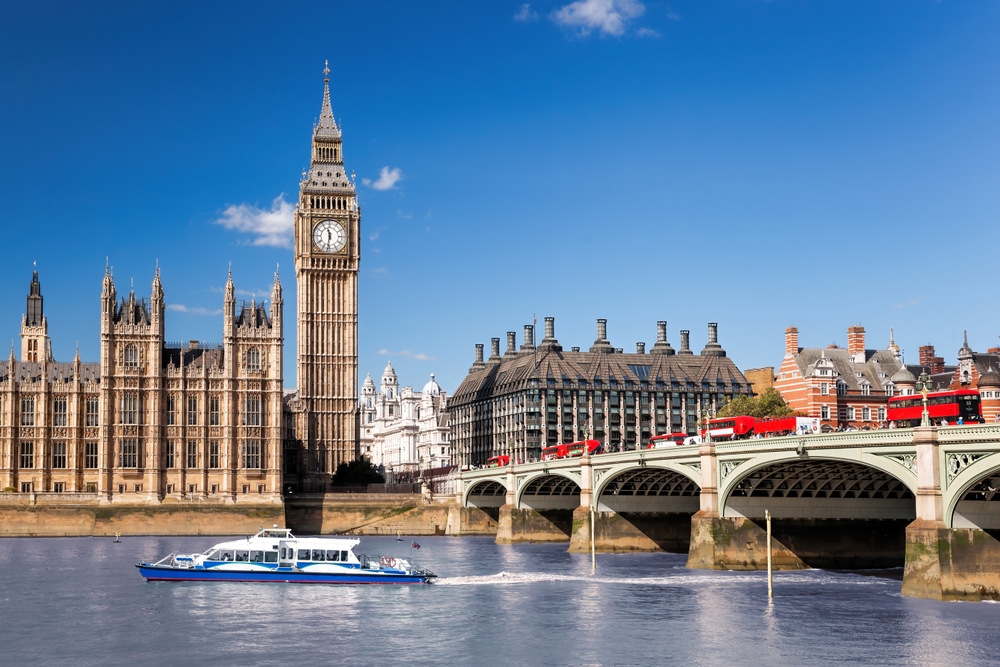
Londonis easier to enjoy when you plan around transport, walking distance, and a few realistic priorities each day. For most first-time visitors, the smartest approach is to stay near good public transport, use contactless or Oyster for travel, group sights by area, book only the attractions that matter most, and leave room to slow down.
| Problem | Best quick tip |
| Paying for transport | Use one contactless card, phone, watch, or Oyster card consistently when you tap in and out. |
| Choosing where to stay | Prioritise a hotel near a Tube, Elizabeth line, or major rail station over a famous postcode. |
| Saving money | Use free museums, food markets, buses, walking routes, and parks. |
| Avoiding wasted time | Group sights by area instead of crossing London several times in one day. |
| Staying safe | Keep your phone away from the kerb and your bag zipped in crowded places. |
| Avoiding local mistakes | Stand on the right of escalators and let passengers off trains before boarding. |
How These London Travel Tips Were Checked
This guide is reviewed against official visitor, transport, safety, emergency, museum, and attraction sources, including Transport for London, GOV.UK, the Metropolitan Police, Visit London, VisitBritain, and official museum or attraction websites.
45 Practical London Travel Tips
1. Stay In A Well-Connected Area
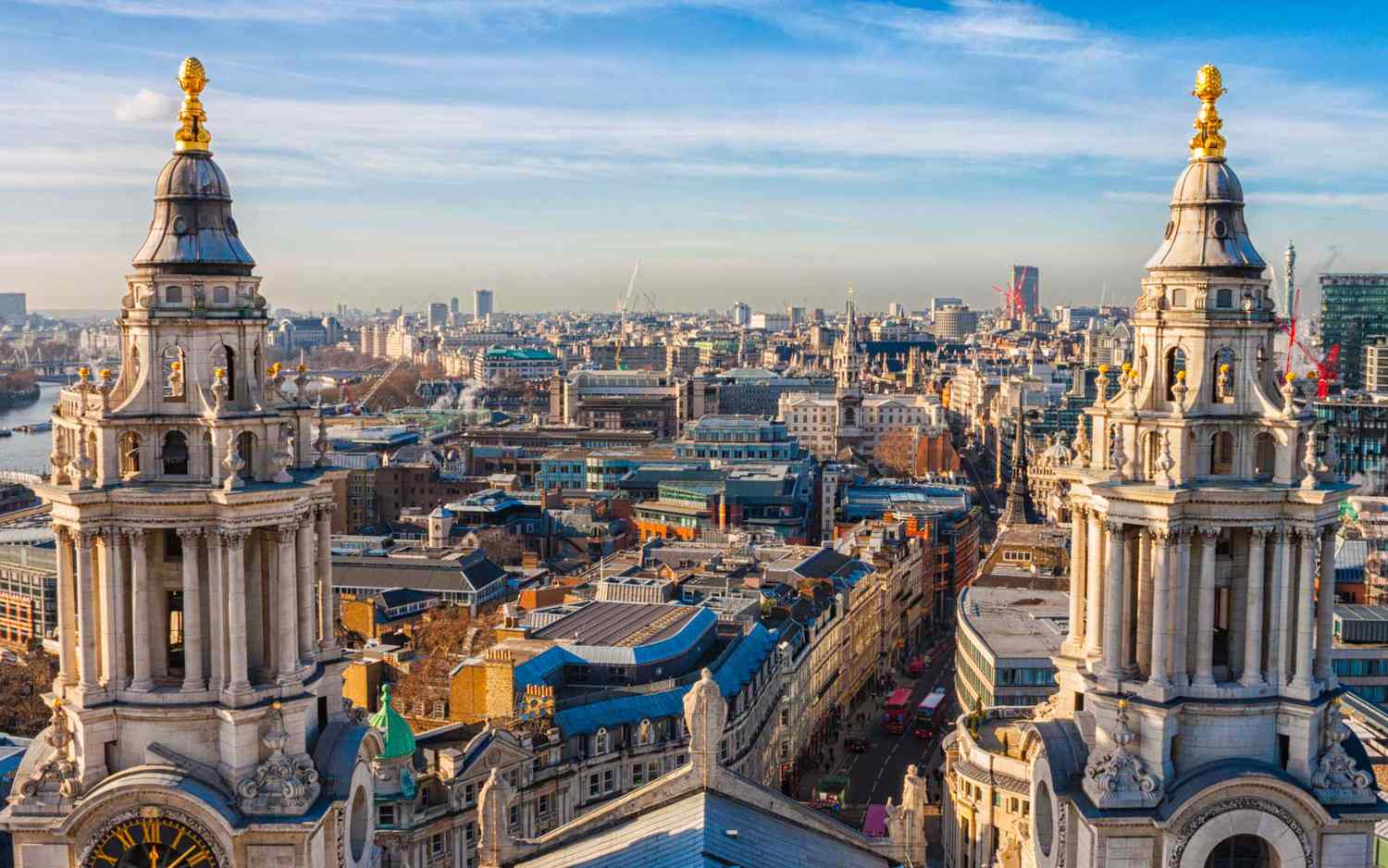
When choosing accommodation in London, do not focus only on famous neighbourhood names. The most useful question is whether your hotel is close to reliable transport.
For most first-time visitors, a good base is near a Tube station, Elizabeth line station, or major London rail station. Areas such as Covent Garden, Westminster, South Bank, Paddington, King’s Cross, and South Kensington can work well because they make it easier to reach major sights without long daily commutes.
A cheaper hotel far outside central London can still be a good choice, but check the real journey time to the places you want to visit. If every day starts and ends with a long transfer, the savings may not feel worth it after a full day of sightseeing.
2. Check Your Airport Transfer Before You Book
London has several airports, and they are not all equally convenient for every trip. Heathrow, Gatwick, Stansted, Luton, London City, and Southend can involve very different transfer times, costs, and arrival stations.
Before booking flights, check how you will get from the airport to your hotel. Heathrow has Tube, Elizabeth line, coach, taxi, and rail options. Gatwick, Stansted, and Luton usually involve a train or coach into London. London City Airport is closer to central London than the larger airports, but it may not serve your route.
The best airport transfer is not always the fastest advertised train. For first-time visitors, the easiest option is often the route with the fewest changes and the most convenient final stop.
Check Whether You Need A UK ETA Or Visa
Before booking your trip, check the official UK entry requirements for your nationality. Many visitors who do not need a visa for a short stay may still need an Electronic Travel Authorisation before travelling to the UK.
Apply only through GOV.UK or the official UK ETA app, and use the same passport you will travel with. If your nationality or travel purpose means you need a visa instead, follow the official UK visa process before you travel.
3. Choose The Right Time To Visit
The time of year can affect your London trip. Weather, hotel prices, daylight hours, queues, and crowd levels all change across the year.
Best Times To Visit London
- Spring (March-May):Mild weather, blooming parks, and fewer crowds than summer.
- Early autumn (September-October):Comfortable temperatures and good sightseeing weather.
- Summer (June-August):Long daylight hours and many outdoor events, but attractions can be crowded.
- Winter (November-February):Winter is colder and darker, but December can be atmospheric because of Christmas lights, seasonal markets, and festive events.
Book earlier if you are visiting during school holidays, summer, Christmas, bank-holiday weekends, or major events. For winter visits, plan more indoor options because daylight is shorter and weather can change quickly.
4. Book Accommodation In Advance
London hotels can sell out quickly during busy periods. Booking early usually gives you more choice of location, room type, and price range.
For a first visit, prioritise comfort, transport access, and clear cancellation terms. Check recent reviews for noise, room size, lifts, air conditioning in summer, and the walk from the nearest station.
As a general guide, book at least two to three months ahead for normal travel periods and earlier for summer, December, major concerts, sporting events, and school holidays.
5. Use Public Transportation Efficiently
London’s public transport network includes the Tube, buses, Elizabeth line, DLR, London Overground, trams, river services, and local rail. For most visitors, it is cheaper and easier than using taxis for every journey.
Use contactless payment or an Oyster card for pay-as-you-go travel. Transport for London’s visitor payment guidance explains the main options, and TfL’s pay-as-you-go fares guidancecovers how contactless and Oyster work. Tap in and out with the same card, phone, watch, or Oyster card, because mixing payment methods can lead to incorrect fares. London buses are cashless, so you need contactless, Oyster, or another accepted travel card.
Download a route app before you travel. TfL Go, Citymapper, and Google Maps can help compare walking, Tube, bus, rail, and step-free options. During rush hours, especially weekday mornings and early evenings, allow extra time on busy lines.
6. Know When To Walk Instead Of Taking The Tube
Central London is more walkable than many first-time visitors expect. Sometimes walking is faster than entering a station, waiting for a train, changing lines, and walking back out again.
For example, Westminster, Trafalgar Square, Covent Garden, Leicester Square, and parts of the South Bankare close enough to connect on foot if the weather is good. Walking also helps you understand the city better because you see streets, shops, churches, pubs, and river views that you would miss underground.
Before taking the Tube for a short journey, check the walking time. If it is under 20 minutes, walking may be simpler and more enjoyable.
7. Familiarize Yourself With Free Attractions In London
One of London’s biggest advantages for visitors is the number of major attractions with free general admission. You can enjoy world-class collections without paying for every stop.
Popular free options include:
- The British Museum
- The National Gallery
- The Natural History Museum
- The Science Museum
- The Victoria and Albert Museum
- Tate Modern
- Hyde Park
- Regent’s Park
- St James’s Park, and walks along the River Thames.
Some museums still ask visitors to book a free timed ticket, and special exhibitions may cost extra. Always check the official museum website before you visit, especially during weekends, school holidays, and busy travel seasons.
8. Understand British Currency And Card Payments
The UK uses the British pound sterling (£). Credit and debit cards are widely accepted across London, and contactless payment is common in shops, restaurants, cafés, markets, and public transport.
It is still useful to carry a small amount of cash for small purchases, older market stalls, tips, or emergencies. Do not rely on cash for buses, though, because London buses do not accept cash fares.
Before travelling, check your bank’s foreign transaction fees and whether your card works reliably with contactless payments in the UK.
9. Stand On The Right On Escalators
On London Underground escalators, stand on the right and leave the left side clear for people who want to walk.
This is one of the easiest pieces of London Tube etiquette to follow. Commuters often move quickly through stations, especially during busy times, and blocking the left side slows everyone down.
Keep bags close to you, avoid stopping at the top or bottom of the escalator, and step aside before checking your phone or route.
10. Don’t Try To See All Of London
London is too large and layered to see properly in one short visit. Trying to cover every famous landmark usually creates a rushed trip with too much time spent in transit.
Choose a few priorities for each day and give yourself enough time to enjoy them. For example, you could spend a morning at the Tower of London, walk across Tower Bridge, then have lunch near Borough Market or along the river.
A good first London trip is not about seeing everything. It is about sequencing the right things well.
For a wider route through transport, sightseeing, costs and where to stay, start with our London travel guideshub before building your day-by-day plan.
11. Plan Your Days By Area
London becomes much easier when you group attractions into walkable zones. Instead of travelling from Westminster to Camden to Kensington to Tower Bridge in one day, choose one or two areas and explore them properly.
For a deeper route-based version of this idea, use our guide to London landmarks in walkable clusters.
| Area | Good first-time visitor cluster |
| Westminster | Big Ben, Westminster Abbey, Buckingham Palace, St James’s Park |
| South Bank | London Eye, Thames walk, Tate Modern, Borough Market |
| Tower Bridge and the City | Tower of London, Tower Bridge, Sky Garden, St Paul’s Cathedral |
| South Kensington | Natural History Museum, Science Museum, Victoria and Albert Museum |
| Covent Garden and Soho | Shops, theatres, restaurants, street performers, Chinatown |
| Camden and Regent’s Park | Camden Market, Regent’s Canal, Regent’s Park, Primrose Hill |
| Greenwich | Cutty Sark, Royal Observatory, Greenwich Park, river views |
12. Check What You Need To Book Ahead
You do not need to book every attraction in London, but you should book the experiences that matter most to you.
Timed tickets can be useful for places such as the London Eye, Tower of London, Westminster Abbey, popular temporary museum exhibitions, afternoon tea, high-demand restaurants, and West End shows. Some free attractions or viewpoints may also require advance booking.
Avoid filling every hour with reservations. A few well-chosen bookings can improve your trip, but too many timed entries can make the day feel stressful.
13. Learn A Few British English Words
English is spoken in London, but some everyday words may be different from the words visitors use at home.
You may hear queue instead of line, lift instead of elevator, loo instead of restroom, and pavement instead of sidewalk. You may also see signs telling passengers to mind the gap, join the queue, or use the lift.
These differences are small, but knowing them makes signs, directions, and everyday conversations easier to understand.
14. Try Traditional British Food

London has restaurants from around the world, but it is still worth trying a few British classics during your trip.
Fish and chips, Sunday roast, pie and mash, full English breakfast, afternoon tea, and pub meals are all part of the local food experience. You do not need an expensive restaurant to try them. Many pubs, cafés, markets, and casual restaurants serve good versions.
If you want a Sunday roast, book ahead for popular pubs and check whether it is served only on Sundays. For area-specific ideas, see our guide to the best Sunday roast in London by area.
15. Use The South Bank As A Reset Zone
London can feel intense when you are moving between stations, queues, museums, and crowded shopping streets. The South Bank is a useful place to slow down without leaving central London.
The riverside walk connects Westminster Bridge, the London Eye, Southbank Centre, Tate Modern, Shakespeare’s Globe, Millennium Bridge, Borough Market, and views towards Tower Bridge. You can walk, rest, eat, or adjust your plan while still staying close to major sights.
If the weather is good, this is one of the easiest areas for a relaxed first-day walk.
16. Eat At Markets To Control Food Costs
Eating out for every meal in London can become expensive. Food markets help you try different cuisines without committing to a full restaurant meal every time.
Borough Market is useful if you are visiting London Bridge, the South Bank, The Shard, Tower Bridge, or the City. Camden Marketis a good option if your day includes Camden, Regent’s Canal, Regent’s Park, or Primrose Hill. Spitalfields, Maltby Street, and Seven Dials Market can also work well depending on your itinerary.
Markets are especially helpful for groups because everyone can choose something different. Check opening days and times before going, because not every market runs the same schedule every day.
For a wider savings plan, use our guide to London on a budgetbefore setting your daily spending limit.
17. Be Careful With Your Phone Near The Road
London is generally safe for visitors, but phone snatching is a real issue in busy areas. Thieves may use bikes, mopeds, or e-scooters to grab phones from people near roads, station exits, shopping streets, and crowded venues.
When you need to check directions, step away from the kerb and stand closer to a wall, shopfront, or building entrance. Keep your phone held firmly, look up regularly, and avoid texting while walking near traffic.
This is especially important around busy tourist areas, transport hubs, shopping streets, and nightlife districts.
18. Keep Your Bag Zipped In Crowded Places
Pickpocketing can happen in busy areas such as Tube stations, markets, queues, shopping streets, and major attractions.
Keep your bag zipped, carry it in front of you in dense crowds, and avoid storing phones, passports, or wallets in easy-to-reach back pockets. In restaurants and cafés, do not hang a bag loosely over the back of a chair unless you can keep it secure.
Use normal big-city awareness without becoming anxious. Most visits are trouble-free, but these simple habits reduce avoidable risk.
19. Walk Across Bridges On Purpose
London’s bridges are useful free viewpoints, especially around Westminster, Waterloo, Millennium Bridge, and Tower Bridge.
Westminster Bridge gives classic views of Big Ben, the Houses of Parliament, and the London Eye. Waterloo Bridge offers wide views in both directions along the Thames. Millennium Bridge connects St Paul’s Cathedral with Tate Modern. Tower Bridge is worth crossing slowly, especially if you are already visiting the Tower of London or the riverside.
For current weather and crowd context near Westminster, you can check the Westminster Bridge webcambefore heading out.
20. Stay Safe Without Overplanning It
London is a large city, so basic safety habits matter. Stay aware in crowded places, use licensed transport at night, keep valuables secure, and move to a busier or better-lit area if somewhere feels uncomfortable.
Use official public transport, black cabs, or licensed private-hire services rather than accepting rides from unofficial drivers. If you are travelling late, check your route before leaving and make sure your phone has enough battery.
For emergencies in the UK, call 999 or 112 for police, fire, ambulance, or coastguard help. Keep your passport, travel insurance details, accommodation address, and embassy or consulate information accessible.
21. Shop Wisely
London has major department stores, luxury shopping streets, markets, museum shops, and independent stores.
Oxford Street is busy and central, with major retail stores including Selfridges. Regent Street and Bond Street are useful for flagship and luxury shopping. Covent Garden combines shops, restaurants, market halls, and street performance. Camden Market, Portobello Road Market, and Spitalfields are better if you want more character, vintage finds, crafts, or food stalls.
If you want to check how busy Oxford Street looks before visiting, use the Oxford Street Selfridges webcam.
22. Wear Shoes Made For Pavement
You will probably walk more in London than you expect. Even with good public transport, many days involve stairs, station corridors, museum floors, parks, bridges, and uneven older streets.
Bring supportive shoes that you have already worn before your trip. Avoid brand-new shoes unless you have tested them properly. Blisters can make a carefully planned sightseeing day much harder.
If you are packing only one main pair of shoes, choose comfort over style.
23. Use Navigation Apps, But Do Not Follow Them Blindly
Google Maps, Citymapper, and TfL Go can make London much easier to navigate. They help compare walking, Tube, bus, rail, and route changes.
Before your trip, save your hotel, key attractions, restaurants, and station names. It is also worth downloading offline maps or screenshots in case your mobile signal drops.
Remember that apps are not always perfect. If a station is very crowded, a line is disrupted, or the weather is bad, choose the route that feels easiest rather than following the fastest route automatically.
24. Pack For Changing Weather
London weather can change several times in one day. You might start with sunshine, get rain in the afternoon, and feel a chill in the evening.
Pack layers rather than one heavy item. A light sweater, waterproof outer layer, compact umbrella, and comfortable shoes are often more useful than bulky clothing. In summer, still bring a light layer for evenings or air-conditioned spaces.
Check the forecast each morning, but be prepared for it to change.
25. Look The Correct Way Before Crossing The Road
Cars in the UK drive on the left, which can be confusing for visitors from countries where traffic drives on the right.
Always look both ways before crossing. Many central London crossings have “Look Right” or “Look Left” painted on the road to help pedestrians, but do not rely only on the markings. Buses, taxis, bicycles, and one-way streets can make traffic direction less obvious.
Take an extra second before stepping into the road, especially near stations, bus lanes, and busy junctions.
26. Let People Off The Train Before Boarding
A simple rule makes Tube travel much smoother: let passengers leave the train before you get on.
Stand to the side of the doors, wait for people to exit, then board. This is especially important at busy interchanges such as King’s Cross St Pancras, Oxford Circus, Victoria, Waterloo, Liverpool Street, and London Bridge.
Once inside, move down the carriage if there is space instead of stopping by the doors.
27. Keep One Half-Day Flexible
Do not schedule every hour of your London trip. Keep at least one half-day flexible, especially if you are visiting for three or more days.
That spare time lets you return to a neighbourhood you liked, rest after a busy day, visit a market you discovered, move plans around because of weather, or add something you did not know about before arriving.
Flexible time gives you room to revisit a neighbourhood, rest, or adjust plans when weather or transport changes.
28. Plan For Emergencies Before You Need To
A few minutes of preparation can make unexpected problems much easier to handle.
Save your hotel address, travel insurance details, emergency contacts, and embassy or consulate information somewhere you can access offline. Keep a backup payment card separate from your main wallet if possible.
For serious emergencies in the UK, call 999 or 112. For non-emergency police matters, 101 may be appropriate, and for non-emergency health advice, NHS 111 is commonly used. Check official guidance before publishing any emergency-information section.
29. Respect Queue Culture

Queueing is taken seriously in London. You will see organised lines at cafés, bus stops, museums, theatres, shops, and ticket counters.
If you are unsure where the queue begins, pause and look before joining. Cutting in line is considered rude and will quickly frustrate people around you.
This is a small etiquette point, but it helps visitors move through the city more comfortably.
30. Do Not Rent A Car For A Central London Trip
For most first-time visitors, renting a car in London creates more problems than it solves. Traffic is heavy, parking is expensive, streets can be confusing, and driving is on the left.
Central London also has road-charging rules, including the Congestion Charge zone, and some vehicles may be affected by emissions charges. These rules can change, so always check the official TfL driving pages before renting or driving.
Use public transport, walking, taxis, and trains instead. If you plan to visit rural areas after London, consider renting a car only after you leave the city.
31. Avoid Using Hop-On Hop-Off Buses As Everyday Transport
Hop-on hop-off buses can be useful if you want a simple sightseeing overview, but they are not usually the best way to move around London every day.
They follow fixed routes, can get stuck in traffic, and often cost much more than normal public transport. For everyday travel, use the Tube, buses, rail, walking, or river services.
If you want a cheaper scenic ride, take a regular London double-decker bus on a useful route and sit upstairs when seats are available.
32. Keep Each Day To Two Or Three Main Stops
This is different from leaving flexible time. It is about not overloading each day.
A realistic London day might include one major attraction, one neighbourhood walk, one meal or market, and one optional evening activity. Trying to fit in eight or ten stops usually means you spend more time rushing than enjoying anything.
Build your itinerary around anchor points, then add extras only if you still have energy.
33. Keep Your Voice Low On Public Transport
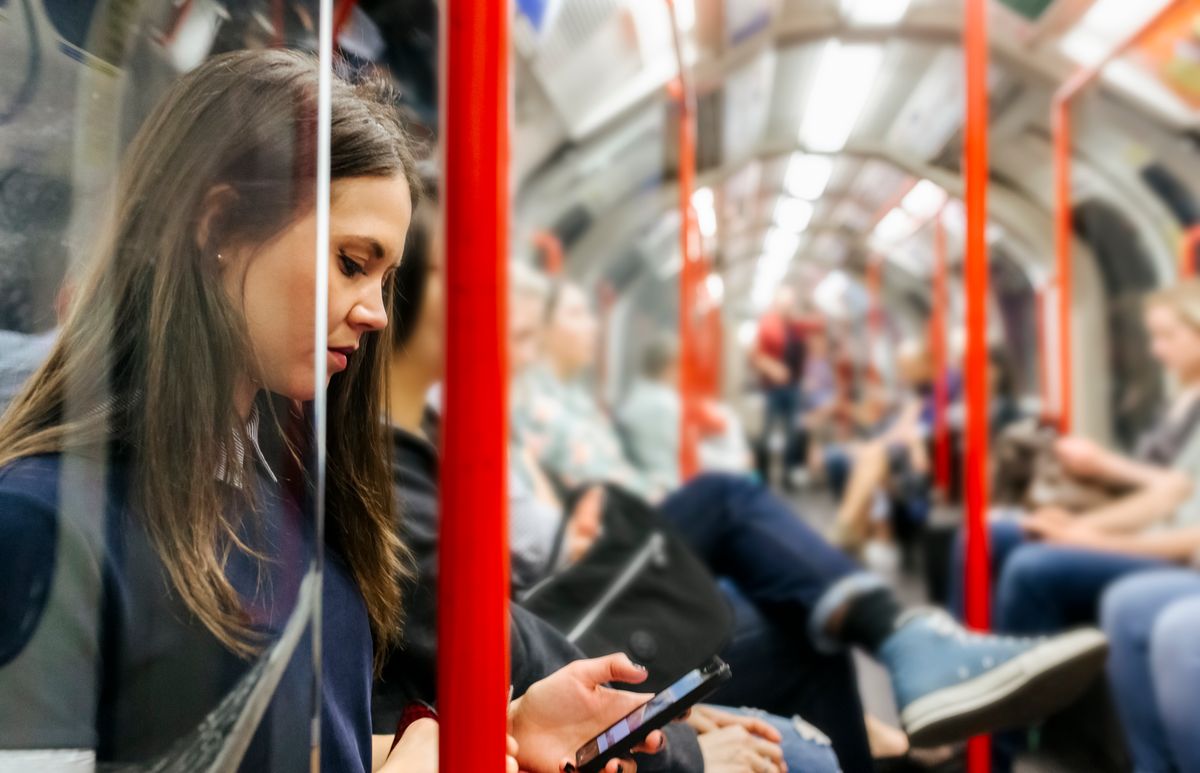
London public transport is not silent, but many commuters keep to themselves. Loud conversations, speakerphone calls, and videos without headphones can feel intrusive, especially on crowded trains or buses.
You can talk with friends or family, but keep your voice low and stay aware of people around you. Move bags off seats when trains or buses get busy, and give priority seats to people who need them.
34. Save Day Trips For Longer Stays
London is close to excellent day-trip destinations, including Oxford, Cambridge, Windsor, Brighton, Bath, and Stonehenge. However, day trips take time and energy.
If you only have three or four days, focus on London itself. There are enough museums, markets, parks, historic sites, theatres, and neighbourhoods to fill a full first visit.
If you have five or more days, one day trip can work well. Choose based on your interests rather than trying to add a famous place just because it appears on a list.
35. See London By Night
London feels different after dark. Many landmarks are illuminated, and areas such as South Bank, Covent Garden, Soho, Westminster, and Tower Bridge can be enjoyable in the evening.
A simple evening plan could be a Thames walk, a West End show, dinner in Soho, a pub meal, or a lit-up view of the London Eye and Parliament from the river.
Use normal safety habits at night: plan your route, use licensed transport, keep your phone secure, and avoid quiet streets if you feel uncomfortable.
36. Explore With A Local Guide
A good walking tour can add context that you may miss alone. Local guides can explain architecture, history, food, street art, music, markets, pubs, and neighbourhood stories in a way that makes the city easier to understand.
Tours can be especially helpful in Westminster, the City of London, Camden, Shoreditch, Notting Hill, Greenwich, and areas connected to specific interests such as theatre, food, literature, or music.
Check reviews, group size, accessibility, cancellation rules, and whether the guide is licensed or clearly experienced in the topic.
37. Use The River Bus For Views And Practical Journeys
The Thames River Bus is a public transport service on the river, operated by Uber Boat by Thames Clippers. TfL’s River Bus guidance explainscurrent routes and piers, including journeys between riverside areas such as Westminster, Embankment, London Bridge, Tower, Canary Wharf, and Greenwich.
It is usually more expensive than the Tube or bus, but it gives you views that underground travel cannot. For some visitors, it is a practical journey and a sightseeing experience at the same time.
Check current routes, piers, timetables, and fares before planning around it.
38. Bike Around London Carefully
Cycling can be a fun way to explore parks, canals, and riverside routes, but London traffic can be intimidating if you are not used to cycling on the left.
Santander Cyclesare available from docking stations across central and inner London. They work best for short rides in suitable areas, such as Hyde Park, Regent’s Park, parts of the Thames path, and quieter cycle routes.
Before hiring a bike, check the brakes, tyres, bell, lights, docking rules, and current pricing. Wear visible clothing, follow traffic rules, and avoid busy roads if you are not confident.
39. Bring The Right Plug Adapter
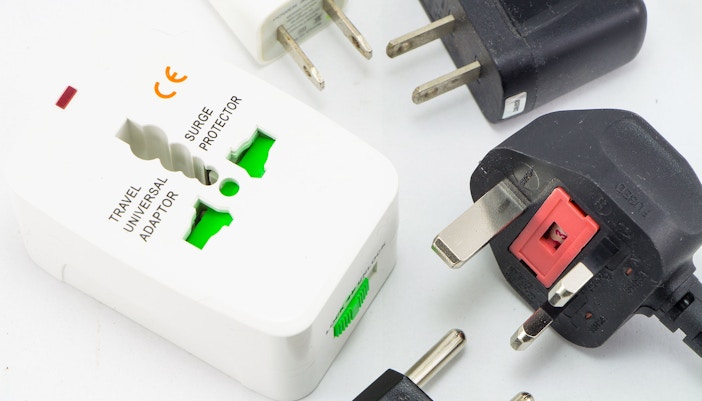
The UK uses Type G plugs with three rectangular pins, and VisitBritain’s visitor information explains UK plug and voltage basics. Visitors from many countries will need a travel adapter for phones, cameras, laptops, and chargers.
Pack an adapter before arrival so you are not searching for one after a long journey. A small multi-port adapter can be helpful if you are charging several devices.
Check that your devices support UK voltage before plugging them in. Most modern phone and laptop chargers do, but it is still worth checking the label.
40. Check Attraction Opening Days And Bag Rules
Many first-time visitors assume major attractions are open every day and have the same rules year-round. That is not always true.
Museums, palaces, churches, galleries, markets, and viewpoints may close for events, maintenance, security reasons, holidays, or private functions. Some places restrict large bags, liquids, tripods, or food.
Before visiting an important attraction, check the official website for opening hours, ticket rules, bag restrictions, accessibility, and last-entry times.
41. Use Buses When The View Matters
The Tube is fast, but buses help you see how London fits together. They can be slower in traffic, but they are useful for short or scenic journeys.
Sitting upstairs on a double-decker bus can give you views of streets, shops, parks, and landmarks that you would miss underground. Buses are also useful for some routes where the Tube would require an awkward change.
Use a route app to compare times, and remember that London buses are cashless.
42. Make A Simple First-Day Plan
Your first day in London should be easy, especially if you have arrived after a long flight or train journey.
Start with one neighbourhood walk, one meal, and one flexible attraction rather than a packed itinerary. Good first-day areas include Westminster and St James’s Park, South Bank, Covent Garden, South Kensington museums, or a simple river walk.
Save complicated cross-city travel for when you are rested and more confident with the transport system.
43. Keep Souvenirs Practical
It is easy to spend money on generic souvenirs in central London. Before buying, think about whether the item is useful, meaningful, or easy to pack.
Markets, museum shops, bookshops, independent food shops, and neighbourhood stores often have more interesting options than the busiest tourist shops. If you are buying gifts, consider tea, books, prints, food items that can travel legally, or small locally made products.
Set a rough budget before shopping so souvenirs do not take over your travel spending.
44. Check Service Charge Before Tipping
Tipping in London is different from tipping in some other countries. Visit London’s tipping guidanceexplains common expectations for restaurants, pubs, and taxis. In restaurants, a service charge is often added to the bill. If it is already included and service was fine, you usually do not need to add an extra tip.
If no service charge is included, a tip of around 10–15% is commonly used for good table service. Tipping is not expected when ordering drinks at a pub bar. For taxis, rounding up the fare is common.
Check the bill before paying, and do not feel pressured to tip twice.
45. Know Where To Start If You Feel Overwhelmed
London can feel like too much on a first visit. If that happens, simplify the day.
Choose one area, one meal, and one walk. South Bank, Covent Garden, Westminster, Greenwich, and South Kensington are good reset areas because each has several easy options nearby.
The aim is not to finish London; it is to enjoy the part of the city you are actually in.
Tourist Mistakes To Avoid In London
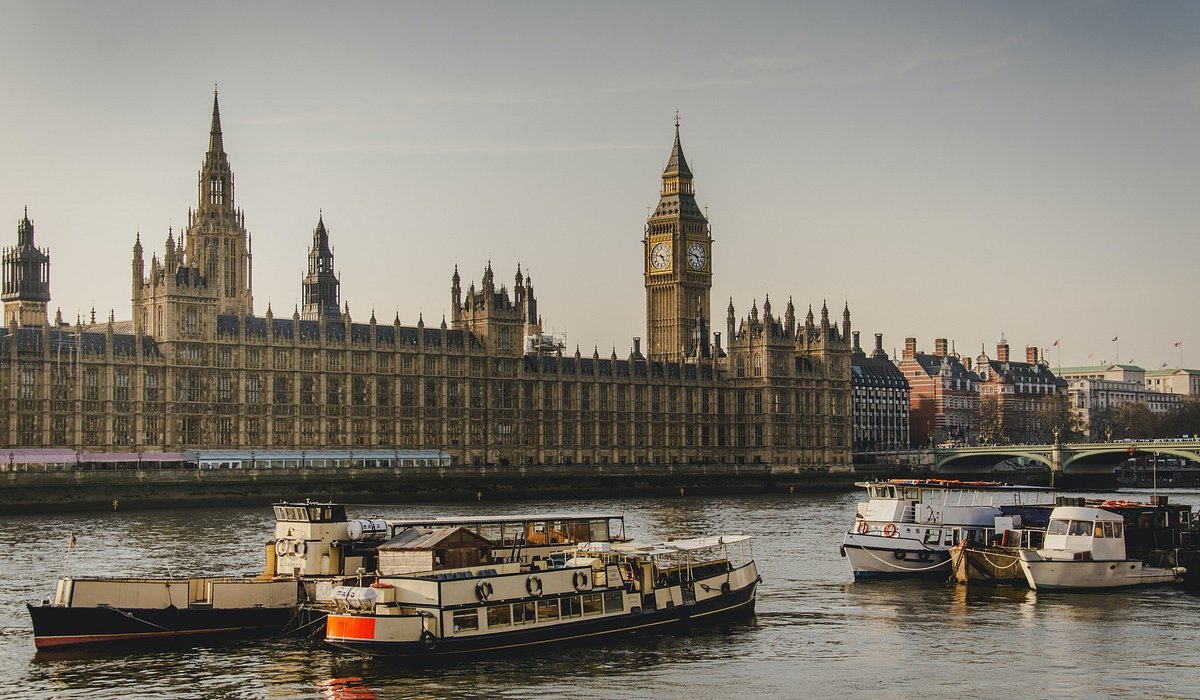
This section is your shortcut around the most predictable first-time visitor problems. Avoid these and the city becomes much easier to enjoy.
| Common mistake | Smarter alternative |
| Standing on the left of Tube escalators | Stand on the right unless you are walking. |
| Using a different card to tap out | Use the same card, phone, watch, or Oyster card for each journey. |
| Booking too many timed entries | Book only the experiences that matter most. |
| Relying only on the Tube | Walk or use buses when journeys are short or scenic. |
| Staying too far out without checking journey times | Compare hotel savings against daily transport time and cost. |
| Holding your phone near the kerb | Step away from the road before checking maps or messages. |
| Skipping free attractions | Build in free museums, parks, markets, and Thames walks. |
| Crossing the city repeatedly | Group sights into walkable zones. |
A good London trip is rarely about doing the most. It is about making decisions that reduce friction.
London Tourist Mistakes Checklist
- Use the same payment method when tapping in and out.
- Keep your bag zipped and close in crowds.
- Step away from the kerb before using your phone.
- Check whether service charge is already on the bill.
- Avoid back-to-back timed entries all day.
- Group sights by area instead of zigzagging across London.
- Check official attraction opening times before setting out.
- Leave at least one half-day flexible.
- Use buses, walking routes, and river views when you want to see the city above ground.
- Save day trips for longer stays unless they are the main purpose of your visit.
People Also Ask
What Are The Best London Travel Tips For Transport?
The best travel tips for transport in London are: always using the public transport system whenever possible, getting the Oyster Card, and walking to places that are a short distance away instead of taking the Tube.
What Is The Best Way To Get Around London?
The best way to get around Londonis usually a mix of Tube, buses, walking, and occasional trains. Use the Tube for longer cross-city journeys, buses for cheaper scenic routes, and walking for short central trips.
Is Oyster Or Contactless Better For London?
For most visitors, contactless is easiest if your card or phone works in the UK and has low foreign transaction fees. Oyster is still useful if you prefer a separate travel card or your bank card is not contactless-friendly.
Do I Need An ETA To Visit London?
Many visitors now need a UK ETA or visa before travelling, depending on nationality and travel purpose. Check GOV.UK before booking and apply only through the official UK ETA service or app.
How Many Days Do You Need In London For A First Trip?
Most first-time visitors should plan at least three to four full days in London. That gives enough time for major landmarks, museums, neighborhoods, food markets, and one evening activity without rushing every hour.
What Should Tourists Avoid Doing In London?
Avoid standing on the left of Tube escalators, blocking train doors, overpacking your itinerary, using your phone carelessly near the road, and traveling across the city for every stop instead of grouping sights by area.
Is London Safe For Tourists?
London is generally safe for tourists, but visitors should stay alert in crowded places, keep bags zipped, and be careful using phones near roads or station exits. Phone snatching and pickpocketing can happen in busy areas.
Is London Expensive For Tourists?
London can be expensive, but visitors can save money by using free museums, walking between attractions, eating at food markets, and using public transport instead of taxis.
What Are The Best Free Things To Do In London?
Some of the best free attractions in London include the British Museum, National Gallery, Natural History Museum, Hyde Park, and walking along the River Thames.
Final Thoughts
London rewards travellers who plan enough to avoid friction but not so much that every hour feels fixed. Stay somewhere well connected, use public transport confidently, walk when distances are short, book the experiences that matter most, and leave space to enjoy the city at a slower pace.
With these London travel tips, your first visit can feel less confusing and more rewarding from the moment you arrive

James Rowley
Author
James Rowley is a London-based writer and researcher covering London life, cultural geography, London travel, live London webcam pages and selected public figures across entertainment, sport, business and public life.
For over 15 years, he has focused on verified sources, first-hand local context and clear explanations that help readers understand both places and people more deeply. His work combines street-level London knowledge with careful research into career credits, media work, business interests and, where relevant, transparently explained net worth estimates.
He writes and reviews articles published on LondonWebcam.
Latest Articles
Popular Articles