Hidden Secrets Of London You Walk Past Every Day
Explore Hidden Secrets Of London through Roman ruins, secret gardens, hidden interiors, and smart neighborhood routes that make the city easier to read.
Author:James RowleyMar 10, 202624.7K Shares392.7K Views
Hidden Secrets Of London: A Guide To The City's Best Kept Mysteries
Hidden secrets of Londonare overlooked places, stories, and structures that reveal a quieter, stranger, more layered London.
Key Takeaways
- London’s best hidden secrets are not always the hardest places to find; they are the places that feel richer than their profile suggests.
- The strongest categories are hidden historical sites in London, quiet london's green spaces, unusual interiors, and underground or near-underground experiences.
- If you only have a few hours, cluster your stops in the City, Covent Garden/Soho, Greenwich, or the South Bank.
- Some of the best hidden gems are free, especially gardens, memorial spaces, courtyards, markets, and outdoor heritage fragments.
- The biggest planning mistake is trying to “collect” hidden gems across London instead of building one smart neighborhood route.
Some hidden London spots are best as short detours, while others are worth planning half a day around.
The 12 Hidden London Stops I’d Prioritise First
If you want the strongest version of this topic without reading the whole piece first, start here.
- London Mithraeum- best overall hidden historical site | Free | Indoor | Destination
- Painted Hall- best grand hidden interior | Paid | Indoor | Destination
- St Dunstan in the East- best free hidden gem | Free | Outdoor | Detour
- Guildhall Roman Amphitheatre- best Roman London stop | Free | Indoor | Detour
- Postman’s Park- best emotional detour | Free | Outdoor | Detour
- Sir John Soane’s Museum- best hidden interior | Free | Indoor | Destination
- Kyoto Garden- best peaceful green escape | Free | Outdoor | Destination
- Leighton House- best for art lovers | Paid | Indoor | Destination
- Mail Rail- best underground-industrial experience | Paid | Indoor | Destination
- Leake Street Arches- best modern hidden-London contrast | Free | Outdoor/covered | Detour
- Greenwich Foot Tunnel- best unusual walk with a sense of place | Free | Indoor/under-river | Destination or strong detour
- Dennis Severs’ House- best immersive historic experience | Paid | Indoor | Destination
Quick Fact-led Truths That Make London Stranger
- Many streets in the City of Londonstill follow the same basic layout they had in medieval London, which means the modern financial district is still moving through a much older street pattern.
- Temple Barwas built in 1670–72 as the old ceremonial boundary gate between the City of London and Westminster, then dismantled in 1878, moved out of London, and re-erected back in the City in 2004.
- St James’s Parkhas kept pelicans since 1664, when the birds were introduced as a gift from the Russian Ambassador.
- Savoy Courtis one of the few places in London where cars traditionally drive on the right-hand side, a custom kept from the early days of motoring so passengers could step out directly onto the pavement.
- Poets’ Corneronly became Poets’ Corner because Geoffrey Chaucer was buried there first; after that, Westminster Abbeyturned into the national memorial space for writers, with more than 100 poets and authors now buried or commemorated there.
- The Coronation Chair at Westminster Abbeyhas been the centrepiece of coronations for more than 700 years and is one of the most historically charged pieces of furniture in Britain.
- Speakers’ Cornergrew out of protest culture in Hyde Park in the mid-1800s, and over time figures such as Karl Marx, Vladimir Lenin, and Sylvia Pankhurst all became part of its speaking history.
- The Great Stink of 1858was so severe around Parliament that it helped force through Joseph Bazalgette’s sewer project, one of the engineering schemes that most transformed modern London.
- Crossness Pumping Station, built as part of Bazalgette’s system and completed in 1865, shows that one of London’s biggest hidden stories is not architectural style but sanitation infrastructure.
- The Whispering Galleryinside St Paul’s Cathedral is reached by 257 steps, and the full climb to the Golden Gallery is 528 steps, a reminder that some of London’s hidden experiences are still built vertically into its historic monuments.
- Tower Bridgestill lifts around 800 times a year, which means one of London’s most photographed landmarks is also still a working piece of river infrastructure rather than a static monument.
The Best Hidden Historical Sites In London
This is the strongest part of hidden London if you want places that explain the city rather than simply decorate it.
1. London Mithraeum
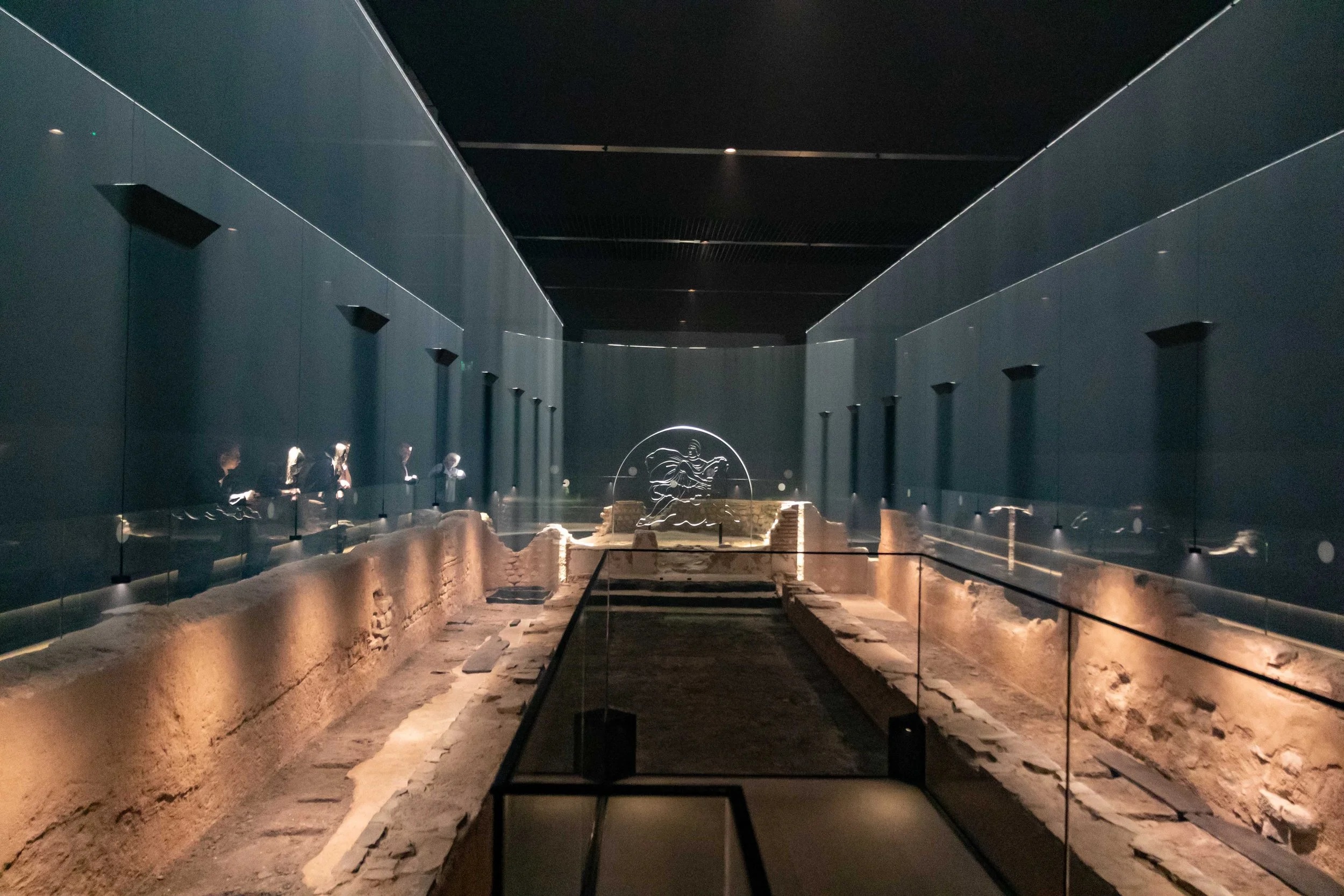
The London MithraeumBloomberg SPACE returns the Roman Temple of Mithras to the site where it was discovered, and Bloomberg presents it alongside excavation finds and contemporary commissions responding to the archaeology.
That is what makes it more than a ruin under an office building. It is one of the clearest demonstrations that the modern City is built directly on top of Roman Londinium.
2. Guildhall Roman Amphitheatre
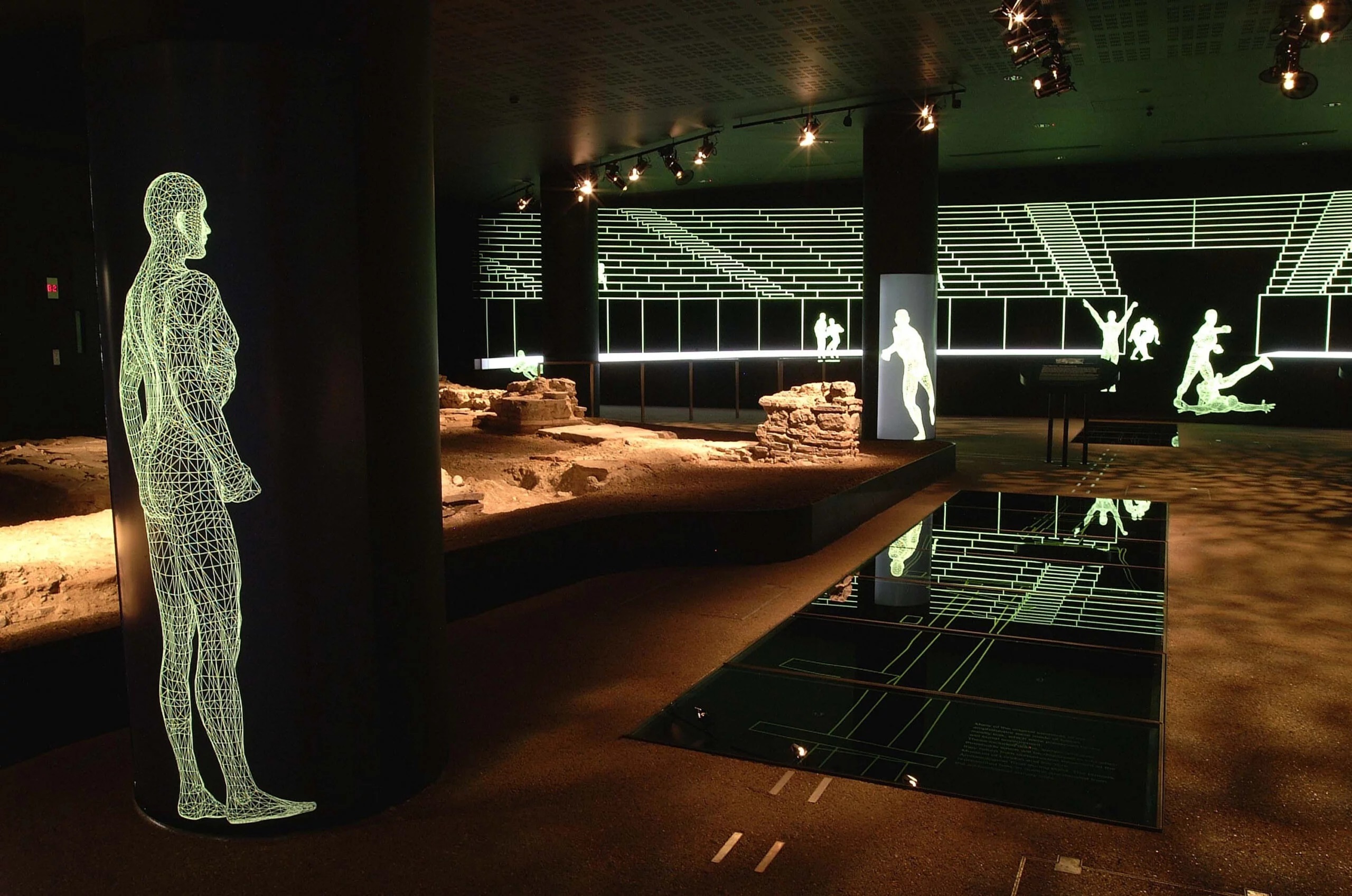
The Guildhall Roman Amphitheatre deepens that Roman story. Guildhall states that it dates from AD 70and was only found in 1988during redevelopment after the original art gallery had been destroyed in the Blitz.
That sequence alone is a perfect “hidden London” fact: Roman spectacle buried, forgotten, and then re-exposed through wartime loss and modern rebuilding.
It also helps correct a common misconception. Roman London is not confined to museum captions. It is structurally embedded in the city beneath your feet.
3. London Wall Fragments
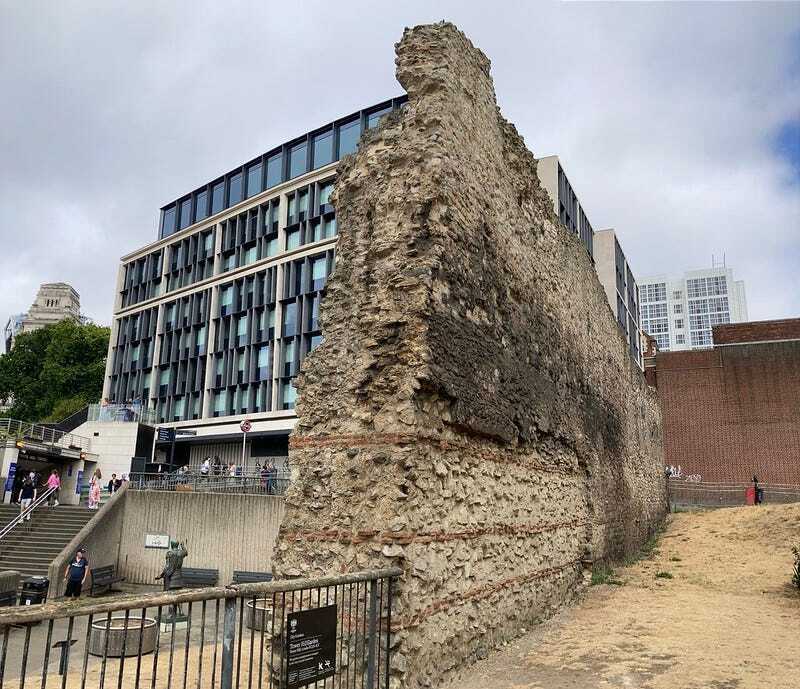
The surviving fragments of the London Wall are one of the standout hidden-history gems in the list. The City of London explains that Londinium became a major commercial centre in Roman Britain, while Historic England describes surviving wall sections and bastions as pivotal to the city’s protection and development.
This is the sort of site many visitors skip because fragments can look modest. But they carry one of the biggest hidden facts in London: the Roman city still shapes the modern one.
4. Tyburn Tree Site
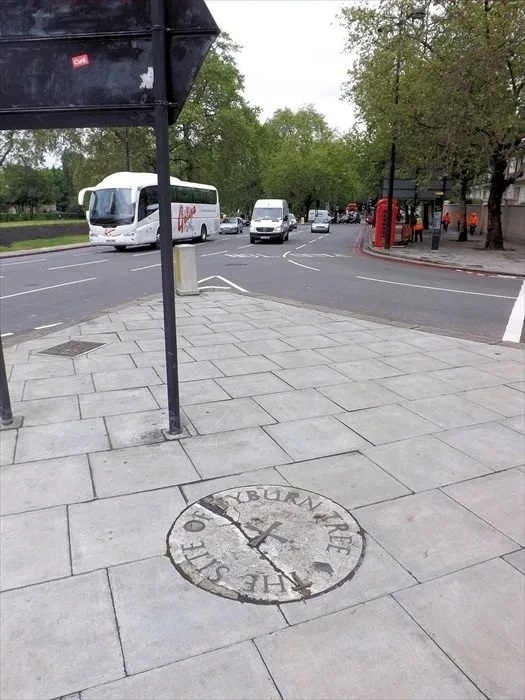
The Tyburn Tree site near Marble Arch brings a much darker, grittier historical edge. Westminster’s archaeology guidance identifies Tyburn Tree as the principal place of public execution between 1388 and 1783, while Tyburn Convent notes that executions took place at Tyburn from 1196 to 1783.
5. King’s Cross Ice Well
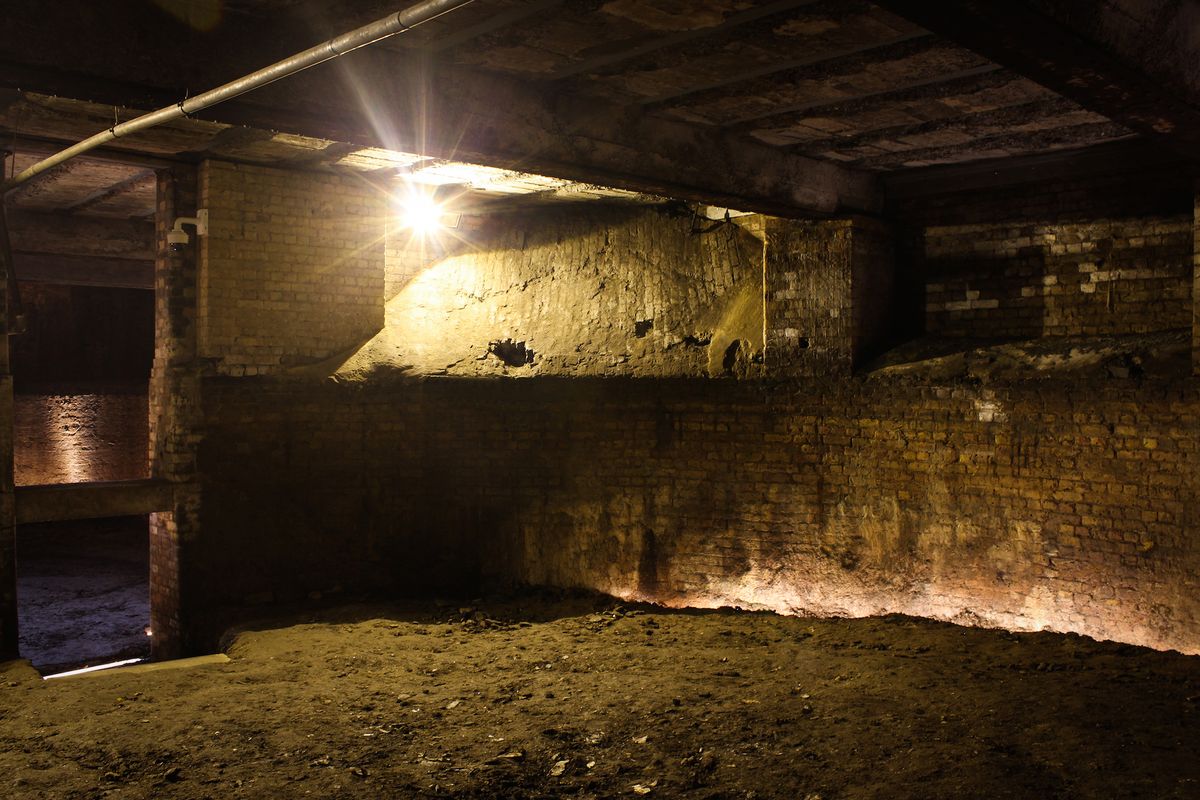
The King’s Cross Ice Well adds a rarer kind of hidden London history: industrial infrastructure you would never guess was sitting beneath central London. The London Canal Museum explains that the preserved ice wells beneath the site were built in about 1857 and 1862 and are among the only examples with any degree of public access.
These subterranean silos once stored tons of natural ice shipped all the way from Norway, which was then distributed across London via horse-drawn cart to keep the city's Victorian-era food fresh.
6. Lost Rivers: The Walbrook
The Walbrookworks best here as a hidden historical fact rather than a conventional attraction. London Museum says it once ran from Shoreditchto the Thames at Cannon Street, influenced Roman and medieval life, and now exists as a sewer.
7. Cross Bones Burial Ground
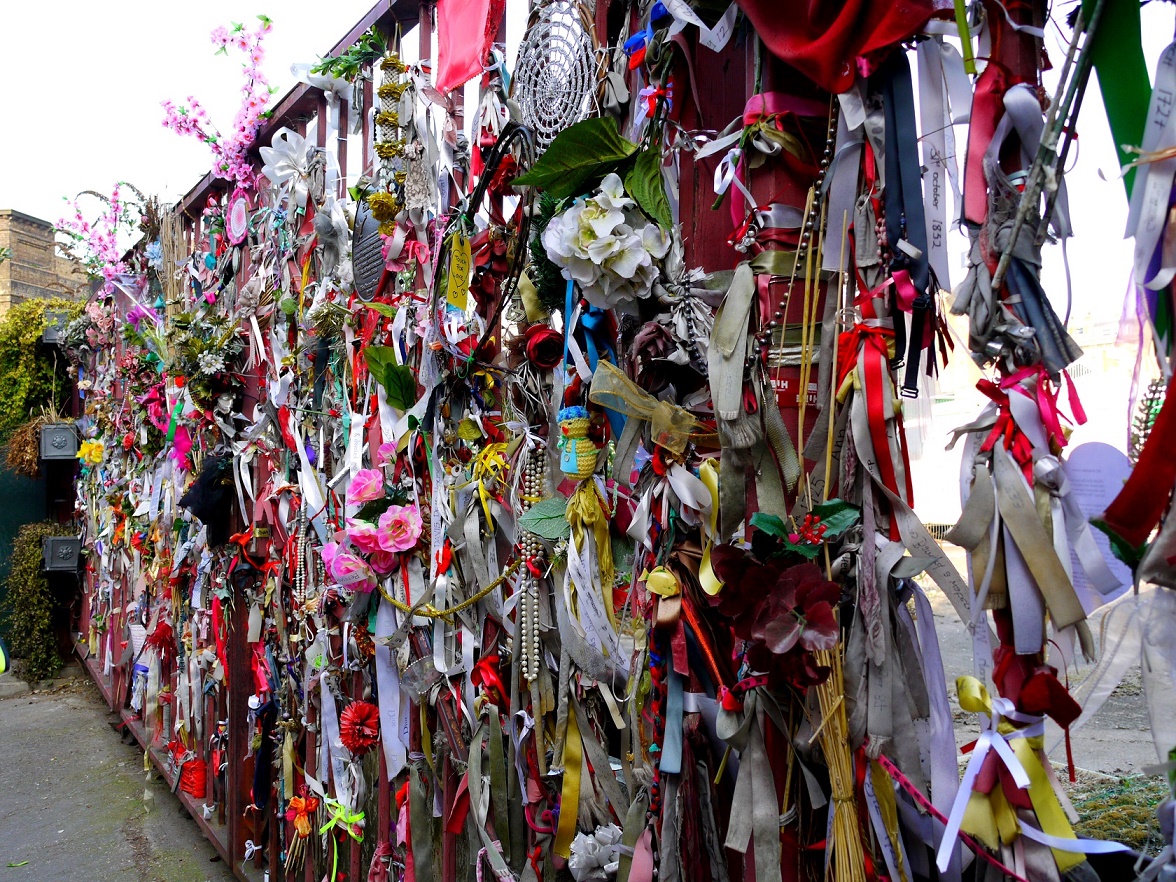
Crossbones Graveyard & Garden of Remembrance is a powerful stop for people drawn to the harder edges of London history. Bankside Open Spaces Trust describes it as a former post-medieval paupers’ burial ground, with an estimated 15,000 people laid to rest there, alongside the widely held belief that it had earlier associations with the burial of sex workers.
What makes Cross Bones work is restraint. It is not a spectacle. It is a place of memory. If you want hidden London with moral and social depth rather than just architectural charm, it deserves serious consideration.
8. Nunhead Cemetery
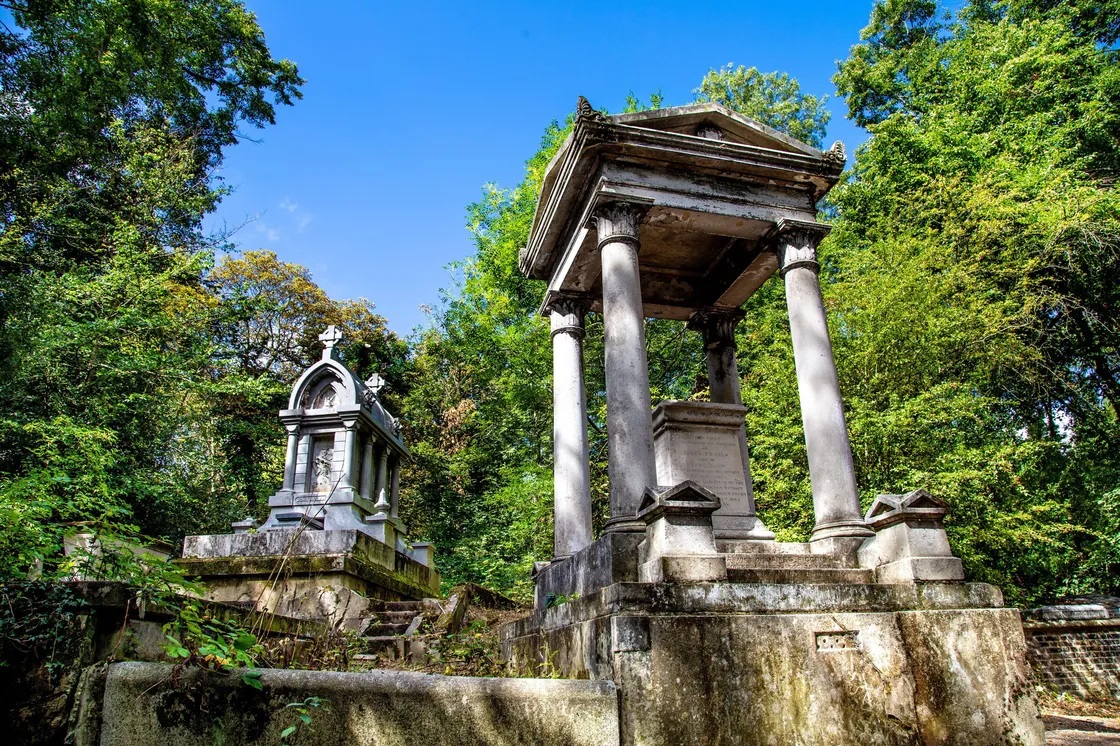
One of the "Magnificent Seven" Victorian burial grounds, Nunhead Cemetery is a hauntingly beautiful 52-acre wilderness where grand, crumbling gothic monuments are slowly being reclaimed by a dense urban forest.
Originally opened in 1840, it offers a more secluded and rugged alternative to Highgate, featuring a roofless, ruined Anglican chapel that stands as a dramatic centerpiece amidst the ivy-clad gravestones.
9. Highgate Cemetery
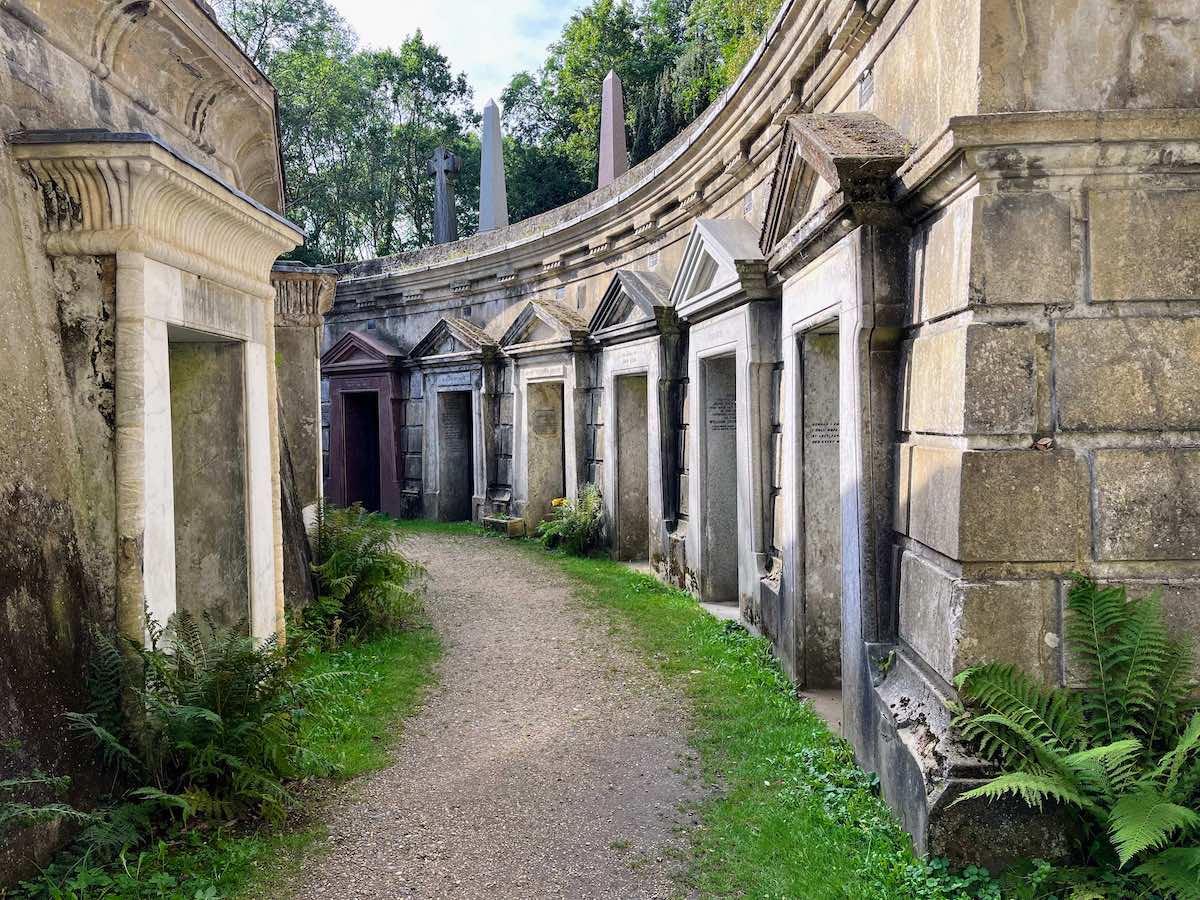
Highgate Cemeteryis arguably the most atmospheric and storied burial ground in London. Divided into two distinct sections, the West and the East, it is a Victorian-era marvel that balances eerie decay with stunning architectural grandeur.
Fact: Burial site of Karl Marx and George Michael; home to vampire legends from the 1970s.
10. Tulip Stairs
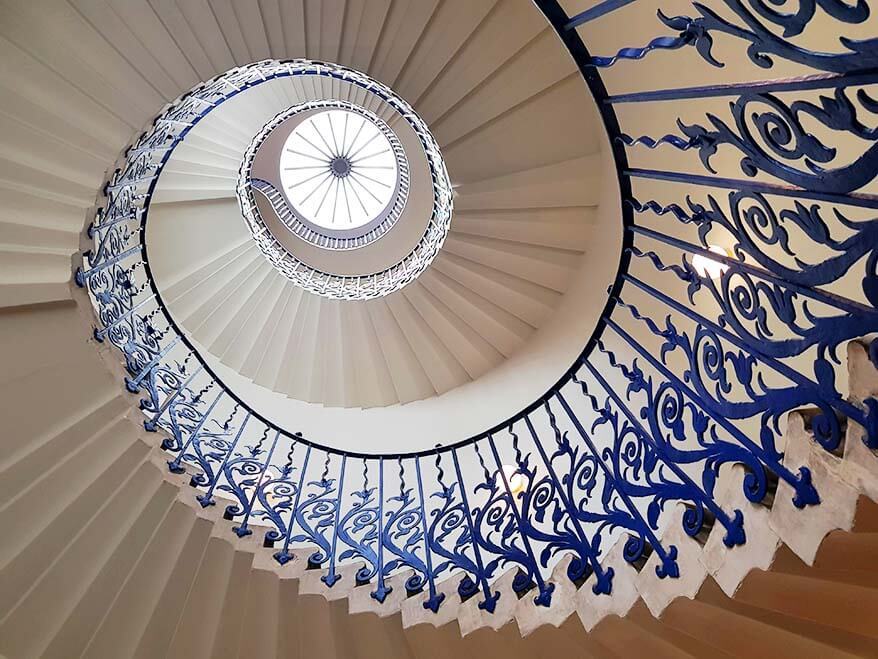
The Tulip Stairs in the Queen’s House are one of the best additions for Greenwich. Royal Museums Greenwich describes them as one of the original features of the Queen’s House and the first geometric self-supporting spiral stair in Britain.
The Best Free Hidden Gems In London
These are the free places that give you a lot back for little or no cost.
Free Hidden Gardens And Green Spaces
11. St Dunstan In The East
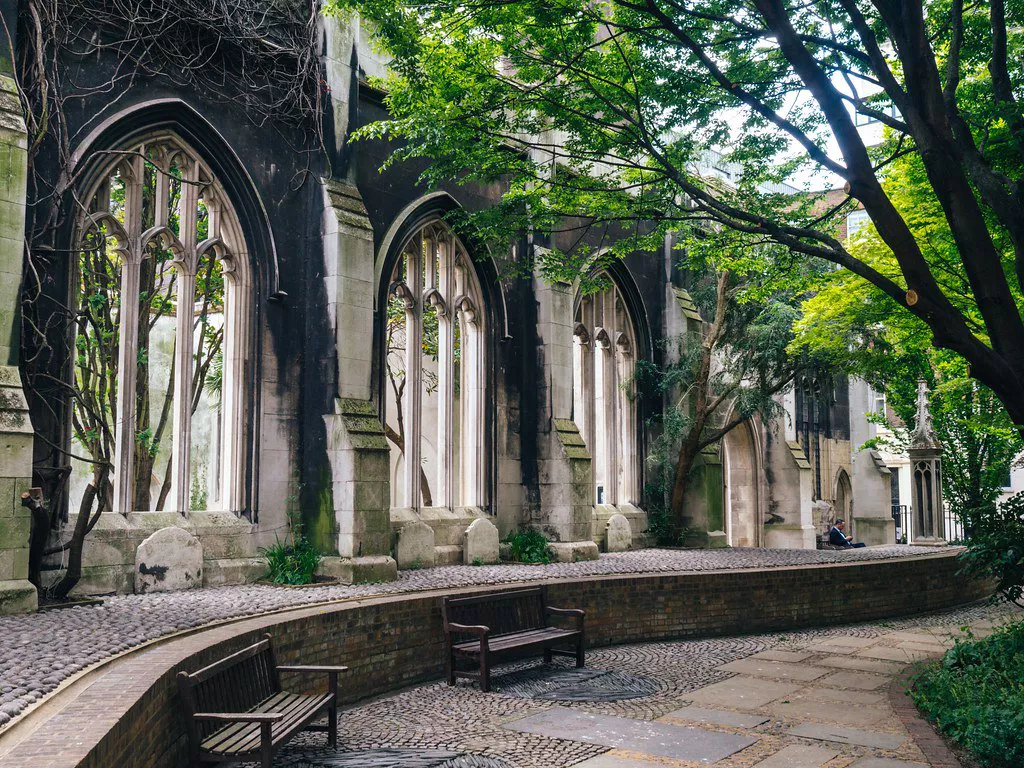
The City of London’s page for St Dunstan in the East Church Garden describes it as a unique space set within the ruins of a Wren church. Visit London adds the crucial wartime context: the church was bombed in the Blitz in 1941, and the ruins were later turned into a public garden.
That is why the place lands so well. You are not standing in “just a garden.” You are standing inside a fragment of London that was damaged, not erased. It gives you beauty and historical weight at the same time, which is rare.
12. Postman’s Park
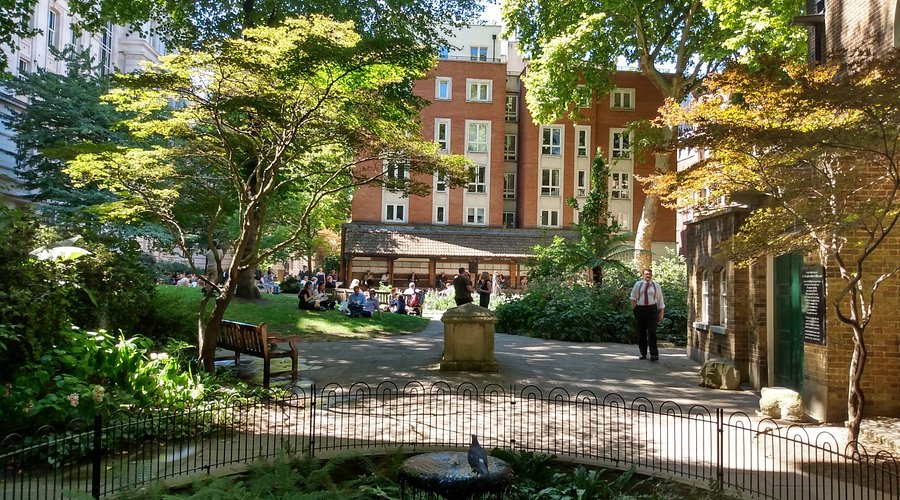
Postman’s Park is one of the best examples of a hidden stop becoming unforgettable through context. The City of London notes that it takes its name from nearby postal workers and is home to the Watts Memorial to Heroic Self-Sacrifice, built in 1900.
The emotional force here is the point. You do not come for size or spectacle. You come because the memorial tiles turn a small garden into one of the most human spaces in central London. It is the kind of place that resets the tone of a day.
13. Hill Garden & Pergola (Hampstead Heath)
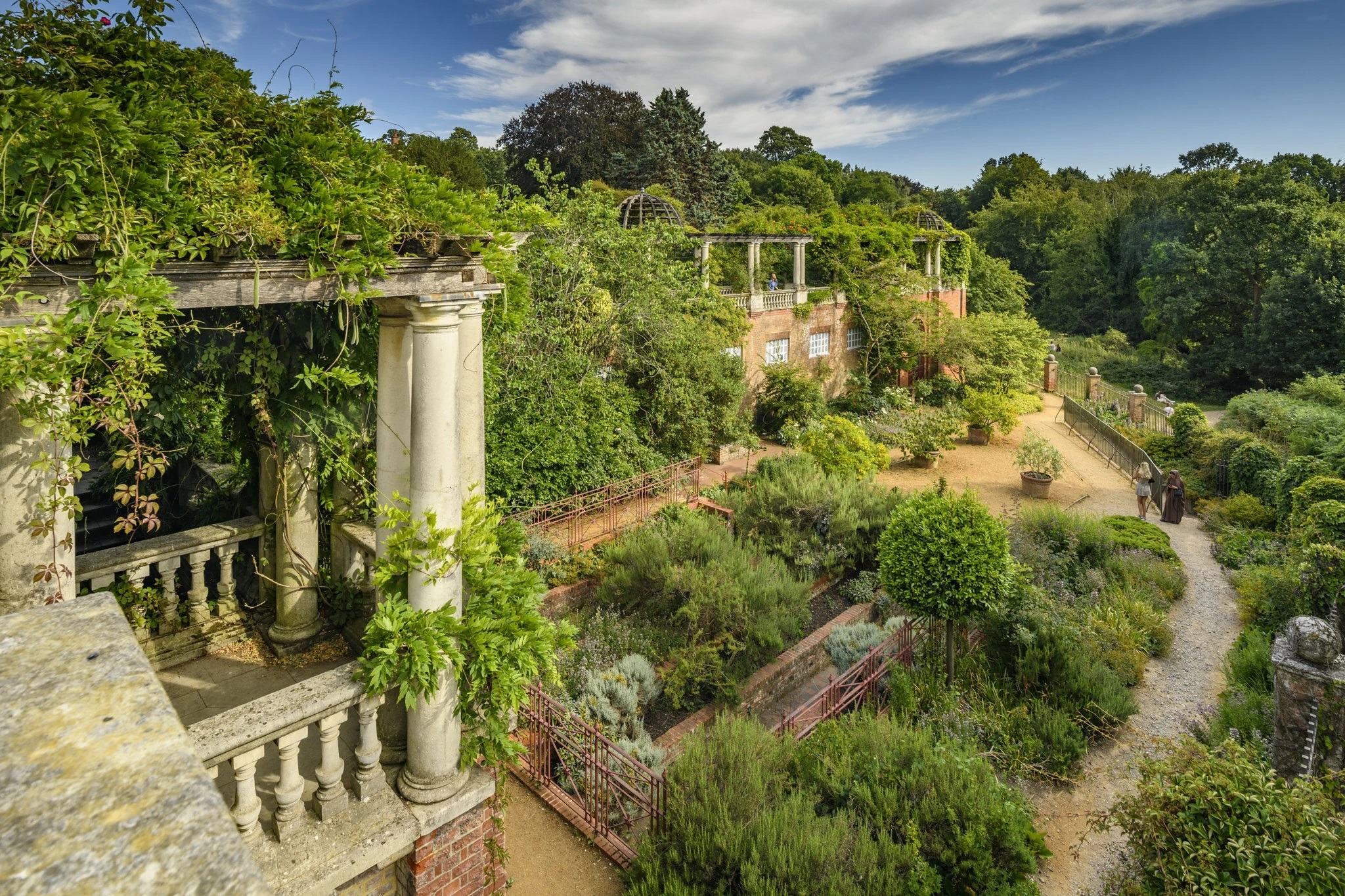
The Hill Garden & Pergola is widely considered one of London’s most romantic and atmospheric "hidden" gems. Originally part of the sprawling estate of Lord Leverhulme-the founder of Lever Brothers (now Unilever)-this Grade II-listed structure was designed by architect Thomas Mawson to provide a grand, elevated walkway for entertaining guests.
It is a useful reminder that hidden London is not only urban and historical. Some of the city’s best-kept experiences are elevated, leafy, and slightly dreamlike.
14. Barbican Conservatory
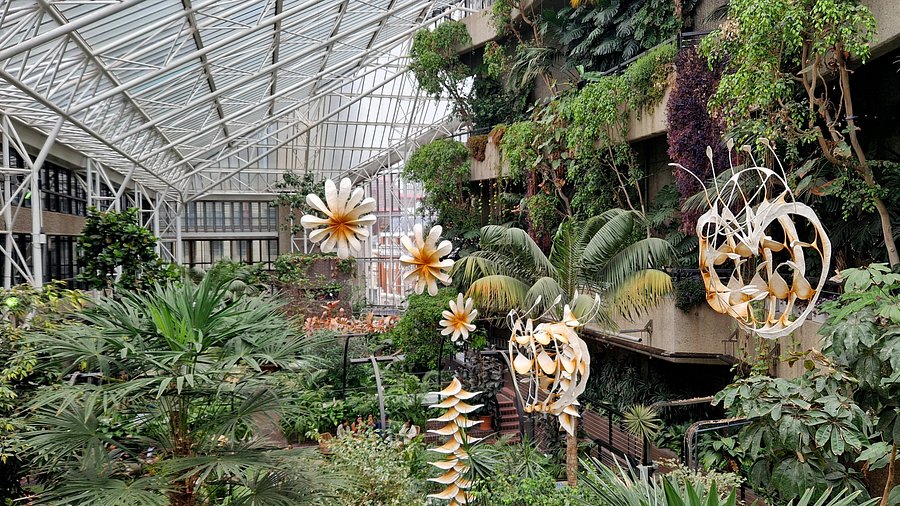
The Barbican Conservatory is a surreal, lush tropical paradise hidden in the heart of London’s iconic Brutalist Barbican Estate.
Opened in 1984, this glass-roofed oasis was originally designed to cleverly conceal the fly tower of the Barbican Theatre below, but it has since evolved into the second-largest conservatory in London, housing over 1,500 species of plants and trees.
It is one of the strongest reminders that hidden London often appears where the city’s surfaces seem least likely to soften.
15. Kyoto Garden (Holland Park)
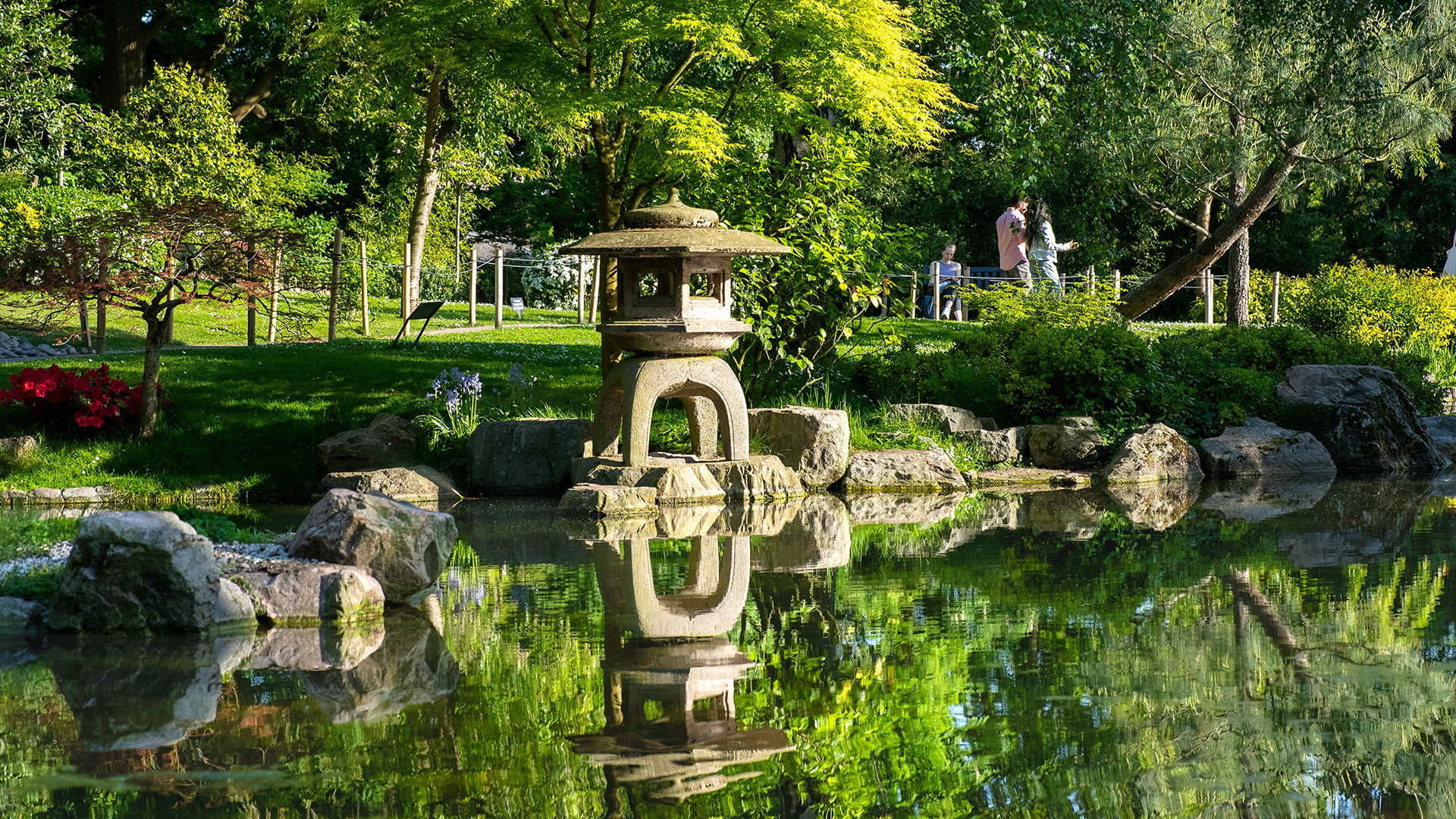
The Kyoto Garden in Holland Park is a tranquil, authentic Japanese garden gifted to London by the city of Kyoto in 1991 to commemorate the long-standing friendship between Japan and the UK.
It is a masterclass in garden design, featuring a cascading tiered waterfall, serene koi-filled ponds, and carefully placed stone lanterns that create a deeply meditative atmosphere amidst the bustling city.
16. Phoenix Garden
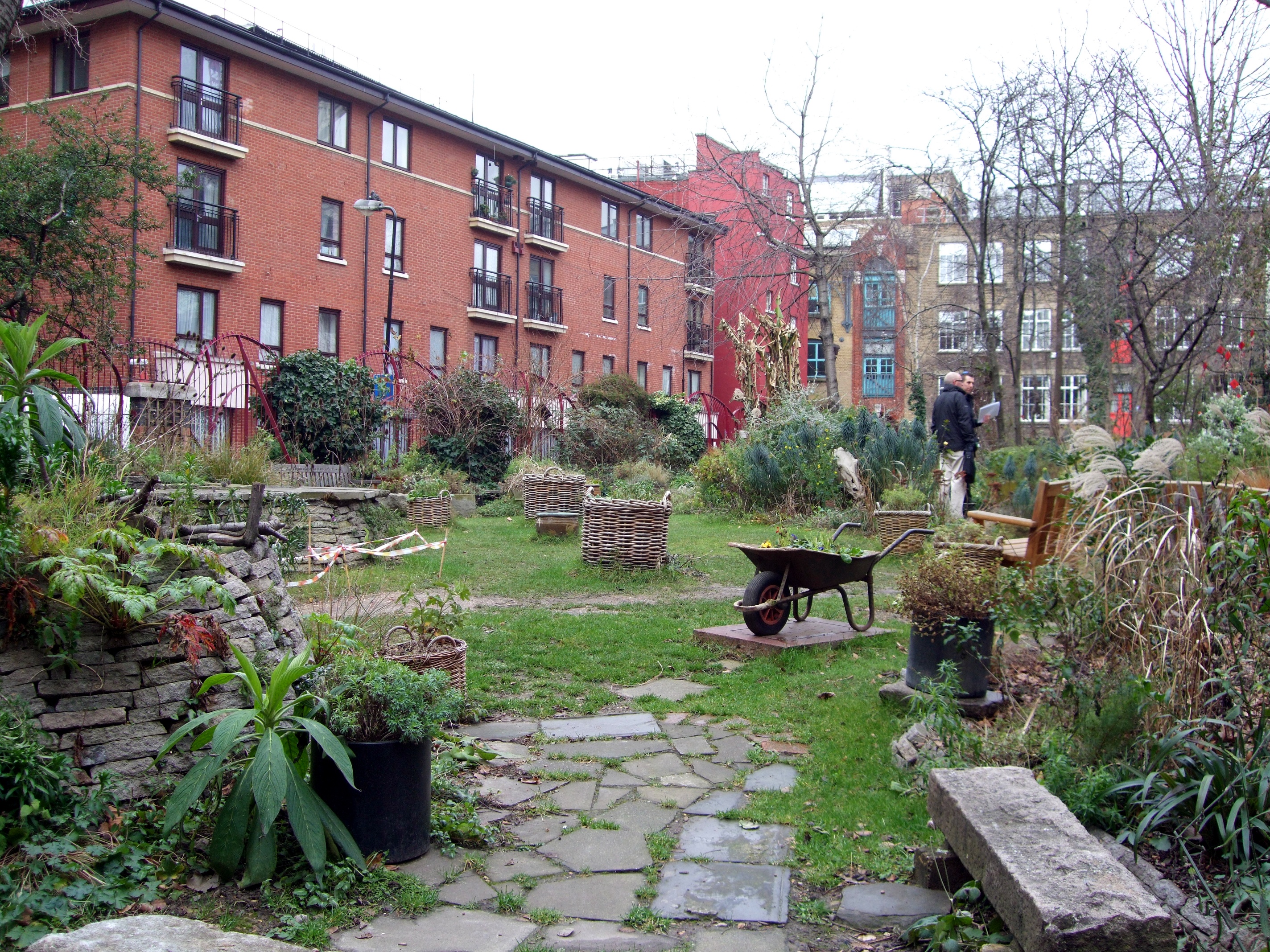
Tucked away in the middle of Soho, this volunteer-run community garden is a tranquil, biodiversity-rich patch of green hidden behind the city's busiest streets. It provides a rare, quiet sanctuary for a lunch break, offering a complete contrast to the chaotic energy of Oxford Street just around the corner.
It shows a quieter version of hidden London - one based not on grandeur, but on survival, enclosure, and relief from the city’s pace.
17. Isabella Plantation
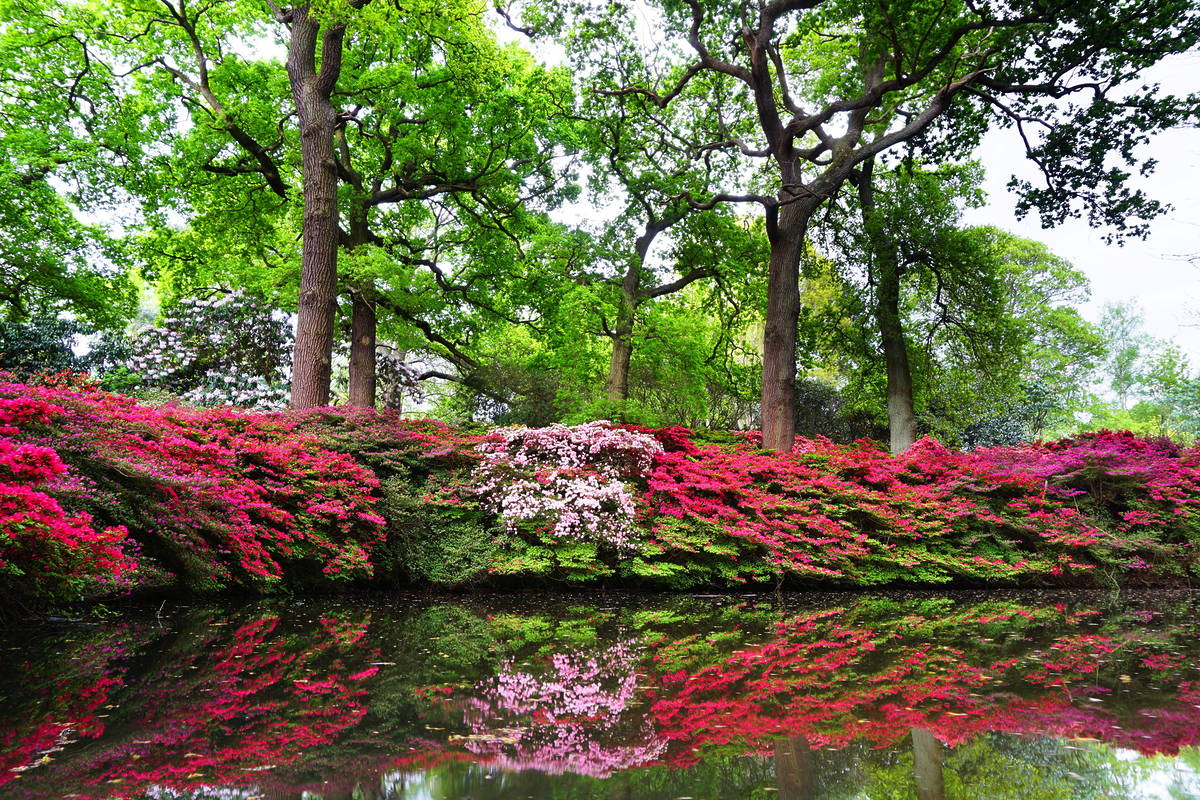
Located deep within Richmond Park, this 40-acre woodland garden is famous for its vibrant azaleas and rhododendrons that bloom in spectacular color during the spring. It feels miles away from the urban sprawl, offering an enchanted, wilder landscape that is significantly more immersive than London’s typical manicured parks.
It earns its place because it reveals a version of the city that visitors often underestimate - one where hidden experiences come through planting, color, and immersion in landscape rather than architecture or monuments.
Free Historical Detours
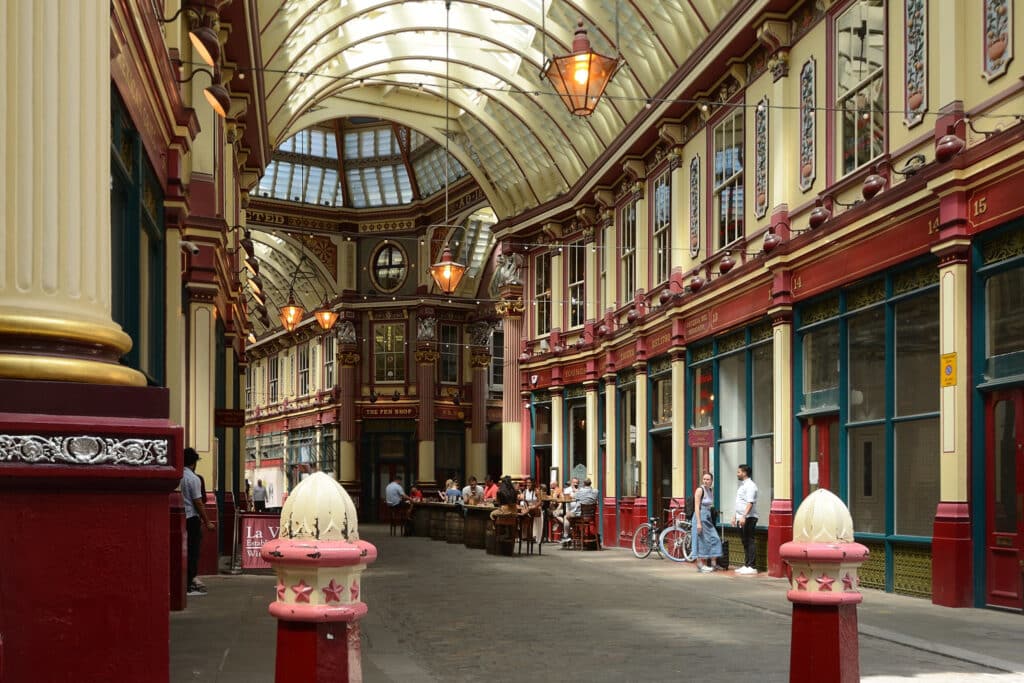
18. Leadenhall Market
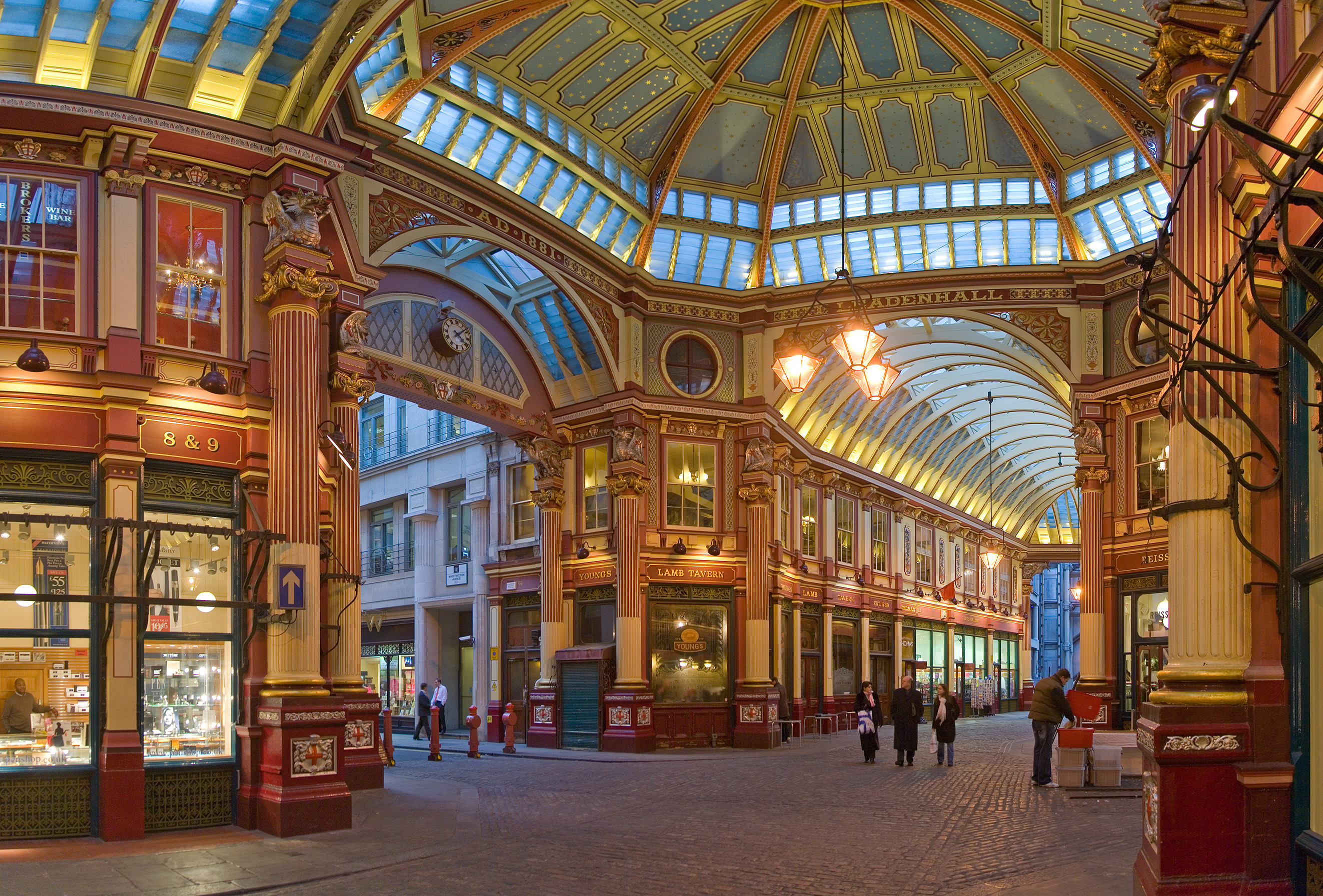
Leadenhall Marketdeserves to be in the “secret London” pieces.
What matters here is not just the Victorian market architecture. It is the fact that this area sits on the site of part of Roman London’s forum and basilica. That makes Leadenhall a place where Roman civic history, mercantile London, and contemporary office life sit almost on top of each other.
It is not the most “hidden” place in London in a strict sense, but it is one of the best examples of a location that becomes far richer once you understand what it stands on.
19. Aldgate Pump
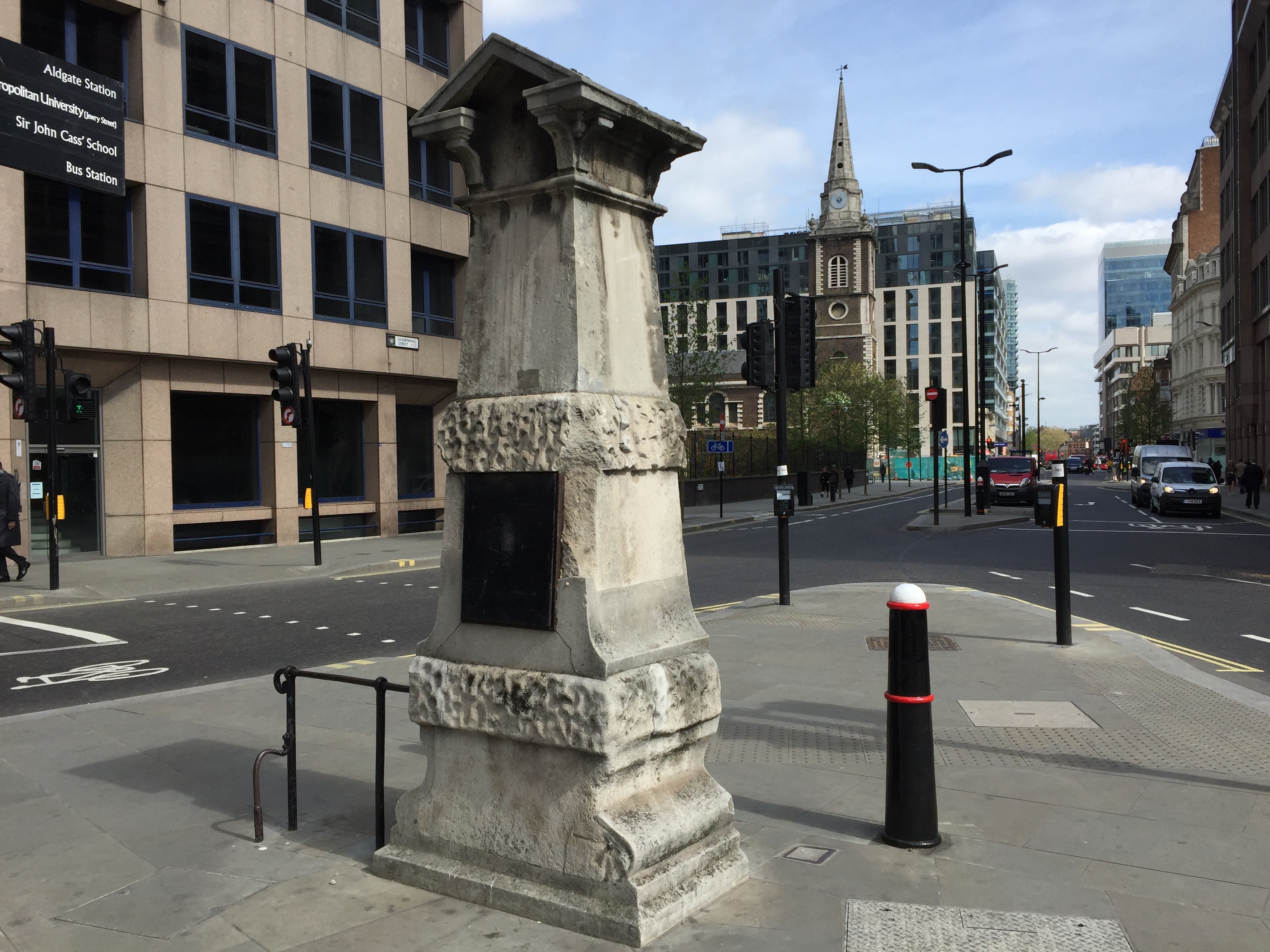
The Aldgate Pump is exactly the sort of detail many visitors pass without decoding. Heritage of London notes that it marks the point from which mileages east of London are calculated, that a well at Aldgate was mentioned in the early 13th century, and that a pump stood here from the late 16th century. Historic England adds that the surviving structure is Grade II listed and includes a brass spout in the form of an animal’s head.
This is one of London’s best examples of a hidden secret as urban factrather than destination. You do not plan a whole day around it. You use it to make the city legible.
20. The Golden Boy Of Pye Corner
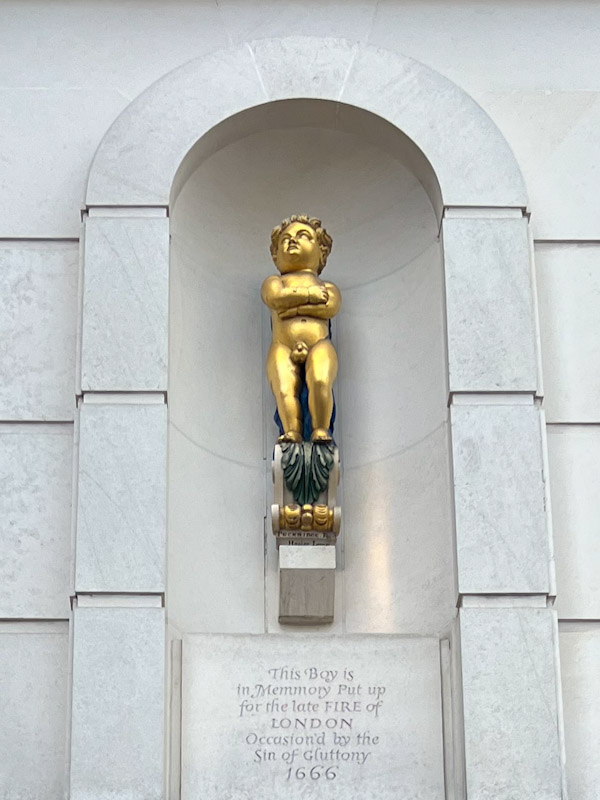
Historic England’s listing for the Golden Boy of Pye Corner says the late 17th-century carved and painted figure was erected to mark the point where the Great Fire of 1666 was finally extinguished.
21. York Water Gate
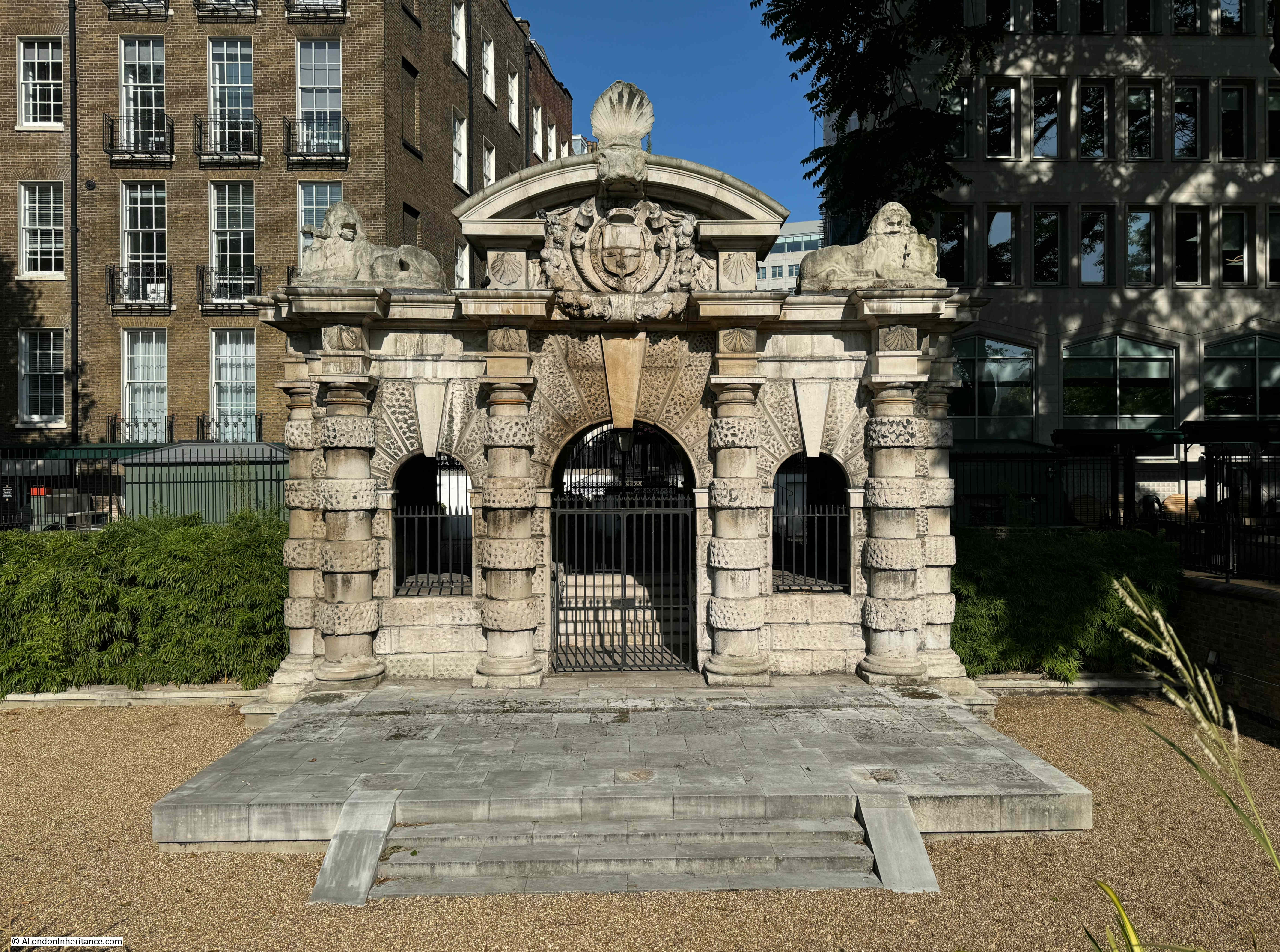
York Water Gate is one of the best hidden London facts made stone. Historic England describes it as a former Thameside water gate, built in 1626, now sitting in what is today Victoria Embankment Gardens.
That matters because it lets you see London’s geography as something changeable, not fixed. The river edge moved. Land was reclaimed. A waterside gateway became an inland curiosity. That is hidden London in one glance.
22. 41 Cloth Fair
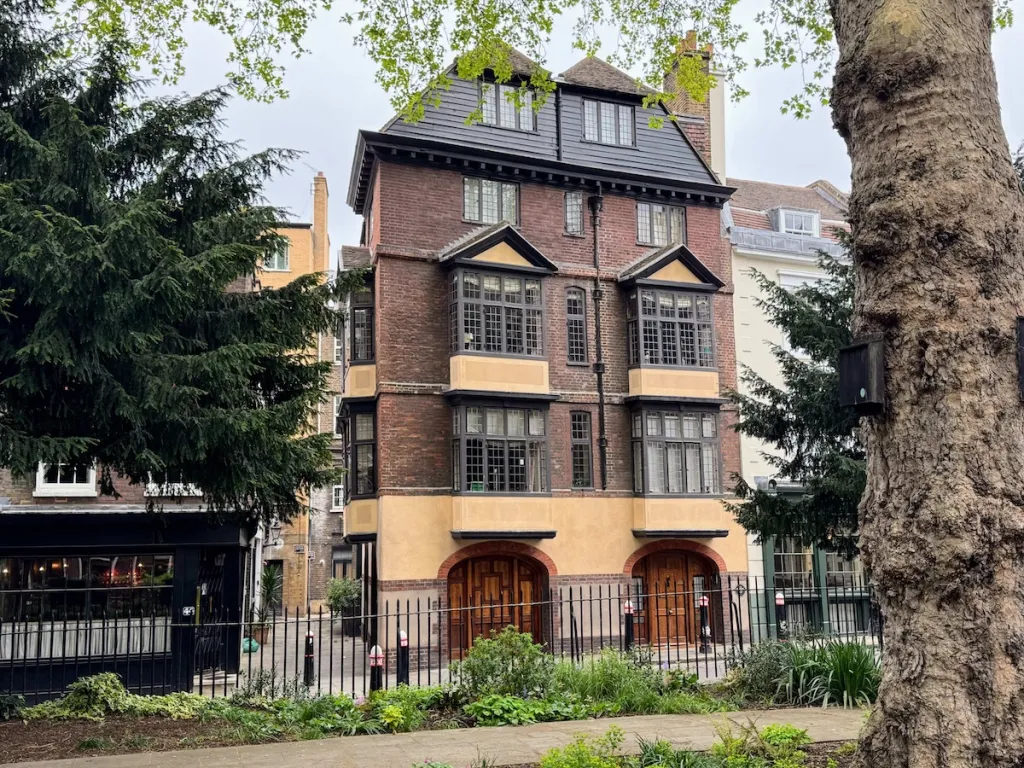
41 and 42 Cloth Fair deserve more attention in “secret London” writing than they usually get. Historic England’s official entry identifies them as an early 17th-century house, notes their sensitive 1930 restoration, and states plainly that the building is of particular interest because it survived the Great Fire of London.
That makes Cloth Fair one of the strongest fact-led stops in the City. Even if you only view it from outside, it turns the abstract phrase “survived the Great Fire” into something architectural and immediate.
23. St Bartholomew’s Gatehouse
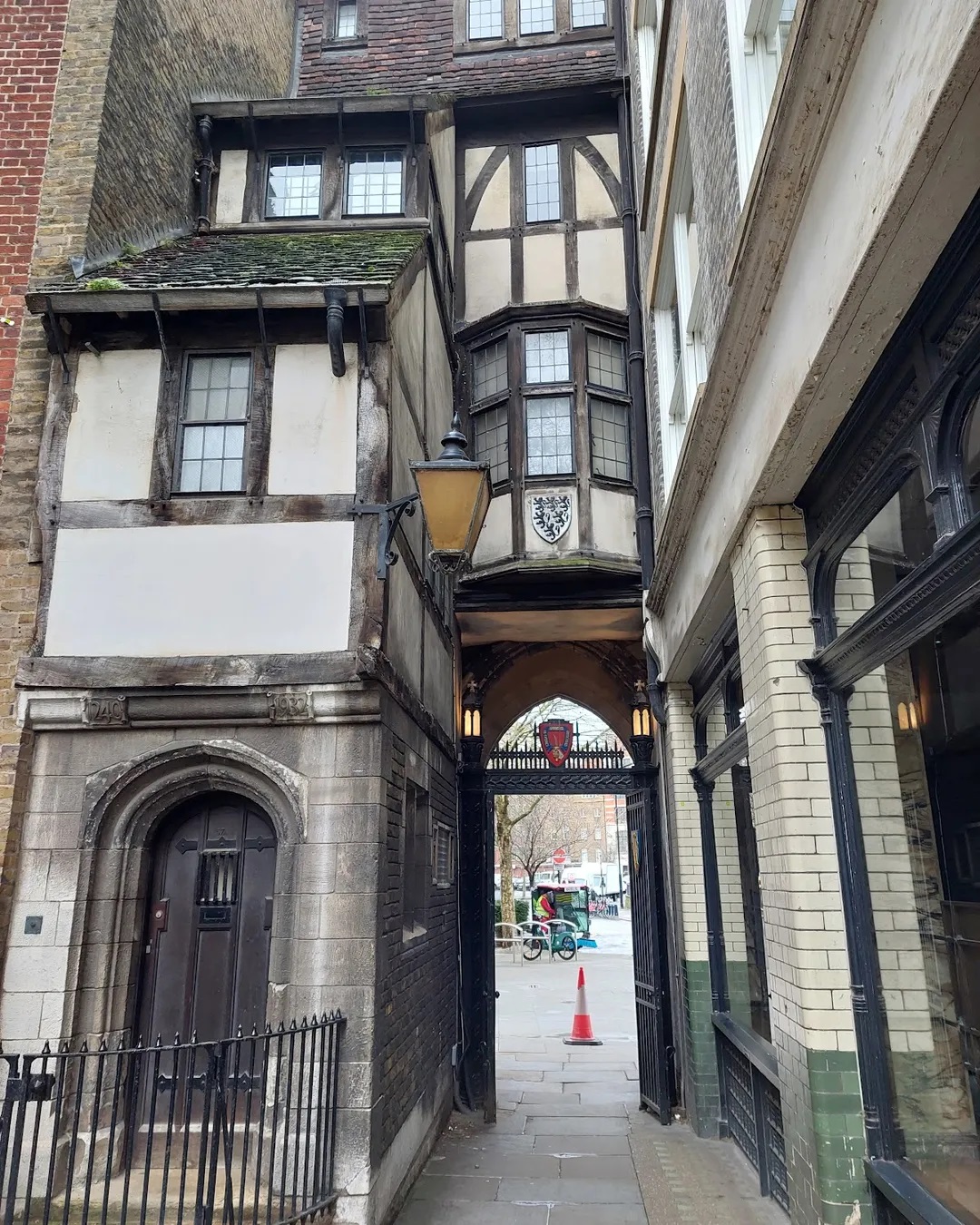
The Heritage of London Trust’s restoration page for the gatehouse of St Bartholomew the Great explains that the church dates from 1123, that it is the oldest church in the City of London, and that its half-timbered gatehouse was added in 1595above a 13th-century arch.
The page also notes the unforgettable detail that a WWI Zeppelin raid blew open a Georgian shopfront and revealed the Tudor structure underneath.
That is almost the perfect hidden-London story: an older city concealed by a newer one, then suddenly exposed again by modern violence.
24. London Stone
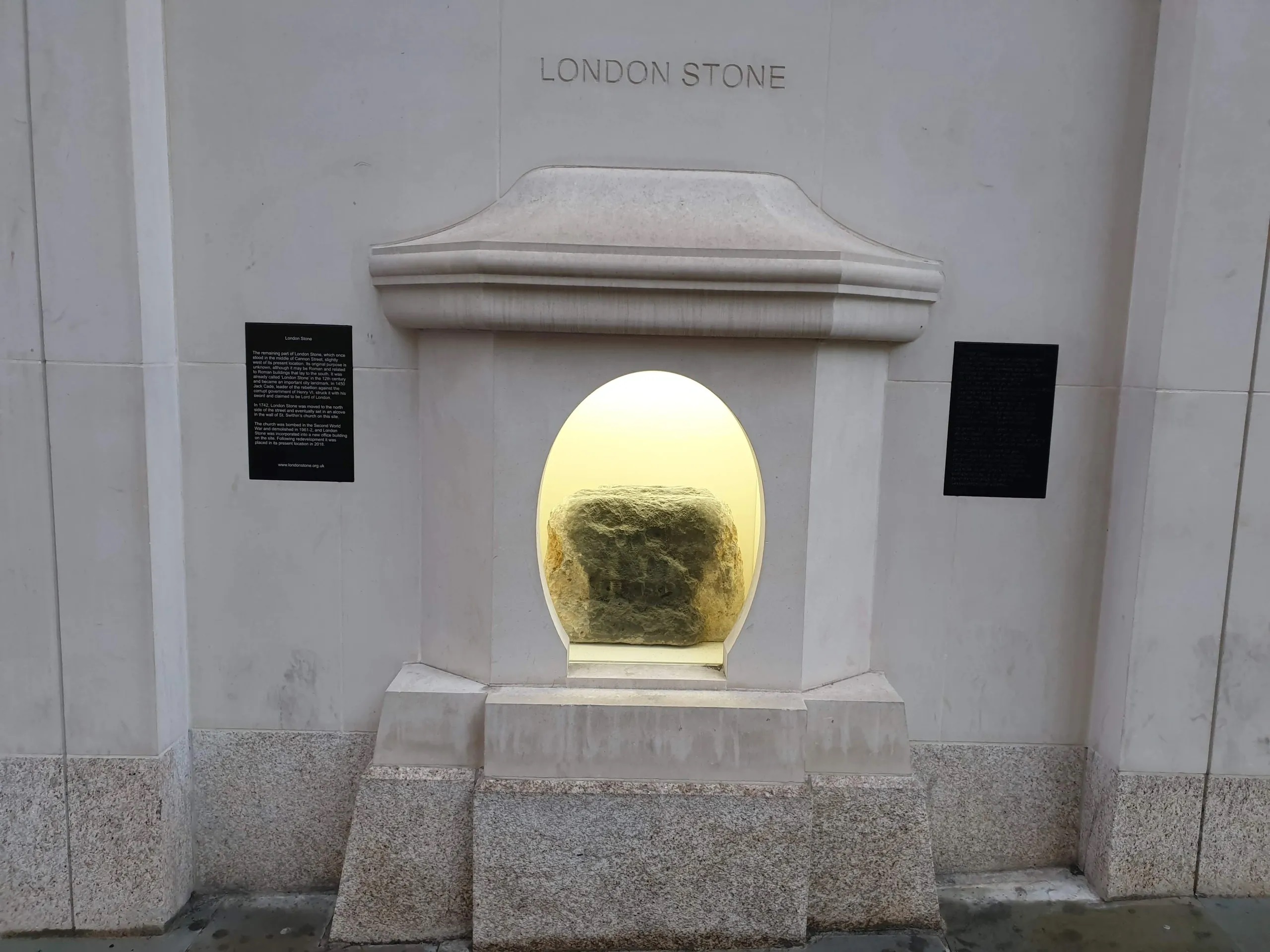
Housed behind a glass casing at 111 Cannon Street, this unassuming block of limestone is a legendary relic considered the symbolic heart and protective "palladium" of the city.
While its exact Roman or medieval origins remain a mystery, folklore suggests that the safety of London itself is tied to the stone's preservation. It serves as a quiet, ancient anchor amidst the modern glass skyscrapers of the financial district.
Free Quirky Discoveries
25. Greenwich Foot Tunnel
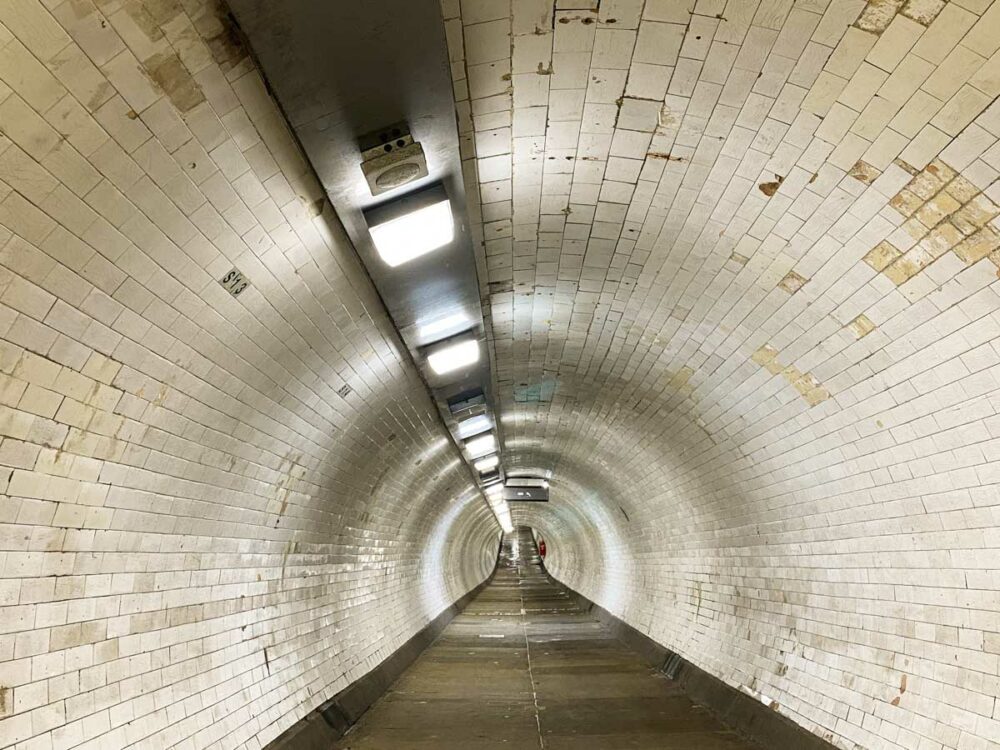
The Greenwich Foot Tunnel is a historic pedestrian underpass that connects Greenwich on the south bank of the River Thames to Island Gardens on the Isle of Dogs to the north.
Opened in 1902, the tunnel was originally designed to provide dockworkers with a reliable, all-weather route to the shipyards, replacing an unpredictable ferry service.
It is not simply a viewpoint or a pretty stop; it is a piece of working infrastructure that still feels slightly surreal to walk through.
26. Britain’s Smallest Police Station
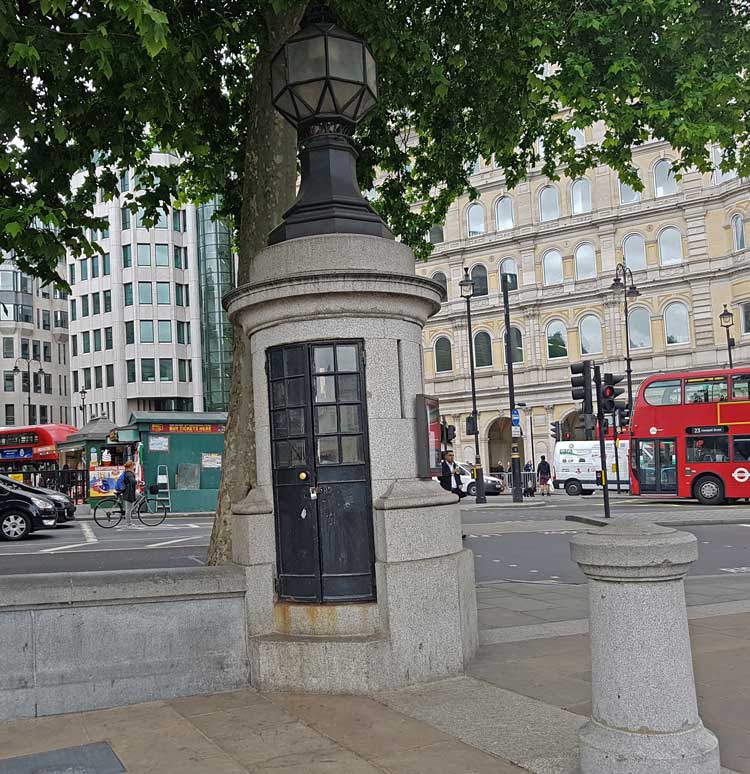
Located in the southeast corner of Trafalgar Square, Britain's smallest police station is a tiny stone box hollowed out from a Victorian lamppost plinth in 1926.
Designed as a discreet lookout post to monitor protests, it once featured narrow observation slits and a direct phone line to Scotland Yard that triggered a flashing light on top to summon nearby officers.
27. Cecil Court
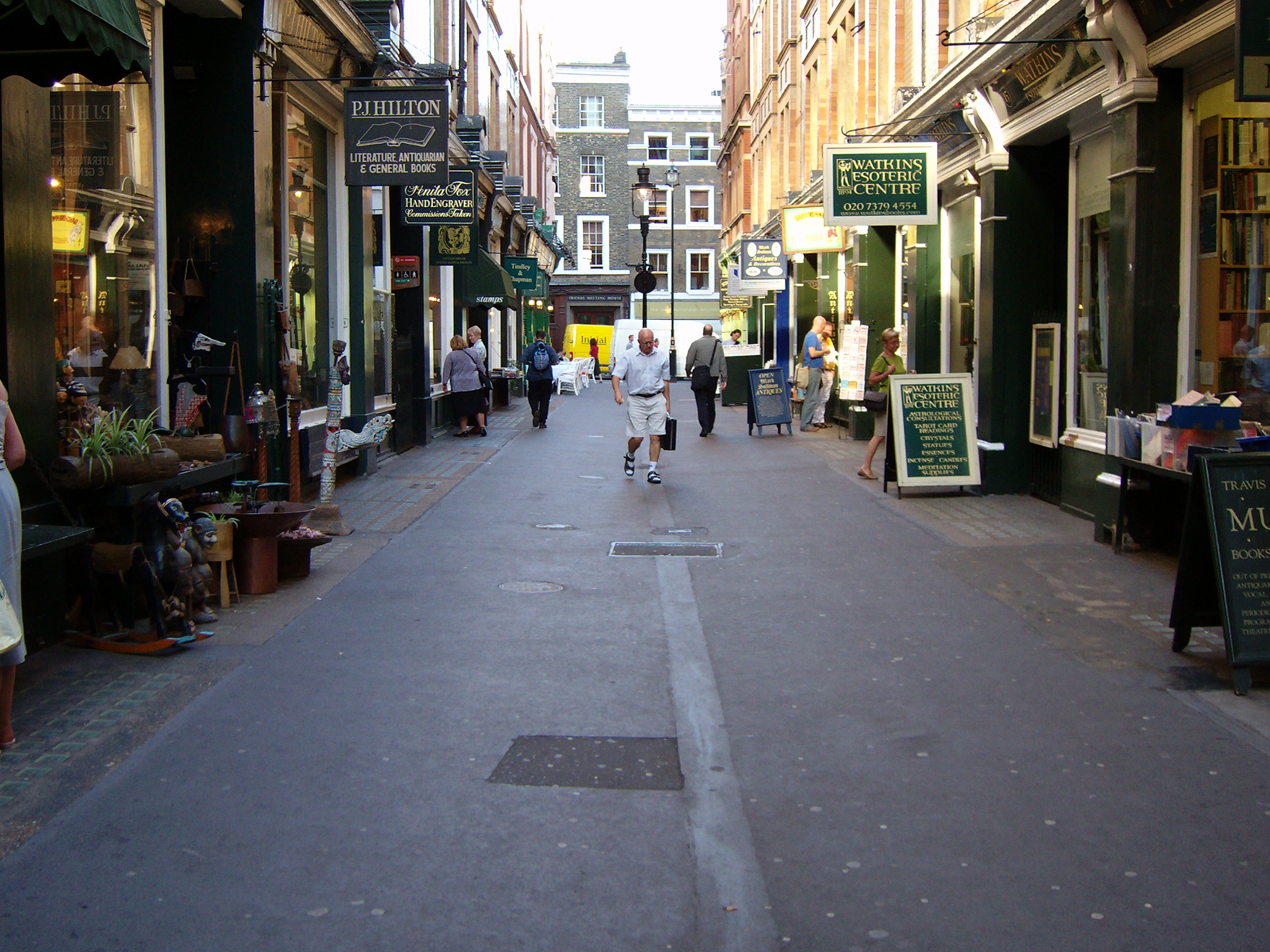
Cecil Court official site describes it as a West End street with roots in the 17th century and a destination for art, antiques, books, culture, and curiosities.
This atmospheric lane was the childhood home of Wolfgang Amadeus Mozart in 1764 and later served as the headquarters for early British cinema, earning it the nickname "Flicker Alley."
28. Neal's Yard
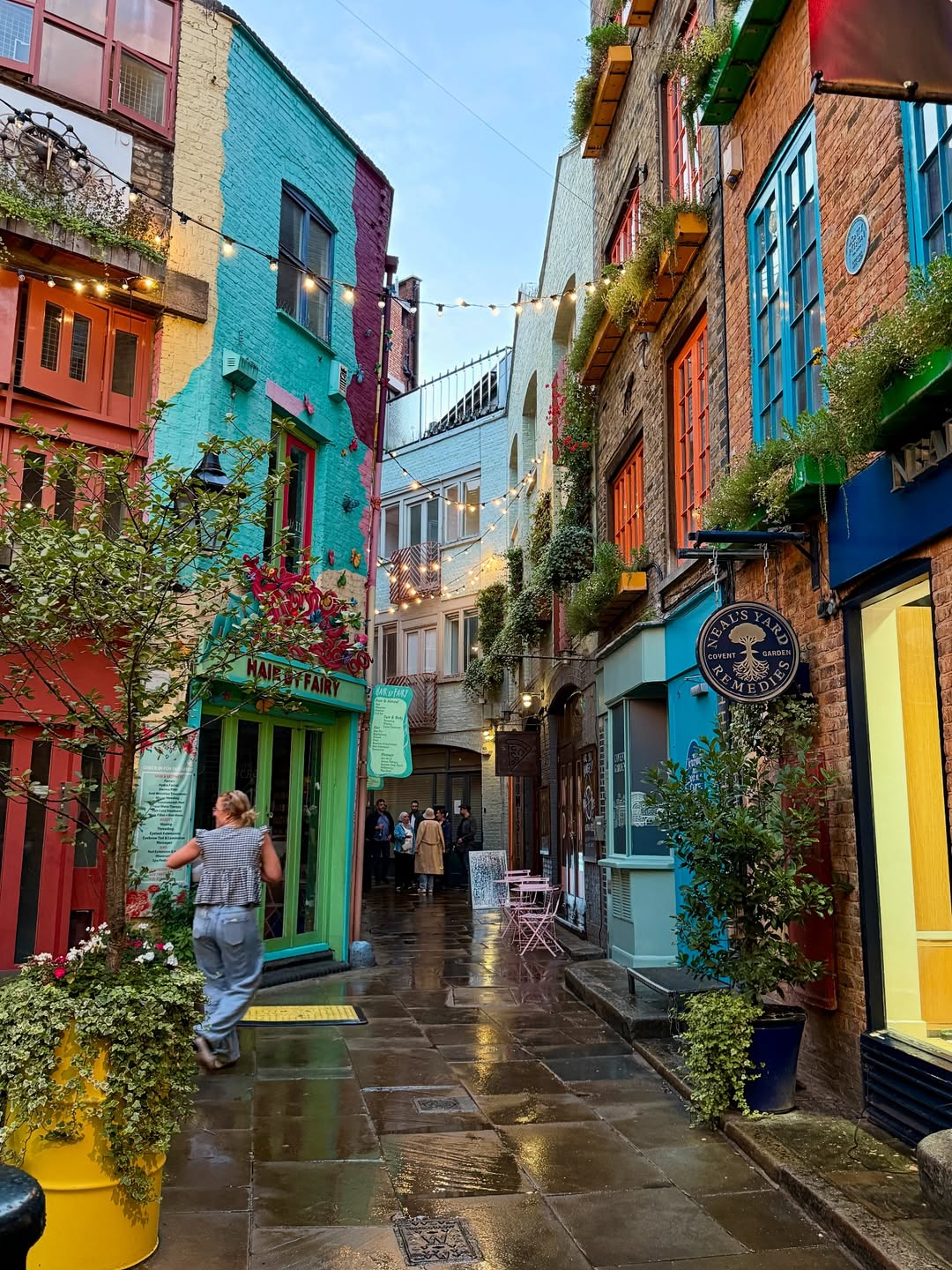
Neal's Yard is a vibrant, colorful, and hidden courtyard tucked away in London's Covent Gardendistrict. Once a derelict alleyway, it was transformed in the 1970s into a peaceful, bohemian-style oasis featuring a variety of independent shops, cafes, and restaurants.
Fact: 1970s hippie hub; now organic shops, named after 17th-century developer.
29. Crystal Palace Dinosaurs

Commissioned in 1852 to accompany the relocated Crystal Palace, these 30 Grade I-listed sculptures were the world’s first life-sized, three-dimensional attempts to reconstruct extinct animals from fossils.
Sculptor Benjamin Waterhouse Hawkins worked under the guidance of biologist Sir Richard Owen to create these "monsters," famously hosting a celebratory New Year’s Eve dinner inside the hollow belly of a half-finished Iguanodonin 1853.
30. The Smallest Statue In London (Philpot Lane Mice Sculpture)
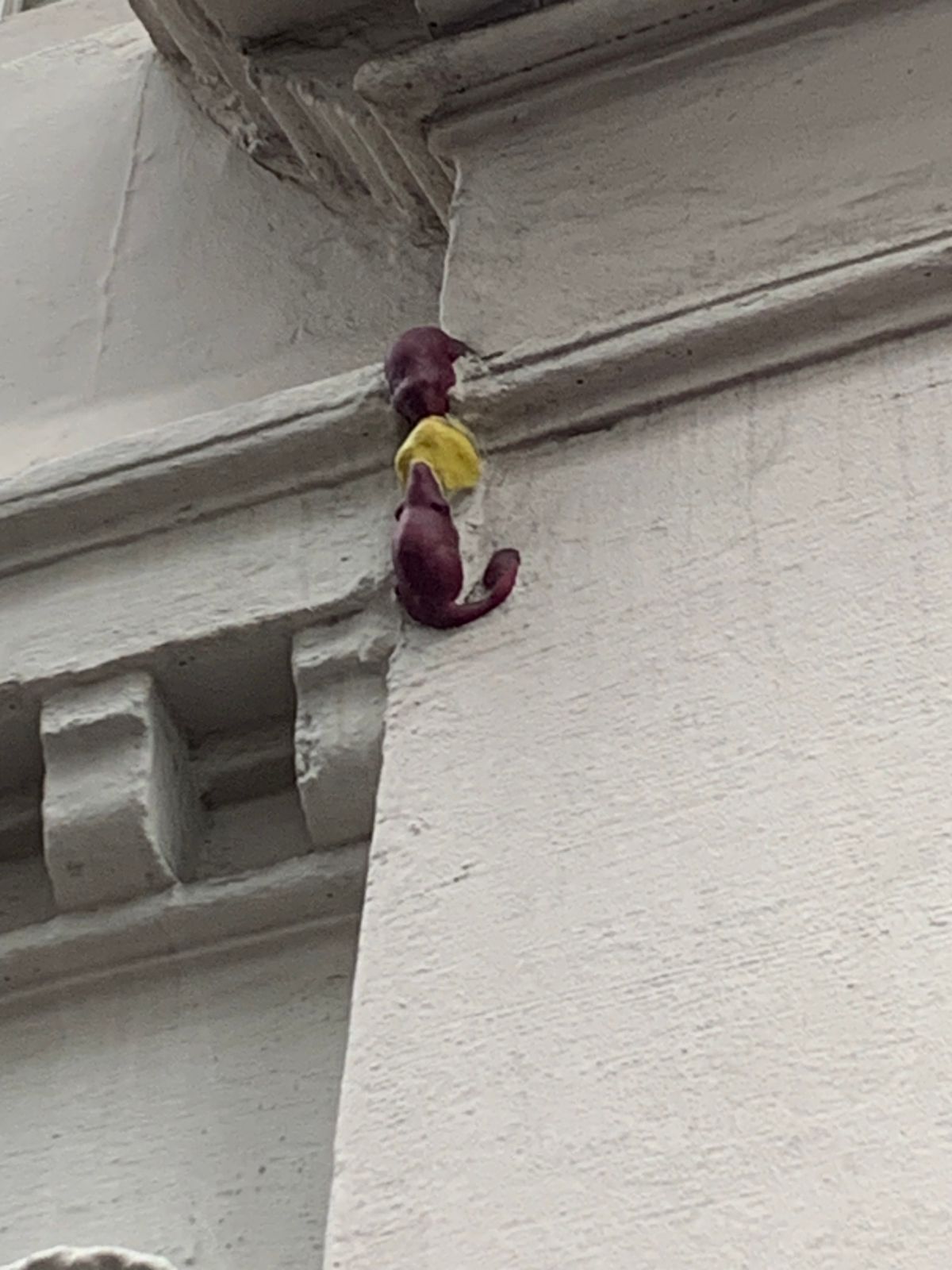
On the side of a building on Philpot Lane, look up to see two tiny mice fighting over a piece of cheese. Legend says it was carved in memory of two builders who fell to their deaths during an argument over a missing sandwich (which was actually eaten by mice).
31. Seven Noses Of Soho
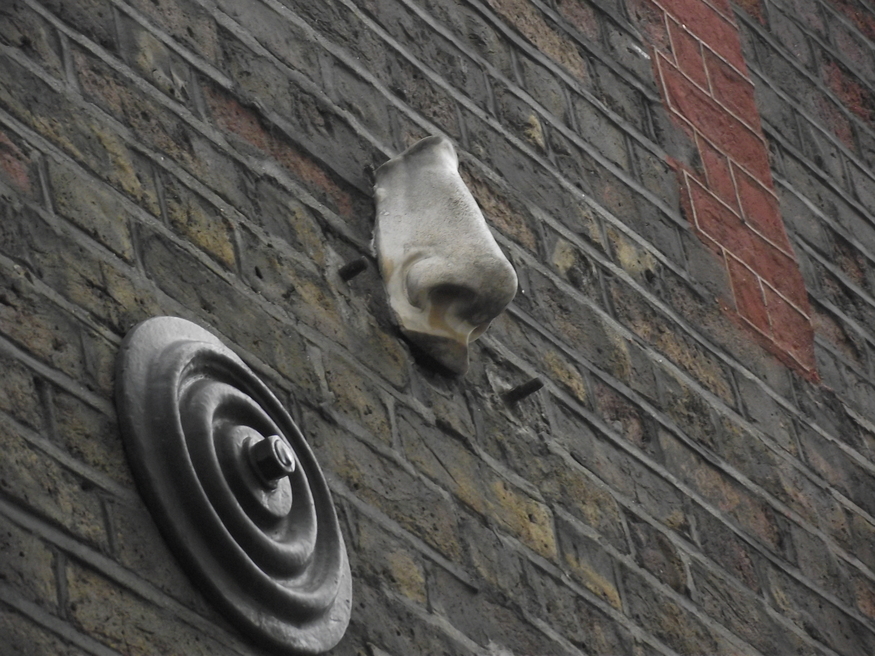
The Seven Noses of Soho are a collection of enigmatic, plaster-of-Paris sculptures depicting the nose of artist Rick Buckley, which he secretly attached to buildings across London in 1997.
Buckley created the installation as a guerrilla art protest against the rapid proliferation of CCTV cameras, intentionally placing them "under the noses" of the surveillance state.
32. Fake Houses (23-24 Leinster Gardens)
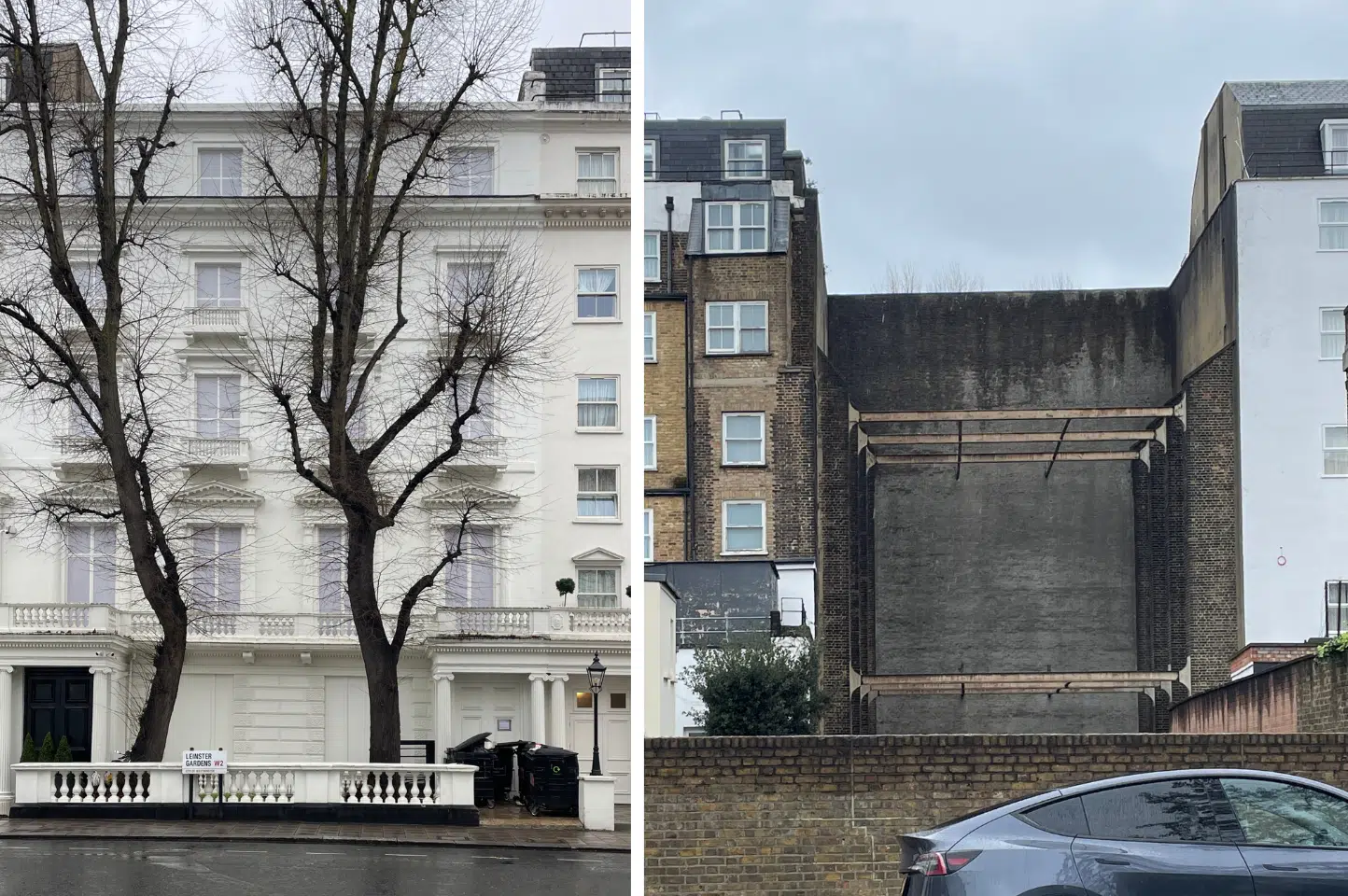
The "Fake Houses" at 23 and 24 Leinster Gardens in Bayswater are one of London’s most delightful architectural pranks. From the street, they appear to be two grand, high-end Victorian townhouses that perfectly match their neighbors, but a closer look reveals a startling secret: they are nothing but a hollow, five-foot-thick facade.
Free Scenic And Waterside Hidden London
33. Shad Thames
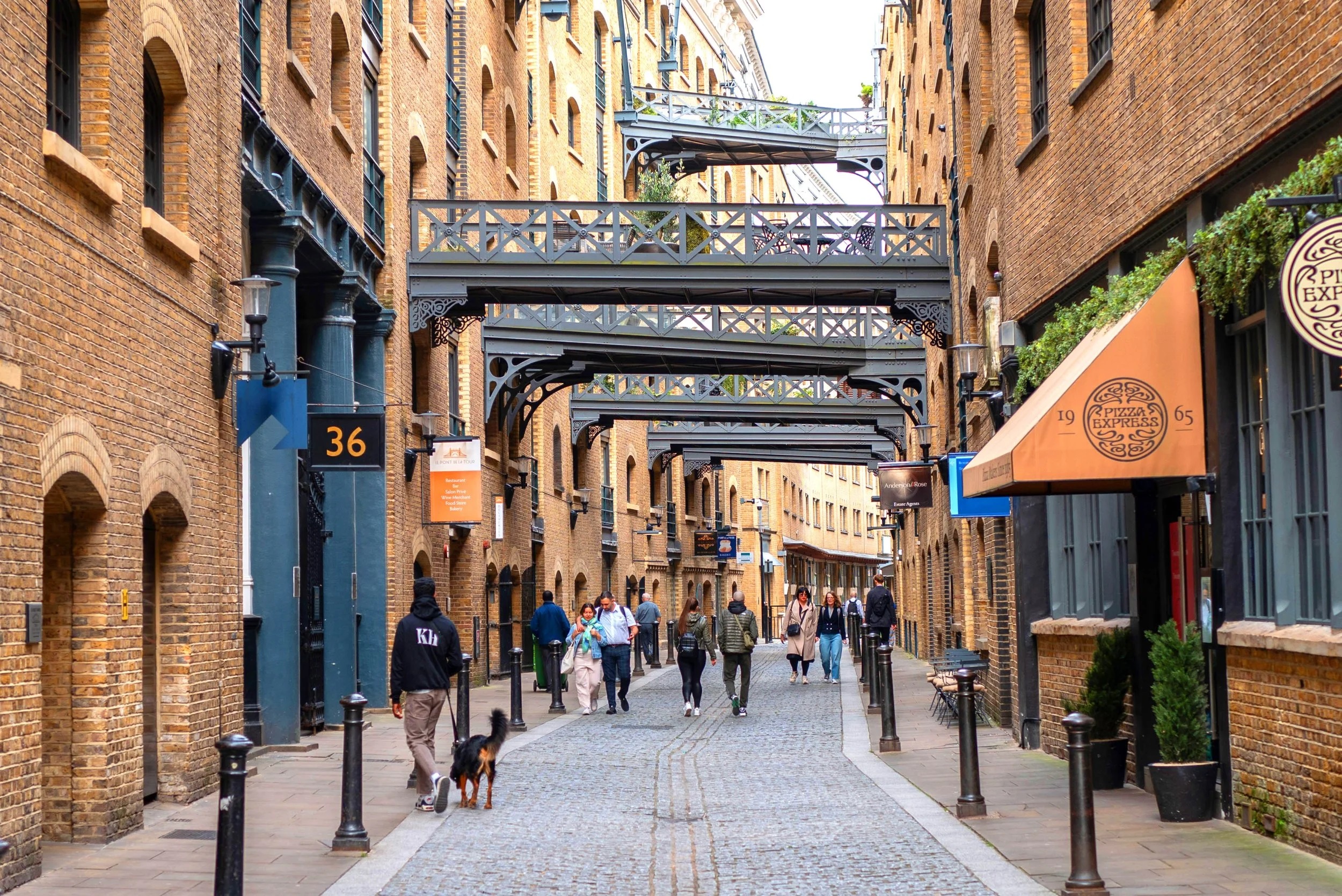
Shad Thames is a historic riverside street in London known for its distinctive 19th-century warehouses and the overhead iron walkways that once allowed dockworkers to move goods between buildings.
Located just east of Tower Bridge, the area has been converted into a vibrant neighborhood of high-end apartments, shops, and restaurants while strictly preserving its atmospheric Victorian industrial character.
34. Little Venice Canals
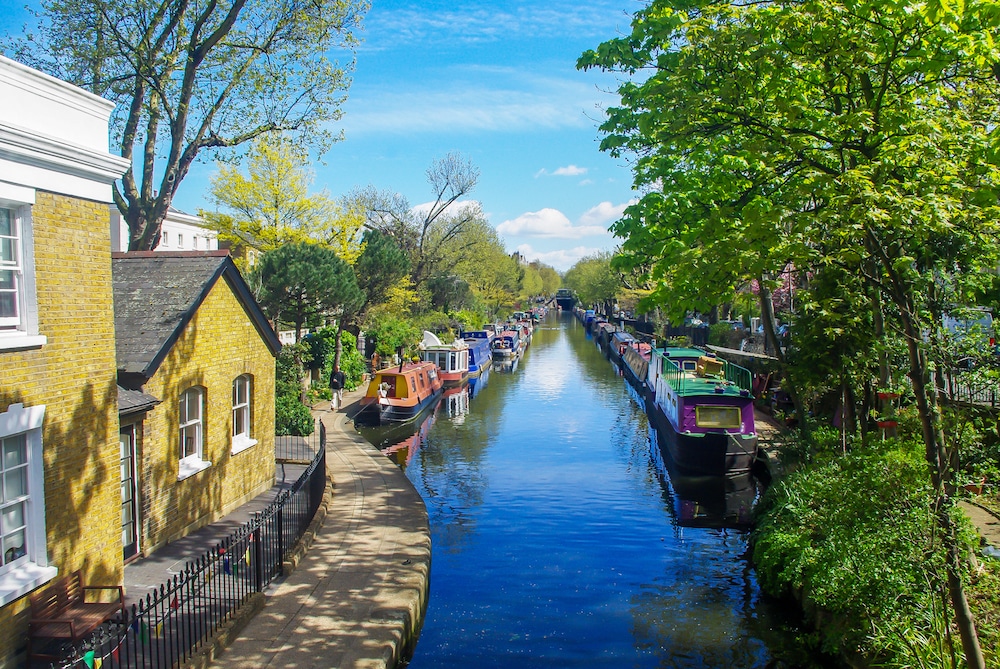
Little Venice is a picturesque oasis in Maida Vale where the Grand Union Canal and the Regent’s Canal meet. Known for its tranquil atmosphere, this area is defined by its wide, tree-lined waterways, brightly painted narrowboats, and elegant Regency-style townhouses that overlook the water.
Fact: Named by poet Robert Browning; home to houseboats and the Canal Cavalcade festival since 1983.
The canal route shows that London is not only a city of streets and grand facades. It is also a city of working waterways and quieter linear journeys that still feel partly separate from the urban grid around them.
Hidden London Neighborhoods That Reward Wandering
35. Spitalfields And Brick Lane
This area is a vibrant layer-cake of history, where 18th-century Huguenot silk-weaver houses stand alongside world-famous street art and bustling Bengali curry houses.
Visitors can discover "secret" spots like Wilton’s Music Hall or the candlelit Dennis Severs' House, which capture the neighborhood's transition from Victorian grit to modern creative hub. It remains the best place in Londonto see how centuries of immigration have shaped the city's unique cultural identity.
36. Clerkenwell
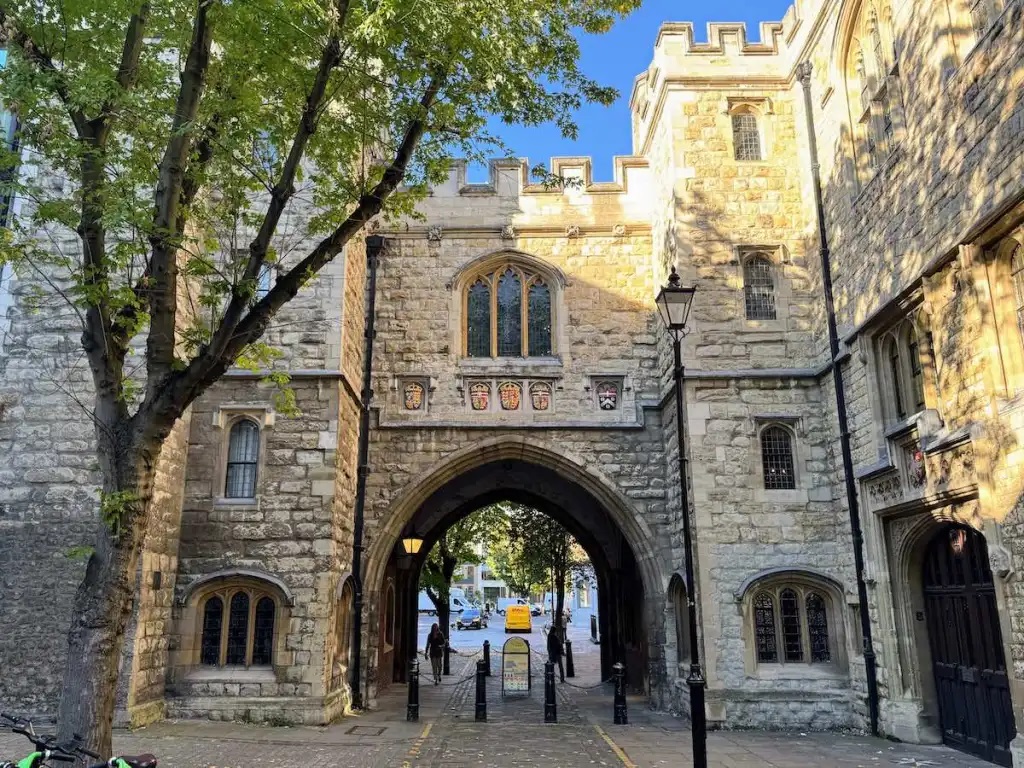
Known as London’s historic "well" district, this neighborhood hides medieval remnants like the 12th-century Crypt of St John and the original Clerk’s Well behind unassuming office facades.
It transitioned from a center of clockmaking and gin distilling to a design-focused enclave filled with cobblestone alleys and atmospheric courtyards like Bleeding Heart Yard. Today, it offers a sophisticated blend of industrial heritage and some of the city's most respected "hidden" culinary gems.
Hidden Museums, Interiors, And Underground Experiences
Historic Interiors
37. Sir John Soane’s Museum
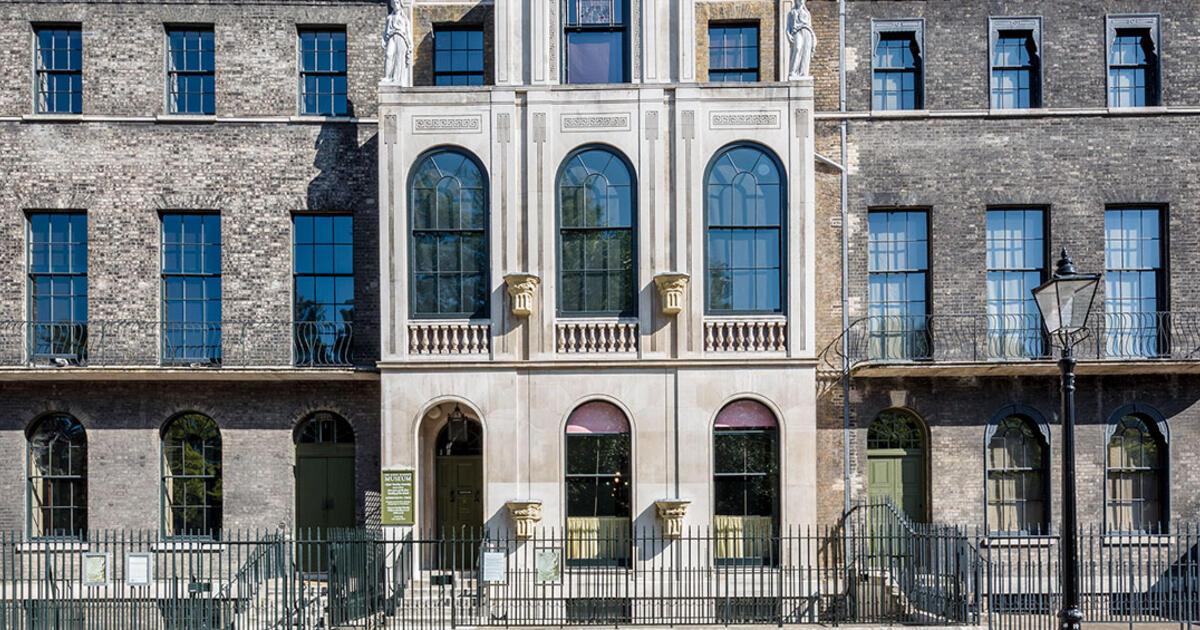
Sir John Soane’s Museum is one of the best hidden interiors in London because it feels less like a museum and more like a mind turned into architecture. The house is dense with antiquities, models, paintings, fragments, and strange juxtapositions, which makes it far more memorable than a standard heritage property.
38. Leighton House
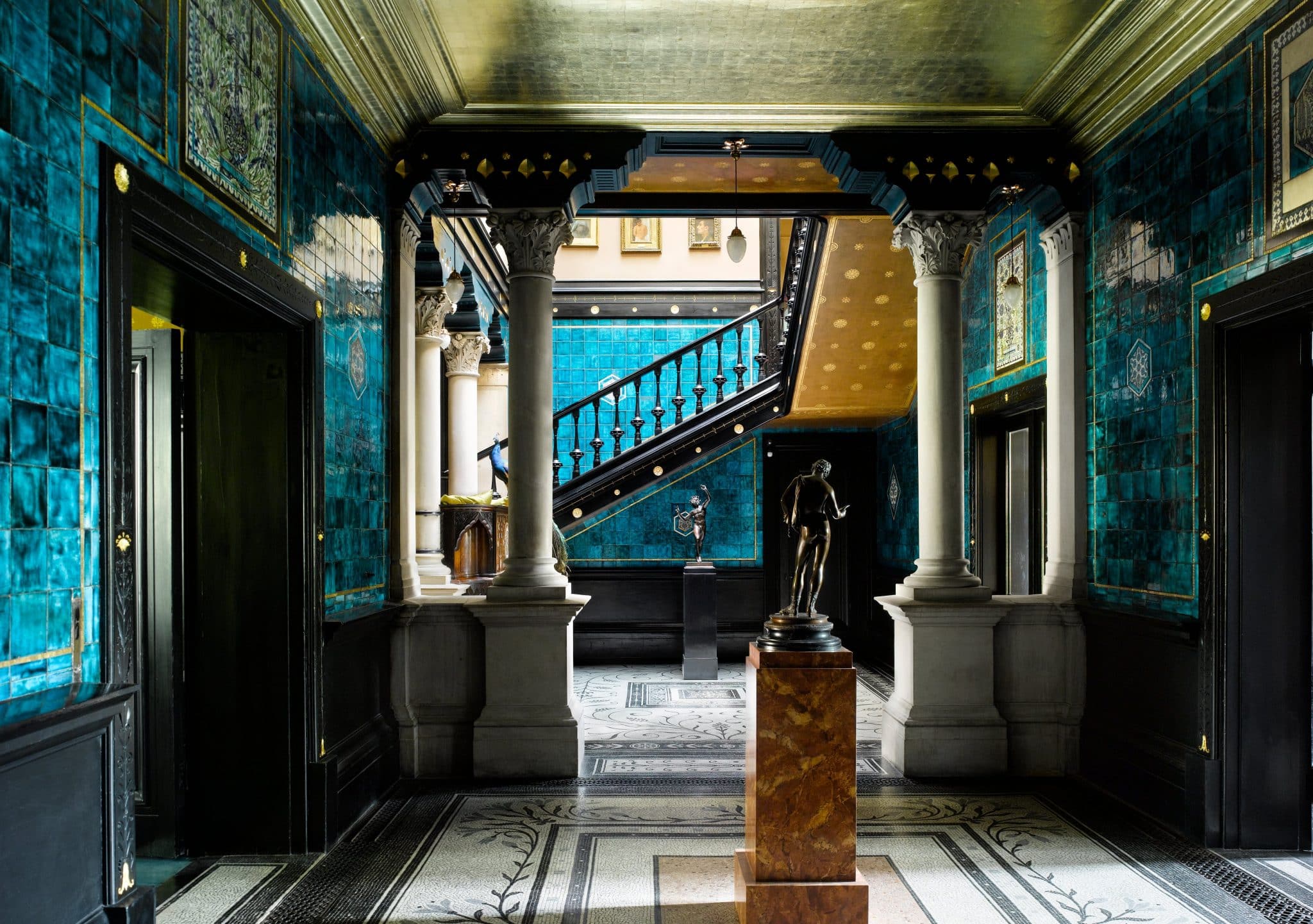
Leighton House is the extraordinary former home and studio of Victorian artist Frederic, Lord Leighton, famed for its breathtaking Arab Hall adorned with a golden dome and intricate 16th-century Iznik tiles.
This "private palace of art" in Kensington serves as a stunning example of the 19th-century Aesthetic Movement, showcasing a unique fusion of Middle Eastern design and classical European grandeur.
39. Painted Hall
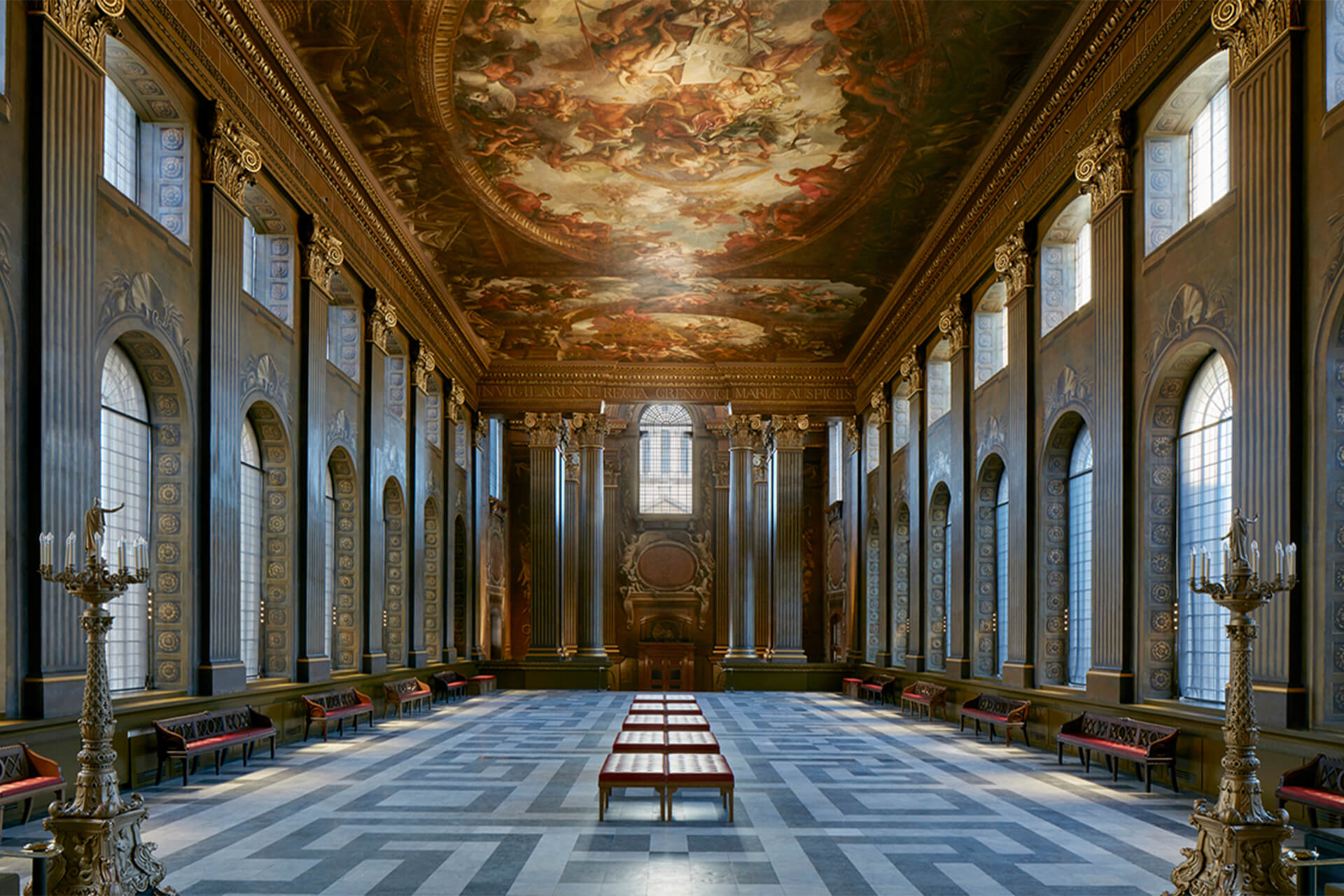
Often referred to as the "Sistine Chapel of the UK," this breathtaking Baroque masterpiece features an expansive painted ceiling that depicts the story of British naval power. The sheer scale and intricate detail of the artistry must be seen in person to truly appreciate the optical illusions and rich symbolism embedded in the work.
40. Dennis Severs’ House
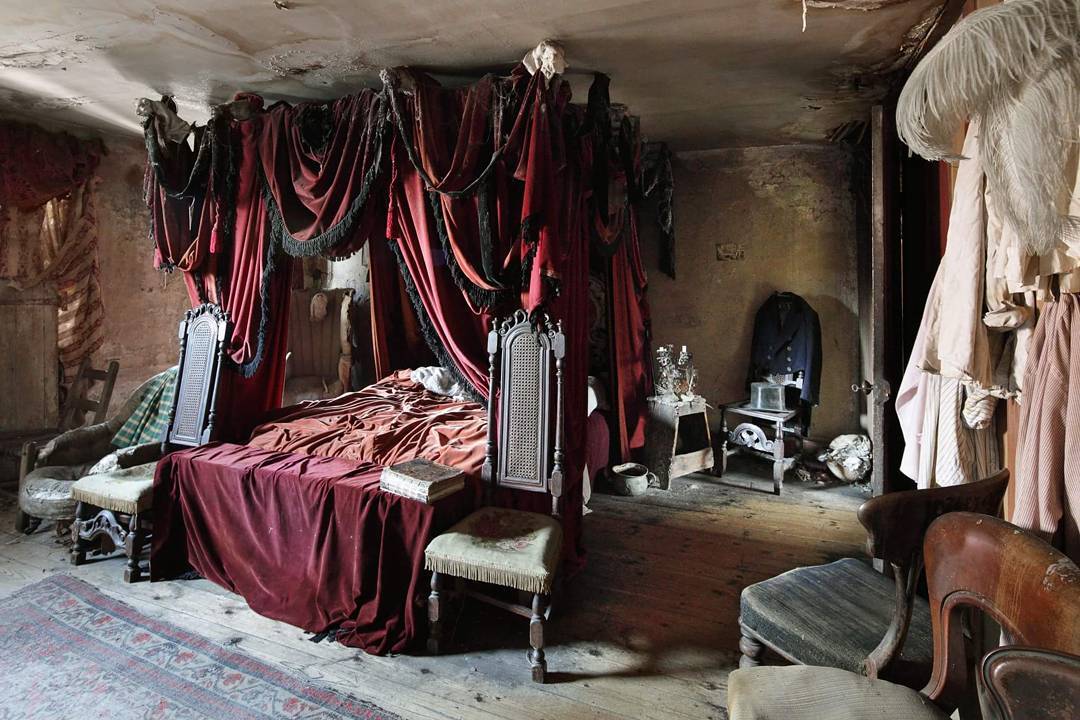
This is not a traditional museum; it is an "historical imagination" experience where you walk through a 1700s Spitalfields house as if the inhabitants have just stepped out of the room. With candlelit interiors, the faint smell of woodsmoke, and half-eaten meals left on tables, it creates a hauntingly beautiful, deeply immersive time-capsule that feels completely alive.
41. Twinings Tea Shop London
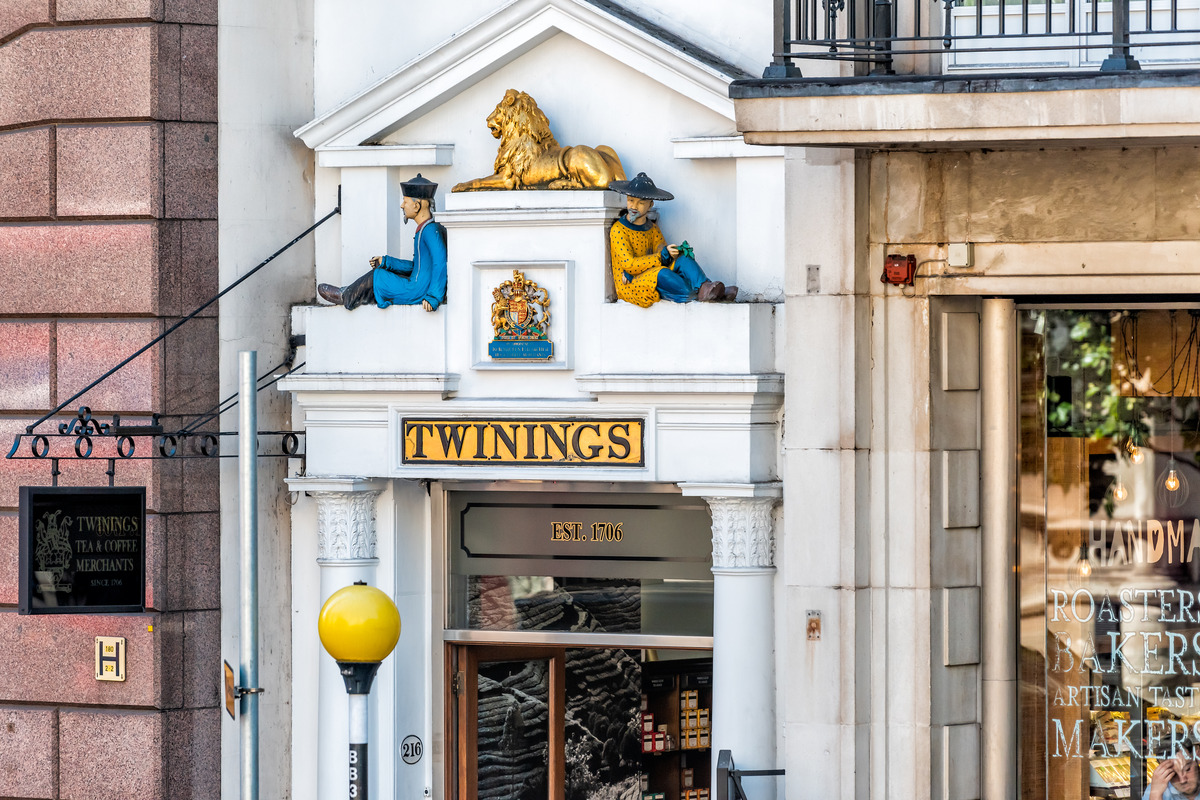
Twinings at 216 Strand is the oldest tea shop in London, operating from the same narrow premises since Thomas Twining first purchased "Tom's Coffee House" in 1706.
The shop features an iconic 1787 entrance guarded by a golden lion and two Chinese figures, housing a small museum at the back that displays over 300 years of tea-related history, including the company’s original Royal Warrant from Queen Victoria.
42. Café In The Crypt
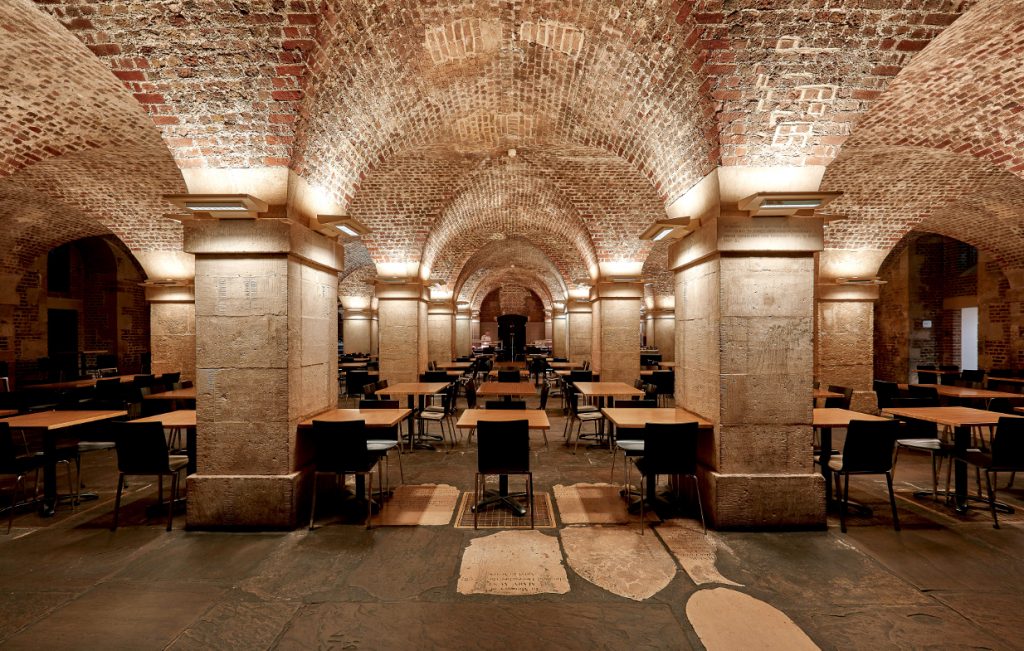
Located beneath the St Martin-in-the-Fields church in Trafalgar Square, this atmospheric café is housed within an original 18th-century brick-vaulted crypt.
That makes it more than just a café recommendation: it is a hidden-feeling space that gives the visitors a memorable pause point in central London.
43. Euston’s Lost Tunnels
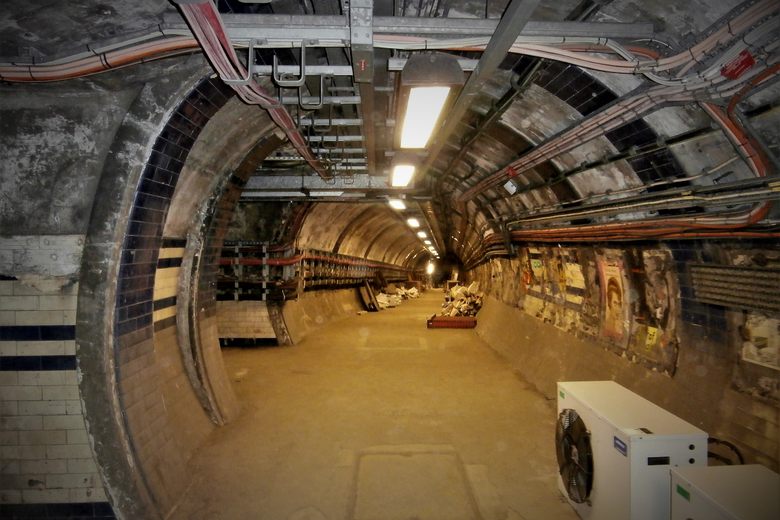
Located deep beneath one of London’s busiest rail hubs, Euston’s lost tunnels are a labyrinth of abandoned pedestrian passageways and platforms from the early 20th century. These "ghost" corridors remain frozen in time, still lined with rare vintage advertising posters from the 1960s that were sealed away when the station was remodeled for the Victoria Line.
Underground Experiences
44. Mail Rail
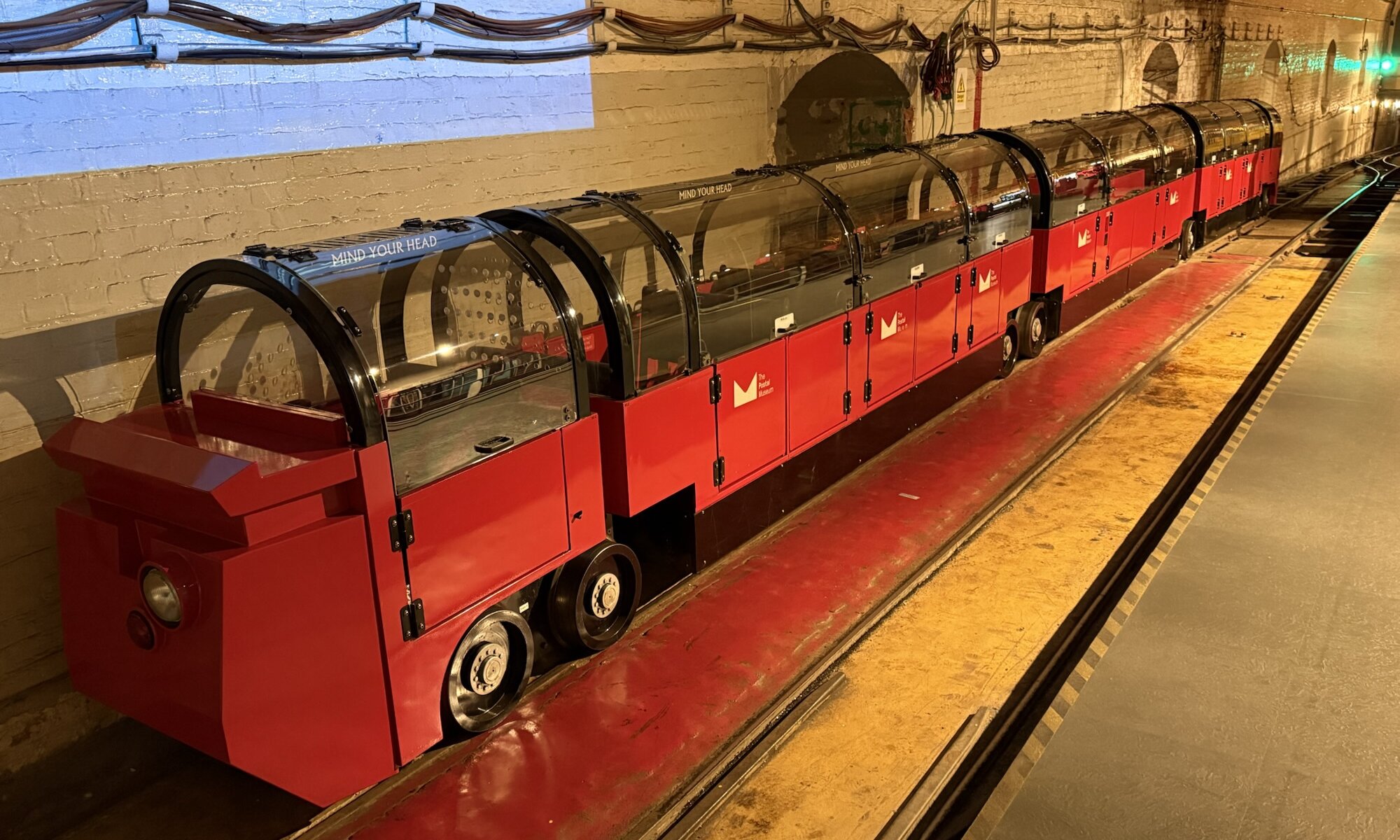
The Mail Rail is one of London's best-kept industrial secrets: a 6.5-mile long, driverless underground railway that whisked mail beneath the city streets for 76 years.
Built by the Post Office and opened in 1927, it was designed to bypass London's notoriously congested roads. At its peak, the driverless electric trains ran 22 hours a day, carrying up to four million letters daily between sorting offices like Paddington and Whitechapel.
45. Hidden London Tours / Underground Transport History
The London Transport Museum’s Hidden London programme is one of the rare “secret London” experiences that is secret in a literal access sense. The museum says its guided tours cover secret locations, including out-of-bounds spaces, while Visit London notes that these tours explore places such as disused Underground stations and wartime shelters.
46. Aldwych Disused Station
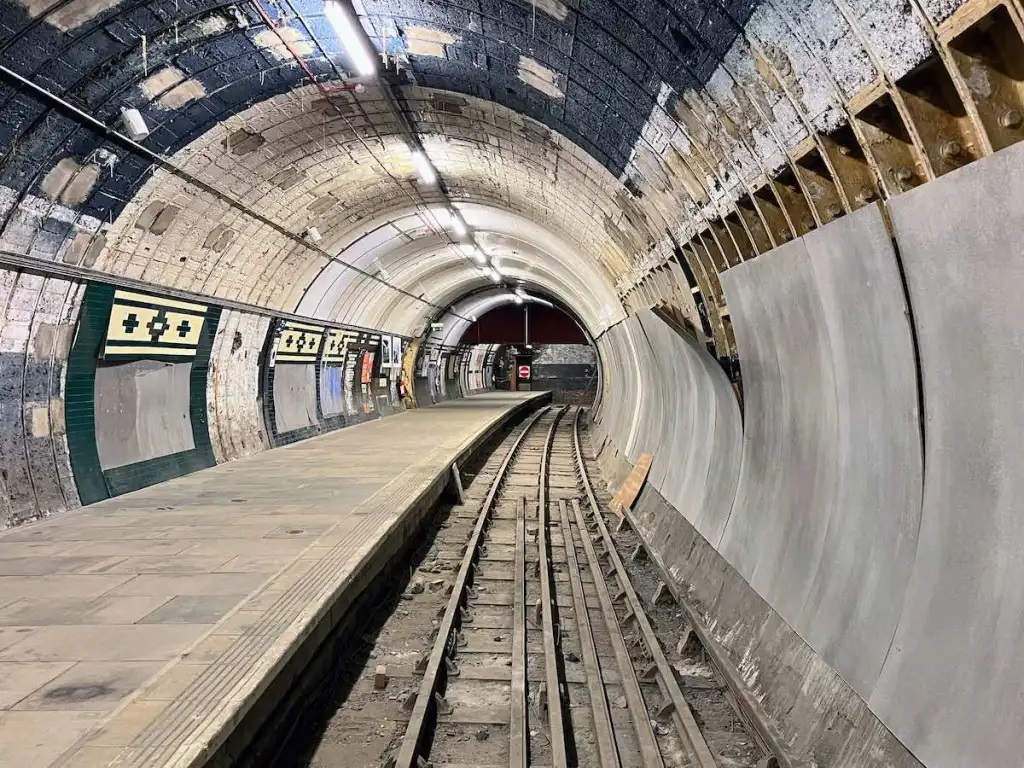
Originally opened in 1907 and closed in 1994, this "ghost station" remains a perfectly preserved time capsule of London’s subterranean past. While it no longer serves commuters, its vintage platforms and ticket halls are frequently used as atmospheric filming locations for major productions like Sherlockand The Crown.
Access is strictly limited to exclusive guided tours, providing a rare opportunity to explore the dusty, silent tunnels that once provided shelter to thousands during the Blitz.
47. London Silver Vaults
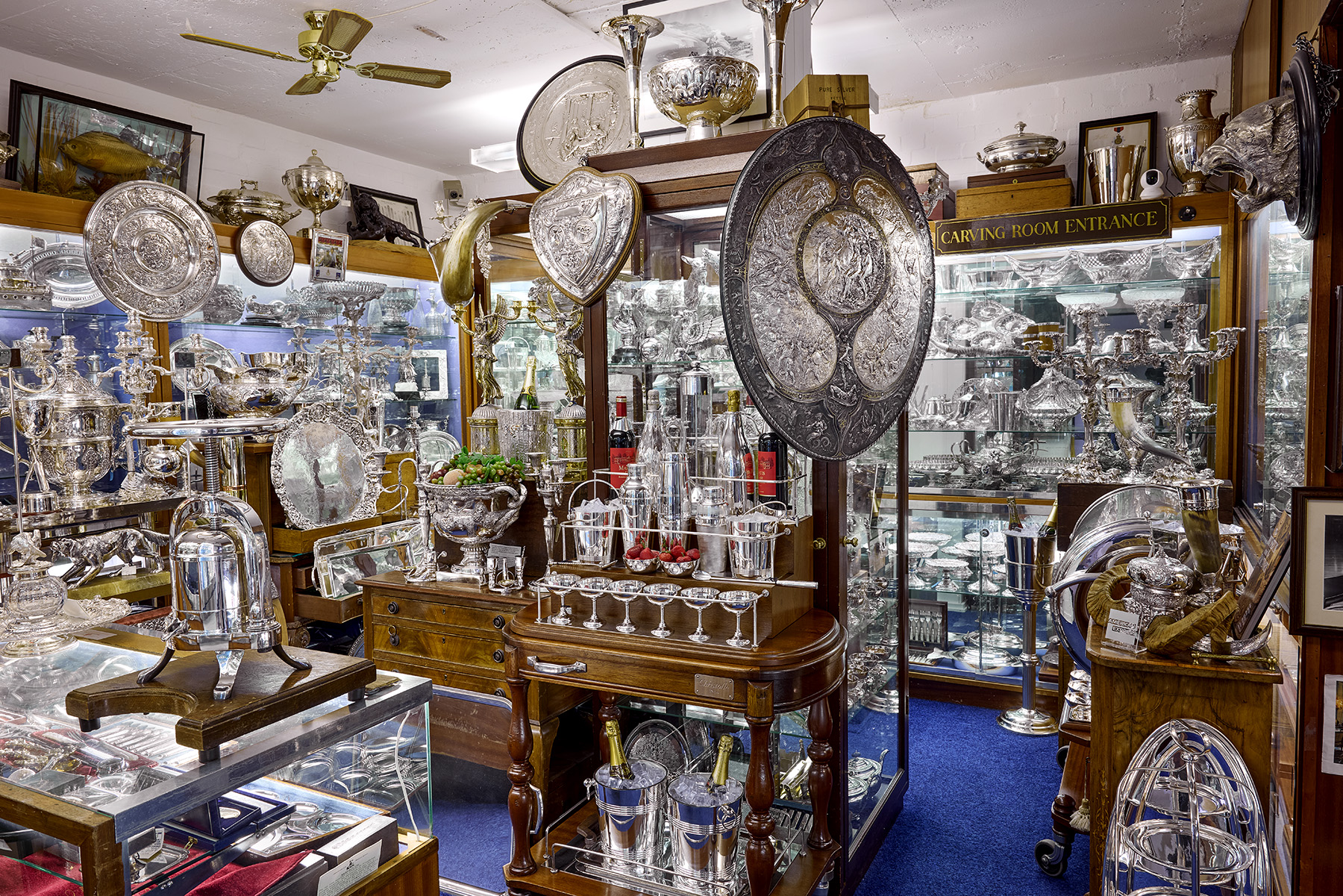
The London Silver Vaults are a truly subterranean treasure, located deep beneath Chancery Lane in the heart of London's legal district. Originally built in the 1870s and 1880s as the "Chancery Lane Safe Deposit," these vaults were designed as an impenetrable fortress for the wealthy to store their household silver, jewels, and documents.
Fact: World's largest silver retail collection; vaults survived WWII bombs.
48. Clapham South Deep-Level Shelter
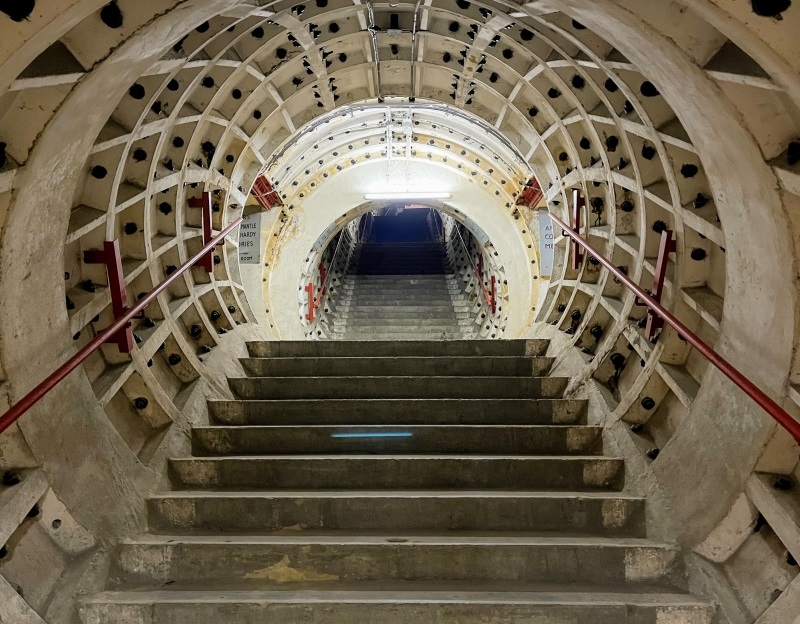
Located eleven stories beneath the streets, this mile-long network of tunnels was originally built as a WWII air-raid shelter and later served as the first temporary home for the Windrush generation.
Today, guided tours take visitors into the eerie, subterranean silence where original bunk beds and wartime graffiti remain perfectly preserved. It is a powerful, immersive site that highlights the city's resilience and its deep layers of social history.
Strange And Specialist Museums
49. Old Operating Theatre
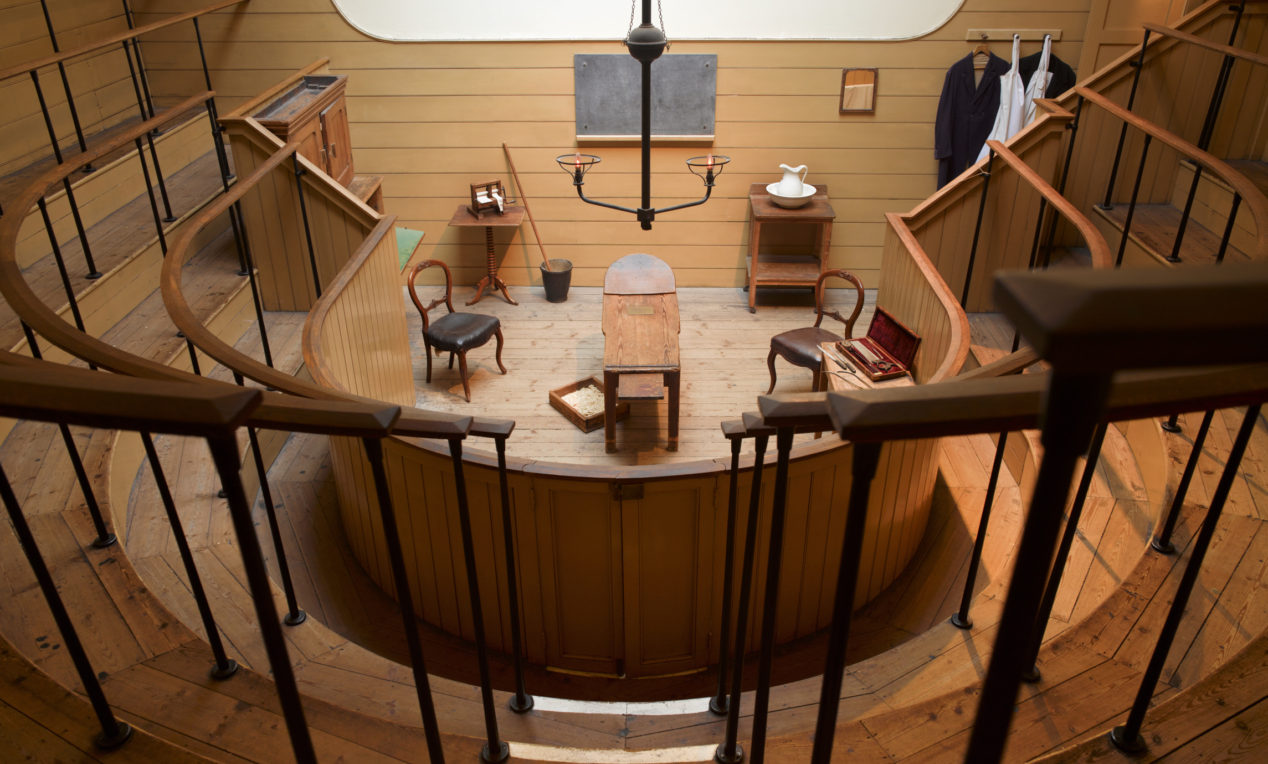
Housed in the attic of an 18th-century church, the Old Operating Theatre is the oldest surviving surgical theatre in Europe, predating the use of both anesthetics and antiseptics.
This chilling space features original tiered wooden viewing stands where medical students once crowded to watch surgeons perform rapid, high-stakes procedures under a large natural skylight.
50. Darwin Centre Spirit Collection
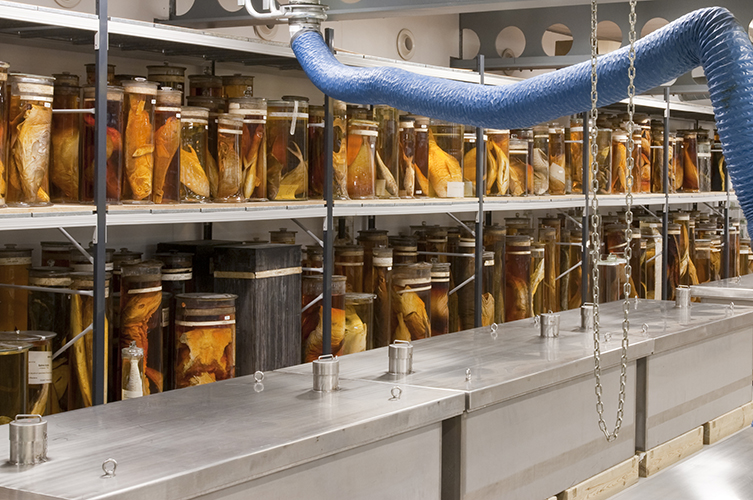
The Darwin Centre Spirit Collection is a massive, high-tech "wet collection" at the Natural History Museum that houses over 22 million specimens preserved in jars of alcohol.
The Natural History Museum says its behind-the-scenes tour explores the zoology collection preserved in spirit across 27 kilometres of shelving and reveals treasures among 22 million animal specimens. That makes it a strong fit for readers who want hidden London to feel unusual, intellectual, and slightly uncanny rather than simply picturesque.
51. The Museum Of The Home
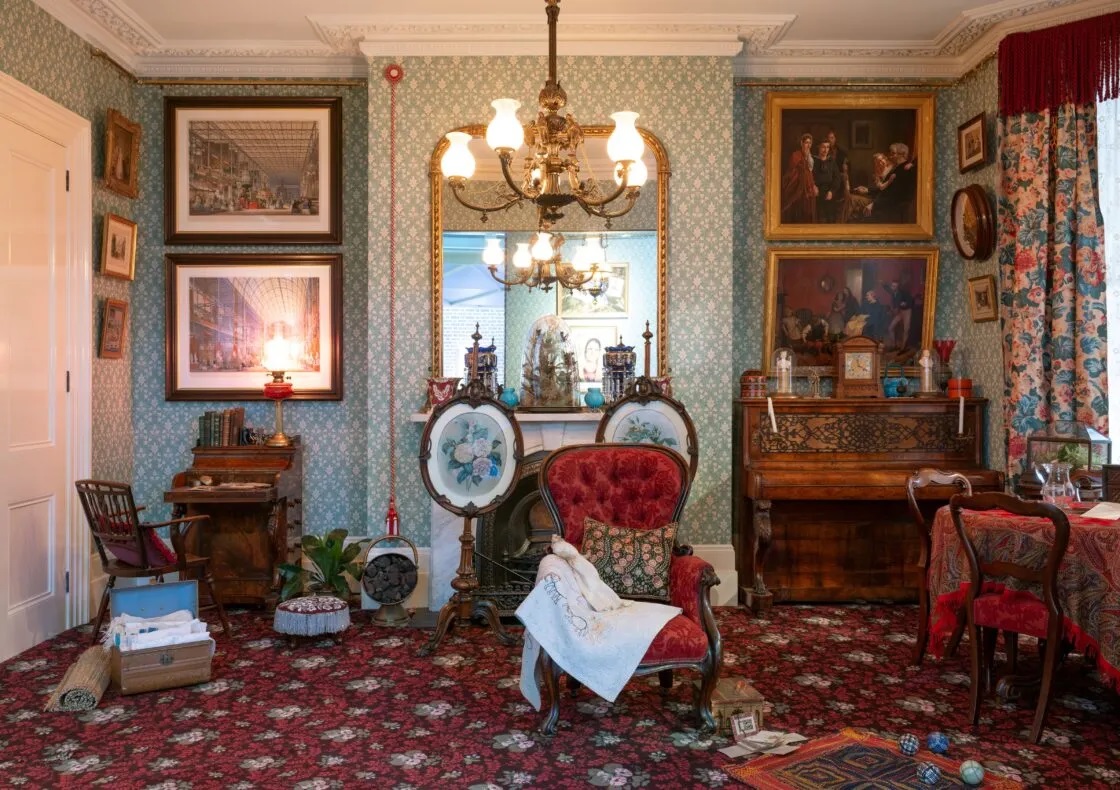
Located in historic 18th-century almshouses in Hoxton, museum of the homeexplores the concept of "home" through a series of immersive "Rooms Through Time" spanning 400 years.
It offers a fascinating look at how domestic life, furniture, and social habits have evolved from the 1600s to a speculative vision of the year 2049. The beautifully curated gardens also reflect changing horticultural trends, making it a serene destination for those interested in the hidden history of everyday life.
52. Jack The Ripper Museum
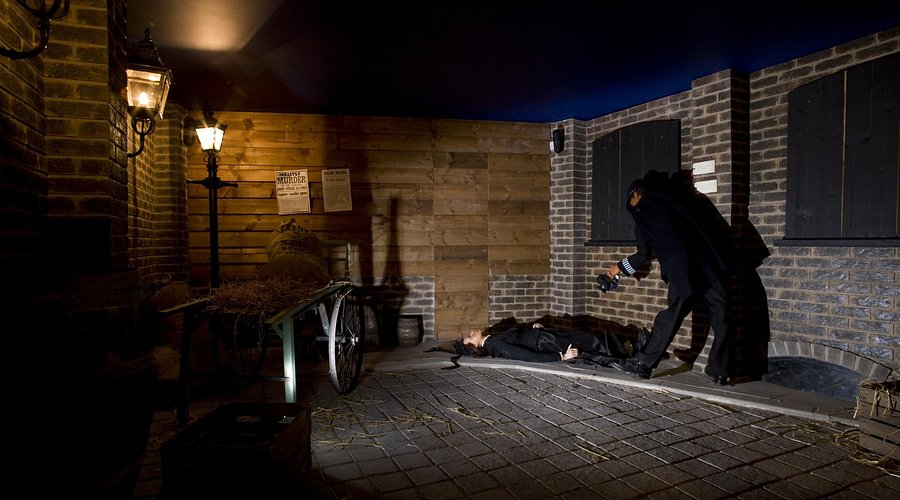
The Jack the Ripper Museum in Cable Street is an immersive, multi-level exhibition that recreates the grim settings of the 1888 Whitechapel murders, from the Leman Street police station to a victim’s bedroom.
While it features authentic Victorian artifacts and waxwork scenes, it remains one of London's most controversial sites due to its "bait-and-switch" origin, having been initially pitched to the council as a museum celebrating the historic achievements of East End women.
Hidden Social Spaces And Historic Pubs
53. Ye Olde Mitre
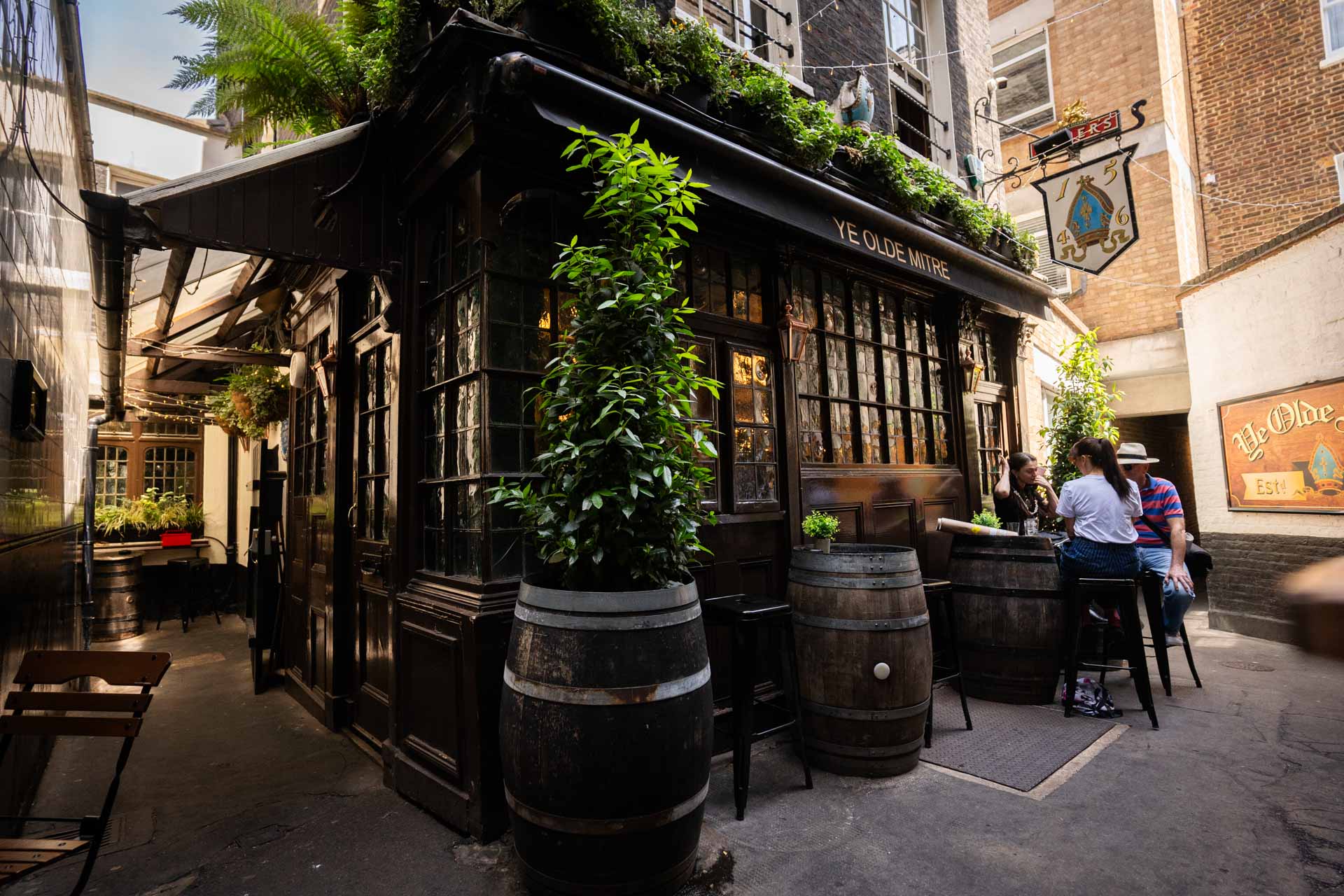
Tucked away down a tiny, easy-to-miss alleyway in Holborn, this historic tavern is famously difficult to find and was once legally part of the Diocese of Ely in Cambridgeshire.
Built in 1546 for the servants of the Bishops of Ely, it retains a cozy, Elizabethan charm complete with wood-paneled walls and a cherry tree trunk that reportedly once supported a fence between the tavern and the Bishop's palace.
That sense of concealment is what makes it a hidden London social space rather than just a pub recommendation. It gives you a room with age, atmosphere, and a feeling of continuity that many grander or more public-facing historic venues no longer manage.
54. Ye Olde Cheshire Cheese
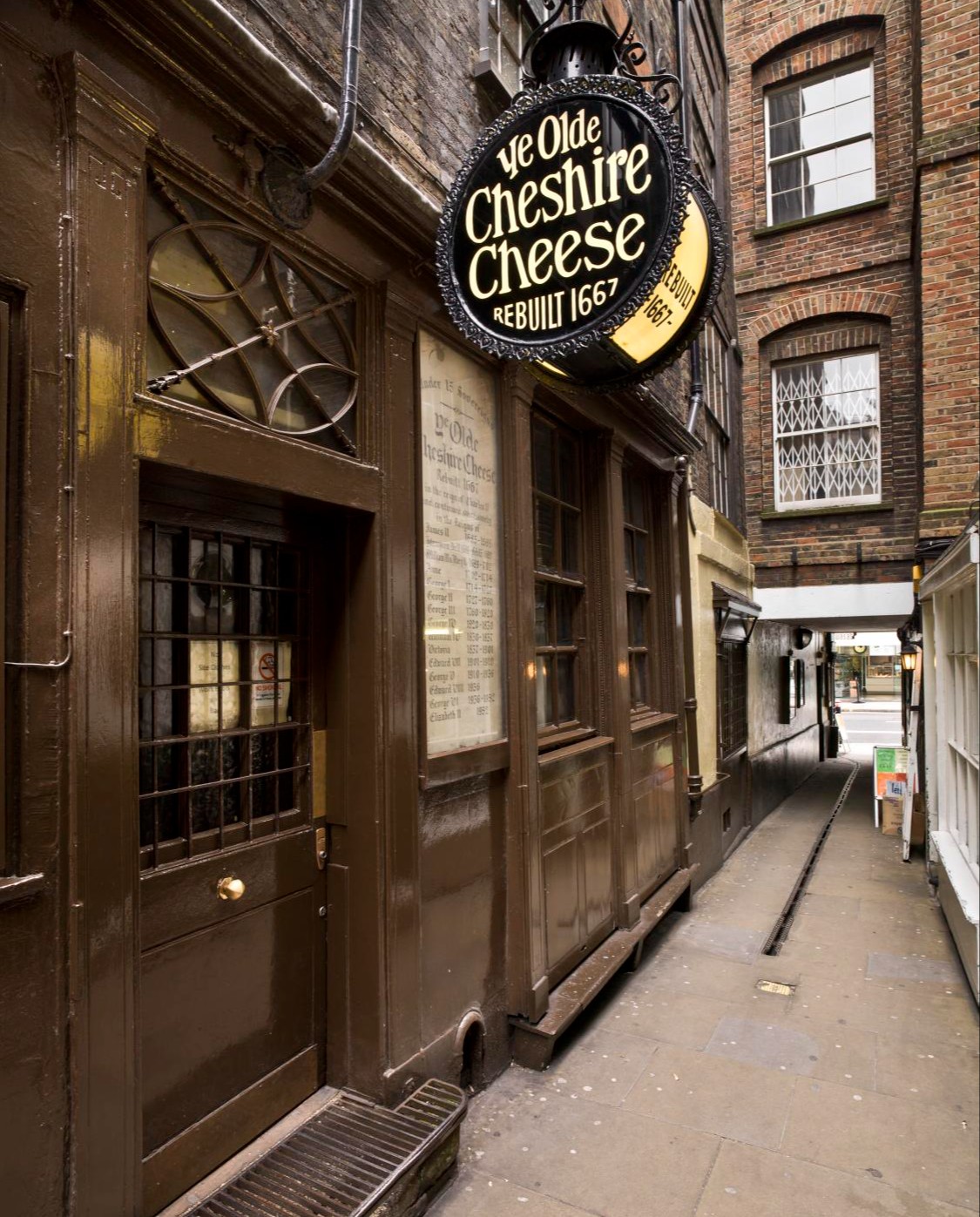
Rebuilt shortly after the Great Fire of 1666, this Fleet Street landmark is one of London's most atmospheric pubs, known for its dark, vaulted cellars and lack of natural light. It was a favorite haunt of literary giants like Charles Dickens and Sir Arthur Conan Doyle, and its labyrinthine interior feels like a true step back into the 17th century.
The appeal is not simply that it is old. It is that entering it changes your London day from street-level sightseeing into something more enclosed, textured, and historically charged.
55. The Seven Stars London Pub
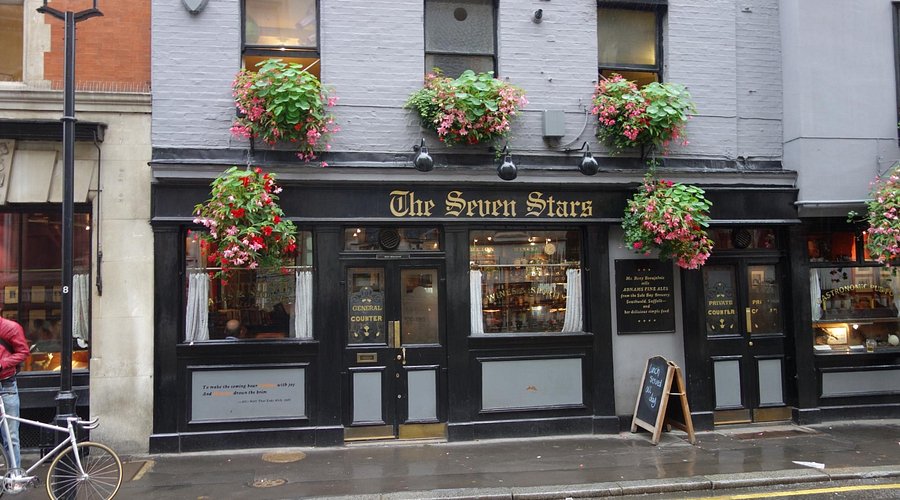
The Seven Stars is a charming, Grade II listed pub in Holborn that dates back to 1602, famously surviving the Great Fire of London. It is a favorite haunt for legal professionals from the nearby Royal Courts of Justice, offering a quirky, Dickensian atmosphere complete with an impressive selection of real ales.
It is considered one of London’s "hidden" historic pubs because it is tucked away behind the massive law courts on a quiet backstreet, remaining largely untouched by modern development while maintaining its authentic 17th-century character.
How To Build A Better Hidden-London Day
The most useful planning rule is simple: pick one area and one mood.
A good hidden-London day usually needs:
- one anchor stop,
- two or three nearby supporting stops,
- and one flexible extra.
City Of London Half-day
3 to 4 hours | best for first-time hidden London | works in light rain
Start with London Mithraeum, then continue to Guildhall Roman Amphitheatre, Leadenhall Market, Postman’s Park, and St Dunstan in the East. Add Cloth Fair or Golden Boy of Pye Corner if you still have energy.
South Bank / Borough Half-day
3 hours | best for darker history and urban texture | mixed weather
Start at Cross Bones, add the Old Operating Theatre, walk through Shad Thames or nearby Borough streets, and end at Leake Street Arches.
Greenwich Half-day
3 to 4 hours | best for heritage + unusual walking | best in dry weather
Start with Painted Hall, continue to the Tulip Stairs / Queen’s House, then finish with the Greenwich Foot Tunnel and a riverside walk.
West / Central Contrast Day
4 to 5 hours | best for interiors + calm detours | works in most weather
Pair Sir John Soane’s Museum with Cecil Court, then choose either Kyoto Garden or Little Venice depending on whether you want greenery or water.
East London Wandering Half-Day
3 to 4 hours | best for readers who want texture, food, and a less checklist-driven route | best in dry weather
Build this around Spitalfields and Brick Lane, then add Dennis Severs’ House if you want an immersive indoor anchor. This is one of the best routes for people who want hidden London to feel lived-in rather than curated.
Hidden Secrets Of London By Area
Once you know the mood you want, this section helps you turn it into a realistic outing. The goal here is not to re-explain each place, but to show which stops naturally fit together.
| Area | Best hidden picks there |
| The City / St Paul’s | St Dunstan in the East, Postman’s Park, London Mithraeum, Guildhall Roman Amphitheatre, Leadenhall Market |
| Covent Garden / Soho | Neal’s Yard, Seven Noses of Soho, Britain’s smallest police station |
| Greenwich | Painted Hall, Greenwich Foot Tunnel, wider historic Greenwich pairing |
| North London / Hampstead | Hill Garden and Pergola |
| South Bank / Waterloo / Borough | Leake Street Arches, Cross Bones, Old Operating Theatre, Shad Thames |
| Holborn / Lincoln’s Inn Fields | Sir John Soane’s Museum |
| West London / Holland Park / Little Venice | Kyoto Garden, Little Venice |
| Clerkenwell / Mount Pleasant | Clerkenwell / Mount Pleasant |
| Bayswater | Leinster Gardens false façades |
- City / St Paul’sis best for first-time hidden London.
- Greenwichis best for a slower half-day with one strong anchor.
- Borough / South Bankis best for darker history and rougher texture.
- West Londonis best for calm and repeat visits.
- King’s Cross / Eustonis best for infrastructure and industrial history.
What To Know Before Exploring London’s Hidden Spots
Check Access For Indoor Stops
Outdoor stops such as St Dunstan, Postman’s Park, Cecil Court, or Little Venice are easy to drop into. Indoor destinations such as Soane, Leighton House, Old Operating Theatre, Darwin Centre tours, Mail Rail, and Hidden London tours need checking before you go.
Expect Some “secret” Places To Be Popular
Neal’s Yard, St Dunstan, and the Barbican Conservatory are not unknown. Their value comes from contrast, atmosphere, and context, not emptiness.
Know The Difference Between A Detour And A Destination
A good rule:
- if it takes under 10 minutesand mainly adds context, treat it as a detour;
- if it has paid entry, indoor content, or enough material for 45 minutes or more, treat it as a destination.
Keep Safety Simple
Official guidance from the Metropolitan Police and TfL is straightforward: protect your belongings, stay alert on transport, and be careful with your phone in busy areas.
Faqs About Hidden Secrets Of London
What Are London’s Best Kept Secrets?
The best ones are the places that reveal older, stranger, or quieter layers of the city: Roman remains, ruined churches, unusual interiors, canal walks, crypt cafés, and hidden infrastructure.
What Are The Best Hidden Gems In London?
Strong choices include London Mithraeum, St Dunstan in the East, Guildhall Roman Amphitheatre, Postman’s Park, Sir John Soane’s Museum, Kyoto Garden, Mail Rail, and Greenwich Foot Tunnel.
Where Can I Find Free Hidden Gems In London?
The easiest starting point is the City, especially St Dunstan, Postman’s Park, Leadenhall Market, Guildhall Roman Amphitheatre, and Cloth Fair. Greenwich, West London, and the canals add strong free options too.
What Hidden London Spots Work On A Rainy Day?
The best rainy-day choices are London Mithraeum, Sir John Soane’s Museum, Leighton House, Old Operating Theatre, Mail Rail, and Hidden London tours.
What Hidden Gems In London Are Worth A Special Trip?
The best “build a half-day around it” choices are London Mithraeum, Sir John Soane’s Museum, Leighton House, Mail Rail, Painted Hall, and the Greenwich cluster.
How Do I Build A Good Hidden-London Day?
Pick one area, choose one anchor stop, then add two or three nearby places with a different texture. The best first routes are the City, Borough / South Bank, and Greenwich.
Final Thoughts
The best hidden parts of London are rarely the most secret. They are the places that make the city easier to read once you know what to look for.
That is what makes them worth choosing carefully. A ruined church, a Roman temple, a canal walk, a crypt café, or a buried railway line can all reveal something different. The trick is not to collect as many as possible. It is to pick the ones that make London feel deeper, stranger, and more memorable by the time you head home.
Jump to
Hidden Secrets Of London: A Guide To The City's Best Kept Mysteries
The 12 Hidden London Stops I’d Prioritise First
Quick Fact-led Truths That Make London Stranger
The Best Hidden Historical Sites In London
The Best Free Hidden Gems In London
Hidden Museums, Interiors, And Underground Experiences
How To Build A Better Hidden-London Day
Hidden Secrets Of London By Area
What To Know Before Exploring London’s Hidden Spots
Faqs About Hidden Secrets Of London
Final Thoughts

James Rowley
Author
James Rowley is a London-based writer and researcher covering London life, cultural geography, London travel, live London webcam pages and selected public figures across entertainment, sport, business and public life.
For over 15 years, he has focused on verified sources, first-hand local context and clear explanations that help readers understand both places and people more deeply. His work combines street-level London knowledge with careful research into career credits, media work, business interests and, where relevant, transparently explained net worth estimates.
He writes and reviews articles published on LondonWebcam.
Latest Articles
Popular Articles