Merseyside - Map, Boroughs, City Region And Top Places To Visit
What is Merseyside? Get the borough breakdown, Liverpool City Region vs county, how to get in and get around car-free, plus best things to do.
Author:James RowleyFeb 24, 202613.1K Shares185.2K Views
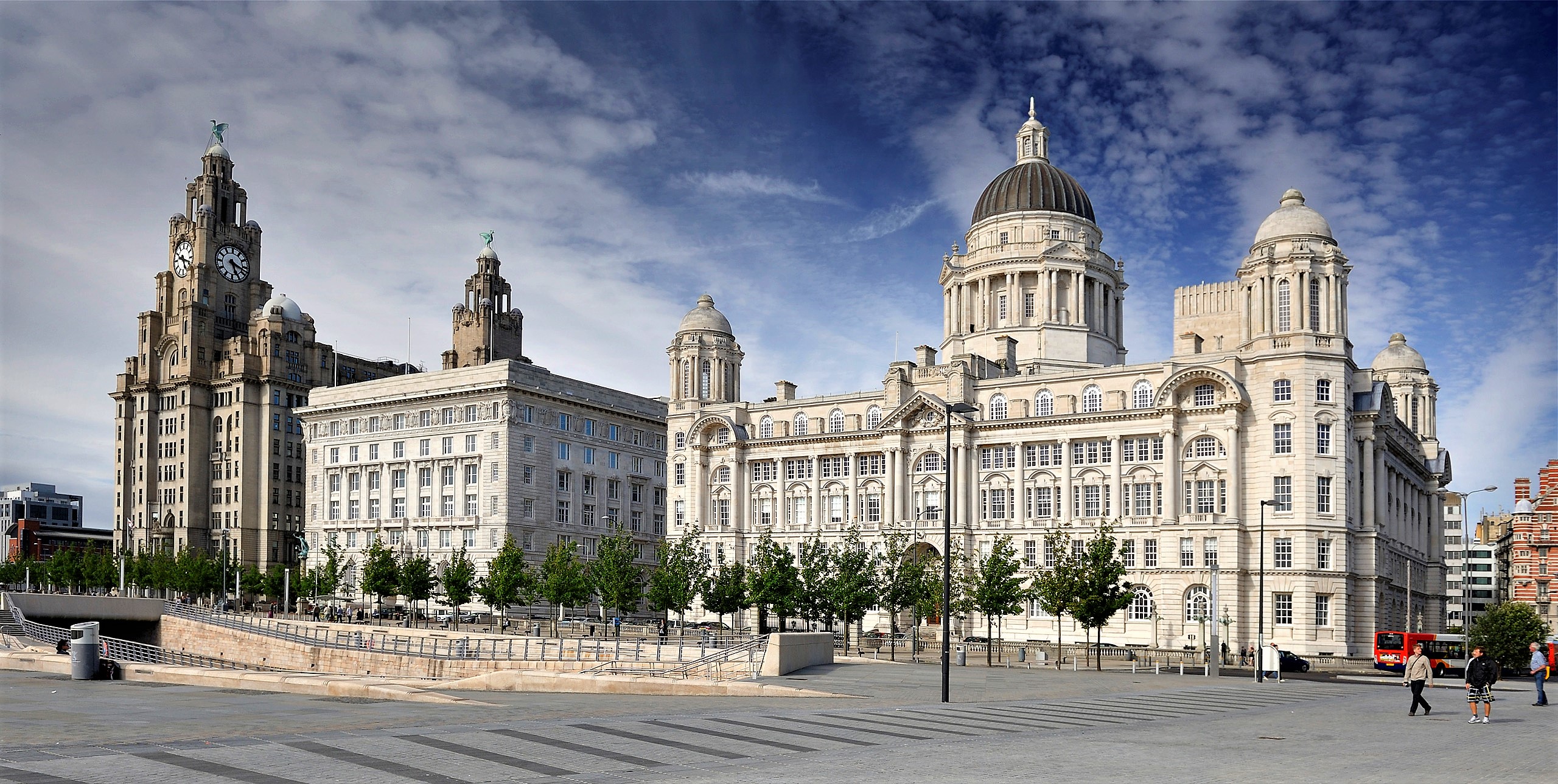
Visiting Merseyside - A Local’s Guide To The River Mersey Region
Merseysideis a metropolitan county in North West Englandcentred on Liverpool and spanning both sides of the River Mersey, made up of five metropolitan boroughs.
In short (Key Takeaways)
- Merseyside is a county, not a city-and Liverpool is one part of it, not the whole thing.
- It includes Liverpool, Wirral, Sefton, Knowsley, and St Helens.
- “Liverpool City Region” is a wider area used for regional governance/transport planning and includes Halton as well.
- You can explore a lot of Merseyside without a carusing Merseyrail, buses, and the Mersey Ferries network.
- If your goal is “best places to visit,” think Liverpool + one extra borough(Wirral coast, Sefton beaches/Southport, or St Helens heritage) rather than trying to do everything at once.
Below you’ll find where Merseyside is, what it includes (boroughs + key towns), the most popular places to visit, how to get around car-free, Beatles tour guidance, 1–3 day itineraries, and FAQs.
If you’ve seen “Merseyside” on a map, in news headlines, or in travel listings, it’s usually shorthand for the wider Liverpool area around the Mersey estuary-useful for planning day trips and transport, and for avoiding the common “Is this just Liverpool?” confusion.
Merseyside was created in 1974; its county council was abolished in 1986, but the name remains widely used for geography, services, and regional identity.
Takeaway:Merseyside is the “bigger container” around Liverpool-next, you’ll see exactly where it sits and what places it covers.
Where Is Merseyside, And What Areas Does It Include?
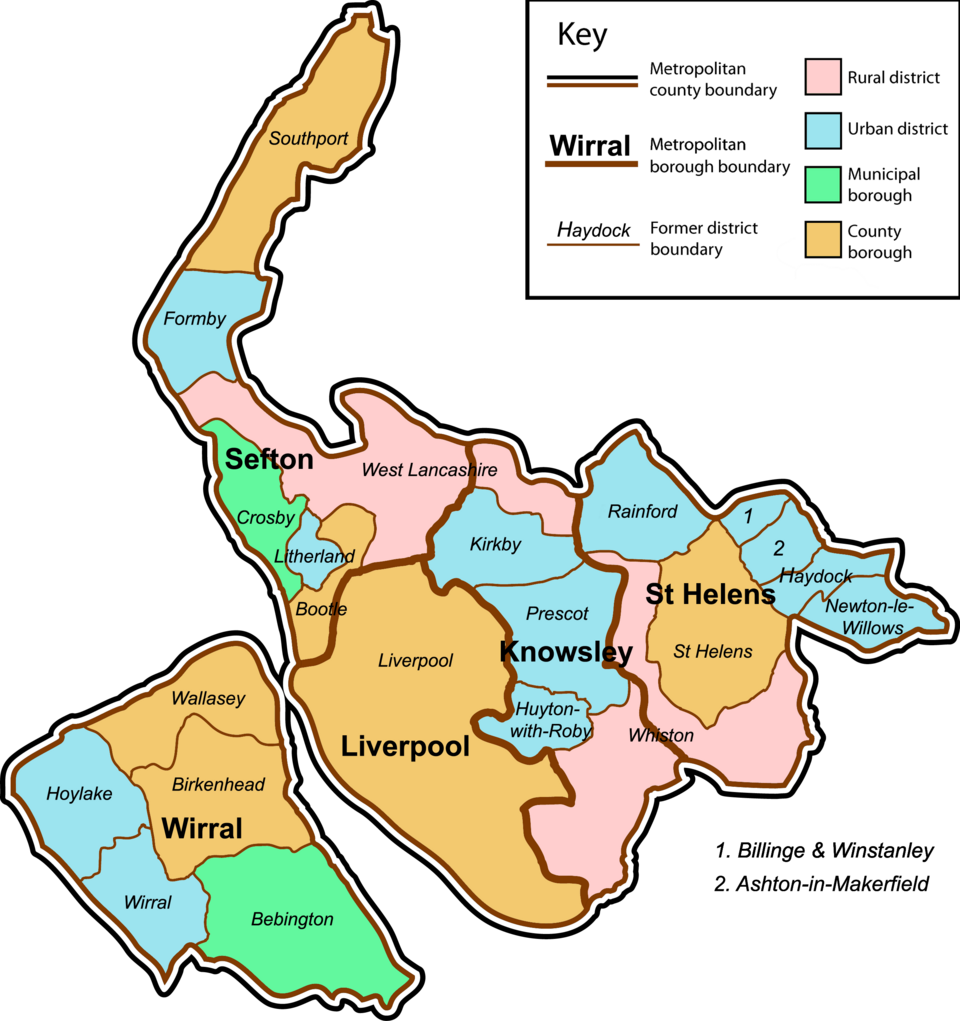
This section helps you place Merseyside on the UK mapand understand what “counts” as Merseyside in practical terms (for travel, addresses, and admin boundaries).
Merseyside on a map:Liverpool sits on the eastern side of the River Mersey; the Wirral (including Birkenhead) sits on the western side; Southport is up on the coast to the north; St Helens is inland to the east/northeast.
Merseyside is in North West England, built around the lower River Mersey estuary.
What it includes:
- Liverpool(city + waterfront + major museums/football/music heritage)
- Wirral(including Birkenhead and coastal towns)
- Sefton(including Southport and major coastal stretches)
- Knowsley(east of Liverpool; family attractions and green space)
- St Helens(east/northeast; industrial heritage and culture)
What it does notinclude (common mix-ups):
- It’s not in Scotland(it’s in England’s North West).
- It’s not London(and “Merseyside London” is just a search confusion, not a real geography, see our London mapto place it correctly).
- It’s not Manchester(that’s in Greater Manchester, next door).
Takeaway:Merseyside is the county around Liverpool on both banks of the Mersey-next, we’ll break it down borough by borough so you can plan with confidence.
Boroughs In Merseyside
If you want the fastest way to “understand Merseyside,” learn the five borough names-because they show up in transport info, official visitor pages, and local references.
According to the ONS area profile for Merseyside, the five local authority districts are Knowsley, Liverpool, Sefton, St Helens, and Wirral.
| Borough | What you’ll actually do there (visitor view) |
| Liverpool | Waterfront, museums, Beatles heritage, football culture, nightlife, city breaks. |
| Sefton | Southport seaside days + wide-open coast and dunes around Formby. |
| Wirral | Birkenhead Park, Port Sunlight, and coast/estuary views back to Liverpool. |
| Knowsley | Family-focused attractions (notably Knowsley Safari) and easy day trips from Liverpool. |
| St Helens | Industrial story + glass heritage (The World of Glass) and a different pace from Liverpool. |
Takeaway:Once you know the five boroughs, “Merseyside” stops being vague-next, let’s settle the big question most people actually mean when they search it.
Is Merseyside The Same As Liverpool?
This section clears up the #1 misunderstanding I see as a travel writer: people often use “Liverpool” as if it means the whole county.
No-Liverpool is a city (and a borough) within Merseyside, while Merseyside is the metropolitan countythat includes Liverpool plus Sefton, Wirral, Knowsley, and St Helens.
Why the confusion happens:
- Many attractions and listings use “Merseyside” as a regional label(helpful for visitors searching beyond one postcode).
- Liverpool dominates travel intent, so “Merseyside” often appears when you broaden your plans from “city break” to “day trips.”
Takeaway:Think “Liverpool = one part; Merseyside = the wider area”-next, we’ll map that into the places visitors most commonly choose.
Most Popular Places To Visit In Merseyside
Here you’ll get a practical sense of what each major place is best for, so you can match your limited time to the right area.
Liverpool
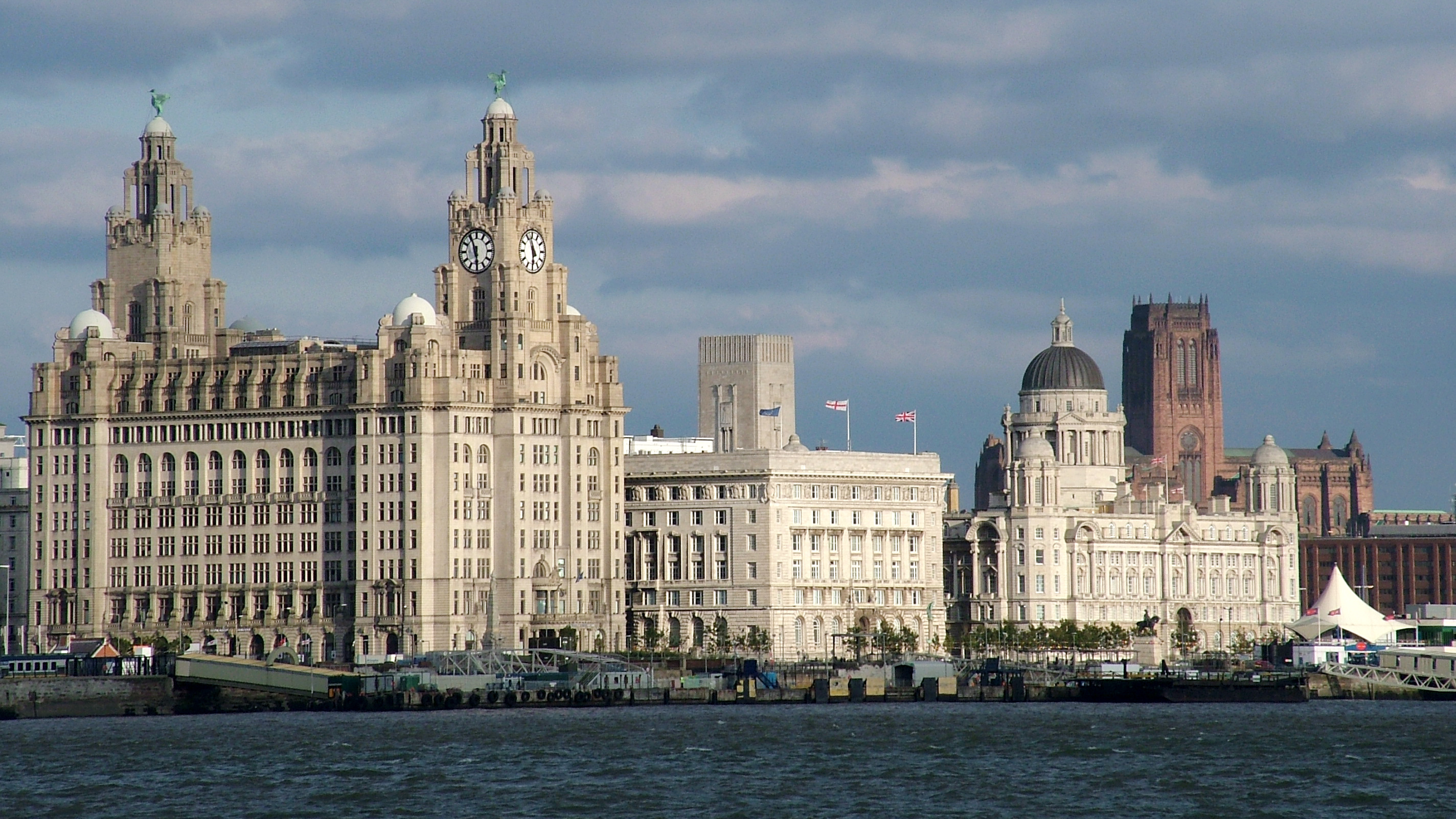
Liverpool is the natural base for most visitors because it concentrates the biggest “first trip” highlights-waterfront culture, museums, and world-known music heritage. VisitLiverpool positions the city-region offer as “Liverpool, Wirral and Southport,” which is a good hint at how locals package day trips.
Good if you want: museums/waterfront, Beatles sites, and a strong evening scene.
Southport
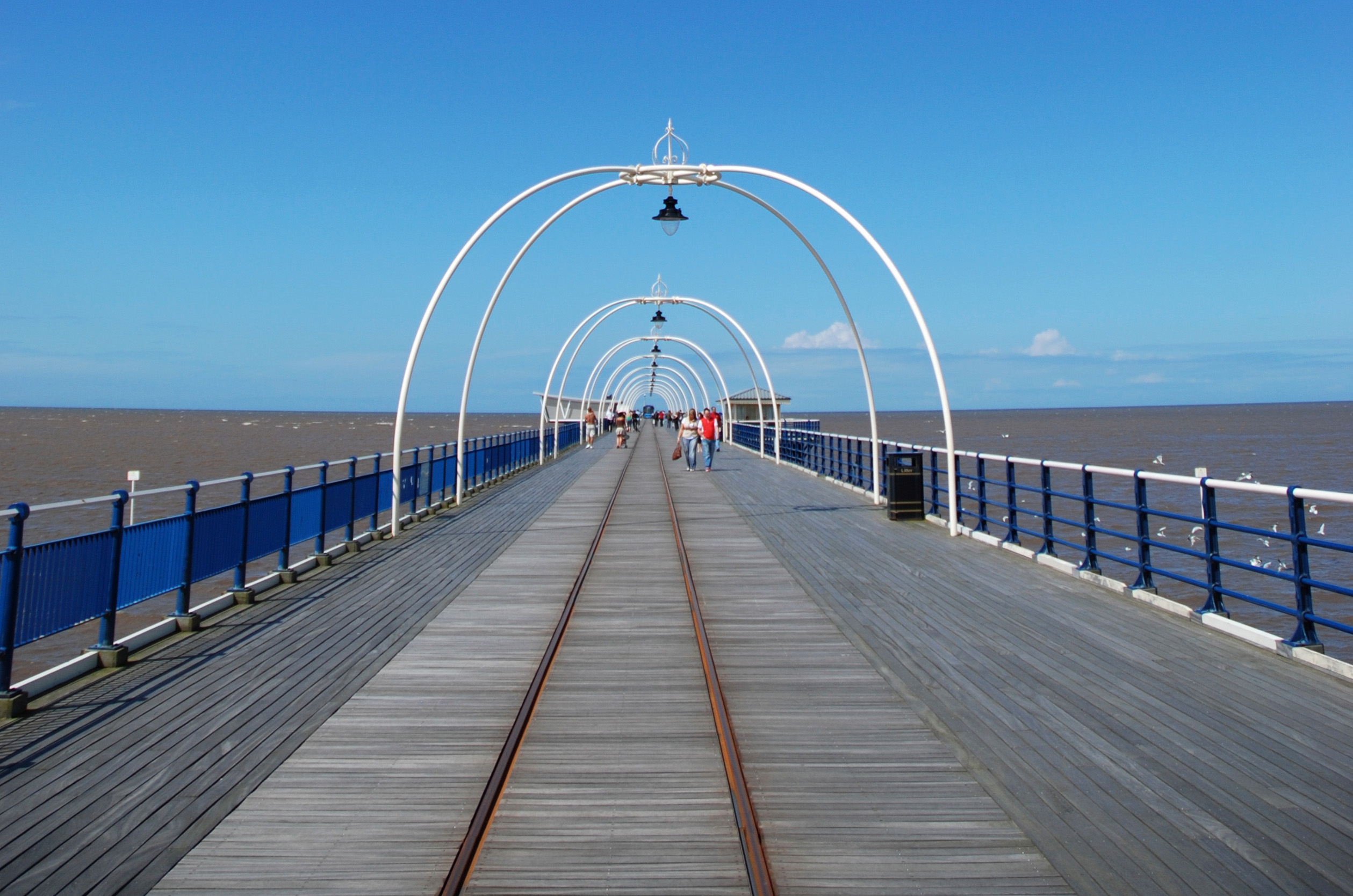
Southport is the classic “seaside day” within Merseyside-Victorian resort feel, coastal walks, and attractions that work well for families and slower-paced weekends. It’s also backed by an official local tourism body (Visit Southport), which makes it easier to plan.
Good if you want: beach-town energy without needing a long-distance trip.
Birkenhead
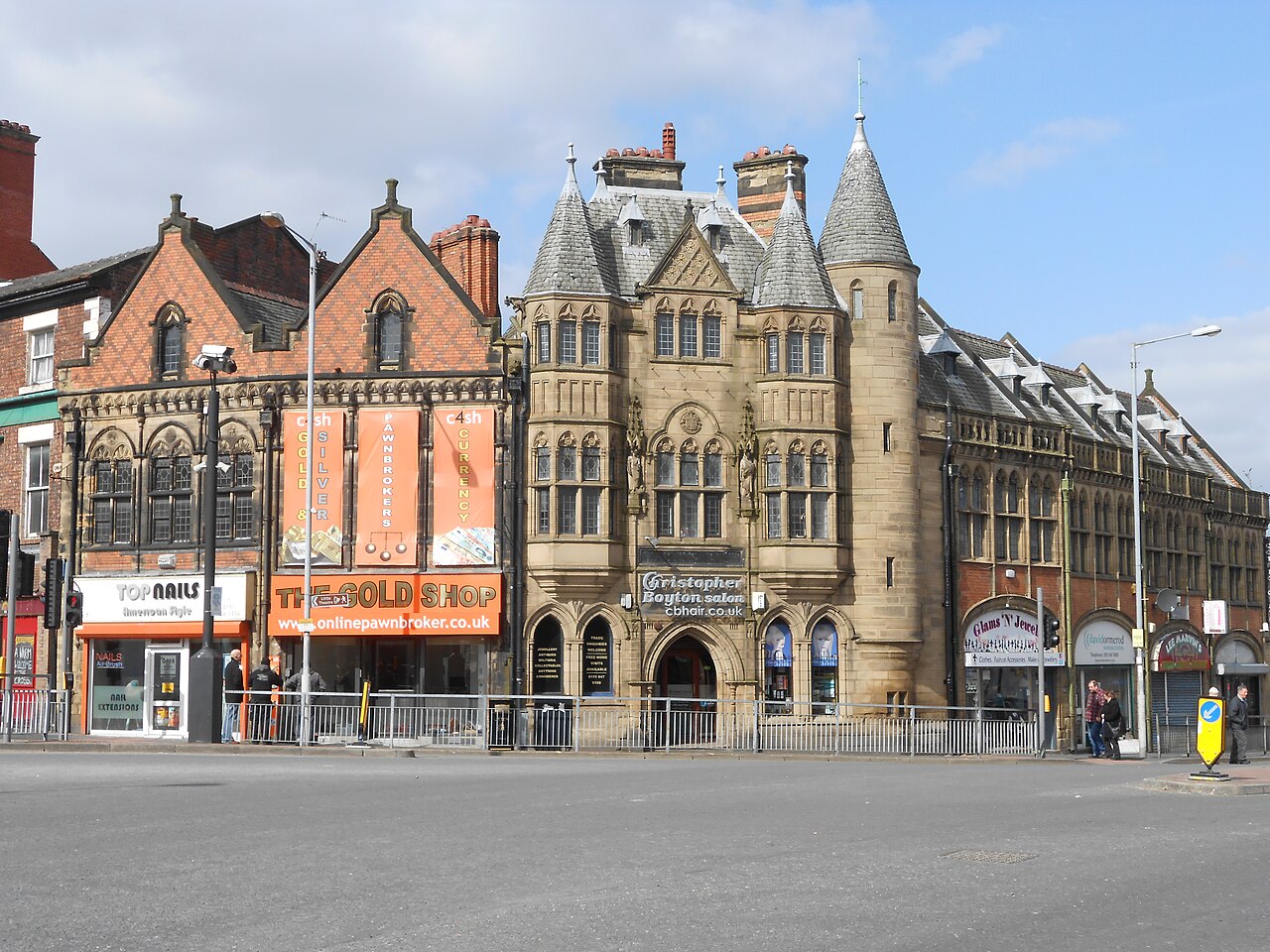
Birkenhead is often the “surprise pick” for visitors because it combines easy access from Liverpool with standout green space. Wirral Council highlights Birkenhead Park’s history and its influence on later park design.
Good if you want: a calm counterbalance to Liverpool’s buzz, plus park-and-heritage interest.
St Helens
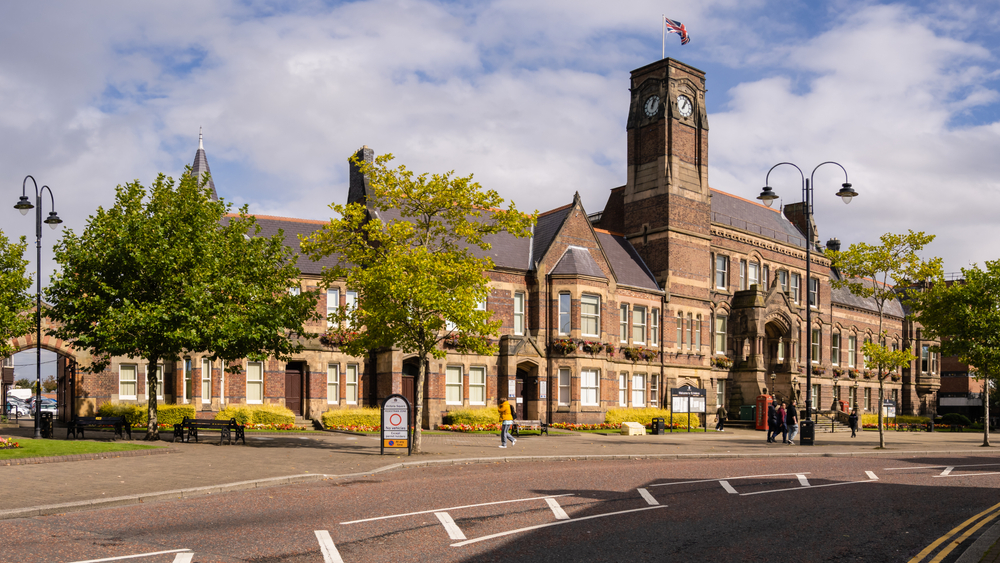
St Helens gives you a different Merseyside story-industrial roots and local culture. St Helens Borough Council specifically points visitors to The World of Glass for heritage and glassmaking demonstrations.
Good if you want: something distinct from “Liverpool-heavy” itineraries.
The Wirral
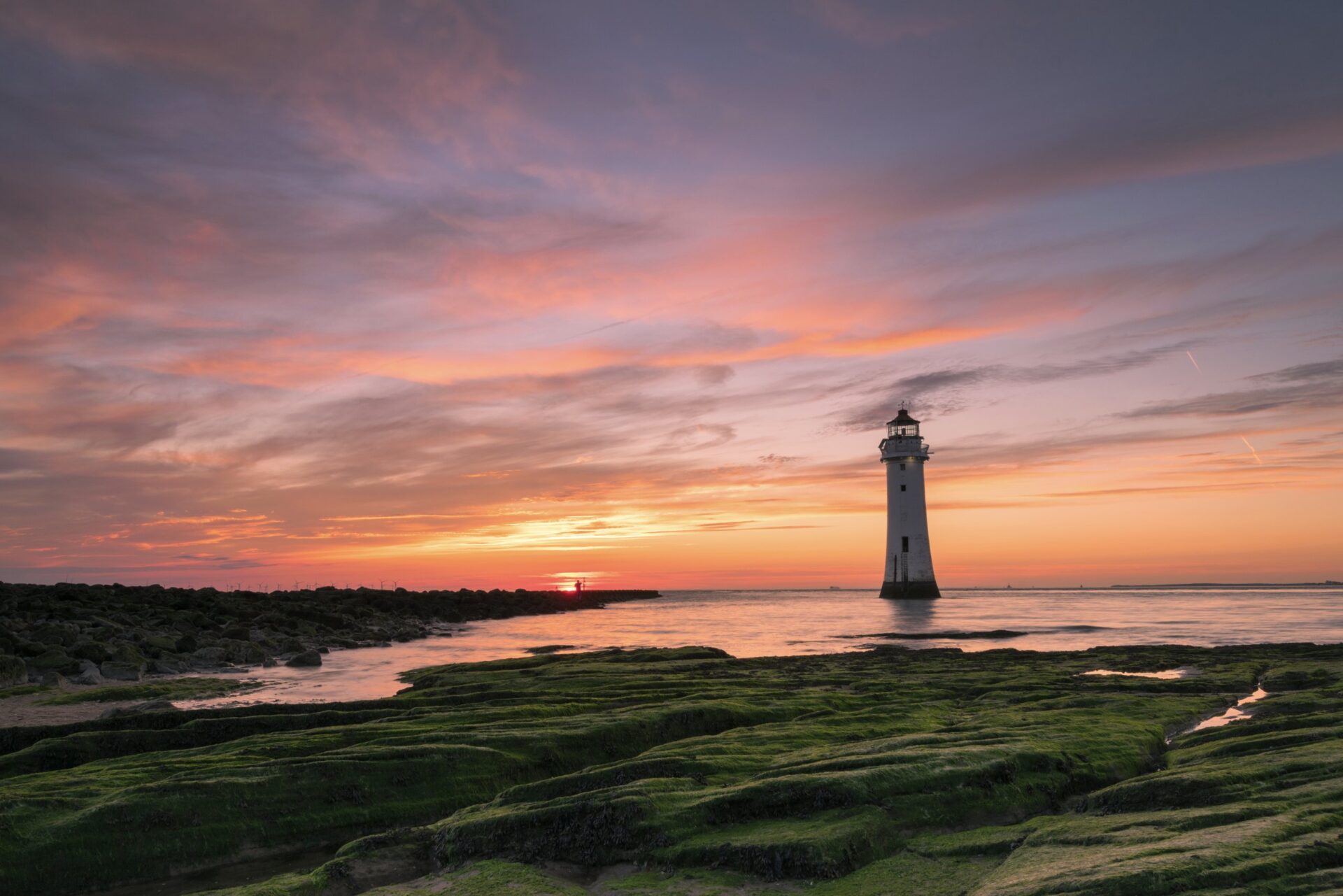
The Wirral is often described as "the left bank" of the Mersey. It offers a stark contrast to the urban density of Liverpool, featuring affluent commuter towns like Heswall and West Kirby alongside the industrial heritage of Birkenhead.
I often point out to travelers that the Wirral offers the best views of the Liverpool skyline. It serves as the green lung of the county, providing a balance of maritime industry and protected coastal spaces.
Sefton
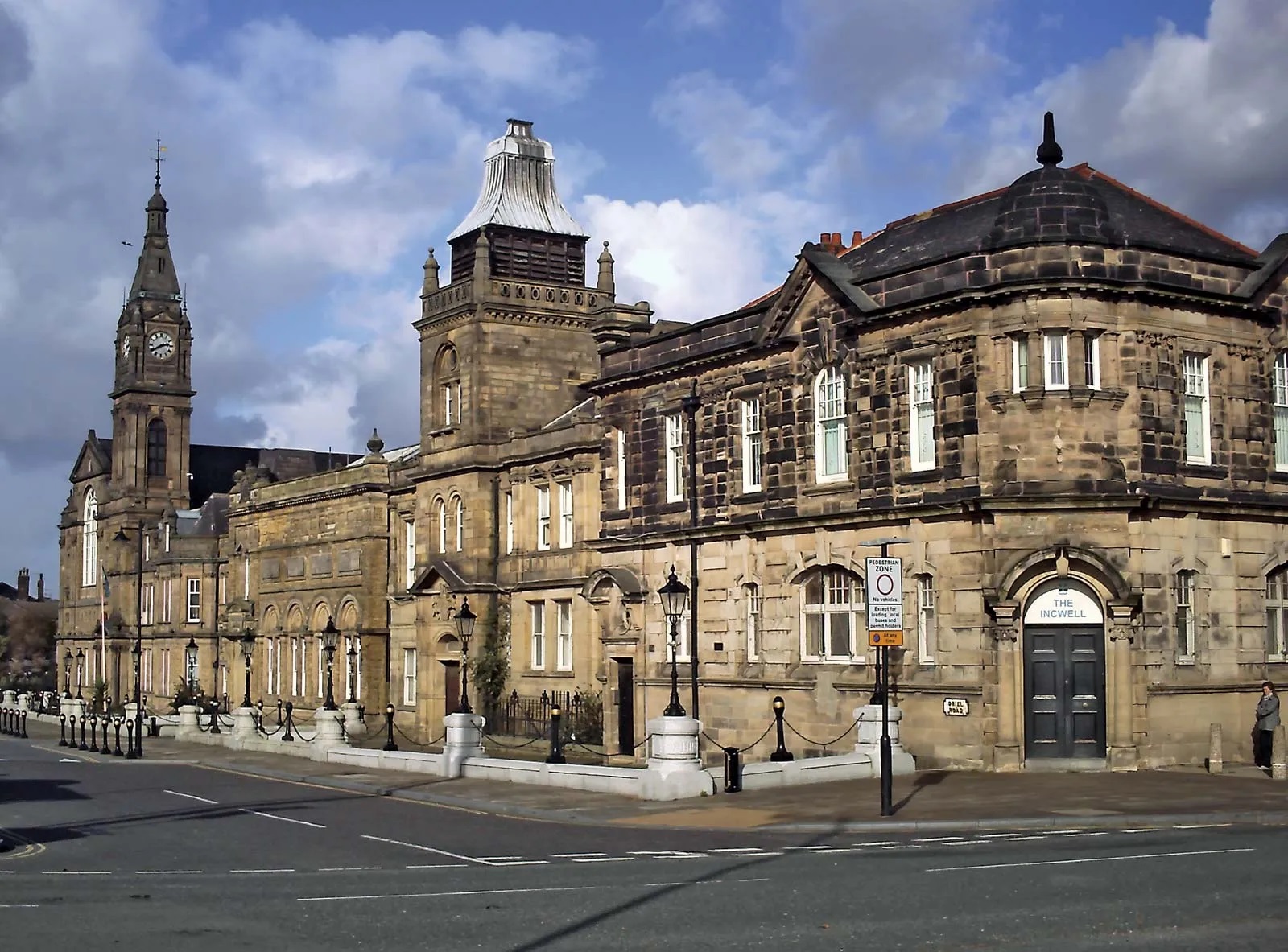
Stretching north from Liverpool, Seftonis a borough of extremes. It houses the working-class industrial area of Bootle at its southern tip and the Victorian seaside grandeur of Southport at its northern end.
Sefton is also the sporting heart of the region. It is home to Aintree Racecourse, the venue for the Grand National, and the "Golf Coast," which includes several Open Championship venues.
Knowsley
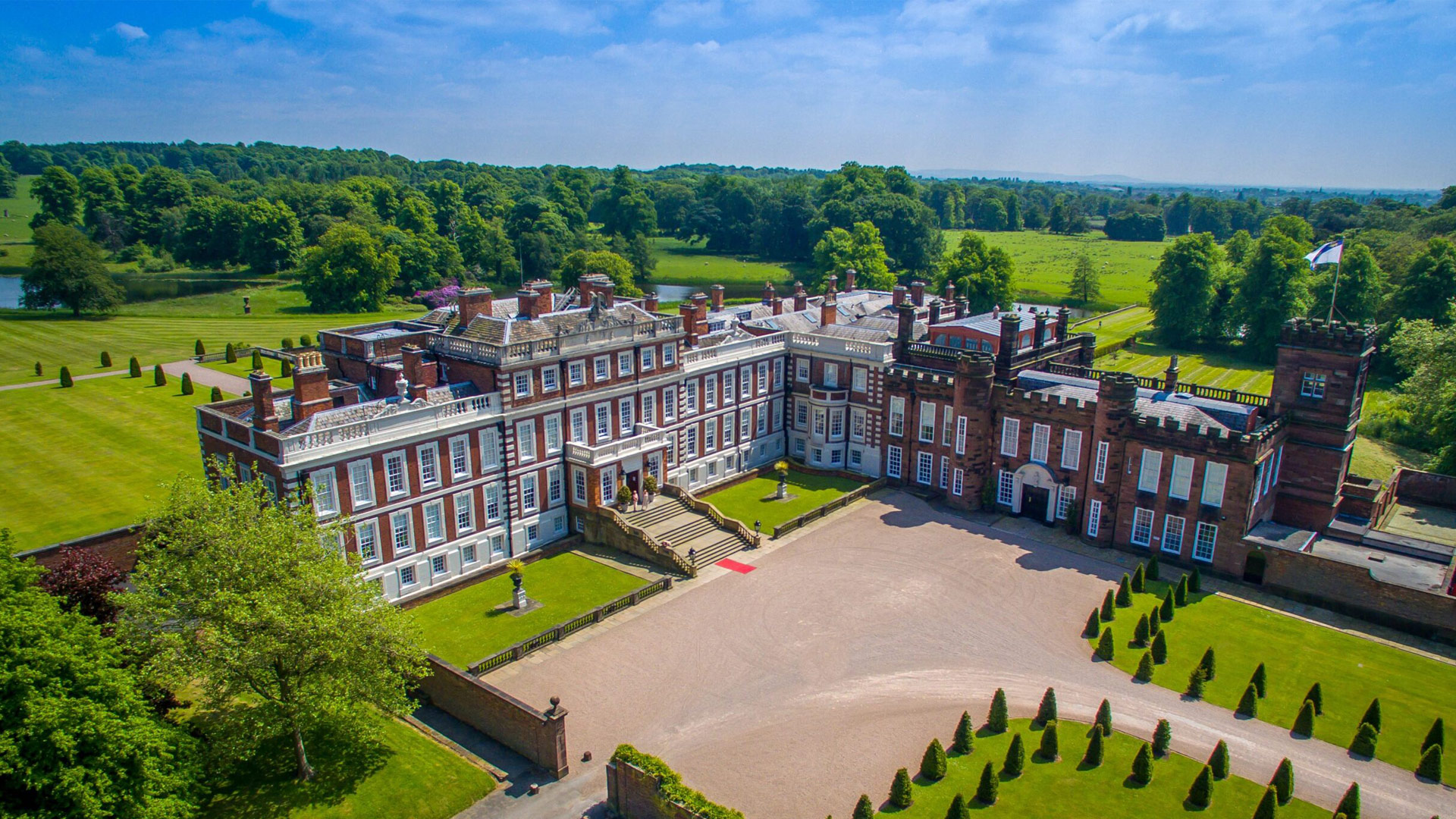
Knowsley serves as the suburban bridge between Liverpool and St Helens. While it is heavily residential, it is best known internationally for Knowsley Safari, one of the UK’s premier wildlife attractions.
The borough plays a critical role in the region's logistics, housing massive distribution centers that capitalize on the proximity to the M57 and M62 motorways.
Takeaway:These \places cover the most common visitor patterns-next, we’ll explain the “Liverpool City Region” label you’ll see on transport and tourism pages.
Don't Miss: London Attractions Map
How Is Merseyside Different From The Liverpool City Region?
This section stops you getting tripped up by two similar-sounding labels that show up in trip planning, transport sites, and official pages.
Merseysideis the county made up of five metropolitan boroughs. Liverpool City Regionis a combined authority area used for regional decision-making and coordination, bringing together six local authorities: Halton plus the five Merseyside boroughs.
Why that matters to you:
- Transport and visitor info is often organised at the city-regionlevel (so you’ll see Halton included).
- If you’re booking region-wide transport or reading official travel updates, the city-region label is common.
Takeaway:Merseyside is the county; Liverpool City Region is the broader governance/transport frame-next, we’ll make that useful with practical car-free travel planning.
Getting Around Merseyside Without A Car
If you’re planning a trip, this is where the destination becomes easy: Merseyside is one of those UK areas where public transport can do a lot of the heavy lifting, especially for classic day trips.
A solid baseline: Merseytravel coordinates public transport across the Liverpool City Region and provides travel information, while Merseyrail sits within that wider system for rail connectivity.
Rail-first Planning (your “easy Mode”)
- Use rail for Liverpool ↔ coastal/day-trip patterns where possible (it reduces parking stress and keeps plans predictable).
- If you’re splitting time across boroughs, rail often makes “base in Liverpool” workable.
Buses (best For “last Mile”)
Buses become your friend when you’re linking stations to beaches, parks, or specific attractions, especially in Sefton and Wirral. Merseytravel’s role as the travel info hub is the practical starting point.
Ferries (scenic + Surprisingly Useful)
Mersey Ferries is the iconic option for crossing and viewing the Liverpool and Wirral waterfronts-sometimes it’s transport, sometimes it’s the experience.
Car-free Reality Check (quick Checklist)
Use this before you lock an itinerary in:
- Pick one base(often Liverpool) and add one borough per day.
- Confirm whether your “must-do” is station-walkableor needs a bus link.
- For beaches and dunes, check any access notices (National Trust posts travel/parking guidance for Formby).
- Plan a buffer for weather and tides on coastal days (the experience changes fast).
- If your day includes the ferry, treat it as both transport and a timed activity.
Takeaway:A rail-first plan + light bus/ferry links is usually enough-next, you’ll get a “beyond Liverpool” list that’s built for day trips.
Best Things To Do In Merseyside Beyond Liverpool
This section is designed for the moment you think: “I’ve got Liverpool covered-what else is worth my time?” Each idea below works as a half-day or day trip, and each is labelled so you can pick what fits your style.
1. Birkenhead Park (Wirral)
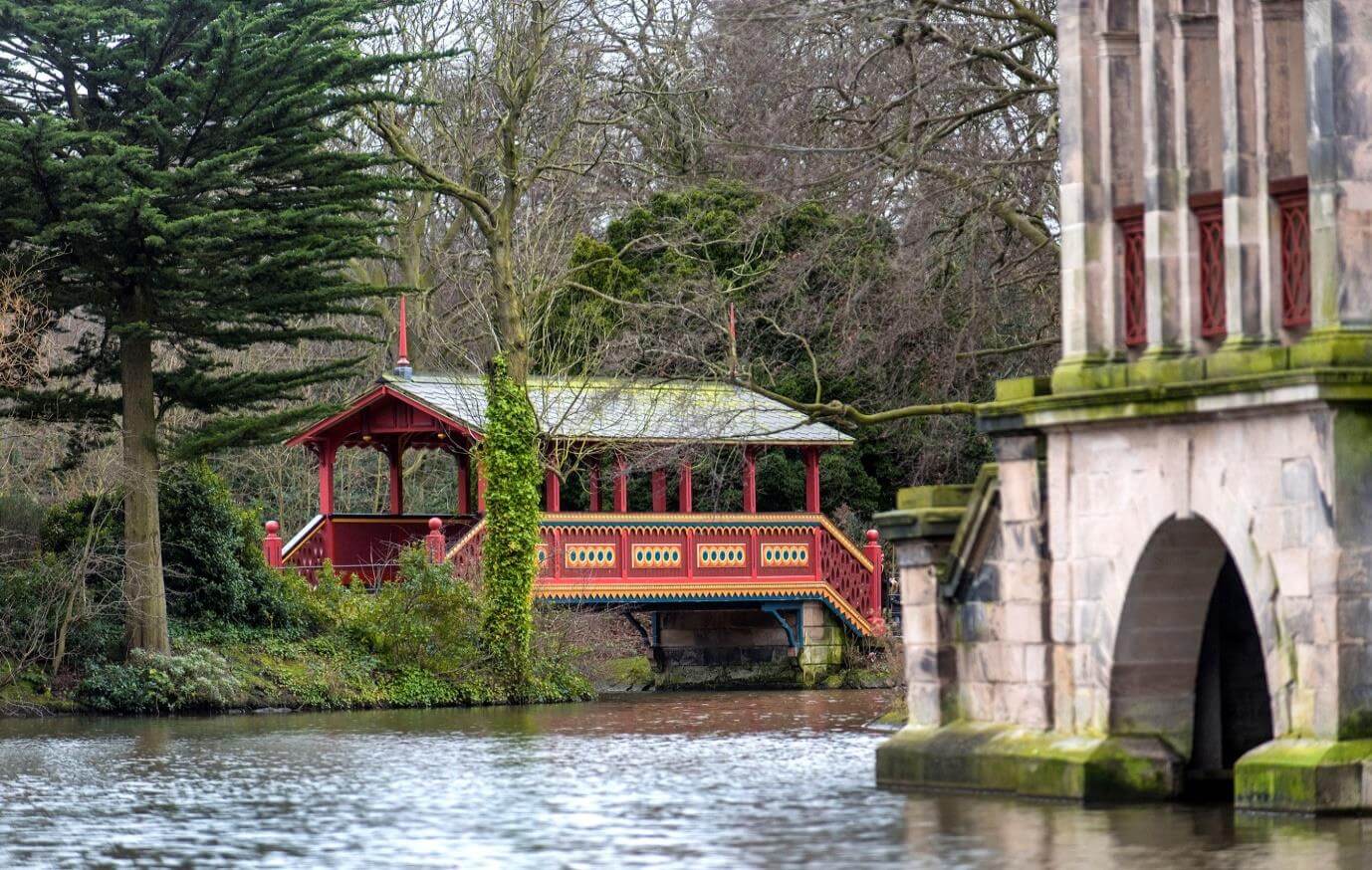
- Address:Park Dr, Birkenhead CH41 4HY, UK
- Hours:Open 24 hours
Come here when you want a proper Victorian park day-lakes, bridges, wide paths, and space to switch off. Birkenhead Parkis ideal for a slow walk, a picnic, or a kid-friendly “run around” stop before you head to the waterfront.
2. Hamilton Square Heritage Walk (Birkenhead, Wirral)
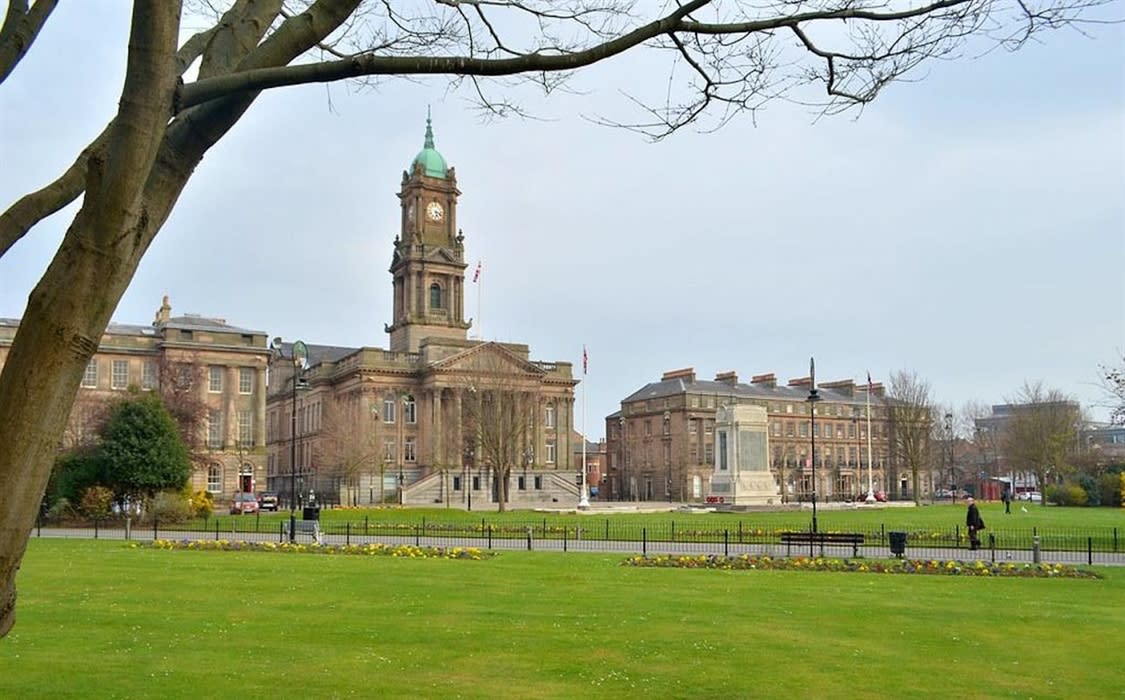
Location:Birkenhead, Wirral, England
If you like architecture and city-history without crowds, Hamilton Square is a great “wander and look up” area. Pair it with a coffee nearby and a short riverside stroll so it feels like a mini city break, not just a stop. (Best for: history + photos.)
3. Birkenhead Priory & St Mary’s Tower (Wirral)

- Address:4 Priory St, Birkenhead CH41 5JH, UK
- Facilities:Child friendly, On-site parking, Toilets, Cold drinks and snacks available
Birkenhead Prioryis the “oldest-story-on-Merseyside” kind of visit-compact, atmospheric, and surprisingly easy to fit into a day. Climbing the tower adds the payoff: big Mersey viewsthat make the history feel real.
4. Woodside Waterfront For Mersey Views (Birkenhead, Wirral)
Go here for the simple pleasure of watching the river-boats, sky, and that wide-open feeling you don’t get inland. It’s an easy add-on after Birkenhead Priory or Hamilton Square when you want something scenic but low-effort.
5. Port Sunlight Village Self-guided Walk (Wirral)
Port Sunlight is a “slow travel” favourite: garden village streets, quirky architecture, and calm. The best way to enjoy it is to stroll with a loose route, then stop for tea/coffee so it feels like a real break.
6. Port Sunlight Museum (Wirral)
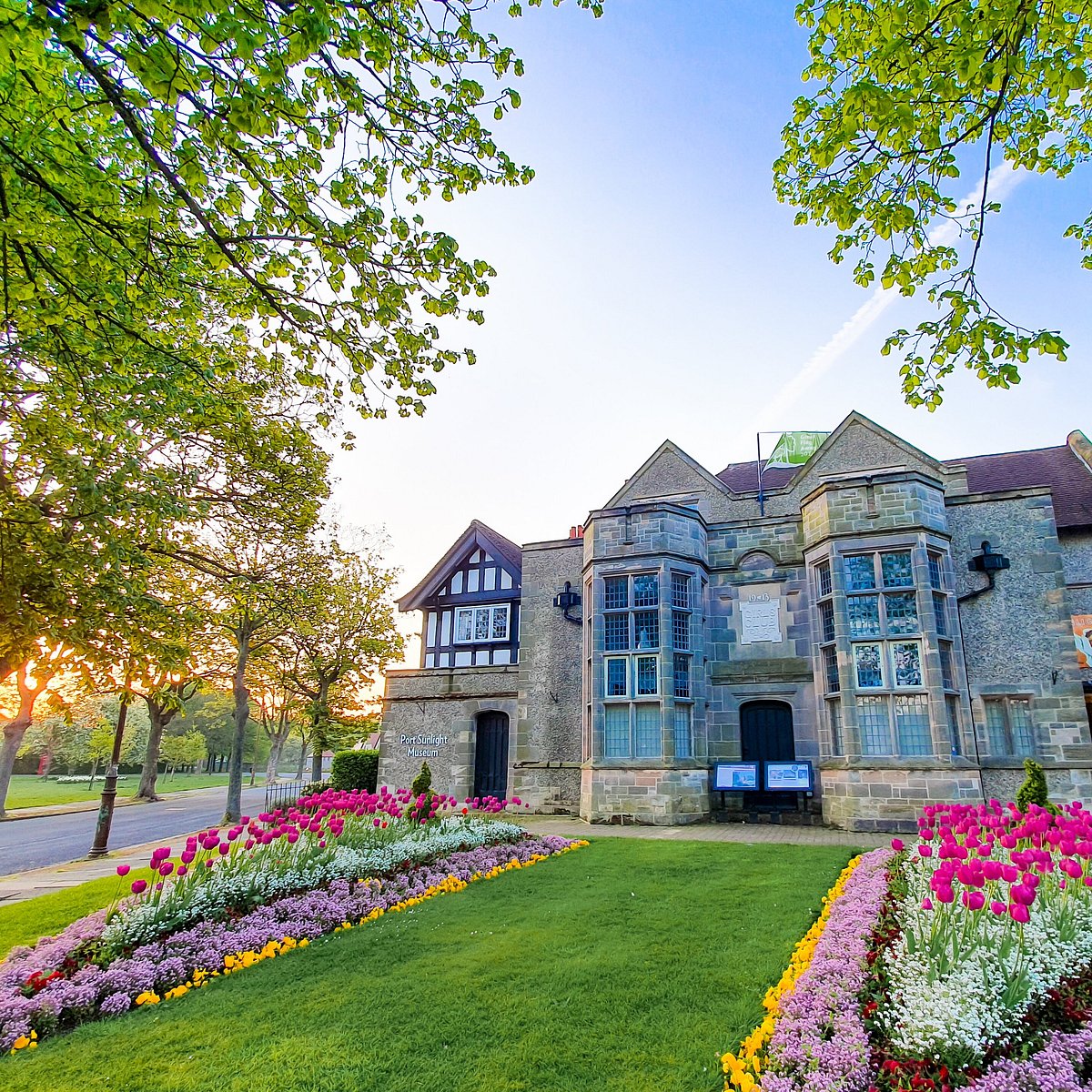
- Address: 23 King George's Dr, Bebington, Wirral CH62 5DX, UK
- Hours:Daily 10 am–4:30 pm
If you want to understand why this place exists(and why it looks like a storybook village), the museum gives you that context quickly. Combine it with a village walk so you can spot details afterwards-doors, stonework, layouts.
7. Lady Lever Art Gallery (Port Sunlight, Wirral)
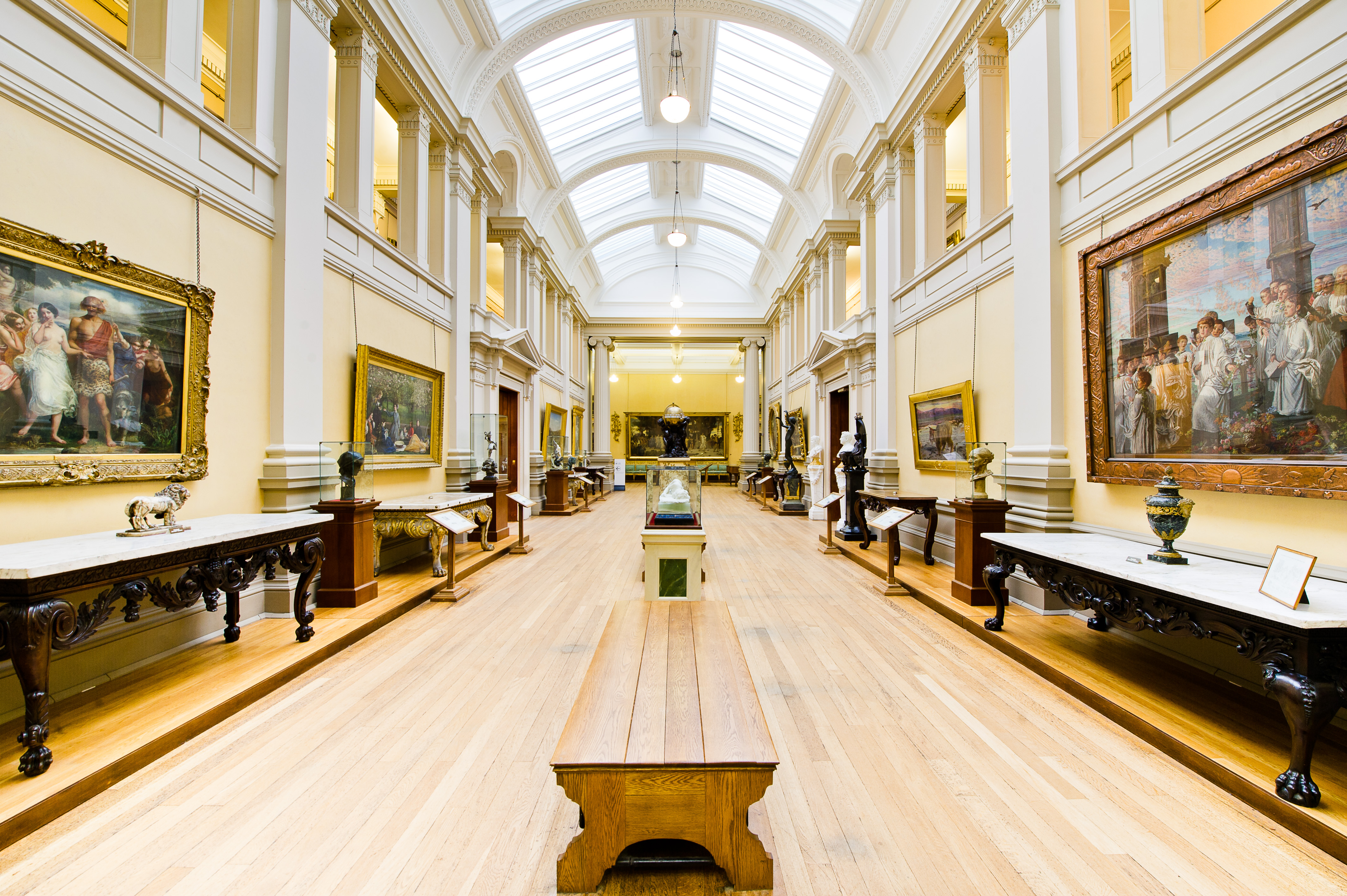
- Address:Village, Lower Rd, Port Sunlight, Bebington, Wirral CH62 5EQ, UK
- Entry:Free
This is the easiest “high-culture win” outside Liverpool: you can drop in for an hour and still feel like you did something substantial. Even if you’re not an art person, the decorative arts and the building itself make it accessible.
8. New Brighton Seaside Half-day (Wirral)
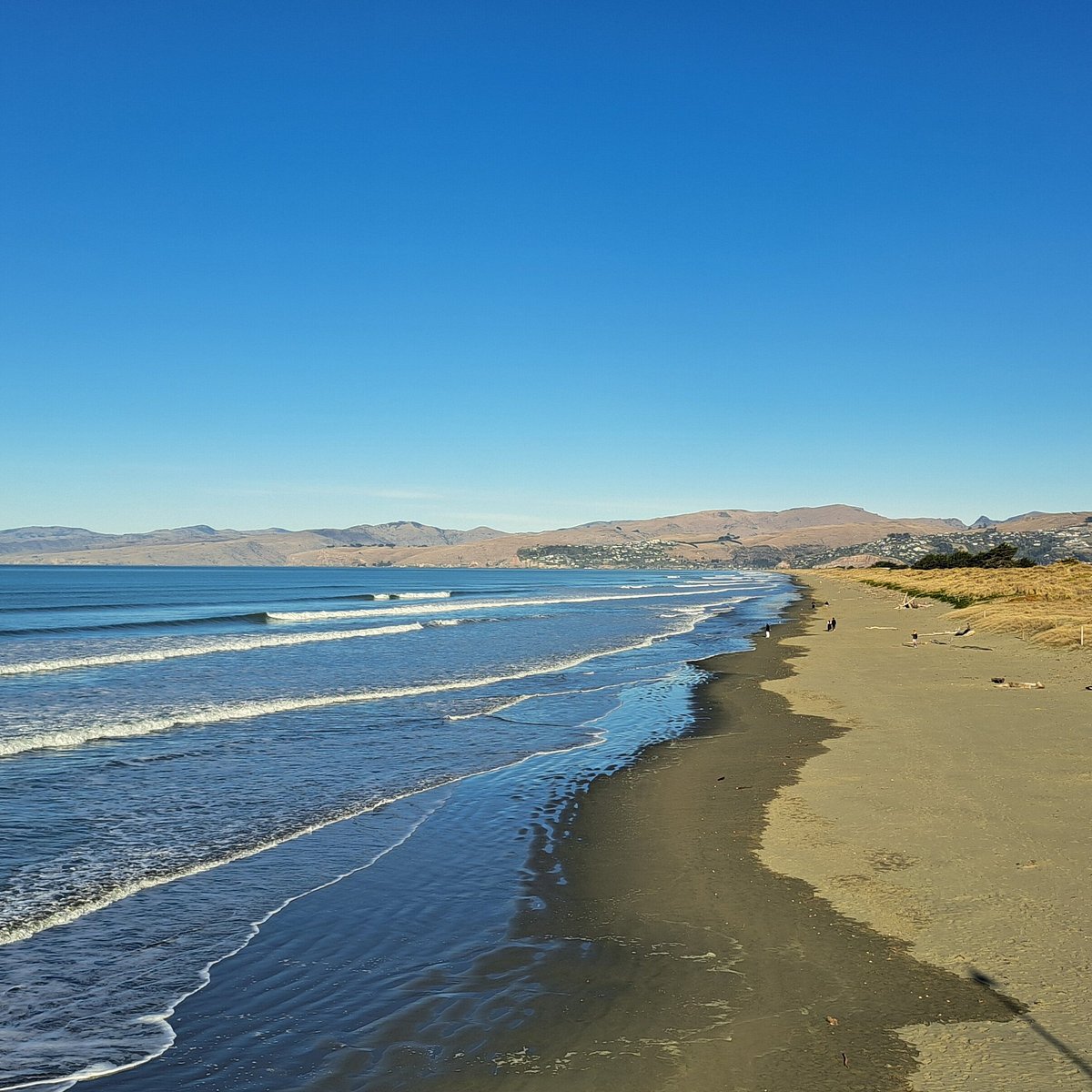
When you want classic coastal energy-promenade pacing, sea air, and snack stops-New Brighton delivers. It’s great on a bright-but-breezy day when you want to keep moving and keep it simple.
9. Fort Perch Rock (New Brighton, Wirral)
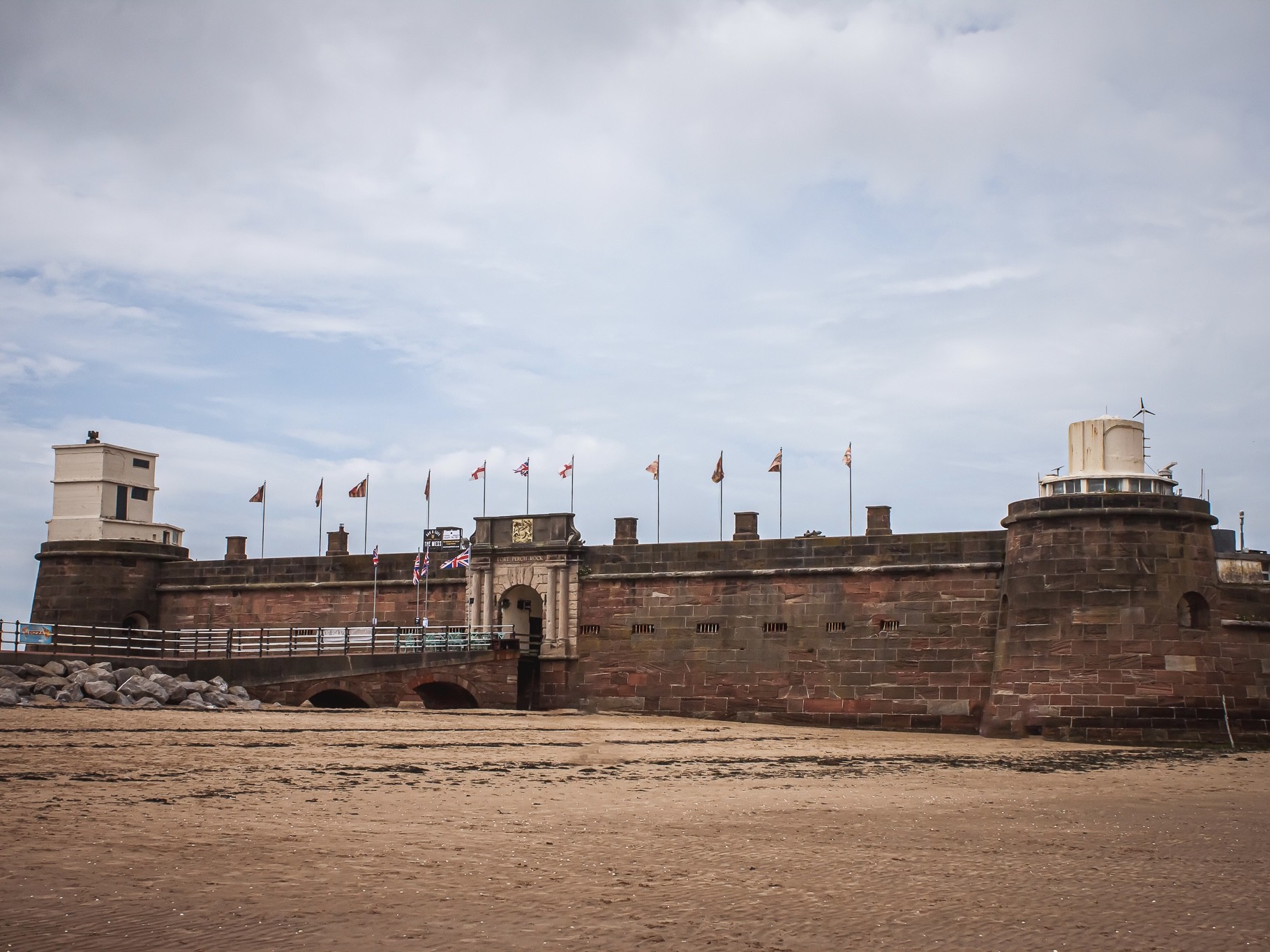
Address:Marine Promenade, New Brighton, Wirral CH45 2JU, UK
If you like “old forts, coastal defence stories, and sea views,” Fort Perch Rockis a satisfying visit. It works well as a 60–90 minute anchor, then you can continue along the prom without feeling locked into a full day. (Tip: it’s a strong rainy-day alternative if the beach isn’t appealing.)
10. Catch A Show At The Floral Pavilion (New Brighton, Wirral)
This is the kind of plan that instantly upgrades a trip: daytime seaside + evening performance. If you’re travelling as a couple or in a small group, it’s a great way to add a “memory moment” without lots of logistics.
11. Spaceport At Seacombe (Wirral)
Perfect for families (and curious adults): it’s hands-on, weather-proof, and easy to combine with other Wirral stops. Treat it as your “indoor anchor” on a mixed-weather day so you’re not gambling on outdoor plans.
12. West Kirby Marine Lake Loop (Wirral)
This is a clean, satisfying walk-flat, scenic, and easy to pace for any fitness level. Bring a warm drink and treat it like a reset: one loop now, one loop later, and you’ll feel like you’ve really been by the coast.
13. Hoylake Beach Walk (Wirral)
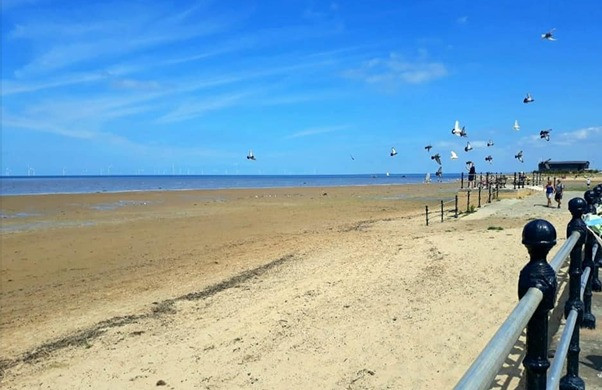
Hoylake Beach, located on the northwest corner of the Wirral Peninsula in Merseyside.
If you want big sky + wide sands, Hoylake is a strong pick. Go near sunset if you can; it’s one of those places that makes you slow down without trying.
The long promenade is perfect for cycling and walking, offering incredible views across the Dee Estuary to the Welsh mountains.
14. Hilbre Island Tidal Walk (Wirral)
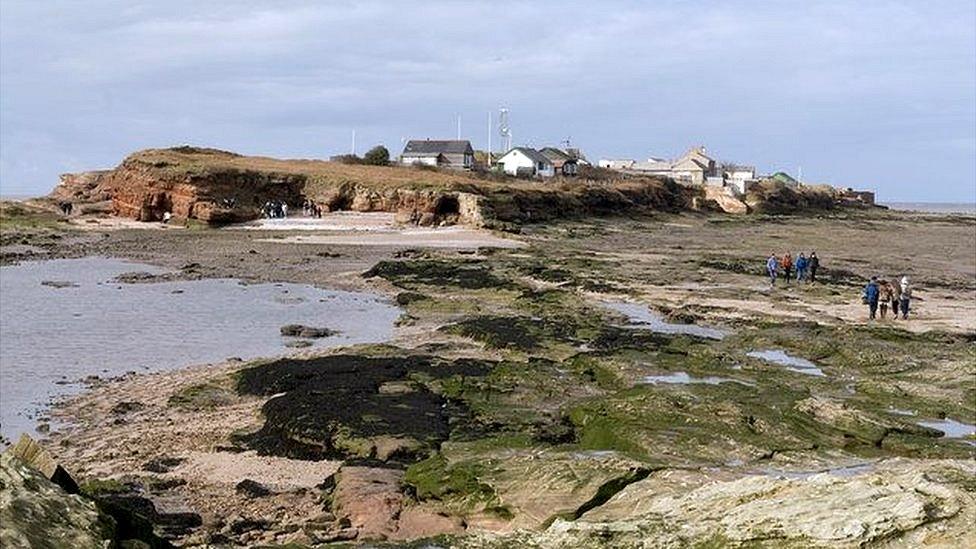
Hilbre Island is the largest of a group of three tidal islands located at the mouth of the Dee Estuary, just off the coast of the Wirral Peninsula in Northwest England.
This is a standout Merseyside experience-walking across the sands to tidal islands feels wild and special. The key is planning: check tide times and weather, and give yourself generous margins for the return.
15. Wirral Country Park + Dee Estuary Viewpoints (Wirral)
Go here when you want a proper “nature fix” without a long drive: trails, cliffs, and estuary views that feel much bigger than you expect. It’s especially good for a half-day hike that still leaves room for lunch in a nearby village.
16. Thurstaston Common & Woodland-to-coast Walk (Wirral)
This is a great “variety walk”: woodland underfoot, then open views. It’s ideal when you want something more interesting than a flat promenade, but still very manageable.
17. Cycle Or Walk A Stretch Of The Wirral Way (Wirral)
The Wirral Way is perfect for a choose-your-own-distance day: do 30 minutes out-and-back, or commit to a longer cycle segment. Plan one “destination pause” (a bench, a view, a café) so the route feels like a day out, not exercise homework.
18. Ness Botanic Gardens (Wirral)
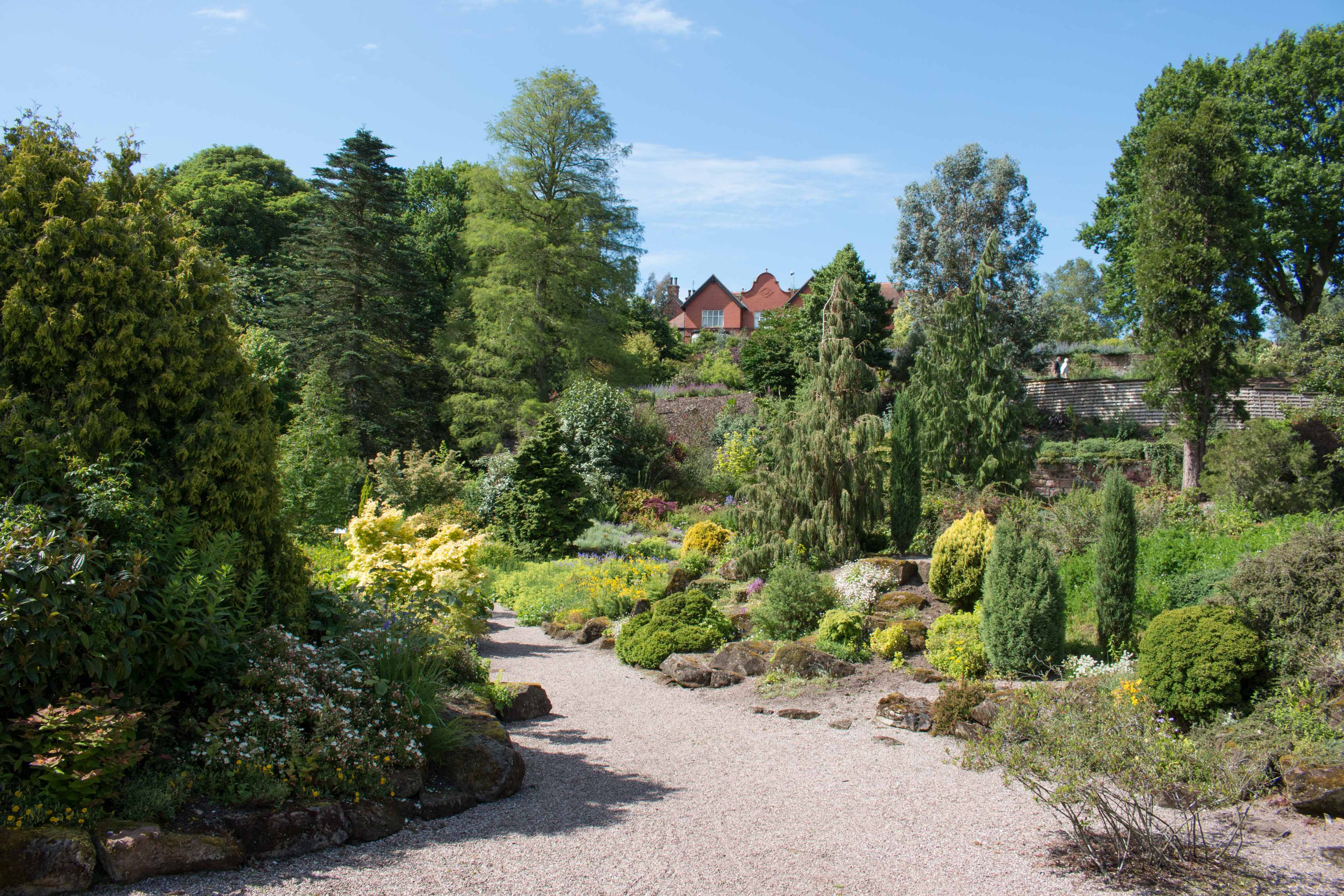
- Located in:University of Liverpool
- Address:Neston Rd, Little Neston, Ness CH64 4AY, UK
If you want calm, colour, and an unhurried pace, Ness is a great choice. Go with a “one hour minimum” mindset-botanic gardens only work when you let yourself slow down.
19. Another Place (Antony Gormley) At Crosby Beach (Sefton)

This is the iconic “iron figures in the sea” scene-striking in any weather, especially at low tide when you can walk further out. Treat it like a photo walk: arrive, explore the spread of figures, then finish with a warm drink nearby.
20. Crosby Lakeside For Water-based Activities (Sefton)
When you want something active without needing a full adventure plan, Crosby Lakeside is a smart option. It’s especially good for groups where not everyone wants the same intensity-some can get on the water, others can spectate and relax.
21. Rimrose Valley Country Park (Sefton)
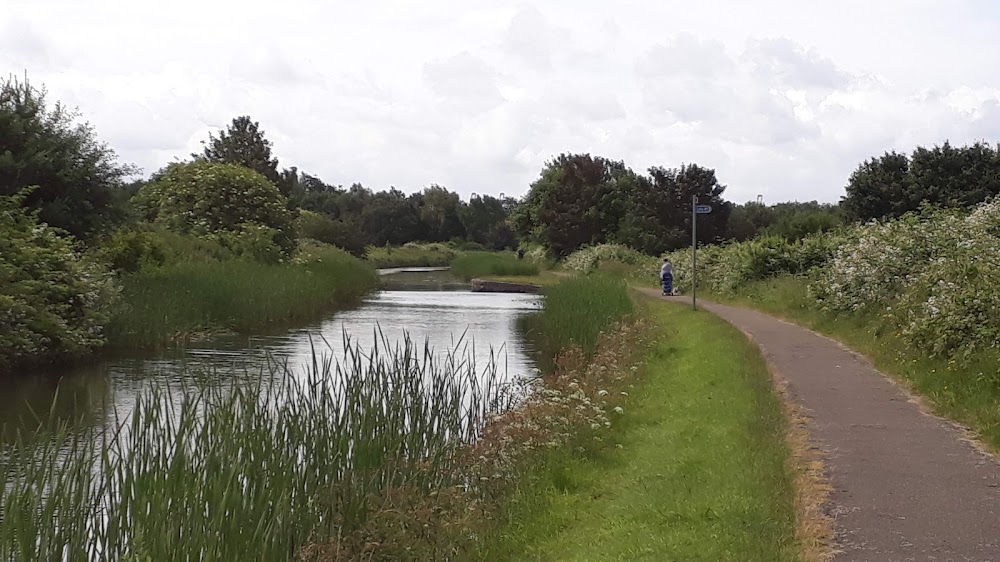
Address:29 Parklands Way, Liverpool L22 3YX, UK
Rimrose Valley Country Park is a vital 3.5 km (2.2 mile) "green lung" located in the borough of Sefton, Merseyside. It forms a natural border between the neighborhoods of Crosby and Litherland, providing a rare expanse of open countryside in a densely populated urban area.
This is an underrated “local nature” space-great for a brisk walk, a bike ride, or a low-commitment outdoor break. It’s a strong choice when you want greenery and quiet, but you’re short on time.
22. Leeds & Liverpool Canal Towpath Stroll (Bootle–Aintree Area, Sefton)
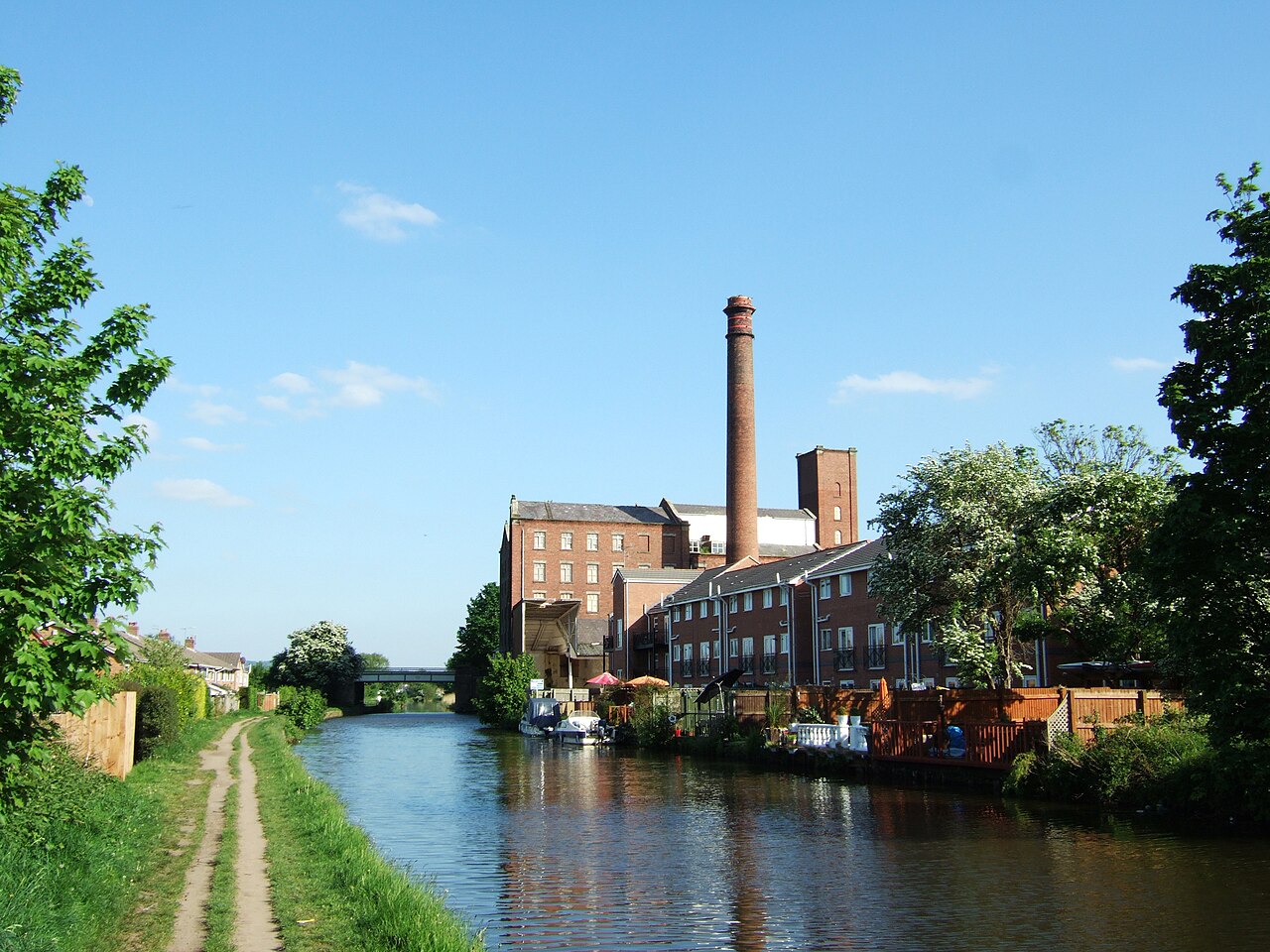
Canal walking is easy to love: flat paths, steady scenery, and that peaceful “forward motion” feeling. Start with a short section and build-canal routes are best when you don’t over-plan them.
If you want to keep going, the path continues north toward Maghull, where the scenery becomes even more rural with views of Melling Church on the hill.
23. Aintree Racecourse (Sefton)
Even if you’re not going on race day, the place has real sporting history energy. If you aregoing for an event, plan transport early and make it a full half-day so it doesn’t feel rushed.
24. Formby: Dunes, Pinewoods, And Wildlife (Sefton)
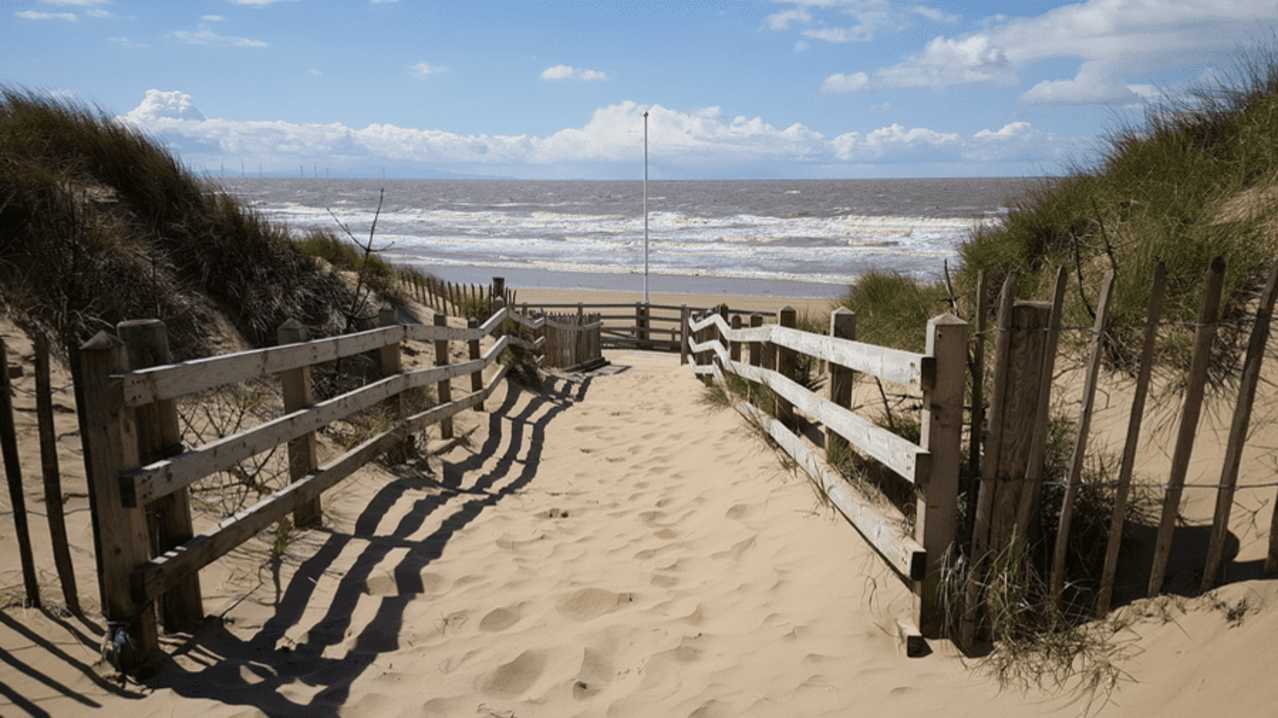
This is one of the best “nature + wow” combinations around: dunes you can climb, woodland you can wander, and the chance of spotting red squirrels (never guaranteed, which is part of the charm). Check access notes before you go-coastal conservation work can change routes.
Entry Points:There are two main National Trust car parks: Victoria Road (best for squirrels) and Lifeboat Road (best for dunes and beach walks).
Getting There: Train:A 15-minute walk from Freshfield Station (for Victoria Road) or Formby Station (for Lifeboat Road) on the Merseyrail Northern Line.
25. Ainsdale Sand Dunes National Nature Reserve (Sefton)
Address:Shore Rd, Ainsdale, Southport PR8 3QW, UK
Great for big open walking, wildlife watching, and that “I can breathe again” feeling you get in dune landscapes. Wear shoes you don’t mind getting sandy and keep a light layer handy-the coast can turn quickly.
26. Sefton Coastal Path-style Beach-and-dunes Day (Sefton)
If you want a long, satisfying coastal walk, pick a section and commit to a one-way plan (walk + train back works well). The real win here is variety: dunes, beach, pine edges, and huge horizons.
27. Cheshire Lines Path For Cycling Or An Easy Long Walk (Sefton)
This is ideal when you want distance without hills-steady, friendly gradients and a simple “just keep going” rhythm. It’s a great route for beginners building confidence on longer cycles.
28. Trans Pennine Trail “starting Point” Feeling (Southport Area, Sefton)
Even if you’re not doing coast-to-coast, there’s something satisfying about stepping onto a famous long-distance route. Treat it as a symbolic walk: do a short stretch, take a photo, then reward yourself with a Southport café stop.
29. RSPB Marshside Nature Reserve (Southport, Sefton)
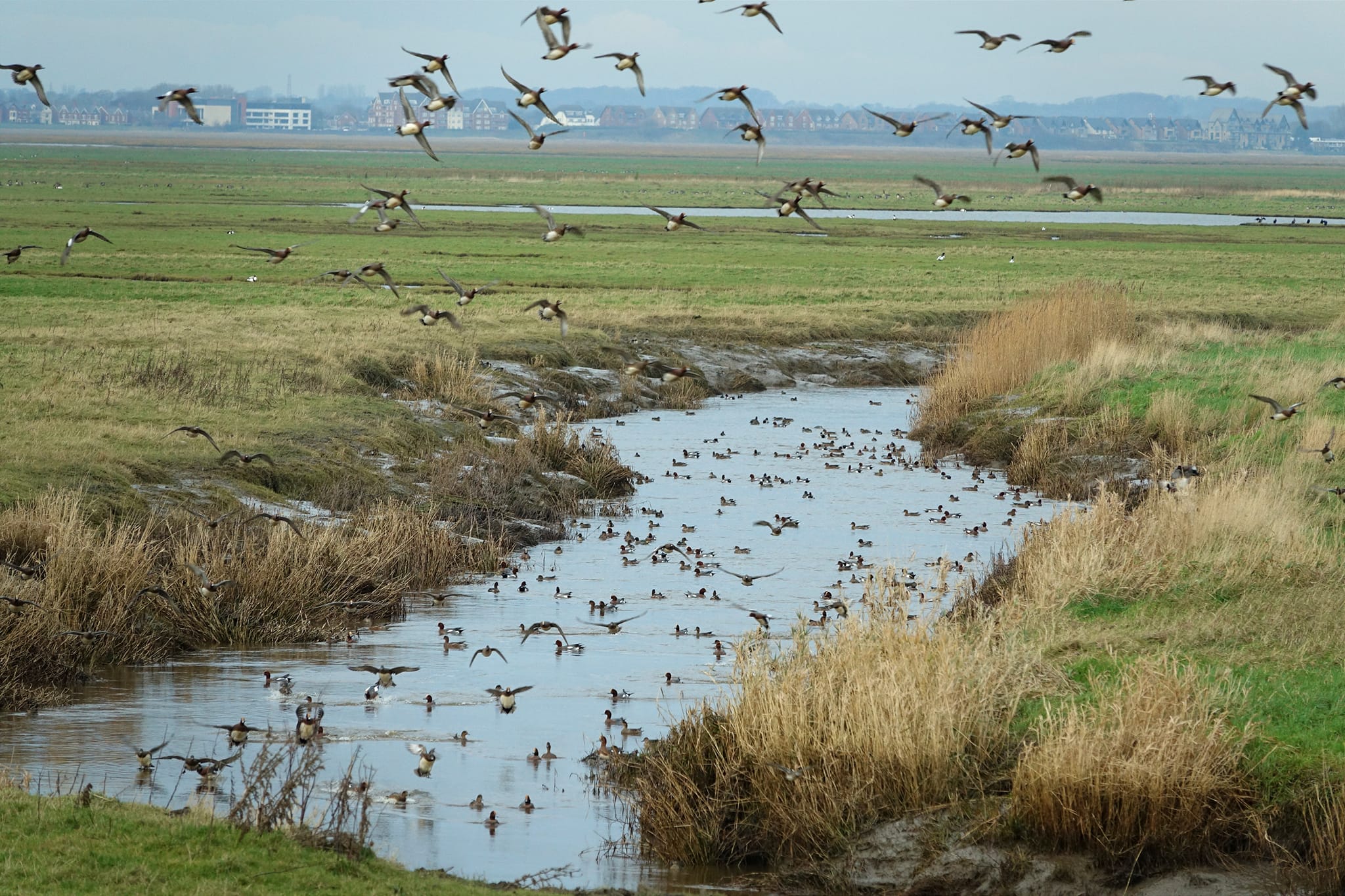
- Address:Marine Dr, Southport PR9 9NT, UK
- Entry Fee:Free to all
If you like birds-or you want to start liking birds-Marshside is a brilliant gateway. Bring binoculars if you have them, take your time at hides/screens, and you’ll notice far more than you expect.
Early mornings in the fields behind the marsh are the best time to spot Brown Hares in their famous "boxing" displays. The skies fill with thousands of Pink-footed Geese and Wigeon. It is an incredible spectacle of sound and movement.
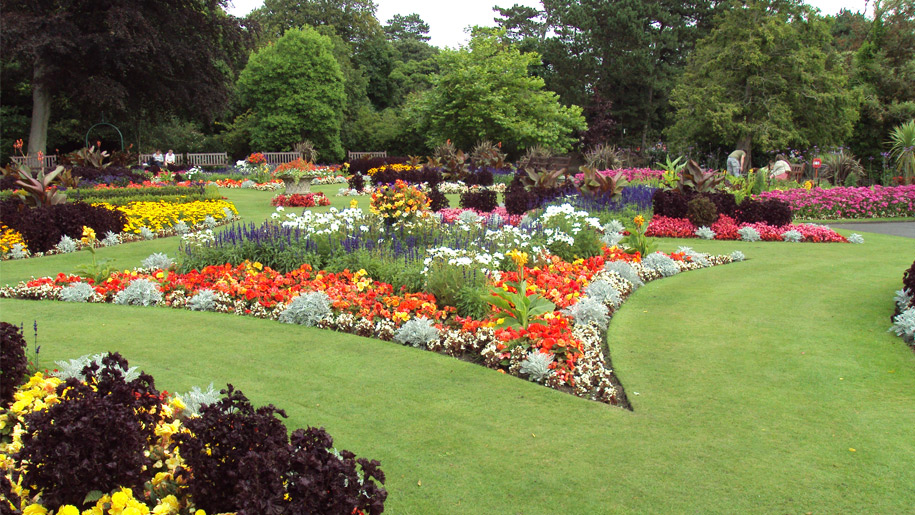
30. Southport Botanic Gardens (Sefton)
- Address:40 Bankfield Ln, Southport PR9 7NB, UK
- Entry:Free
Known as the "Jewel in the Crown," Southport Botanic Gardens is a stunning 23-acre Victorian park located in the historic village of Churchtown.
This is a gentle, feel-good stop: seasonal planting, easy paths, and an unhurried vibe. It’s a perfect “reset hour” between bigger activities.
The park includes a modern adventure playground, a crazy golf course (open seasonally), and two crown green bowling greens.
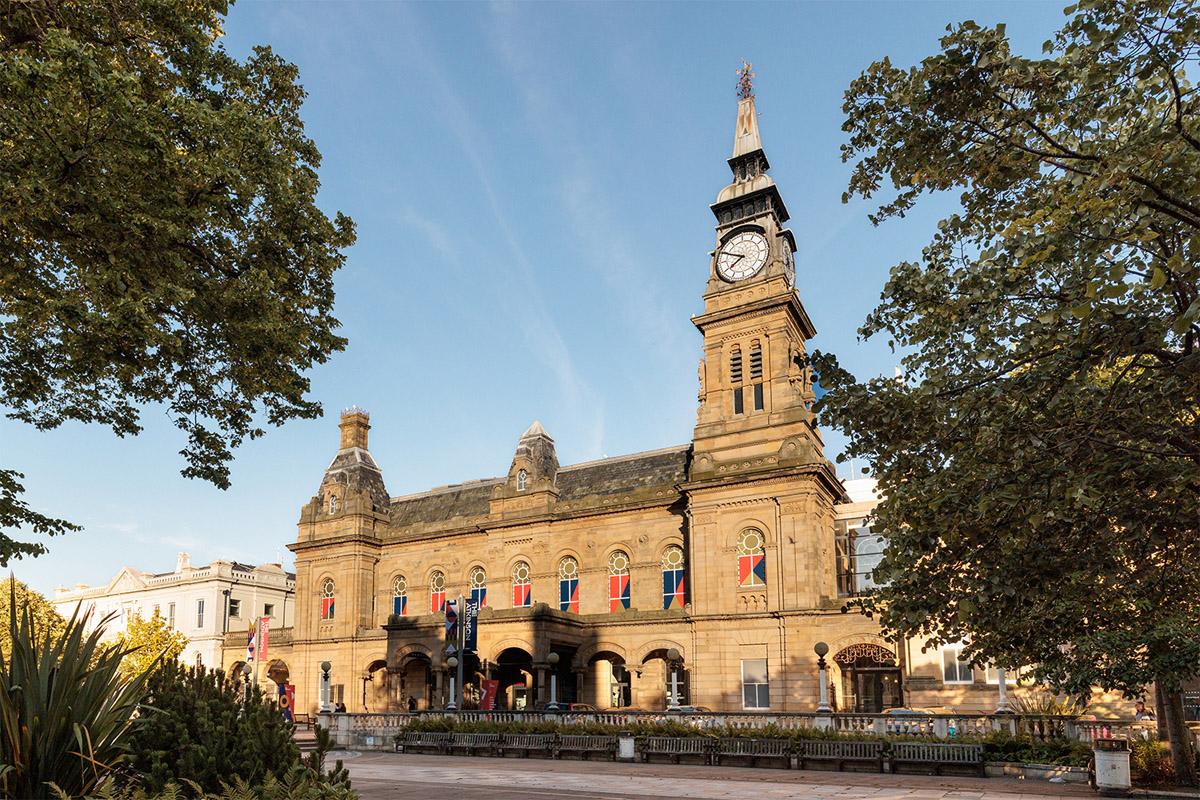
31. The Atkinson (Southport, Sefton)
- Address:The Atkinson, Lord St, Southport PR8 1DB, UK
- Entry:Free
Located in the heart of Southport on the grand, tree-lined Lord Street, The Atkinson is Sefton’s premier cultural hub. After a multi-million-pound restoration, it successfully combines a theatre, museum, art gallery, and library into one stunning Grade II listed building.
If your group needs an indoor cultural option, The Atkinson is a strong pick-museum/gallery/theatre energy that doesn’t feel heavy. It works especially well paired with lunch and a stroll down Lord Street afterward.
32. Southport Marine Lake (Sefton)
For a classic seaside “do something” activity, Marine Lake is great-boats, views, and the feeling of being properly on holiday. It’s also an easy win with kids because it’s contained and predictable.
33. Southport Model Railway Village (Sefton)
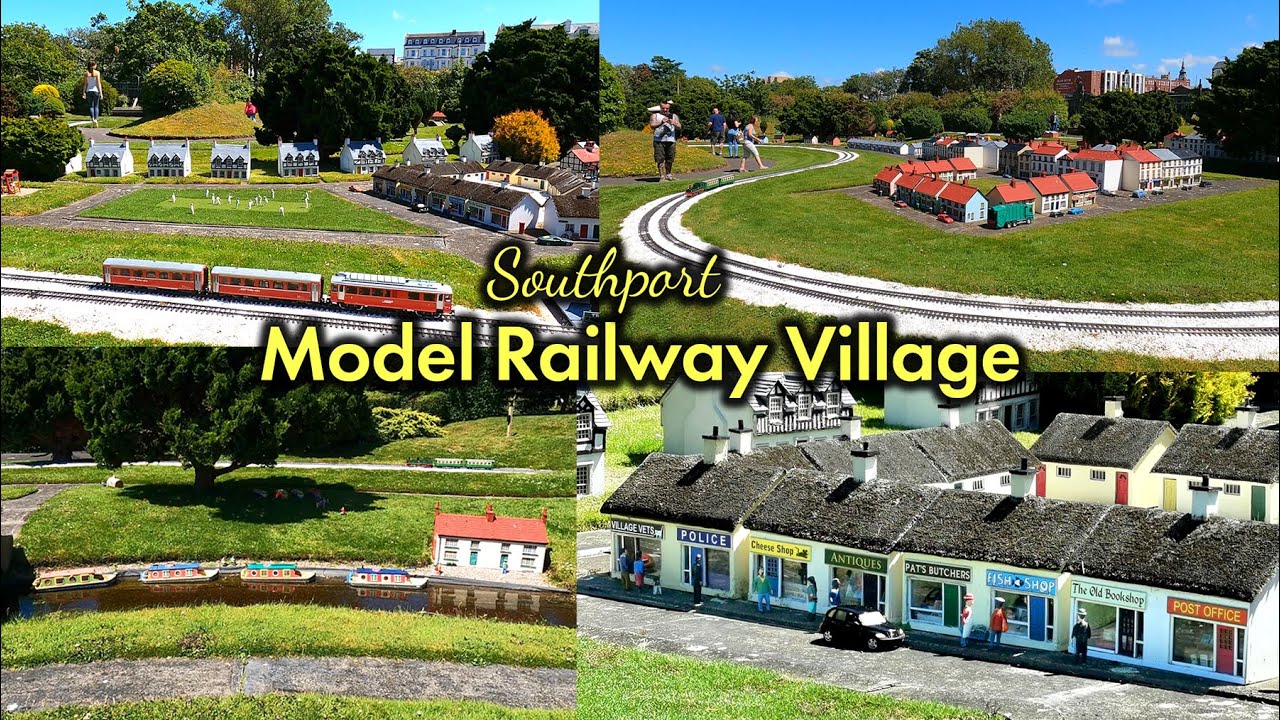
Model Railway Village Southport - Miniature Trains!
- Address:King's Gardens, Promenade, Southport PR8 1QX, UK
- 2026 Season:April 25th – September 27th.
Located in the scenic Kings Gardens, the Southport Model Railway Village is a charming 1.5-acre miniature world that has been a favorite for families and train enthusiasts since it opened in 1996. It is specifically designed as a "G Gauge" garden railway, making it one of the largest of its kind in the UK.
Go slowly, look for tiny details, and it turns into a fun “spot the scene” experience.
34. Lord Street Stroll (Southport, Sefton)
Lord Street is made for a relaxed wander-shops, architecture, and plenty of places to stop. If you’re travelling with mixed interests, it’s a good “everyone gets something” hour.
35. Southport Seafront “classic Day Out” (Sefton)
Think simple pleasures: sea air, arcades, snacks, and a long walk that doesn’t feel like exercise. It’s best when you don’t try to optimise it-just pick a direction and meander.
36. Lunt Meadows Nature Reserve (Sefton)
Address:Liverpool L29 8YA
A great option when you want quieter wildlife watching and flat, easy paths. It’s especially good early in the day when the place feels calm and you can actually hear the landscape.
37. Shakespeare North Playhouse (Prescot, Knowsley)
This is a standout cultural stop outside Liverpool-modern venue, strong programming, and a reason to spend real time in Prescot. Even if you don’t see a show, the building and café/bar make a good “anchor stop” in a day plan.
38. Knowsley Safari (Knowsley)
A full-blooded family day out: animals, drive-through + walkable areas, and plenty to keep different ages engaged. The best experience comes from pacing-don’t try to “do everything fast,” build in breaks.
39. Stadt Moers Park (Knowsley)
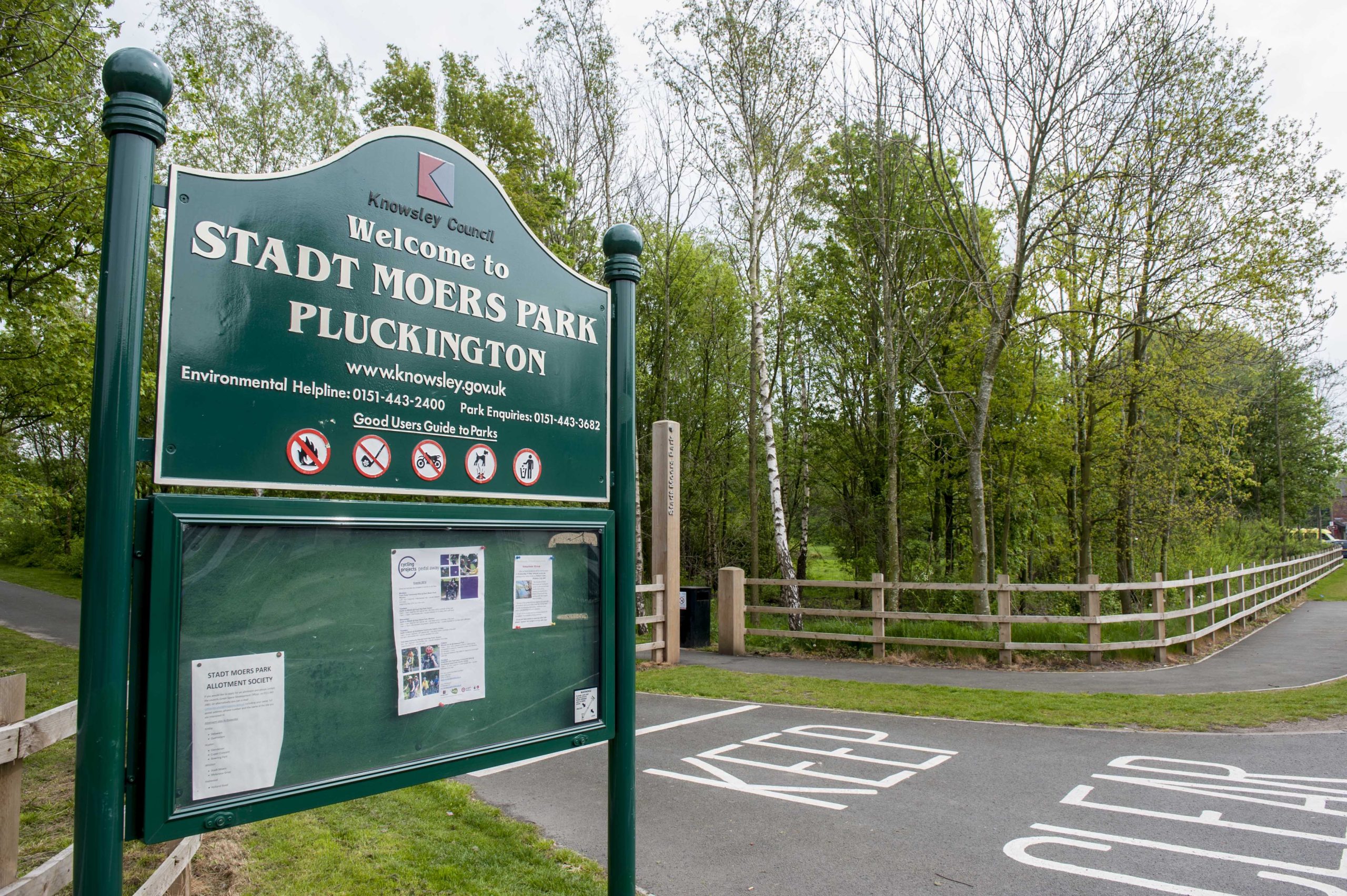
- Address:Pottery Ln, Whiston, Merseyside L35 3RG, UK
- Service options:Picnics, Swings, Cycling lanes
If you want open green space with easy paths and “get fresh air” simplicity, Stadt Moers is a strong choice. It’s ideal for a low-cost afternoon-walk, talk, and let the day breathe.
The park is currently undergoing further improvements as part of a 2025/2026 development plan to enhance its status as a regional destination.
40. Kirkby Gallery (Knowsley)

Address:Kirkby Gallery, The Kirkby Centre, Norwich Way, Kirkby L32 8XY, UK
This is a smart cultural add-on: you can dip in for an hour and still feel like you did something meaningful. Check what’s on-temporary exhibitions often make the visit feel fresh even if you’ve been before.
The Knowsley Open: A massive biennial event where the gallery is filled floor-to-ceiling with hundreds of works by local residents, students, and professional artists. It’s a "salon-style" hang that spills out into the foyers and corridors.
41. Acorn Farm (Kirkby, Knowsley)
A reliable family favourite: animals, hands-on vibes, and that “kids burn energy while adults exhale” effect. Plan it as a morning stop, then pair with lunch nearby or another quick Knowsley attraction.
42. Prescot Town Wander (Knowsley)
Prescot works best as a “little town” moment: a slow walk, a local lunch, and maybe a show at Shakespeare North if timings line up. It’s ideal when you want something that feels local-not built for tourists.
43. The World Of Glass (St Helens)
This is the easiest “St Helens signature” visit: local industrial heritage told in a way that’s engaging rather than dusty. If you’re travelling with kids or curious adults, it’s a strong all-weather pick.
44. Dream Sculpture + Sutton Manor Woodland Walk (St Helens)
Dream is genuinely impressive in person, and the surrounding woodland gives you a proper walk to go with it. Treat it as a “walk with a landmark” rather than a drive-by photo-your experience will be better for it.
45. Taylor Park (St Helens)
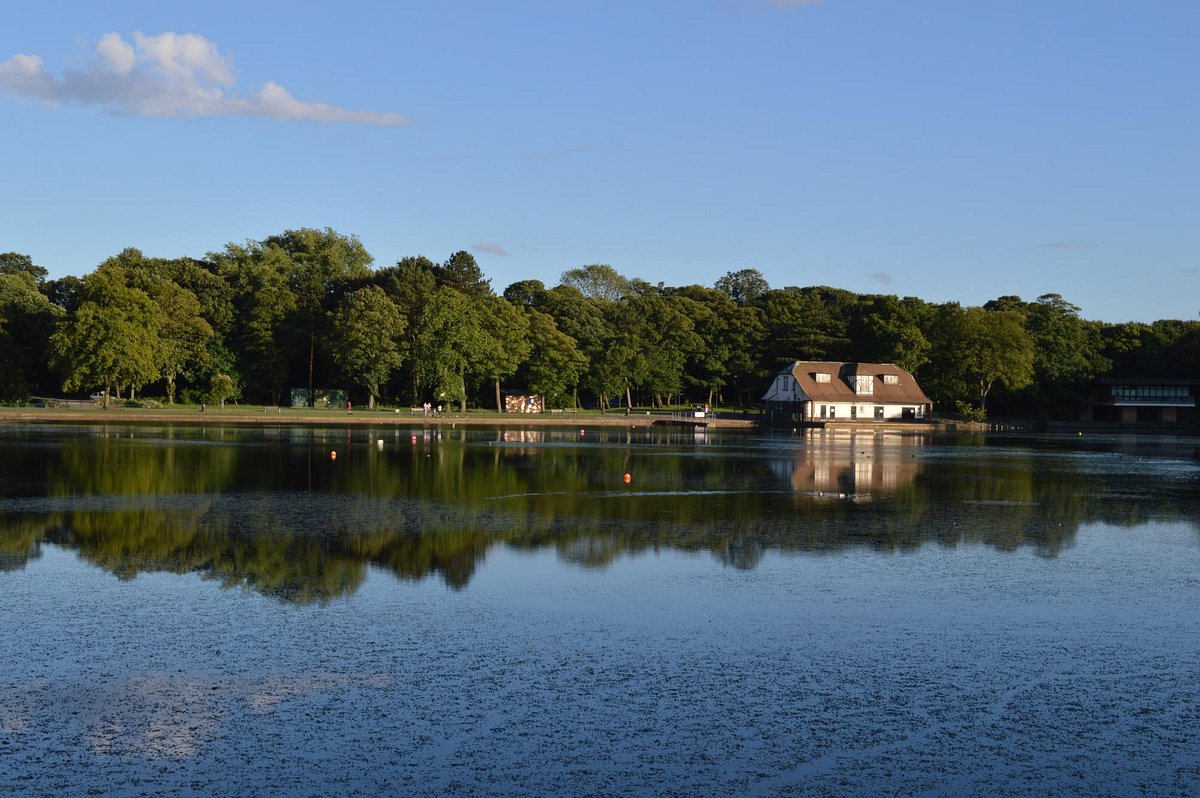
Address:Regents Rd, Saint Helens WA10 3HX, UK
Taylor Park is a classic Victorian park experience-good paths, open space, and an easy pace. It’s a great “low friction” option when you want outdoors without committing to a hike.
The park features two large children's play areas (one near the Grosvenor Road entrance and another near Holme Road) and an outdoor gym.
46. Sherdley Park For Lakes, Woodland, And Long Walks (St Helens)
This one is built for a proper wander: you can walk until you feel calm again. It’s also great for casual cycling practice because the paths are broad and forgiving.
47. Carr Mill Dam For A Lakeside Loop (St Helens)
If you want a scenic water walk without the coast, Carr Mill Dam is a strong choice. Go for a full loop at an easy pace and treat it like a “clear the head” session.
48. Billinge Hill (the High Point Of Merseyside) (St Helens)
When you want views-and a sense of “we earned this”-Billinge Hill delivers. Pick a clear day and you’ll get that wide horizon payoff that makes a short hike feel like a big experience.
49. North West Museum Of Road Transport (St Helens)
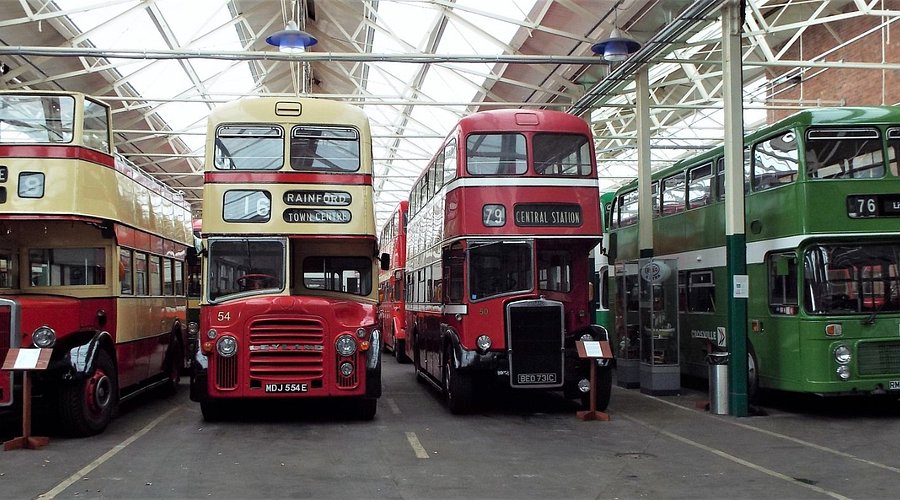
Address:The Old Bus Depot, 51 Hall St, Saint Helens WA10 1DU, UK
This is niche in the best way: vintage vehicles and transport history in a setting that feels authentically local. It’s a great rainy-day plan and surprisingly fun if you like design, engineering, or nostalgia.
Explore over 60 heritage buses from across the North West, including open-top buses, trolleybuses, and rare Leyland Titans. Many are open for you to step aboard and experience the "old bus smell" and leather seats of decades past.
50. St Helens Theatre Royal (St Helens)
If you want an evening plan that’s simple but memorable, a local theatre night is perfect. It also pairs well with a pre-show meal, which makes St Helens feel like a proper “night out,” not a day trip.
51. Haydock Park-style Race Day Energy (St Helens)
If you enjoy big-event atmosphere-dress-up, crowds, and a full afternoon out-race days in the borough can be a great option. Plan transport early and build in time for food so you’re not rushing between moments.
52. Sankey Valley Green Corridor Walk (St Helens Area)
This is great for anyone who likes walking with “story underfoot”-waterways, old routes, and long green stretches. Pick a short section and treat it as a linear walk (start/end points matter more than the distance). (Tip: this is one of those routes that’s better with a loose plan than a strict one.)
Takeaway:Beyond Liverpool, Merseyside’s best value is in Wirral heritage, Sefton coast, and St Helens industry-next, we’ll narrow in on the most asked-for micro-decision: Beatles tours.
Explore More: Best Things To Do In London
Which Beatles Tour Should You Choose In Liverpool (Merseyside)?
This section helps you choose the right Beatles experience without overpaying, overbooking, or picking the wrong format for your group.
Here’s the simplest truth: the “best” Beatles tour depends on what you want to optimise-coverage, depth, comfort, or flexibility.
The Safe Starting Point: An Official, Structured Bus Tour
The Cavern Club’s official Magical Mystery Tour is explicitly a 2-hourBeatles-focused bus tour and is one of the most recognisable formats for first-timers.
Museums Are A Different Experience Than Tours (and Can Be Paired)
- The Beatles Storypositions itself as Liverpool’s original Beatles museum and is a strong indoor option when you want a narrative experience in one place.
- Liverpool Beatles Museumhighlights its large collection on Mathew Street, making it an easy add-on if you’re already in the Cavern Quarter.
- For wider context, National Museums Liverpool hosts Beatles-related content as well.
Quick decision table
| If you want | Choose |
| A simple, first-timer overview | A structured bus tour like the Magical Mystery Tour. |
| Maximum depth + personal pacing | A private guided/taxi-style tour (best if mobility/time is tight). |
| The story in one place (great for weather days) | The Beatles Story museum experience. |
| A flexible add-on near Mathew Street | Liverpool Beatles Museum after a city-centre walk. |
A common mistake I see: trying to do tour + museum + multiple locationsin one day, then feeling rushed. If Beatles heritage is your priority, build one day around it and let everything else be optional.
Takeaway:Pick your format first (bus vs private vs museum)-next, you’ll get 1–3 day itineraries that balance Liverpool with the best of the wider county.
Best Merseyside Itineraries For 1, 2, And 3 Days
This section gives you ready-to-use plans that feel realistic-because most trips fail at the “too much, too far, too fast” stage.
1 Day: Liverpool Core + One “Mersey” Add-on
- Morning: Liverpool waterfront/museum block (choose a cluster, not scattered stops).
- Afternoon: Mersey Ferry for a skyline-and-estuary perspective.
- Evening: City-centre food + a simple walkable area.
Best for:first-timers or a day trip.
2 Days: Liverpool + One Borough Day
- Day 1: Liverpool essentials + (optional) Beatles museum or tour depending on your priority.
- Day 2 (pick one):
Wirral heritage day: Birkenhead Park + Port Sunlight.
Sefton coast day:Formby nature or Southport seaside, depending on whether you want dunes or town.
Best for:visitors who want “Liverpool plus somewhere different.”
3 Days: Liverpool + Coast + Culture
- Day 1: Liverpool + Mersey waterfront perspective (ferry or riverside time).
- Day 2: Sefton day (Formby or Southport).
- Day 3: Choose either:
Wirral day (Port Sunlight / Birkenhead Park), or
St Helens heritage day (World of Glass + town-centre time)
Where to stay (simple base strategy):
- If you want minimal friction, base in Liverpooland day-trip out.
- If your trip is “coast-first,” consider spending your second night nearer your chosen coastal day (Sefton/Wirral), but only if your transport plan is clear.
Takeaway:The best Merseyside trips usually look like “Liverpool + one focus per day”-next, we’ll answer the big FAQs people ask when they’re still orienting themselves.
Merseyside FAQs
Is Merseyside In Scotland?
No. Merseyside is a metropolitan county in northwestern England, centred on Liverpool and the River Mersey.
Is Merseyside The Same As Liverpool?
No. Liverpool is one borough/city within Merseyside; Merseyside also includes Sefton, Wirral, Knowsley, and St Helens.
How Many Cities Are In Merseyside?
Liverpool is the best-known city in Merseyside. Many other major places (like Southport or Birkenhead) are towns within the county’s boroughs.
Why Do They Call It Merseyside?
Because the county is centred around the River Mersey estuary, with communities on both banks.
Is Merseyside A State In England?
No. It’s a metropolitan county-a type of administrative county used in parts of England.
Is Manchester A Part Of Merseyside?
No. Manchester is in Greater Manchester. Merseyside is the county centred on Liverpool and the Mersey estuary.
How Is Merseyside Different From The Liverpool City Region?
Liverpool City Region includes the five Merseyside boroughs plus Halton, working together as a combined authority area.
What Are The Boroughs In Merseyside?
Knowsley, Liverpool, Sefton, St Helens, and Wirral.
What’s The Merseyside Derby?
It’s the football rivalry between Liverpool FC and Everton FC, played between two clubs based in Liverpool, Merseyside.
Quick Recap
Merseyside is the county around Liverpool-five boroughs linked by the Mersey estuary-with enough car-free transport to build a trip around “Liverpool + one extra place per day.” Start by choosing your second-day priority (coast, heritage village, or industry story), then build outward.
If you’re planning a trip, consider saving this and using the borough table + itinerary section as your quick planner.
Jump to
Visiting Merseyside - A Local’s Guide To The River Mersey Region
Where Is Merseyside, And What Areas Does It Include?
Boroughs In Merseyside
Is Merseyside The Same As Liverpool?
Most Popular Places To Visit In Merseyside
How Is Merseyside Different From The Liverpool City Region?
Getting Around Merseyside Without A Car
Best Things To Do In Merseyside Beyond Liverpool
Which Beatles Tour Should You Choose In Liverpool (Merseyside)?
Best Merseyside Itineraries For 1, 2, And 3 Days
Merseyside FAQs
Quick Recap

James Rowley
Author
James Rowley is a London-based writer and researcher covering London life, cultural geography, and selected public figures across entertainment, sport, business, and public life.
For over 15 years, he has focused on verified sources, first-hand local context, and clear explanations that help readers understand both places and people more deeply. His work combines street-level London knowledge with careful research into career credits, media work, business interests, and, where relevant, transparently explained net worth estimates.
He writes every article published on London Webcam.
Latest Articles
Popular Articles