Quietest Time To Travel On The Tube: Best Times By Day
Quietest Time to Travel on the Tube: learn the calmer weekday and weekend windows, when to avoid the rush, and why off-peak is not the same.
Author:James RowleyApr 03, 2026
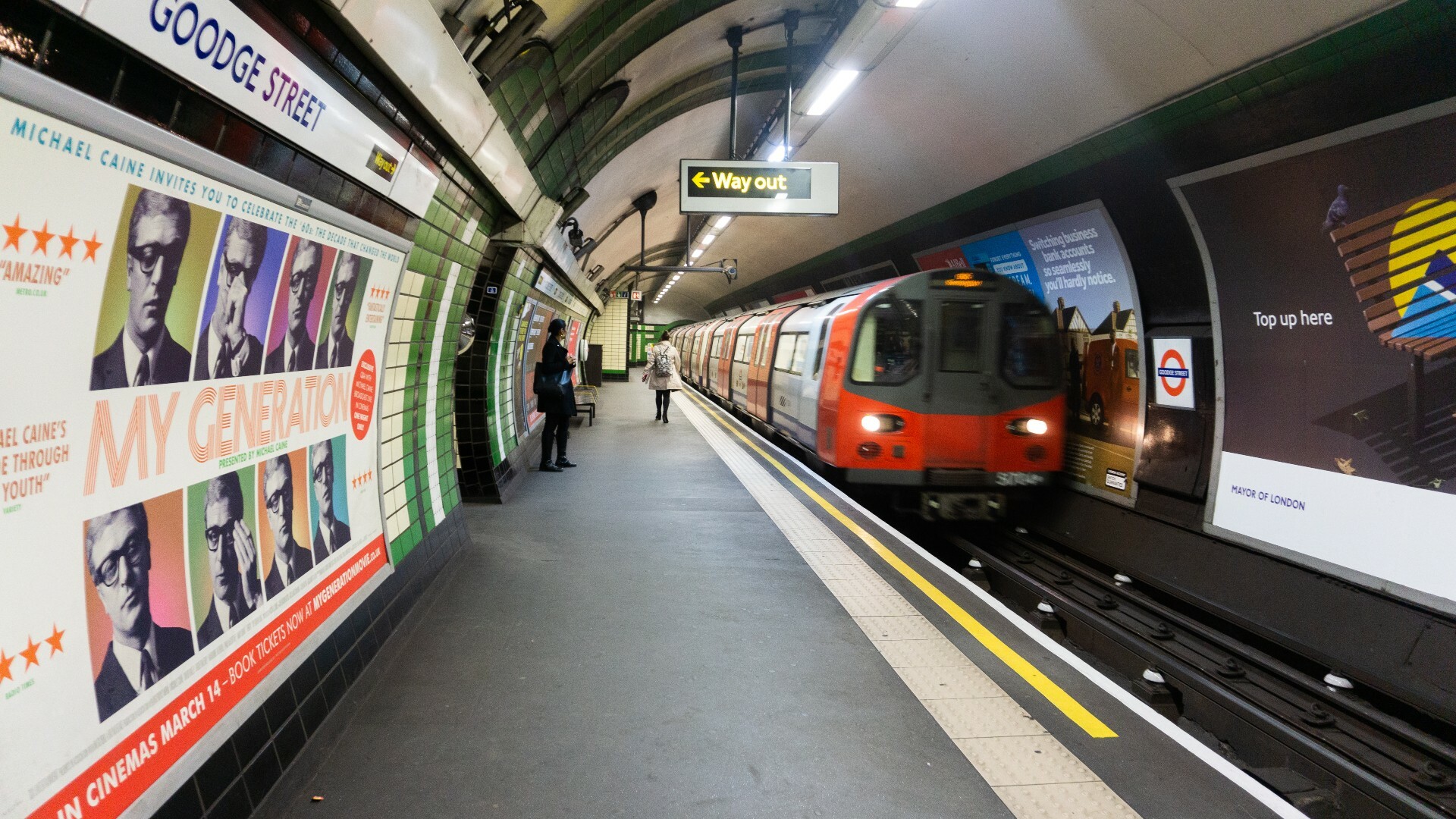
The quietest time to travel on the Tubeis usually 09:00–16:30 and after 18:45 on weekdays, and before 13:00 or after 18:30 on weekends.According to TfL, those are the broad windows when Tube and Rail services are generally quieter.
| When | Best rule of thumb |
| Weekdays | 09:00–16:30 and after 18:45 are generally quieter |
| Weekends | Before 13:00 and after 18:30 are generally quieter |
| Morning peak to avoid | 08:00–08:30 is usually the worst half-hour |
| Best tweak if flexible | Move your trip 30 minutes earlier or later |
| Fare note | Off-peak is not always the quietest |
Important: If works or events affect your route, TfL may suggest different quieter fallback times
Quietest Time To Travel On The Tube: What Changes By Day, Time, And Route
On the London Underground, the quietest timeis not simply “after rush hour,” and it is not always the same as off-peak.
The Quietest Tube Times At A Glance
- On weekdays, TfL says Tube and Rail are generally quieter between 09:00 and 16:30and after 18:45.
- On weekends, the Tube is generally quieter before 13:00and after 18:30.
- If you must travel in the morning peak, Mondays and Fridaysare usually quieter than Tuesdays, Wednesdays, and Thursdays.
- The worst morning slot is usually around 08:00 to 08:30; shifting your trip by 30 minutescan make a noticeable difference. TfL says that compared with 08:00–08:30, there are 20% fewercustomers between 07:30–08:00 and 14% fewerbetween 08:30–09:00.
- Quietestand off-peakare not the same thing. Peak and off-peak fares are based on when you touch in, not how crowded the station feels.
Treat those times as a strong rule of thumb, not a guarantee: TfL (Transport for London)says quieter times vary by station, line, service, works, events, and current conditions.
The Quietest Time To Travel On The Tube On Weekdays
Most people find weekday travel the most stressful part of using the Tube, so let's get straight to the point. Rather than just giving you the usual "avoid rush hour" advice, here is a practical rule of thumb you can actually use to find a seat and some breathing room during the week.
TfL’s General Weekday Quiet Window: 09:00 To 16:30
TfL’s current public guidance says Tube and Rail are generally quieter on weekdays between 09:00 and 16:30. That makes late morning through mid-afternoonthe safest broad choice if your priority is comfort, more standing room, or an easier trip with luggage, children, or a stroller. If you can choose one weekday window without overthinking it, this is it.
The reason this window matters is simple: it sits after the heaviest commuter arrivals and before the evening surge. It is also easier to navigate interchanges when platforms are not absorbing two waves of work travel at once.
That does not mean every train will feel empty, especially in central London, but it is the clearest citywide pattern TfL publishes.
Why After 18:45 Can Feel Easier Than Late Afternoon
TfL also says Tube and Rail are generally quieter after 18:45on weekdays. The key word is after. A lot of people hear “after work” and assume 17:30 or 18:00 is fine, but that is often exactly when crowding is still working through the system.
A lot of people assume the Tube gets quiet the moment the office doors close, but it’s actually the exact opposite. If you can hang back until closer to 19:00, you’ll miss that initial evening crush and have a much more comfortable journey.
Why Mondays And Fridays Are Usually Better Than Midweek Mornings
TfL says that if you need to travel in the morning peak, Mondays and Fridays are generally quieterthan Tuesdays, Wednesdays, and Thursdays. Its quieter-times page adds useful detail: weekday morning peaks see 14% fewercustomers on Monday mornings and 28% feweron Friday mornings than the midweek pattern.
TfL’s wider demand reporting points in the same direction. Its Travel in London 2024reporting shows London Underground morning-peak recovery is least advanced on Mondays and Fridays, while Tuesday and Thursday evening peaksare the busiest three-hour periods. That helps explain why “midweek feels worse” is not just commuter folklore.
The weekday takeaway is simple: late morning to mid-afternoon is your best default, and Monday or Friday is usually easier than midweek if you have to travel early. That sets up the next question: do weekends always solve the problem?
The Quietest Time To Travel On The Tube On Weekends
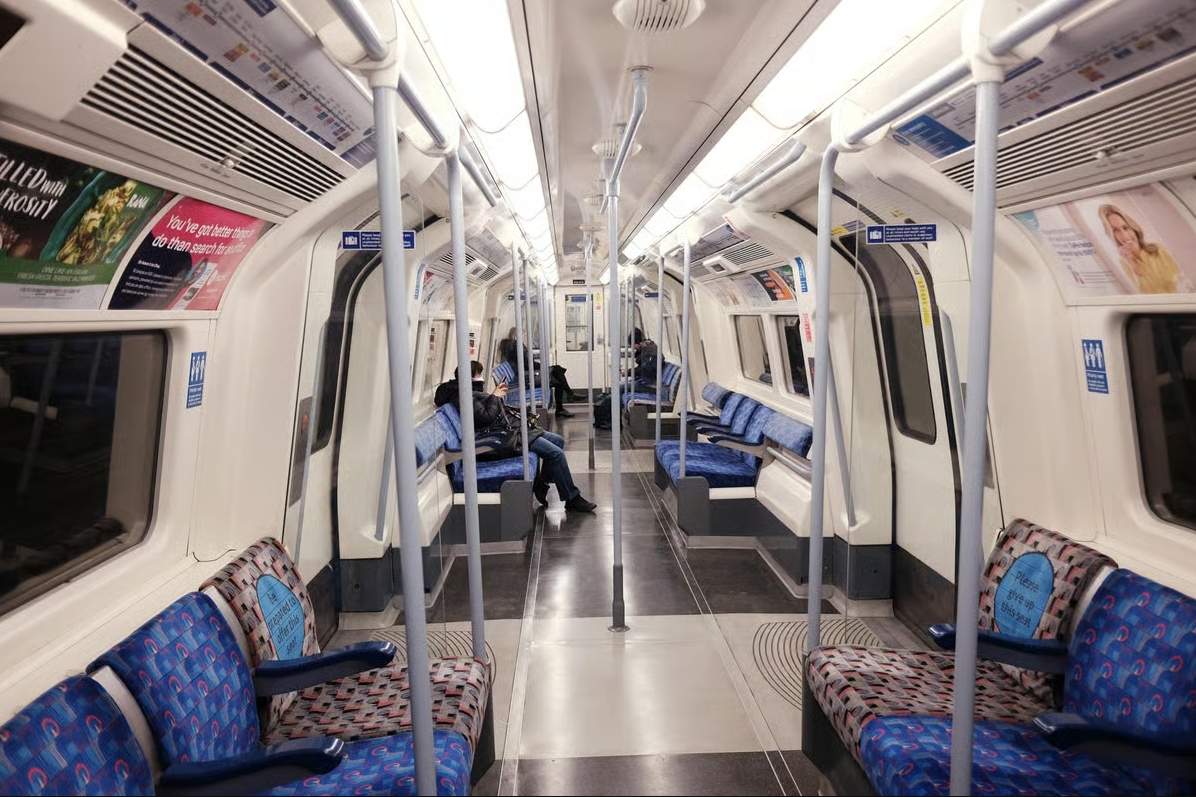
Weekends usually feel easier overall, but this is where broad advice can mislead you. Weekend Tube travel is calmer only until works, football, concerts, shopping peaks, or tourist bottlenecks change the picture.
General Weekend Quiet Windows
TfL’s current guidance says Tube and Rail are generally quieter on weekends before 13:00and after 18:30. That gives you two useful windows: an early outing before the day fully builds, or a later journey once the main leisure crowd has thinned out. Data as of April 2026.
For many visitors, this is slightly counterintuitive. They expect the Tube to be quietest in the middle of the day because there is no weekday commute. In practice, central London attractions, shopping areas, and event venues often push weekend demand into the middle of the day and early evening instead.
Why Weekends Can Still Be Busy Around Events, Closures, And Tourist Hotspots
TfL is explicit that quieter times can change and that stations can become temporarily busier because of planned works or events, which often happen at weekends. That is why a Saturday at 11:00 may feel easy on one route and frustrating on another.
A useful way to think about weekends is this: the timing rule gets you halfway there, but the route and station finish the job. A central station near a match, concert, or major shopping area can still feel busy inside an otherwise “quiet” network window.
The weekend takeaway is that before 13:00 and after 18:30 are strong defaults, but weekends are more vulnerable to route-specific exceptions than many people realise.That leads to the next source of confusion: fares.
Quietest Does Not Mean Cheapest: Crowding Vs Off-peak Fares
It is easy to get these two things mixed up, but there is a big difference between a train being quiet and your fare being cheaper. If you take away just one thing, let it be this: "off-peak" prices don't always guarantee you'll find a seat.
What “peak” And “off-peak” Mean On TfL
TfL says peak fares on Tube, DLR, London Overground, Elizabeth line, and National Railin London apply Monday to Friday between 06:30 and 09:30 and between 16:00 and 19:00. Off-peak fares apply at other times, with some route-specific exceptions. Data as of April 2026.
That means part of the weekday period from 09:00 to 09:30can still be fare peak even though the Tube is already moving toward TfL’s quieter window. This is the clearest example of why “quietest” and “off-peak” should not be treated as synonyms.
Does TfL Charge Peak Fares Based On Tap-in Or Tap-out?
TfL’s rule is clear: peak and off-peak fares are charged based on the time you touch in. If you touch in during a peak period, the journey is charged as peak even if you exit later when the network feels calmer.
For readers planning around budget and comfort at the same time, that touch-in rule matters more than the exit time. It is the operational detail most likely to trip people up.
Why A Cheaper Fare Does Not Always Mean An Uncrowded Train
A cheaper fare tells you about the tariff window. It does notguarantee more space on the platform, on escalators, or inside the carriage. Mid-afternoon off-peak often is quieter, but early off-peak shoulder periods can still feel busy on certain routes.
Use this simple distinction:
- Quietest = when the journey is usually easier
- Off-peak = when the fare is usually cheaper
- Best choice = when both line up for your exact trip
A simple mental model helps:
| Your goal | Best timing rule |
| Fewest crowds | Aim for 09:00–16:30 weekdays or before 13:00 / after 18:30 weekends |
| Cheaper fare | Watch the touch-in time and avoid TfL’s peak fare windows |
| Least stressful trip | Use the quiet-time rule and check live station busyness before leaving |
The fare takeaway is that crowding and pricing overlap, but they solve different problems.Once you separate them, it becomes much easier to decide when to travel.
When To Avoid The Tube Instead
Sometimes the smartest answer is not “when is it quietest?” but “when is it not worth forcing?” This section gives you the avoidance windows that matter most.
The Worst Morning Half-hour
TfL’s quieter-times page uses 08:00 to 08:30as the benchmark for the heaviest morning conditions and says that moving 30 minutes earlier or later cuts customer numbers. That makes 08:00–08:30 the clearest avoid-if-you-canslot in the morning.
If you have flexibility, a 07:30departure or an 08:30departure is often more useful than an elaborate route hack. This is one of those rare cases where a small timing change can beat a complicated travel plan.
The Busiest Evening Periods
TfL’s fare peak runs until 19:00, and its quiet-time guidance does not call the network generally quieter until after 18:45. In practice, the late-afternoon and early-evening window is where many people underestimate crowding.
The strongest rule here is blunt but useful: do not confuse 17:30 with “the end of rush hour.”On many routes, it is still very much the middle of it.
Why Tuesday And Thursday Often Feel Worse Than Monday Or Friday
TfL’s demand reporting says Tuesday and Thursday evening peaks are the busiest three-hour periods, while Monday and Friday morning peaks are comparatively lighter. That does not mean every Tuesday is awful and every Friday is easy; it means the midweek pattern tends to concentrate more commuter demand.
Expert’s Take:When timing and routing are both options, timing usually matters more first. Avoiding the worst half-hour often buys more comfort than shaving a minute off the journey.
If You Cannot Avoid Peak
This is where most articles stop being useful. Many people do not have the luxury of choosing 11:00 over 08:10, so the real question becomes how to make a peak journey less painful.
- Wait 30 minutes if your schedule allows
- Check whether a nearby station entrance or interchange will be easier
- Use Journey Planner to compare route options
- Consider walking a short central-London leg instead of forcing a one-stop crush
- Check lift and escalator status if accessibility or luggage matters
The avoidance takeaway is that 08:00–08:30 and midweek evening peaks are the moments most worth working around.
How To Choose The Best Travel Time For Your Situation
It’s not enough to look at general averages for the whole city. You need a strategy that actually fits your specific trip-traveling with heavy suitcases is a completely different experience than sightseeing or commuting, even if you're taking the exact same line.
If You Are Sightseeing
For most visitors, late morning to mid-afternoon on weekdaysis the easiest default. You miss the sharpest commuter pressure, and you are less likely to arrive at a central interchange when platforms are at their most compressed.
If You Are Carrying Luggage
Use the Tube in the 09:00–16:30 weekday windowwhere possible, and check step-free options in TfL Go before you leave. TfL says the app includes accessibility information and a step-free mode, which matters as much as crowding when you have a suitcase.
If You Have A Flexible Commute
A 30-minute shift can be enough. TfL’s own numbers show lower customer counts both beforeand afterthe worst morning half-hour, which means you may not need to change your office day at all to feel the benefit.
If You Are Traveling With Children Or Need Step-free Access
The best broad rule is quieter first, accessibility second, live check always. A station can be less crowded overall but still awkward if lifts are unavailable or an interchange is unusually busy.
Worked example 1:If you land at Heathrow at 17:30 with luggage, that may still drop you into a busy evening window for part of the journey. If you can wait until closer to 19:00 before entering the network, the trip may feel easier even if the total journey time is slightly longer.
Worked example 2:If your normal commute starts at 08:10, testing 07:40 or 08:35 for a few days may improve the journey more than changing lines. TfL’s published customer-count differences suggest that small timing shifts can pay off.
Here is the shortest decision table I would actually use:
| Your situation | Best timing rule |
| Sightseeing | Weekdays 09:00–16:30 |
| Luggage | Weekdays 09:00–16:30, plus step-free check |
| Flexible commute | Move 30 minutes away from 08:00–08:30 |
| Family trip | Avoid commuter peaks; prefer late morning |
| Weekend city break | Aim for before 13:00 or after 18:30 |
How To Check If Your Route Will Still Be Busy Today
General timing advice gets you most of the way, but not the whole way. This last practical layer is what turns a decent guess into a smart decision.
Use TfL Go And Journey Planner Before Leaving
TfL’s quieter-times page tells passengers to plan in advance with TfL Goor Journey Planner, and TfL says the app provides real-time information on how busy London Underground stations are throughout the day.
If you want a broader route-planning toolkit beyond TfL’s own tools, see our guide to best apps for navigating London.
Check Major Works, Planned Closures, And Event-related Disruption
TfL’s major works and events page is updated regularly and says these disruptions can affect your journey and may require extra time. This is one of the most useful exceptions to the general quiet-time rule: if your journey is affected by works or events, TfL says the quieter fallback times are between 08:15 and 16:00 and after 17:30 on weekdays, and before noon and after 18:00 on weekends.
That is worth surfacing because most competing pages stop at “check before you travel.” TfL goes further and gives alternate quieter travel windows when major disruption or events are likely to affect the network.
Why Station-level Crowding Matters More Than Citywide Averages
A network can be in a quieter time window while one specific station is still unpleasantly busy. TfL explicitly says quieter times vary between stations, lines, and services, and its live station-busyness tools are designed to help you see that difference before you set off.
TfL station pages can show different “quieter times” and live predictions from one station to another: Bank can show a weekday quiet window of around 09:45–17:00 and after 19:00, while Wimbledon shows 09:30–16:30 and after 18:30. That is exactly why a citywide rule should never replace a station-level check.
Use this quick checklist before you leave:
- Check TfL Goor Journey Planner.
- Check planned works and eventson TfL.
- If your trip is flexible, ask whether waiting 30 minuteswould help more than rerouting.
- If you have luggage or mobility needs, confirm step-free informationfirst.
The live-check takeaway is that today’s best decision comes from combining TfL’s quiet-time windows with station-level reality.That also explains when another option may be better than the Tube.
When Another Option May Be Better Than The Tube
Sometimes the least stressful trip is not about finding the perfect Tube slot. It is about removing a crowded interchange, a difficult platform change, or a badly timed station altogether.
Elizabeth Line As A Comfort/space Alternative On Some Journeys
I would not assume it is automatically quieter, but a more direct route can cut out crowded interchanges, and that alone can make a journey feel easier. TfL specifically recommends using Journey Planner to compare options in advance.
When Walking A Short Zone 1 Hop Is Easier
For short central-London hops, walking can beat descending into a busy station, waiting on a hot platform, and surfacing again a stop or two later. TfL’s quieter-times page also signposts walking as an alternative when you plan your journey.
When Waiting 30 Minutes Is Smarter Than Squeezing Into Peak Demand
This is the most underrated tactic on the page. If your schedule allows it, waiting half an hourcan be more effective than changing lines, changing stations, or forcing your way onto the first train. TfL’s own numbers support that judgment in the morning peak.
The alternative-mode takeaway is simple: a better journey is sometimes a later journey, a different route, or no Tube at all for that short stretch.That brings us to the quick-answer section many readers will come back to later.
Frequently Asked Questions
Is The Tube Quieter On Fridays?
Usually, yes in the morning peak. TfL says Mondays and Fridays are generally quieter than Tuesdays, Wednesdays, and Thursdays if you need to travel early, and its public quieter-times data says Friday morning peaks see fewer customers than midweek mornings.
What Time Does Rush Hour End On The Tube?
There is no single magic minute, but TfL’s practical guidance says Tube and Rail are generally quieter after 18:45on weekdays. Peak fares run until 19:00, so think of the evening rush as tapering rather than stopping sharply.
Is Night Tube Off-peak?
Yes. TfL says Night Tubeand London Overground Night Service fares are always off-peak.
Are Weekends Always Quieter?
No. TfL’s general weekend quiet windows are before 13:00and after 18:30, but it also warns that planned works, closures, events, and route-specific demand can make some stations or lines much busier than the citywide pattern suggests.
What Is The Least Busy Time On The Tube?
The broadest answer is late morning to mid-afternoon on weekdays, plus later evening. TfL’s citywide guidance points to 09:00–16:30 and after 18:45 on weekdays. Data as of April 2026.
Does Off-peak Mean The Tube Will Be Quiet?
No. Off-peak is a fare category based on touch-in time. It often overlaps with quieter travel, but it does not guarantee a less crowded station or train.
Do Peak Fares Depend On Tap-in Or Tap-out?
TfL says they depend on when you touch in. If you enter during a peak period, the journey is charged as peak even if you exit later.
Can I Check How Busy My Station Is Right Now?
Yes. TfL says you can check how busy stations are online or in the TfL Go app, which uses real-time station busyness information.
What If My Route Is Affected By Major Works Or Events?
TfL says journeys affected by works or events should allow extra time, and it also publishes alternative quieter travel windows: 08:15–16:00 and after 17:30 on weekdays, and before noon and after 18:00 on weekends.
Final Thoughts
If you want the one rule that solves this query without sending you into timetable rabbit holes, it is this: aim for 09:00 to 16:30 on weekdays, before 13:00 or after 18:30 on weekends, and avoid treating “off-peak” as a synonym for “quiet.”
The second rule is just as important: check TfL Go or Journey Planner before you leave, because the best general answer can still be wrong for one station, one line, or one disrupted afternoon. That is what turns a useful tip into a genuinely easier Tube journey.
Jump to
Quietest Time To Travel On The Tube: What Changes By Day, Time, And Route
The Quietest Time To Travel On The Tube On Weekdays
The Quietest Time To Travel On The Tube On Weekends
Quietest Does Not Mean Cheapest: Crowding Vs Off-peak Fares
When To Avoid The Tube Instead
How To Choose The Best Travel Time For Your Situation
How To Check If Your Route Will Still Be Busy Today
When Another Option May Be Better Than The Tube
Frequently Asked Questions
Final Thoughts

James Rowley
Author
James Rowley is a London-based writer and researcher covering London life, cultural geography, London travel, live London webcam pages and selected public figures across entertainment, sport, business and public life.
For over 15 years, he has focused on verified sources, first-hand local context and clear explanations that help readers understand both places and people more deeply. His work combines street-level London knowledge with careful research into career credits, media work, business interests and, where relevant, transparently explained net worth estimates.
He writes and reviews articles published on LondonWebcam.
Latest Articles
Popular Articles