London Travel Deals | 15 Smart Ways To Save Big In 2026
Here are the best travel deals in london, including package offers, discount codes and 2FOR1 tickets that cut sightseeing costs in half. Use these tips to get more value and keep your trip affordable.
Author:James RowleyJan 08, 202656.2K Shares1.1M Views
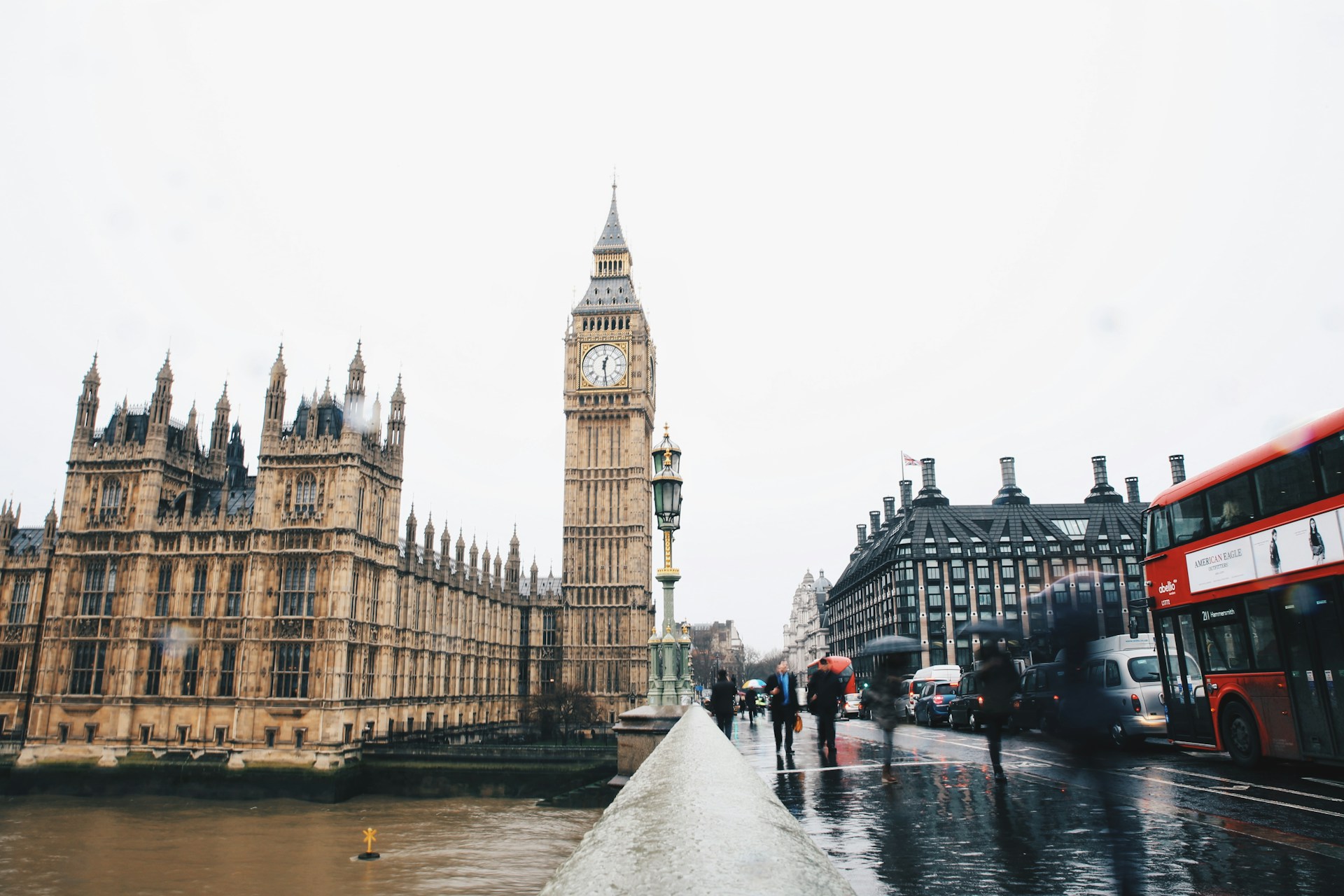
Visiting London does not have to cost a fortune. You can enjoy major sights, comfortable places to stay and easy transport at much lower prices. The secret is knowing which offers are worth it and combining a few saving tricks.
Good timing, careful planning and using the right discount programs make the biggest difference. With the right approach you can cut total trip costs by about 30 to 50 percent without losing quality.
1. Flight And Hotel Package Deals

Booking flight and hotel together can cut your London trip cost by up to 40 percent. Large booking sites negotiate lower rates and pass the savings to customers. Expedia has bundle deals that can start near $1,096 and offers payment plans through Affirm.
Marriott Bonvoy bundles may save up to 20 percent and earn points you can use later. Delta Vacations sometimes gives up to $100 off qualifying London hotels when you book a flight and hotel together.
To find the best price compare at least three sites like Expedia, Kayak and Orbitz. Separate bookings might total $1,700 for flights and four nights, while a package can drop to $1,200–$1,300, saving roughly $400–$500.
2. The London Pass
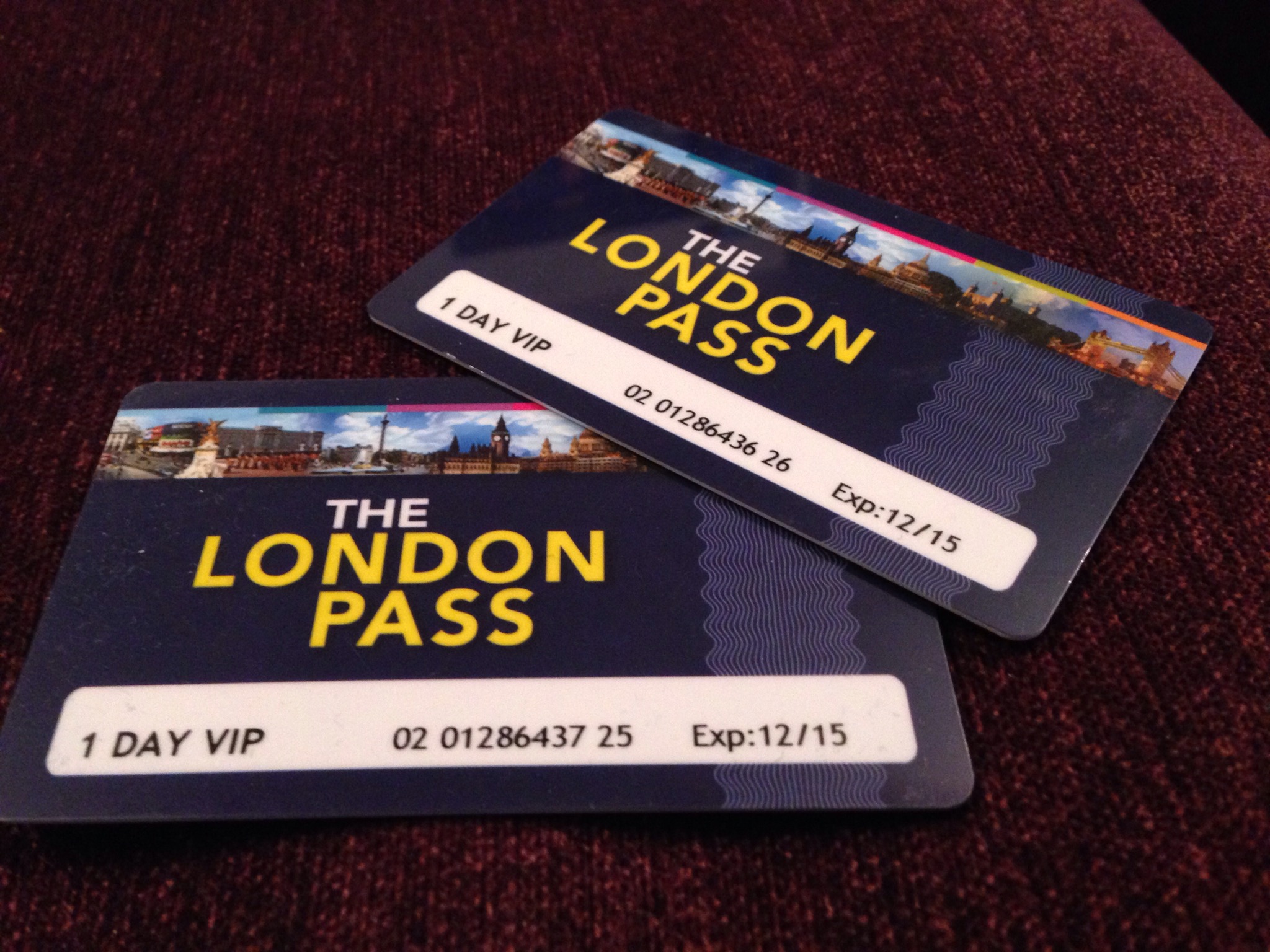
The London Pass from Go City gives access to more than 95 attractions and tours and can cut ticket costs by up to half. There are two versions. The standard pass covers 95 plus sites.
The Plus version adds the London Eye, The View from The Shard and Madame Tussauds. You can buy passes for a set number of consecutive days or pick a credit plan and choose how many attractions to visit.
The pass pays off if you visit three to four major attractions in a day. Tower of London at £35.80 plus Westminster Abbeyat £27 and Tower Bridge at £13.40 adds to about £76.20 for one day, which is more than a one day pass.
3. Go City London Explorer Pass

The Go City London Explorer Pass lets you choose two to five attractions to visit over a 30 day period and works well for a slower pace or a longer stay. Savings can reach about 42 percent depending on which sites you pick.
The same major attractions are available, so you keep your options. This pass fits visitors staying longer than a week, those mixing free museums with paid sites, or people who prefer not to rush.
Pair it with free museums like the British Museum, the National Gallery and Tate Modern to keep costs down. Use the Explorer Pass for pricier sites such as Tower of London, Windsor Castle and St Pauls Cathedral.
4. Merlin London Attractions Pass
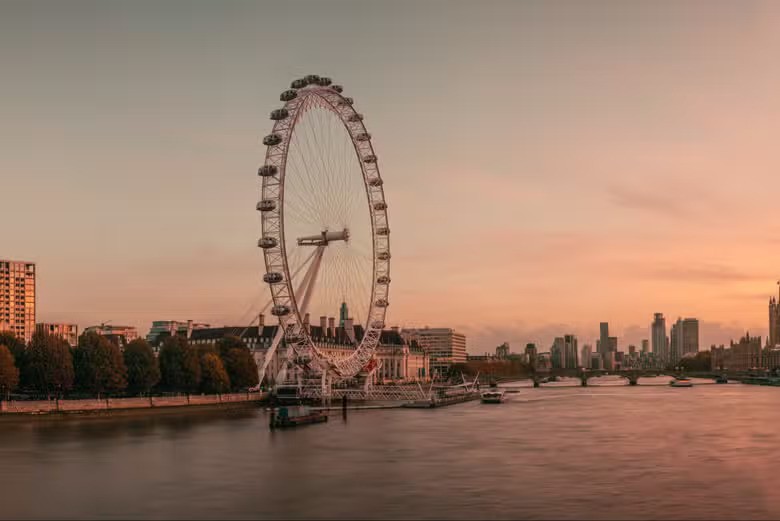
The Merlin Pass can save up to 45 percent compared with buying single standard tickets. It covers Merlin Entertainment sites.
You can pick 2, 3 or 5 experiences from these choices and they include the London Eye, Madame Tussauds London, SEA LIFE London Aquarium, The London Dungeon and Shrek's Adventure! London.
After you book the first date you have 90 days to visit the rest and you can reschedule for free. Best for families. These sites appeal to children and teens and a family of four who visit three places can save about £100 to £150.
5. National Rail 2FOR1 Deals

The National Rail Days Out Guide gives 2FOR1 and one third off discounts at more than 150 top London sites when you travel by train. To use the deal buy a National Rail ticket that shows the National Rail logo, print the voucher from the Days Out Guide and show both the ticket and the voucher at the attraction.
Places that accept the offer include the London Eye, the Tower of London, Tower Bridge, Westminster Abbey, Kew Gardens, ZSL London Zoo, SEA LIFE London Aquarium, The London Dungeon and Madame Tussauds.
Two people visiting the London Eye would normally pay about £69. With the 2FOR1 you pay for one ticket plus the Travelcard at about £14.40, so the total is roughly £48.90 and you save about £20.10 while getting unlimited transport for the day.
6. Budget Airlines

One way fares to London can start at about $161 with several low cost carriers on the routes. To get the best prices book early, be flexible with travel dates and try different arrival airports.
Popular budget choices include EasyJet, Virgin Atlantic, Norwegian Air, TAP Air Portugal and Aer Lingus. For US departures book two to three months ahead and for long haul aim for four to six months.
Flying on Tuesday or Wednesday often brings lower fares and Saturday can cost less than Friday or Sunday. Use price alerts on Google Flights, Skyscanner or Kayak because fares can change by more than $100 in a few days.
7. Off-Peak Travel January And February
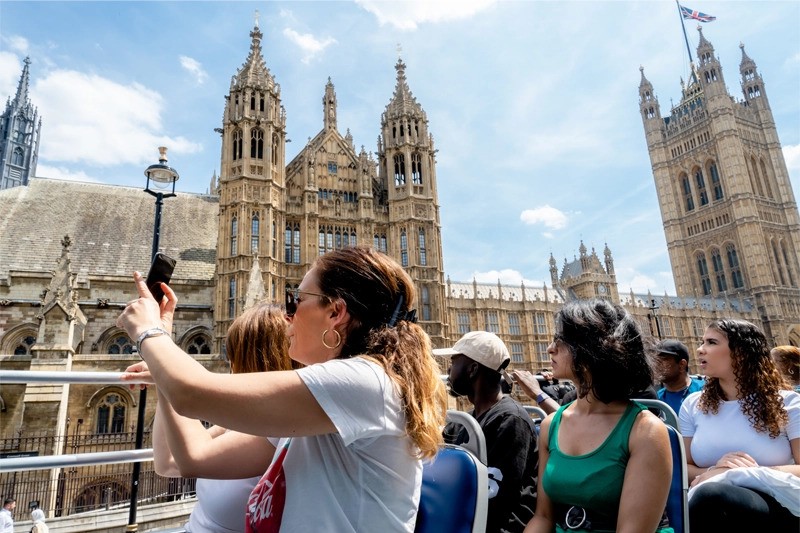
Visiting London in January or February can save a lot. Prices tend to be 20 to 40 percent lower than in summer. Flights often drop 30 to 50 percent and hotel rates in February are about 15 percent cheaper than peak times.
You will face shorter queues at paid attractions, easier restaurant availability and quicker service from staff. Downsides include cold, gray weather with temperatures near 2 to 8°C, about eight hours of daylight in January.
If you want milder days and fewer crowds try March, April, September, or October when costs are roughly 15 to 25 percent below summer, which many travelers consider the best time to visit london.
8. Budget Accommodation Under £100 A Night

You can find rooms under £100 and dorm beds from around £12. Picking the right area and type of property lowers costs without losing comfort. King's Cross has great transport links, trendy places to eat, and budget hotels from about £80 a night.
Shoreditch in East London has hostels and cheap hotels around £70 to £95. Earl's Court is a classic budget area with good Tube access. Bloomsbury sits close to free museums and has affordable guesthouses.
Hostels like Generator, Wombats and St Christopher's Inn offer dorms roughly £20 to £45. Book two to three months ahead for the best rates and compare Booking.com, Hotels.com and hotel websites since prices can vary by £10 to £20.
9. Free Museums

Many top museums in Londonoffer free general entry. The British Museum, National Gallery, Tate Modern, Natural History Museum, Science Museum, Victoria and Albert Museum,and National Portrait Gallery all welcome visitors without charge.
Seeing five of these over three or four days delivers about £100 to £125 worth of cultural value. A family of four can save roughly £400 to £500 compared with similar cities.
To get more from each visit download museum apps for self guided tours, go on weekday mornings to avoid crowds, join free guided tours, and check for free evening events and talks.
10. Oyster Card And Travelcard
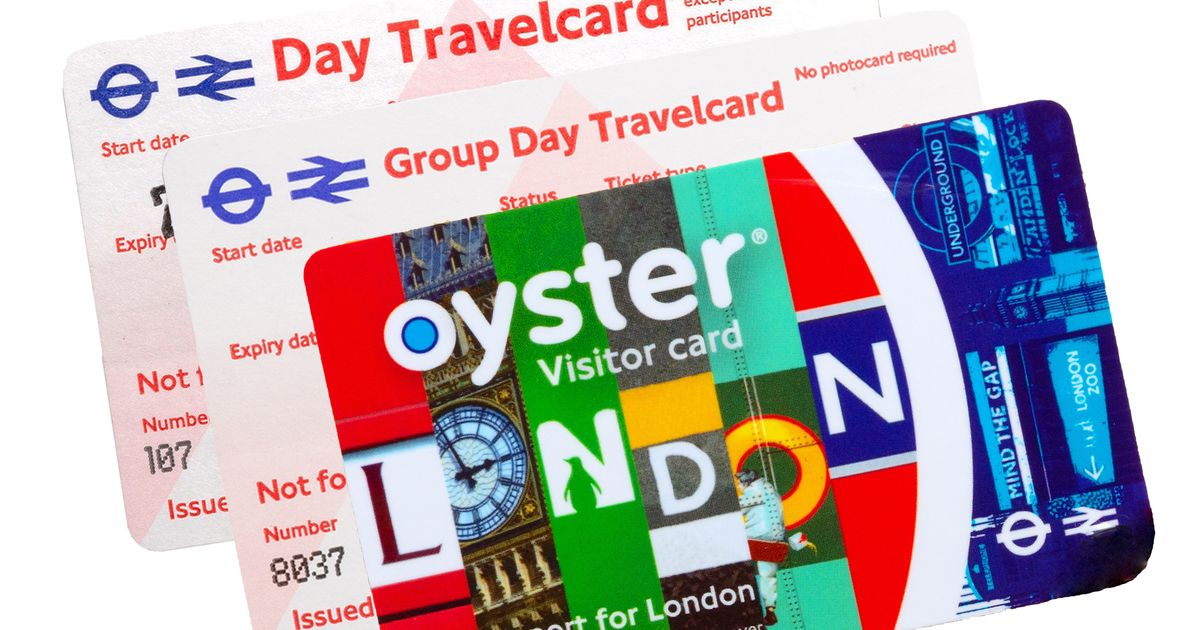
Using an Oyster card or contactless payment can cut fares by up to 40 percent compared with cash on London public transport. For Zone 1 and 2 a single cash fare is £6.70 while a single Oyster or contactless trip is £2.80.
The daily cap for those zones is £8.50 and the weekly cap is £40.70. Buy a paper Travelcard at a National Rail station, not at Tube stations or loaded onto an Oyster, to qualify for 2FOR1 attraction offers.
A Zone 1–6 off-peak day Travelcard costs £16.60 and gives unlimited travel plus attraction discounts. If you use 2FOR1 deals, the extra cost over the Oyster daily cap is £8.10, and one 2FOR1 visit usually saves £15 to £35, so the Travelcard often pays for itself.
11. Early Booking Discounts

Booking at least eight weeks before travel usually gets the best prices for flights, hotels and many attraction tickets. Last-minute bargains appear sometimes but they are unreliable and mostly happen in quiet periods.
For flights aim to book two to three months ahead for domestic or European trips and four to six months for transatlantic routes. For hotels book six to eight weeks ahead for the best choice and rates.
For popular theatre shows in londonbook two to three months ahead or try same-day TKTS booths for steep discounts on leftover seats. Some hotels cut prices one to two weeks before arrival to fill rooms, which can work if your dates are flexible and travel is off-peak.
12. Package Airport Transfers

Many holiday packages include discounted or free airport transfers, which can save roughly £30 to £50 compared with booking them on their own. Options include private cars, vans and shared shuttles.
A private car from Heathrow to central London is typically £50 to £70. Shared shuttles run £20 to £30 per person. The Heathrow Express costs £25 to £37 one way. The Elizabeth Line takes about 40 minutes and costs around £12.80.
With Oyster or contactless the Tube comes in near £5.60. If you want to save, take the Elizabeth Line from Heathrow. Private transfers make sense for families with young children, very late arrivals or groups of four or more when the per-person price approaches public transport fares.
13. Restaurant And Food Deals

London has many ways to eat well without spending a lot. Supermarkets like Tesco, Sainsbury’s and Boots sell a sandwich, snack and drink for about £3 to £4. Pubs often serve filling lunches for £8 to £12 that cost less than evening menus.
Street food at places such as Borough Market, Camden Market and Maltby Street Market usually runs £6 to £10 per dish. Some restaurants offer two or three course menus before 7pm for about £15 to £25.
Apps like Too Good To Go and Olio let you buy surplus meals at roughly 50 to 70 percent off. Save dining splurges for one or two special nights and use markets, pubs and supermarket deals for most meals to keep costs down.
14. Weekend Hotel Deals
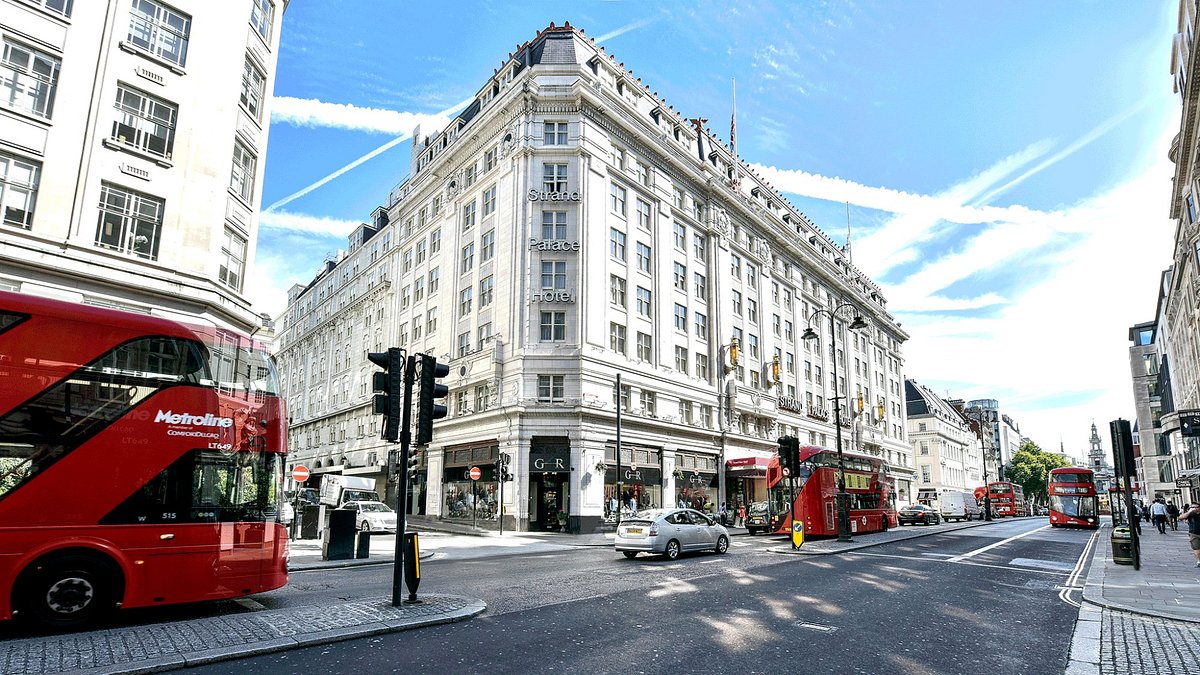
In London many business hotels cut prices at the weekend. Weekdays are busy with corporate travel so Friday to Sunday nights often cost much less.
Areas where discounts are common include the City of London, Canary Wharf and hotels close to major stations.
Weekend stays can be around 20 to 40 percent cheaper, and sometimes about 30 percent cheaper than midweek nights. Use weekdays to visit free museums when they are quieter.
15. Combine Multiple Strategies
Putting several of these budget-friendly travel strategiestogether gives the biggest savings. For a five day trip you might book a flight three months ahead in low season and pay about $500 round trip instead of $900 in summer.
Pick a weekend-focused budget hotel in Shoreditch for four nights and expect about £320 instead of £480. A seven day Travelcard bought at a National Rail station costs about £48.40 and lets you use 2FOR1 offers at attractions.
Visiting five free museums adds value worth about £125. Keep a simple spreadsheet to compare planned and actual spending; many travelers find they cut their costs by 40 to 50 percent when they use several of these tips.
FAQs About London Travel Deals
When Should I Book London Hotels For The Best Deals?
Book about six to eight weeks before your trip for the best choices and prices.
Are London Attraction Passes Worth The Price?
A pass is useful if you plan to visit three or four paid sights.
How Do I Use The National Rail 2FOR1 Deals?
Buy a paper train ticket at any National Rail station that shows the National Rail logo.
What Is The Cheapest Month To Visit London?
January and February are usually the cheapest months.
Can I Save Money On London Transport?
Use an Oyster card or contactless payment instead of cash to cut costs.
Do Flight And Hotel Packages Really Save Money?
Packages can save about 15 to 25 percent compared with booking separately.
Final Thoughts
London travel dealsin 2025 make it easier to enjoy the city without spending too much. The people who save the most are not always the ones with the smallest budgets.
They save because they plan well, book at the right time and use different types of discounts. Start by choosing the places you want to visit, then look for deals that match your list.
Jump to
1. Flight And Hotel Package Deals
2. The London Pass
3. Go City London Explorer Pass
4. Merlin London Attractions Pass
5. National Rail 2FOR1 Deals
6. Budget Airlines
7. Off-Peak Travel January And February
8. Budget Accommodation Under £100 A Night
9. Free Museums
10. Oyster Card And Travelcard
11. Early Booking Discounts
12. Package Airport Transfers
13. Restaurant And Food Deals
14. Weekend Hotel Deals
15. Combine Multiple Strategies
FAQs About London Travel Deals
Final Thoughts

James Rowley
Author
James Rowley is a London-based writer and urban explorer specialising in the city’s cultural geography. For over 15 years, he has documented the living history of London's neighbourhoods through immersive, first-hand reporting and original photography. His work foregrounds verified sources and street-level detail, helping readers look past tourist clichés to truly understand the character of a place.
His features and analysis have appeared in established travel and heritage publications. A passionate advocate for responsible, research-led tourism, James is an active member of several professional travel-writing associations.
His guiding principle is simple: offer clear, current, verifiable advice that helps readers see the capital with informed eyes.
Latest Articles
Popular Articles