Weather London By Month: What To Expect And What To Pack
Weather London by month, with practical help on the best time to visit, what to pack, and how rain, temperature and daylight shape your trip.
Author:James RowleyApr 18, 20267.7K Shares514.3K Views
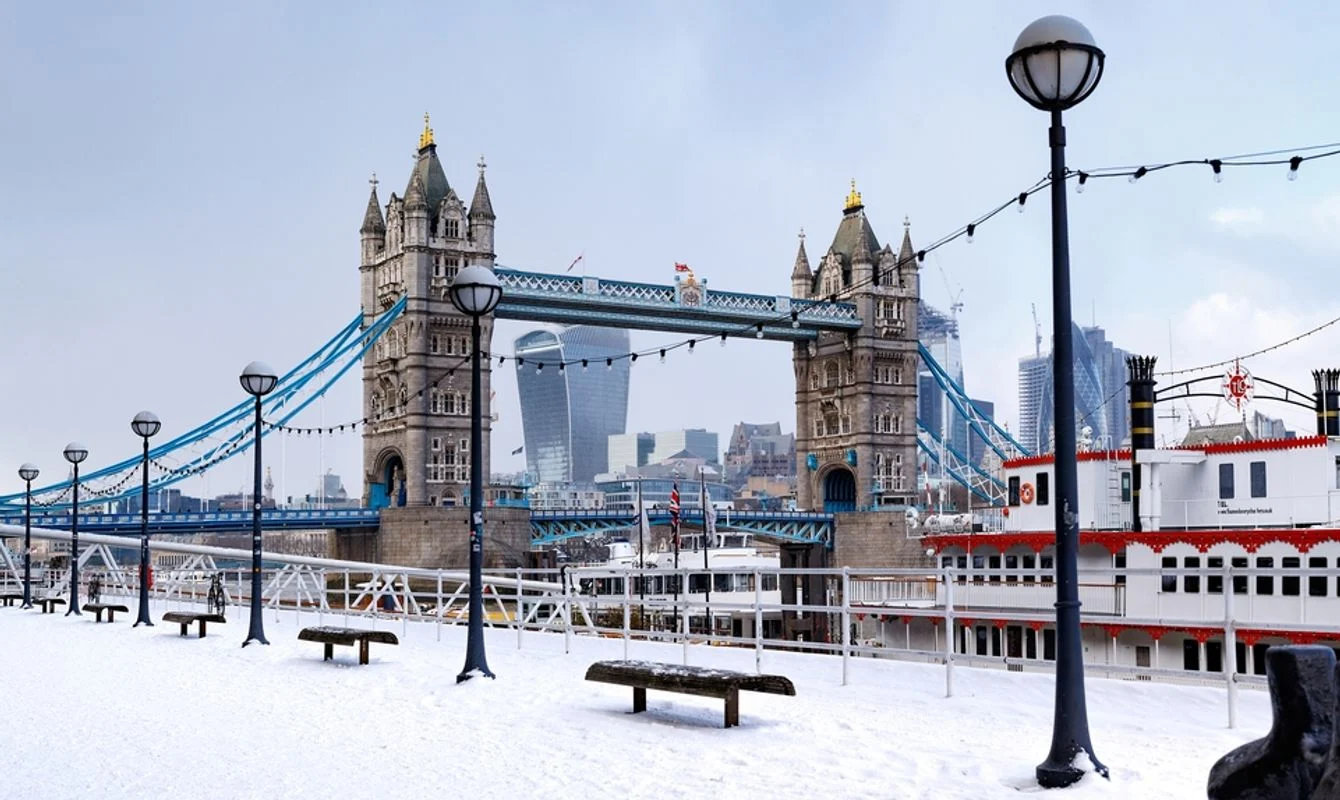
London Weather: Rain, Temperature And Seasons Explained
If you are searching for weather London, the quickest accurate answer is this: Londonis usually mild, changeable, and rarely extreme, but it can shift enough within a single day that layers and a light waterproof layer make sense almost year-round.
For trip planning, the more useful question is not “Does London rain all the time?” but “What does London weather usually mean for walking, sightseeing, packing, and choosing the right month?” That is where climate patterns help more than short-term forecasts. Visit London describes the city as one of the mildest parts of the UK, with rain possible in every season and weather that can feel unpredictable even when temperatures are moderate.
Key Takeaways
- London is usually mild, changeable, and not relentlessly wet.
- July is typically the warmest month, while winter is the coldest stretch.
- Rain can show up in any month, but there is no single true rainy season.
- For most visitors, the safest packing rule is layers + a light waterproof layer + comfortable walking shoes.
- The most weather-friendly windows for sightseeing are usually late spring, early summer, and early autumn.
London Weather At A Glance
The short version of London weather is simple: it is less about brutal extremes and more about small changes that matter. A day can start crisp, turn pleasant by lunch, and still end with a shower or a cool wind on a bridge, which is why visitors often feel underprepared even when the forecast headline looks mild.
London and the south-east sit in one of the milder parts of the UK. Visit Londonsays summer often lands in the high teens to low 20s Celsius, spring and autumn are commonly around 11 to 15°C, and winter is chilly rather than severe, with snow uncommon and temperatures not often falling far below freezing.
A useful distinction makes this topic much easier to understand: climate helps you choose your month; the forecast helps you choose your outfit and route.The Met Office says its location-specific long-term averages are for general interest and are not formal citywide climate monitoring, which is why they are best used as a planning guide rather than a replacement for live checks.
Weather By Season And Month
This is the part that matters most for trip planning. Instead of treating a long-range forecast as fact, it is more useful to rely on long-term patterns for temperature, rain tendency, and daylight, then fine-tune your plans with the latest official forecast closer to your travel date.
Methodology:
This article uses Met Office Heathrow 1991-2020 climate averagesas a London-area proxy, supported by Visit Londonguidance for seasonal context. Temperature refers to the typical daytime high, rain tendency describes relative wetness rather than a forecast, and daylight is expressed in practical terms for sightseeing and trip planning.
A clear pattern emerges from the Met Office Heathrow climate data and Visit London’s rainfall overview: March and April are relatively dry, June and July are the easiest for long outdoor days, and November through January ask for the most compromise.
Seen more broadly, London through the seasonsshifts from lighter, easier spring and summer sightseeing to a more atmospheric but less forgiving autumn and winter.
Spring In London
Spring is where London starts feeling easier for most visitors. The big gain is not just warmer air, but lighter evenings, more comfortable walking conditions, and less of the dark, damp feel that defines much of winter.
That is one reason a London itinerary in springworks especially well for parks, long walks, and first-time sightseeing days.
March
- Temperature:About 11°C average high
- Rain tendency:One of the drier points of the year
- Daylight:Improving quickly
- Visitor note:A good early shoulder-season option if you want cooler sightseeing weather without deep-winter gloom
April
- Temperature:About 14°C
- Rain tendency:Still relatively low
- Daylight:Clearly longer
- Visitor note:One of the best months for flexible sightseeing if you are happy to dress in layers
May
- Temperature:About 17°C
- Rain tendency:Moderate
- Daylight:Long
- Visitor note:One of the strongest all-round months for walking, parks, and first-time visits
Spring is one of the best answers if you want a trip where the weather helps more than it hinders.
Summer In London
Summer is London’s easiest season for outdoor plans, but it helps to keep perspective: average summer weather is usually pleasant before it is hot. That makes it excellent for walking, parks, riverside routes, and open-air plans, but it also means you should not pack as if every day will feel like a heatwave.
June
- Temperature:About 20°C
- Rain tendency:Moderate to lower side
- Daylight:Longest stretch of the year
- Visitor note:Excellent for outdoor plans and long sightseeing days
July
- Temperature:About 22°C
- Rain tendency:Moderate
- Daylight:Very long
- Visitor note:Usually the warmest month, with strong conditions for sightseeing but some heatwave risk
August
- Temperature:About 22°C
- Rain tendency:Among the wetter summer months
- Daylight:Still long but shortening
- Visitor note:Still very good for outdoor trips, but worth keeping a waterproof layer handy
Summer is the easiest season for long days outside, but July and August still reward flexible packing.
Autumn In London
Autumn gives London a richer, more atmospheric look, but it also makes the city less weather-forgiving. September is still comfortable, October is more mixed, and November is where indoor backup plans start becoming part of smart trip design rather than an afterthought.
September
- Temperature:About 19°C
- Rain tendency:Moderate
- Daylight:Comfortable but shorter than midsummer
- Visitor note:One of the best balanced months for weather, walking, and overall trip comfort
October
- Temperature:About 15°C
- Rain tendency:Wetter
- Daylight:Shrinking quickly
- Visitor note:Attractive for autumn atmosphere, but less forgiving for all-day outdoor itineraries
November
- Temperature:About 11°C
- Rain tendency:One of the wettest months
- Daylight:Short
- Visitor note:Better for indoor culture, cosy evenings, and value-minded trips than for weather-first travel
If your priority is crisp city atmosphere, autumn can be a great choice. If your priority is easy, low-friction sightseeing, late spring and early summer usually win.
Winter In London
Winter in London is more damp-and-darkthan brutally cold. That matters because most visitors do not need expedition-level gear; they need warmth, weatherproofing, and realistic expectations about shorter days.
December
- Temperature:About 8°C
- Rain tendency:Wet side of the year
- Daylight:Very short
- Visitor note:Weather is not the draw, but festive lights and seasonal atmosphere can more than compensate
January
- Temperature:About 8°C average high
- Rain tendency:Moderately wet
- Daylight:Very short, though slowly improving after late December
- Visitor note:Better for museums, theatre, and quieter off-season city breaks than for long outdoor days
February
- Temperature:About 8°C
- Rain tendency:Still on the wet side
- Daylight:Short but improving
- Visitor note:Can work well for lower-cost trips if you pack warmly and do not mind a more indoor-outdoor mix
Winter can still be a good-value time to visit, but it works best when you are happy to trade weather comfort for atmosphere, lower prices, and indoor culture.
What Tourists Should Pack
Packing well for London is about flexibility, not excess. Weather is only one part of planning a smooth trip, and good London travelplanning also helps with transport, neighbourhood choice, and daily pacing. The city’s weather usually rewards people who can add or remove one layer quicklymore than people who pack for one extreme scenario and hope it holds.
The simplest reliable formula is:
- a breathable base layer
- one warmer mid-layer
- a light waterproof outer layer
- comfortable shoes you can walk in for hours
- a compact umbrella if you like carrying one
That is why Visit London’s own advice about being ready for both an umbrella and sunglassesis more useful than most generic packing lists.
Packing Checklist By Season
Spring
- light waterproof jacket
- sweater or mid-layer
- closed walking shoes
- compact umbrella
- sunglasses for brighter spells
Summer
- breathable tops
- light waterproof layer
- supportive walking shoes or trainers
- sunglasses
- sunscreen
- refillable water bottle
Autumn
- waterproof jacket
- knit or fleece mid-layer
- water-resistant shoes
- scarf for evenings
- umbrella
Winter
- warm coat
- sweater or thermal layer
- scarf and gloves
- waterproof footwear
- umbrella
The practical rule never really changes: dress for walking, and assume one part of the day may feel cooler, windier, or wetter than the forecast headline suggests.
Best Weather For Sightseeing And Outdoor Plans
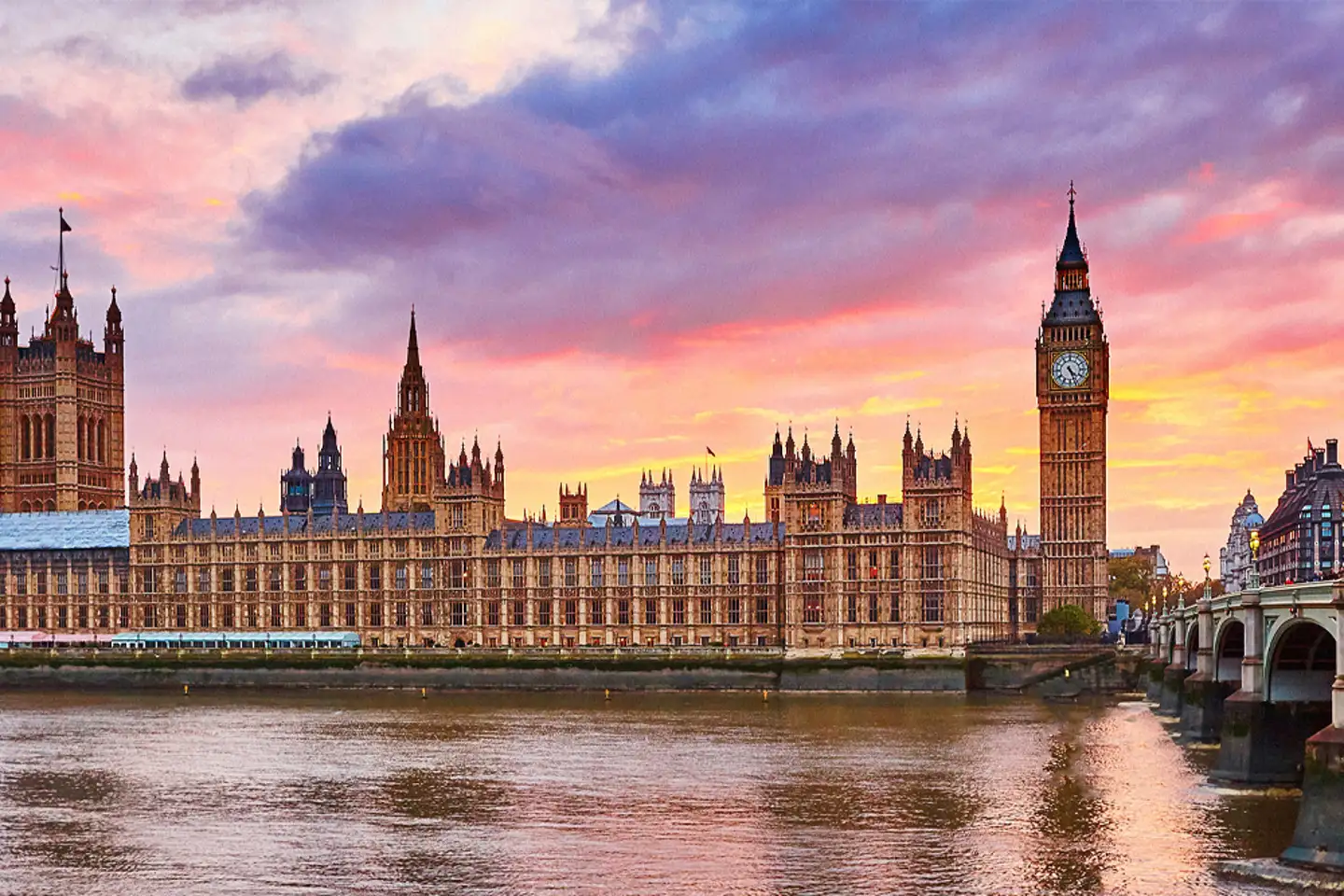
Not every “good” weather month is good for the same kind of trip. The best month depends on whether you care most about long daylight, milder temperatures, lower prices, festive atmosphere, or simply reducing the odds that weather will keep reshaping your plans.
For many travellers, May, June, and Septemberoffer the best overall balance. June and July are strongest for long daylight, while May and September often feel easier if you want pleasant weather without leaning too hard into either winter chill or possible summer heat.
For anyone still deciding, what is the best month to go to Londondepends mostly on whether you prioritise long days, milder temperatures, or lower-cost travel.
| Trip priority | Best months |
| Mild all-round sightseeing weather | May, June, September |
| Longest daylight | June, July |
| Parks, river walks, terraces, open-air plans | June to early September |
| Lower prices with manageable weather trade-offs | January to March |
| Festive atmosphere over weather comfort | December |
| Avoiding the hottest stretch | May, early June, September |
This table is built from the same climate logic as the month-by-month view: shoulder seasons tend to give the best mix of comfort and flexibility, while midsummer maximises daylight and winter trades weather for atmosphere or value.
When Weather Changes Your Plans
London weather rarely ruins a trip, but it can absolutely change what kind of day makes sense. The most common spoiler is not extreme weather; it is the ordinary combination of showers, wind, and shorter winter daylight that turns a walking-heavy plan into a better museum day.
Rain matters because it changes comfort quickly when you are moving between sights. Wind matters more than many visitors expect on bridges, riverside paths, open viewpoints, and winter evenings. Summer heat matters most when your plan involves queues, long Tube rides, and hours in direct sun.
TfL’s travel tools are worth checking on the day of a weather-sensitive plan because they show live arrivals, planned closures, network status, and major works or events. On a wet day, that is especially useful because a small transport issue can turn a short outdoor transfer into an annoying one.
For a broader view beyond weather alone, see best times to visit Londonfor a fuller look at crowds, prices, daylight, and seasonal atmosphere.
London Weather Right Now And How To Verify The Latest Conditions
London’s live weather can change quickly, so use this section as a planning guide rather than a replacement for the latest official forecast. Before a weather-sensitive day, check the Met Office forecast and warning pages, then review TfL status if your plans depend on public transport. The Met Office provides the most reliable official snapshot for current London conditions and warnings.
A simple same-day check works well:
- check the Met Officeforecast for temperature, rain timing, and wind
- check the Met Office warnings page
- check transport for London (TfL)status tools if your day depends on public transport
That sequence gives you the best mix of weather, risk, and travel practicality without overcomplicating the decision.
How Much Rain, Cold, Heat, And Snow Should You Expect?
These are the questions people usually ask after reading a few forecast pages and still not feeling oriented. The short version is that London is showery more often than stormy, cool or mild more often than harshly cold, and warm rather than very hot most summer days.
Visit London says the number of rainy days stays fairly consistent through the year, with roughly 11 to 15 rainy days per month. Overall rainfall is highest in November and Augustand lowest in March and April, which is why London is better understood as a city with year-round rain potential than as a place with one dramatic rainy season.
Snow does happen, but it is not common. Winter temperatures usually sit in a range where the bigger practical issue is cold, damp air and shorter daylight, not regular snow disruption.
Summer is usually pleasant rather than scorching, but unusual heat is real. The Met Office’s review of July 2022 shows that UK temperatures exceeded 40°Cduring that exceptional event, which is why it makes sense to treat heat as possible even if it is not typical.
London Winter Vs Summer Weather
If you are choosing between opposite ends of the year, the trade-off is straightforward. Summer wins on daylight, outdoor dining, parks, river walks, and long sightseeing days. Winter loses on those points, but can still win on festive atmosphere, lower prices, and indoor city breaks if that is what you value most.
For walking-heavy trips, late spring, summer, and early autumn are easier because the weather supports more time outside and daylight gives you more margin for delays or slower itineraries. Winter can still work well, but it asks more from your footwear, layering, and planning discipline.
For many first-time visitors, the easiest weather windows are May, June, and September. They make it simpler to enjoy London’s classic strengths without constantly negotiating darkness, dampness, or the occasional summer heat spike.
Weather London FAQs
What Is London Weather Really Like?
London weather is usually mild, changeable, and rarely extreme. Expect year-round rain potential, moderate temperatures compared with many big cities, and noticeable differences in comfort as daylight expands or shrinks through the year.
Does It Rain All The Time?
No. Rain can happen in any month, but London does not have one true rainy season. Visit London says rainy days are fairly consistent across the year, with around 11 to 15 rainy days each month.
What Should I Pack?
For most trips, pack layers, one light waterproof layer, and comfortable walking shoes. Then add warmer or lighter pieces depending on the season and the latest forecast.
Which Months Have The Best Weather?
For many travellers, May, June, and Septemberoffer the best balance of mild temperatures, practical daylight, and comfortable sightseeing conditions. June and July are stronger if your top priority is maximum daylight.
Final Thoughts
London weather becomes much easier to handle once you stop chasing the idea of a perfect month and start thinking in trade-offs. Late spring, early summer, and early autumnusually give the best overall balance, while winter and late autumn ask for more layers, more indoor backups, and a little more tolerance for damp, darker days.
For most trips, the winning formula is simple: choose your month with climate patterns, then make your final decisions with the latest official forecast. Pack for flexibility, keep a waterproof option close, and check the Met Office and TfL before a weather-sensitive day. Get those basics right, and London weather turns from a vague worry into something you can plan around with confidence.
Jump to
London Weather: Rain, Temperature And Seasons Explained
London Weather At A Glance
Weather By Season And Month
What Tourists Should Pack
Best Weather For Sightseeing And Outdoor Plans
When Weather Changes Your Plans
London Weather Right Now And How To Verify The Latest Conditions
How Much Rain, Cold, Heat, And Snow Should You Expect?
London Winter Vs Summer Weather
Weather London FAQs
Final Thoughts

James Rowley
Author
James Rowley is a London-based writer and researcher covering London life, cultural geography, London travel, live London webcam pages and selected public figures across entertainment, sport, business and public life.
For over 15 years, he has focused on verified sources, first-hand local context and clear explanations that help readers understand both places and people more deeply. His work combines street-level London knowledge with careful research into career credits, media work, business interests and, where relevant, transparently explained net worth estimates.
He writes and reviews articles published on LondonWebcam.
Latest Articles
Popular Articles