20 Cultural Experiences In London: Art, Theatre & More
Plan cultural experiences in London with ideas for art, theatre, music and local food, plus budget-friendly options and ways to combine nearby venues.
Author:James RowleyNov 01, 2026

Best Cultural Experiences In London At A Glance
London's culture is not confined to its major institutions. To experience different sides of the city, combine one established cultural venue with a market, a creative neighbourhood or a live event.
London's cultural experiences extend beyond individual attractions to include neighbourhood communities, food, fashion, heritage and everyday city life. Explore London's wider cultural scenefor a broader look at how these elements fit together.
| Cultural experience | Best for |
| British Museum | World history, archaeology and historic collections |
| National Gallery | European paintings and art history |
| Tate Modern | Modern and contemporary art |
| Victoria and Albert Museum (V&A) | Fashion, textiles, decorative arts and design |
| Design Museum | Contemporary design and innovation |
| West End theatre | Musicals, plays and major productions |
| Shakespeare's Globe | Shakespeare and theatrical heritage |
| Southbank Centre | Music, dance, literature and contemporary arts |
| Borough Market | Food, ingredients and London's market culture |
| Camden Market | Street food, vintage fashion and alternative styles |
| Brick Lane and Shoreditch | Street art, independent creativity and urban culture |
| Greenwich | Maritime history, heritage and historic surroundings |
These are starting points rather than a definitive ranking. A visitor interested in design may get more from the V&A than from a large general museum, while someone who prefers live performance may find an evening at the theatre more rewarding than another gallery visit.
Museums, Galleries And Design
London has museums for almost every interest, from archaeology and world history to design and science. If you are comparing venues before choosing one, explore this guide to London's museums by area and budget, including free-entry options and practical visiting information.
1. Visit The British Museum For World History
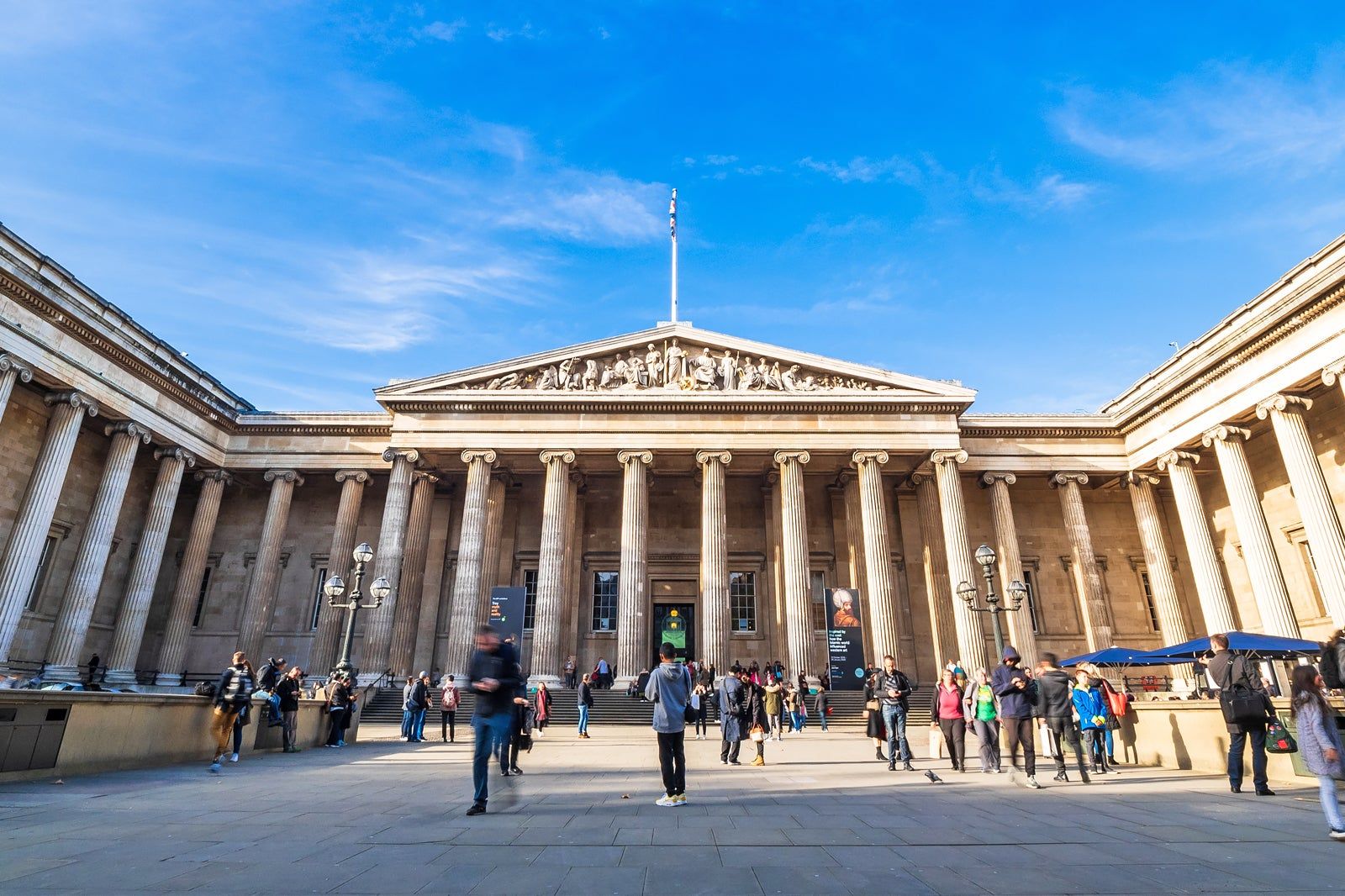
- Best for:Ancient history, archaeology, world cultures and major historical collections.
- Location:Great Russell Street, London WC1B 3DG
- Admission:Free for the permanent collection; some exhibitions require paid tickets.
- Allow:Around 2–3 hours for a highlights-focused visit.
The British Museum explores human history through collections spanning different civilisations and periods. It is a strong choice for visitors interested in archaeology, ancient objects and the connections between cultures.
Its scale is also a practical consideration. Rather than trying to cover the entire museum in one visit, choose a few collections that interest you and leave time to explore them properly.
General admission is free, although special exhibitions may charge. Check the museum's official visitor informationfor current opening arrangements and booking guidance.
2. Explore The National Gallery For European Art
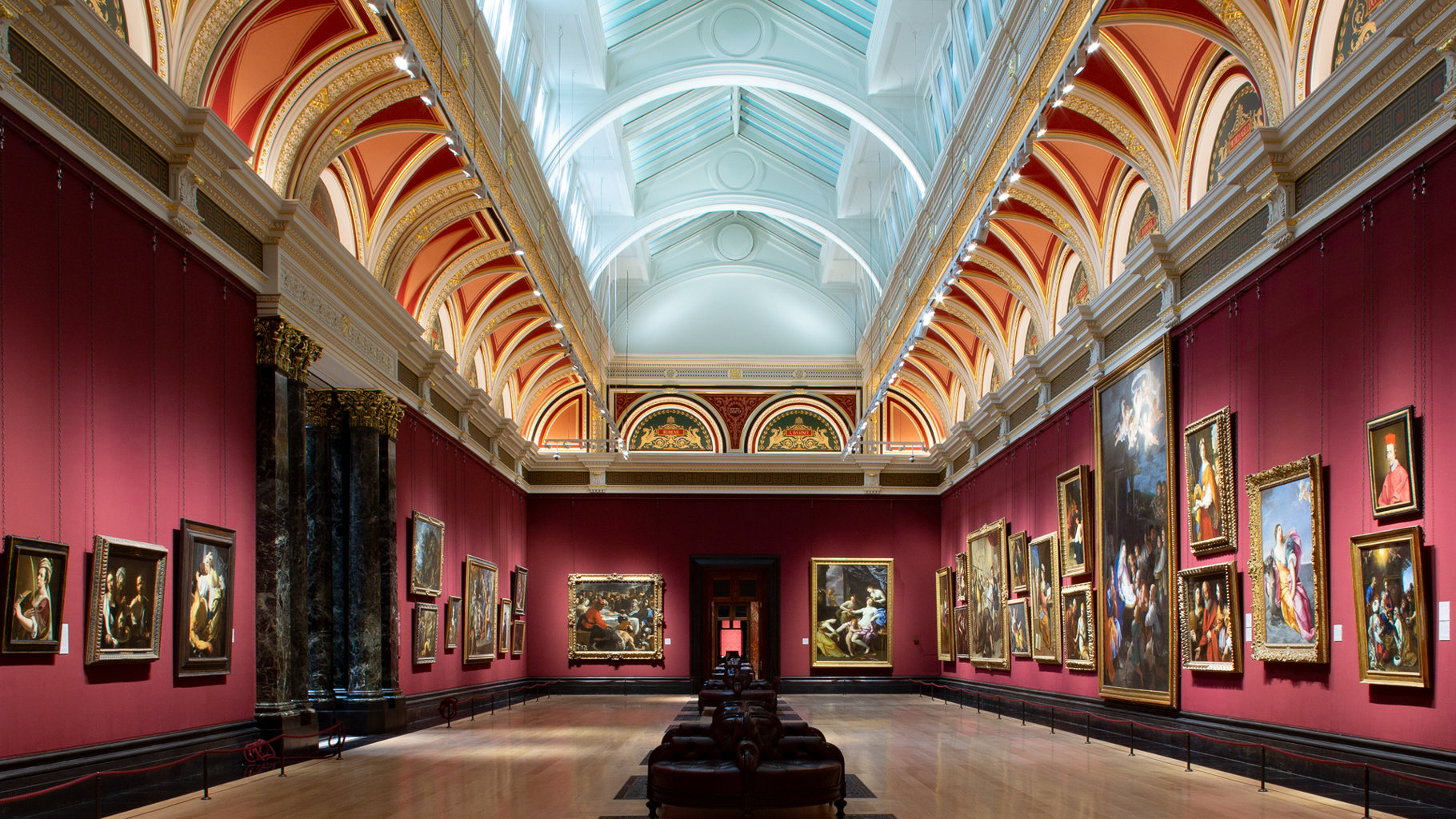
- Best for:European painting, art history and iconic artworks.
- Location: Trafalgar Square, LondonWC2N 5DN
- Admission: General admission is free; some exhibitions and events are ticketed.
- Allow:Around 1–2 hours for selected highlights.
The National Gallery in Trafalgar Square is a good option for anyone interested in the history of European painting. Its collection covers the period from the 13th to the early 20th century.
It also works well as part of a central London cultural outing. Trafalgar Square, the surrounding galleries and the West End are close enough to combine without spending most of the day travelling between locations.
General admission is free, but temporary exhibitions and some events may be ticketed. Confirm arrangements through the gallery's official visitor information.
3. Discover Tate Modern For Contemporary Art
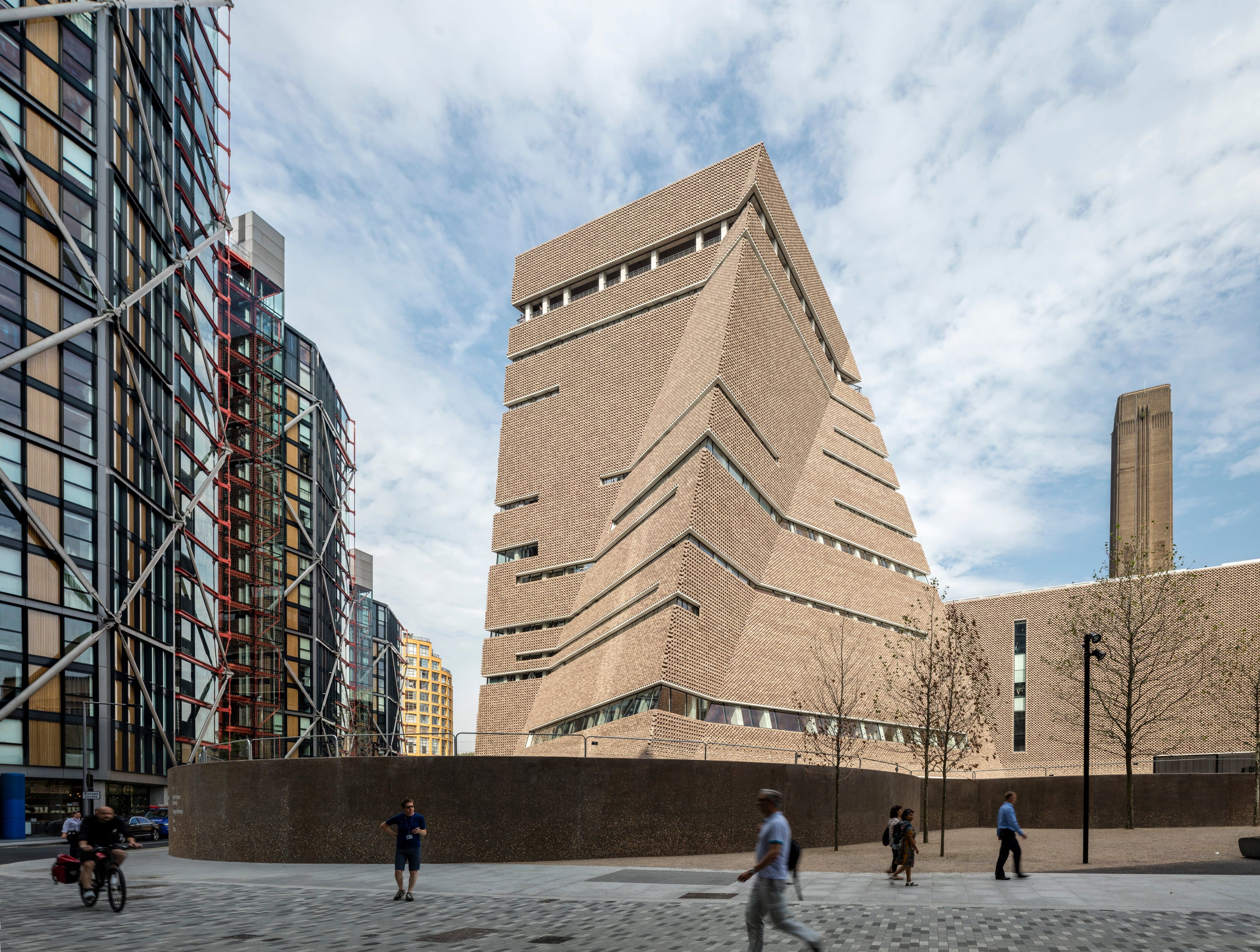
- Best for: Modern art, contemporary installations and industrial architecture.
- Location:Bankside, London SE1 9TG
- Admission:The main collection is free; some temporary exhibitions require paid tickets.
- Allow:Around 1–2 hours for selected galleries, or longer for exhibitions.
Set in a former power station on the South Bank, Tate Modern presents modern and contemporary art in a large industrial building.
It suits visitors who want to explore artistic ideas, installations and works that may differ from the traditional paintings found in older galleries. Its position on Bankside also makes it easy to combine with a riverside walk or a visit to Shakespeare's Globe.
The main collection is free to visit, while some exhibitions require tickets. Check the official Tate Modern visitor pagefor current exhibitions, opening times and accessibility information.
4. Visit The Victoria And Albert Museum For Fashion And Design
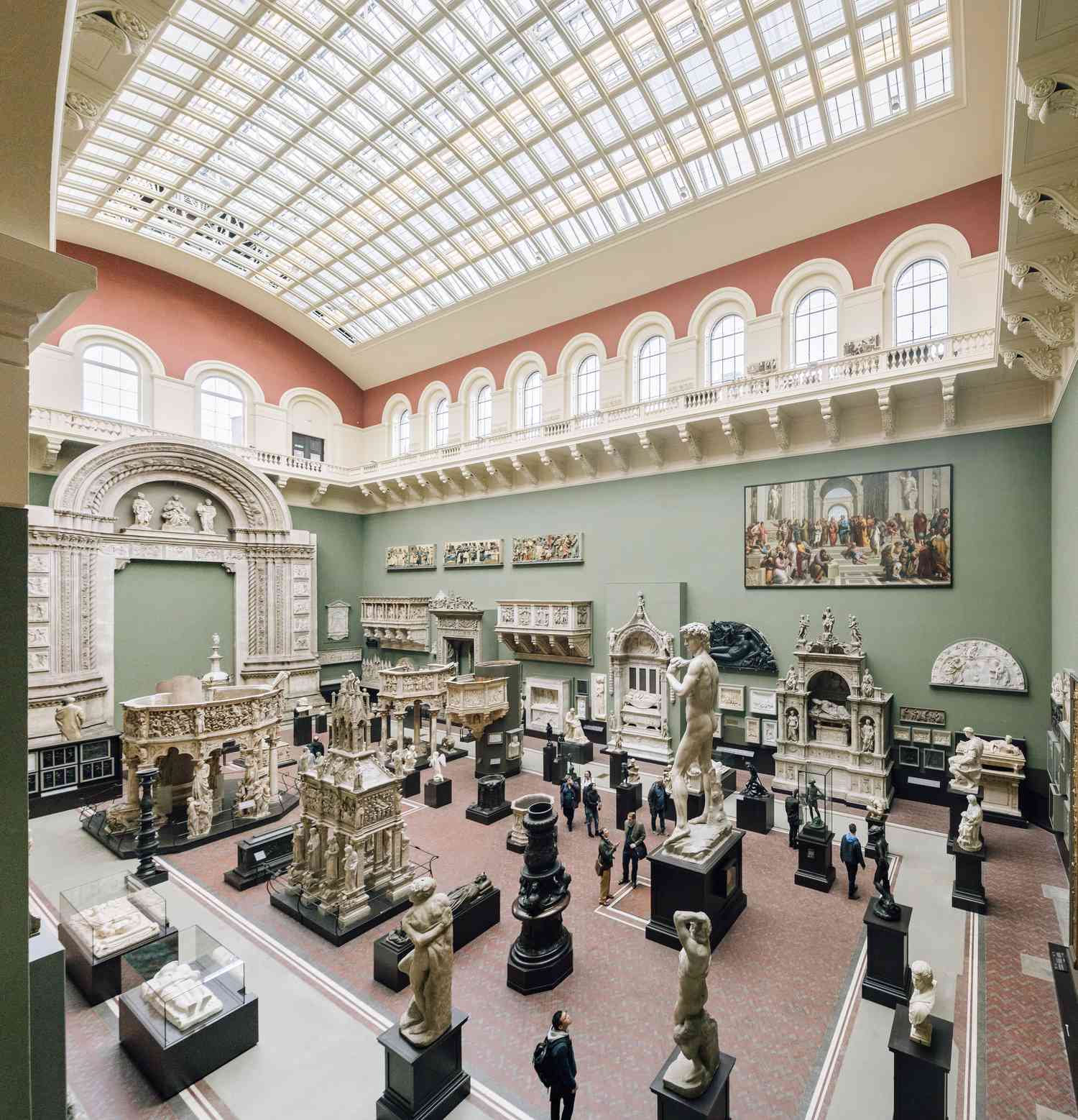
- Best for:Fashion, decorative arts, design, textiles and visual culture.
- Location:Cromwell Road,London SW7 2RL
- Admission:General admission to the permanent collections is free; some exhibitions are ticketed.
- Allow: Around 2–3 hours for selected collections.
The V&A in South Kensington explores art and design through collections that include fashion, textiles, furniture, decorative arts and other creative disciplines.
It is particularly suitable for visitors who want to understand how objects are designed, made and used, rather than focusing solely on paintings or archaeological finds.
Allow enough time to concentrate on a few areas of interest. The museum's extensive collections make it difficult to see everything in one visit. General admission to the permanent collections is free, but individual exhibitions may be ticketed. Check the official V&A visitor informationbefore travelling.
5. Explore The Design Museum
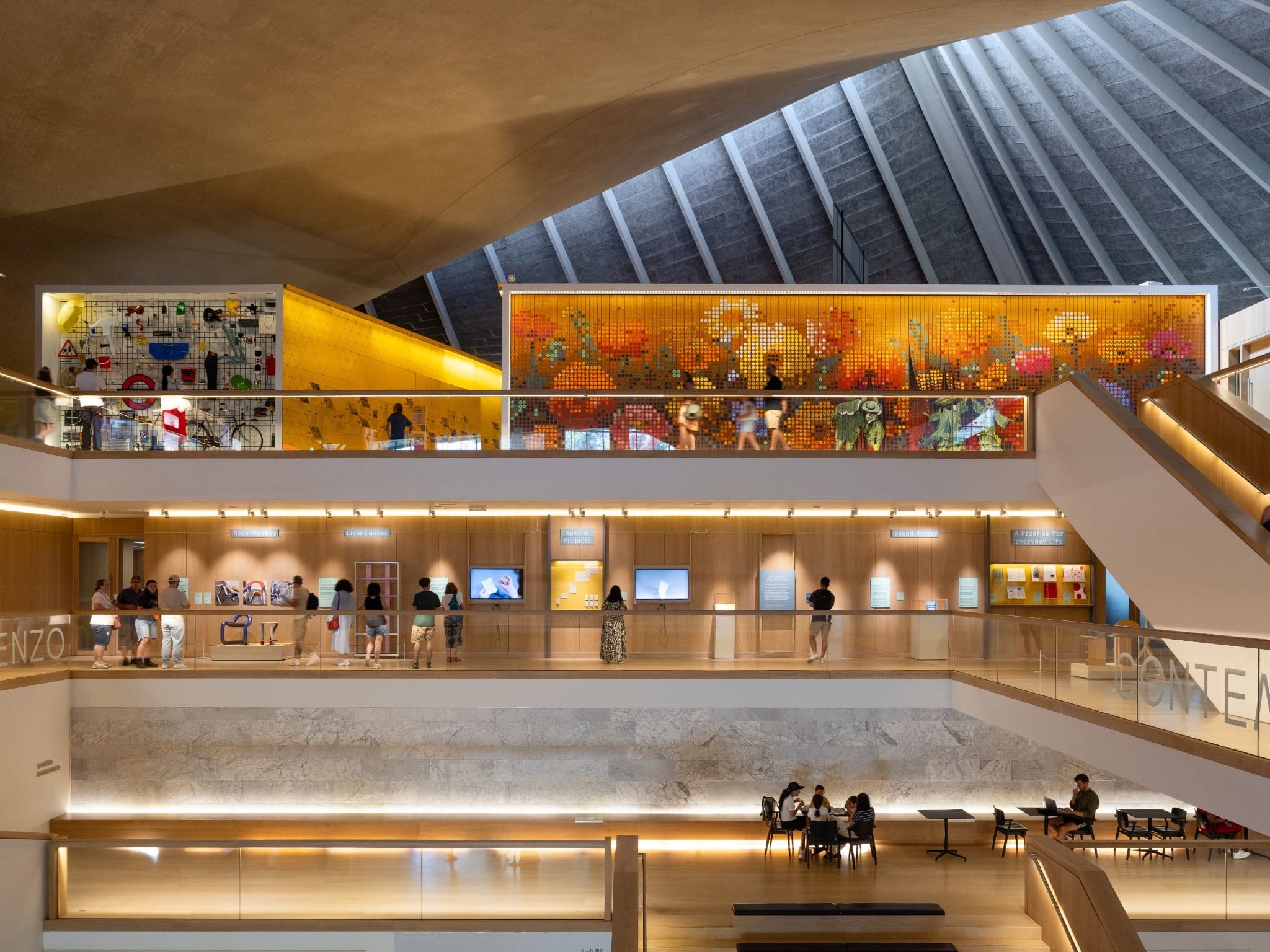
- Best for: Architecture, product design, fashion and contemporary creativity.
- Location:224-238 Kensington High Street, London W8 6AG
- Admission:The permanent Designer Maker User display is free; temporary exhibitions may require a ticket.
- Allow: Around 1–2 hours as a planning estimate.
The Design Museum in Kensington is a useful choice for people interested in architecture, product design, fashion and the relationship between design and everyday life. You can view current conditions in the area via Kensington High Street camera.
Its exhibitions can help visitors understand how creative decisions shape the objects, spaces and systems people use. The permanent Designer Maker User display is free, while some temporary exhibitions require paid admission.
Check the current programme before visiting, particularly if a specific exhibition is the main reason for your trip.
6. Visit The Barbican Centre
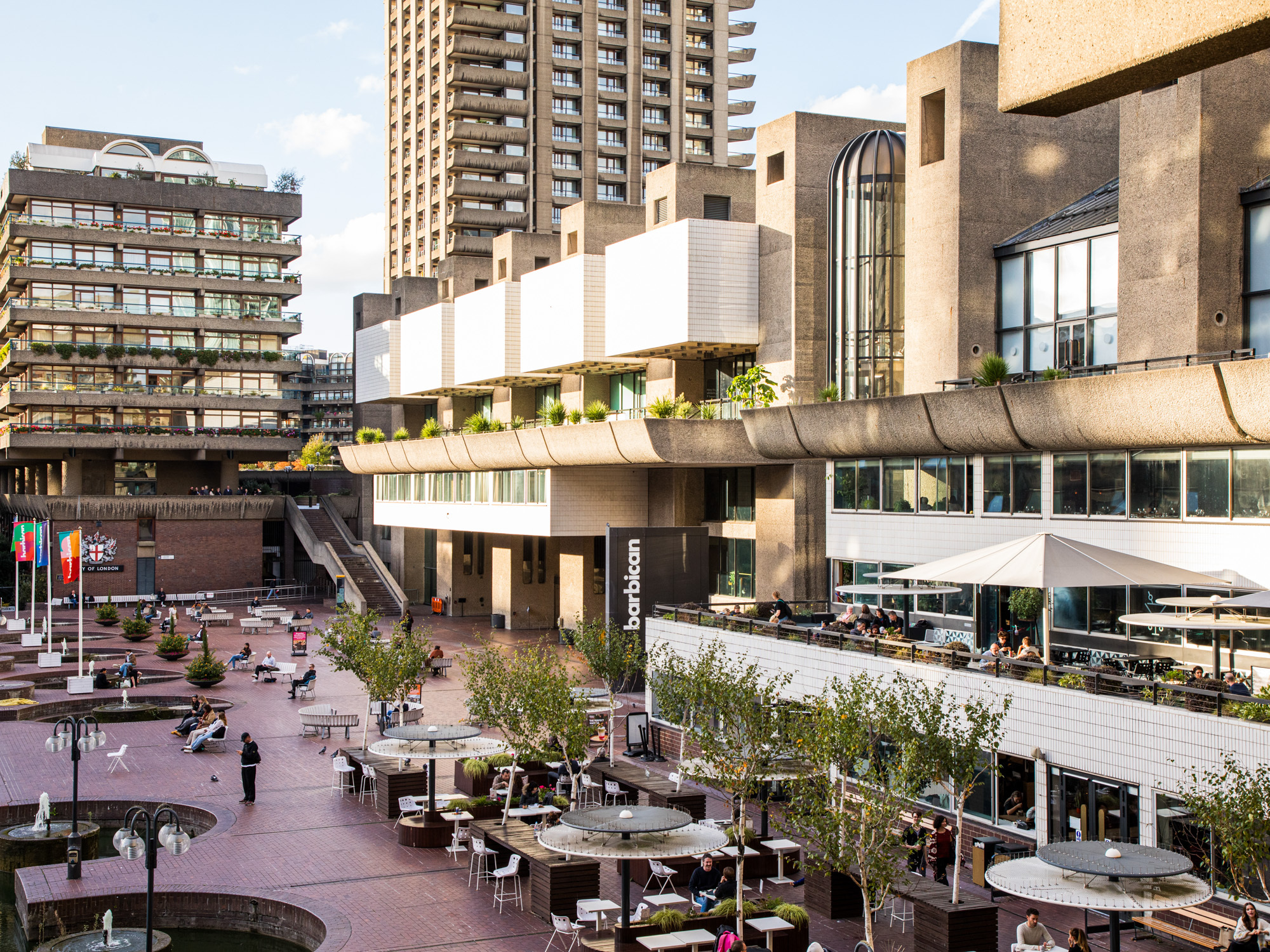
- Best for:Multidisciplinary arts, film, contemporary culture, classical music and architecture.
- Location:Silk Street, Barbican, London EC2Y 8DS
- Admission:Depends on the event or exhibition; some public areas can be visited without a performance ticket.
- Allow:Around 1–3 hours, depending on the programme.
The Barbican Centre is one of London’s major multidisciplinary arts venues, presenting a programme of contemporary art, film, theatre, dance and classical music.
Its distinctive Brutalist architecture also makes it an interesting stop for visitors who appreciate modern design and urban architecture. Check the programme before visiting if you want to combine an exhibition with a performance or film screening.
7. Explore The Wallace Collection
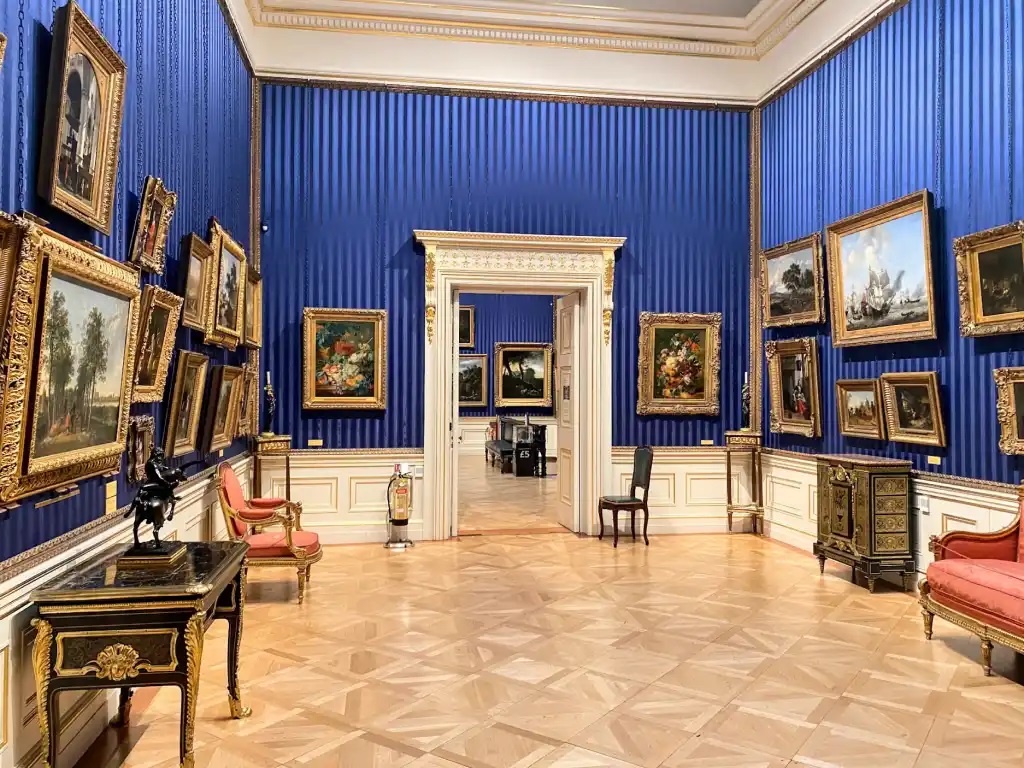
- Best for:Old Master paintings, decorative arts, armour and historic interiors.
- Location:Hertford House, Manchester Square, London W1U 3BN
- Admission:General admission to the collection is free; check current arrangements for special exhibitions.
- Allow: Around 1–2 hours.
Housed in Hertford House in Marylebone, the Wallace Collection brings together European paintings, sculpture, decorative arts and historic arms and armour.
The collection offers a quieter alternative to some of London’s larger museums, with an opportunity to explore art and craftsmanship in an elegant historic setting. General admission to the permanent collection is free, although special exhibitions may have separate charges.
8. Leighton House
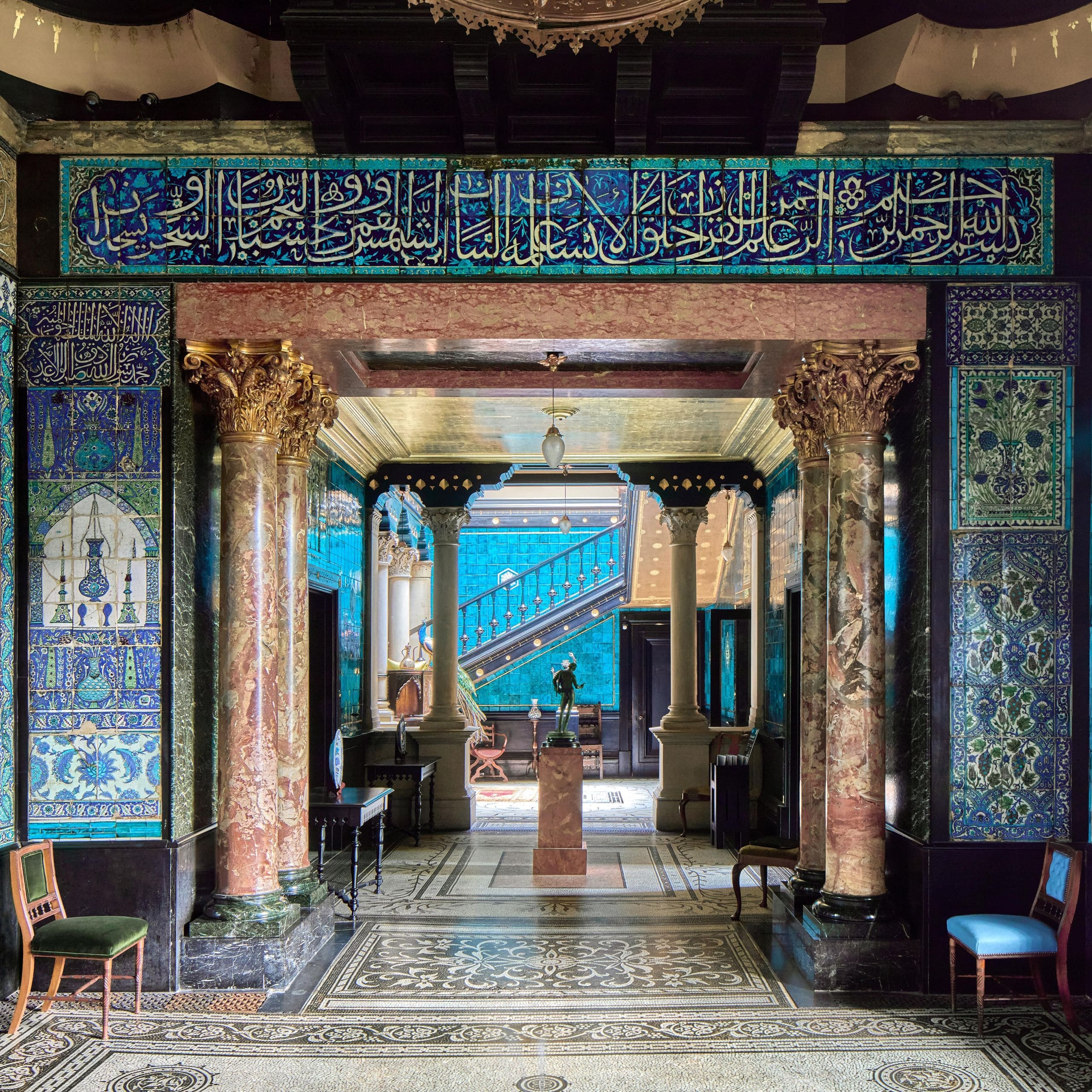
- Best for:Victorian art, historic interiors, mosaics and decorative design.
- Location:12 Holland Park Rd, London W14 8LZ
- Admission: Check current ticket prices and opening arrangements before visiting.
- Allow: Around 1–1.5 hours.
Leighton House in Kensington was the former home and studio of Victorian artist Frederic Leighton. Its richly decorated Arab Hall, intricate mosaics and Islamic-inspired interiors make it a distinctive place to explore the connections between art, architecture and decorative design.
It is particularly suited to visitors looking beyond conventional gallery displays for a more immersive artistic setting. Check the official visitor information for current opening arrangements and admission details.
9. The Wellcome Collection
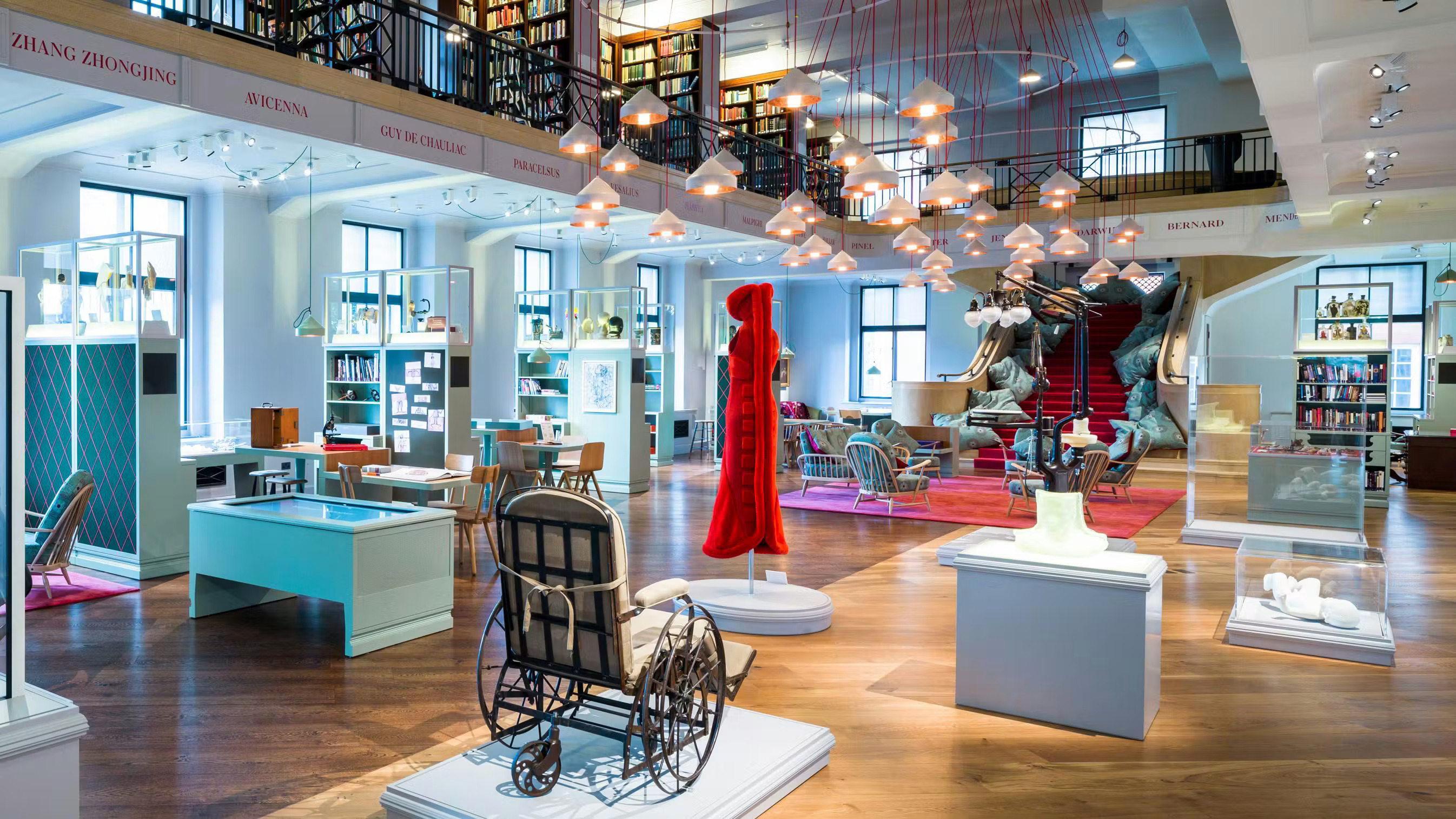
- Best for: Art and science, medicine, human experience and thought-provoking exhibitions.
- Location: 183 Euston Rd, London NW1 2BE
- Admission:General entry is free; check the current programme for any ticketed events or exhibitions.
- Allow: Around 1–2 hours.
Near Euston, Wellcome Collection explores the connections between art, science, medicine and human experience through exhibitions and displays.
Its subject matter offers a different perspective on London’s cultural scene, particularly for visitors interested in the body, health, history and society. Check the official website before visiting for current exhibitions and opening information.
10. See A Temporary Exhibition
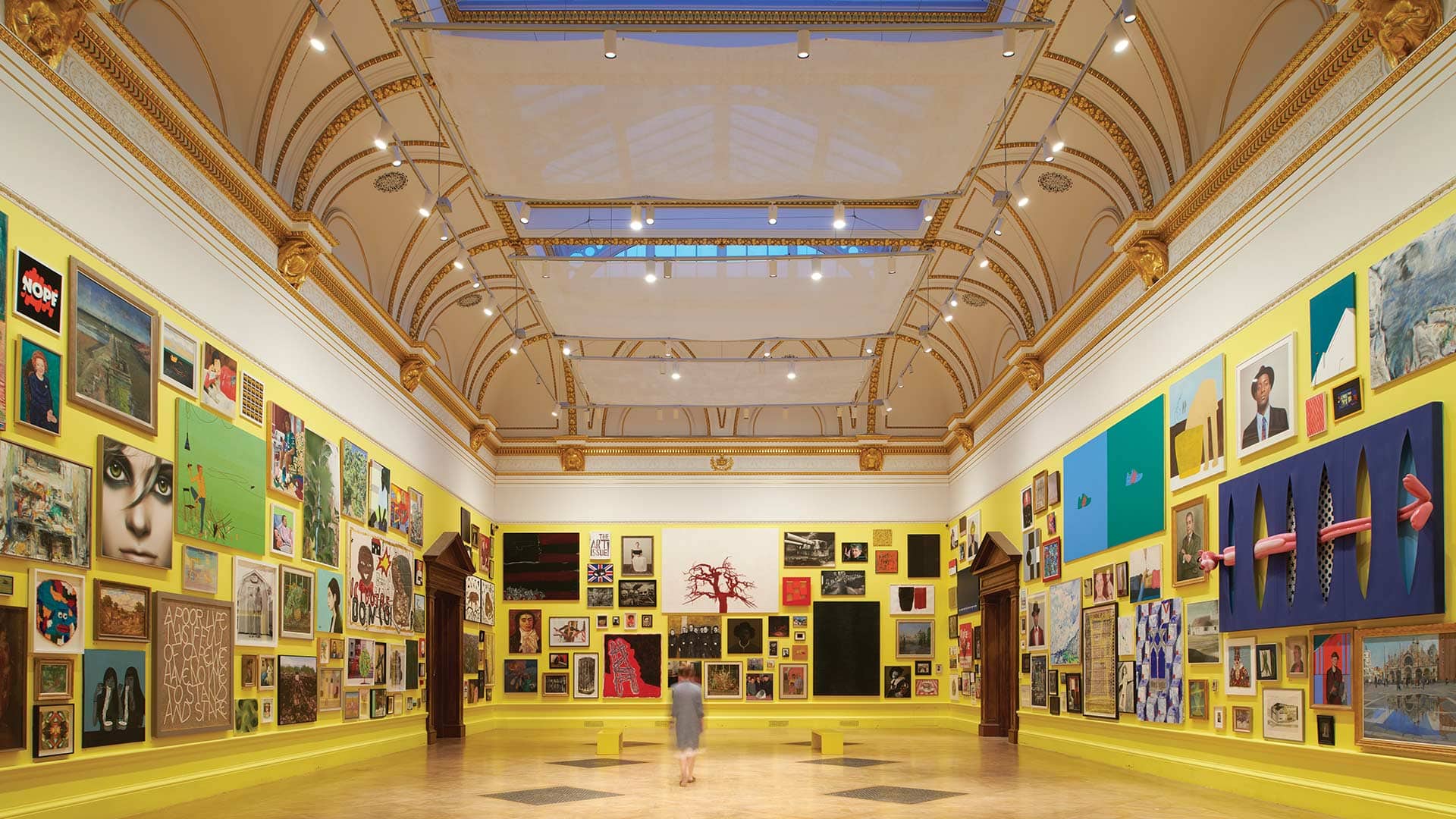
- Best for:Visitors interested in a particular artist, contemporary art or photography.
- Admission: Depends on the exhibition; check individual listings.
- Allow:Around 1–2 hours per venue.
You do not need to commit to a large permanent collection to experience London's cultural life. Temporary exhibitions provide a way to explore a particular artist, historical subject, design movement or creative discipline.
The Royal Academy of Artsis one option for changing art exhibitions, while the Photographers' Galleryis worth considering if photography is your main interest.
If you would rather build your visit around a particular artistic style, compare London's art galleries by style and area, including contemporary spaces, classic collections and free-entry options.
Exhibition programmes and ticket prices change, so check the official venue websites for current shows. If your visit is short, choosing one exhibition around a subject you already enjoy may be more rewarding than trying to fit several major museums into the same day.
Theatre, Music And Live Performance
Live performance offers a different way to engage with London's culture. Rather than looking at objects or artworks, you experience a performance as it unfolds, whether through theatre, opera, dance, classical music or a smaller live-music event.
11. See A West End Show
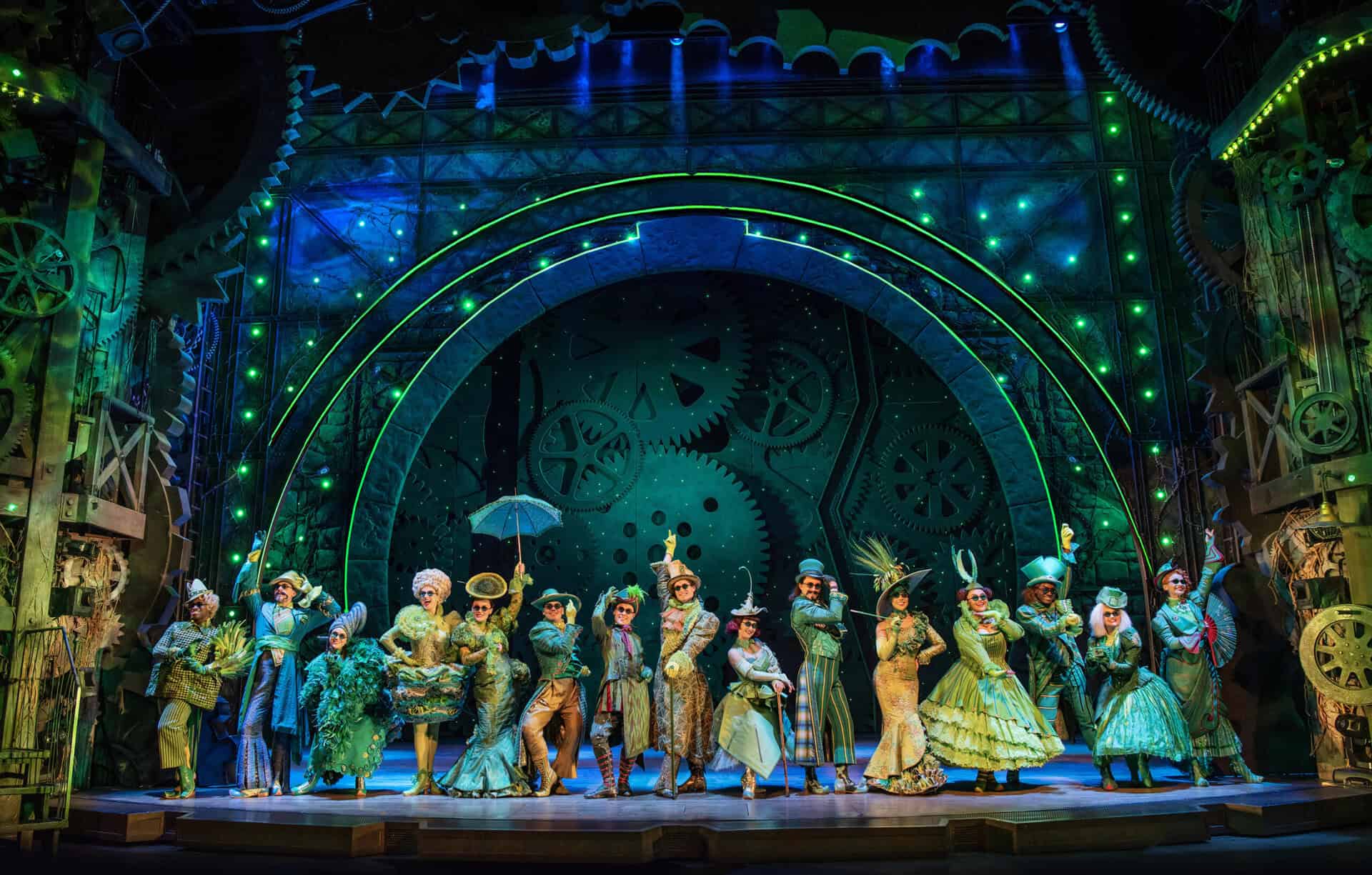
- Best for:Musicals, drama, comedy and a classic London theatre night.
- Location:Theatreland around Covent Garden, Leicester Square, Shaftesbury Avenue and Soho.
- Admission:Ticketed; prices vary by production, date and seat.
- Allow:Usually 2–3 hours for a performance, plus time for travel and refreshments.
The West End is the natural starting point for visitors interested in major musicals and plays. Productions range from long-running favourites to new work and limited-run performances. Before travelling, you can check live weather and crowd levels on the Shaftesbury Avenue camera.
If you have not decided what to see, browse these current West End show recommendationsto compare musicals, plays, family productions and booking options before choosing a performance.
Theatre can also anchor an evening itinerary. You might spend the afternoon exploring a nearby gallery or neighbourhood, have dinner before the performance and allow enough time to reach the theatre without rushing.
Choose a production based on the type of performance you enjoy, not just its popularity. Ticket prices, running times, age guidance and availability vary by show. Browse Official London Theatreand then check the venue or production's own booking information.
12. Experience Shakespeare's Globe
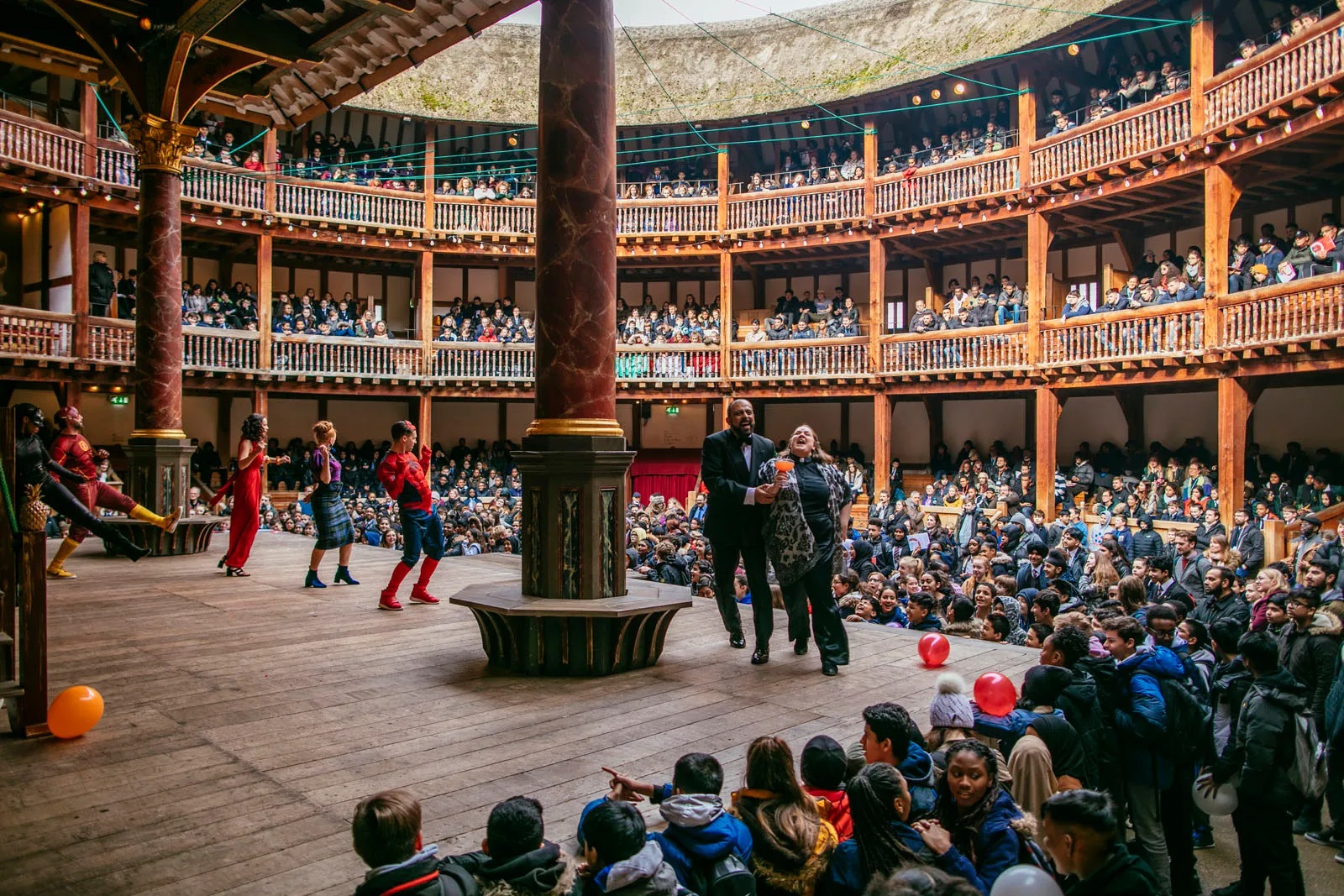
- Best for: Shakespeare, classical drama, theatre history and distinctive performancesettings.
- Location:21 New Globe Walk, Bankside, London SE1 9DT
- Admission:Performances and guided tours are ticketed; prices depend on the experience.
- Allow:Around 2–3 hours for a performance, or longer if combining it with a tour.
Shakespeare's Globe on Bankside offers a connection with London's theatrical history through Shakespeare-focused performances, tours and related events.
A performance and a guided tour are different experiences. A show gives you the opportunity to watch a production, while a tour focuses on the theatre, its history and the way the space operates.
Check the current Globe programme for performances, guided tours and special events. Some activities are seasonal or available only on specific dates.
The Globe also fits naturally into a South Bank outing, particularly if you are combining theatre with Tate Modern or a walk along the Thames.
13. Attend An Event At The Southbank Centre
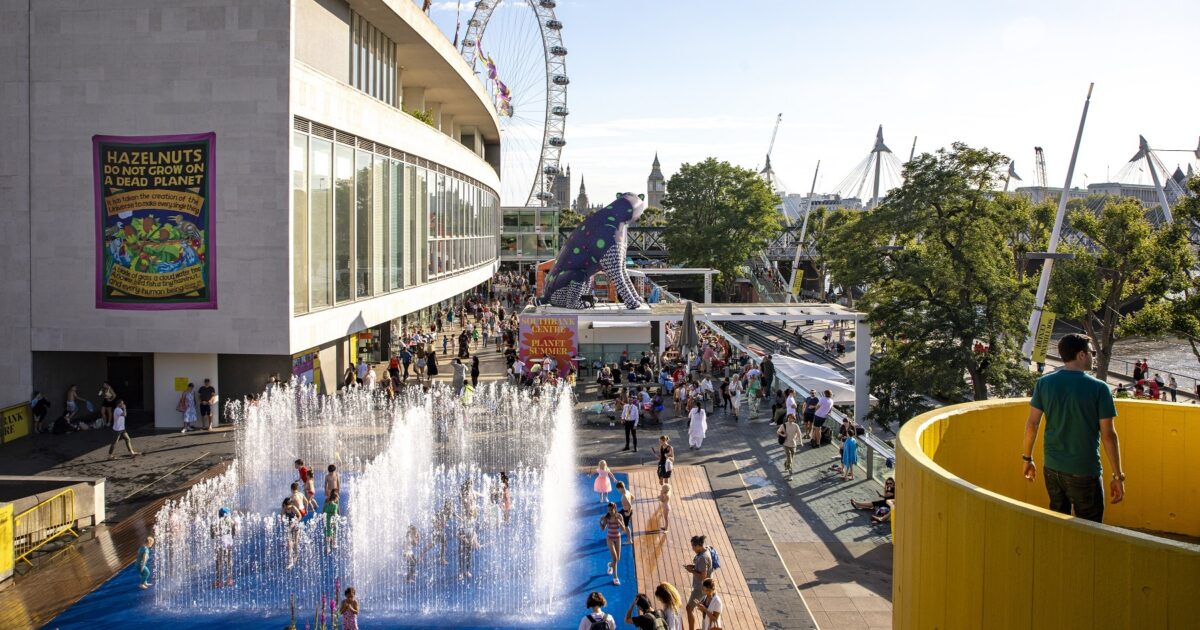
- Best for: Concerts, festivals, literature, talks and a varied arts programme.
- Location:Southbank Centre, Belvedere Rd, London SE1 8XX
- Admission: Some events are free; others require paid tickets.
- Allow: Around 1–3 hours, depending on the event.
The Southbank Centre is a major arts complex offering a broad programme that includes music, dance, theatre, literature, poetry, visual arts and talks.
Its range makes it useful when several people have different cultural interests, or when you want to choose a performance around a particular date rather than commit to a specific type of show.
The programme includes both ticketed events and free activities, although availability varies. Check the official Southbank Centre websitefor current listings and booking information.
14. Explore Opera And Ballet At The Royal Ballet And Opera
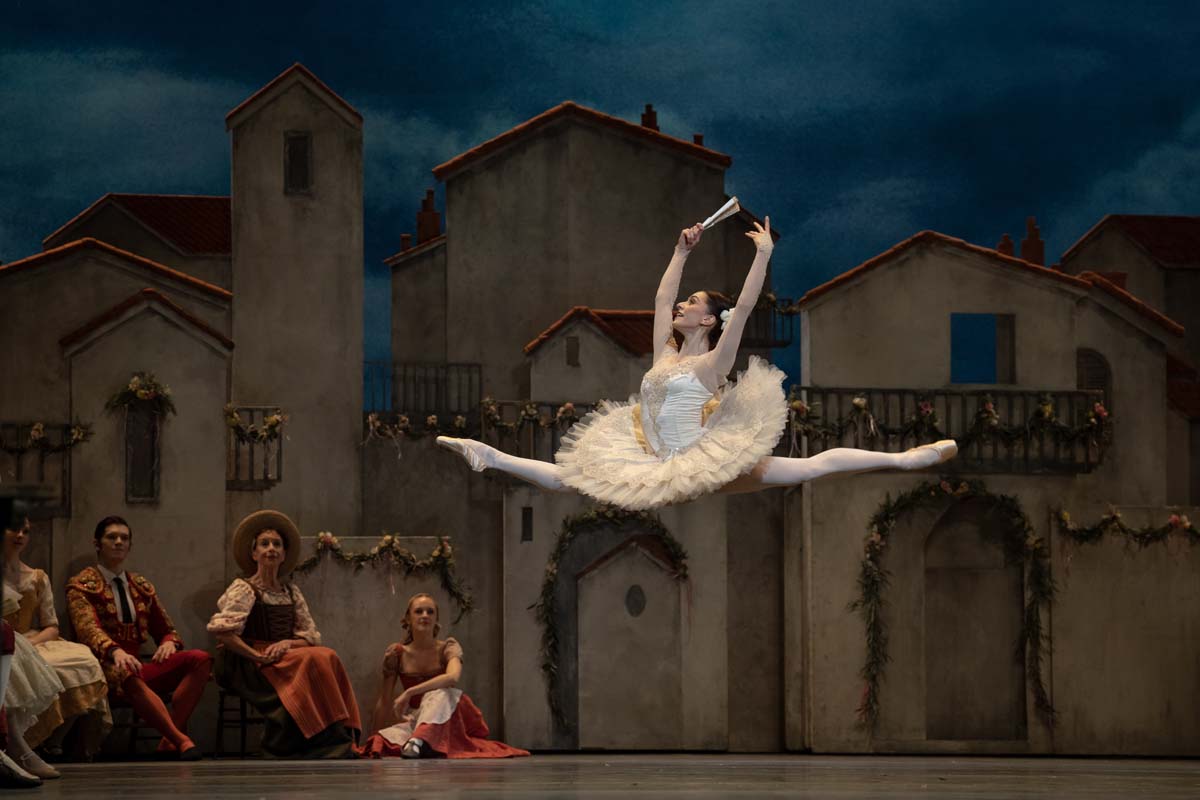
- Best for:Opera, ballet, classical music and grand theatrical productions.
- Location: Royal Ballet and Opera, Bow Street, London, WC2E 9DD
- Admission:Performances and some tours are ticketed; prices vary.
- Allow:Around 2–3 hours for a performance, excluding arrival and interval time.
The Royal Ballet and Opera(formerly the Royal Opera House) in Covent Garden is an option for visitors interested in opera, ballet and orchestral music.
You do not need to be familiar with every work to attend, but checking the production description, running time and performance format beforehand will help you decide whether it suits your interests.
Look at the current programme and ticket options before planning your evening. Prices and availability depend on the production and seating selected.
15. Find Live Music Beyond The Main Stages
- Best for:Rock, indie, jazz, classical music, electronic music and emerging performers.
- Location: Options vary by genre and venue, with clusters in Soho, Camden, Shoreditch and across central London.
- Admission:Some events are free; ticket prices vary.
- Allow:Around 2–4 hours for an evening performance.
London's music culture extends beyond large concert halls and major touring artists. Smaller venues, jazz clubs, local stages and independent music spaces provide opportunities to experience different genres and emerging performers.
The best venue depends on the music you want to hear. Rather than choosing a neighbourhood based on reputation alone, check current listings for the date of your visit and consider the venue's location, start time and transport home.
To narrow down your options, compare London's live music venues by genre and atmosphere, from intimate jazz clubs and grassroots stages to larger concert halls and electronic music spaces.
For a broader evening itinerary, see guide to the best places to visit in London, then use official venue listings to identify a suitable performance.
London's Living Culture: Food, Fashion And Markets
Culture is also expressed through what people make, sell, eat and wear. London's markets and creative neighbourhoods offer a more informal way to explore these influences, although the experience differs from one area to another.
London's culture is also shaped by migration, shared traditions, everyday customs and the identities of its communities. Learn more about London's cultural identity and everyday traditionsto understand the wider context behind these experiences.
16. Visit Borough Market For Food Culture
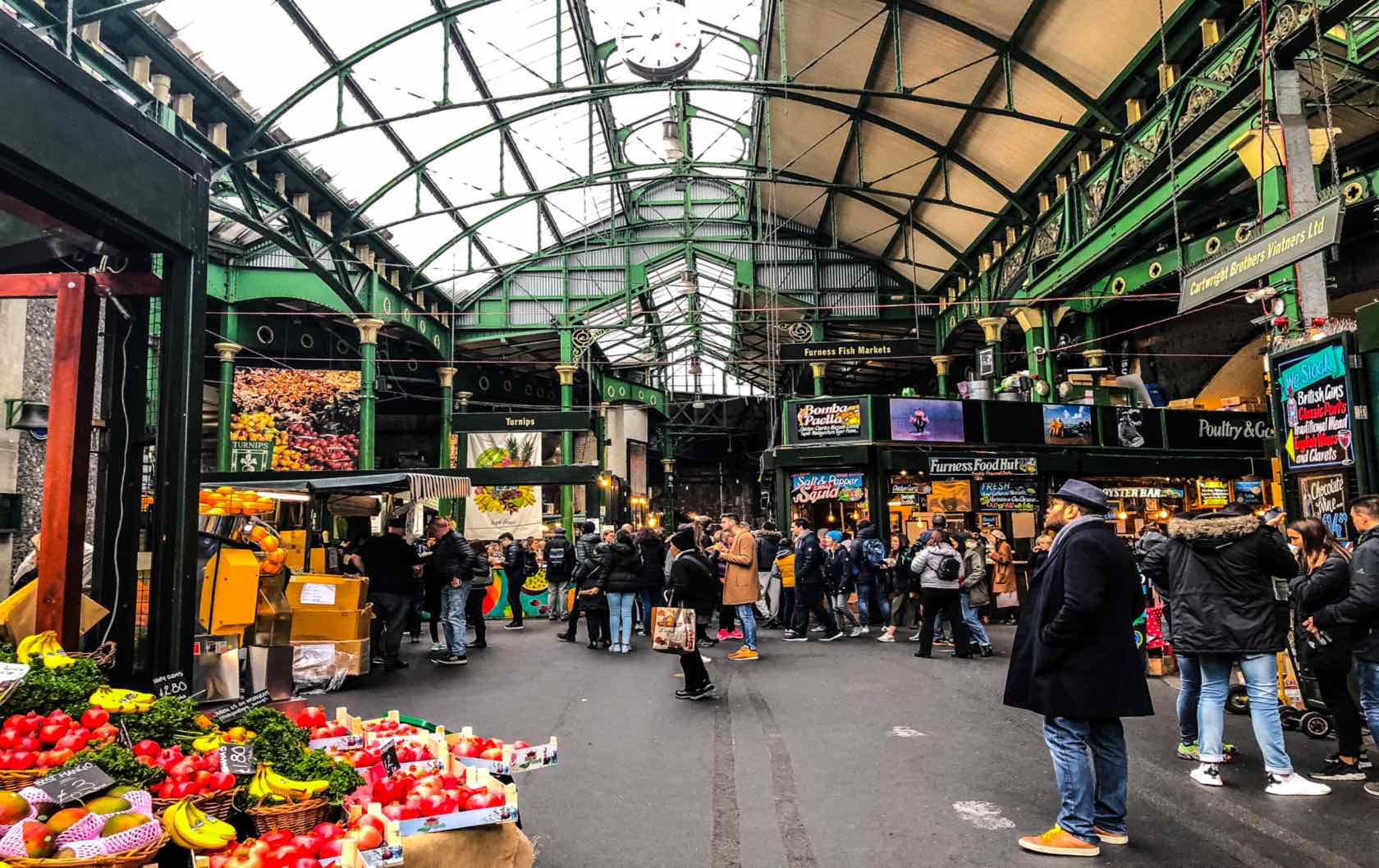
- Best for:Food lovers, artisan produce, street food and discovering independent traders.
- Location:8 Southwark Street, London, SE1 1TL
- Admission:Free to enter; food and products cost extra.
- Allow:Around 1–2 hours, depending on crowds and whether you plan to eat.
Borough Market near London Bridge is a useful starting point for exploring London's food culture through produce, specialist ingredients and prepared food from different culinary traditions.
Rather than treating the market as a conventional sightseeing stop, use it to explore ingredients and food you might not normally encounter, or to put together a meal from different traders. It can also complement a walk around Bankside and the South Bank.
Access to the market is free, but food and purchases cost extra. The market is normally closed on Mondays, and its trading hours vary by day, so check the official visitor informationbefore setting off.
17. Explore Brixton Village And Market Row
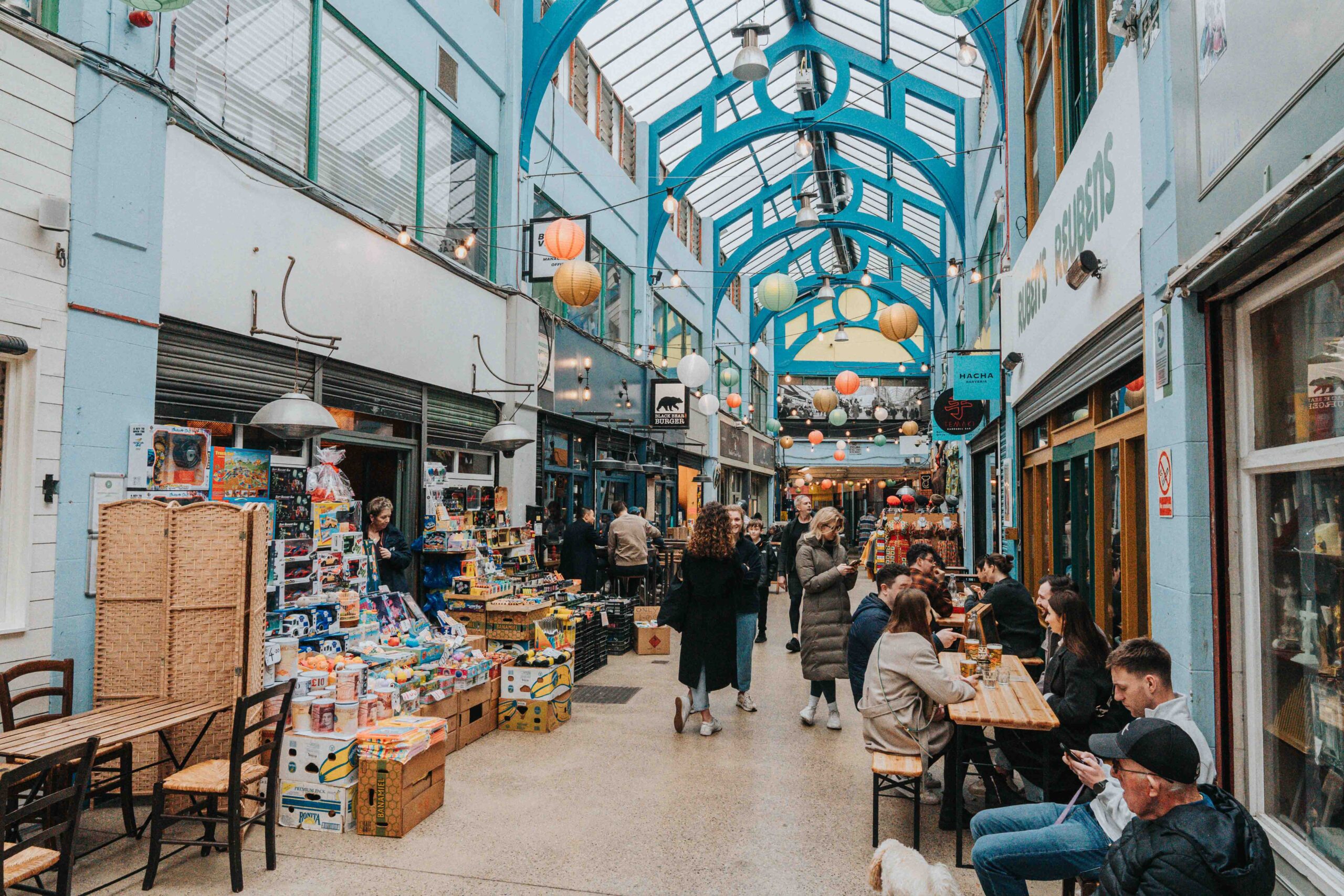
- Best for:International food, independent traders and exploring Brixton’s local character.
- Location:Brixton, near Brixton Underground and railway stations.
- Admission:Free to explore; meals, drinks and shopping cost extra.
- Allow:Around 1–2 hours.
Brixton Village and Market Row bring together food businesses, independent traders and other small enterprises in covered market arcades in south London.
The area is a good option for readers interested in food and the everyday commercial life of a neighbourhood. Browse the traders, choose somewhere to eat and explore the surrounding streets rather than assuming that a single market visit represents the whole area's culture.
Allow time for food stops and check individual businesses if you have a particular cuisine or venue in mind. Opening times and offers vary between traders.
18. Discover Camden Market's Alternative Styles
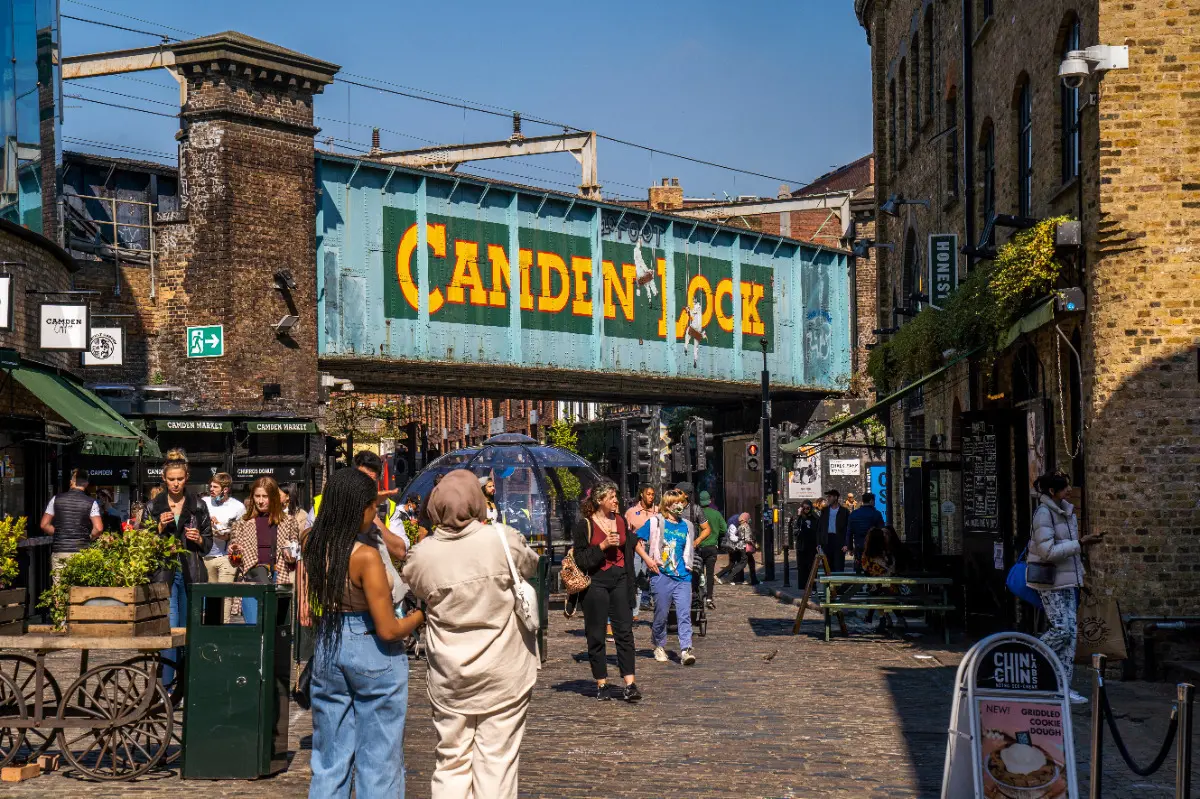
- Best for:Street food, vintage clothing, independent shopping and alternative culture.
- Location:Camden Lock Place, London NW1 8AF
- Admission: Generally free to enter; purchases and food cost extra.
- Allow: Around 1–3 hours.
Camden Market combines food stalls, shops, fashion, vintage finds and independent products in a network of market areas.
It is particularly suitable for visitors interested in alternative fashion, street style and informal browsing. The market can be busy, so it helps to decide whether you want to concentrate on shopping, food or the surrounding canal area rather than trying to see everything.
The different market areas have their own character, and traders' offerings change. For broader context about the area's markets, consult Camden Council's market information.
19. Browse Greenwich Market For Crafts And Independent Work
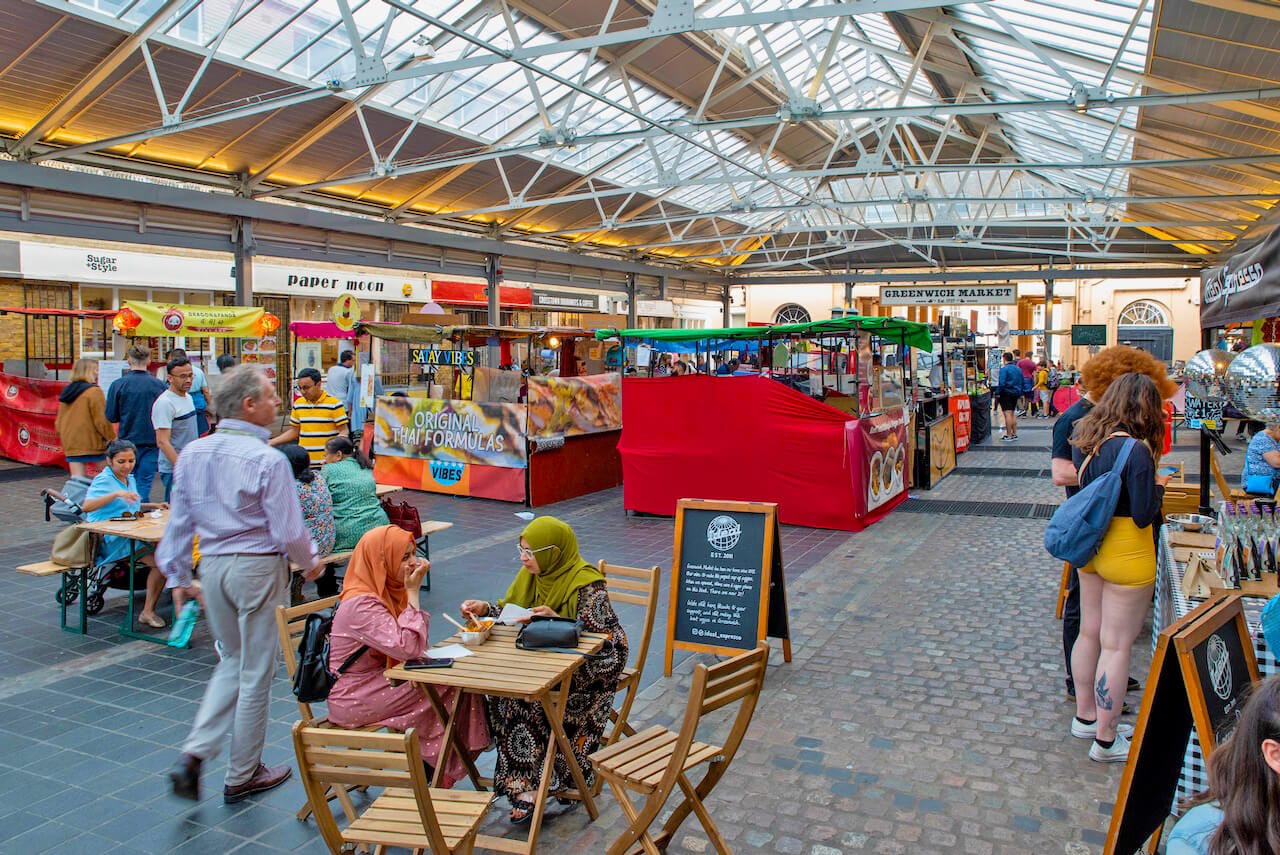
- Best for:Handmade crafts, independent gifts, art and street food.
- Location:5b Greenwich Market, London SE10 9HZ
- Admission: Free to browse; purchases and food cost extra.
- Allow:Around 1–2 hours.
Greenwich Market is an option for visitors interested in crafts, artwork, independent products and food.
It works particularly well as part of a wider visit to Greenwich. You can combine browsing with the National Maritime Museum, Greenwich Park or other local heritage sites, depending on how much time you have.
If you want to extend your market visit with some time outdoors, compare London parks for walks, gardens and viewsto find a suitable green space for the rest of your day.
Allow time to explore the market rather than treating it as a quick stop between attractions. Check its current trading information and the opening arrangements for any other venues you plan to visit.
20. Explore Brick Lane And Shoreditch For Street Art And Creative Culture
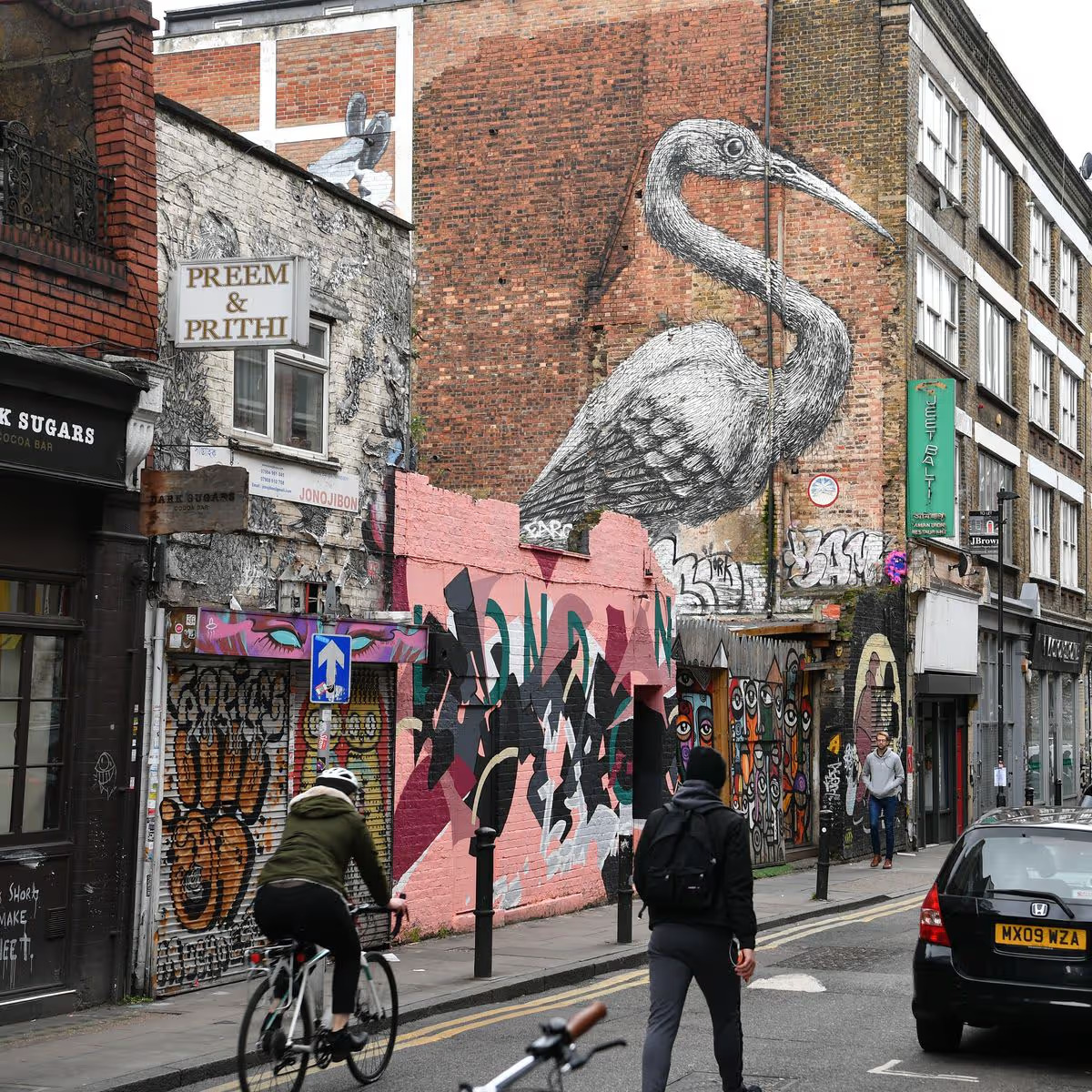
- Best for: Street art, vintage shopping, independent fashion and varied food.
- Location: East London, around Brick Lane, Spitalfields and Shoreditch.
- Admission: Free to walk around; shopping, food tours and other activities cost extra.
- Allow:Around 2–3 hours.
Brick Lane and the surrounding parts of Shoreditchare known for street art, independent creative businesses, vintage shopping and food. They offer a different experience from London's large, formal cultural institutions.
Street art is often temporary, and individual works may change or disappear. If seeing particular pieces matters to you, check recent information rather than relying on an old photograph or fixed walking route.
You can explore on foot, browse independent shops and stop for food, but allow time for the area itself rather than planning every minute around a checklist of murals.
For a more structured experience, consider a guided street-art walk that explains the artists, local context and changing use of the streets.
Cultural Experiences By London Area
If you would rather organise your visit geographically than choose a theme first, start with an area that brings several cultural experiences together. This reduces unnecessary travel and makes it easier to leave time for an exhibition, meal or performance.
If you want to explore beyond the cultural venues listed here, browse these guides to London neighbourhoodsfor more context on local character, streets and historic surroundings.
South Bank And Bankside: Art, Theatre And Riverside Culture
Start at Tate Modern, continue towards Shakespeare's Globe and explore the surrounding riverside area. Add a performance or event at the Southbank Centre if the programme suits your visit.
Best for:combining a major art gallery with theatre, walking and live arts.
South Kensington: Museums And Design
Choose the V&A, Natural History Museum or Science Museum according to your interests. You can visit more than one, but large museums deserve time, so avoid planning to cover all three in depth during a short outing.
Best for:museum-focused days, design enthusiasts and families choosing collections to suit different interests.
Trafalgar Square And The West End: Art And Performance
Visit the National Gallery, consider the National Portrait Gallery and continue towards Covent Gardenor a West End theatre. Check showtimes before deciding how much to fit into the day.
Best for:visitors who want a central cultural outing with an evening performance.
Shoreditch And Brick Lane: Street Art And Independent Culture
Explore the streets on foot, look for murals, browse independent shops and stop at a market or food venue if one is open.
Best for: contemporary urban culture, photography, vintage shopping and informal exploration.
Brixton: Food, Music And Community Culture
Combine Brixton Village and Market Row with a look at the local music and food scene. Choose particular venues based on their current programme rather than assuming every venue offers the same experience.
Best for:visitors interested in food, music and the cultural life of a south London neighbourhood.
Greenwich: Maritime History And Heritage
Pair Greenwich Market with the National Maritime Museum and Greenwich Park. The Royal Observatory is another option if astronomy and the history of timekeeping interest you; check its admission arrangements separately.
Best for: combining history, outdoor space, independent traders and a distinct local setting.
For further options beyond these cultural areas, use the guide to things to do in London. Choose the additional stops that complement your main interest rather than attempting to visit every nearby attraction.
Free And Budget-Friendly Cultural Experiences
You do not need to buy tickets for every activity to experience London's culture. Several major museums and galleries offer free entry to their permanent collections, while markets, public art and some cultural events provide other ways to explore the city without paying an admission fee.
Explore Free Museum Collections And Galleries
The British Museum, National Gallery and Tate Modern are useful starting points for free cultural visits. The V&A also offers free access to its permanent collections.
Free entry does not necessarily mean every exhibition or activity is included. Special exhibitions, guided experiences and some events may require payment, and certain visits may benefit from advance booking.
To make the most of a free museum visit, choose a particular collection or subject before arriving. A focused visit can be more satisfying than rushing through several large institutions simply because admission is free.
Discover Public Art And Street Art
Public art provides a way to engage with London's creative life while exploring its streets and public spaces.
Shoreditch and Brick Lane are useful areas to consider for street art, while temporary public installations and sculpture exhibitions may appear elsewhere in the city. The locations and works can change, so check current information if a particular installation is central to your plans.
You can also look for public exhibitions and creative programmes organised by cultural institutions. These may offer a different experience from visiting a permanent collection, without necessarily requiring a full-day commitment.
Browse Markets Without A Paid Attraction Ticket
Markets such as Borough Market, Camden Market and Greenwich Market offer free access to browse, although food, shopping and some additional activities cost money.
A market visit can be as simple as exploring the stalls and observing the products on offer, or it can become a longer food-focused outing. Set a spending limit if you want to keep costs predictable, particularly when you plan to sample food from several traders.
Look For Free Events And Museum Late Openings
Some venues offer free talks, performances, workshops or special opening programmes alongside their main exhibitions. The Southbank Centre, for example, has a programme that includes free activities as well as ticketed events.
Availability varies, so look at the venue's official calendar for your dates. Check whether an activity requires registration, whether places are limited and whether it is suitable for your interests.
How To Plan A Cultural Day In London
A good cultural itinerary gives each main experience enough time and avoids unnecessary travel. Start with one priority, then add nearby activities that complement it.
If you are trying to balance academics with sightseeing, you might ask professional essay writers onlineto write your college papers. Unencumbered by school assignments, you can enjoy your trip to London without any time constraints.
If You Have Two Hours
Choose one main experience rather than attempting a full cultural tour.
- For art:visit a focused section of the National Gallery or Tate Modern.
- For history: select a small number of collections at the British Museum.
- For street culture:take a short walk through a part of Shoreditch and Brick Lane.
- For food culture:browse Borough Market when it is trading and allow time for a food stop.
These are starting points, not guaranteed two-hour schedules. Check opening arrangements and allow for entry queues, security checks and the time needed to reach your chosen location.
If You Have Half A Day
Choose two experiences that complement each other geographically or thematically.
Option 1: Art and theatre heritage on Bankside
Start at Tate Modern, then walk towards Shakespeare's Globe and explore the surrounding riverside area. If you want to attend a performance or tour, check its schedule and book separately.
Option 2: Museums and design in South Kensington
Focus on the V&A and select a particular collection or exhibition. If you have time, add another nearby museum, but remember that large institutions can easily occupy several hours.
Option 3: Street art and food in east London
Explore Brick Lane and nearby streets, browse independent shops and stop for food. Treat the route as a neighbourhood visit rather than a fixed list of murals, since street art and individual businesses change.
If You Have A Full Day
For a full day, choose one main cultural area rather than travelling across London repeatedly.
A South Bank day could combine Tate Modern, a riverside walk, a meal and a performance or event. A Greenwich day could bring together the market, maritime history and the park. A central London itinerary could combine the National Gallery with a suitable West End show.
Check the opening arrangements of every major venue and plan around any timed entry or performance. Leave some flexibility for breaks, unexpected queues and activities that take longer than expected.
If You Want A Cultural Evening
Choose the evening experience first, then build the rest of the plan around it.
A West End production, an opera or ballet performance, a concert or a scheduled cultural event can each provide a clear focus. For more ideas on how to extend your itinerary, explore the guide to London by night. If you prefer not to book a performance, check whether a museum or gallery has an evening opening on your chosen date.
Do not assume that a venue is open late every day. Confirm the programme, finish time and transport options before committing to the rest of your evening.
How To Find Current Cultural Events And Book
Permanent collections and established venues can provide an evergreen starting point, but London's temporary cultural programme changes throughout the year. Exhibitions, festivals, performances, workshops and special events may have limited dates or availability.
Use these steps to plan around current information:
- Start with a reliable events calendar. Visit London's What's On guidelists events, performances and exhibitions across the city. Use it to identify possibilities, then verify the details with the organiser.
- Check the venue's own website. Confirm the event date, start time, location, duration and admission arrangements.
- Read the ticket conditions. Check whether tickets are timed, whether advance booking is required and whether refunds or exchanges are available.
- Check accessibility before booking. Consult the venue's own information for step-free access, seating, sensory provision and other requirements relevant to your visit.
- Plan transport around the event. Allow time to reach the venue, especially when combining activities in different parts of London.
- Recheck temporary events close to your visit. Programmes and arrangements can change, so rely on current organiser information rather than an older article or social media post.
If your dates are flexible, you may find it easier to choose the event first and organise nearby activities around it. If your dates are fixed, start with what is available and then choose the experience that best matches your interests.
Frequently Asked Questions
What Are The Best Cultural Experiences In London?
The best cultural experiences depend on your interests. The British Museum and National Gallery suit visitors interested in history and art, Tate Modern offers modern and contemporary art, the West End is a starting point for theatre, and markets such as Borough Market and Camden Market provide a more informal way to explore food and creative culture.
Which Cultural Activities In London Are Free?
Free options include the permanent collections at the British Museum, National Gallery, Tate Modern and V&A. You can also browse markets, explore street art and look for free cultural events. Special exhibitions, performances, food and other activities may cost extra, so check the relevant venue or organiser before visiting.
Where Can You Experience Local Culture In London?
Shoreditch and Brick Lane are useful for street art and independent creative businesses; Brixton offers food, music and neighbourhood culture; and Greenwich combines a market with maritime heritage and historic surroundings. The experience varies by venue and date, so explore the area rather than assuming a single attraction represents the whole neighbourhood.
What Can You Do In London If You Only Have A Few Hours?
Choose one main cultural experience and stay within the surrounding area. You could explore part of Tate Modern, visit a focused collection at the National Gallery, browse a market or take a short street-art walk. Check opening times and allow enough time to enjoy the experience without rushing.
How Do You Find Current Cultural Events In London?
Start with Visit London's What's On listings, then check the official website of the venue or event organiser.
Make Your Cultural Visit Count
The most useful way to experience London's culture is to choose something that genuinely interests you, then build the rest of your outing around it. A gallery visit paired with a riverside walk, a market explored alongside its surrounding neighbourhood or a theatre performance followed by dinner can provide a more coherent experience than trying to fit in as many attractions as possible.
Start with one cultural priority, check the practical details and leave enough time to enjoy it. London offers plenty of ways to explore art, history, performance, food and creative life without every experience needing to be a major attraction or an expensive ticket.
Jump to
Best Cultural Experiences In London At A Glance
Museums, Galleries And Design
Theatre, Music And Live Performance
London's Living Culture: Food, Fashion And Markets
Cultural Experiences By London Area
Free And Budget-Friendly Cultural Experiences
How To Plan A Cultural Day In London
How To Find Current Cultural Events And Book
Frequently Asked Questions
Make Your Cultural Visit Count

James Rowley
Author
James Rowley is a London-based writer and researcher covering London life, cultural geography, London travel, live London webcam pages and selected public figures across entertainment, sport, business and public life.
For over 15 years, he has focused on verified sources, first-hand local context and clear explanations that help readers understand both places and people more deeply. His work combines street-level London knowledge with careful research into career credits, media work, business interests and, where relevant, transparently explained net worth estimates.
He writes and reviews articles published on LondonWebcam.
Latest Articles
Popular Articles