How Much Is A Meal In London? Real Costs By Budget
How much is a meal in London? See real breakfast, lunch, and dinner ranges, daily food budgets, and the hidden extras that change the bill.
Author:James RowleyApr 22, 2026
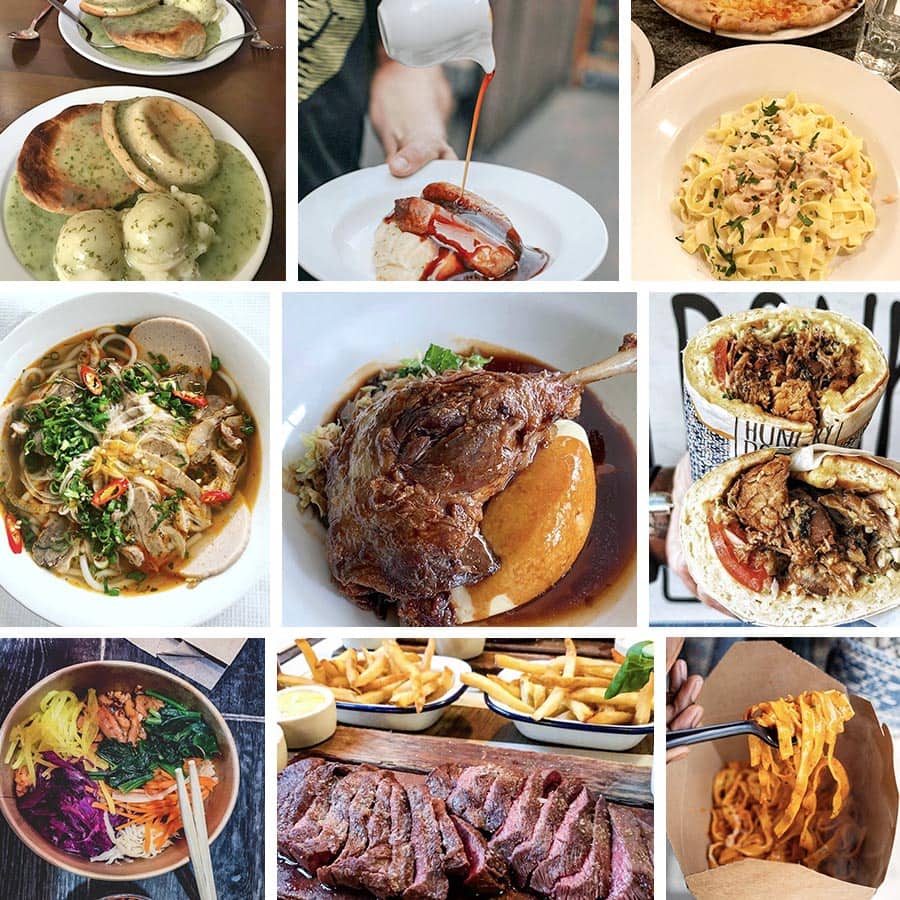
How Much Does A Meal Cost In London? Cheap, Mid-Range And Fine Dining Prices
A meal in Londonis usually about £4 to £20 per person for everyday eating, depending on whether you grab a supermarket meal deal, take away a simple lunch, or sit down in a casual restaurant. For a mid-range dinner for two, Numbeo’s current London benchmark is £80 without drinks, while a current fine-dining example at Restaurant Story is £175 for lunchor £275 per person for dinner. Data as of 2026; check the latest official menu prices before you book or order.
London is easier to budget for when you stop treating it as one price point. Breakfast, lunch, dinner, takeaway, pub food, and tasting menus behave very differently, and that is exactly where people tend to over - or under-budget.
What You’ll Find In This Guide
- Real London meal prices across cheap, mid-range, and fine-dining budgets
- Breakfast, lunch, dinner, and takeaway price ranges
- Daily food budget examples for solo, couple, and family travelers
- Hidden costs such as service charge, drinks, and tourist-area markups
- Practical ways to spend less without eating badly
Quick Answer: Realistic Meal Costs In London
These are the most useful planning bands for most readers. They combine current benchmark data with live menu examples, so they are meant to be realistic rather than artificially precise. Data as of 2026.
| Meal type | Realistic London range |
| Takeaway breakfast | £2.85-£5 |
| Sit-down breakfast | £4-£8 |
| Grab-and-go lunch | £3.85-£8 |
| Casual eat-in lunch | £10-£20 |
| Cheap dinner | £8-£15 |
| Regular sit-down dinner | £15-£30 |
| Mid-range dinner for two | About £80 before drinks |
| Fine dining / tasting menu | About £175-£275+ per person |
Those ranges are anchored to current source points including Tesco meal dealsat £3.85 with Clubcard or £4.25 regular, Greggs breakfast deals from £2.85, Wetherspoon breakfasts from £4.09 to £5.85, Expatistan’s £15 business-district lunch, Numbeo’s £20 inexpensive restaurant meal, and Restaurant Story’s £175 lunch / £275 dinner tasting menus.
What These Numbers Do And Do Not Include
These numbers are best read as per-person food estimates unless stated otherwise. They usually do not automatically include drinks, and they may not include service charge, which can lift the final bill at sit-down restaurants. They also do not mean every part of London coststhe same. A meal near a major attraction or in a polished dining district will often sit at the top end of the range.
Methodology And Assumptions
This page uses London, Englandas the geography, 2026 prices checked in 2026as the time frame, and price per person unless stated otherwiseas the main metric. The estimates blend two inputs: crowdsourced London price datasetsfrom Numbeoand Expatistan, plus current first-party menu pricesfrom Tesco, Greggs, Wetherspoon, Dishoom, and Restaurant Story.
One number should not be overinterpreted. A £4.25 meal deal, a £20 inexpensive restaurant meal, and a £275 tasting menuall count as “a meal,” but they belong to completely different categories. The figures below are best used as planning ranges, not as fixed promises for every borough, venue, or day.
Breakfast, Lunch And Dinner Price Ranges
Meal timing changes the bill. Breakfast is usually the cheapest meal, lunch is often the best-value sit-down slot, and dinner is where the gap between budget and splurge gets widest.
Breakfast Price Ranges
Greggs currently lists a breakfast roll meal deal from £2.85, a pastry and regular hot drink from £2.85, and a breakfast baguette and regular hot drink from £3.95. Wetherspoon’s breakfast menu shows a small breakfast at £4.09and a traditional breakfast at £5.85. Those figures make breakfast the easiest place to keep costs down.
Lunch Price Ranges
Lunch is where London gives you the widest spread between cheap and comfortable. Tesco’s standard meal deal is £3.85 with Clubcard or £4.25 regular, while Expatistan’s benchmark for a basic lunchtime menu including a drinkis £15. That makes lunch the easiest meal to upgrade without automatically blowing the whole day’s budget.
Dishoom’s current all-day menushows how that middle ground works in practice: Vada Pau £7.20, Bhel £8.20, Pau Bhaji £8.50, and Chicken Kathi Roll £12.80. Those are not meal-deal prices, but they are still well below a full dinner out.
Dinner Price Ranges
Dinner is where “a meal in London” stops being one useful number. Numbeo’s current London page lists £20for a meal at an inexpensive restaurant and £80for a three-course mid-range meal for two without drinks. Restaurant Story’s current menu lists £175for a 5-course lunch and £275 per personfor a 7-course lunch-and-dinner tasting menu, showing how sharply the upper end rises.
Eat-in Vs Takeaway Where It Matters
Takeaway is usually cheaper because you are paying mainly for the food. Eat-in prices rise because the bill often starts absorbing service, location, a longer dwell time, and a stronger chance that you add drinks or dessert. That is one reason a £4.25 lunchand a £20 casual restaurant mealcan both feel normal in the same city.
Cheap, Mid-range And Fine-dining Budgets
This is the cleanest way to think about London meal costs: not as one average, but as three different budget lanes.
| Budget band | What it usually buys in London |
| Cheap | Meal deal, bakery combo, simple takeaway, or low-cost pub-style food |
| Mid-range | Casual sit-down lunch or dinner, often £15-£30 per person |
| Higher-end | Destination dining, tasting menus, and bills that can move from £175 to £275+ per person |
A cheap meal is often a supermarket lunch, a bakery combo, or a low-cost breakfast rather than a full restaurant experience. A mid-range meal is closer to what most visitors mean by “a normal dinner out,” and Numbeo’s £80 for two without drinksis a useful benchmark for that bracket. A higher-end meal is a different category entirely, not just a slightly pricier version of dinner.
If you are planning one special meal, our guide to the best restaurants in Londoncan help you compare standout options before you book.
Set Lunch And Pre-theatre Menus
If you want a better restaurant without automatically paying full evening prices, lunch is often the easiest place to look. In practice, it is worth checking whether a restaurant offers a set lunch or pre-theatre menu before booking, because that can be a simpler way to control cost than ordering the full dinner menu by default.
Tourist Areas Vs Local Neighbourhood Prices
Prices usually rise when you pay for convenience, scenery, or foot traffic, not just for the dish itself. Expatistan’s London page puts a basic business-district lunch at £15, a basic dinner for two in a neighbourhood pub at £55, and a dinner for two at an Italian restaurant in an expat area at £99. Those are useful reminders that location changes the bill.
Areas Where Prices Jump
- Streets beside major attractions
- Theatre-heavy districts at dinner time
- Big station zones
- View restaurants and riverside locations
- Places where alcohol is expected to be part of the meal
A practical rule is to treat tourist-heavy areas as the upper edge of any range. A lunch that looks moderate on paper can feel expensive once the setting, drink, and service are layered on.
Food costs are often easier to manage when you stay outside the busiest sightseeing zones, so it also helps to compare the best areas to stay in Londonbefore booking.
Service Charge, Tipping And Hidden Extras
This is where readers can easily overinterpret one headline meal number. The menu price is often not the final price.
Acas says a service chargeis an amount added to the customer’s bill and that it can be voluntary or compulsory. That is why it makes sense to check the bill before assuming you should add another tip on top.
The other budget stretchers are smaller, but they add up quickly. Numbeo currently lists £6.50 for a domestic draft beer, £4.04 for a cappuccino, £2.26 for a soft drink, and £1.62 for bottled waterin London. Add one or two of those across the day and the “average meal” estimate stops looking average.
Hidden Extras
- Service charge
- Alcohol
- Coffee
- Soft drinks
- Bottled water
- Dessert
- Paid add-ons and sides
Sample Daily Food Budgets
The most useful budget question is not “What is the average meal?” but “What does a full day of eating look like for me?” These examples stay intentionally simple.
| Traveler type | Sample one-day food budget |
| Solo traveler | £20-£35 with a budget breakfast, value lunch, and modest dinner |
| Couple | £55-£95 with simple breakfasts, one casual lunch, and a comfortable dinner |
| Family traveler | £60-£120+ depending on ages, drinks, and how often you sit down |
A solo budget can work with a Greggs or Wetherspoon breakfast, a Tesco meal deal or similar grab-and-go lunch, and a simple pub or casual dinner. A couple budget rises faster because drinks and evening dining matter more, and Expatistan’s £55 neighbourhood-pub dinner for twois a good reference point. A family budget has the widest spread because one or two sit-down meals multiply quickly once drinks and sides enter the order.
If You’re Staying A Week Or Longer
If you are in London for more than a few days, not every meal needs to be eaten out. A mix of supermarket breakfasts, meal deals, simple groceries, and one proper restaurant meal per day can make a longer stay easier to budget for.
If you are planning a longer stay, it also helps to compare general cost of living in Londonestimates alongside meal prices.
How To Spend Less Without Eating Badly
London is easier on the budget when you mix meal types rather than trying to make every meal a sit-down event. That is the difference between controlled spending and accidental overspending.
Money-saving Food Tips
- Make lunch your better sit-down meal.
- Keep at least one meal each day in the meal deal, takeaway, or bakery category.
- Check the bill for service charge before tipping again.
- Treat coffee, alcohol, and dessert as separate budget lines.
- Expect the busiest tourist zones to sit at the top end of any price range.
Useful Tools And Habits
- Loyalty apps:Member pricing can make a small but real difference over several days.
- Food-rescue apps:Apps such as Too Good To Go can be worth checking if your schedule is flexible.
- BYOB where allowed:If a restaurant clearly allows it, bringing your own wine can cost less than ordering from the wine list.
- Shop outside the busiest tourist zones:For snacks, breakfast, and basics, that often gives you better value than relying on central convenience stores.
Dietary Planning
If you have dietary requirements, planning one step ahead matters even more. Checking menus and allergen information in advance is usually easier than relying on the first convenient option near a major attraction.
The goal is not to eat cheaply all day. It is to choose where you want convenience, where you want comfort, and where you want the memory. That is what stops London food prices from feeling random.
Frequently Asked Questions
How Much Should I Budget Per Day For Food In London?
A useful planning range is £20-£30 for a frugal day and £40-£60 for a more comfortable day, with higher totals usually driven by sit-down dinners, drinks, and service charge.
Is London Expensive For Eating Out?
It can be. A London meal can be £3.85 to £4.25 at the meal-deal end, £20 at an inexpensive restaurant, and £80 for a mid-range dinner for two without drinks.
Do You Tip In London?
Check the bill first. Acas says service charge can be voluntary or compulsory, so many diners treat an added service charge as the main gratuity unless they want to leave more.
How Much Is Breakfast, Lunch And Dinner In London?
A practical shorthand is about £2.85-£8 for breakfast, £3.85-£20 for lunch, and £8-£30+ for dinner, depending on takeaway versus eat-in and how ambitious the restaurant is.
How Much Is A Regular Meal In London?
For a casual sit-down meal, around £15 to £20 per person is a sensible planning benchmark. Expatistan’s lunch benchmark is £15 and Numbeo’s inexpensive restaurant benchmark is £20.
How Much Is A Meal Deal In London?
Tesco currently lists its standard meal deal at £3.85 with Clubcard or £4.25 regular price. Data as of 2026.
How Much Is Fast Food In London?
Numbeo lists a London fast-food combo at £8.50, while Expatistan lists a comparable combo meal at £10.
How Much Is A Mid-range Dinner For Two In London?
Numbeo’s current London benchmark is £80 for a three-course meal for two without drinks.
Is £50 Enough For A Day In London?
For food alone, often yes. A budget breakfast, a value lunch, and a modest dinner can fit under that if you do not stack on multiple drinks, coffees, and desserts.
Is £200 Enough For 3 Days In London?
For food alone, that is workable for many travelers. It gives room for low-cost breakfasts and lunches plus a few better dinners, but the margin narrows fast once alcohol, dessert, or premium restaurants enter the plan.
What London Meal Prices Really Mean
The cleanest answer is this: a cheap London meal is often under £10, an everyday casual meal is often around £15 to £20, and a mid-range dinner for two is around £80 before drinks. Beyond that, fine dining becomes its own category and should be budgeted separately.
That is why the best way to read any “average meal cost in London” figure is as a range with context: what kind of meal, where, and whether service or drinks are included. Read it that way, and the number becomes useful instead of misleading.
For a wider overview of transport, neighbourhoods, attractions, and food planning, see our full London city guide.
Jump to
How Much Does A Meal Cost In London? Cheap, Mid-Range And Fine Dining Prices
Methodology And Assumptions
Breakfast, Lunch And Dinner Price Ranges
Cheap, Mid-range And Fine-dining Budgets
Tourist Areas Vs Local Neighbourhood Prices
Service Charge, Tipping And Hidden Extras
Sample Daily Food Budgets
How To Spend Less Without Eating Badly
Frequently Asked Questions
What London Meal Prices Really Mean

James Rowley
Author
James Rowley is a London-based writer and researcher covering London life, cultural geography, London travel, live London webcam pages and selected public figures across entertainment, sport, business and public life.
For over 15 years, he has focused on verified sources, first-hand local context and clear explanations that help readers understand both places and people more deeply. His work combines street-level London knowledge with careful research into career credits, media work, business interests and, where relevant, transparently explained net worth estimates.
He writes and reviews articles published on LondonWebcam.
Latest Articles
Popular Articles