London Food & Drink Guide 2026: Eat By Budget And Occasion
Plan where to eat and drink in London by budget, area and occasion, with meal price bands, British classics, markets, pubs, cafés and specialist guides.
Author:James RowleyOct 24, 2026
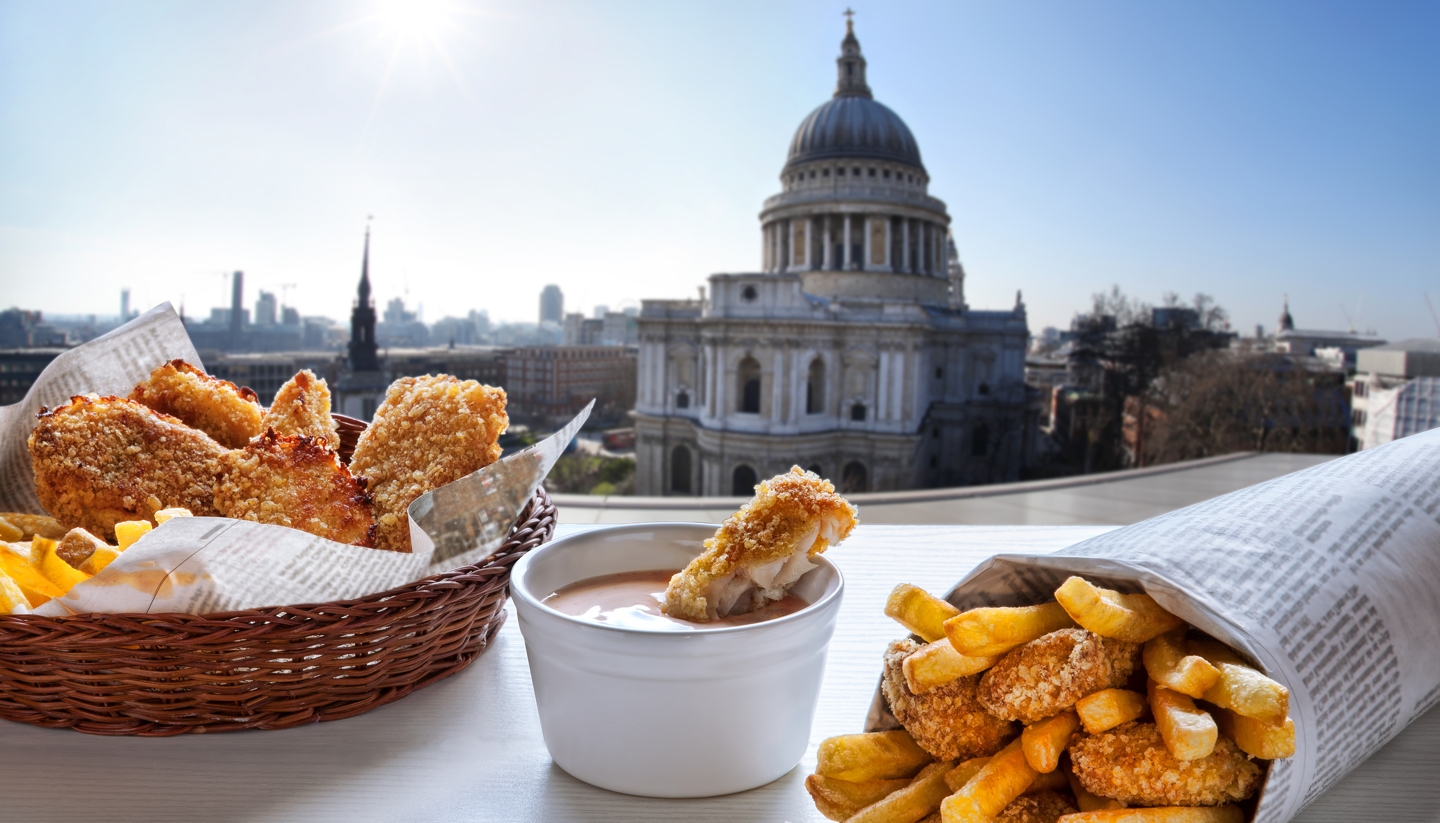
Quick Answer: Where Should You Eat In London?
There is no single best place to eat in London. The most useful starting point is to match your area, food type, budget and occasion.
| Meal type / budget | Where to eat / best for |
| Breakfast · Under £15 | Café, bakery or food-focused neighbourhood near your first attraction. Best for a simple, flexible start to a sightseeing day. |
| Lunch · £8–£25 | Market, food hall, café or casual neighbourhood restaurant. Best when you want a convenient meal without spending too much. |
| Dinner · £15–£40+ | Restaurant, neighbourhood dining area or destination restaurant. Best for a proper evening meal, with more choice at higher budgets. |
| Pub meal · £15–£25+ | Traditional pub or gastropub near your route. Best for British food, relaxed dining and food with drinks. |
| Food market · £8–£15+ | Food market or food hall in an area you are already visiting. Best for groups, casual eating, street food and sightseeing. |
| Special meal · £40–£100+ | Destination restaurant, afternoon tea or another experience-led venue. Best for birthdays, celebrations or when the setting matters. |
These are broad planning bands, not fixed London prices. Menus vary by neighbourhood, venue, meal timing and what is included, so check the current menu before booking.
For most visitors, a good first-time food plan combines one British classic with one international food experience, then leaves room for a market, pub, café or another experience that fits naturally into the sightseeing route.
Choose your food around the route you are already taking. Crossing London for a restaurant recommendation rarely makes sense when a suitable meal is close to where you will already be.
Last checked: August 2026.Prices, menus, restaurant opening hours, booking policies, service charges and events can change, so check the relevant official website before travelling or booking.
If you are planning the wider trip, start with the London travel guidesfor practical advice, then use this page to choose the food or drink guide that matches your day.
How To Choose Your London Food Experience
Before looking for a restaurant, decide what job the meal needs to do.
If You Have One Meal
Choose one experience that represents something you genuinely want from London.
If you want traditional British food, choose a strong classic such as fish and chips, a Sunday roast or afternoon tea.
If you are more interested in London's multicultural food identity, choose a food-focused neighbourhood, market or specialist restaurant.
Do not spend half a day travelling across the city simply to reach a restaurant that happens to rank highly.
If You Have One Day
Build food around the route you are already taking.
A practical structure might be:
- Breakfast:café, bakery or British breakfast near your first attraction.
- Lunch:market, food hall or casual neighbourhood restaurant.
- Afternoon:tea, coffee, pastry or afternoon tea if you have enough time.
- Dinner:one restaurant chosen specifically for the evening.
This gives you variety without turning food into a logistical burden.
If You're Travelling On A Budget
Do not try to make every meal as cheap as possible.
A better strategy is to mix price levels:
- Keep breakfast simple.
- Use lunch for a market or casual meal.
- Choose one meal or experience to spend more on.
- Watch drinks, snacks and repeated café stops.
If You're A Foodie
Give food more space in the itinerary.
Instead of collecting famous restaurant names, consider combining:
- A food market.
- A specialist restaurant.
- A food-focused neighbourhood.
- A pub or afternoon-tea experience.
- A particular cuisine you would not normally eat at home.
Aim for variety rather than trying to tick off as many restaurants as possible.
If You're Travelling With Family
Prioritise flexibility.
Food halls, markets and neighbourhoods with several restaurants can be easier than formal restaurants with narrow menus. Also consider walking distance, seating, noise, booking requirements and how long the meal is likely to take.
If You Want A Special Occasion
Book around the occasion rather than around a ranking.
Think about:
- Cuisine.
- Setting.
- Budget.
- Dietary requirements.
- Location.
- Booking lead time.
- Total time commitment.
A restaurant that fits those factors is more useful than one that simply appears near the top of a "best restaurants" list. If the occasion is a birthday, the birthday restaurant ideasguide compares options by budget, location, group size and celebration style.
Already Know What You Want?
If you already know that you want a restaurant recommendation rather than general food-planning advice, continue to the best restaurants in Londonguide.
If you already know the cuisine you want, you can skip the general restaurant search and go straight to a specialist guide. For pizza, see the best pizza in Londonguide; for sushi, best sushi restaurants in Londonguide; and for Indian food, see best Indian restaurants in London.
If you are looking for plant-based or seafood options, continue to the best vegan restaurants in Londonor best seafood restaurants in Londonguides.
What Food Is London Famous For?
London's traditional food is best understood as one part of a much broader food culture.
Classic British staples-like fish and chips, Sunday roasts, and afternoon tea, remain central to the city's food identity.
Fish And Chips
Fish and chips is one of the clearest starting points if you want a recognisably British meal.
The combination of battered fish and chips is simple, familiar and widely available in different formats, from traditional shops to pubs and modern restaurants.
For a first visit, the important decision is not necessarily finding the highest-ranked fish-and-chip restaurant. Choose one that fits naturally into your route and the type of experience you want.
Sunday Roast
A Sunday roast is as much about the occasion as the food.
Expect roast meat or a vegetarian alternative, potatoes, vegetables and gravy, with Yorkshire pudding commonly associated with beef roasts.
It works best when you have time for a relaxed Sunday meal rather than a rushed stop between attractions.
Full English Breakfast
A full English is a substantial cooked breakfast traditionally built around ingredients such as eggs, bacon, sausages, baked beans, mushrooms, tomatoes and toast.
It can be a useful first taste of British food, although it is not compulsory. If you have a long sightseeing day ahead, a lighter café or bakery breakfast may make more sense.
Pie And Mash
Pie and mash has strong links with London's working-class food history and remains a useful choice if you want traditional, filling food rather than fine dining.
Pie and mash is worth choosing when you want a traditional London dish with historical roots.
Afternoon Tea
Afternoon tea is the most ceremonial option on this list.
A typical experience combines tea with sandwiches, scones and sweet pastries, although menus and formats vary between venues.
Choose it when the tradition, setting and leisurely experience matter. It makes less sense when you simply need a quick lunch.
Beyond The Classics
London's food identity is not only British.
Indian, Chinese, Japanese, Caribbean, Middle Eastern, African and many other cuisines are part of modern London dining.
That is why a strong first-time food itinerary usually combines one British classic with one international food experience.
Cheap Eats In London
Cheap eating in London does not mean finding one magic cheap restaurant. It means choosing the right format, location and meal timing.
Food markets, bakeries, cafés, casual restaurants and takeaway spots can all work when you are trying to control costs.
Where To Eat Cheaply In Central London
Central London requires a little more planning because popular locations can carry higher prices.
Around busy tourist areas, compare menus before sitting down and consider walking a few minutes away from the most crowded attraction frontages.
Chinatown, Soho and Bloomsbury are useful areas to investigate, but do not assume that every restaurant away from a major attraction is automatically better or cheaper.
What Counts As A Cheap London Meal?
Use these as editorial planning bands rather than fixed London prices. Current menus vary by neighbourhood, venue, meal timing and what is included.
Visit London's current British-food guidance gives examples of takeaways around £8–£15, typical British meals around £15–£25 and mid-range restaurant meals around £25–£35. Check current venue menus before using these figures to plan a specific trip.
| Planning range | Typical use |
| Under £8 | Small meal, bakery item, snack or supermarket food |
| £8–£15 | Cheap takeaway, market meal or casual food |
| £15–£25 | Typical pub main, café meal or casual restaurant |
| £25–£40 | Mid-range restaurant or more substantial dinner |
| £40–£100+ | Premium restaurant or special experience |
| £100–£300+ | Tasting menu, fine dining or luxury experience |
London Food Markets
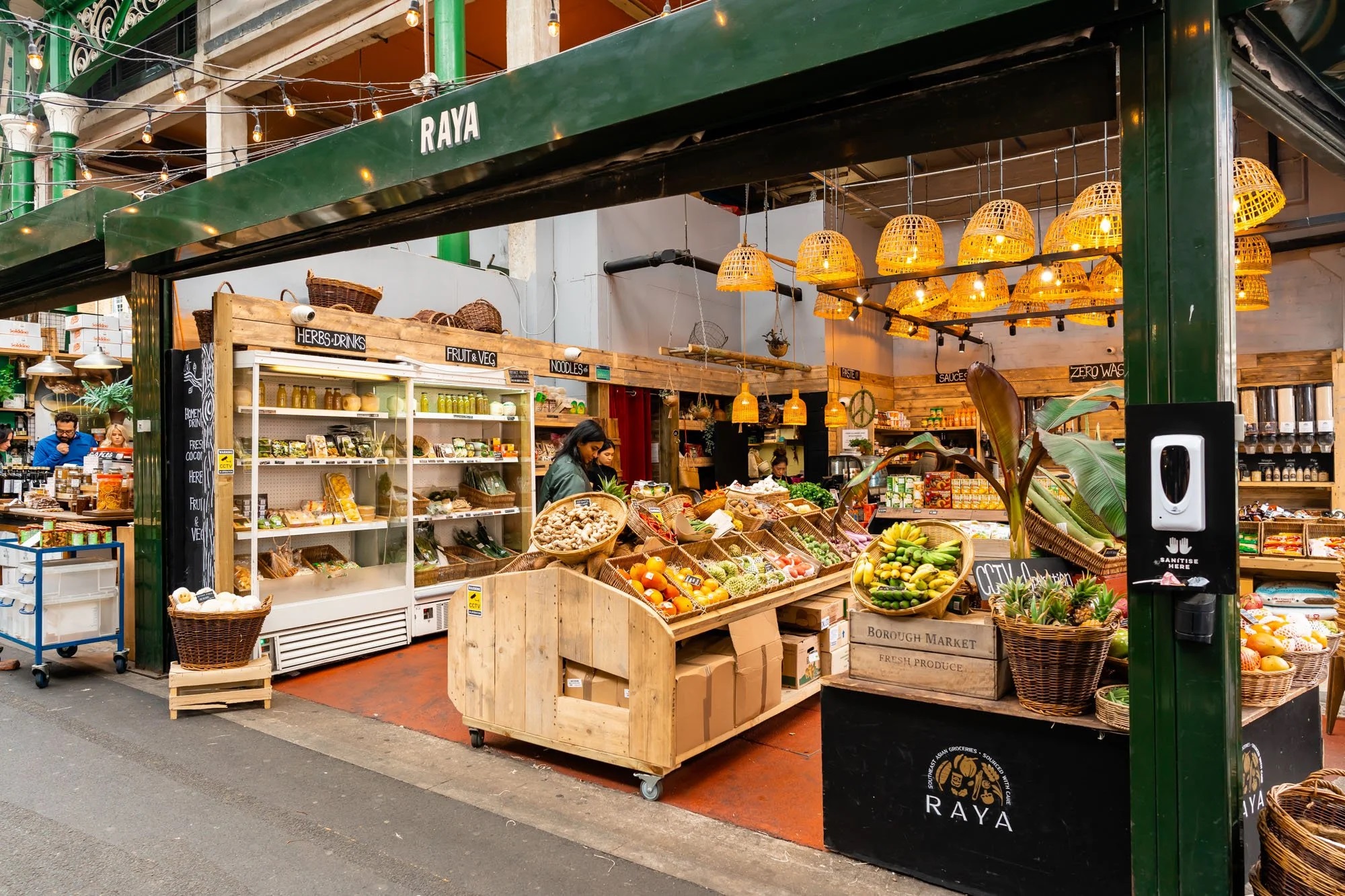
Markets are one of the most useful options for visitors because they combine food, atmosphere and sightseeing.
They are particularly good for groups with different tastes because everyone can choose something different without committing to one restaurant.
Visit London's food-market guidehighlights a wide range of markets, including Borough Market, Broadway Market, Camden Market, Tooting Market and Southbank Centre Food Market. It also notes that individual markets combine different mixes of street food, produce, cafés and restaurants.
Best Uses For A Food Market
Choose a market when you want:
- International street food.
- A casual lunch.
- Multiple food choices.
- A food stop combined with sightseeing.
- A lower-commitment alternative to a restaurant.
Are Markets Always Cheaper?
No.
A market can be excellent value, but several small purchases can quickly become an expensive meal.
If you are budgeting, choose one substantial mainbefore adding desserts, drinks and snacks.
"Market food" and "cheap food" are not automatically the same thing.
London Pubs
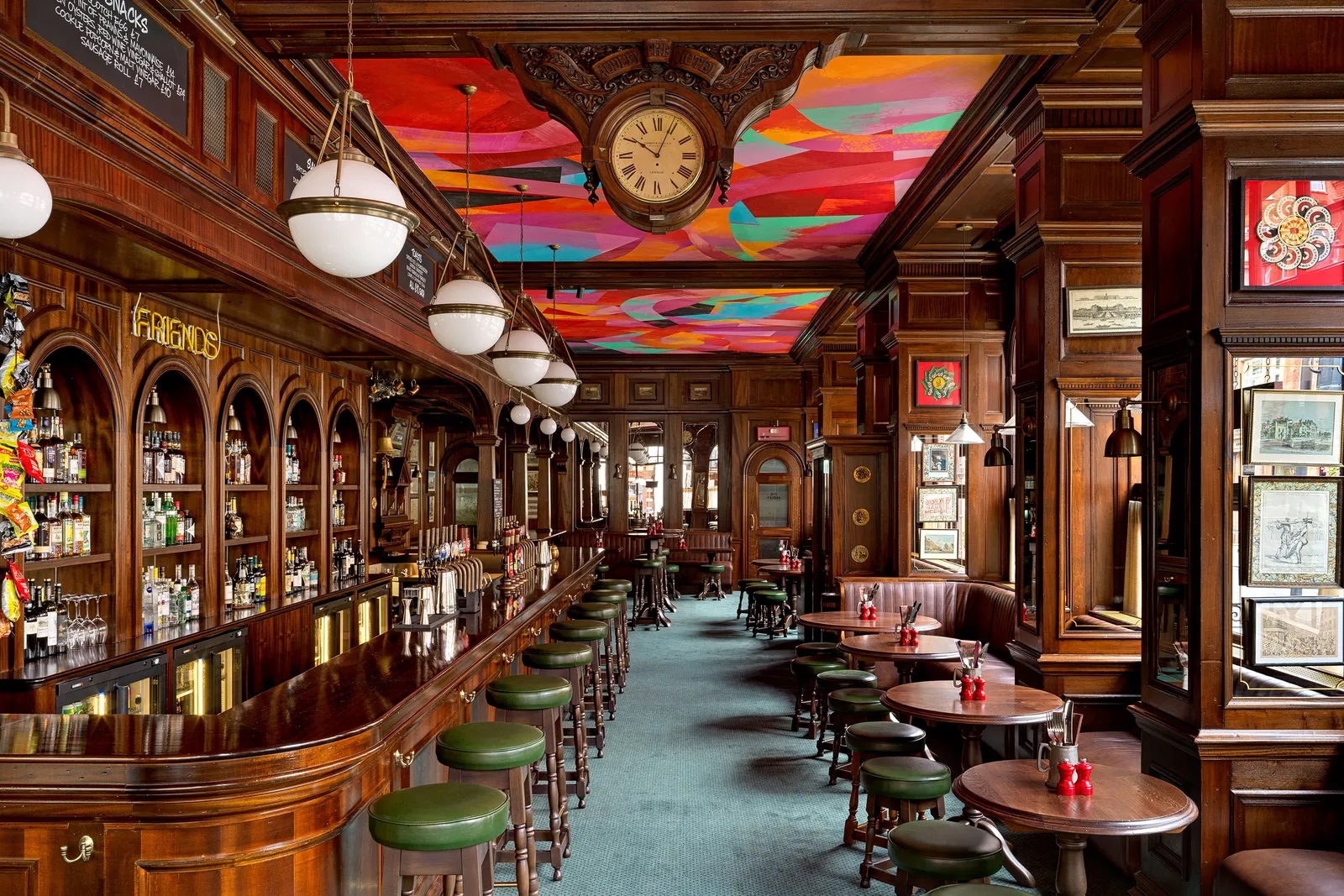
A London pub can be both a meal stop and a way to experience British pub culture.
Traditional pubs may offer British classics, while gastropubs and modern pubs can have considerably more ambitious food.
What To Order In A London Pub
Depending on the venue, look for:
- Fish and chips.
- Sausage and mash.
- British pies.
- Sunday roast.
- Burgers.
- Seasonal dishes.
- Vegetarian and vegan alternatives.
Do not assume every pub is primarily a food destination. Check the current food menu and kitchen hours if eating is the main reason for your visit.
When A Pub Is The Right Choice
A pub works particularly well when you want:
- A relaxed dinner.
- A traditional British experience.
- A Sunday lunch.
- Food and drinks in one stop.
- Somewhere suitable for a group.
If Sunday lunch is specifically what you want, the best Sunday roasts in Londonguide is more useful.
Afternoon Tea In London
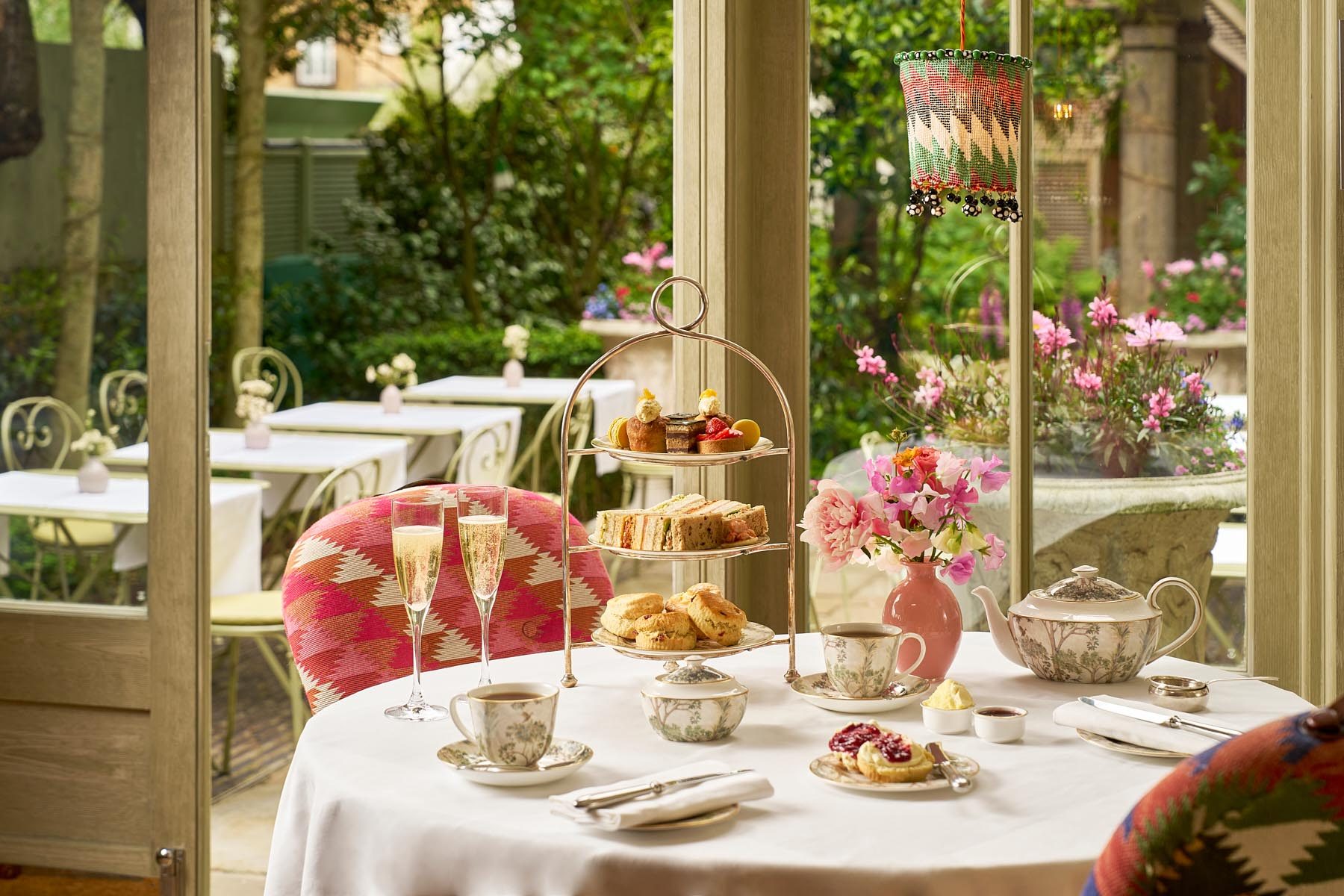
Afternoon tea is less about finding the cheapest meal and more about deciding whether you want a distinctly British experience.
A typical afternoon tea combines tea with sandwiches, scones and sweet pastries, although menus and formats differ between venues. Visit London's current food-and-drink guidancecontinues to identify afternoon tea as one of London's classic food experiences.
When Afternoon Tea Makes Sense
Choose it when:
- You want a traditional London experience.
- You have time for a leisurely afternoon.
- You are celebrating something.
- The setting matters as much as the food.
It makes less sense when you simply need a quick meal between attractions.
For venue comparisons and current booking information, use top places for afternoon tea in Londonguide.
London Cafés And Bakeries
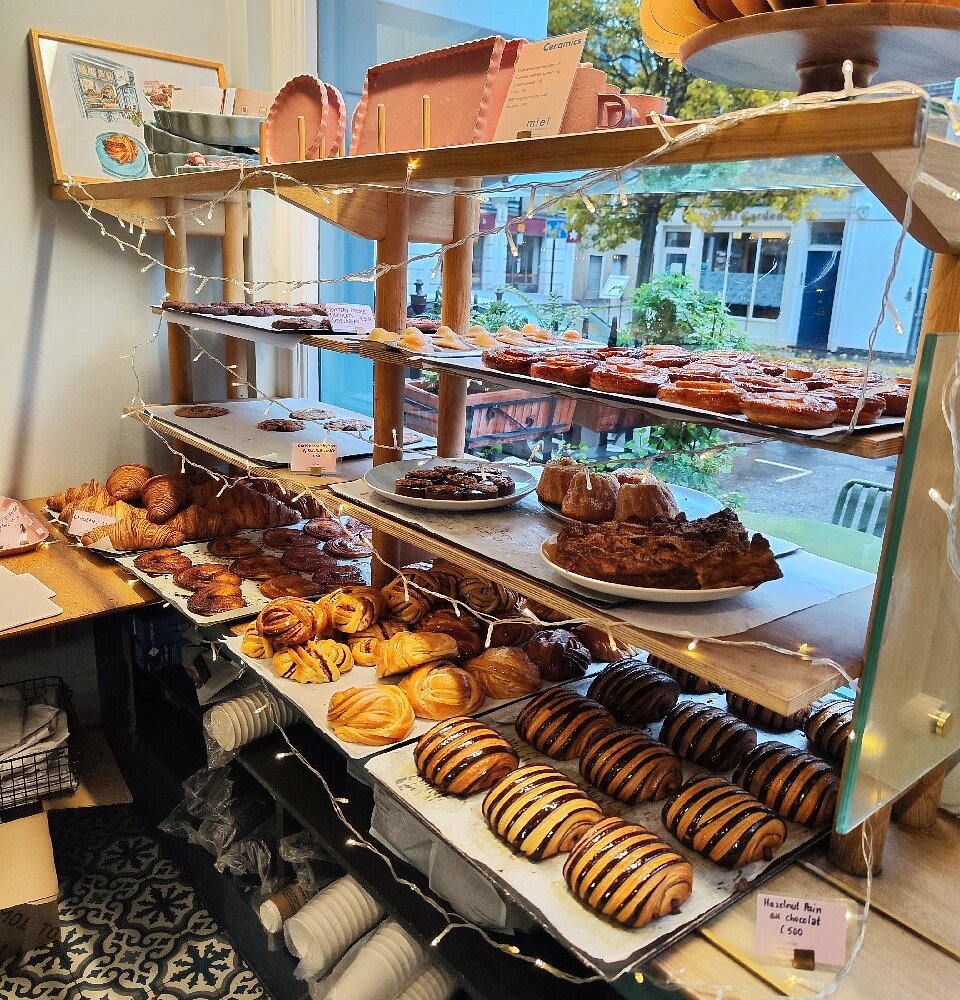
Cafés are useful for more than coffee.
They can handle breakfast, a quick lunch, a pastry break or a slower afternoon without committing to a full restaurant meal.
When To Choose A Café
A café is particularly useful when you want:
- Breakfast.
- Coffee and pastry.
- Brunch.
- A quick lunch.
- A break between attractions.
- A lower-commitment meal.
Central cafés can become surprisingly expensive if coffee, pastry, brunch and extras accumulate throughout the day. If your budget is tight, treat café visits as planned stops rather than automatic purchases every time you pass one.
Breakfast In London
Breakfast is often the easiest meal to keep flexible.
A bakery, café, supermarket meal deal or simple cooked breakfast can all work. If you specifically want the traditional experience, look for a full English; if you have a long sightseeing day ahead, something lighter may be more practical.
Where To Eat By London Area
Area is one of the strongest filters you can use.
If you are spending the morning at the Tower of London, there is little practical benefit in planning lunch on the other side of the city.
Food works best when it supports the route you are already taking.
Soho And Chinatown
Soho and Chinatown offer high density and a wide choice in a central location.
Chinatown is particularly useful if you want Chinese and wider East Asian food, while the surrounding West End gives you plenty of restaurants and bars within walking distance.
Borough And South Bank
Borough is particularly useful for market-focused eating.
Borough Market combines food stalls and produce with the wider South Bank area, making it easy to combine eating with riverside sightseeing. It is one of London's best-known food markets, combining artisan produce with a wide range of street food.
Shoreditch And East London
Shoreditch works well for visitors interested in street art, markets, cafés, restaurants, pubs and nightlife.
If you are planning a full day in the area, see the exploring Shoreditchguide for a wider neighbourhood itinerary.
Covent Garden And The West End
This is a practical choice when your day already includes theatres, shopping or central London attractions.
The main advantage is convenience. Compare options carefully rather than assuming central location automatically means the best food.
Camden
Camden works particularly well for street food + alternative culture.
Current Visit London market guidance identifies Camden as a strong street-food destination, while the wider area combines food with shopping, music and nightlife.
Greenwich
Greenwich is useful when food is only one part of a sightseeing day.
The market, riverside setting and major attractions make it possible to combine food with a broader day out.
Other Food-Focused Areas
Depending on your itinerary, also consider:
- Brixtonfor diverse food and market culture.
- Hackneyfor markets, cafés and independent food businesses.
- Notting Hillfor cafés, restaurants and market culture.
- Green Lanesfor a strong concentration of Turkish food.
- Southallfor South Asian food.
- Tootingfor diverse international food.
Visit London's current food-hub guidance highlights a wide range of food-focused areas and markets across London rather than concentrating the city's food scene in one central district.
What Should You Drink In London?
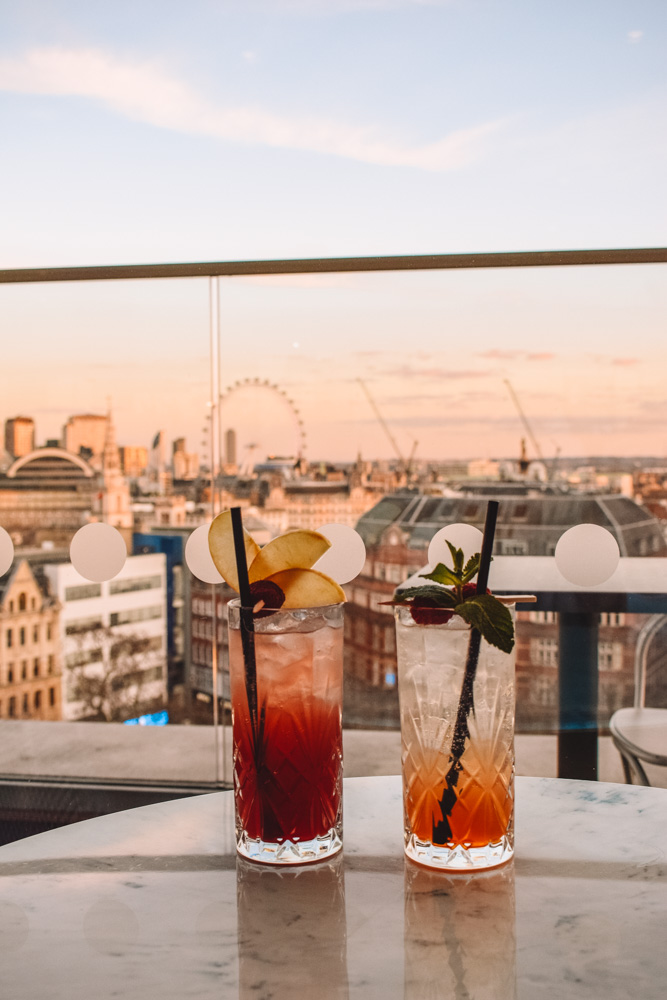
Food tells only part of London's hospitality story. Drinks give you another way into British traditions and contemporary city culture.
The important distinction is to decide whether you want a drink with a meal, a drinks-focused experience or a traditional British setting.
Tea And Afternoon Tea
Tea is closely associated with traditional British hospitality, but ordinary tea drinking and afternoon tea are not the same thing.
A cup of tea is an everyday drink. Afternoon tea is a structured social dining experience involving tea, sandwiches, scones and sweets.
If the experience matters, use the afternoon-tea section above rather than treating afternoon tea simply as another lunch option.
Pubs And British Drinks
Pubs remain one of the clearest places to experience British drinking culture.
Depending on the venue, you may find ales, ciders, lagers, spirits, wine and non-alcoholic options.
The atmosphere varies considerably, so choose according to whether you want:
- A historic pub.
- A food-focused gastropub.
- A neighbourhood pub.
- A drinks-led venue.
Coffee
Coffee is another practical part of London's food-and-drink scene.
Use cafés for breakfast, a quick break, coffee and pastry, or a slower afternoon stop.
Cocktails, Bars And Rooftop Drinks
London's drinks scene extends well beyond traditional pubs. Modern cocktail bars, wine bars, hotel bars and rooftop venues offer very different experiences.
If you want a general night out, start with the best bars in Londonguide. If the setting is part of the experience and you specifically want city views, outdoor seating or a higher-level venue, see best rooftop bars in Londonguide.
Choose the experience first-quiet cocktail, lively bar, rooftop setting or specialist drinks menu-then look for a current venue that fits.
Non-Alcoholic Drinks
A good food itinerary should not assume everyone wants alcohol.
Tea, coffee, soft drinks, alcohol-free alternatives and dedicated non-alcoholic menus give visitors plenty of choice.
For groups, restaurants, cafés and food halls can be useful because people can choose different drinks without changing the whole meal plan.
Plan drinks alongside the meal if they are part of the experience or your budget.
How Much Should You Spend On Food In London?
Food budgets become easier to manage when you separate meal pricefrom daily food spending.
As a broad planning framework:
- £25–£40:careful budget eating.
- £40–£60:sensible everyday food.
- £60–£100+:more sit-down meals, drinks, cafés and treats.
Treat these as planning guides rather than guarantees. A day built around markets and cafés can cost very differently from a day involving a tasting menu, afternoon tea and several drinks. For detailed meal-cost examples and a fuller explanation of what affects prices, see London costs and budget guide.
If your main concern is managing spending across accommodation, transport, attractions and food, see guide to the smartest ways to manage your budget in London.
What Makes The Bill Rise?
The meal itself is only part of the calculation.
Watch for:
- Drinks.
- Desserts.
- Service charges.
- Premium locations.
- Multiple café stops.
- Snacks between attractions.
- Special menus.
- Tasting menus.
A £15 meal can cost considerably more once drinks, dessert and service charge are added.
Service Charge And Tipping
Check the bill first to see whether a service charge has been added. For current UK guidance on the fair distribution of tips, gratuities and service charges, see the GOV.UK statutory code of practiceon distributing tips fairly.
The revised code published in June 2026 was withdrawn in July for further consultation, so it should not be treated as the current code. For everyday visitor planning, check the bill, see what has already been included, and then decide what you want to do.
Before You Choose A London Restaurant
A restaurant near a major attraction is not automatically a tourist trap, but it is worth knowing what to look for before you sit down. For broader advice, see how to avoid tourist traps in Londonguide.
Before booking or sitting down, check:
- The current menu and prices
- Whether booking is required
- Opening and kitchen hours
- Service-charge information
- Dietary suitability
- How far the venue is from your next attraction
A famous restaurant can still be the wrong choice for your budget, location, dietary needs, available time or group preferences.
Choose the place that fits your trip.
Frequently Asked Questions
What Should I Eat First In London?
Start with one British classic, then explore London's multicultural food scene through a market, neighbourhood restaurant or specialist cuisine. This gives you a broader picture of London than eating only traditional dishes.
Where Can I Eat Cheaply In London?
Food markets, cafés, bakeries, street-food stalls, casual restaurants and selected takeaway venues can all work for lower-cost meals. Current prices vary by location, so check menus before choosing.
How Much Should I Budget For Food In London Per Day?
A useful 2026 planning range is around £25–£40 a day for careful budget eating and £40–£60 for a sensible everyday food plan. Your total can rise substantially with restaurant dinners, drinks, afternoon tea or fine dining.
Are London Restaurants Expensive?
London restaurants can be expensive, but there is a wide range of options. A casual meal, market lunch or café can fit within a modest budget, while central restaurants, drinks, tasting menus and special-occasion dining can cost considerably more. Use the meal-price bands above as planning guidance rather than fixed prices, and check the current menu before booking.
Where Should I Eat Dinner In London?
Choose dinner according to cuisine, budget, neighbourhood and occasion. A traditional pub suits a British meal, while a destination restaurant makes more sense when the restaurant itself is a key part of the evening.
Do I Need To Book A Restaurant In London?
Not always. Cafés, food markets, casual restaurants and many pubs can be suitable for walk-in visits, while popular restaurants, afternoon tea, special-occasion venues and busy dining times may require or strongly benefit from advance booking. Always check the venue's current booking policy, opening hours and menu before you go.
Which London Neighbourhood Is Best For Food?
There is no single best neighbourhood. Soho and Chinatown suit central variety, Borough is useful for market-focused eating, Camden for street food, Shoreditch and East London for contemporary food culture, and areas such as Southall, Tooting and Green Lanes for specific international food scenes.
Where Can I Find Street Food In London?
Borough Market, Camden Market, Greenwich Market and other food-focused markets offer substantial street-food choices. London's current market guidance shows how widely food markets are distributed across the city.
Is Afternoon Tea Worth It?
Afternoon tea is worthwhile if you want a distinctly British, leisurely experience. It is less suitable if you simply need a quick meal between attractions.
Do I Need To Tip In London?
Check the bill first because a service charge may already be included. For current guidance on tips, gratuities and service charges, check GOV.UK rather than relying on older advice.
Final Thoughts
London's food scene is too varied to experience through a single list of “best” restaurants. Choose what fits your budget, area, interests and occasion, then build food and drink around your sightseeing plans.
Whether you want a British classic, food market, afternoon tea, pub or restaurant, the best choice is the one that fits your day.
Jump to
Quick Answer: Where Should You Eat In London?
How To Choose Your London Food Experience
What Food Is London Famous For?
Cheap Eats In London
London Food Markets
London Pubs
Afternoon Tea In London
London Cafés And Bakeries
Where To Eat By London Area
What Should You Drink In London?
How Much Should You Spend On Food In London?
Before You Choose A London Restaurant
Frequently Asked Questions
Final Thoughts

James Rowley
Author
James Rowley is a London-based writer and researcher covering London life, cultural geography, London travel, live London webcam pages and selected public figures across entertainment, sport, business and public life.
For over 15 years, he has focused on verified sources, first-hand local context and clear explanations that help readers understand both places and people more deeply. His work combines street-level London knowledge with careful research into career credits, media work, business interests and, where relevant, transparently explained net worth estimates.
He writes and reviews articles published on LondonWebcam.
Latest Articles
Popular Articles