London Costs & Budget Guide 2026: Daily Budgets
How much does London cost in 2026? Compare realistic daily budgets for hotels, food, TfL fares, attractions, hidden extras and checked price notes.
Author:James RowleyJun 24, 20261.9K Shares77.7K Views

London costsvary wildly, but a realistic visitor budget usually comes down to five things: where you sleep, how you eat, how you travel, how many paid attractions you book, and how much convenience you buy.
Use this London Costs & Budget Guideas your starting point for working out hotels, food, transport, attractions, hidden extras and the best next guide to read.
Quick Answer: How Much To Budget For London
Most Londonvisitors should plan around £80–£140 per adult per day on a shoestring, £170–£300 on a sensible budget, and £320–£600+ for a comfortable trip, including accommodation but excluding flights.
A family of four should often plan around £500–£1,000+ per day, depending on hotel style, meals, transport, and paid attractions. Last checked June 2026.
Quick Budget Table
| Traveller type | Realistic London visitor budget |
| Shoestring | £80–£140 per adult per day. Includes hostel/basic room share, supermarket or cheap casual food, public transport, and mostly free sights. Not included: flights, airport transfers, shopping, taxis, West End shows, or major paid tours. |
| Sensible budget | £170–£300 per adult per day. Includes a budget or mid-range hotel share, casual meals, TfL travel, and one paid attraction on some days. Not included: flights, premium restaurants, taxis as default transport, or luxury hotels. |
| Comfortable | £320–£600+ per adult per day. Includes a better hotel share, sit-down meals, paid attractions, and some convenience spending. Not included: flights, luxury shopping, five-star hotels, or frequent black cabs. |
| Family | £500–£1,000+ per day for 2 adults and 2 children. Includes family accommodation, casual meals, public transport, snacks, and selected paid attractions. Not included: flights, airport transfers, premium shows, or high-end hotels. |
These ranges include accommodation because hotels are usually the biggest budget swing in London. If your hotel is already booked, subtract it and focus on food, transport, attractions, airport transfers, hidden extras and a 10–15% buffer.
A simple way to read the table:
- Shoestringusually means a hostel or basic room, supermarket meals, public transport, free museums and very few paid attractions.
- Sensible budgetusually means a budget or mid-range hotel, casual meals, TfL travel, one paid attraction on some days and a few treats.
- Comfortableusually means a better-located hotel, more sit-down meals, paid attractions, easier airport transfers and more convenience spending.
- Family budgetsrise quickly because accommodation, snacks, child tickets, tired-day taxis and rainy-day backup plans all multiply.
What These London Budget Ranges Include
These ranges are editorial planning estimates built from accommodation, food, TfL transport, paid attractions, airport transfers, hidden extras and a 10–15% buffer.
They are meant for visitors who still need a realistic whole-trip planning number. They exclude international flights because flight prices depend heavily on your country, airline, dates and baggage choices.
Use the ranges as a starting point, then check your exact hotel dates, attraction tickets, airport route, food style and transport plan before booking.
London Cost Benchmarks To Check First
| Cost area | Useful planning figure |
| Daily visitor budget including accommodation | £80–£140 shoestring, £170–£300 sensible, £320–£600+ comfortable. |
| Food budget per adult | £15–£30 cheap, £35–£60 sensible, £75+ comfortable. |
| Family food budget | £80–£180+ for 2 adults and 2 children. |
| TfL Zone 1–2 daily cap | £8.90 adult pay-as-you-go cap, last checked June 2026. |
| TfL bus fare | £1.75 adult pay-as-you-go fare, with Hopper fare rules. |
| Major paid attractions | Often around £29–£37+ per adult for examples such as the London Eye, Westminster Abbey and Tower of London. |
| After-hotel spending money | Around £50–£100 per adult per day for casual food, TfL travel, small extras and mostly free sightseeing. |
| Family daily budget including accommodation | Around £500–£1,000+ for 2 adults and 2 children. |
London Budget Hub: What To Read Next
Use this page as the cost hub. Start here for realistic daily budgets, then use London travel guidesfor wider trip planning and London transport guidesfor fares, stations, airport routes and travel apps.
| If you need help with… | Read this next |
| Full London trip planning | London travel guides |
| Fares, stations, airport routes and travel apps | London transport guides |
| Meal prices and food spending | how much is a meal in London |
| Cheap food ideas | where to eat in London on a budget |
| Oyster, contactless and fare caps | oyster vs contactless in London |
| Tube routes, zones and first-timer mistakes | using the London Underground |
| Airport transfer costs | London airport guide |
| Paid attractions and free ideas | things to do in London |
| Cheaper places to stay | best budget hotels in London |
| Saving across the whole trip | London on a budget |
| Discounts, offers and seasonal deals | London travel deals |
How To Build Your London Trip Budget
A practical London trip budget works best when you separate fixed costs from daily spending.
London trip cost = flights + accommodation + food + transport + attractions + airport transfers + extras + buffer.
If flights or hotels are already booked, remove them from the formula and focus on the costs you still control.
- Where are you sleeping?
- How are you eating?
- How many paid attractions are you doing?
- Are you using public transport or convenience rides?
I would not build a London budget from one average daily number. A visitor staying in a hostel, eating supermarket breakfasts, and visiting free museums is not planning the same trip as a couple staying in Zone 1, booking the London Eye, the Tower of London, Westminster Abbey, and a West End show.
London Budget Calculator Table
| Cost line | What to check first |
| Accommodation | Price your exact dates before setting the rest of the budget. |
| Food | Choose cheap, sensible or comfortable meal style. |
| Transport | Check TfL caps and airport transfers separately. |
| Attractions | List paid sights by name before adding a daily total. |
| Extras | Add 10–15% for snacks, service charges, luggage and convenience. |
Fixed, Flexible And Optional London Costs
The easiest way to control London costs is to separate expenses into fixed, flexible, and optional spending. This helps you avoid saving in the wrong place.
| Cost type | What it includes |
| Fixed costs | Flights, accommodation, visas or ETA if relevant, travel insurance, prepaid transfers. |
| Flexible costs | Food, public transport choices, hotel location, supermarket meals, casual dining, route planning. |
| Optional costs | Paid attractions, tours, taxis, West End shows, shopping, premium views, last-minute convenience. |
This framework matters because some travellers save in the wrong place. Skipping every paid attraction might save less than choosing a better-connected hotel that reduces daily travel time. Eating one supermarket meal a day can quietly save more than chasing small ticket discounts.
London becomes more expensive when you book late, travel during school holidays, stay very centrally, rely on taxis, eat every meal in restaurants, and stack several paid attractions into the same few days.
It becomes easier to manage when you use public transport, group sights by area, mix paid landmarks with free museums, eat casually, and choose accommodation based on total trip cost rather than nightly rate alone.
Food Prices In London
Food is one of the easiest London costs to control. You can spend very little with supermarkets and meal deals, or you can push the daily budget up fast with cafés, restaurants, drinks, desserts, and snacks near major attractions.
A practical visitor food budget looks like this:
| Food style | Realistic daily food budget |
| Cheap and simple | £15–£30 per adult per day. Supermarket breakfast, meal deal or bakery lunch, casual takeaway or basic dinner. |
| Sensible visitor budget | £35–£60 per adult per day. Café breakfast or coffee, casual lunch, pub or simple restaurant dinner. |
| Comfortable food day | £75+ per adult per day. Sit-down meals, drinks, desserts, speciality coffee and better restaurants. |
| Family food day | £80–£180+ for 2 adults and 2 children. Depends on snacks, drinks, children’s menus and meals near attractions. |
Last checked June 2026: Tesco shows standard meal deal pricing around £3.85with Clubcard and £4.25 regular, while premium meal deal pricing is higher. Use this as a supermarket benchmark, not a full London food budget.
Cheap London food usually means planning one meal before you are hungry. Supermarkets, bakeries, market stalls, casual chains, and takeaway spots can keep the day under control. For a fuller food plan, where to eat in London on a budgetis the better next step.
Markets can also help because they combine atmosphere, browsing, and casual food in one stop. If you want meals that still feel part of the trip, use best markets in Londonwhen building cheaper lunch or dinner plans.
Cafés are more variable. A coffee and pastry can be a simple treat, but daily café breakfasts can push the food budget higher than expected. If you want planned café stops rather than random expensive ones, shortlist options from best cafes in Londonbefore you travel.
When Food Gets Expensive
Food gets expensive when every meal is bought reactively near a major landmark. Coffee, drinks, snacks, service charges, desserts, and children’s extras are the quiet budget killers.
If you want a comfortable trip, do not remove all treats. Just choose them deliberately. A good London food day can include one cheaper meal, one casual meal, and one treat instead of three expensive sit-down stops.
Transport Costs In London
Transport is one of the most manageable London costs if you use TfL properly. Do not budget for every journey as a separate surprise.
Last checked June 2026: TfL lists adult pay-as-you-go fare caps, including a Zone 1–2 daily cap of £8.90and a Monday-to-Sunday Zone 1–2 cap of £44.70. Check the official TfL fare capping page before travelling.
| Transport choice | Budget note |
| Walking | Free and often best between nearby central sights. |
| Bus | Good for short journeys and sightseeing above ground. TfL lists the adult bus and tram pay-as-you-go fare at £1.75, with Hopper fare rules. |
| Tube / DLR / Overground / Elizabeth line | Best for longer journeys; use the same card or device so capping works correctly. |
| Taxi / Uber / Bolt | Useful with luggage, late nights, children, or disruption, but expensive as a daily habit. |
| Airport transfer | Budget separately because Heathrow, Gatwick, Stansted, Luton, London City, and Southend all create different costs. |
For most visitors, the cheapest simple strategy is public transport, walking between close central sights, and saving taxis for luggage, late nights, disruption or tired family moments.
If the Tube is part of most days, read using the London Undergroundbefore you arrive so you understand zones, tapping, escalator etiquette, and common first-timer mistakes.
Payment choice matters because capping only works properly when you use the same card, phone, watch, or Oyster card consistently. If you are not sure which option fits your trip, compare oyster vs contactless in Londonbefore buying anything.
For a broader cost-control approach, London public transport tipscan help you combine Tube, bus, walking, rail, and Elizabeth line journeys without overpaying for short hops.
Do Not Overpay For Short Journeys
A common mistake is taking the Tube for every central move. Some famous places are close enough to walk between, and buses can be cheaper and easier for short hops.
Airport days need separate planning. Heathrow, Gatwick, Stansted, Luton, London City, and Southend all create different cost and time decisions, so check London airport guidebefore choosing a hotel or transfer. If Heathrow or east-west London travelis part of your plan, the Elizabeth line guide for touristscan help you decide when that route is the best fit.
Taxis and ride-hailing can be worth it in the right situation, but they are not a cheap default. Before you build them into the daily budget, compare London taxi vs Uber vs Bolt cost comparison. For live route planning, disruption checks, walking times, and offline backup, use the best apps for navigating London.
Attraction Prices In London
London has a useful mix of expensive paid attractions and excellent free things. Your attraction budget depends on how many ticketed sights you stack into the same day.
| Attraction type | Budget note |
| Free museums and galleries | Many permanent collections are free, though special exhibitions may charge. |
| Major paid landmarks | Budget by attraction name, not by vague daily average. |
| West End shows | Treat as a separate entertainment cost. |
| Tours and passes | Only useful if they match your actual itinerary. |
| Viewpoints | Mix paid views with free viewpoints to control costs. |
Last checked June 2026: the London Eye lists adult standard tickets from £29online and £39 walk-up, with prices able to fluctuate during high demand. Westminster Abbey lists adult admission at £31and children aged 6–17 at £14. The Tower of London lists adult tickets at £37and child tickets aged 5–15 at £18.50, excluding donation.
Do not just write “attractions” into your budget. List the paid places you actually want. Four paid stops in two days can change the trip more than small food savings.
If you are still building the sightseeing list, start broad with places to visit in London, then narrow it down based on your budget, location, and trip length. For a wider mix of paid icons, free ideas, neighbourhoods, and flexible plans, use things to do in London.
Free museums help balance paid sightseeing days, though special exhibitions can still charge. If museum time is central to your trip, top museums in Londoncan help you choose where to spend your time without making every day ticket-heavy.
Views are another place where costs vary. You can pay for major skyline experiences, but you can also balance them with best free viewpoints in Londonso every London view does not become a paid ticket.
Passes and bundles can help some visitors, but they are not automatically good value. Before buying one, compare the pass price with the exact attractions you will realistically visit, and check London Pass vs. Oyster cardif you are unsure whether you are comparing attraction savings with transport costs correctly.
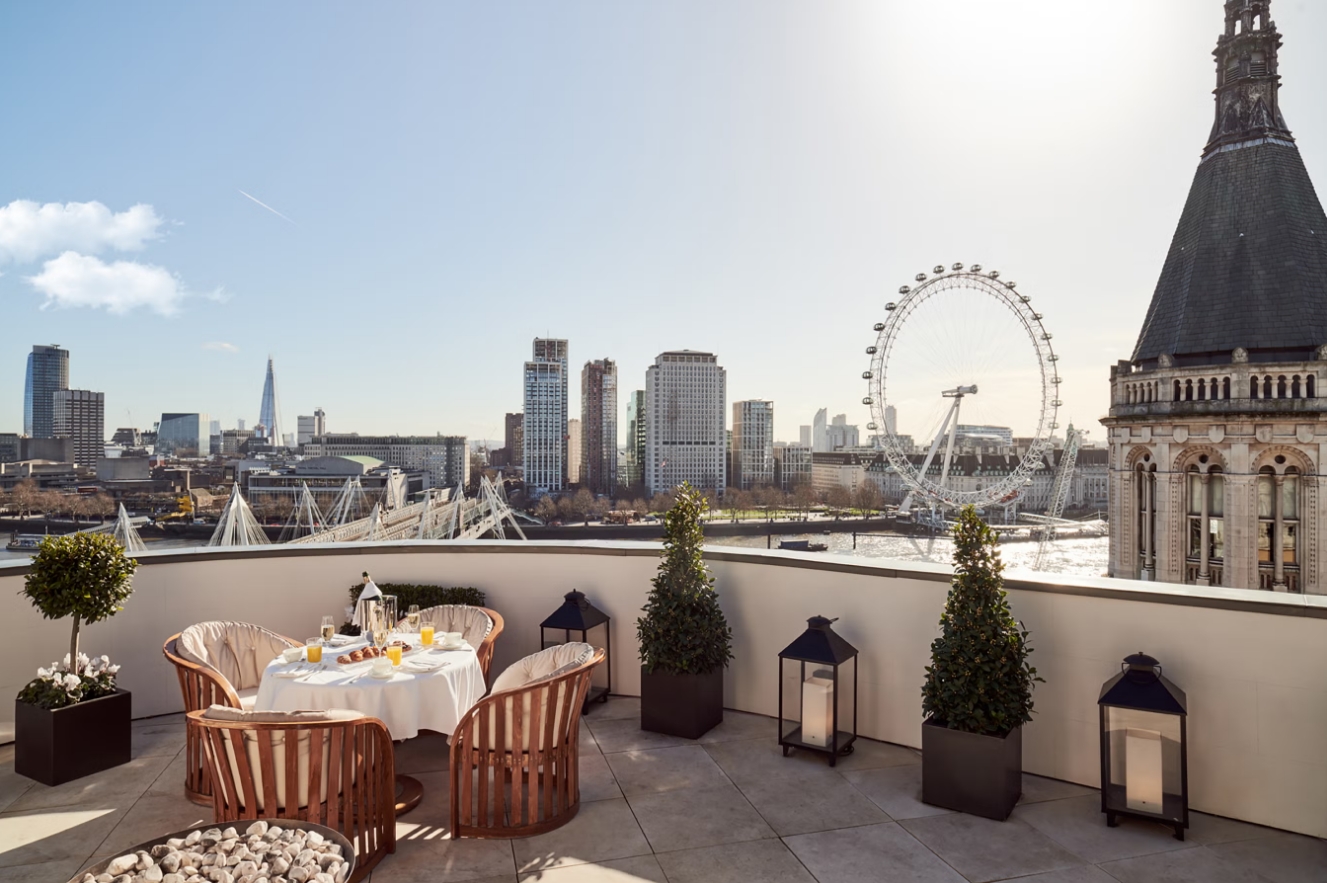
Hotel Prices In London
Hotel prices are usually the biggest reason London feels expensive. A visitor can control food and transport day by day, but accommodation often fixes the overall trip cost before arrival.
| Hotel style | Planning note |
| Hostel or basic stay | Best for shoestring travellers who care more about price than privacy. |
| Budget hotel | Good for short visits if the location has strong Tube or rail access. |
| Mid-range hotel | Often the sensible choice for couples who want comfort and predictable travel time. |
| Family room or apartment-style stay | Usually costs more but can save stress, breakfast money, and travel fatigue. |
| Premium central hotel | Convenient but can push the daily budget into comfortable or luxury territory quickly. |
Last checked June 2026: treat hotel numbers as live-date pricing, not fixed facts. Search your exact dates before relying on any estimate.
For London hotels, exact dates matter more than averages. A room that looks reasonable in January can be much more expensive during school holidays, summer weekends, major events, Christmas shopping periods or last-minute booking windows. Always price accommodation first, then build the rest of the budget around that number.
Location Can Be Cheaper Than It Looks
A cheaper hotel can become more expensive if it creates long journeys, extra snacks, tired-day taxis, or wasted sightseeing time. For short trips, a well-connected Zone 1 or Zone 2 stay may be better value than a cheaper room with awkward transport.
Use best budget hotels in Londonif you are comparing cheaper stays by location, transport access, and trip style.
Free And Cheap London: Where To Save First
Free London can be a real part of the trip, not just a backup plan. It is one of the main reasons visitors can keep the city affordable.
The British Museum says tickets to its permanent collection are free, with booking available online. Visit London also highlights free museums, galleries, parks, markets, walks, and budget-friendly sightseeing ideas.
| Free or cheap option | Why it helps the budget |
| Free museums | Strong sightseeing value without a ticket price. |
| Parks and viewpoints | Good for flexible, weather-aware days. |
| Markets | Useful for atmosphere, browsing, and casual food. |
| Riverside walks | Big London views without paying for every viewpoint. |
| Free Wi-Fi planning | Helps avoid unnecessary roaming or data spending. |
A good low-cost London day might combine a free museum, a market lunch, a riverside walk, and one paid highlight. For practical savings across the whole trip, how to save money in Londonis a better next step than cutting every treat.
Small repeat savings matter too. London travel hackscan help with planning habits such as grouping sights by area, avoiding unnecessary transport, using free stops between paid attractions, and keeping a flexible rainy-day plan.
If phone data is part of your travel worry, free wifi in London for touristscan help you plan around stations, cafés, museums, hotels, and public Wi-Fi without overspending on roaming.
Where To Save Without Ruining The Visit
Save on repeat costs first:
- One simple meal per day.
- Public transport instead of routine taxis.
- Free museums between paid attractions.
- A hotel near useful transport.
- Advance booking for the paid sights you truly want.
Do not cut comfort so hard that the trip becomes tiring. Bad accommodation, no food buffer, and no rainy-day plan can make London feel harder than it needs to be.
Sample London Budgets By Trip Length
Trip length changes the shape of the budget. A short trip can feel expensive because you may try to squeeze in several paid attractions. A longer trip needs more pacing because small daily overspends multiply.
| Trip length | Budget planning note |
| 3 days | Price accommodation first, choose one or two paid sights, then use free areas and tight route planning to avoid wasting time and money. |
| 5 days | Mix two or three paid attractions with free museums, markets, parks, riverside walks, and one flexible weather day. |
| 7 days | Watch repeated spending on snacks, drinks, transport mistakes, and convenience rides. Weekly fare caps may matter if your travel pattern fits them. |
| 10 days | Lower the average daily sightseeing cost. Spend on must-see experiences, then balance the trip with free museums, parks, markets, and neighbourhood days. |
For any trip length, use the same adjustment method: price your accommodation for the exact dates, add your daily food style, add transport based on where you stay, add paid attractions by name, then add a 10–15% buffer.
Sample One-Day London Budgets
Use these as simple models. They are not itineraries; they show how the money changes by travel style.
| Day type | Sample one-day budget |
| Shoestring day | £80–£140 per adult including basic accommodation. Supermarket breakfast, meal deal lunch, casual dinner, buses/Tube, free museum, walk along the South Bank. |
| Sensible budget day | £170–£300 per adult including hotel share. Café or simple breakfast, casual lunch, pub dinner, TfL travel, one paid attraction, one free attraction. |
| Comfortable day | £320–£600+ per adult including hotel share. Better hotel, sit-down meals, paid attraction, drinks, some convenience transport, optional show or tour. |
| Family day | £500–£1,000+ for 2 adults and 2 children. Family room, simple breakfast, casual meals, public transport, snacks, one paid family attraction, free park or museum time. |
Sensible Budget Example
A sensible London day might look like this:
- Breakfast from a café or supermarket.
- Tube or bus to the first area.
- One paid attraction.
- Casual lunch nearby.
- Free museum, park, market, or walk.
- Pub or casual restaurant dinner.
- Public transport back to the hotel.
This is the kind of day many visitors enjoy: one paid highlight, enough food, sensible travel, and no pressure to buy a ticket for every hour.
For a wider planning checklist, London travel tipsis the better next read. For small savings that add up across several days, use London travel hacks.
Hidden London Costs To Budget For
Hidden costs are where many London budgets fail. The amounts may look small, but they repeat.
| Hidden cost | Why it matters |
| Airport transfers | Arrival and departure travel can cost more than a normal sightseeing day. |
| Luggage storage | Useful after checkout or before check-in, but easy to forget. |
| Snacks and drinks | Especially important for families and long walking days. |
| Service charges | Many restaurants add or suggest service charges. |
| Booking fees | Shows, tours, and ticketing platforms may add fees. |
| Rainy-day purchases | Umbrellas, ponchos, taxis, or indoor attractions can change the plan. |
| Phone data | Avoid assuming your usual plan works cheaply abroad. |
| Tired-day convenience | Taxis, easier meals, and shorter routes become tempting late in the trip. |
A useful London budget is not the lowest possible number; it is the number that can handle real travel days. For a more structured approach, use the smartest ways to manage your budget in London.
Some hidden costs come from avoidable mistakes, such as fake tickets, unlicensed taxi offers or street scams, so check London tourist scams to avoidbefore you travel.
The biggest hidden-cost mistake is assuming that small extras will stay small. A few coffees, snacks, service charges, luggage storage, booking fees and short convenience rides can easily change the daily total. This is why a 10–15% buffer is not optional for most visitors; it is what keeps a realistic London budget from becoming too tight.
London Budget Planner Checklist
Use this before booking, then revisit it when your dates, hotel, or itinerary changes.
- Choose your exact travel dates.
- Price accommodation first.
- Decide your food style.
- Check public transport costs and fare caps.
- Add airport transfers separately.
- List paid attractions by name.
- Add free museum and walking days.
- Budget for snacks, drinks, and service charges.
- Add luggage storage if needed.
- Add a 10–15% buffer.
- Recheck official fares and ticket prices before booking.
- Convert currencies using your bank’s current rate if paying from abroad.
FAQs
How Much Money Do I Need Per Day In London?
Most visitors should plan from around £80–£140 per adult per day on a shoestring, £170–£300 on a sensible budget, and £320–£600+ for a comfortable trip, including accommodation but excluding flights. Last checked June 2026.
How Much Is A Meal In London?
A cheap London food day can be around £15–£30 per adult if you use supermarkets, meal deals, bakeries or takeaway. A sensible visitor food budget is closer to £35–£60 per adult per day, while restaurant-heavy days can reach £75+ once drinks, desserts and service are included.
Is London Expensive To Visit?
Yes, London can be expensive, especially for hotels and paid attractions. It becomes much more manageable if you use public transport, mix free sights with paid landmarks, and avoid buying every meal or journey reactively.
Can You Visit London On A Budget?
Yes. A budget London trip works best with a cheap or well-located stay, public transport, supermarket meals, free museums, markets, parks, and only a few paid attractions.
Is £100 A Day Enough In London?
£100 a day can work after accommodation if you eat casually, use public transport, avoid routine taxis and mix paid sights with free attractions. It is usually not enough if it must also cover accommodation, several paid tickets, restaurant meals, drinks, airport transfers or family costs.
How Much Should A Family Budget For London?
A family of four should often plan around £500–£1,000+ per day, including accommodation, casual meals, snacks, public transport, and selected paid attractions. The final number depends heavily on room type, child ticket prices, and how many paid experiences you book.
Do These London Budget Ranges Include Hotels?
Yes. The main daily ranges include accommodation but exclude international flights. If your hotel is already booked, subtract that cost and focus on food, transport, attractions, airport transfers, extras and a buffer.
How Much Spending Money Do I Need In London After Hotel?
After accommodation, many visitors should plan around food, TfL travel, paid attractions, airport transfers and small extras. A lower-spend day is easier with casual meals, public transport and free museums.
Is The London Pass Worth It?
The London Pass is worth checking if you plan several included paid attractions in a short time. It is less useful for slower trips built around free museums, parks, markets, and neighbourhood walks. Compare it with your actual itinerary before buying.
Are Oyster And Contactless Cheaper Than Taxis?
For routine sightseeing, Oyster or contactless public transport is usually much easier to control than taxis. Taxis, Uber, and Bolt are better treated as convenience spending for luggage, late nights, disruption, or tired family moments.
What London Costs Do Tourists Forget?
The most commonly forgotten costs are airport transfers, luggage storage, snacks, drinks, service charges, booking fees, phone data, rainy-day purchases, and tired-day convenience rides.
Where To Go Next
If you are still estimating the full trip cost, start with accommodation and transport. If the total already looks too high, move next to food savings, free attractions, airport transfers and hotel location. Those four areas usually make the biggest difference without ruining the trip.
Final Budget Advice
The best way to budget for London is not to chase one perfect average. Start with accommodation, then add food, transport, attractions, airport transfers, extras and a buffer.
If food is your biggest worry, choose your daily meal style first. If transport feels confusing, decide how you will pay and how often you will use public transport before you arrive. If the whole trip feels too expensive, reduce repeat costs before cutting the experiences you care about most.
London is rarely cheap, but the costs become easier to manage when you plan hotels, transport, food and paid sights together.
Jump to
Quick Answer: How Much To Budget For London
London Cost Benchmarks To Check First
London Budget Hub: What To Read Next
How To Build Your London Trip Budget
London Budget Calculator Table
Food Prices In London
Transport Costs In London
Attraction Prices In London
Hotel Prices In London
Free And Cheap London: Where To Save First
Sample London Budgets By Trip Length
Sample One-Day London Budgets
Hidden London Costs To Budget For
London Budget Planner Checklist
FAQs
Where To Go Next
Final Budget Advice

James Rowley
Author
James Rowley is a London-based writer and researcher covering London life, cultural geography, London travel, live London webcam pages and selected public figures across entertainment, sport, business and public life.
For over 15 years, he has focused on verified sources, first-hand local context and clear explanations that help readers understand both places and people more deeply. His work combines street-level London knowledge with careful research into career credits, media work, business interests and, where relevant, transparently explained net worth estimates.
He writes and reviews articles published on LondonWebcam.
Latest Articles
Popular Articles