London’s Iconic Bridges: Best Views, Walks & How To Visit
See London’s iconic bridges by view, route and visitor type, with the best bridge walks, photo spots, tickets, access notes and nearby landmarks.
Author:James RowleyJun 26, 2026155.3K Shares2M Views
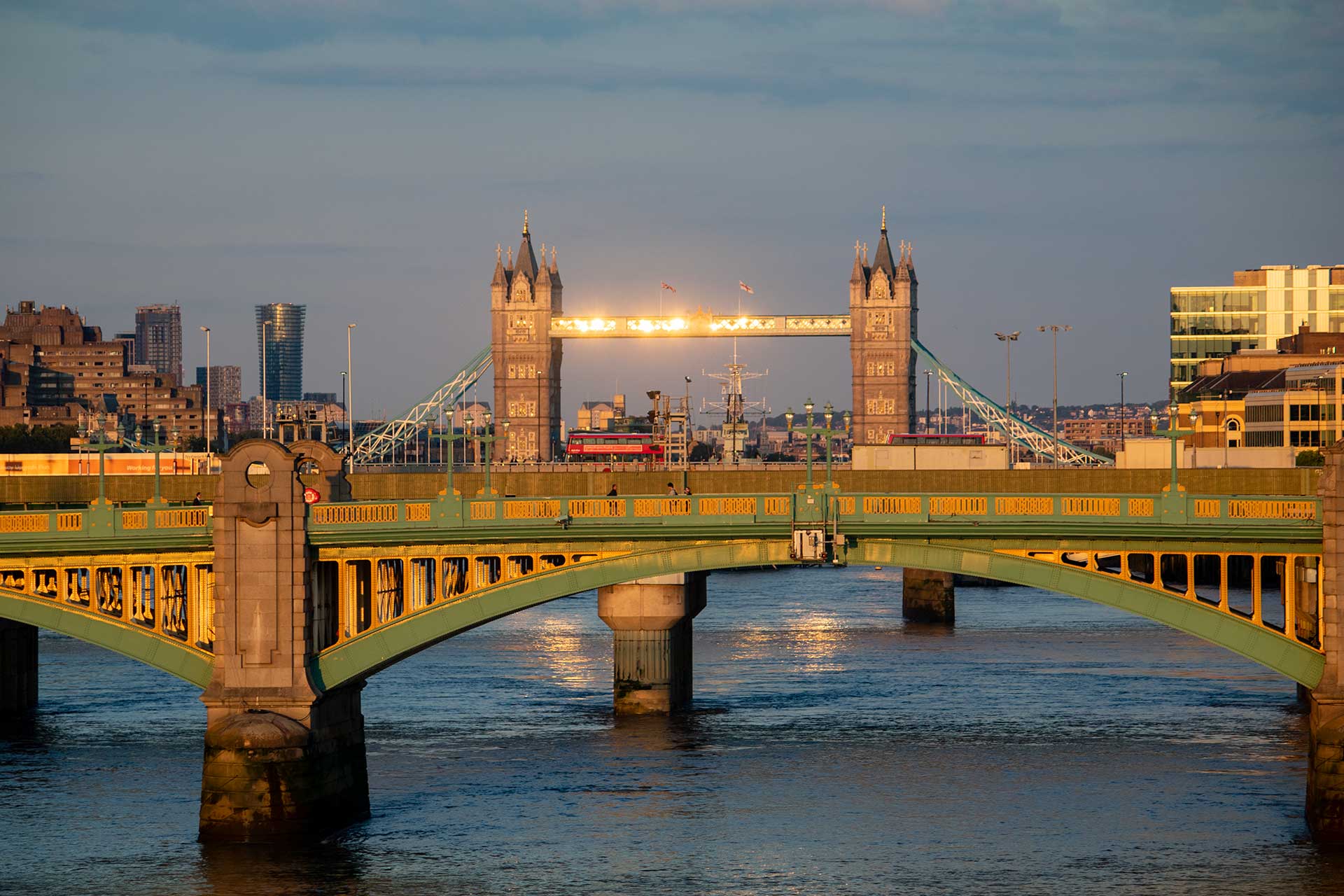
Which London Bridges Are Worth Visiting First?
London’s iconic bridges are worth visiting if you use them as viewpoints, walking links and landmark pairings. They are free to cross at street level in most cases, easy to combine with major sights, and useful for building a first-time London route along the Thames.
For most visitors, the best starting set is simple:
- Tower Bridgefor the most famous London bridge view.
- Westminster Bridgefor Big Ben, Parliament and London Eye photos.
- Millennium Bridgefor St Paul’s Cathedral and Tate Modern.
- Waterloo Bridgefor wide skyline views.
- London Bridgefor history, Borough Market and Tower Bridge views.
- Albert Bridgefor evening photography.
- Richmond Bridgefor a quieter west London riverside walk.
The best time to visit depends on what you want. Go early for quieter photos, late afternoon for softer light, sunset for skyline views, and evening for illuminated bridges such as Tower Bridge and Albert Bridge.
Most London bridges are free to cross at public street or pedestrian level. Tower Bridge is the main ticketed bridge experience if you want to go inside the towers, high-level walkways, glass floors and Engine Rooms. The outside crossing and riverside views are separate from the paid attraction.
How These London Bridges Were Chosen
Bridges in this guide were chosen for landmark value, view quality, walking-route usefulness, nearby attractions, historical interest and distinctive Thames character. The aim is not to list every Thames crossing, but to help visitors choose the bridges that make a London walk more useful, scenic or memorable.
London Bridges At A Glance
This section gives you the practical answer first: where each bridge is, why it matters, what it is near and when it works best. Use it to choose the bridges that fit your day instead of trying to tick off every crossing.
| Bridge | Area, Get There And Best For |
| Tower Bridge | Area: Tower Hill / Southwark. Get there: Tower Hill or London Bridge. Best for: the most famous bridge view, Tower of London and evening lights. |
| London Bridge | Area: City / Southwark. Get there: London Bridge station. Best for: Borough Market, The Shard and historic crossing context. |
| Westminster Bridge | Area: Westminster / South Bank. Get there: Westminster or Waterloo. Best for: Big Ben, Parliament and London Eye photos. |
| Millennium Bridge | Area: St Paul’s / Bankside. Get there: St Paul’s, Blackfriars or Southwark. Best for: St Paul’s, Tate Modern and pedestrian views. |
| Waterloo Bridge | Area: Waterloo / Strand. Get there: Waterloo, Temple or Covent Garden. Best for: wide skyline views and sunset photos. |
| Hungerford Bridge and Golden Jubilee Bridges | Area: Embankment / South Bank. Get there: Embankment, Charing Cross or Waterloo. Best for: London Eye views and central walking routes. |
| Blackfriars Bridge | Area: Blackfriars / Bankside. Get there: Blackfriars. Best for: St Paul’s angles and Thames Path continuity. |
| Southwark Bridge | Area: City / Bankside. Get there: Mansion House, Cannon Street or Southwark. Best for: quieter Bankside crossings. |
| Albert Bridge | Area: Chelsea / Battersea. Get there: Sloane Square, Battersea Park or local buses. Best for: night walks and decorative views. |
| Richmond Bridge | Area: Richmond / St Margarets. Get there: Richmond station. Best for: riverside walks and older bridge history. |
| Lambeth Bridge | Area: Westminster / Lambeth. Get there: Westminster, Lambeth North or Vauxhall. Best for: a quieter crossing near Parliament. |
| Vauxhall Bridge | Area: Vauxhall / Pimlico. Get there: Vauxhall or Pimlico. Best for: Tate Britain, Vauxhall and practical south-west routes. |
| Chelsea Bridge | Area: Chelsea / Battersea. Get there: Battersea Power Station, Sloane Square or buses. Best for: Battersea Park and west London walks. |
| Hampton Court Bridge | Area: Hampton Court / East Molesey. Get there: Hampton Court station. Best for: Hampton Court Palace and a royal day trip. |
| Chiswick Bridge | Area: Chiswick / Mortlake. Get there: Mortlake, Barnes Bridge or local buses. Best for: quiet west London Thames walks. |
| Wandsworth Bridge | Area: Wandsworth / Fulham. Get there: Wandsworth Town, Imperial Wharf or buses. Best for: local riverside routes. |
| Putney Bridge | Area: Putney / Fulham. Get there: Putney Bridge or Putney station. Best for: river pubs, rowing culture and Bishop’s Park. |
| Hammersmith Bridge | Area: Hammersmith / Barnes. Get there: Hammersmith or Barnes. Best for: suspension-bridge character; check current access first. |
| Kew Bridge | Area: Kew / Brentford. Get there: Kew Bridge station or Gunnersbury. Best for: Kew Gardens and greener Thames walks. |
| Teddington Lock Footbridge | Area: Teddington / Ham. Get there: Teddington station, then walk. Best for: peaceful Thames Path routes. |
The most useful way to read this table is by matching the bridge to the day you are already planning. If you are near Westminster, start with Westminster Bridge. If you are near St Paul’s, use Millennium Bridge. If you want the famous London bridge, go straight to Tower Bridge.
London Iconic Bridges Map: Simple West-To-East Order
You do not need a complicated map to understand London’s main bridge route, but a London attractions mapcan help you connect bridges with nearby landmarks and stations. For a first visit, think of the central Thames bridges in a simple west-to-east order.
Central visitor route:
Westminster Bridge → Golden Jubilee Bridges → Waterloo Bridge → Blackfriars Bridge → Millennium Bridge → Southwark Bridge → London Bridge → Tower Bridge
This is the most useful order for first-time visitors because it links Westminster, the South Bank, St Paul’s, Bankside, Borough Market and Tower Bridge without sending you far away from the river.
West London add-ons:
Albert Bridge, Chelsea Bridge, Putney Bridge, Hammersmith Bridge, Kew Bridge, Richmond Bridge, Hampton Court Bridge and Teddington Lock Footbridge work best as separate neighbourhood add-ons rather than part of the same first-time central walk.
Tower Bridge Vs London Bridge: The Confusion Explained
This is the bridge mistake that causes the most disappointment. Many visitors search for London Bridge expecting the grand two-towered landmark, but that is Tower Bridge.
Once you separate the two, the whole eastern Thames area becomes easier to plan.
Why Tower Bridge Is The Famous One
Tower Bridge is the dramatic landmark with two towers, high-level walkways and lifting bascules. It is the bridge most people picture when they think of iconic London bridges.
Its visitor appeal comes from three things at once: the architecture, the river position and the engineering. The lower road crossing is free to use, while the indoor Tower Bridge experience, high-level walkways and Engine Rooms are ticketed.
Why it matters:Tower Bridge gives the clearest mix of landmark architecture, river views and visitor access.
Why London Bridge Still Matters
London Bridge is much plainer, but historically important. It marks one of London’s oldest and most important river crossing points, even though the current structure is modern.
Its visitor value is practical. It puts you close to Borough Market, The Shard, Southwark Cathedral and a good view toward Tower Bridge.
Why it matters:London Bridge is less decorative than Tower Bridge, but it helps explain how the city grew around the Thames.
Most Iconic And Most Useful Bridges
This section separates two different ideas: a bridge can be iconic because visitors love looking at it, or useful because it helps you move through London well. The best route usually includes both.
Think of each bridge by two roles: visitor appealand transport or river-crossing role.
1. Tower Bridge
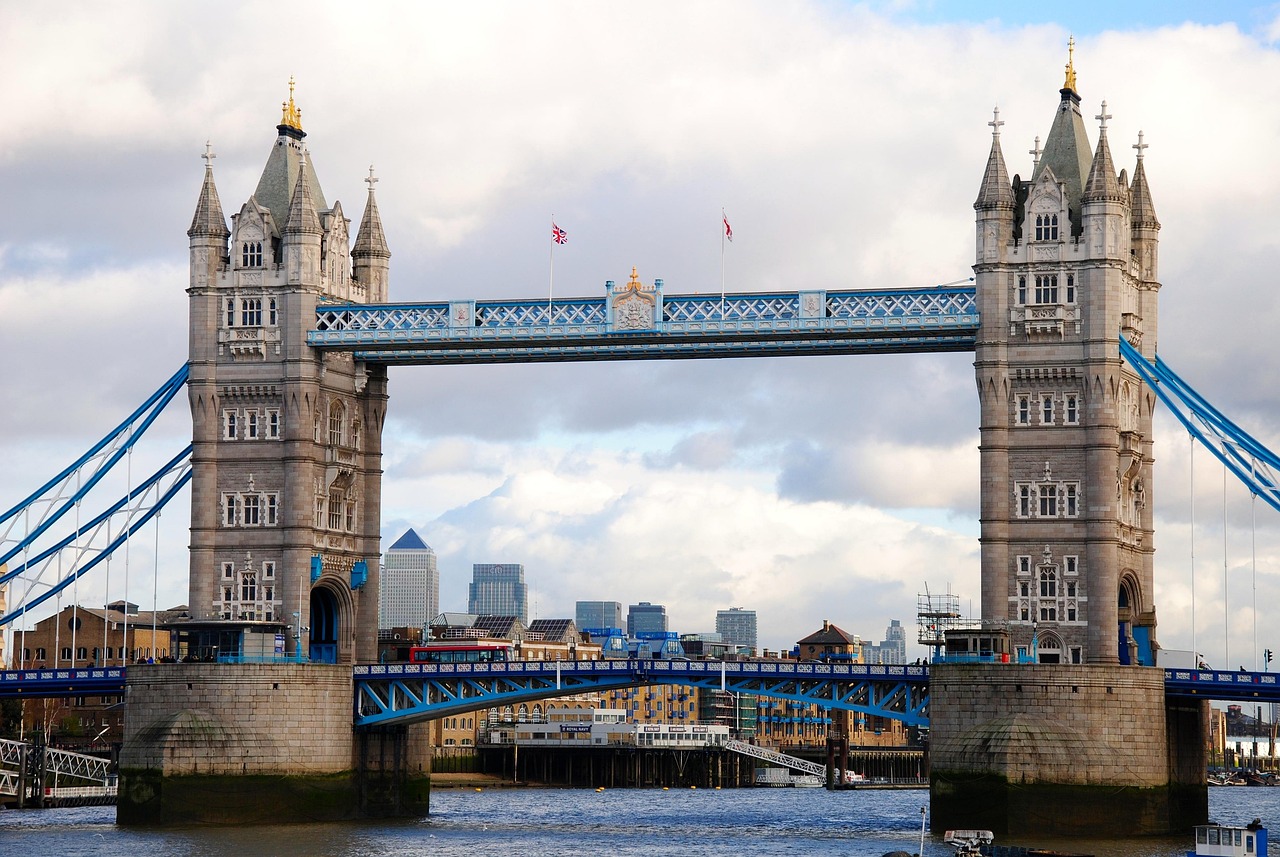
Location:London Borough of Southwark, London Borough of Tower Hamlets
Tower Bridge is the easiest first-time choice if you want one famous bridge landmark. It combines the two-towered view, a public crossing, nearby Tower of London sights and a paid indoor experience.
As a crossing, it also links the Tower of Londonside with Southwark and the riverside route toward London Bridge.
At road level, Tower Bridge works as a normal public crossing. The paid visitor experience is separate and includes the towers, high-level walkways, glass floors and Victorian Engine Rooms. Check the official Tower Bridge websitebefore visiting for current ticket details, opening times, accessibility information and bridge-lift times.
Best for:
- First-time visitors.
- Classic London photos.
- Bridge engineering.
- Pairing with the Tower of London.
- Families who want a landmark with an indoor attraction.
Why it matters:It is both a landmark and a working river crossing, which makes it more than just a photo stop.
2. London Bridge
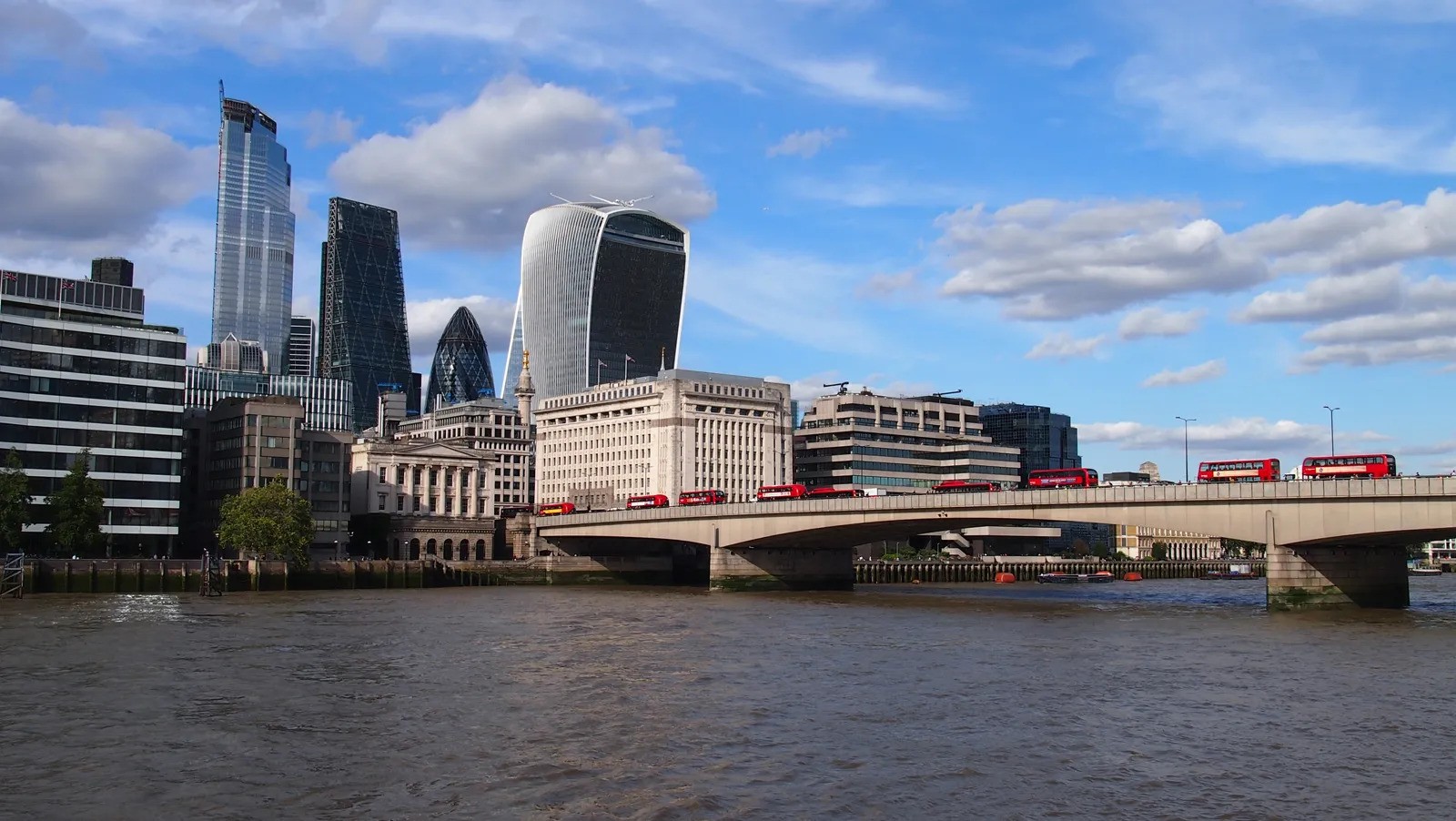
Location:Linking the City of London with Southwark
London Bridge is more useful than decorative. It carries people between the City and Southwark and places you close to some of London’s busiest food, transport and office areas.
The important thing to understand is that London Bridge is a historic crossing point, even though the current bridge is modern. That is why it matters more for context, route planning and nearby sights than for decorative design.
Best for:
- Historic context.
- Borough Market.
- The Shard area.
- A practical crossing between the City and Southwark.
- Understanding the Tower Bridge naming confusion.
Why it matters:It is the bridge to use when you want Borough Market, The Shard or a practical route toward Tower Bridge.
3. Westminster Bridge
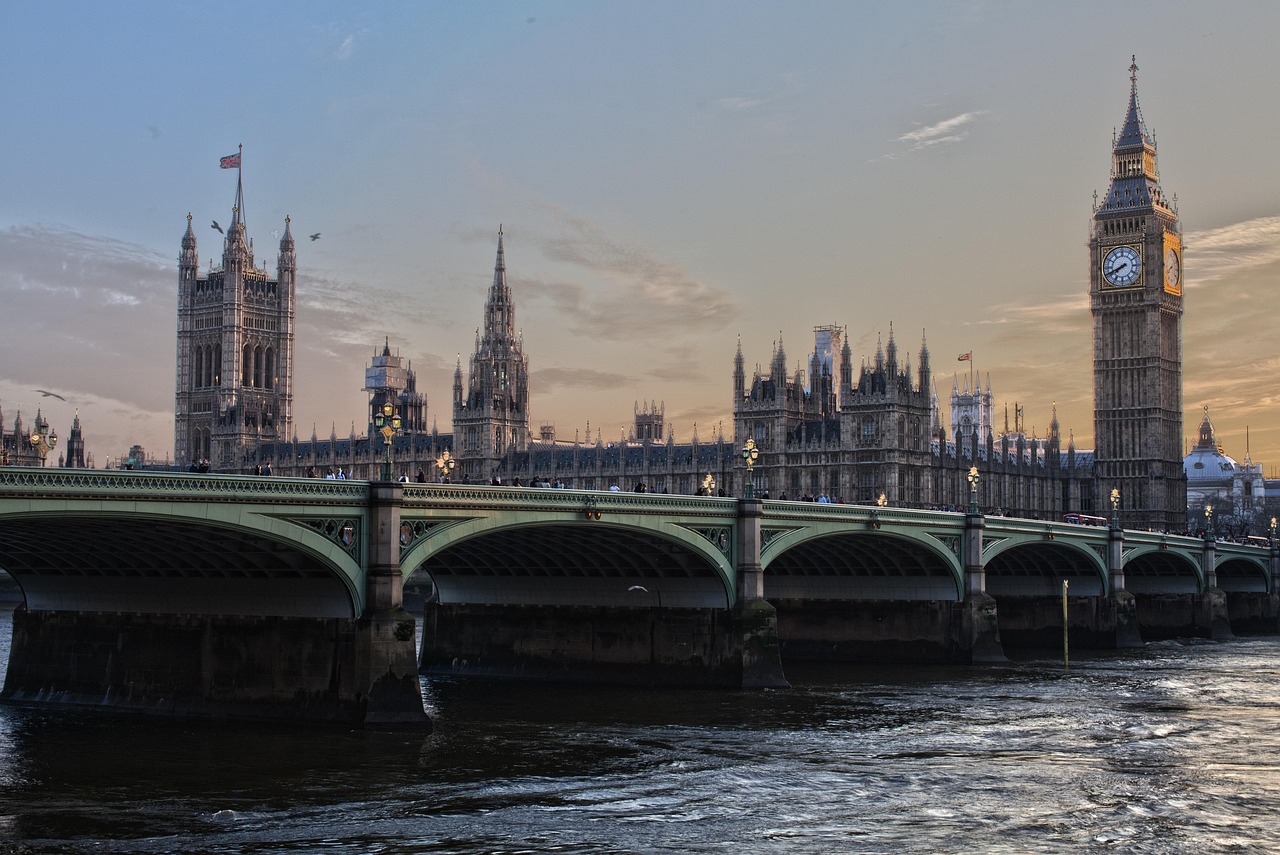
Location:Connecting Westminster (north) with Lambeth (south), adjacent to the Houses of Parliament
Westminster Bridge is one of London’s best sightseeing bridges because the views do the work. It connects Westminster with the South Bankand gives you immediate access to some of the city’s most recognisable landmarks.
For a fuller plan around this crossing, use our guide to things to do near Westminster Bridgebefore choosing your photo stops and nearby attraction
It is useful as a crossing, but its main value is visual.
Best for:
- Big Ben photos.
- Parliament views.
- London Eye access.
- South Bank walks.
- First-morning London orientation.
Why it matters:It is the easiest bridge for classic Big Ben, Parliament and London Eye photos.
4. Millennium Bridge
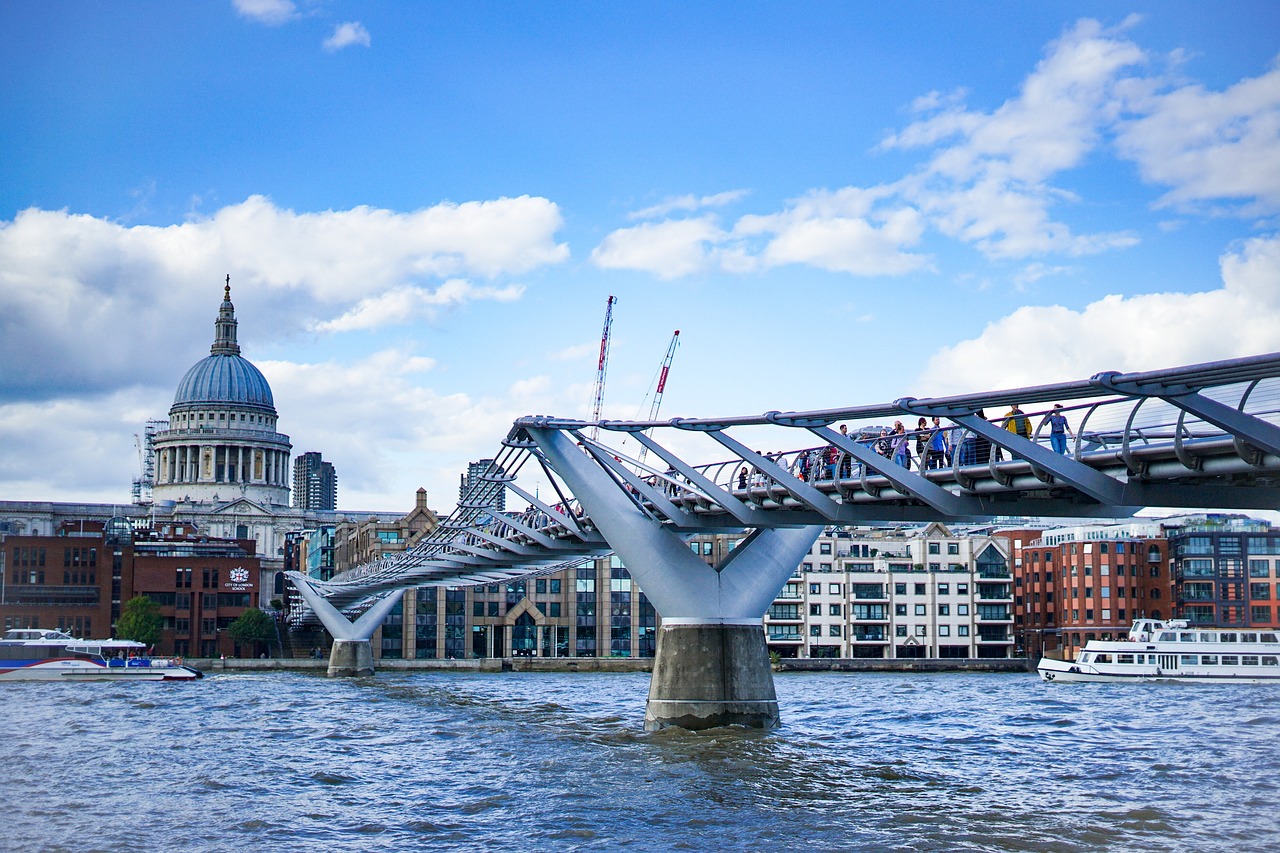
Location:Linking Bankside (south) with the City of London (north), connecting Tate Modern to St. Paul's Cathedral
Millennium Bridgeis a pedestrian bridge, so it feels different from traffic-heavy crossings. That St Paul’s-to-Tate Modern alignment is a major reason the bridge works so well for first-time visitors: it is not just a crossing, but one of the clearest walking views between two major London landmarks.
It works best when you look north toward St Paul’s Cathedral, because the bridge frames the cathedral so clearly.
Best for:
- Pedestrian-only crossing.
- St Paul’s Cathedral views.
- Tate Modern and Bankside.
- Harry Potter interest.
- Modern bridge design.
Why it matters:It turns a simple river crossing into one of London’s cleanest walking views.
5. Waterloo Bridge
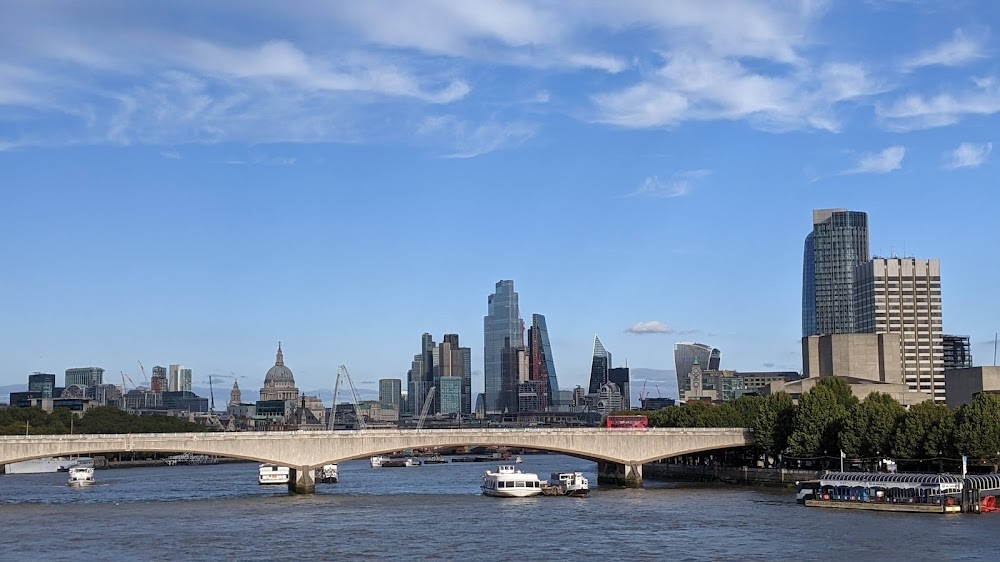
Location:Connecting Waterloo (south) with the Strand (north)
Waterloo Bridge is not the most ornate, but it may be one of the most useful bridges for understanding London’s skyline. From the bridge, the city opens in both directions.
It works especially well when you want a wider view rather than a close-up landmark.
Best for:
- Skyline photos.
- Sunset views.
- Wide river perspective.
- South Bank access.
- Seeing several London landmarks in one sweep.
Why it matters:It gives one of the best broad skyline views in central London.
6. Hungerford Bridge And Golden Jubilee Bridges
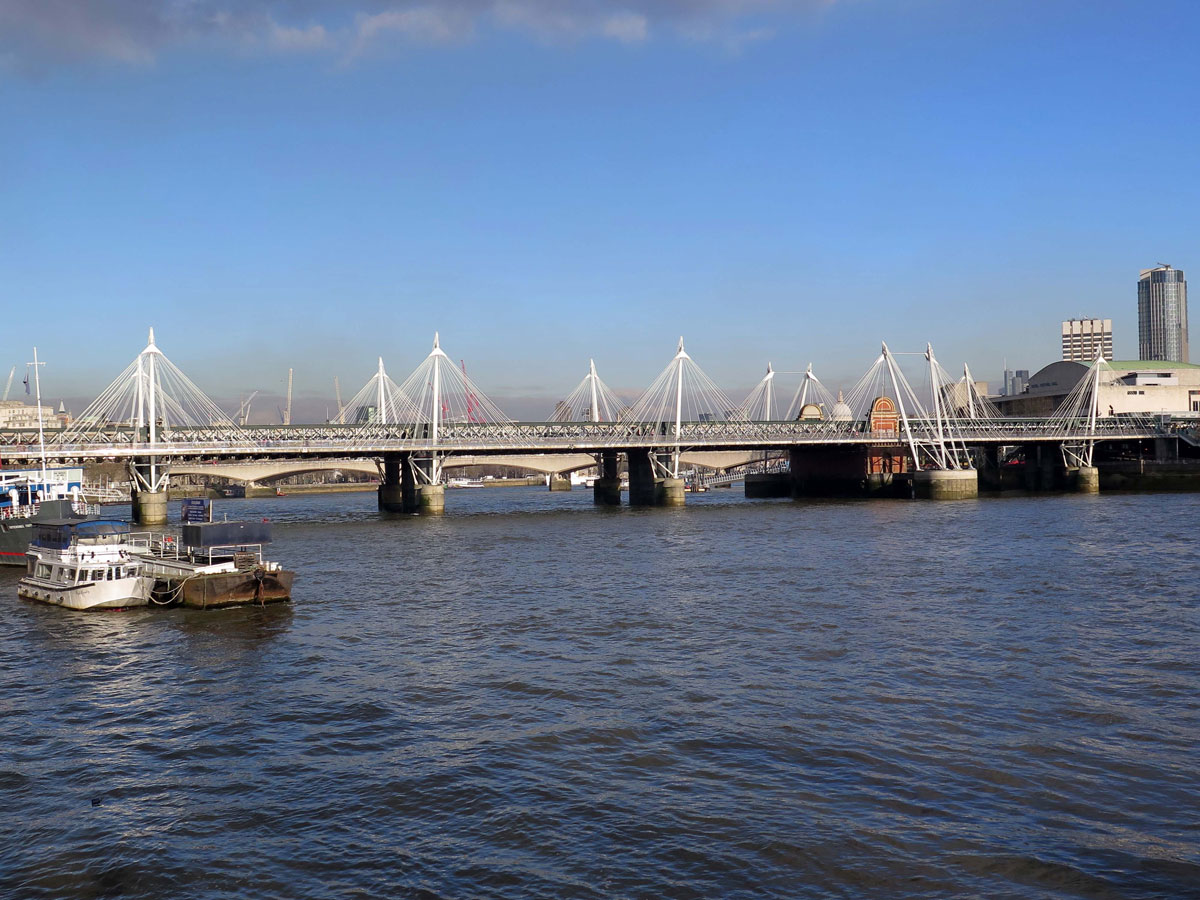
For most visitors, the Golden Jubilee Bridges are the important part because they are the pedestrian walkways beside Hungerford railway bridge. They connect Embankment and Charing Cross with the South Bank.
They are useful when you want to move between theatreland, Trafalgar Square, the London Eyeand South Bank venues.
Best for:
- Walking between central London and South Bank.
- London Eye area views.
- Theatre and arts routes.
- A practical crossing after Westminster Bridge.
- Evening river walks.
Why it matters:They are some of the most practical pedestrian bridges for a central London day.
7. Blackfriars Bridge
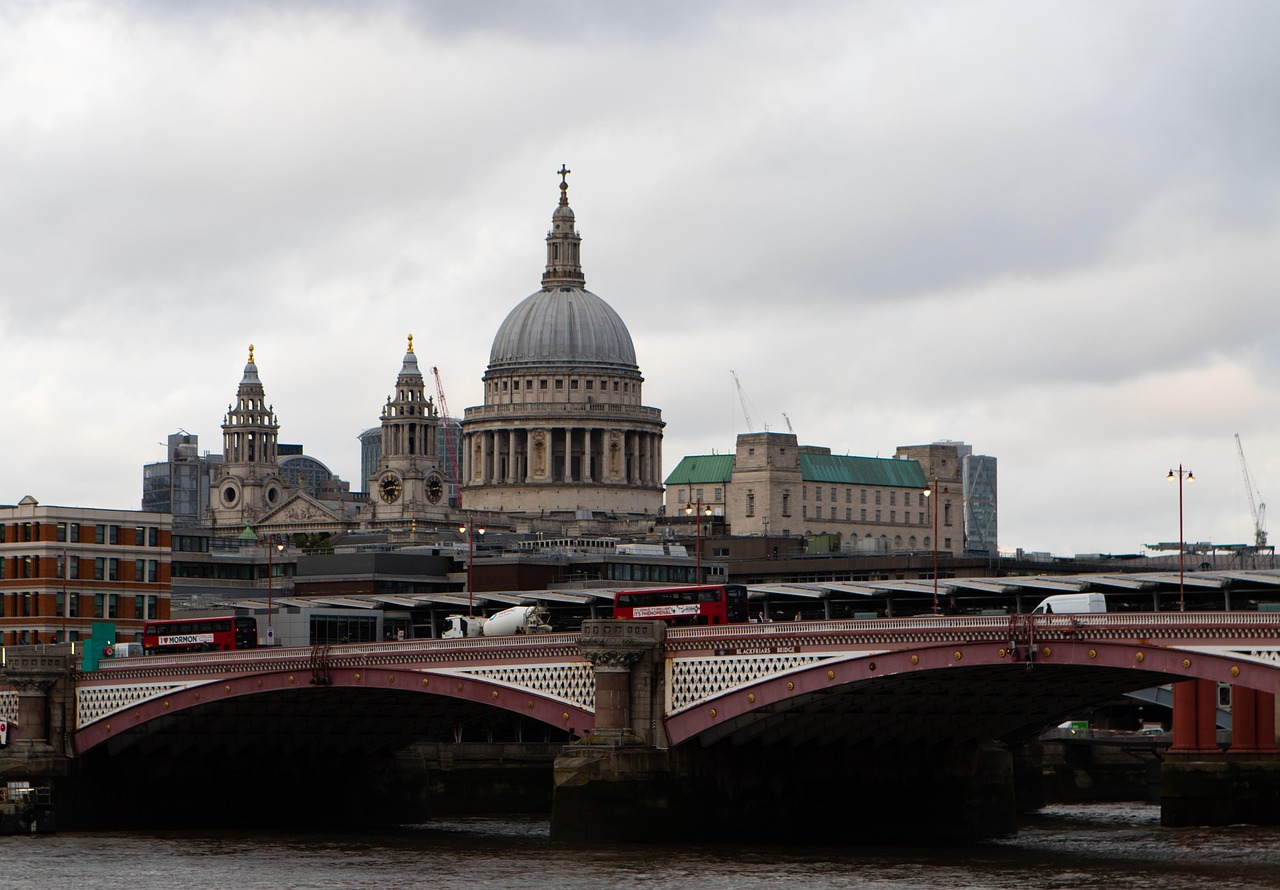
Location:Connecting Blackfriars (north) with Bankside (south)
Blackfriars Bridge is a strong route bridge. It helps you move between the City, St Paul’s area and the South Bank without forcing a long detour.
It is not usually the headline bridge of a London trip, but it keeps a Thames walk flowing smoothly.
Best for:
- City walks.
- St Paul’s angles.
- Thames Path continuity.
- Moving between the City and South Bank.
- Quieter photo stops than the most famous bridges.
Why it matters:It is a useful connector when you are walking between Westminster, St Paul’s and Bankside.
8. Southwark Bridge
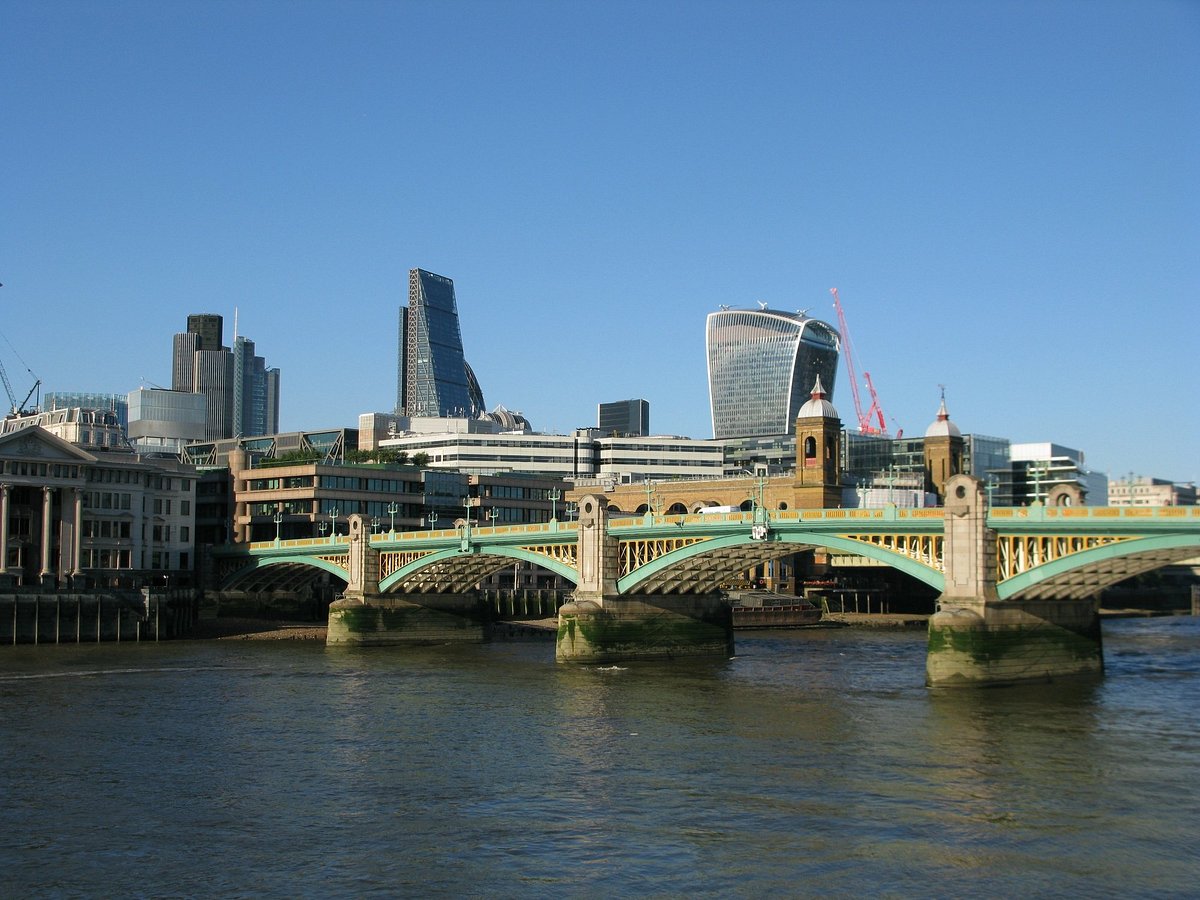
Location:Linking Southwark (south) with the City of London (north)
Southwark Bridge is quieter than Millennium Bridge and London Bridge, which can make it useful when the riverside is crowded. It sits near Tate Modern, Shakespeare’s Globe and the route toward Borough Market.
It is not the first bridge most visitors name, but it has strong practical value.
Best for:
- Quieter crossing.
- Bankside.
- Shakespeare’s Globe.
- Tate Modern area.
- A calmer alternative to busier pedestrian routes.
Why it matters:It gives you a calmer crossing in one of the busiest cultural stretches of the Thames.
9. Albert Bridge
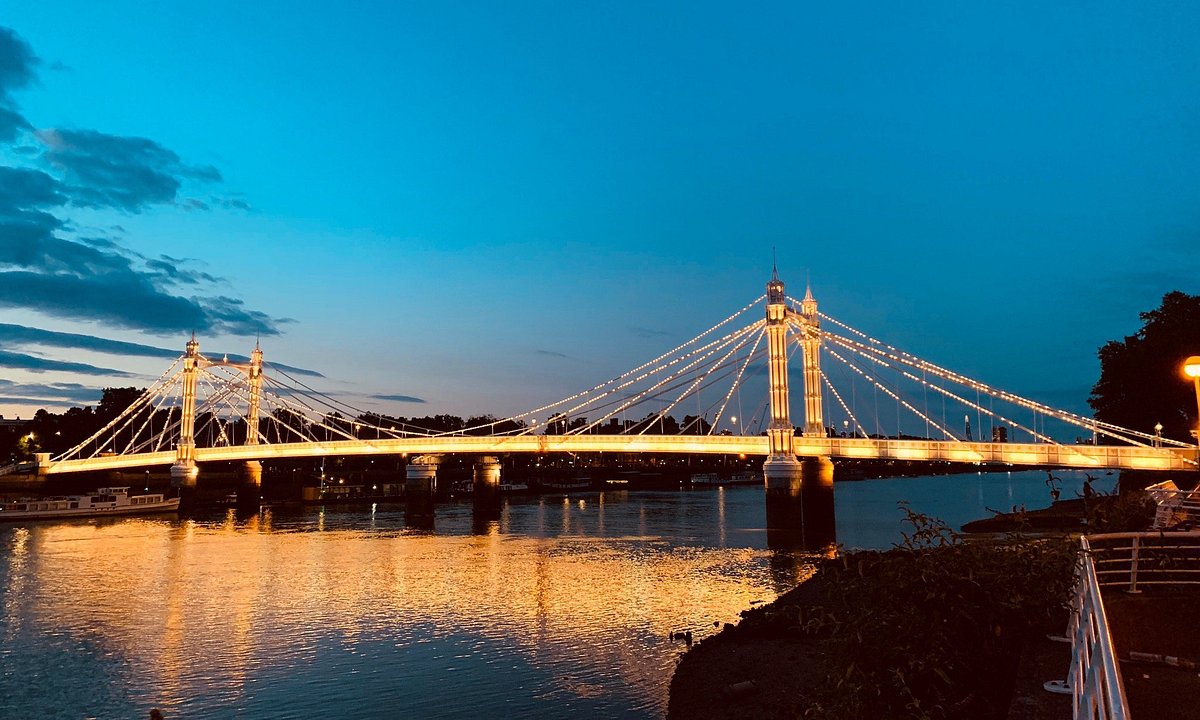
Location:Connecting Chelsea (north) with Battersea (south)
Albert Bridge is more about beauty than efficiency. It sits west of the main tourist core and works best as part of a Chelsea or Battersea walk.
Its illuminated design makes it especially appealing at night. Access arrangements at Albert Bridge can change because of repair and traffic restrictions. Before planning a night walk or a Chelsea-to-Battersea crossing around it, check the latest Royal Borough of Kensington and Chelsea update.
Best for:
- Night photography.
- Decorative bridge design.
- Chelsea and Battersea walks.
- A more local-feeling Thames moment.
- Visitors who have already seen the central icons.
Why it matters:It is one of the better choices for an evening Chelsea or Battersea riverside walk.
10. Richmond Bridge
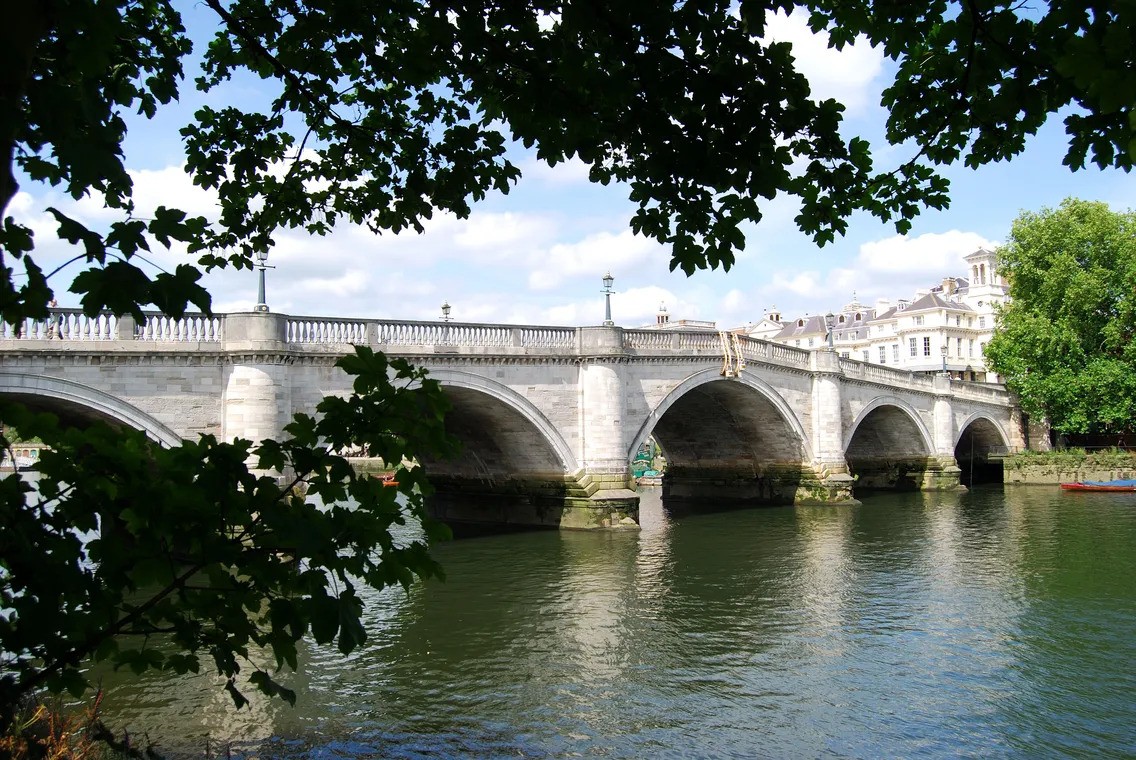
Location:Connecting Richmond (south) with St. Margarets (north) in the Borough of Richmond upon Thames
Richmond Bridge belongs to a different kind of London day. It is not a central sightseeing bridge; it is a west London riverside experience. It works best when paired with Richmond’s riverfront, green spaces and slower pace.
London Museum dates Richmond Bridgeto 1777 and describes it as London’s oldest surviving Thames bridge, which is why it deserves a place in this guide even though it sits outside the central sightseeing route.
Best for:
- Historic west London scenery.
- Richmond riverside walks.
- A quieter Thames day.
- Older bridge architecture.
- Visitors who want London beyond Zone 1 landmarks.
Why it matters:It shows a quieter, older and more scenic side of the Thames.
More Thames Bridges To Know Beyond The Main Icons
The best way to use this section is to treat these bridges as route add-ons. Choose them when they fit your neighbourhood plan, not because you need to visit every bridge in one day.
11. Lambeth Bridge
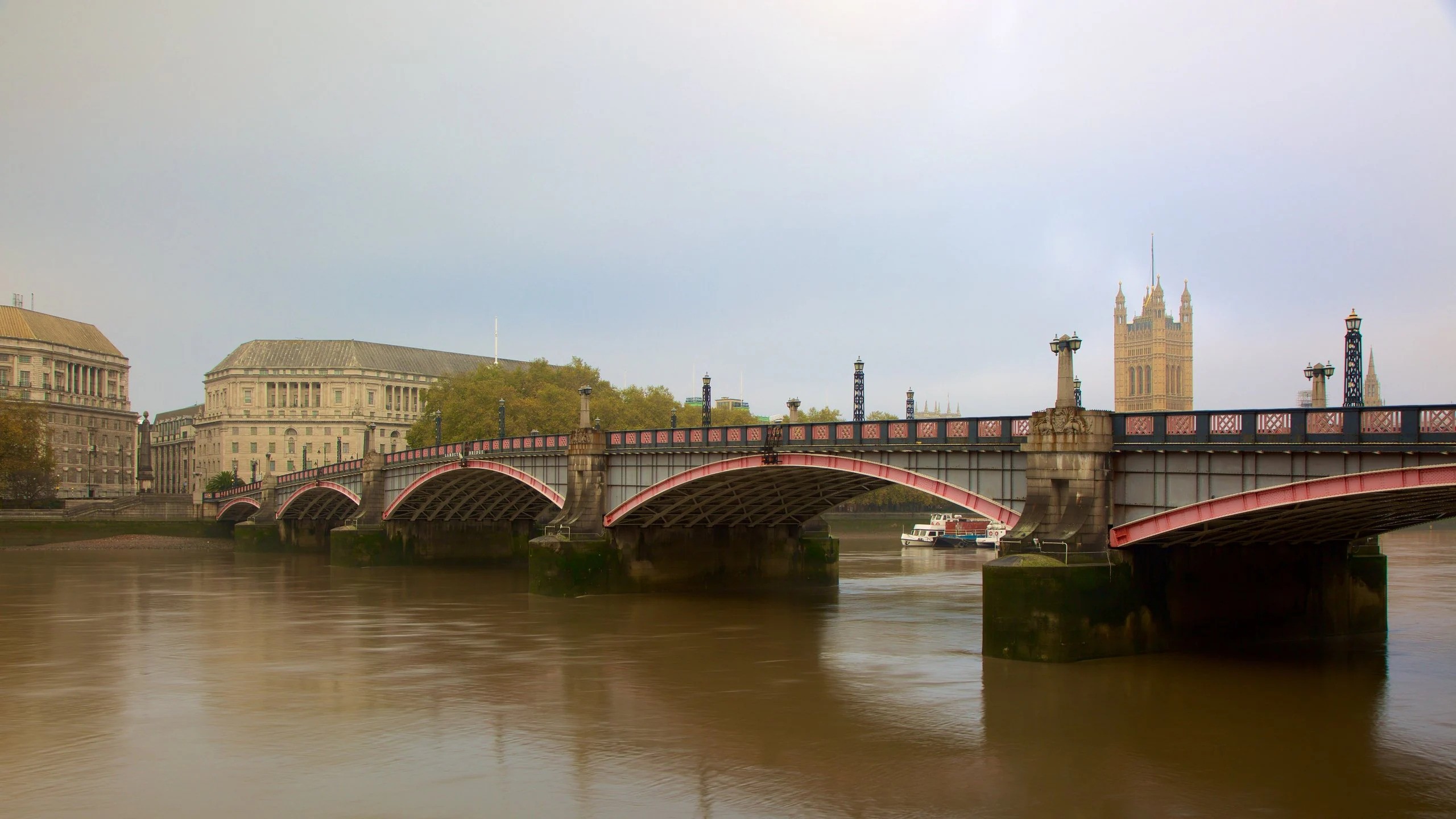
Lambeth Bridge is a practical central London bridge that connects the Westminster side of the Thames with Lambeth on the south bank. It is less dramatic than Westminster Bridge, but it is useful if you want a quieter crossing near Parliament, Lambeth Palace and the riverside path.
Choose it for when you want to avoid the busiest Westminster crowds while still staying close to major landmarks.
Why it matters:It gives visitors a calmer crossing near Westminster without pulling the route far away from the main sights.
12. Vauxhall Bridge
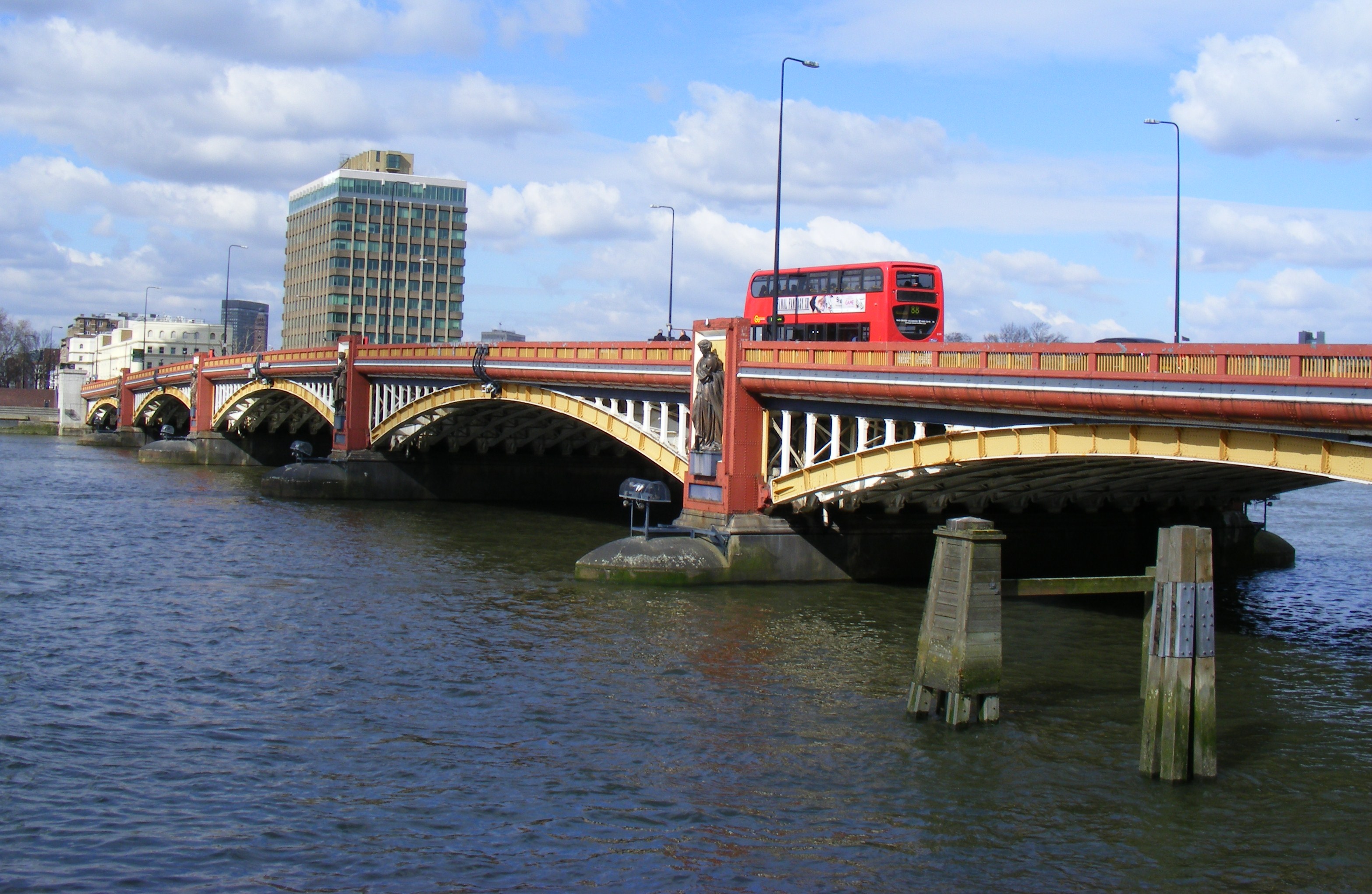
Vauxhall Bridge is more of a working river crossing than a classic sightseeing bridge. It connects Vauxhall with Pimlico and the south-west side of Westminster, making it useful for routes around Tate Britain, Vauxhall and the riverside developments nearby.
It works best for people exploring beyond the main postcard section of the Thames. It is not usually a first-choice photo bridge, but it helps connect useful parts of inner London.
Why it matters:It shows the Thames as a living transport route, not just a line of famous tourist viewpoints.
13. Chelsea Bridge
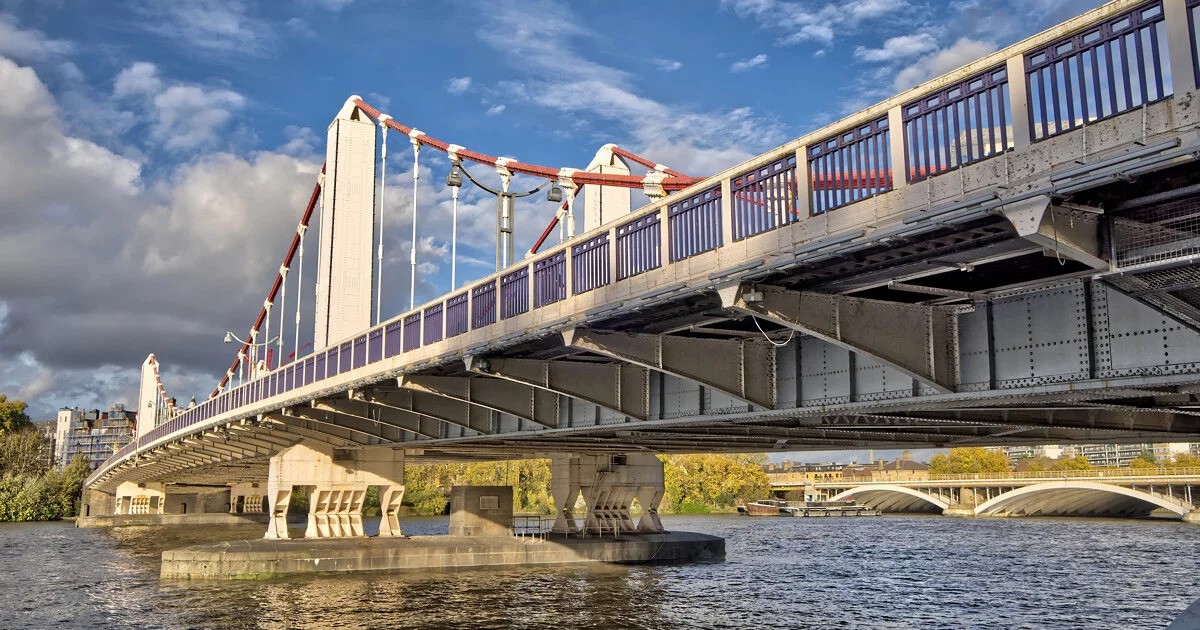
Chelsea Bridge connects Chelsea with Battersea and works well as part of a west London riverside walk. It is especially useful if you are visiting Battersea Park, Battersea Power Station or the Chelsea Embankment area.
Its visitor appeal comes from its location rather than one single famous view. It helps link a stylish, quieter part of London with one of the city’s best riverside park areas.
Why it matters:It is a useful bridge for combining Chelsea, Battersea Park and a less crowded Thames walk.
14. Hampton Court Bridge
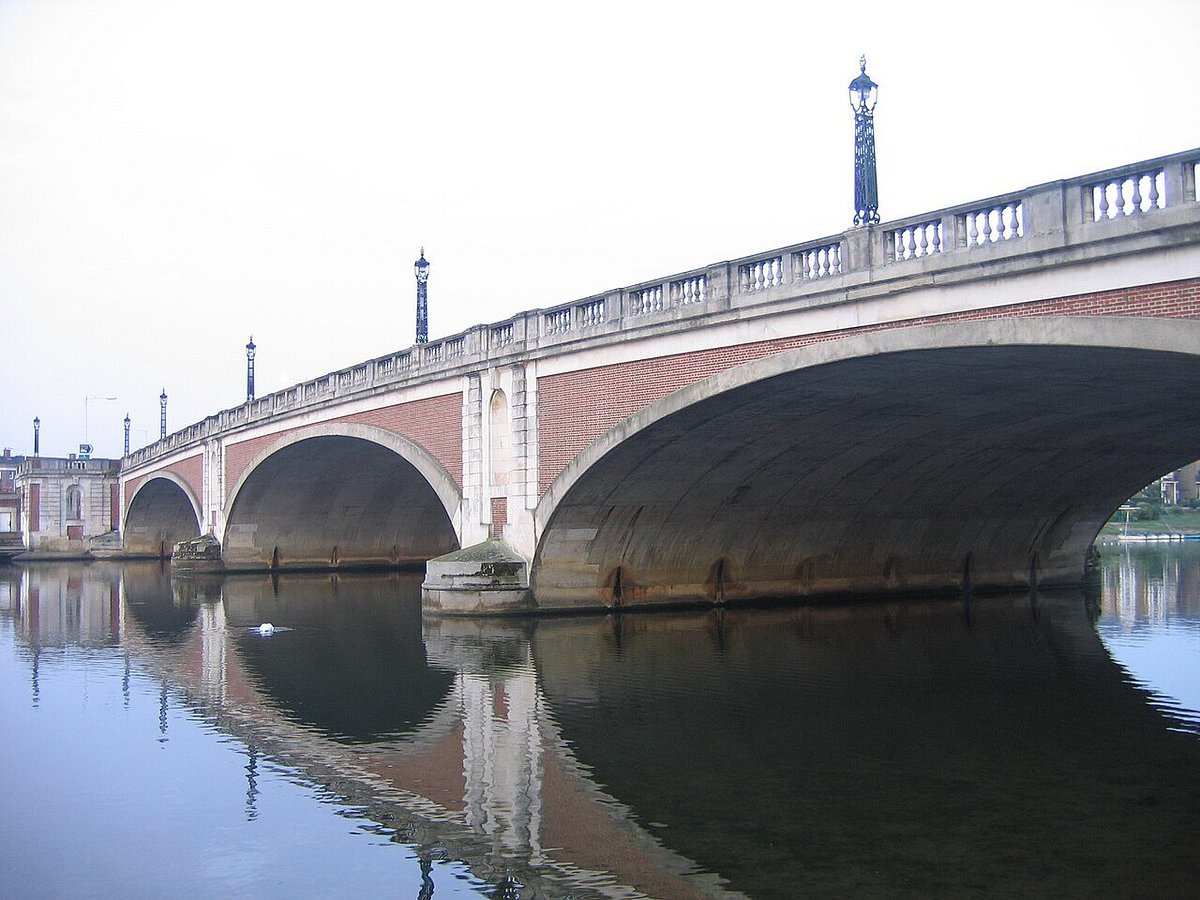
Hampton Court Bridge sits much farther west than the central London icons, close to Hampton Court Palace. It feels more like part of a royal day trip than a classic central London sightseeing stop.
Its main value is when paired with Hampton Court Palace, the riverside and the quieter outer stretches of the Thames. It is not a must for a first-time bridge walk, but it is very useful for a historic day outside the centre.
Why it matters:It turns a Hampton Court visit into a fuller Thames-side experience rather than just a palace stop.
15. Chiswick Bridge
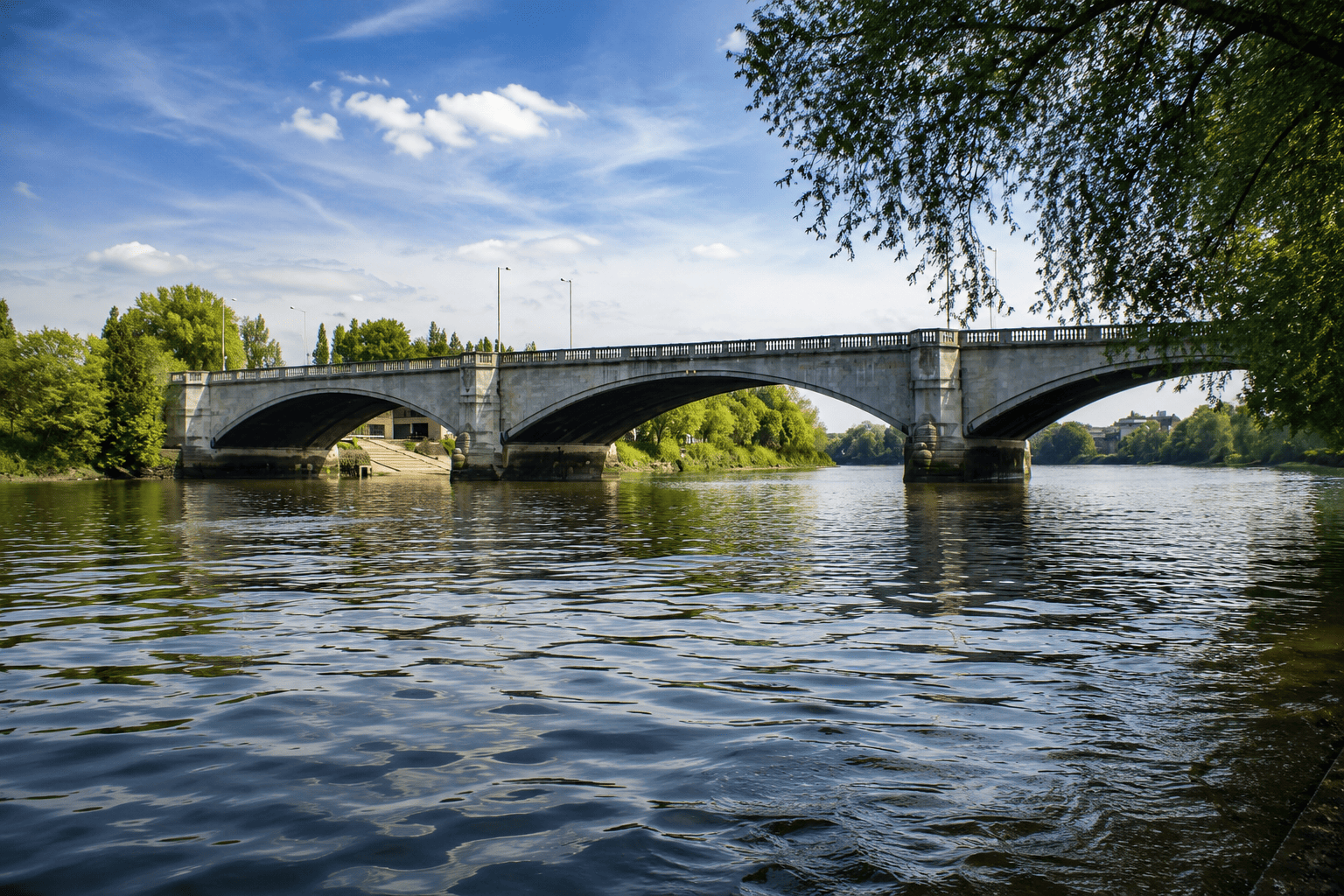
Chiswick Bridge is a west London bridge linked more closely with local riverside life than major tourist sightseeing. It sits near Chiswick, Mortlake and the quieter Thames stretches known for rowing, riverside paths and residential views.
Choose it for walkers who want to see London away from the busiest central landmarks. It works best as part of a longer west London Thames walk.
Why it matters:It helps show the slower, local side of the Thames beyond the main visitor route.
16. Wandsworth Bridge
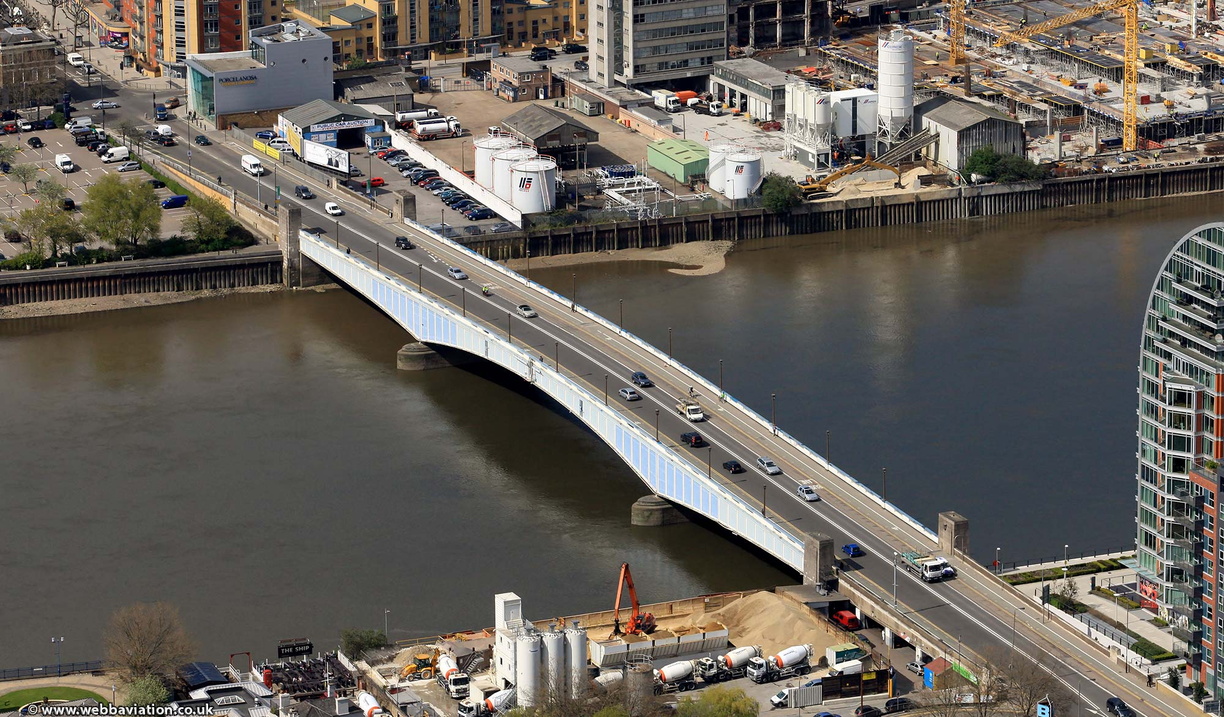
Wandsworth Bridge is mainly a practical crossing between Wandsworth and Fulham. It is not one of London’s prettiest bridges, but it is useful if your route includes riverside residential areas, Wandsworth Town or the Thames Path in south-west London.
Its visitor appeal is limited compared with Tower Bridge, Albert Bridge or Westminster Bridge. Still, it has value for readers trying to understand London’s bridges as a wider river network.
Why it matters:It adds practical route depth without pretending every Thames bridge is a major sightseeing landmark.
17. Putney Bridge
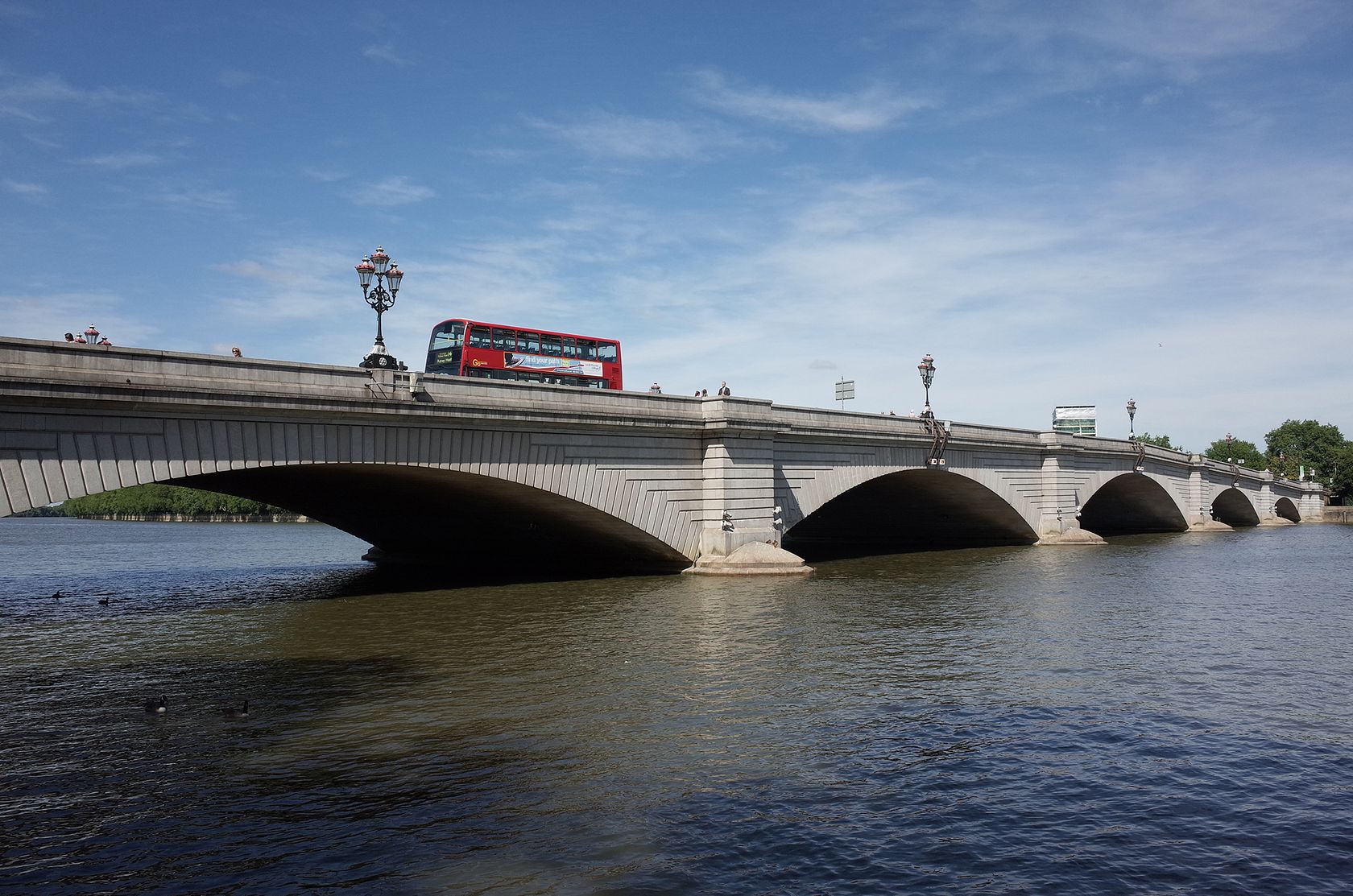
Putney Bridge connects Putney with Fulham and works well for a riverside walk with a more local feel. It is useful for Putney’s riverfront, Bishop’s Park, Fulham Palace and Thames-side pubs.
Its main value is for people who want rowing culture, neighbourhood views and a quieter west London route. It is a good bridge to include when the article moves beyond central tourist icons.
Why it matters:It gives readers a bridge that connects London’s river life, rowing traditions and relaxed west London walks.
18. Hammersmith Bridge
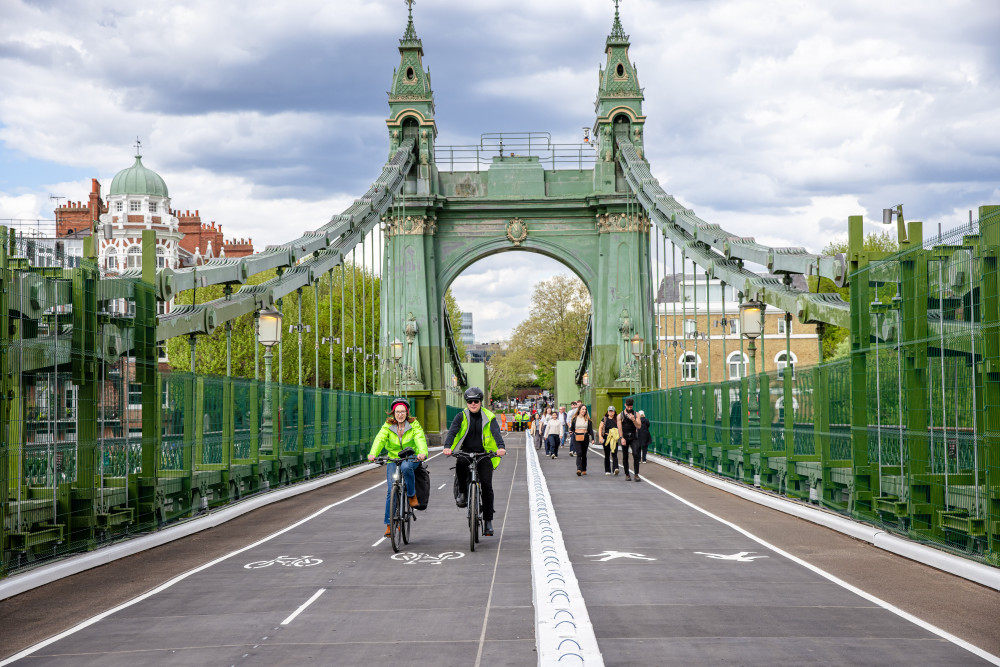
Hammersmith Bridge is one of west London’s most distinctive bridges because of its suspension design and strong visual character. It connects Hammersmith with Barnes and has long been an important landmark on this quieter stretch of the Thames.
Hammersmith Bridge has had changing access arrangements in recent years, especially for motor traffic and repair work. Check the latest TfL or Hammersmith & Fulham Councilupdate before relying on it for a walking, cycling or transport route.
Its visitor appeal is strongest from the riverside, where the bridge adds character to walks between Hammersmith, Barnes and nearby pubs. Because access details can change, it is best treated as a planned stop rather than an assumed shortcut.
Why it matters:It is one of the best bridges for showing London’s west-side river character and historic engineering style.
19. Kew Bridge
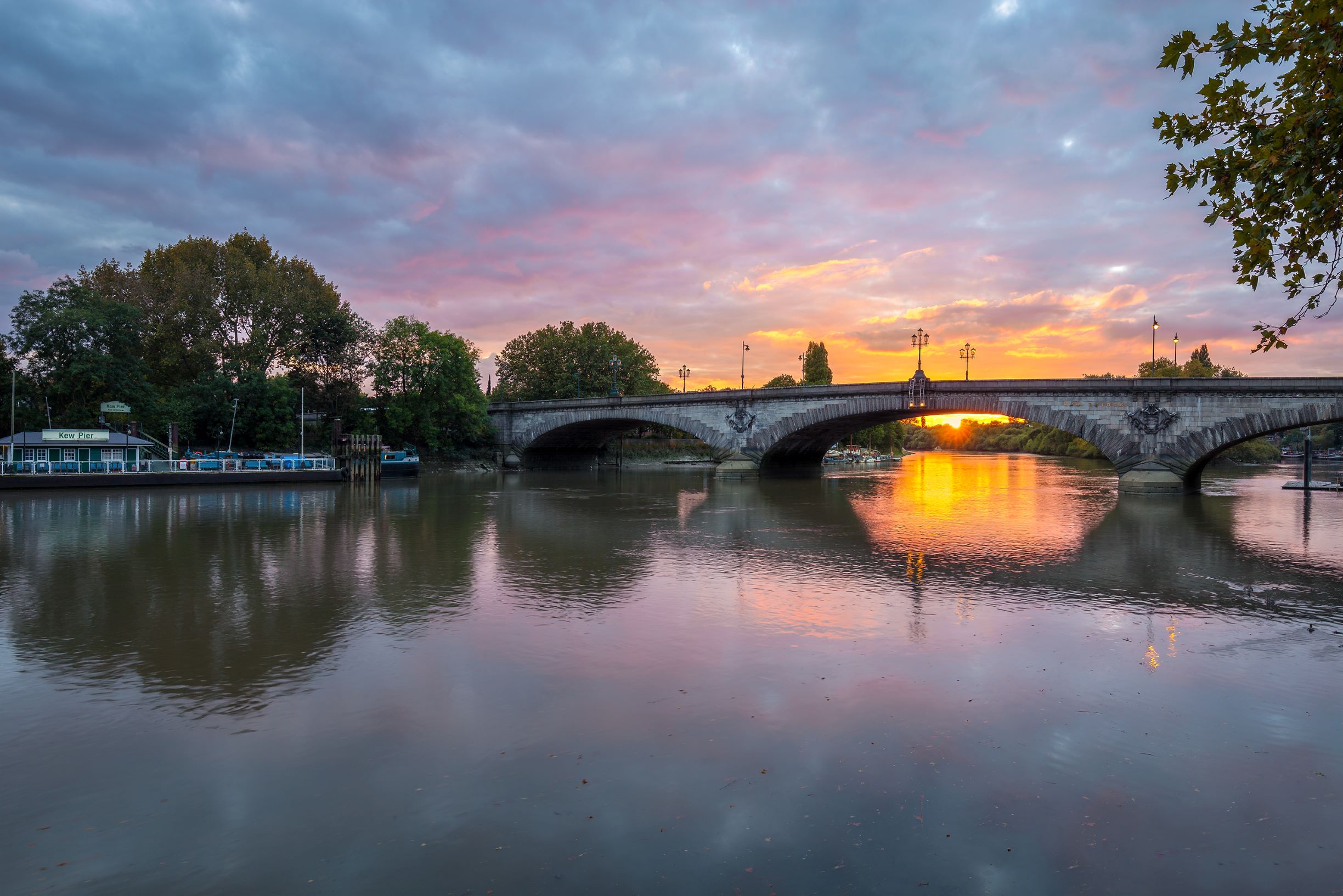
Kew Bridge connects the Kew and Brentford sides of the Thames and is especially useful if you are visiting Kew Gardens. It belongs to a greener, calmer part of the river than the central bridges.
It works best when combined with gardens, riverside paths and a slower west London day. It is not a headline bridge for first-time visitors, but it is valuable for route planning around Kew.
Why it matters:It helps readers connect London’s bridge story with parks, gardens and outer Thames scenery.
20. Teddington Lock Footbridge
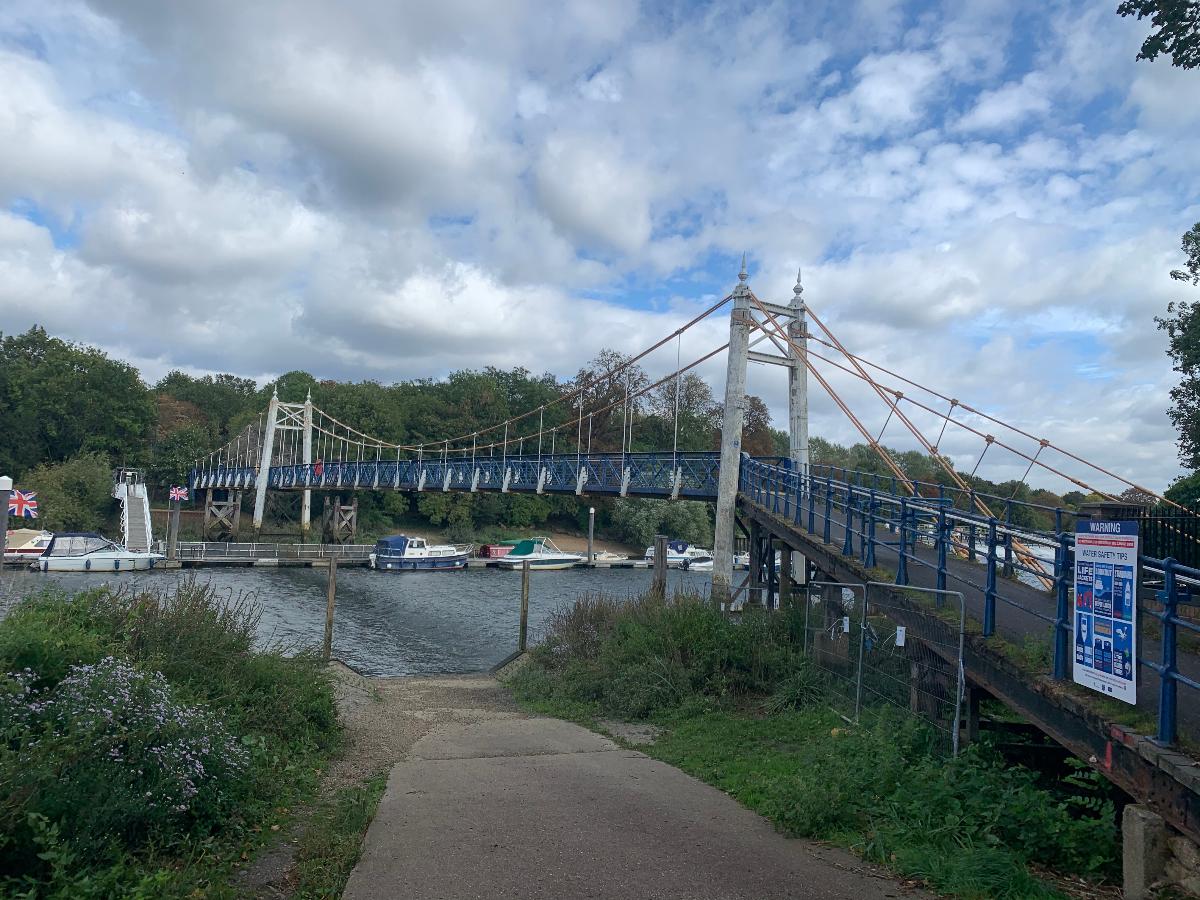
Teddington Lock Footbridge sits on a quieter stretch of the Thames and feels very different from the busy bridges of central London. It is best understood as part of a walking route around Teddington, Ham and the river paths nearby.
Its visitor appeal is strongest for people who want a peaceful Thames Path walk rather than a landmark-heavy sightseeing day. It adds useful depth for readers interested in the river beyond Westminster, London Bridge and Tower Bridge.
Why it matters:It shows that London’s bridge experience can be calm, green and local, not only crowded and iconic.
Best Bridges For Views And Photography
This section helps you choose the right bridge for the photo you actually want. Not every famous bridge gives the best view from the bridge itself. If you want more no-ticket skyline ideas after choosing your bridge stops, compare these with the best free viewpoints in London.
Some bridges are best photographed from nearby riverbanks, while others are best used as viewing platforms.
Best Photo Bridges
- Westminster Bridge:best for Big Ben, Parliament and the London Eyearea.
- Tower Bridge:best for the classic landmark bridge photo.
- Millennium Bridge:best for St Paul’s Cathedral alignment.
- Waterloo Bridge:best for wide skyline views.
- Golden Jubilee Bridges:best for London Eye and South Bank angles.
- Albert Bridge:best for night-time decorative photos.
For Tower Bridge, do not only stand on the bridge. Step back onto the riverside so you can see the towers and full structure. For Millennium Bridge, face north toward St Paul’s. For Westminster Bridge, use both sides because the Parliament and London Eye views sit in different directions.
Best Time For Bridge Photography
Early morning is best for quieter photos, especially around Tower Bridge, Westminster Bridge and Millennium Bridge. Before heading out, check the live Westminster Bridge webcamto see current light, weather and crowd levels near Big Ben and the river.
Late afternoon and sunset are best for softer light across the Thames.
Evening works well for illuminated bridges and skyline reflections, especially at Tower Bridge, Waterloo Bridge, Golden Jubilee Bridges and Albert Bridge.
The practical rule is simple: use morning for fewer people, sunset for atmosphere and night for lights.
Best Bridges To Walk At Night
London bridges can feel very different after dark. The best night bridges are the ones with strong lighting, open views, nearby activity and easy onward routes.
Do not choose night bridges only by fame. Choose the ones that are well connected and make sense with your evening plan. For a more focused after-dark route, use the separate guide to London’s illuminated bridgesbefore planning an evening Thames walk.
Tower Bridge At Night
Tower Bridge is one of the best London bridges to see at night because the structure is illuminated and the river setting feels dramatic. It pairs well with the Tower of London area, St Katharine Docks and the riverside route toward London Bridge.
It is worth visiting after dark if you want the famous London bridge in a more atmospheric setting.
Albert Bridge At Night
Albert Bridge is one of the prettiest bridges to walk near at night because its decorative lighting gives it a softer, more romantic look. It is a better choice for a Chelsea or Battersea evening than for a packed first-time sightseeing day.
It is worth the detour if you have already seen the central icons.
You can also check the live Albert Bridge webcambefore going, especially if you want to see whether the bridge lights and riverside conditions are worth the detour.
Golden Jubilee Bridges At Night
The Golden Jubilee Bridges are useful at night because they connect busy, well-known central areas. They work well after a South Bank walk, theatre plan or London Eye visit.
The views toward the river, Westminster and central London lights make them a practical evening crossing.
Waterloo Bridge At Night
Waterloo Bridge gives a wide night view rather than one close-up bridge scene. It is useful when you want skyline lights and a sense of the city spreading out along the river.
It is one of the better bridges for a slow evening pause.
Night Walking Safety And Practicality
For night walks, stay on main riverside routes, keep your plan simple and avoid unnecessary detours through quiet backstreets. If you are tired, use the Tube, bus or licensed taxi/private-hire option rather than forcing a long walk.
The best night bridge route is usually short: one or two strong bridges, not a full bridge marathon.
How To Get To London’s Iconic Bridges
This section answers the practical “how do you get there?” question. Most iconic London bridges are easiest to reach by Tube, rail or walking from nearby landmarks.
The simplest approach is to travel to the landmark area first, then walk the bridge from there.
Best Arrival Points By Bridge
Use the nearest area first, then walk the bridge as part of the route.
- Tower Bridge:use Tower Hill, Tower Gateway or London Bridge.
- London Bridge:use London Bridge station.
- Westminster Bridge:use Westminster or Waterloo.
- Millennium Bridge:use St Paul’s, Blackfriars, Mansion House or Southwark.
- Waterloo Bridge:use Waterloo, Temple, Embankment or Covent Garden.
- Golden Jubilee Bridges:use Embankment, Charing Cross or Waterloo.
- Blackfriars Bridge:use Blackfriars.
- Southwark Bridge:use Mansion House, Cannon Street or Southwark.
- Albert Bridge:use Sloane Square, Battersea Park or local buses.
- Richmond Bridge:use Richmond station, then walk to the riverside.
- Lambeth Bridge:use Westminster, Lambeth North or Vauxhall.
- Vauxhall Bridge:use Vauxhall or Pimlico.
- Chelsea Bridge:use Battersea Power Station, Sloane Square or local buses.
- Hampton Court Bridge:use Hampton Court station.
- Chiswick Bridge:use Mortlake, Barnes Bridge or local buses.
- Wandsworth Bridge:use Wandsworth Town, Imperial Wharf or local buses.
- Putney Bridge:use Putney Bridge station, Putney station or local buses.
- Hammersmith Bridge:use Hammersmith or Barnes, then check current access before relying on the bridge.
- Kew Bridge:use Kew Bridge station, Gunnersbury or local buses.
- Teddington Lock Footbridge:use Teddington station, then walk or use local buses.
For central bridges, public transport plus walking is usually easier than driving; use this guide to how to get around Londonif you need help choosing Tube, bus, rail or walking routes.
For outer Thames bridges, check the station and walking distance before setting out, because the route may feel more like a neighbourhood river walk than a quick sightseeing stop.
For a wider breakdown of Tube, bus, walking, taxi and airport options, use our London transport guidesbefore planning longer bridge routes.
Tickets, Access And What Is Actually Paid
Most London bridges are free to walk across at street level. The main ticket question usually applies to Tower Bridge because the paid visitor experience is separate from simply crossing the bridge.
This distinction matters because “visiting Tower Bridge” can mean two different things.
Free Bridge Crossings
You can normally walk across the public bridge level of the major central Thames bridges without buying a ticket. That includes Westminster Bridge, London Bridge, Millennium Bridge, Waterloo Bridge, Blackfriars Bridge, Southwark Bridge and the public road level of Tower Bridge.
This makes London bridges useful for budget-friendly sightseeing.
Tower Bridge Tickets
Tower Bridge’s paid attraction includes access to the towers, high-level walkways, glass floors and Engine Rooms. That is different from walking across the lower bridge.
Buy tickets only if you want the indoor history, engineering and high-level walkway experience. If you only want the famous outside view, you can enjoy Tower Bridge from the riverside for free.
Restrictions And Checks
Temporary works, events, crowd control or route changes can affect access. Before building a tight timed plan around any bridge, check official transport and attraction updates.
This is especially important if you are connecting a bridge walk with booked tickets for Tower Bridge, the Tower of London, the London Eye or another timed attraction.
How To Combine Bridges Into A Route
This section helps you choose practical bridge pairings instead of turning the day into a tiring checklist. Start with your main attraction, then choose the bridges that naturally sit nearby.
For longer river walks beyond the central bridge route, the official Thames Path National Trailis useful for understanding how London’s riverside sections connect.
Good Bridge Walk Pairings
| Pairing | Best for |
| Westminster Bridge + Golden Jubilee Bridges | Big Ben, London Eye and South Bank |
| Waterloo Bridge + Millennium Bridge | Skyline views, St Paul’s and Tate Modern |
| Millennium Bridge + Southwark Bridge | Bankside, Shakespeare’s Globe and quieter crossings |
| London Bridge + Tower Bridge | Borough Market, The Shard, Tower of London and the classic bridge finish |
| Albert Bridge + Battersea Park | A prettier evening or west London riverside walk |
| Richmond Bridge + Richmond riverside | A slower, scenic Thames visit |
The best pairings work because they connect nearby sights, not because the bridges are randomly famous. After choosing your bridge pairing, use these London walking routesif you want a longer self-guided walk beyond the Thames section.
Short Route If You Have 60–90 Minutes
Use this route:
Millennium Bridge → London Bridge → Tower Bridge
This is the best short route because it gives you three different bridge experiences: a modern pedestrian crossing, a historic crossing point and the famous landmark bridge. It also pairs well with St Paul’s Cathedral, Tate Modern, Borough Market and the Tower of London.
Photo Route If You Want Views
Use this route:
Westminster Bridge → Golden Jubilee Bridges → Waterloo Bridge → Millennium Bridge → Tower Bridge
This route gives you a strong mix of Big Ben, London Eye, skyline, St Paul’s and Tower Bridge views.
How Long Should You Allow?
Allow 60–90 minutes for a short bridge-focused walk around Millennium Bridge, London Bridge and Tower Bridge. Allow half a day if you want to walk from Westminster Bridge to Tower Bridge with proper photo stops, food breaks and nearby sights.
For a relaxed day, do not rush every bridge. Pick three or four strong ones and enjoy the areas around them.
For wider trip planning beyond the Thames, our London travel guidescan help you connect bridges with hotels, attractions, food and day-by-day planning.
Which London Bridge Should You Visit First?
This section helps you choose the right starting bridge. The best first bridge depends on what you want from the day.
There is no single perfect answer for every visitor, but there is usually a clear best choice for each intent.
If You Want The Most Famous Bridge
Start with Tower Bridge.
It is the strongest all-round choice because it combines landmark architecture, river views, engineering interest and the Tower of London nearby.
If You Want Classic London Photos
Start with Westminster Bridge.
It gives you Big Ben, the Palace of Westminster and the London Eye area in one compact viewpoint.
If You Want The Best Skyline View
Start with Waterloo Bridge.
It is one of the best bridges for understanding the central London skyline because the river opens widely in both directions.
If You Want A Modern Pedestrian Bridge
Start with Millennium Bridge.
It gives you a clean walking route between St Paul’s Cathedral and Tate Modern, with one of the best visual alignments in the city.
If You Want A Pretty Night Bridge
Start with Albert Bridge.
It is less central, but it is one of London’s prettiest evening bridge scenes.
If You Want A Quieter Historic Bridge
Start with Richmond Bridge.
It works best as part of a Richmond riverside visit rather than a central London sightseeing route.
Famous London Bridge Facts Readers Usually Ask About
This section clears up quick facts that often shape visitor decisions. These details help you avoid common confusion before you plan the route.
The main thing to remember is that “oldest,” “most famous,” “prettiest” and “best view” can all point to different bridges.
Which Bridge Opens?
Tower Bridge is the famous London bridge that opens. Its bascules lift for river traffic, which is part of what makes the bridge so distinctive. If you want to time your visit around a lift, check the official Tower Bridge lift timesbefore you go.
This is also why Tower Bridge is more than a decorative landmark. It was designed around the practical challenge of road traffic and river traffic needing the same space.
Which Bridge Was In Harry Potter?
Millennium Bridge is the London bridge most strongly linked with Harry Potter film-location searches. It is the bridge many fans look for because of its connection to the film series.
Even without the film connection, it is worth walking because it links St Paul’s Cathedral and Tate Modern so directly.
Which Bridge Has A Hidden Chimney?
Tower Bridge is associated with the hidden chimney question. The detail usually refers to a disguised chimney on the north side of the bridge.
Treat this as a fun extra, not a main reason to visit. The bigger reasons are the bridge design, river setting and Tower of London pairing.
Which Bridge Is The Oldest?
Richmond Bridge is London’s oldest surviving Thames bridge. London Bridge has the older crossing story, but the current bridge is modern.
That distinction matters because “oldest surviving bridge” and “oldest crossing point” are not the same thing.
Common Mistakes To Avoid
London’s bridges are easy to enjoy when you know what each one is actually for. Most mistakes come from treating every bridge as equally scenic or assuming famous names always mean dramatic views.
Mistaking Tower Bridge For London Bridge
Do not confuse Tower Bridge with London Bridge. Tower Bridge is the ornate two-towered landmark, while London Bridge is the simpler modern crossing near Borough Market.
Trying To Visit Too Many Bridges In One Day
A long bridge checklist can turn into a tiring walk with too little time at each stop. For a first visit, five central bridges are usually enough: Westminster Bridge, Golden Jubilee Bridges, Waterloo Bridge, Millennium Bridge and Tower Bridge. Add London Bridge if you are going to Borough Market or walking toward the Tower.
Ignoring The Best View Direction
Each bridge has a stronger viewing direction. On Westminster Bridge, look toward Parliament and the London Eye. On Millennium Bridge, look toward St Paul’s.
On Waterloo Bridge, look both ways because the skyline opens widely. Around Tower Bridge, step away from the bridge after crossing so you can see the full structure.
Confusing Free Crossings With Paid Attractions
Most bridge crossings are free to walk across, but indoor visitor experiences are different. Tower Bridge’s paid experience is separate from the road-level crossing.
Frequently Asked Questions
Are London’s Iconic Bridges Worth Visiting?
Yes. London’s iconic bridges are worth visiting because they combine free river views, landmark photos, useful walking links and easy route pairings along the Thames.
Do You Need Tickets For London’s Iconic Bridges?
Most London bridges are free to cross at public level. Tower Bridge is the main ticketed bridge experience if you want to go inside the towers, high-level walkways, glass floors and Engine Rooms.
What Is The Best Time To Visit London’s Iconic Bridges?
Early morning is best for quieter photos, late afternoon is best for softer light, sunset suits skyline views, and evening works well for illuminated bridges.
How Do You Get To London’s Iconic Bridges?
Use Tube, rail and walking. Good starting stations include Westminster, Waterloo, Blackfriars, St Paul’s, London Bridge, Tower Hill, Richmond and Kew Bridge.
How Long Should You Allow For London’s Iconic Bridges?
Allow 60–90 minutes for Millennium Bridge, London Bridge and Tower Bridge. Allow half a day for a slower Westminster-to-Tower Bridge route.
Which Bridges In London Are Worth Walking?
Tower Bridge, Westminster Bridge, Millennium Bridge, Waterloo Bridge, Golden Jubilee Bridges and Albert Bridge are especially worth walking for views, route value or night atmosphere.
Which London Bridges Give The Best Views?
Waterloo Bridge is best for broad skyline views, Westminster Bridge is best for Big Ben and Parliament, Millennium Bridge is best for St Paul’s, and Tower Bridge is best for the classic bridge scene.
Which London Bridges Are Best At Night?
Tower Bridge, Albert Bridge, Waterloo Bridge and the Golden Jubilee Bridges are among the best London bridges at night because they offer illuminated structures, skyline views or useful evening routes.
How Can You Combine Several London Bridges Into One Walk?
Follow the Thames from Westminster Bridge toward Tower Bridge. A shorter route is Millennium Bridge, London Bridge and Tower Bridge, which pairs well with St Paul’s, Tate Modern and Borough Market.
Final Planning Note
The best way to enjoy London’s iconic bridges is to stop treating them as separate names. Follow the Thames and they become a practical route through London’s landmarks, skyline, neighbourhoods and history.
For a first visit, keep the plan focused. Use Westminster Bridge for the classic postcard view, Millennium Bridge for the St Paul’s walk, London Bridge for historic context and Tower Bridge for the unforgettable finish.
Once those are covered, add Albert Bridge for evening beauty or Richmond Bridge for a calmer west London river day. London’s bridges are not just crossings. Used well, they become some of the easiest places to read the city’s skyline, neighbourhoods and river history.
Jump to
Which London Bridges Are Worth Visiting First?
London Bridges At A Glance
London Iconic Bridges Map: Simple West-To-East Order
Tower Bridge Vs London Bridge: The Confusion Explained
Most Iconic And Most Useful Bridges
More Thames Bridges To Know Beyond The Main Icons
Best Bridges For Views And Photography
Best Bridges To Walk At Night
How To Get To London’s Iconic Bridges
Tickets, Access And What Is Actually Paid
How To Combine Bridges Into A Route
Which London Bridge Should You Visit First?
Famous London Bridge Facts Readers Usually Ask About
Common Mistakes To Avoid
Frequently Asked Questions
Final Planning Note

James Rowley
Author
James Rowley is a London-based writer and researcher covering London life, cultural geography, London travel, live London webcam pages and selected public figures across entertainment, sport, business and public life.
For over 15 years, he has focused on verified sources, first-hand local context and clear explanations that help readers understand both places and people more deeply. His work combines street-level London knowledge with careful research into career credits, media work, business interests and, where relevant, transparently explained net worth estimates.
He writes and reviews articles published on LondonWebcam.
Latest Articles
Popular Articles