12 Things Londoners Do Differently: Local Habits Explained
Learn the things Londoners do differently, from Tube etiquette and queueing to parks, pubs, weather habits and local shortcuts that make sense.
Author:James RowleyNov 19, 2026
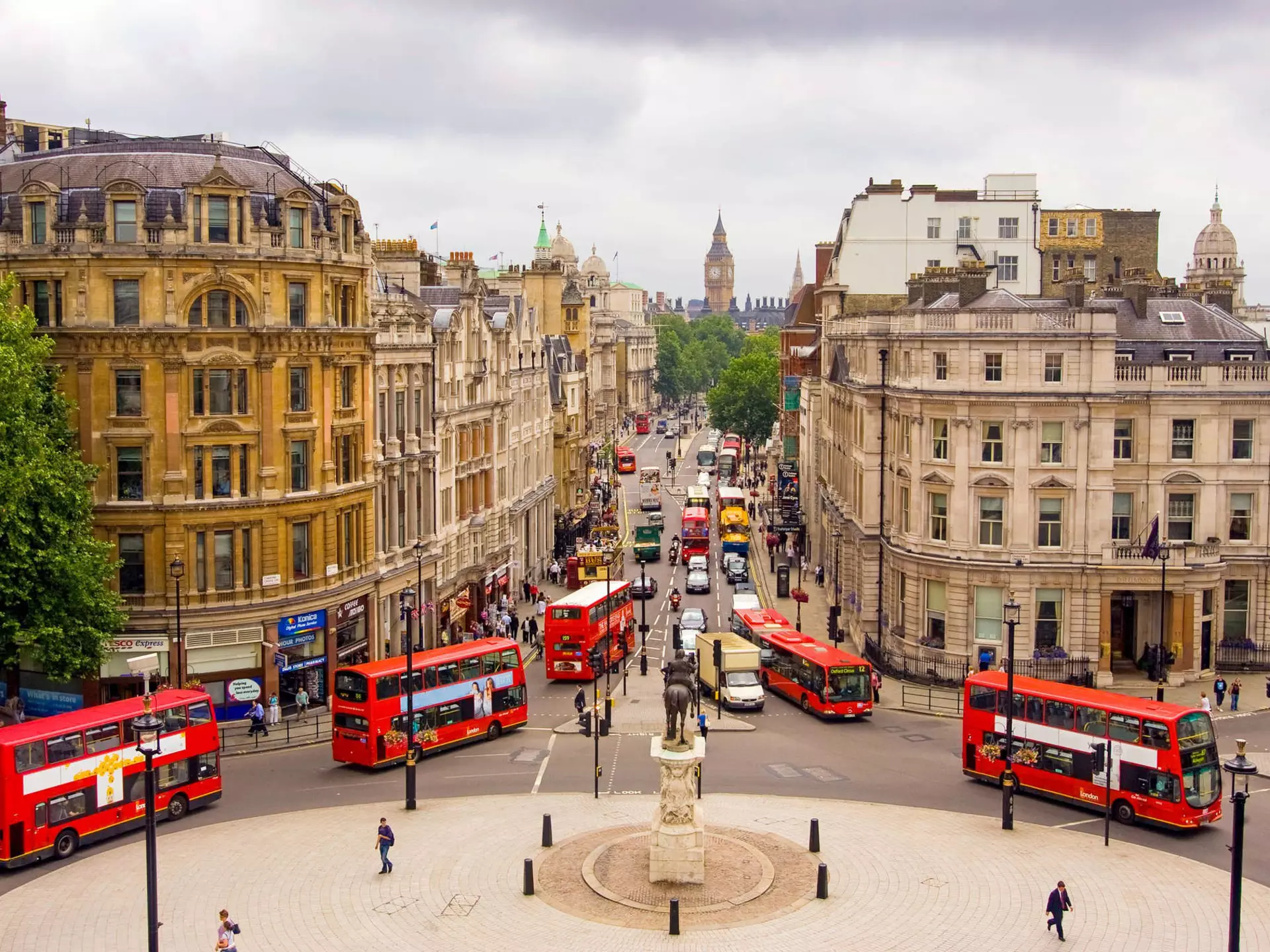
What Londoners Do That Visitors Notice First
Things Londoners do differentlyinclude queueing carefully, standing on the right on Tube escalators, using contactless or Oyster without slowing down at barriers, walking short distances instead of always taking the Tube, keeping public life polite but private, making quick use of parks and sunshine, and choosing neighbourhoods, markets, pubs and free museums as part of everyday city life.
These habits can look like quirks at first, but most of them are practical responses to a crowded, fast-moving and expensive city. Londoners learn to protect personal space, keep transport flowing, save money where they can and make the most of small breaks in the weather.
Not every Londoner behaves the same way. Londonis too large and mixed for that. These are the common habits visitors and newcomers tend to notice first, and understanding them makes the city easier to read.
Quick Answer: Things Londoners Do Differently
Londoners often:
- Queue carefully, even when the queue is not obvious.
- Stand on the right of Tube escalators and keep moving near barriers.
- Use contactless or Oyster instead of buying paper tickets.
- Walk short central distances that visitors might put on the Tube.
- Keep public life polite but private.
- Treat good weather like a limited-time offer.
- Use parks, free museums, markets, pubs and neighbourhoods beyond Zone 1 as everyday London.
- Step aside before checking maps, filming or stopping suddenly.
For the bigger picture behind these customs, our guide to the culture of Londonexplains how everyday etiquette, food, arts and neighbourhood identity fit together.
Londoner Habits And What They Mean For Visitors
| Londoner habit | What it means for visitors |
| Queue without fuss | Watch the order, wait your turn and do not hover aggressively. |
| Stand right on escalators | Leave the left side clear for people walking. |
| Have payment ready | Do not reach the barrier before finding your card or phone. |
| Walk with purpose | Step aside before checking maps or taking photos. |
| Keep public space quiet | Loud calls and big group chats can feel intrusive on busy transport. |
| Use free culture | Museums, parks and riverside walks are part of real London life. |
| Go beyond Zone 1 | Neighbourhoods often show London better than landmark-only routes. |
| Carry layers | Sun, wind and rain can all appear in one ordinary day. |
1. Londoners Queue Like The Queue Is A Social Contract
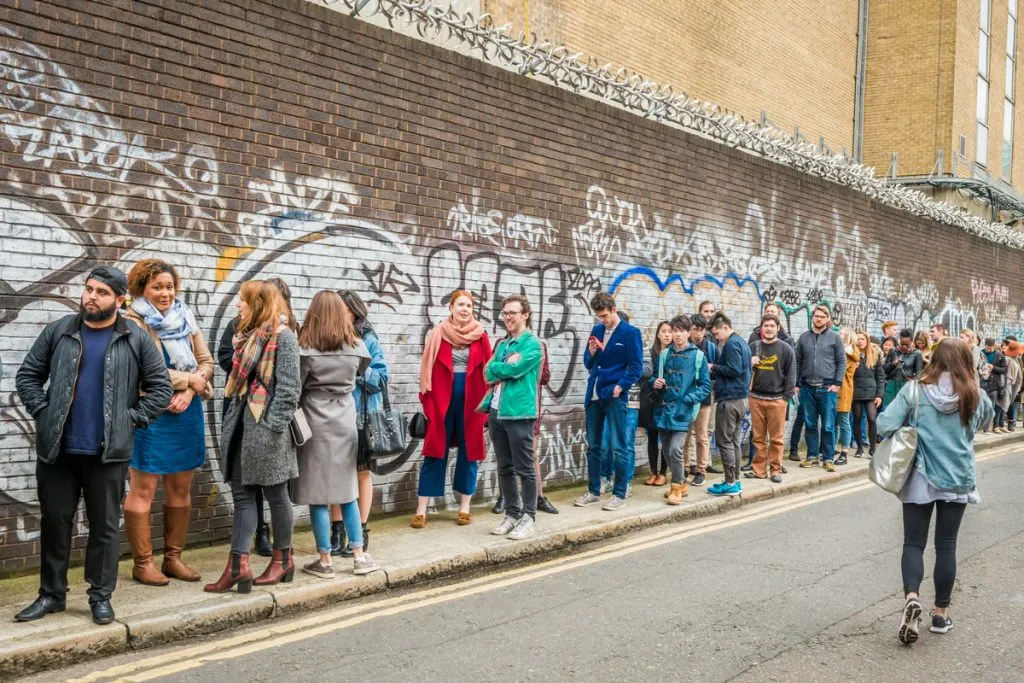
Queueing is one of the quickest London habits to understand because it affects small moments all day. Get it right, and you instantly move through the city with less friction.
The Queue Can Exist Even When There Is No Obvious Line
A London queue does not always look neat. At a bus stop, people may be scattered around the shelter, checking phones and pretending not to care. Somehow, many of them still know who arrived first.
You see the same thing in cafés, bakeries, pubs, toilets, station lifts and ticketed events. The order matters, even when nobody says it out loud.
The habit works because London is crowded. If everyone argued for position, small errands would become tiny battles.
The Mistake Visitors Make
The classic mistake is hovering near the front and hoping nobody notices. People notice.
Another mistake is treating a loose crowd as an invitation to push in. If the group is facing one counter, one bus door or one entrance, assume there is a queue until proven otherwise.
A useful rule is simple: look for body language before moving. If people are angled toward the same point, waiting silently and leaving small gaps, they are probably queueing.
What I’d Copy
I’d copy the calmness. Join the end, watch who arrived before you and let the queue do its quiet work.
If you are unsure, ask, “Is this the queue?” It is short, polite and very London. The answer usually saves you from an awkward stare.
Queueing is the first London habit to learn because it teaches the bigger rule: in a crowded city, small courtesies keep everyone moving.
2. Londoners Treat The Tube Like A Moving System, Not A Tourist Attraction
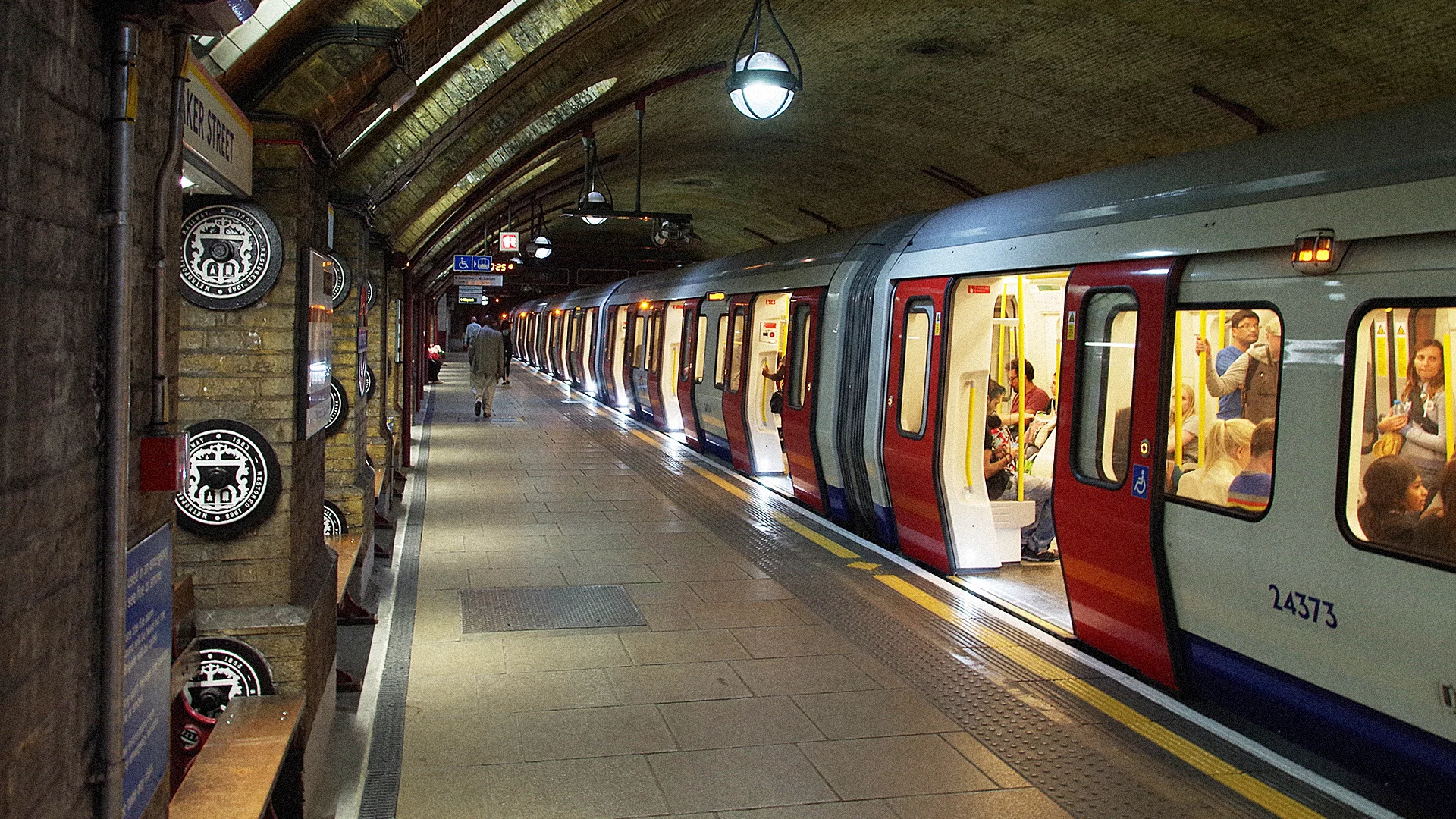
The Tube is not just transport. At busy times, it is a moving system that depends on people not blocking the flow.
Stand Right, Walk Left
On Tube escalators, the familiar London convention is to stand on the right so people can walk on the left. TfL’s Railway Byelawssay passengers should keep to the right on escalators when not walking, which matches the familiar London convention of standing right and walking left.
This habit matters because a small blockage becomes a long delay when hundreds of people are behind you. If you want to stand, stand right. If you want to walk, use the left carefully.
The exception is common sense. If the station is packed, you have luggage, or someone needs extra space, safety matters more than speed.
Let People Off Before Getting On
Londoners expect passengers to leave the train before new passengers board. It sounds obvious, but busy platforms can make people rush.
The smart move is to stand to the side of the doors, not directly in front of them. Let the carriage empty, then step in.
This habit makes the journey faster for everyone. It also stops the little door-area wrestling match that nobody enjoys.
Do Not Stop At Barriers
The ticket barrier is not the place to search your bag, unlock your phone, check your bank card or discuss the route. Get your payment ready before you reach the reader.
A common mistake I see visitors make is tapping through, stopping immediately and then checking the map. Step to the side first. Then check your route.
If your card does not work, step aside rather than trying repeatedly while a queue builds behind you.
Use The Same Card Or Device
TfL advises visitors that they can pay as they go with a contactless card or mobile device on its services. TfL visitor payment guidancealso says you should use the same card or device to touch in and out so you pay the right fare.
That means do not touch in with a phone and touch out with the physical card linked to the same account. The system treats them differently.
The Tube feels less stressful when you think like a Londoner: prepare before the pinch point, move through it, then check your route after you are out of the way.
They Know Bus Stops Have Their Own Rhythm
London bus behaviour has its own quiet rules too. At busy stops, people often know who arrived first, and on some Hail & Ride sections, TfLsays passengers can signal at a safe point for the driver to stop.
For a normal visitor journey, the practical habit is simple: stand where the driver can see you, be ready to board, tap once when you get on, and press the bell before your stop.
Buses feel easier when you treat them like part of the same shared-space system as the Tube.
For a deeper look at the Tube, bus and barrier rules, use our guide to London commuting etiquettebefore your first rush-hour journey.
3. Londoners Walk Distances Visitors Might Put On The Tube
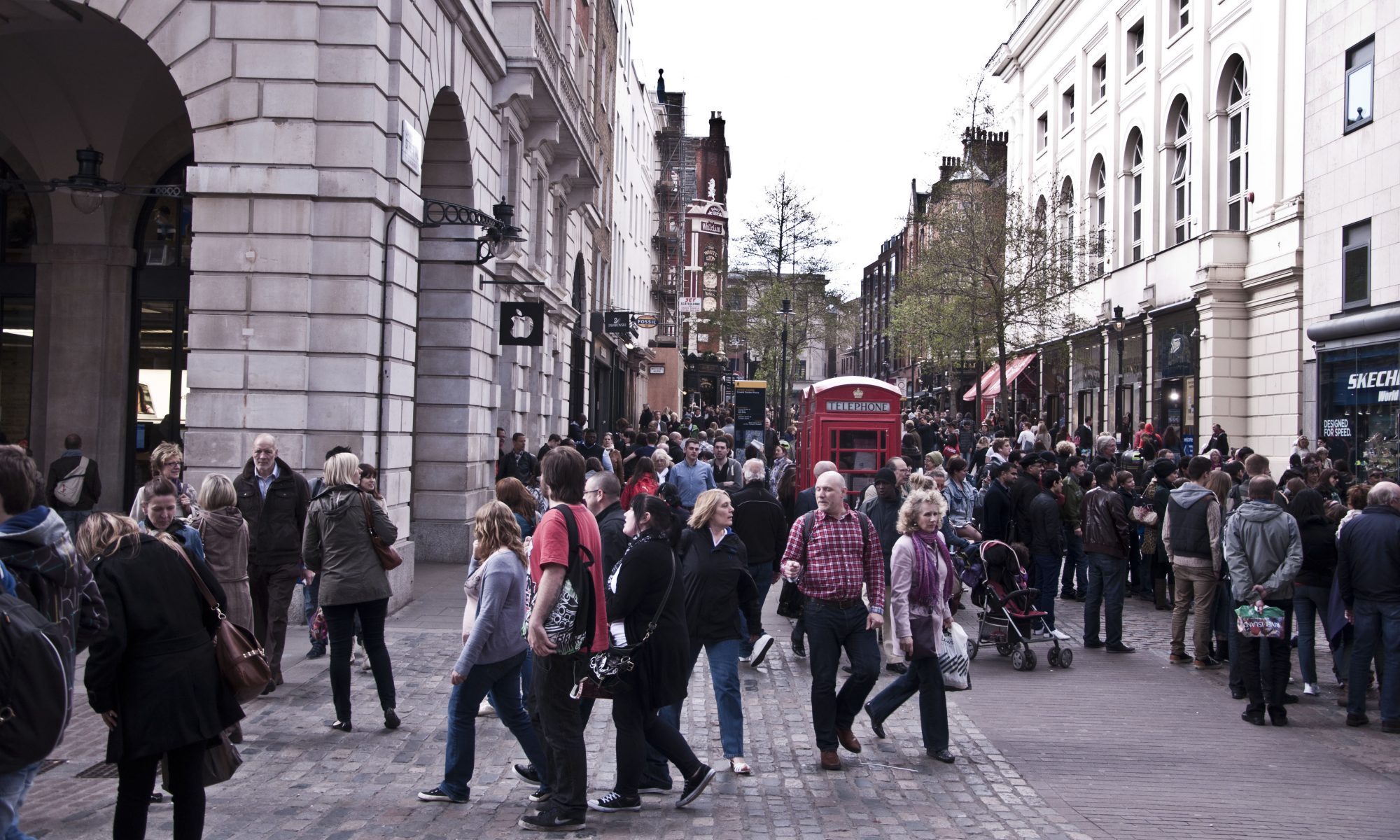
This is one of the easiest London habits to copy: sometimes the fastest route is above ground. Walking can save time, money and confusion when two places are closer than the Tube map makes them look.
“It’s Only 20 Minutes” Is A London Mindset
In central London, a 15 or 20-minute walk can beat changing lines underground. The TfL walking between stations mapcan make the point clearer: some stations look far apart on the Tube map, but the streets between them are actually manageable.
A visitor might take the Tube from Covent Gardento Leicester Square. A Londoner is more likely to walk it and arrive before the next train would have felt worth it.
The deeper habit is not “walk everywhere.” It is knowing when the simplest route is above ground.
Walking Helps You Understand Neighbourhoods
Walking joins London together. The city stops feeling like scattered station names and starts feeling like connected streets, squares, bridges, markets and side roads.
A short walk from the South Bankto Westminster tells you more about the river than a quick Tube hop. A slow wander through Soho, Marylebone, Notting Hillor Greenwich gives you the texture that landmark-only planning misses.
This is why Londoners often talk in routes, not just destinations.
For ready-made street-level ideas, use our London walking routes guideto turn that habit into a simple plan.
When Not To Walk
Do not copy the walking habit blindly. Sometimes the Tube, bus or taxi is the better choice.
Skip the walk when:
- You have heavy luggage.
- The weather is miserable.
- You are travelling late and feel unsure.
- Someone in your group has mobility needs.
- The route is longer or less direct than it looks.
- You are already tired and still have a full day ahead.
The Londoner trick is not walking for the sake of it; it is choosing the route that causes the least friction.
4. Londoners Keep Public Life Polite But Private
Londoners are often read as cold, but the better word is usually reserved. Once you understand that difference, public life in the city makes much more sense.
Reserved Does Not Always Mean Rude
On busy streets, buses and Tube trains, many Londoners keep to themselves. Eye contact is brief, headphones are common and small talk is not expected from strangers.
This privacy is partly practical. In a city of millions, people create small bubbles to get through the day.
Still, direct politeness works well. Ask a clear question like “Is this the right platform for King’s Cross?” and many people will help without turning it into a long conversation.
The Silent Tube Carriage Rule
The Tube is not officially silent, but many carriages behave like they are. People read, scroll, listen to music or stare at the ads as if the poems above the seats contain urgent state secrets.
Loud speakerphone calls, big luggage in the aisle and group shouting can feel intrusive. The space is shared, tight and temporary.
A good rule is to make yourself easy to share space with. Keep bags close, lower your voice and move down the carriage when you can.
The Best Way To Ask For Help
Ask quickly, clearly and politely. London is fast, but it is not impossible.
Useful phrases include:
- “Sorry, is this the right way to…?”
- “Excuse me, does this train stop at…?”
- “Sorry, are you in the queue?”
- “Can I just get past, please?”
Short questions fit the pace of the city. They also show you respect the other person’s time.
Public privacy is one of the reasons London works: people leave each other alone until help is actually needed.
5. Londoners Talk About Weather Like It Is Breaking News
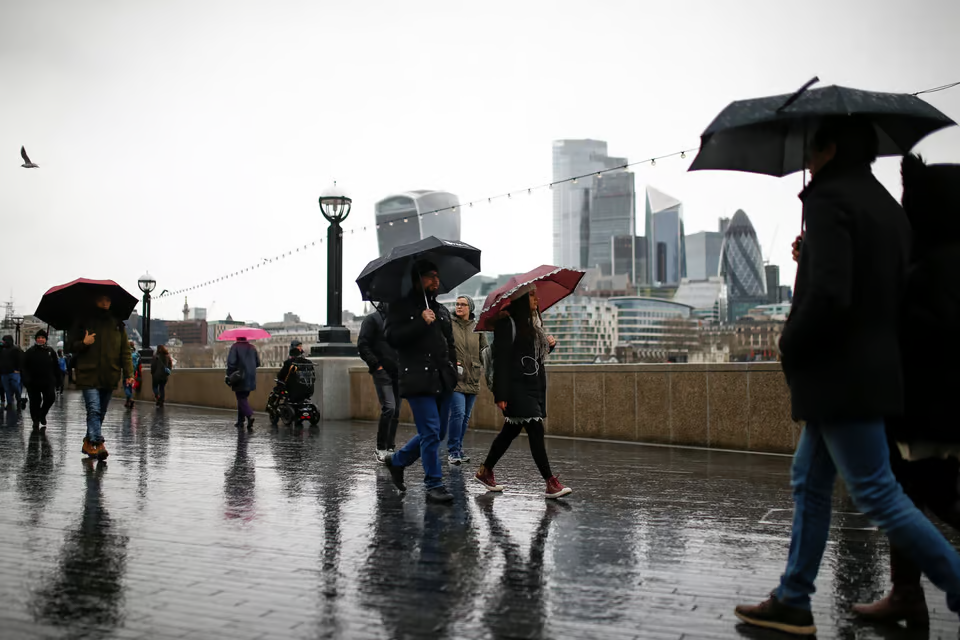
A small patch of sun can change the mood of London very quickly. The weather is not always dramatic, but it is changeable enough to shape daily habits.
Always Carry Layers
Londoners often dress for possibility rather than certainty. A light jacket, umbrella, sunglasses or extra layer can all make sense on the same day.
The point is not fashion perfection. It is not being defeated by a breeze, drizzle or sudden warm spell.
If you are visiting, layers are more useful than one heavy outfit. You can adjust without returning to your hotel.
For month-by-month packing help, check our guide to London weatherbefore deciding what layers to bring.
Sunshine Changes The City
When the sun appears, Londoners use it quickly. Parks fill, pub gardens wake up, riverside benches disappear and outdoor tables suddenly look like prime property.
This is one of the city’s most likeable habits. Nobody fully trusts the weather to last, so good light gets treated as something to use immediately.
If you get a bright afternoon, do not over-plan it. Walk the river, sit in a square or add a park stop.
Rain Rarely Cancels The Plan
Rain changes London plans more often than it cancels them. A museum, gallery, covered market, café, bookshop or pub can absorb a grey hour.
This is where the city is forgiving. You can start with a walk, get rained on, then end up in the V&A, a cinema, a bakery or a quiet pub corner.
The weather habit is simple: Londoners complain about the forecast, then carry on anyway.
6. Londoners Use Parks Like Extra Living Rooms
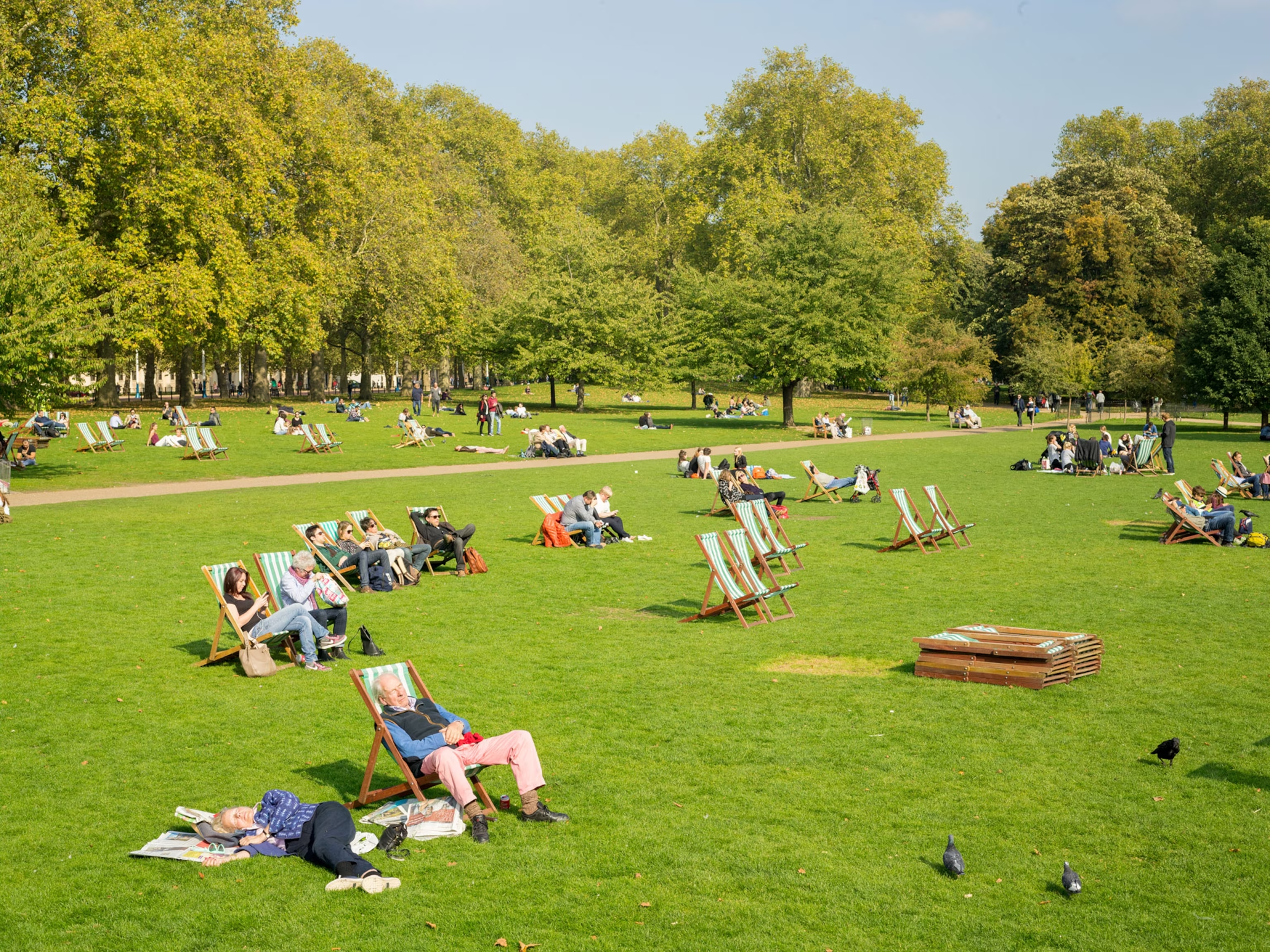
Behind the fast walking and silent Tube face, Londoners use green space as relief from the city’s pressure. Parks are not just places to visit; they give residents a break from London’s density.
Lunch In The Park Is Normal
When the weather allows, a park bench becomes a lunch table, meeting spot, reading chair or reset button. Even a small square can feel like a pause in the day.
You do not need a famous park for this habit. A local garden, canal edge, churchyard or riverside step can do the job.
For visitors, adding park time stops the trip from becoming a march between attractions.
If you want to choose the right green stop rather than defaulting to the nearest lawn, use our guide to the best parks in London.
London Is Greener Than Visitors Expect
London City Hall describes the city as almost 50% green and blue space, including parks, front gardens, allotments, street trees, rivers, canals and ponds. London was also confirmed as the world’s first National Park City in 2019, according to London City Hall’s London National Park Citypage.
That explains why parks are not just “extra” in London. They are part of how people live with density.
The city can be intense, but it also gives you places to step out of that intensity.
Best Local-Feeling Green Habits To Copy
Copy the small green habits, not just the big park visits.
Try:
- A coffee walk through a garden square.
- A lunch stop in a local park.
- A canal walk instead of another shopping street.
- A riverside pause between major sights.
- A common, heath or hill when you want space.
The park habit matters because it balances London’s speed with stillness.
7. Londoners Know Free London Is Part Of Real London
London can be expensive, but that does not mean every good moment has to be paid for. Many Londoners learn to mix free culture with selective spending.
Free Museums Are Not Just Tourist Fillers
Visit Londonnotes that many major national museums in Londonare free to enter, with permanent collections usually free and special exhibitions often ticketed.
This changes how Londoners use culture. A museum does not need to be a full-day event. It can be a one-hour detour, a rainy-day shelter or a calm place between plans.
If you want to choose the right free or rainy-day stop, compare the best museums in Londonby area and visitor type.
That is one of London’s useful cultural advantages: major permanent collections can be visited without turning every stop into a paid attraction.
Free Viewpoints, Markets, And Riverside Walks
Free London also includes bridges, river paths, markets, public squares, street art, churchyards, parks and skyline glimpses.
Markets are especially useful because they give you movement, food, browsing and atmosphere in one place. You can spend money, but you do not always have to.
A local-feeling day might include a museum room, a market wander, a park bench and a bus ride. None of that requires chasing every paid attraction.
For skyline stops that still feel budget-friendly, see our guide to free viewpoints in Londonbefore choosing a bridge, park or rooftop.
How Londoners Balance Expensive London
Many Londoners become selective about spending because the city can be expensive: free culture for one part of the day, then money saved for the meal, show, gig or exhibition that feels worth it.
The useful habit is selectivity. Do not pay for everything just because it is famous.
Free London is not a backup plan. It is often the version of the city residents use between paid plans.
8. Londoners Go Beyond Zone 1 More Than Visitors Do
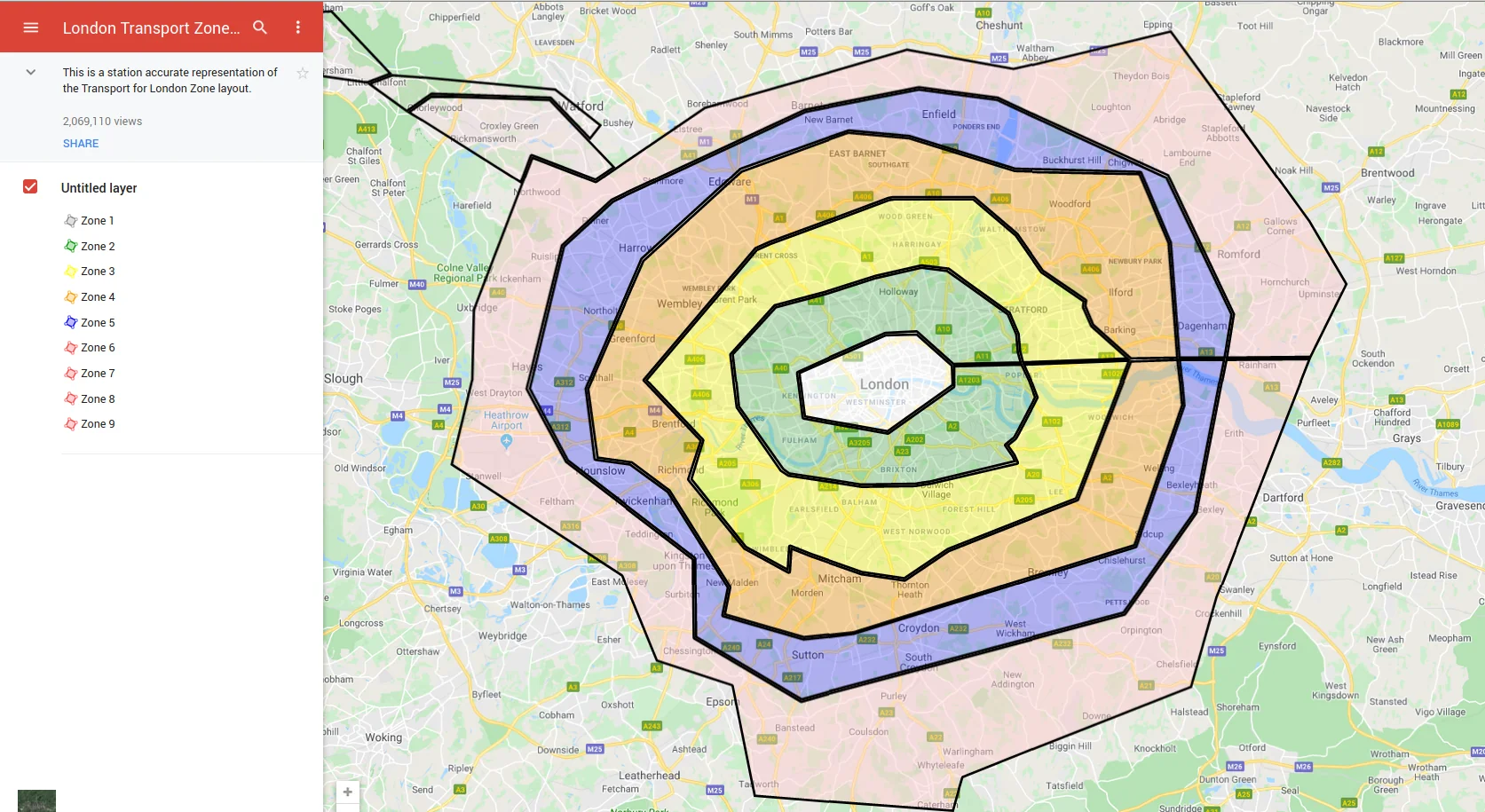
Zone 1 is packed with icons, but lived London spreads much wider. To understand the city better, you need at least one day that is not built only around the obvious centre.
Central London Is Not The Whole City
A first visit usually starts with Westminster, the South Bank, Covent Garden, Soho, the City and the museums. That makes sense.
The mistake is stopping there. London is a city of neighbourhoods, and many of its best food, parks, markets, pubs and local streets sit beyond the most obvious tourist core.
Londoners often plan by area: where to eat, where to walk, where to meet, which line is easiest, and what feels worth the journey.
Local-Feeling Areas To Mention Carefully
Neighbourhoods are not props, and they are not all the same. Avoid reducing them to lazy stereotypes.
Still, a few areas can help visitors understand the range of London:
- Greenwich for river history, markets and park views.
- Hampstead for the heath, village streets and space.
- Richmond for riverside walks and greenery.
- Brixton for food, music heritage and market energy.
- Hackney for parks, canals, cafés and nightlife.
- Walthamstow for village corners, wetlands and local high streets.
- Peckham for rooftop views, food and creative spaces.
- Bermondsey for railway arches, food stops and river links.
- Notting Hill for colour, markets and residential wandering.
- Camden for canals, alternative shopping and live-music associations.
Pick carefully rather than trying to “collect” neighbourhoods.
The Rule
Choose one neighbourhood and slow down. That is the easiest way to stop London feeling like a checklist.
Spend time walking, eating, sitting and noticing. The more you let one area breathe, the more local the city feels.
Going beyond Zone 1 is not about rejecting famous London. It is about adding the London people actually use.
9. Londoners Eat Globally, Quickly And Often Independently
London food habits are hard to reduce to fish and chips. Londoners eat around work, transport, neighbourhoods, cultures and budget.
Lunch Can Be Fast; Dinner Can Be Planned
A weekday lunch in London can be brutally practical: a sandwich, salad, noodles, meal deal, falafel wrap, bakery stop or something eaten on a bench between meetings.
Dinner can be different. People will cross town for the right restaurant, book ahead for a birthday, meet near a convenient station or choose somewhere based on a friend’s favourite cuisine.
The split is very London: quick when necessary, specific when it matters.
Markets And Independent Restaurants Matter
Markets give Londoners choice without committing to one formal sit-down meal. Borough, Camden, Broadway Market, Maltby Street and local street-food spots all serve different moods.
Independent restaurants matter because London’s food identity is multicultural and neighbourhood-led. A brilliant meal might be in a tiny café, a railway arch, a family-run spot or a restaurant far from the main sightseeing route.
The visitor mistake is eating only where the crowds already are.
For a fuller shortlist, compare London’s best street marketsbefore planning a market lunch or neighbourhood wander.
Traditional British Food Is Not The Whole Story
Yes, London has pubs, pies, roasts, afternoon teas and fish and chips. But that is only one layer.
London food also means South Asian, Caribbean, East Asian, Middle Eastern, African, European and countless mixed influences. The city eats globally because the city is global.
The habit to copy is curiosity. Ask what an area is known for, then eat there instead of defaulting to the nearest tourist menu.
10. Londoners Socialise In Pubs, But Not Always The Way Visitors Expect
For many Londoners, the pub is less about novelty and more about an easy social meeting point. The etiquette is simple once you know what people expect.
Pub Rounds
In a group, people may buy drinks in rounds. One person buys, then another person buys later.
You do not need to overcomplicate it. If someone buys you a drink, be ready to return the favour when your turn comes.
If you are not drinking alcohol, the same courtesy can still apply with soft drinks. The point is fairness, not pressure.
Thursday Can Feel Like The Start Of The Weekend
In many office-heavy areas, Thursday evening can feel lively because people socialise after work before Friday plans, travel or remote-working routines.
This is not a law of London. It is a pattern you may notice around pubs, restaurants and stations in business districts.
If you want a calmer pub, go earlier, choose a residential area or avoid the post-work rush.
Pub Etiquette Visitors Should Know
Pub etiquette is mostly practical.
Remember:
- Order at the bar unless table service is clearly offered.
- Know what you want before you reach the front.
- Do not block the bar after paying.
- Keep an eye on your turn in the round.
- Respect closing time and staff instructions.
- Do not treat every old pub as a film set.
A good London pub visit feels relaxed because nobody is making the simple things harder than they need to be.
11. Londoners Have Strong Opinions About Routes, Lines And Boroughs
Londoners can sound dramatic about a journey that looks simple on a map. That is because routes in London are not just about distance. They are about crowding, interchanges, station exits, stairs, delays, weather, habits and where the journey actually feels easiest.
Route Opinions Are Usually About Friction
Ask enough Londoners and you will hear strong opinions about Tube lines, bus routes, interchanges and stations. One person may avoid a line because it feels too crowded. Another may prefer a longer route because it has an easier change or a better final walk.
This is less about being difficult and more about experience. Londoners build mental maps from repeated journeys: which station exit saves time, which interchange feels annoying, which bus is calmer, and which route works better at rush hour.
Borough Stereotypes Exist, But Avoid Lazy Generalisations
Londoners joke about areas, but visitors should be careful with broad labels. Boroughs are large, mixed and changing. A neighbourhood can feel expensive, scruffy, historic, new, calm and chaotic within a few streets.
Use local opinions as clues, not rules. They can help you understand the city, but they should not replace your own route planning or curiosity.
The Real Point
The local habit worth copying is flexibility. Do not choose a route only because a map app puts it first. Think about the whole journey: how busy it is, how easy the change feels, whether walking part of it makes sense, and where you want to end up.
That is why two Londoners can suggest different routes and both be right.
If you want a practical breakdown of Tube, bus, walking and taxi choices, use our guide to how to get around London.
12. Londoners Add One Local Detour To Famous Sights
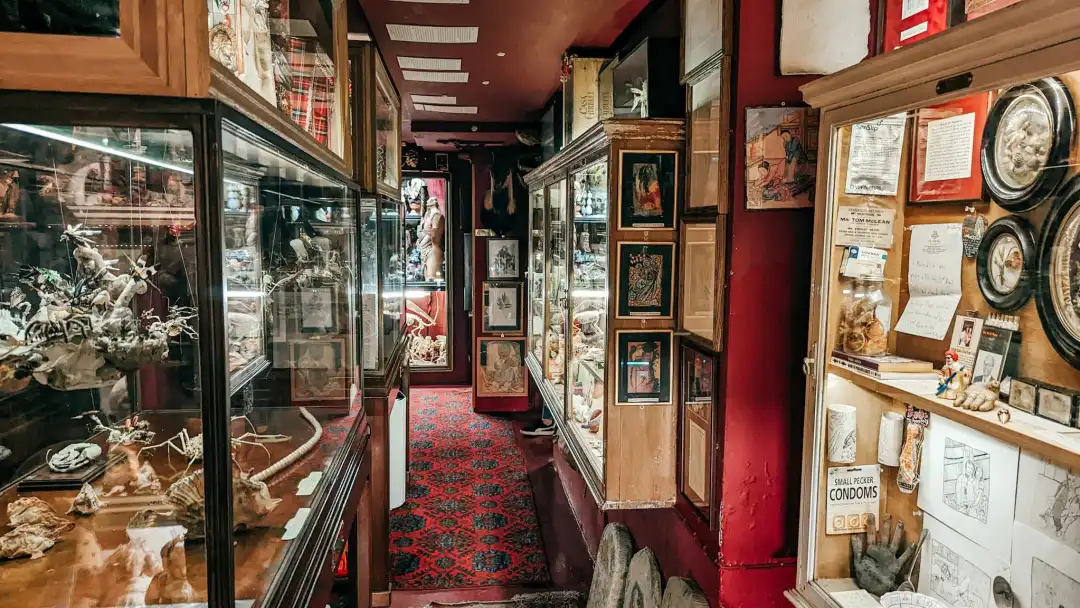
Londoners are not always chasing the biggest attraction. They often build a good day from smaller pieces: one famous sight, one useful detour, a market lunch, a park cut-through, a canal walk or a pub near the final Tube stop.
Visit Unusual Museums And Smaller Spaces
Visit London’s quirky guidehighlights unusual experiences such as the Viktor Wynd Museum of Curiosities, Mail Rail at the Postal Museum, Dennis Severs’ House, St Dunstan in the East and Leighton House Museum.
These places work because they show smaller, stranger, more atmospheric versions of the city.
A good London day does not need to be only Big Ben, Buckingham Palaceand the London Eye. Add one odd stop and the city becomes more memorable.
Use Markets, Canals, And Side Streets
London rewards detours. A canal path, railway arch, side street, small gallery, local bakery or quiet square can make a day feel less packaged.
This is where Londoners often do things differently from visitors. They are not always chasing the biggest attraction; they are building a day from useful little pieces.
That might mean coffee near a station, a market lunch, a park cut-through and a pub near the final Tube stop.
Choose One Iconic Thing And One Local Thing Per Day
This is the easiest planning rule to copy.
Pair one famous sight with one local-feeling experience:
- Westminster Abbeyplus a quiet walk through St James’s Park.
- Tower Bridge plus Bermondsey or Wapping.
- The British Museum plus Bloomsbury side streets.
- Camden Market plus a canal walk.
- Greenwich Market plus the park and river.
That mix stops your trip from becoming either too touristy or too obscure.
Copy These London Habits First
If you only copy a few habits, copy the ones that make the city easier for you and everyone around you. This checklist is the practical version of the whole piece.
Use this checklist:
- Stand right on escalators.
- Let people off trains first.
- Have your payment ready before barriers.
- Use the same card or device to touch in and out.
- Queue without fuss.
- Step aside before checking your map.
- Walk short central distances when it makes sense.
- Carry a layer.
- Use free museums and parks.
- Try one neighbourhood beyond Zone 1.
- Ask for help clearly and politely.
- Do not block pavements, doors or station entrances.
The best London habit is not speed, silence or sarcasm. It is awareness of the shared space around you.
FAQs About Things Londoners Do Differently
What Are The Most Common Things Londoners Do Differently?
Londoners queue carefully, walk quickly, use contactless or Oyster, keep public life fairly private, take Tube etiquette seriously and rely on parks, pubs, free museums and neighbourhoods as part of everyday life.
Why Do Londoners Stand On The Right?
Londoners stand on the right of Tube escalators so the left side stays clear for people who want to walk. It keeps busy stations moving and avoids blocking people behind you.
Are Londoners Unfriendly?
Londoners can seem reserved because public space is crowded and people protect their privacy. That is not the same as being unfriendly. A short, polite question often gets a helpful answer.
Do Londoners Use Oyster Or Contactless?
Many Londoners use contactless cards or mobile devices because it is quick and works with pay-as-you-go fares. Oyster is still useful for some visitors, children’s discounts, or people whose bank card does not work reliably on TfL.
Why Do Londoners Walk So Much?
Londoners walk because short central journeys can be quicker, cheaper and less annoying than changing Tube lines. Walking also helps connect areas that look separate on the transport map.
What Should Tourists Avoid Doing In London?
Avoid blocking Tube barriers, standing on the left of escalators, cutting queues, stopping suddenly on pavements, crowding train doors, speaking loudly in quiet carriages and treating Zone 1 as all of London.
What Do Londoners Do For Fun?
Londoners go to pubs, parks, markets, gigs, restaurants, galleries, football, cinemas, free museums, riverside walks and neighbourhood events. The fun often depends more on the area than the landmark.
What Are Quirky Things To Do In London Like A Local?
Try an unusual museum, a canal walk, a market lunch, a hidden garden, a small gallery, a local pub or one neighbourhood beyond the main sightseeing route.
Quick Recap
Things Londoners do differently make much more sense when you stop seeing them as quirks and start seeing them as city skills. Queueing, walking fast, keeping right, using contactless, protecting personal space and escaping into parks all help people move through a busy city with less friction.
For visitors, the goal is not to pretend to be a Londoner. The goal is to borrow the habits that make London easier: move with awareness, plan with flexibility, respect shared space and leave room for one local-feeling detour.
Do that, and London stops feeling like a city you are trying to decode from the outside. It starts to feel like a place with a rhythm you can actually follow.
Jump to
What Londoners Do That Visitors Notice First
Quick Answer: Things Londoners Do Differently
Londoner Habits And What They Mean For Visitors
1. Londoners Queue Like The Queue Is A Social Contract
2. Londoners Treat The Tube Like A Moving System, Not A Tourist Attraction
3. Londoners Walk Distances Visitors Might Put On The Tube
4. Londoners Keep Public Life Polite But Private
5. Londoners Talk About Weather Like It Is Breaking News
6. Londoners Use Parks Like Extra Living Rooms
7. Londoners Know Free London Is Part Of Real London
8. Londoners Go Beyond Zone 1 More Than Visitors Do
9. Londoners Eat Globally, Quickly And Often Independently
10. Londoners Socialise In Pubs, But Not Always The Way Visitors Expect
11. Londoners Have Strong Opinions About Routes, Lines And Boroughs
12. Londoners Add One Local Detour To Famous Sights
Copy These London Habits First
FAQs About Things Londoners Do Differently
Quick Recap

James Rowley
Author
James Rowley is a London-based writer and researcher covering London life, cultural geography, London travel, live London webcam pages and selected public figures across entertainment, sport, business and public life.
For over 15 years, he has focused on verified sources, first-hand local context and clear explanations that help readers understand both places and people more deeply. His work combines street-level London knowledge with careful research into career credits, media work, business interests and, where relevant, transparently explained net worth estimates.
He writes and reviews articles published on LondonWebcam.
Latest Articles
Popular Articles